半导体芯闻

Search documents
中欧半导体上下游企业座谈会在京召开
半导体芯闻· 2025-05-28 10:17
会议强调,中欧在全球半导体供应链中均占据重要地位,加强合作符合双方利益。当前国际形势复 杂严峻,不稳定不确定因素增多,中国将继续扩大高水平对外开放,为企业提供公平、稳定、透 明、可预期的政策环境,支持中欧半导体企业充分发挥各自互补优势,依法合规深化经贸合作,坚 决反对单边主义和霸凌行径,努力维护全球半导体供应链安全与稳定。 与会代表一致认为,当前,全球半导体产供链安全稳定正面临严峻挑战。本次座谈会为中欧半导体 上下游企业增进了解、提振贸易信心、深化交流合作提供了良好平台,中欧加强半导体领域交流与 合作将有助于为世界经济复苏增长注入新动力。 商务部、外交部、工业和信息化部等部门代表参会,并对企业反映的问题和建议进行了回应。 点这里加关注,锁定更多原创内容 如果您希望可以时常见面,欢迎标星收藏哦~ 来源:内容来自观察者网 。 据商务部网站消息,5月27日,中欧半导体上下游企业座谈会在北京召开。商务部相关司局、中国 半导体行业协会、中国欧盟商会及40余家中欧半导体上下游企业代表参会。会议就深化中欧半导 体领域经贸合作进行交流。 扫码立即关注 in 公众号ID: MooreNEWS Ø 9 喜欢我们的内容就点 "在看 ...

三星将内存工厂,转为封装厂
半导体芯闻· 2025-05-28 10:17
Group 1 - Samsung Electronics is restructuring its Hwaseong factory's old memory production line into a packaging production line, with the transfer of facilities expected to begin in the second half of this year [1][2] - The H1 factory, which houses the 12th and 13th production lines, is transitioning due to declining shipments of older NAND and DRAM products in the domestic memory market [1][2] - The plan to convert the 13th line to CIS (image sensors) has been delayed due to the downturn in the CIS industry, prompting Samsung to focus on packaging capabilities instead [1][2] Group 2 - The H1 factory's manufacturing environment is outdated, making it difficult to upgrade to the latest generation of memory, unlike the more advanced 15th and 16th lines [2] - The lower technical difficulty of post-processing technology allows for easier conversion, and consolidating small packaging equipment nearby can enhance management and investment efficiency [2] - Industry insiders indicate that Samsung is looking to introduce relevant equipment to the H1 factory to reorganize its old memory business while expanding packaging capacity [2]
中国扫货半导体设备
半导体芯闻· 2025-05-28 10:17
Core Insights - China has the highest expenditure on semiconductor manufacturing equipment globally, with spending reaching $49.55 billion in 2023, a 35% increase year-on-year [1][2][3] - The total global expenditure on wafer fab equipment was $117.14 billion in 2023, marking a 10% increase from the previous year [2][3] Group 1: China's Semiconductor Market - China's spending on wafer fab equipment was $49.55 billion in 2023, up from $36.60 billion in 2022, reflecting a 35% growth [2] - China, South Korea, and Taiwan together accounted for 74% of the global market share in wafer fab equipment spending [3] - The growth in China's semiconductor market is supported by government policies and capacity expansion initiatives [3] Group 2: Regional Expenditure Trends - South Korea's expenditure on wafer fab equipment increased by 3% to $20.47 billion, driven by high demand for high bandwidth memory (HBM) [3] - Taiwan's spending decreased by 16% to $16.56 billion due to a slowdown in new equipment demand [2][3] - North America's spending grew by 14% to $13.69 billion, attributed to increased investments in advanced nodes and domestic production capabilities [3] Group 3: Japan's Semiconductor Equipment Sales - Japan's semiconductor manufacturing equipment sales reached a record high of 4,470.38 billion yen in April 2025, a 14.9% increase year-on-year [4][5] - Cumulative sales for the first four months of 2025 were 1 trillion 7,082.94 billion yen, a 23% increase compared to the same period last year [5] - Japan's semiconductor equipment market share is approximately 30%, making it the second largest globally after the United States [5] Group 4: Future Projections - Japan's semiconductor equipment sales are projected to grow by 5% in the fiscal year 2025, reaching 4 trillion 6,590 billion yen, and by 10% in 2026, surpassing 5 trillion yen for the first time [6]
“成熟制程要避免杀戮”
半导体芯闻· 2025-05-28 10:17
Core Viewpoint - The company is facing uncertainty in the second half of the year due to fluctuating tariffs and geopolitical risks, but emphasizes the importance of its collaboration with Intel on the 12nm project as a strategic necessity [1][2]. Group 1: Financial Outlook - The company’s CFO noted that visibility for the second half of the year is limited, with clients adopting a wait-and-see approach and reducing inventory levels [1]. - The appreciation of the New Taiwan Dollar (NTD) is expected to significantly impact the company's performance, with a 1% increase in NTD eroding approximately 0.4% of the gross margin [1]. - The average exchange rate has shifted from around 32.5-33 NTD per USD to approximately 30 NTD per USD, which poses challenges for revenue [1]. Group 2: Strategic Partnerships - The collaboration with Intel is structured around a division of labor, with manufacturing taking place at Intel's facilities in the U.S. and a focus on joint research and development [2]. - The company aims to maintain a competitive edge by offering customized processes that competitors cannot provide, particularly as it transitions from 28nm to 22nm processes [2]. - The trend of "China for China, Non-China for Non-China" is becoming more pronounced, with an increasing proportion of local customers in the company's factories in China, indicating a rise in domestic demand [2].
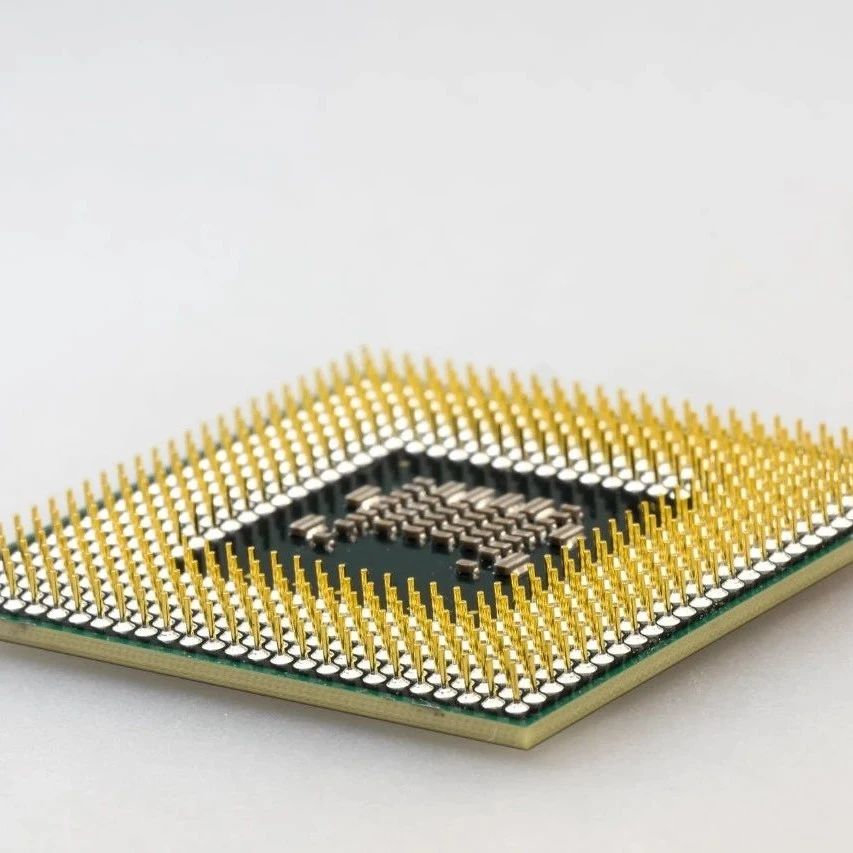
芯片关税,影响超大
半导体芯闻· 2025-05-28 10:17
Core Viewpoint - The potential implementation of a 25% tariff on semiconductor chips by the Trump administration could significantly harm the U.S. economy, leading to a projected GDP loss of $1.4 trillion over ten years, which is approximately 4.8% of the GDP in the tenth year [1]. Economic Impact - The ITIF report estimates that the first year of the tariff could result in a 0.18% decline in U.S. economic growth [1]. - Cumulative tax revenue losses for the U.S. government could reach $165 billion over ten years, exceeding the revenue generated from the tariffs by several billion dollars [1]. Consumer Impact - The average American's standard of living is projected to decrease by $122 in the first year due to the tariff, accumulating to $4,208 over ten years [1]. Industry-Specific Effects - The increased cost of semiconductors will raise the expenses associated with training AI models, potentially diminishing U.S. competitiveness in the AI sector, while China may gain a leading position due to substantial subsidies in AI and semiconductor industries [1]. - In the automotive sector, the report indicates that the value of semiconductors in each vehicle could rise to $4,000 by 2030, an increase of 800% from 2020, which will particularly impact the electric vehicle industry that requires significantly more semiconductors [2]. - The U.S. semiconductor manufacturing industry is still in its early stages, producing only 12% of the global semiconductor supply, which could lead to supply chain challenges if automotive manufacturers shift to domestic suppliers [2]. Supply Chain Considerations - TSMC's Arizona subsidiary has urged the U.S. government to carefully consider the implications of semiconductor tariffs on the overall supply chain and national security interests, seeking potential tax exemptions [2].

台积电:没到万不得已,不用新一代光刻机
半导体芯闻· 2025-05-28 10:17
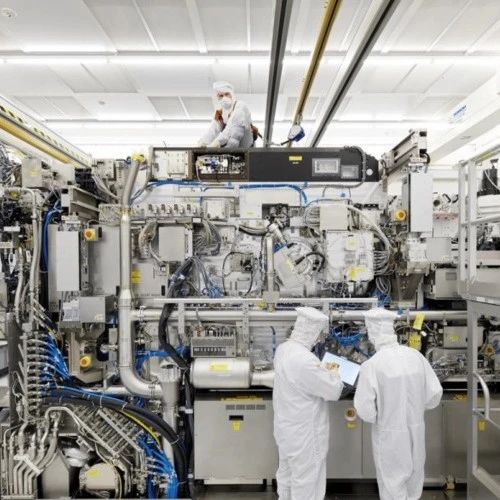
Core Insights - ASML's new High-NA EUV lithography equipment, priced at approximately $400 million (around NT$12 billion), is currently not being adopted by TSMC for its A14 process due to the lack of compelling reasons to justify the expense [1][2] - TSMC's senior vice president, Zhang Xiaoqiang, stated that significant technological upgrades can still be achieved without the High-NA EUV equipment, focusing instead on scaling benefits and extending the lifespan of existing Low-NA EUV equipment [1] - In contrast, Intel plans to utilize High-NA EUV machines in its upcoming 14A process to enhance its competitiveness against TSMC, while still allowing customers to opt for older, proven technologies [2] Summary by Sections ASML Equipment Pricing and Adoption - The High-NA EUV lithography machine is priced at nearly $400 million, making it one of the most expensive semiconductor manufacturing devices globally, with a weight of 180 tons and a size comparable to a double-decker bus [2] - TSMC has expressed that it currently does not see a necessity to adopt this expensive technology for its A14 and subsequent processes [1] Competitive Landscape - Intel is moving forward with plans to implement High-NA EUV technology in its future processes, aiming to revitalize its foundry business and improve its competitive stance against TSMC [2] - ASML's CEO mentioned that customers are expected to begin mass production preparations for High-NA equipment between 2026 and 2027, indicating a potential future shift in industry standards [2]

RISC-V,革命NPU
半导体芯闻· 2025-05-27 10:21
Core Viewpoint - Semidynamics has introduced Cervell™, a fully programmable Neural Processing Unit (NPU) designed to handle scalable AI computing from edge to data center, marking a fundamental shift in AI processor design and deployment [1][3]. Group 1: Cervell Architecture - Cervell represents the culmination of Semidynamics' evolution from modular IP components to a tightly integrated unified architecture rooted in the open RISC-V ecosystem [1]. - The architecture of Cervell allows for seamless data flow between control logic, vector processing, and matrix operations without the need for DMA transfers or synchronization barriers, enhancing performance and efficiency [6][8]. - Cervell supports up to 256 TOPS of computational power at maximum configuration, achieving data center-level inference performance while maintaining flexibility for low-power edge deployments [6]. Group 2: Integration and Flexibility - Cervell integrates CPU, vector units, and tensor engines into a single processing entity, eliminating the need for external CPUs and reducing performance bottlenecks associated with traditional architectures [6][9]. - The design of Cervell challenges the traditional NPU model, which often relies on closed, fixed-function pipelines, by allowing enterprises to customize the architecture based on their algorithms [8]. - The open RISC-V instruction set architecture (ISA) enables deep customization and compatibility with open software ecosystems, allowing Cervell's capabilities to evolve with customer needs [8][9]. Group 3: Market Demand and Trends - As AI workloads grow in size and complexity, there is an increasing demand for a more unified computing platform, moving away from fragmented architectures that struggle with memory bottlenecks and data transfer delays [2]. - The shift towards programmable and flexible solutions is driven by customer preferences, as fixed-function NPUs are no longer sufficient to meet evolving requirements [3].
美国人已经买不起元器件了?
半导体芯闻· 2025-05-27 10:21
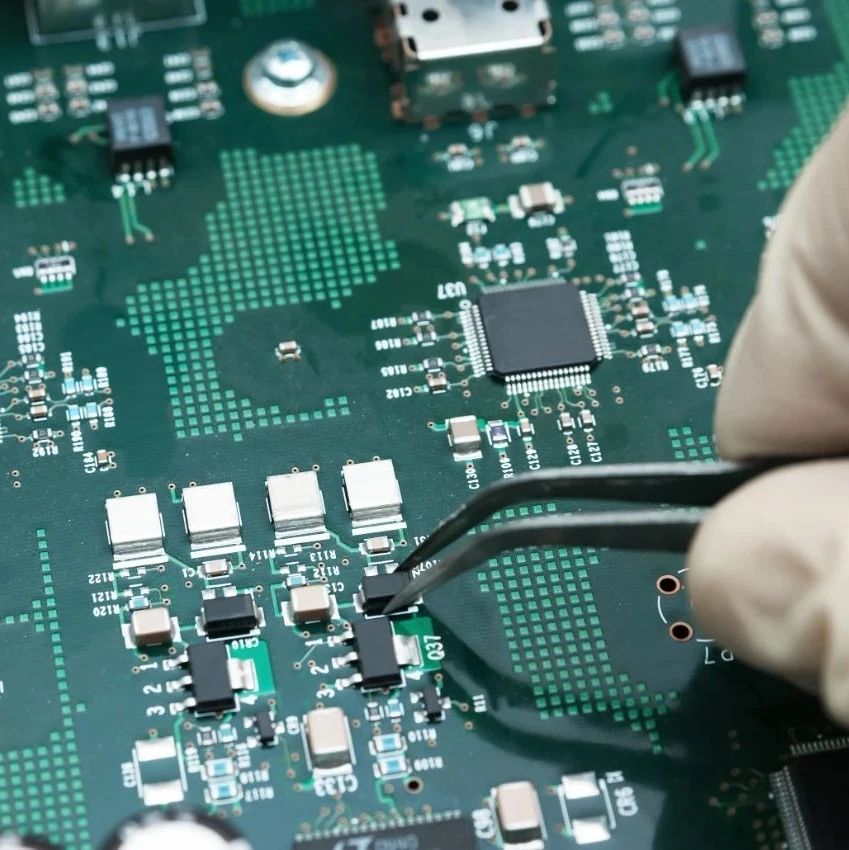
如果您希望可以时常见面,欢迎标星收藏哦~ 来源:内容 编译自 IEEE 。 Adafruit是一家总部位于纽约的在线零售商,销售各种电子元件和工具,该公司于 2025 年 4 月 29 日收到了美国新关税制度下的第一笔大额账单。 损失?36,000美元。 不断上涨的关税使这笔账单比Adafruit之前支付的金额高出数倍。Adafruit创始人兼工程师Limor Fried解释说:"如果不是125%、25%和20%的关税,"这笔费用可能在5000美元到6000美元之 间。她表示,这批货物的价值在7万到8万美元之间,其中一些货物的关税高达175%。 尽管特朗普政府最近几周已多次调整其关税政策,但这笔新支出并非一次性支出。除非美国关税政 策彻底调整,否则这对向美国进口电子元件的企业来说将是新的现实。 关税形势对许多生产或销售电子产品的公司来说都是挑战,但对创客群体以及像Adafruit这样销售 部分内部设计组件的公司来说,更是雪上加霜。专门生产组件、单板计算机以及模块化或可维修电 子产品的公司通常从美国境外数十家或数百家供应商处采购,这使得它们对关税非常敏感。而美国 关税政策的细微差别可能会导致意想不到的负面影响。 ...
美国芯片巨头呼吁
半导体芯闻· 2025-05-27 10:21
Core Viewpoint - Major U.S. semiconductor companies, including Micron, Qualcomm, and Texas Instruments, are seeking relief from anticipated import tariffs on semiconductors, emphasizing the complexity of the semiconductor supply chain and the potential negative impact of poorly designed tariffs on U.S. interests [1][2][12]. Group 1: Micron Technology - Micron is the only large-scale memory component manufacturer in the U.S. and plans to invest $140 billion over the next 20 years to support U.S. national and economic security [1][4][11]. - The company emphasizes the necessity of importing semiconductor manufacturing equipment (SME) and argues that tariffs could disadvantage Micron in competition [1][2][12]. - Micron's investment is expected to create 80,000 jobs and contribute $1.4 trillion to the U.S. economy over 20 years, while also addressing national security risks associated with memory chip production concentrated in Asia [11][14]. Group 2: Semiconductor Tariff Policy - Micron suggests that the government should consider temporary tariff exemptions for critical inputs to U.S. semiconductor factories, including SME, construction materials, and raw materials [2][21]. - The company warns that tariffs on essential materials and chemicals could significantly increase the costs of building and operating semiconductor manufacturing facilities in the U.S. [18][19]. - Micron advocates for a coordinated trade policy that supports the growth of the U.S. semiconductor manufacturing industry while ensuring competitiveness on a global scale [15][20]. Group 3: Qualcomm's Position - Qualcomm highlights its role as a leader in semiconductor design and emphasizes the importance of maintaining a competitive edge in the global market, particularly in 5G and future 6G technologies [28][30]. - The company calls for streamlined environmental review processes to facilitate its expansion efforts and reduce regulatory burdens [28][29]. - Qualcomm stresses the need for government policies that stimulate domestic demand for semiconductors, including leveraging government procurement policies [28][30]. Group 4: Industry Challenges and Recommendations - The semiconductor industry faces significant challenges, including high construction costs and regulatory complexities that hinder the establishment of manufacturing facilities in the U.S. [23][25]. - Companies like Micron and Qualcomm advocate for increased investment tax credits and support for workforce development to enhance the domestic semiconductor manufacturing ecosystem [23][26]. - The industry emphasizes the importance of maintaining a robust supply chain and urges the government to take comprehensive measures to promote semiconductor market growth and reduce manufacturing costs [25][26].


英特尔雇员涉嫌贪污
半导体芯闻· 2025-05-27 10:21
来源:内容 编译自 tomshardware 。 如果您希望可以时常见面,欢迎标星收藏哦~ 据以色列新闻媒体Calcalist报道,英特尔以色列公司已对前雇员 Natalia Avtsin 和前零部件供应 商 Yafim Tsibolevsky 提起法律诉讼,指控他们合谋挪用超过 300 万新谢克尔(约合 84.2 万美 元)。据称,这起挪用公款事件发生在 2023 年 10 月至 2024 年 11 月期间,直到英特尔揭露这 起欺诈行为后才被发现。 https://www.tomshardware.com/tech-industry/intel-uncovers-alleged-embezzlement-involving-former-employee-and-supplier 点这里加关注,锁定更多原创内容 *免责声明:文章内容系作者个人观点,半导体芯闻转载仅为了传达一种不同的观点,不代表半导体芯闻对该 观点赞同或支持,如果有任何异议,欢迎联系我们。 阿夫辛曾在英特尔以色列公司的硬件生产部门工作,直至2024年11月被解雇。英特尔表示,解雇 她是其缩减以色列业务战略的一部分,与她当时尚未发现的涉嫌犯罪无 ...