半导体芯闻

Search documents
日本代工厂,进展神速?
半导体芯闻· 2025-11-25 10:58
Group 1 - Rapidus is advancing its cutting-edge chip localization plan, aiming to start construction of its second factory in Hokkaido in FY 2027, with plans to begin mass production of 1.4 nm chips by 2029, which is among the most advanced technology tiers globally [1] - The total investment for the project is expected to reach several trillion yen, with the Japanese government providing initial funding support of several hundred billion yen, marking a key step in the revival of Japan's semiconductor industry [1] - The first factory located in Chitose aims to achieve mass production of 2 nm chips in the second half of FY 2027, despite the technology not being fully mature [1] Group 2 - The smaller the process node in nanometers, the higher the performance and energy efficiency of the chips, with the advanced 1.4 nm chips expected to serve as the "brain" for high-tech products and applications such as data centers, robotics, autonomous vehicles, and smartphones [2] - Global chip manufacturers are engaged in fierce competition over circuit width miniaturization, with TSMC planning to achieve mass production of 2 nm chips this year and launch 1.4 nm products by 2028, while Samsung aims to mass-produce 1.4 nm chips by 2027 [2] - Rapidus aims to achieve rapid scale production after the 2029 launch to keep pace with competitors, although it may face similar challenges as Samsung and Intel regarding yield improvement for advanced processes [2]

AMD显卡,大涨10%
半导体芯闻· 2025-11-25 10:58
Core Insights - AMD has informed supply chain partners of a price increase for graphics cards starting from the New Year of 2026, with a minimum increase of 10% due to rising memory prices [1][2] - This marks AMD's second price adjustment in recent months, with the first aimed at internal cost absorption, impacting its profit margins [1] - The graphics card pricing has been a contentious issue, influenced by factors such as rising power consumption, cryptocurrency demand surges, and potential supply restrictions by manufacturers [1] Price Trends and Market Dynamics - The price increase is occurring amidst a broader trend of rising hardware prices, particularly in the data center sector, where there is a significant demand for GPUs, CPUs, and memory [1] - Memory prices have seen a dramatic increase, with single memory module prices rising nearly 200% in recent months, affecting the graphics card market directly [1] - AMD's flagship RX 9070 XT has struggled to reach its suggested retail price, only recently hitting a historical low of $599 during Black Friday, indicating potential volatility in pricing [2] Competitive Landscape - AMD is not the only company planning price hikes; NVIDIA has also delayed the release of its RTX 50 Super series due to memory shortages, suggesting a high likelihood of price increases in their offerings as well [2] - The profitability of data center operations may lead NVIDIA to prioritize profit margins over competitive pricing in the gaming segment [2]


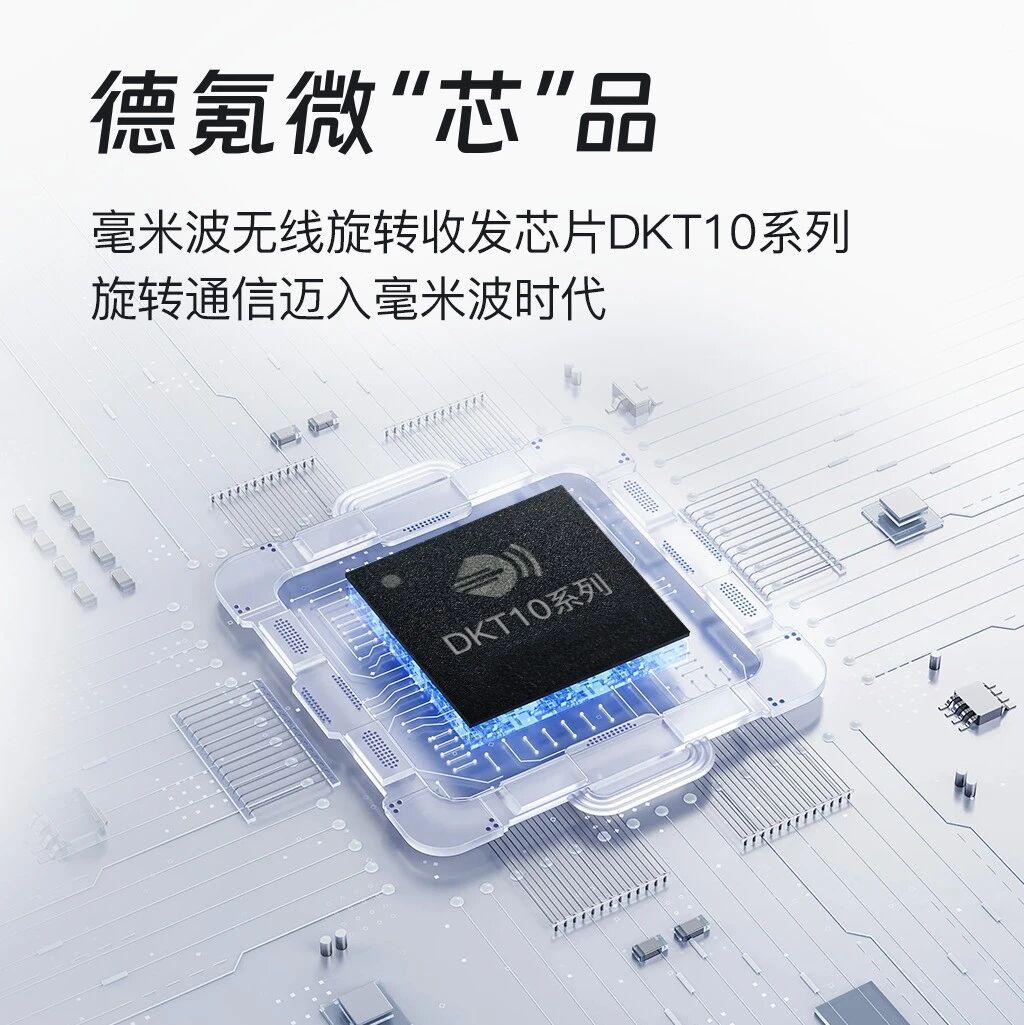
德氪微发布毫米波无线旋转收发芯片DKT10 系列,旋转通信迈入毫米波时代
半导体芯闻· 2025-11-25 10:58
今日,德氪微电子(深圳)有限公司(以下简称"德氪微")宣布推出全新毫米波无线旋转收 发芯片DKT10 系列,该系列专为高速旋转设备中的数据与控制链路而设计,可应用于机器 人、激光雷达、无人机与安防云台、风力发电设备以及工业自动化平台等多类场景。该系列 产品采用芯片级毫米波通信架构,是目前行业中极少数能以量产形态提供旋转无线链路的方 案之一。 率高、带宽难提升等挑战。为应对这些痛点,德氪微新推出的毫米波无线旋转收发芯片可在旋转 结构中实现非接触式数据传输,传输速率最高可达 5Gbps,兼容USB/Ethernet/LVDS/EtherCA T/CAN/RS485等各种协议,可在 360° 连续旋转、偏心误差及振动等复杂机械条件下保持稳定通 信,支持单向、半双工和全双工等各种通信模式,为行业带来更高可靠性和更低的运维成本。 此次发布的毫米波无线旋转收发芯片DKT10 系列产品采用集成式天线封装工艺(Antenna-in- Package),内部设计了圆极化天线结构,以应对旋转设备普遍存在的极化对准和角度变化问 题。相比线极化方案,圆极化天线在旋转过程中能够保持更一致的耦合效率,显著改善链路稳定 性。同时,AiP ...
谷歌最强芯片,终于开卖
半导体芯闻· 2025-11-25 10:58
Core Viewpoint - Google is intensifying competition with Nvidia by selling its Tensor Processing Units (TPUs) to clients like Meta Platforms, which may lead to significant market shifts in AI chip usage [1][2]. Group 1: Market Dynamics - Google is negotiating with companies like Meta to utilize its Tensor AI chips, which could threaten Nvidia's market dominance [1]. - Meta is considering purchasing billions of dollars worth of TPUs from Google starting in 2027, indicating a shift from reliance on Nvidia GPUs [1]. - Following the news, Google's stock rose over 2%, while Nvidia and AMD saw declines in their stock prices [1][2]. Group 2: Performance and Technology - Google's TPU v7 accelerator shows significant performance improvements, with each Ironwood TPU providing 4.6 petaFLOPS, slightly surpassing Nvidia's B200 [3][4]. - The Ironwood architecture allows for the connection of up to 9216 chips, enabling massive computational capabilities and high bandwidth [5][6]. - The system's design emphasizes reliability, with a reported uptime of approximately 99.999% since 2020 [6]. Group 3: Competitive Landscape - Google’s TPU pods are designed to scale efficiently, contrasting with Nvidia's NVL72 system, which connects fewer GPUs [5][7]. - The introduction of the Axion CPU, based on Arm architecture, complements the TPU by handling various workloads, enhancing overall performance [9][10]. - Google’s approach to chip interconnectivity through optical circuit switching (OCS) aims to reduce latency and improve fault tolerance [8][11]. Group 4: Software Integration - Google emphasizes the importance of software tools to maximize hardware performance, integrating Ironwood and Axion into a comprehensive AI supercomputer system [11]. - The company has reported significant improvements in operational efficiency and cost reduction for early customers using its AI infrastructure [10][12]. - The inference gateway technology optimizes request handling, significantly reducing latency and operational costs [12]. Group 5: Future Implications - The advancements in Google's TPU technology are attracting attention from major model builders, including Anthropic, which plans to utilize a large number of TPUs for its AI models [13]. - Analysts are increasingly questioning the impact of AI-specific ASICs on Nvidia's GPU dominance, as companies like Google and Amazon enhance their chip capabilities [14].

2纳米芯片,量产
半导体芯闻· 2025-11-24 10:28
Group 1 - The commercialization of Samsung Electronics' latest mobile application processor Exynos 2600 is revitalizing the domestic semiconductor ecosystem in South Korea, with expected improvements in operational rates for the backend processing industry and opportunities for design companies to attract new clients [1][2] - Exynos 2600, manufactured using a 2nm process, will be utilized in Samsung's flagship Galaxy S26 series smartphones, with an expected shipment contribution of 25% to 30% from this chip [1][2] - The previous generation Exynos 2500 faced supply issues due to low yield rates associated with its 3nm process, which Samsung aims to overcome with the more stable yield of Exynos 2600 [1] Group 2 - The wafer testing for Exynos 2600 will primarily be handled by three companies: Doosan Tesna, Nepes, and LB Semicon, with final testing conducted by Hana Micron, leading to improved overall operational efficiency in Q4 [2] - Samsung's design solution partners are closely monitoring Exynos 2600, as its success could significantly influence potential clients' adoption of Samsung's foundry processes [2][3] - The semiconductor industry is observing Samsung's 2nm process closely, especially given the high costs associated with TSMC's 2nm process, which has led to hesitance among some companies due to prior performance issues with Samsung's 3nm technology [3]

ASML辟谣
半导体芯闻· 2025-11-24 10:28
Group 1 - ASML has issued a statement regarding a recently published book in Dutch that focuses on the company, stating that it does not recognize the content of the book [2] - The company has previously informed the author in writing that several statements in the book are seriously inaccurate and damaging to ASML's reputation, and it reserves the right to take further action [2] - ASML denies any claims that it has made proposals to any government to "act on its behalf," asserting that such statements are misleading and untrue [2] Group 2 - ASML emphasizes its compliance with all applicable laws and regulations in its business operations, including relevant export control regulations [2]

RISC-V激光雷达芯片,发布
半导体芯闻· 2025-11-24 10:28
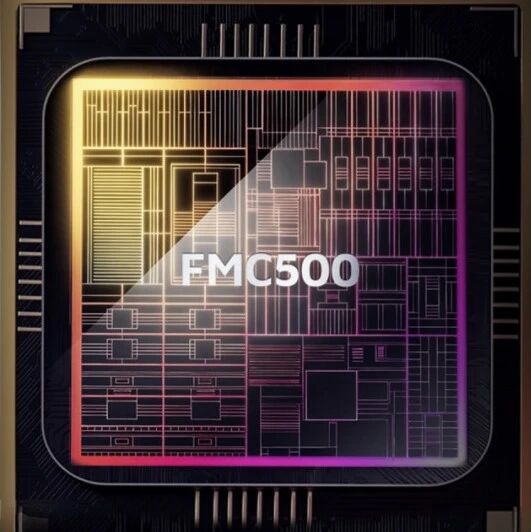
Core Insights - HeSai Technology, a global leader in LiDAR, held a technology open day on November 24, 2023, where it unveiled the Fermi C500 chip based on RISC-V architecture, a photon isolation safety technology, and the upgraded 256-line ATX LiDAR [1][4][16]. Group 1: Product Development and Innovation - The Fermi C500 chip integrates MCU, FPGA, and ADC, making it the world's first LiDAR-specific main control chip with dual certification for functional and network safety, meeting stringent automotive reliability and information security requirements [4][6]. - HeSai has achieved full-stack self-research in key components of LiDAR, including lasers, detectors, and signal processors, making it the only company in the industry to do so [6][30]. - The photon isolation technology ensures zero false alarms by preventing interference between laser channels, significantly enhancing the reliability of HeSai's LiDAR products [16][24][26]. Group 2: Market Position and Performance - HeSai has delivered a total of 185 million self-developed chips, ranking first in the industry, and has maintained a leading market share in China for eight consecutive months [3][30][34]. - The penetration rate of LiDAR in new energy passenger vehicles has reached 20%, with one in five new cars equipped with LiDAR as standard [32]. - HeSai's ATX LiDAR has received over 4 million orders and is expected to start mass production in April 2026, highlighting its strong market demand [27][30]. Group 3: Strategic Partnerships and Future Outlook - HeSai has secured partnerships with top automotive manufacturers, including major European and global new energy vehicle companies, for the 2026 model year [32][33]. - The upcoming demand for L3 autonomous driving features is expected to drive the need for multiple LiDAR units in vehicles, positioning HeSai favorably in the evolving market landscape [33].

下一代AI芯片,马斯克刚刚发声
半导体芯闻· 2025-11-24 10:28
如果您希望可以时常见面,欢迎标星收藏哦~ 来 源 : 内容来自 businessinsider 。 埃隆·马斯克不只是在谈论人工智能芯片。这位特斯拉首席执行官现在要求对工作感兴趣的工程师 给公司发邮件,而且他本人每周还会亲自主持两次设计会议。 周六晚间,马斯克在特斯拉X发布公告,招聘特斯拉人工智能芯片工程团队的求职者。他要求应聘 者发送一封电子邮件,用三条要点证明他们具备向特斯拉证明的"卓越能力"。 他说:"我们尤其有兴趣将尖端人工智能应用于芯片设计。" 马斯克在帖子中表示,该公司的目标是"每 12 个月推出一款新的 AI 芯片设计并投入量产"。 "我们预计最终芯片产量将超过所有其他人工智能芯片的总和,"他补充道。 马斯克表示,特斯拉汽车目前使用的芯片是AI4,该公司"即将完成AI5的流片",同时AI6的研发 工作也已启动。 马斯克补充道:"这些芯片将以积极的方式深刻改变世界,通过更安全的驾驶挽救数百万人的生 命,并通过Optimus为所有人提供先进的医疗保健。"Optimus是特斯拉的人形机器人项目。 马斯克一直在加大特斯拉在芯片领域的投入。今年7月,该公司与三星签署了一项价值165亿美元 的协议,由三星在 ...


DRAM要搞长期合约了
半导体芯闻· 2025-11-24 10:28
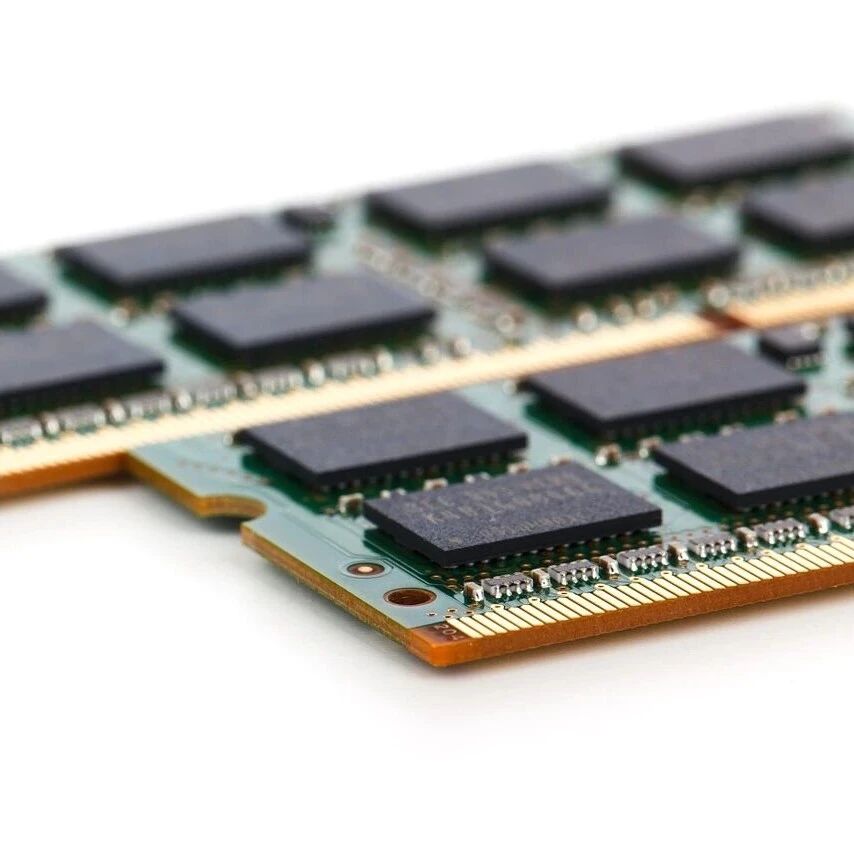
Core Viewpoint - The article discusses the increasing demand for DRAM due to the expansion of AI investments, leading to a shift from short-term contracts to long-term supply agreements, with expectations of price increases until 2026 [1][2]. Group 1: Market Dynamics - The shortage of DRAM is exacerbated by the growing need for AI infrastructure, with companies like OpenAI and Meta announcing multi-billion dollar investments [2]. - The demand for general-purpose DRAM has surged, driven by the establishment of data centers for AI development by major companies and governments [2]. - The DRAM market is transitioning to long-term contracts, with companies willing to pay above-market prices to secure supply for six months or longer [2][3]. Group 2: Supply Chain and Inventory - Major suppliers like Samsung Electronics and SK Hynix are negotiating semi-annual contracts for DRAM supply, with inventory levels rapidly decreasing [3]. - As of Q3 2025, Samsung's semiconductor inventory decreased by 14.6% to 3.404 trillion Korean Won, while SK Hynix's inventory fell by 368.9 billion Korean Won [3]. - The supply negotiations have extended to 2027, with SK Hynix completing all 2026 contracts and moving into 2027 discussions [3]. Group 3: Profitability and Market Outlook - The shift to long-term contracts is expected to enhance profitability for manufacturers like Samsung and SK Hynix, as it allows for better production planning and cost management [4]. - The current market environment is likened to a transition from frequent short-term transactions to long-term strategic partnerships, with buyers willing to pay premiums to ensure supply [5]. - The "super cycle" for DRAM manufacturers is anticipated to last at least until 2027, driven by sustained demand and higher contract prices [4].
FC-BGA,卖爆了
半导体芯闻· 2025-11-24 10:28
Core Insights - The demand for semiconductor packaging substrates, particularly Flip Chip Ball Grid Array (FC-BGA), is surging due to the rapid growth of artificial intelligence (AI) applications, with expectations of near-full capacity utilization within the next two years [1][2] Group 1: Capacity Utilization and Production - Samsung Electro-Mechanics reported a third-quarter capacity utilization rate of 72% for its FC-BGA packaging business, up from 63% in Q1 and 68% in Q2, indicating a steady increase [1] - Industry insiders noted that the production capacity utilization for Samsung's FC-BGA lines is approaching peak levels [1] Group 2: Market Demand and Client Expansion - The immense demand for FC-BGA is prompting Samsung Electro-Mechanics to increase its capacity utilization and expand its client base from existing customers like Amazon and AMD to new clients including Google and Broadcom [2] - Securities analysts predict that Samsung's FC-BGA capacity will be nearly sold out before 2027, highlighting the strong market demand [2] Group 3: Business Strategy and Future Outlook - Samsung Electro-Mechanics aims to diversify its business structure, shifting focus from IT products to high-value applications in AI and automotive sectors, capitalizing on the expanding AI market and ongoing infrastructure investments [2] - The company anticipates record sales for FC-BGA this year, driven by the full-scale supply of AI accelerator substrates since Q2, and expects double-digit sales growth next year through the acquisition of new clients [2]