半导体芯闻

Search documents
日月光砸42亿收购
半导体芯闻· 2025-11-24 10:28
Group 1 - The core viewpoint of the article highlights the increasing demand for advanced packaging and testing in the semiconductor industry, driven by memory and AI applications [1][2] - The company, ASE Technology Holding Co., announced two significant real estate transactions to enhance its production capacity, including a purchase of a 72.15% stake in a new factory in Zhongli for NT$42.31 billion [1] - The first transaction involves acquiring a factory in Zhongli, which will be used for advanced packaging and testing, while the second focuses on developing a new facility in Kaohsiung's Nanzih Technology Park, with a shared investment model [2] Group 2 - The Zhongli factory acquisition includes approximately 14,065.17 ping of building area and 2,119.02 ping of land, aimed at expanding the company's high-end packaging testing production lines [1] - The Kaohsiung project will involve a rental base of about 7,533.76 ping, with a total floor area of approximately 26,509.3 ping, and a distribution of rights valued at 3% for ASE and 97% for the partner [2] - The company emphasizes that these expansions will strengthen its advanced packaging and testing capabilities, addressing both short-term AI demand and long-term competitiveness in high-end processes in Taiwan [2]


晶圆代工,2300亿美元
半导体芯闻· 2025-11-24 10:28
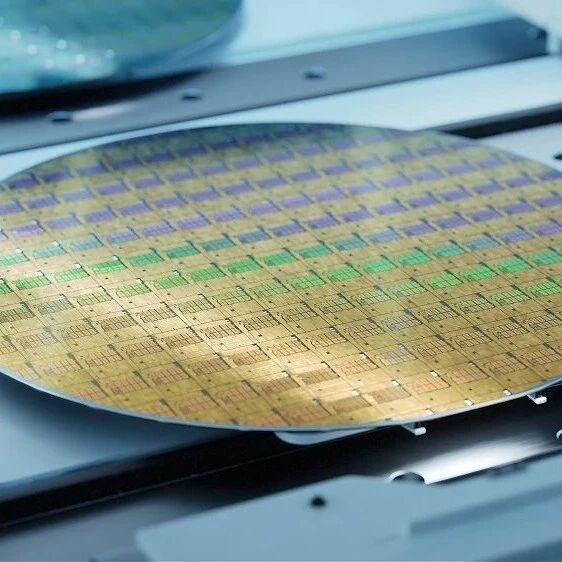
Core Insights - The global wafer foundry market is expected to reach $199.4 billion in revenue by 2025, with a year-on-year growth of over 25% driven by strong AI demand [1] - In 2026, the market size is projected to grow by an additional 17%, surpassing $230 billion, supported by ongoing investments in AI infrastructure [1] - From 2025 to 2030, the compound annual growth rate (CAGR) for the global wafer foundry market is anticipated to be 14.3%, although risks related to AI investment bubbles and geopolitical tensions remain significant [1] Industry Analysis - AI has become the core driving force for the semiconductor industry amid global economic instability and weak consumer electronics demand [1] - Cloud service providers (CSPs) are expanding AI computing power, which is increasing the demand for AI accelerators and self-developed AI ASICs, thereby driving mid-term growth in the wafer foundry industry [1] - By 2030, industry revenue is expected to double compared to 2025 [1] Advanced Process Competition - In the advanced process competition, TSMC remains the main player in global capacity expansion, with plans to add over 300,000 12-inch wafers per month in the next five years [1] - Samsung Electronics and Intel are expected to have relatively limited capacity increases, allowing TSMC to maintain its competitive advantage until 2030 [1] Mature Process Developments - In the mature process segment, China's semiconductor self-sufficiency policies are expected to lead to an increase of approximately 350,000 12-inch wafers per month from Chinese foundries over the next five years, significantly reshaping the global supply landscape [2] - Despite benefiting from AI opportunities, the wafer foundry industry faces uncertainties due to the long payback period for AI infrastructure investments and geopolitical risks stemming from the US-China tech war [2]

黄仁勋:定制芯片远不如英伟达芯片
半导体芯闻· 2025-11-21 10:49
Core Viewpoint - NVIDIA's CEO Jensen Huang emphasizes that the competition with ASIC manufacturers like Google and Amazon is not as fierce as perceived, asserting that few teams can match NVIDIA's capabilities in building complex systems [1][2]. Group 1: Competition with ASICs - Huang acknowledges the emergence of Google's TPU as a competitive option in the inference space but maintains that NVIDIA excels across all AI segments, including pre-training, post-training, and inference, thus ensuring its "irreplaceable" status [2]. - The CEO argues that for cloud service providers, deploying "random ASICs" in data centers is less ideal compared to utilizing NVIDIA's technology stack, which offers broader application [2]. - Huang believes that even if large tech companies manage to replicate NVIDIA's computational power, they cannot compete with NVIDIA's robust software stack, particularly CUDA, which is a significant draw for the industry [2]. Group 2: Market Dynamics - The article mentions a significant investment of $10 trillion directed towards the semiconductor industry, indicating a substantial market shift and interest in chip technology [3]. - Huang describes HBM (High Bandwidth Memory) as a "technological miracle," highlighting its importance in the semiconductor landscape [3]. - Jim Keller's assertion that RISC-V will ultimately prevail suggests a competitive landscape where alternative architectures are gaining traction [3].

苹果代工厂,买下大量B300芯片!
半导体芯闻· 2025-11-21 10:49
Core Insights - Foxconn announced a joint investment of $1.4 billion with Nvidia to build a supercomputing center, set to be completed in the first half of 2026, which will be the largest advanced GPU cluster in Taiwan and the first AI data center in Asia using Nvidia's next-generation Blackwell GB300 chips [1] - The center will have a power capacity of 27 megawatts, highlighting the scale of the investment in AI infrastructure [1] - Foxconn's new AI supercomputing and cloud business subsidiary, Visonbay.ai, is positioned to capitalize on the growing demand for AI capabilities [1] Investment and Production Capacity - Foxconn is expected to invest between $2 billion to $3 billion annually in the AI sector, driven by the demand for AI-related infrastructure [2] - The company currently produces 1,000 AI racks per week, with plans to increase this capacity next year [2] - The collaboration with Nvidia aims to implement AI technology in factories and production lines, enhancing operational efficiency [2] Electric Vehicle Development - Foxconn's electric vehicle production has reached a critical point, encouraging more automakers to outsource production to the company [2] - The company showcased its first electric vehicle, "Model A," designed by Japanese engineers, with plans for localized production in Japan [2]
日本光刻胶巨头,收购一家公司
半导体芯闻· 2025-11-21 10:49
Group 1 - Sumitomo Chemical announced the acquisition of all shares of Asia Union Electronic Chemical Corp, a Taiwanese semiconductor cleaning agent manufacturer, with an estimated transaction value of approximately 10 billion yen (about 63.85 million USD) [1] - The acquisition is expected to be completed by the end of 2025 and is subject to regulatory approval, establishing Sumitomo Chemical's first production base in Taiwan, complementing its existing sites in Japan, the US, mainland China, and South Korea [1] - Asia Union Electronic Chemical currently operates factories in Kaohsiung, Taiwan, Reno, Nevada, and Shanghai, focusing on high-purity chemicals for semiconductor cleaning applicable to both mature and advanced processes [1] Group 2 - The semiconductor materials industry has high market entry barriers due to long customer relationship cycles and complex product certification processes [2] - By acquiring a mature company like Asia Union Electronic Chemical, Sumitomo Chemical aims to quickly penetrate the market and accelerate business expansion, while also applying its production technology to enhance efficiency at Asia Union's factories [2] - Sumitomo Chemical's semiconductor materials business, including photoresists, is a core growth segment, with a target to double revenue from semiconductor process chemicals by the fiscal year 2030 compared to fiscal year 2024 [2]

三星高层剧变,芯片大佬留任
半导体芯闻· 2025-11-21 10:49
Core Insights - The article discusses the recent management restructuring at Samsung Electronics, particularly the appointment of new leaders in key positions to enhance the company's focus on technology and innovation [1][3]. Group 1: Management Changes - Samsung Electronics has reinstated a "dual leadership" structure by appointing mobile business expert Roh Tae-moon as the head of the DX (Device Experience) division, following the death of former Vice Chairman Lee Jae-yong [1]. - The company has promoted top experts to critical positions, including the head of the Samsung Advanced Institute of Technology (SAIT) and Chief Technology Officer (CTO) of the DX division, granting more authority to technology-driven managers [1][3]. - Vice Chairman Choi Yong-hwan, who has been pivotal in leading Samsung's semiconductor business, will continue to oversee the DS (Device Solutions) division and storage business, focusing on high-bandwidth memory (HBM) and next-generation DRAM [2]. Group 2: Strategic Intent - The appointment of Roh Tae-moon signals Samsung's intention to replicate the successful strategies of the mobile business across all terminal product areas, emphasizing innovation centered around AI and connectivity [3]. - The restructuring indicates a comprehensive organizational adjustment in response to profitability pressures in the home appliance and television sectors, with a focus on leveraging expertise from the mobile division [3]. - The leadership changes reflect Samsung's recognition that traditional management approaches may not suffice in competing against Chinese firms, prompting a shift towards a more technology-driven operational model [3]. Group 3: Key Appointments - Yoon Chang-hyun has been appointed as the CTO of the DX division and head of SAIT, bringing extensive experience in IoT and software platforms, which is expected to enhance the AI transformation and competitiveness of the terminal business [4]. - Park Hong-keun, a distinguished scholar with a background in chemistry, physics, and electronics, has been appointed as the head of SAIT, tasked with overseeing research in next-generation devices like quantum computing and neuromorphic semiconductors [5].

商务部长:安世半导体问题的责任在荷方
半导体芯闻· 2025-11-21 10:49
Group 1 - The core issue discussed is the responsibility of the Netherlands regarding the ASML semiconductor situation, which has caused disruptions in the global semiconductor supply chain [1] - China's Ministry of Commerce has taken a responsible approach by exempting compliant civilian exports, which has somewhat alleviated the global semiconductor supply chain crisis [1] - The Netherlands has recently suspended its administrative order, which is seen as a positive step towards resolving the issue and restoring stability in the semiconductor supply chain [1] Group 2 - The UK is willing to communicate with the Netherlands to collaboratively work towards restoring the safety and stability of the global semiconductor supply chain [1] - Both parties agree that the long-term solution lies in companies resolving internal disputes through negotiation [1]

苏姿丰,当选SIA主席
半导体芯闻· 2025-11-21 10:49
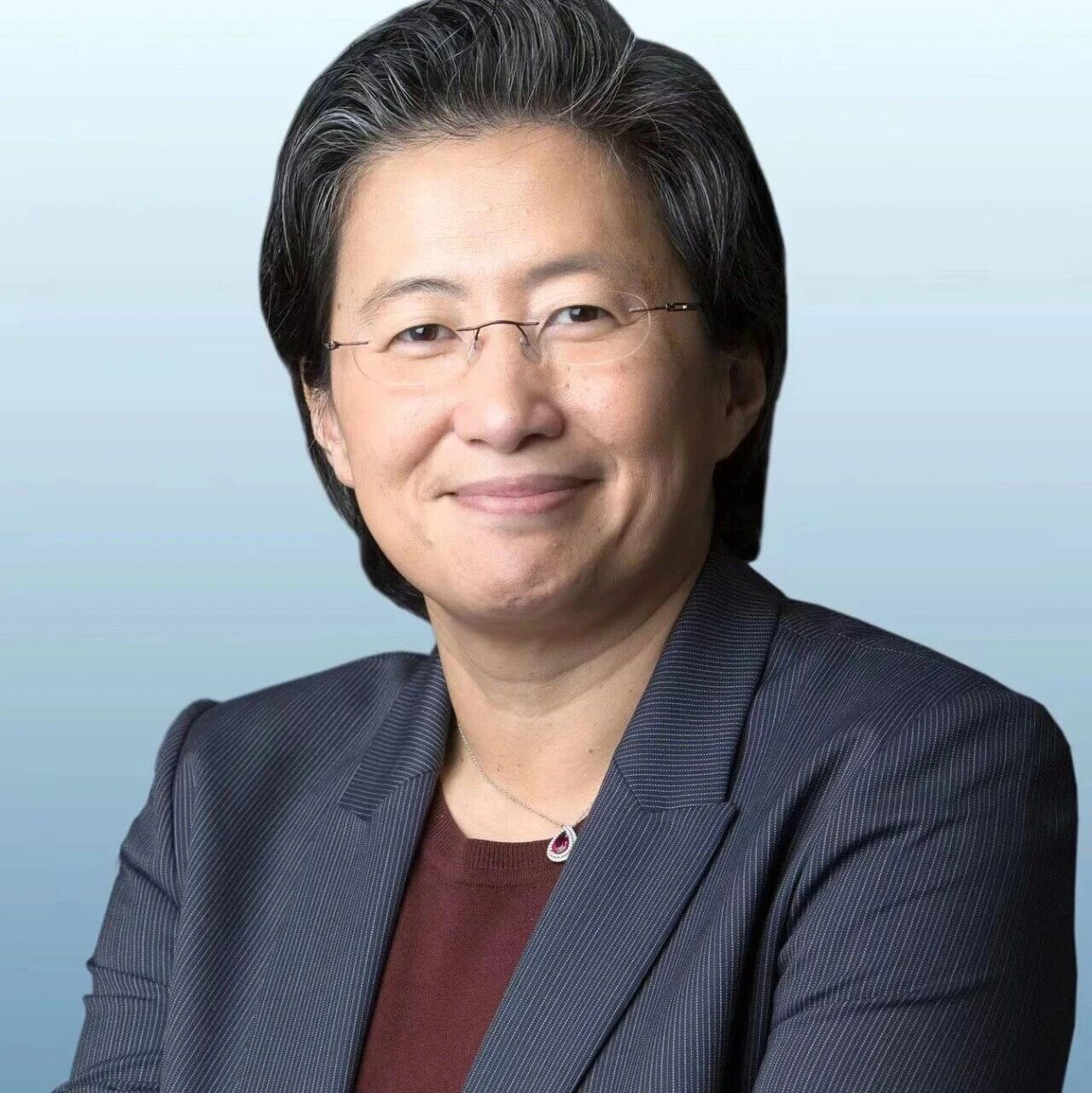
如果您希望可以时常见面,欢迎标星收藏哦~ 喜欢我们的内容就点 "在看 " 分享给小伙伴哦~ SIA 总裁兼首席执行官约翰・诺伊弗(John Neuffer)表示:"在半导体行业充满机遇与挑战的关 键时期,我们非常荣幸欢迎苏姿丰博士担任 SIA 主席。数十年来,苏博士不断推动半导体创新边 界,是行业内极具影响力的杰出领导者。未来一年,我们期待在她的引领下,推动出台促进芯片行 业增长与创新的相关政策,确保美国在这一基础性、变革性技术领域保持全球领先地位。" 苏姿丰博士拥有超过 30 年的半导体行业经验。担任 AMD 董事长兼 CEO 期间,她带领公司成功 转型为全球高性能计算领域的领导者,同时成为先进 AI 芯片的核心供应商。在出任当前职务前, 苏博士曾担任 AMD 首席运营官,期间将公司的业务部门、销售、运营及基础设施整合为统一组 织,聚焦执行效率与市场影响力提升。加入 AMD 之前,她还曾在飞思卡尔半导体(现恩智浦半导 体)、IBM 及德州仪器等企业担任领导职务。苏博士持有麻省理工学院电气工程博士学位,并于 2020 年因对半导体行业的开创性贡献获得罗伯特・诺伊斯奖(Robert N. Noyce Award ...

苹果自研芯片,性能远超预期
半导体芯闻· 2025-11-21 10:49
Core Insights - The report by Ookla highlights the significant performance improvements of the iPhone 17's self-developed N1 networking chip compared to the iPhone 16 and various Android flagship models, particularly in Wi-Fi performance [1][2] - The N1 chip excels in low network conditions, enhancing the baseline experience rather than just focusing on peak theoretical speeds, which is a shift in Apple's strategy [2] Performance Comparison - The iPhone 17 ranks second globally in download speeds, only behind the Google Pixel 10 Pro series, showing a substantial improvement over the iPhone 16 [2] - In upload speeds, the iPhone 17 outperforms the Pixel 10 Pro and is only surpassed by the Xiaomi 15T Pro, significantly ahead of the iPhone 16 series [2] Technical Enhancements - Despite similar basic specifications between the N1 chip and the previous Broadcom chip, Apple achieved superior performance through internal structure optimization, antenna design upgrades, and deep integration of hardware and software [2] - The N1 chip's performance is a result of multiple technical improvements, indicating a complex interplay of factors affecting wireless network performance [2] Future Outlook - There is still room for improvement as the adoption of 320MHz channels is low, and Wi-Fi 7 routers are not yet widely available [3] - Ookla predicts that if Apple releases an N2 chip, it could unlock the full specifications of Wi-Fi 7, enhancing peak performance while continuing to optimize connectivity in low-speed and older network environments [3]


英特尔CEO怒怼:跳槽窃密?纯属造谣!
半导体芯闻· 2025-11-21 10:49
Core Viewpoint - Intel's CEO Lip-Bu Tan refuted rumors regarding the alleged transfer of trade secrets by former TSMC executive Lo Wen-jen, emphasizing the company's respect for intellectual property [1]. Group 1: Intel and TSMC Developments - TSMC, with a market capitalization exceeding $1.15 trillion, has surpassed Intel to become the undisputed leader in semiconductor foundry services [2]. - Local prosecutors in Taiwan have initiated an investigation into the reports concerning Lo Wen-jen to determine if any illegal activities occurred [2]. - Lo Wen-jen, who retired from TSMC in July 2023, played a crucial role in the production of advanced chips, including those for AI accelerators [2]. Group 2: Intel's Foundry Services - Intel's foundry services are gaining traction, particularly in advanced packaging, attracting interest from major U.S. clients previously ordering chips from TSMC's Arizona facility [4]. - The U.S. aims to establish a self-sufficient supply chain for semiconductors, with Intel positioned to offer a comprehensive range of advanced packaging products [4]. - The recruitment of Lo Wen-jen is seen as a strategic move to enhance Intel's capabilities in advanced packaging, potentially allowing it to match TSMC's technology standards [5]. Group 3: Market Dynamics - Companies like NVIDIA and AMD are currently shipping wafers produced in Arizona to Taiwan for packaging, which increases costs and delivery times [6]. - Intel's involvement is expected to provide a one-stop service for semiconductor manufacturing and advanced packaging in Arizona, benefiting both Intel and TSMC in the U.S. market [6].