半导体芯闻

Search documents
英特尔,雄起
半导体芯闻· 2025-11-26 10:49
Core Insights - Intel has made significant contributions to the semiconductor industry, exemplified by its foundational technologies and innovations such as Moore's Law and the Intel 4004 microprocessor [1] - The company has established a robust business network in China since its entry in 1985, with research, development, and manufacturing centers across the country [1] - Intel is committed to leveraging AI technology for environmental protection initiatives, showcasing its dedication to social responsibility [4] Business Performance - Since the appointment of CEO Chen Lifeng in March 2025, Intel has secured investments from SoftBank and NVIDIA, and reported a net profit of $4.1 billion in Q3, ending a six-quarter decline [5] - Strong demand for chips, particularly in data centers and telecommunications, is expected to continue until 2026, leading to supply constraints [5] Strategic Direction - Intel is focusing on a flatter organizational structure and enhancing its engineering culture to better serve partners [7] - The company has outlined three strategic priorities: maintaining robust operations, emphasizing the value of its X86 ecosystem, and developing its foundry business [7] AI and Technology Development - Intel views AI as an emerging field with vast potential, planning to expand its AI strategy and product offerings to meet market demands [8] - The introduction of the Intel 18A process technology is expected to enhance performance by over 15% at the same power consumption, while reducing power consumption by over 25% for the same performance [14] Product Innovations - The Panther Lake platform, based on Intel 18A technology, integrates high efficiency and performance, achieving a 50% increase in multi-core performance at the same power level [15] - The platform also features significant improvements in graphics performance, with over 50% enhancement compared to previous generations [15] Data Center Solutions - Intel is committed to providing comprehensive solutions for data centers, focusing on performance, software compatibility, and overall system reliability [16] - The launch of a dual-loop cold plate liquid cooling server aims to improve energy efficiency and reduce operational costs [18] Future Outlook - Intel aims to strengthen its partnerships and enhance its product offerings across various sectors, including client devices, data centers, and edge computing [19] - The company is determined to address critical market challenges and seize new opportunities in the evolving technology landscape [19]


韩媒示警:韩国缺乏HBM混合键合核心专利
半导体芯闻· 2025-11-26 10:49
Core Insights - A study indicates that most core technologies required for advanced packaging of High Bandwidth Memory (HBM) are held by countries outside of South Korea [1] - South Korean companies excel in manufacturing and stacking HBM but are overly reliant on foreign companies for raw materials and equipment, which may expose them to patent litigation risks in the future [1][2] - TSMC and Adeia from the U.S. are leaders in hybrid bonding technology, with Adeia holding the most valuable patents based on a review of over 10,000 related patents from 2003 to 2022 [1] Patent Landscape - According to K-PEG ratings, TSMC ranks first in the number of high-quality patents above A3 level, followed by Samsung, Micron, and IBM [2] - China is rapidly growing in the memory sector, with companies like Yangtze Memory Technologies holding core technologies, including Xtacking, which are registered across South Korea, the U.S., Japan, Europe, and China [2] - Although South Korea holds the second-largest number of HBM-related patents, their quality and impact are below average due to reliance on imported core equipment and materials, posing risks to domestic companies [2] Future Implications - Companies may currently prefer to negotiate licensing agreements privately, but issues may escalate into litigation as hybrid bonding commercializes in 2026 [2]


尼康光刻机,卷土重来
半导体芯闻· 2025-11-26 10:49
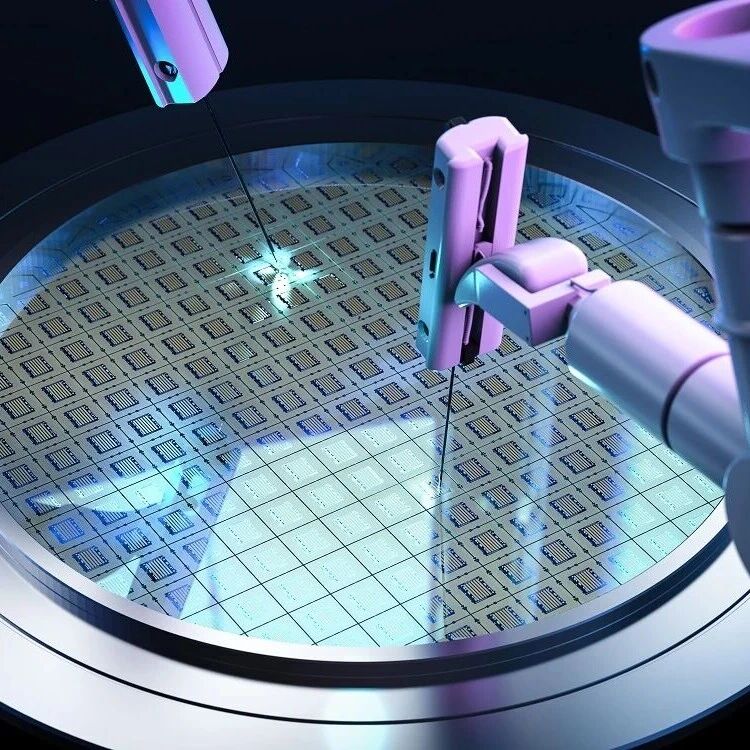
Core Insights - The article discusses the evolution of the Extreme Ultraviolet (EUV) lithography market, highlighting ASML's dominance and Nikon's potential resurgence through alternative technologies like Nanoimprint Lithography (NIL) [1][4][9]. Group 1: ASML's Dominance - ASML currently holds over 60% of the global lithography market and has a 100% monopoly in the EUV sector, which is essential for producing advanced chips [2][3]. - The cost of ASML's EUV equipment ranges from $150 million to $350 million, making it a significant investment for semiconductor manufacturers like TSMC, Samsung, and Intel [2][3]. - The transition to EUV technology has allowed the industry to continue following Moore's Law, integrating billions of transistors onto a single chip [2][3]. Group 2: Nikon's Strategic Shift - Nikon, which once led the market, has shifted focus to mature processes and special applications after abandoning EUV development in the late 2010s [1][3]. - Nikon is planning a comeback by introducing the DSP 100 digital lithography system in 2025, targeting the growing demand for advanced chip packaging [7][9]. - The company is exploring NIL technology, which could significantly reduce costs and energy consumption compared to EUV, making it an attractive option for emerging chip manufacturers [8][11]. Group 3: NIL Technology Advantages - NIL technology allows for direct imprinting of circuit patterns onto wafers, potentially reducing costs to about 40% of EUV systems and energy consumption to around 10% [8][11]. - The NIL process is not constrained by optical diffraction limits, theoretically enabling production below 10 nm, which is suitable for high-repetition memory processes like NAND and DRAM [11]. - Canon has already introduced NIL equipment capable of reaching 14 nm, indicating a competitive landscape where both Nikon and Canon could set new standards in this technology [11].

联发科开辟芯片新赛道
半导体芯闻· 2025-11-26 10:49
Core Insights - Major international companies are investing heavily in AI self-developed chip markets, creating new business opportunities. MediaTek is leveraging its years of R&D strength to enter the ASIC design service market, targeting high-end orders and expanding into the AI sector within cloud data centers [1][2]. Group 1: Market Potential and Growth - MediaTek has revised its total addressable market (TAM) for data center ASICs from $40 billion to $50 billion, driven by increased capital expenditures from cloud service providers [2]. - The company aims to capture a market share of approximately 10% to 15% within the next two years, with expectations of stable growth even if its market share remains constant [2]. - The first ASIC project is expected to contribute several billion dollars in revenue starting in 2027, with a second project anticipated to begin generating revenue in 2028 [2][6]. Group 2: Technological Advancements - MediaTek is actively investing in high-speed interconnects and silicon photonics, focusing on chip-to-chip and chip-to-rack connectivity, while also advancing 2nm process technology and 3.5D packaging [3]. - The company emphasizes its long-term technological foundation and R&D investments as key advantages in the ASIC field, enhancing its capabilities in data center technology and communication with local customers [2][6]. Group 3: Competitive Landscape - The AI ASIC market is projected to grow from $12 billion in 2024 to $30 billion by 2027, with a compound annual growth rate (CAGR) of 34% [5]. - Major tech giants, including Google, Tesla, Amazon, Microsoft, and Meta, are all investing in ASIC chip development, indicating a competitive and rapidly evolving market [5]. - MediaTek's collaboration with Google to develop the next-generation TPU, expected to be produced by 2026, highlights the strategic partnerships forming within the industry [6].
台积电logo的黑点是什么?
半导体芯闻· 2025-11-26 10:49
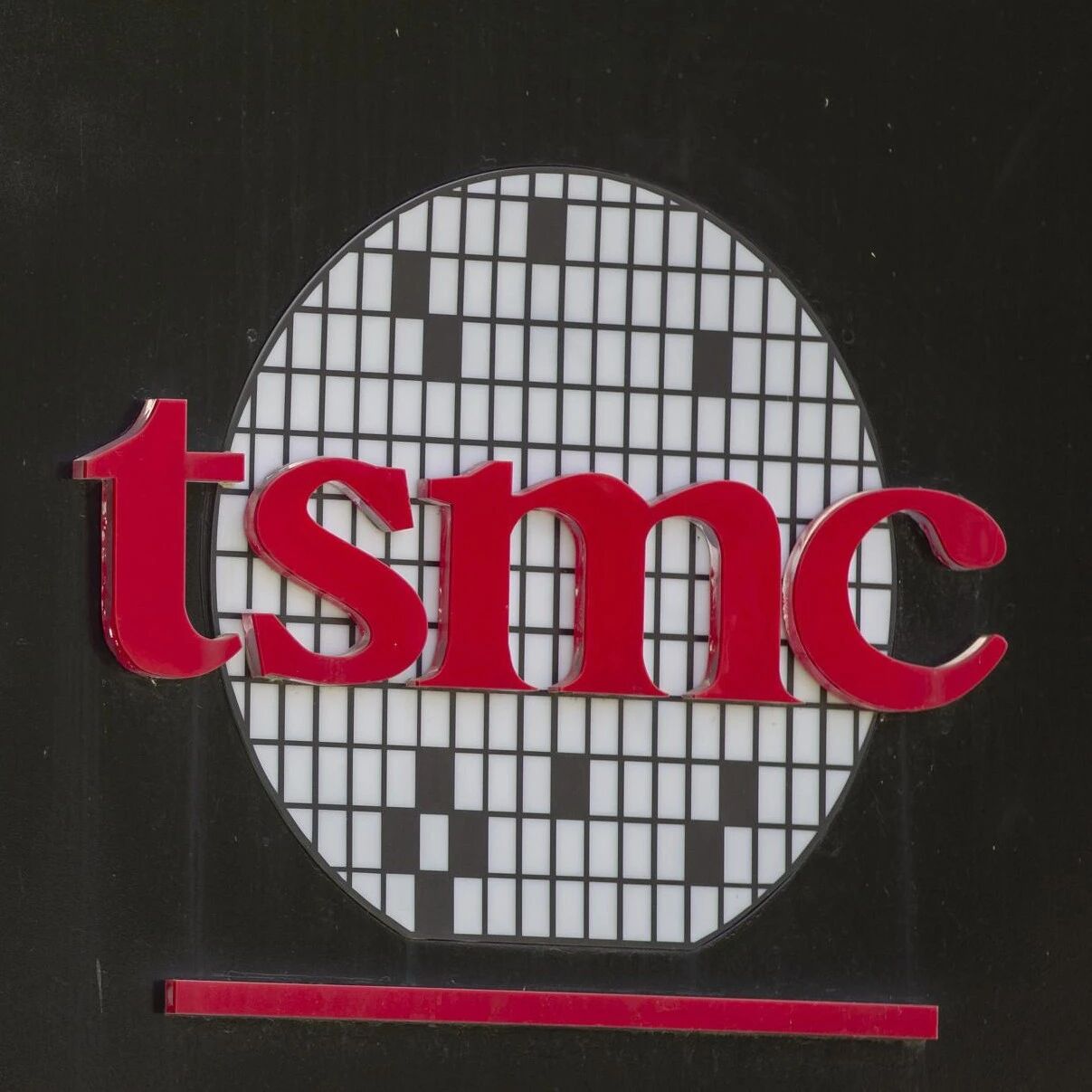
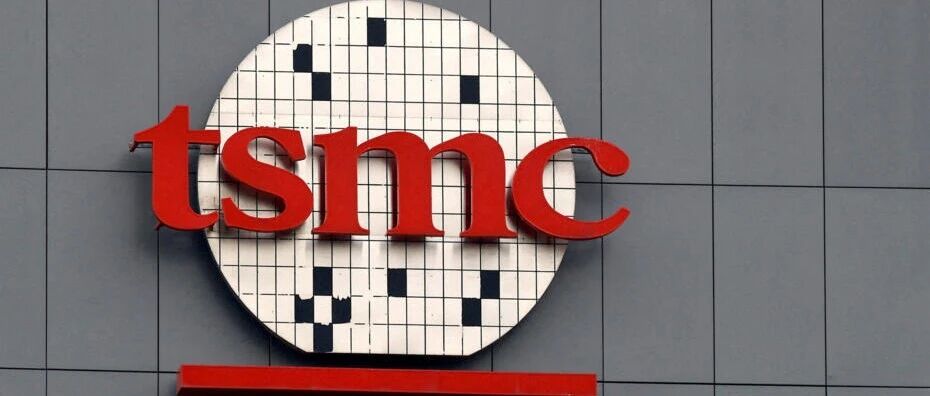
Core Viewpoint - The article discusses the curiosity and confusion among the public in Arizona regarding the logo of TSMC, highlighting its design elements and the symbolic meaning behind them [1][2]. Group 1: Logo Design and Public Perception - The TSMC logo, introduced in 1988, features a stylized representation of a wafer with red lowercase letters "tsmc" and 11 black dots, which have sparked various interpretations among the public [1]. - The lowercase "t" in the logo symbolizes the spirit of innovation and the desire to stand out, as explained by TSMC's former CFO [1]. - The logo underwent a minor modification in 2001, reducing the number of black dots from over 15 to 11, while maintaining its overall design [1]. Group 2: Symbolism of the Black Dots - The black dots in the logo represent the "kuroko" culture from Japanese theater, symbolizing the unsung heroes who work behind the scenes to support performances without seeking recognition [2][3]. - This design choice serves to honor TSMC's internal contributors, including engineers, researchers, and frontline workers, acknowledging their vital roles in the company's success [2]. Group 3: Cultural Context of "Kuroko" - In Japanese culture, "kuroko" refers to stagehands in traditional Kabuki theater who wear all black to avoid distracting the audience while managing props and stage setups [3][4]. - The term has also evolved to metaphorically describe individuals who play crucial but low-profile roles in various contexts [5].
又一座2nm晶圆厂,官宣
半导体芯闻· 2025-11-26 10:49
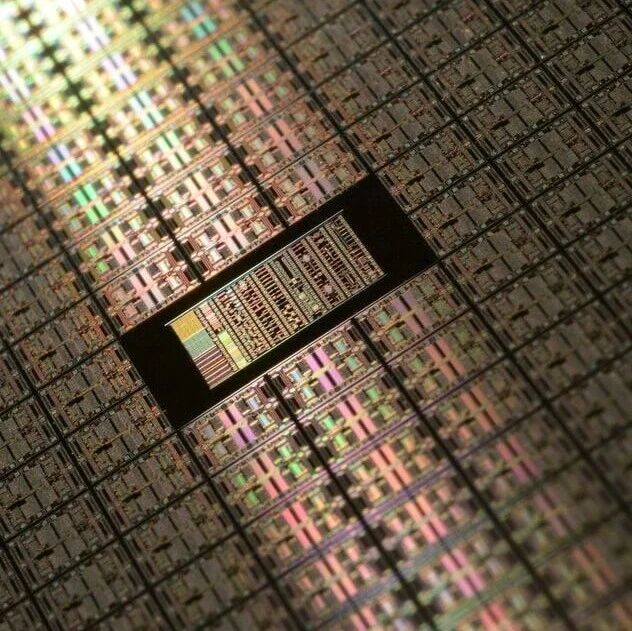
Group 1 - Rapidus, a company established by the Japanese government to revitalize the semiconductor industry, plans to start construction of its second factory in Chitose, Hokkaido by 2027 [1] - The company aims to achieve mass production of advanced 2-nanometer semiconductors by 2027 and 1.4-nanometer semiconductors by 2029, with total investments exceeding 7 trillion yen (approximately 28.2 trillion Korean won) [1] - The Japanese government has provided a total of 2.9 trillion yen in funding support to Rapidus, which plans to go public by 2031 [1] Group 2 - The competition in the advanced semiconductor field below 2 nanometers has become a national contest, with the U.S. supporting Intel's 2-nanometer foundry business and leading global semiconductor companies in domestic production [2] - Taiwan is actively supporting TSMC, which plans to build three 2-nanometer fabrication plants in Tainan, and has passed the "Taiwan Semiconductor Act" to provide tax incentives for R&D and strategic industry investments [2] - South Korea remains hesitant in directly supporting the semiconductor industry due to concerns about favoring large enterprises, with recent reports indicating a preliminary agreement to exclude exemptions from the 52-hour workweek requirement in the semiconductor industry special law [3]
台积电,正式起诉前员工
半导体芯闻· 2025-11-25 10:58
Core Viewpoint - TSMC has filed a lawsuit against former senior vice president Luo Wei-ren for potential breaches of confidentiality and non-compete agreements following his departure to Intel shortly after retirement [1][2]. Group 1: Legal Actions and Allegations - TSMC initiated legal action based on employment contracts, non-compete agreements, and trade secret laws, claiming Luo may misuse or disclose confidential information to Intel [1][2]. - Luo joined TSMC in July 2004, became a senior vice president in February 2014, and was reassigned to the Corporate Strategy Development Department in March 2024, where he had no direct oversight of R&D [1]. - After retiring on July 27, 2025, Luo joined Intel as Executive Vice President (EVP) just three months later, raising concerns about potential information leaks [2]. Group 2: Confidentiality and Non-Compete Agreements - During his tenure, Luo signed confidentiality and post-employment non-compete agreements, committing not to engage in competitive activities after leaving TSMC [2]. - TSMC's legal counsel reminded Luo of his non-compete obligations during his exit interview, where he indicated plans to work in academia but did not disclose his intention to join Intel [2]. Group 3: Investigations and Industry Impact - TSMC is actively gathering evidence regarding Luo's alleged misuse of his position to access sensitive information related to advanced process technologies before his departure [2]. - The Taiwan High Prosecutors Office has opened an investigation to determine if Luo's actions constitute any legal violations [2].
韩国巨头,任用半导体良率大将
半导体芯闻· 2025-11-25 10:58
Core Insights - Samsung Electronics is significantly promoting technical talent in its 2026 executive appointments to enhance core semiconductor process yield stability and production competitiveness [1] - The company is focusing on defect analysis, advanced processes, and new device R&D to strengthen its semiconductor business amid recent yield and stability challenges in wafer foundry and memory sectors [1] Group 1: Wafer Foundry Adjustments - The personnel adjustments in the wafer foundry department emphasize a "yield improvement" direction due to the lagging yield rates of 2nm and 3nm processes, which have raised market competitiveness concerns [1] - The Exynos 2500 mobile application processor missed the opportunity to be featured in Galaxy flagship models due to unmet yield expectations, leading some major clients to shift capacity to TSMC [1] - Industry analysis indicates that Samsung's foundry business is entering a recovery phase with improved yield rates for 4nm processes and initial progress for 2nm, alongside new orders from tech giants like Tesla [1] Group 2: Memory Department Enhancements - The memory department is also prioritizing the promotion of core talents focused on "yield and reliability improvement" after losing its global DRAM market share to SK Hynix in Q4 last year [1] - Samsung is accelerating the development of the next-generation HBM4 based on HBM3E mass production, aiming to improve yield through wafer sample production [1] Group 3: Key Personnel Promotions - Key personnel who have led yield improvements have been promoted, including Kim Young-dae, who optimized yield assessment and defect verification systems for advanced processes [2] - Jeong Yong-deok has integrated measurement and defect detection capabilities across DRAM, flash memory, and logic chips, significantly enhancing production stability [2] - Hong Hui-il has optimized the operational mechanisms and defect screening processes for major DRAM products, greatly improving product maturity [3] Group 4: Strategic Shift - The personnel adjustments signify a strategic shift for Samsung Electronics from "pursuing industry innovation" to "strengthening yield and production stability" [4] - Industry observers note that recent new orders and process improvements signal a positive outlook for Samsung's foundry business, which had previously lost clients due to yield issues [4]

闪迪瞄准智能汽车的下一场革命
半导体芯闻· 2025-11-25 10:58
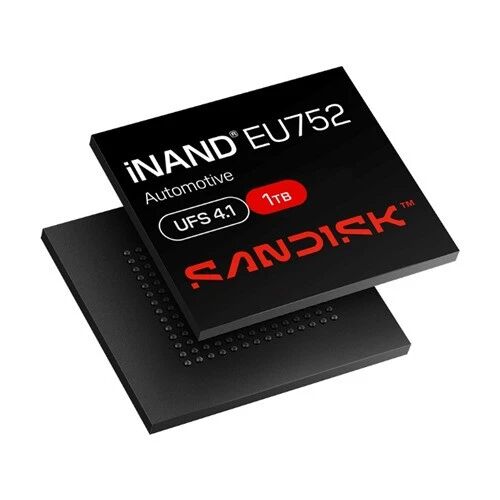
Core Insights - The automotive industry is transitioning from electrification to a new phase focused on "intelligent" and "connected" vehicles, indicating a significant shift in technology and market demands [1][3] - The rise of Software Defined Vehicles (SDVs) and AI applications in cars is creating unprecedented opportunities for innovation in automotive storage solutions [3][4] Industry Trends - The demand for high-performance and high-capacity storage solutions is increasing due to the rapid development of intelligent connected vehicles and SDVs [3][4] - Automotive storage is evolving from being a basic component to a critical technology for achieving vehicle intelligence, necessitating improvements in performance, capacity, durability, and system integration [3][4] Challenges and Standards - New compliance standards, such as ISO 21434 for cybersecurity, are emerging, posing challenges for automotive storage manufacturers [4][5] - Data security has become a core focus for automotive storage solutions, requiring robust data protection measures throughout the product lifecycle [5][12] Product Innovations - SanDisk has developed a comprehensive range of automotive-grade products, including the SANDISK iNAND AT EU752 UFS4.1 embedded flash drive, which offers read speeds of up to 4,300 MB/s and write speeds of up to 4,100 MB/s [7][10] - The AT EN610 storage solution is designed for high-performance centralized computing architectures, providing flexible storage configurations and high durability [10][12] Collaboration and Market Focus - SanDisk emphasizes collaboration with OEMs and Tier 1 suppliers to enhance product design and system compatibility, ensuring reliability and flexibility in solutions [12][15] - The company is committed to supporting the Chinese automotive market by providing innovative storage solutions tailored to local needs, focusing on key applications like intelligent cockpits and centralized computing platforms [12][15] Future Directions - The future of automotive storage will focus on enhanced data processing capabilities, centralized architectures, and the evolution of interface technologies like UFS 4.1 [15][16] - SanDisk aims to continue its long-term commitment to high safety and reliability standards in the automotive industry, leveraging technological innovation and ecosystem collaboration to drive advancements in automotive storage [16]
英伟达,再被唱空
半导体芯闻· 2025-11-25 10:58
如果您希望可以时常见面,欢迎标星收藏哦~ 在有报道称这家人工智能龙头企业驳斥了其分析后,迈克尔・伯里仍坚持对英伟达的批评立场。 伯里因在 2008 年金融危机期间做空房地产市场声名鹊起,他上周在 X 平台发文,指责英伟达通 过股票薪酬稀释股东权益及股票回购操作存在问题。据《巴伦周刊》报道,英伟达周末向华尔街 分析师发送备忘录,回应了上述质疑。 本周一,伯里在另一条 X 平台帖子中表示,坚持自己的分析结论,并将在后续发布更多观点,同 时还推广了其 Substack 平台上的一篇文章。 伯里尚未立即回应置评请求,总部位于加利福尼亚州圣克拉拉市的英伟达也未对此作出即时回 应。 近几周来,伯里对英伟达的审视不断升级,焦点包括人工智能交易的循环性、收入确认方式,以 及大型科技公司对计算设备的折旧处理等问题。英伟达股价周一上涨 2.1%,但较 10 月末的历史 高点仍下跌 12%。 伯里的批评言论出台之际,投资者对人工智能领域可能存在的泡沫愈发警惕。英伟达及其竞争对 手超威半导体(AMD)与人工智能服务商达成的 "循环交易" 引发部分投资者担忧 —— 例如英 伟达计划向 OpenAI 投资高达 1000 亿美元,而 Op ...