半导体芯闻

Search documents
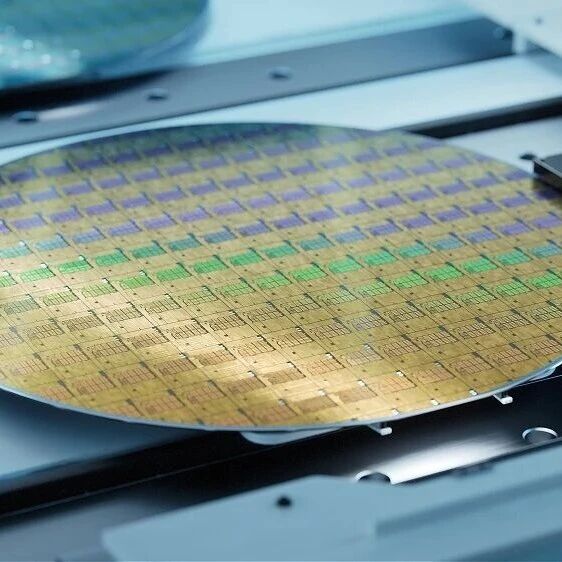
硅片大厂,14年来首次亏损,股价暴跌
半导体芯闻· 2025-11-12 10:19
Core Viewpoint - SUMCO, a major silicon wafer manufacturer, is forecasting a bleak performance for the upcoming quarter (October-December 2025), with expectations of losses for two consecutive quarters and the first annual loss in 14 years, which is below market expectations [2][3]. Financial Performance - For the last quarter (July-September 2025), SUMCO reported a slight revenue increase of 0.7% year-on-year to 99.1 billion yen, but the operating profit turned from a profit of 9.1 billion yen last year to a loss of 1.6 billion yen, and the net profit shifted from a profit of 3.6 billion yen to a loss of 3.9 billion yen [2]. - The forecast for the upcoming quarter includes expected revenue of 100 billion yen (same as last year), an operating loss of 10 billion yen (compared to an operating profit of 7 billion yen last year), and a net loss of 16 billion yen (compared to a net profit of 3.6 billion yen last year) [3]. - For the entire fiscal year (2025), SUMCO anticipates a revenue increase of 2% to 404.4 billion yen, an operating loss of 4.2 billion yen (down from an operating profit of 36.9 billion yen last year), and a net loss of 16.9 billion yen (down from a net profit of 19.8 billion yen last year), marking the first annual loss since 2011 [3]. Market Dynamics - Demand for advanced 12-inch silicon wafers used in AI applications remains strong, while demand for traditional products is recovering slowly due to customer inventory adjustments [3]. - The shipment volume for 8-inch and smaller silicon wafers is expected to remain low, influenced by competition with Chinese manufacturers [4]. Shareholder Information - SUMCO is the largest shareholder of Taisun Technology, holding approximately 40% of its shares through its subsidiary SUMCO TECHXIV [4].

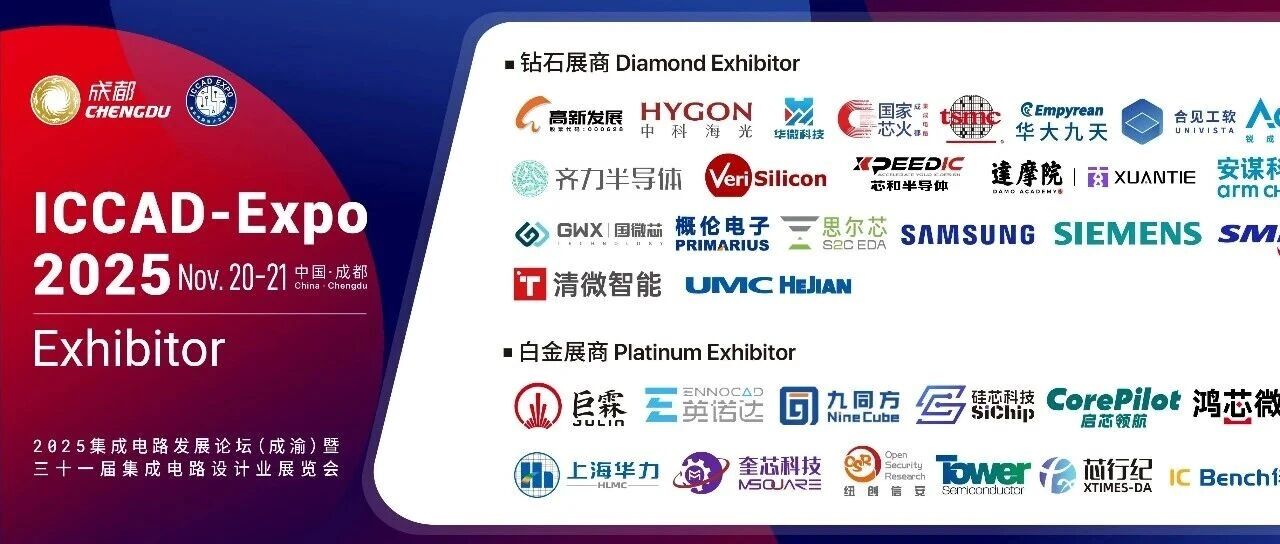
ICCAD-Expo超全观展指南,看这一篇就够了!
半导体芯闻· 2025-11-12 10:19
Core Viewpoint - The 2025 Integrated Circuit Development Forum (Chengdu) and the 31st Integrated Circuit Design Exhibition will be held on November 20-21, 2025, in Chengdu, gathering over 8,000 industry elites and 2,000 IC companies to discuss future trends in the IC industry [2]. Event Details - The event will feature a peak forum and specialized forums covering various topics related to the integrated circuit industry, including EDA, IP, design services, manufacturing, and packaging [4][7]. - The venue is Chengdu Xibo City, with specific locations for the peak forum and specialized exhibitions [3]. Forum and Exhibition Layout - The conference will include one peak forum, ten sub-forums, and one industry exhibition, focusing on cutting-edge technologies, application scenarios, industry policies, and macro development trends [4]. - High-level executives from leading companies will present reports on technology and development in the integrated circuit industry [7]. Schedule Overview - The event schedule includes a welcome dinner, various specialized sessions on IP and IC design services, advanced packaging and testing, EDA, and foundry technologies [8]. - The exhibition will run concurrently, providing opportunities for networking and business development [8]. Transportation and Accessibility - The venue is easily accessible by car, metro, and bus, with specific routes and stations detailed for attendees [23][24]. - Shuttle services will be available from designated hotels to the venue during the event [25].
HBM 4,生变
半导体芯闻· 2025-11-12 10:19
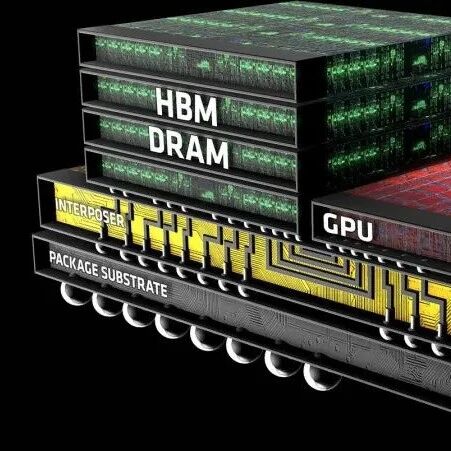
Group 1 - SK Hynix is expected to start procurement for the next-generation HBM4 12-layer stacked equipment by the end of this month, although the investment review meeting has been postponed to late November to early December [2] - The company has completed a supply agreement with NVIDIA for HBM4, resolving previous uncertainties regarding pricing and technical specifications [2] - SK Hynix is currently producing HBM4 using modified HBM3E 12-layer equipment, which has led to longer lead times and reduced responsiveness [2][3] Group 2 - SK Hynix has established a small-scale production system for HBM4 and is in a transitional production phase [3] - The new M15X factory in Cheongju is under construction, with the first cleanroom operational, but the equipment installed is primarily for infrastructure rather than HBM4 production [3] - Samsung Electronics is also accelerating its HBM4 production preparations and is expected to start stable shipments next year, competing with SK Hynix for HBM4 production progress and quality [3]
智能汽车“下半场”的破局者:德赛西威的全栈融合之路
半导体芯闻· 2025-11-12 10:19
Core Viewpoint - The global smart automotive industry is undergoing unprecedented transformation, driven by software-defined vehicles and AI advancements, leading to a shift in competitive logic within the industry [2][14]. Group 1: Industry Transformation - The transition from distributed architecture to centralized computing platforms signifies a comprehensive change in the automotive sector, with a focus on system integration and cross-domain collaboration [2][3]. - Chinese companies, particularly Desay SV, are showcasing remarkable innovation and are evolving from traditional component suppliers to system solution providers [2][14]. Group 2: Full-Stack Integration - Full-stack integration involves a systematic transformation across multiple technical layers, including hardware-software decoupling, faster OTA upgrades, and enhanced safety and stability requirements [3][4]. - Desay SV is actively implementing full-stack integration in smart cockpits, intelligent driving, and connected services, exemplified by their integrated product ICP S01E [3][9]. Group 3: Growth Strategy - The company's growth strategy is encapsulated in the "growth flywheel" concept, emphasizing comprehensive product solutions, open communication with OEMs, rapid market introduction of new products, and leveraging experience for future innovations [5][6][14]. - Desay SV's R&D investment has seen a compound annual growth rate of 34% over the past five years, focusing on building a complete technology chain from perception to interaction [7][10]. Group 4: Key Technological Focus - The key areas of focus include artificial intelligence and machine learning, intelligent computing platforms, multi-sensor fusion technology, and 5G V2X technology, which together form a complete technology chain for smart vehicles [7][10]. Group 5: Global and Local Integration - Desay SV is expanding its vision from vehicle-centric products to include infrastructure, addressing the limitations of single-vehicle intelligence through vehicle-road collaboration [11][12]. - The company emphasizes the importance of localizing its innovations to fit different markets, advocating for a collaborative approach to global integration [12][14].


闪迪:NAND将进入超级周期
半导体芯闻· 2025-11-12 10:19
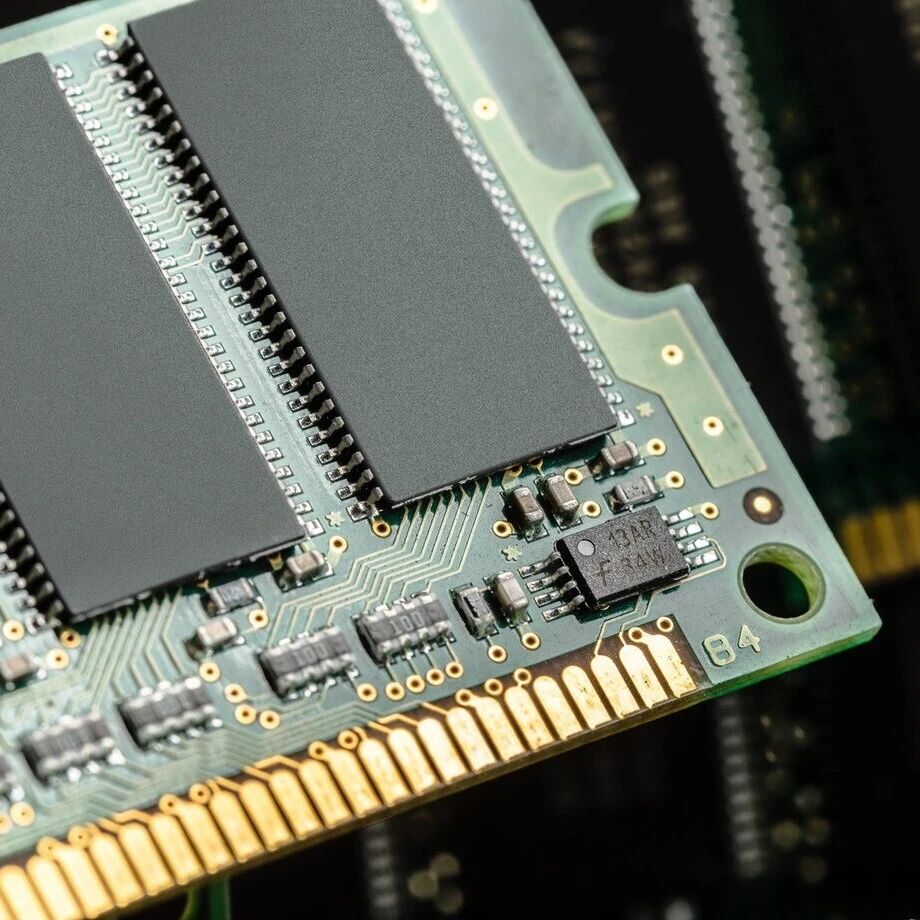
Group 1 - The importance of NAND products in the AI memory market is rapidly increasing, with demand for data center NAND flash expected to surpass mobile applications for the first time next year [2] - Major NAND suppliers, including Samsung and SK Hynix, have reported that customer demand will exceed production capacity, leading to a significant supply shortage [2] - The price of NAND flash products has risen sharply, with the fixed trading price of 128Gb MLC NAND flash increasing by 10.6% in September and 14.9% in October, marking the largest increase in a decade [2] Group 2 - The next-generation memory "HBF" is being developed to combine the advantages of high bandwidth memory (HBM) with NAND characteristics, aiming for mass production in 2027 [3]
强一半导体,成功过会!
半导体芯闻· 2025-11-12 10:19
Core Viewpoint - The article highlights the significant progress of Jiangsu Suzhou's leading MEMS probe card company, Qiangyi Co., in its IPO process on the Sci-Tech Innovation Board, emphasizing its role in the semiconductor industry and the necessity for domestic probe card production to reduce reliance on foreign suppliers [2][3]. Industry Overview - The semiconductor industry in China has a late start and still relies heavily on imports for chip design and wafer manufacturing, leading to a lag in the domestic probe card industry [2]. - The top ten probe card manufacturers globally are predominantly foreign companies, holding over 80% of the market share, indicating a substantial self-sufficiency gap for domestic manufacturers [2]. Company Positioning - Qiangyi Co. is the only domestic company to enter the global top ten in the semiconductor probe card industry, covering various core participants in the domestic chip design, wafer foundry, and packaging testing sectors [3]. - The company aims to enhance its R&D capabilities and MEMS probe card production capacity through funds raised from its IPO, aligning with the growth of China's semiconductor manufacturing capabilities [3]. Product and Market Strategy - The company’s probe card products are primarily used in non-storage fields, including SoC chips, CPUs, GPUs, and RF chips, with a market share in the non-storage sector expected to remain between 60%-75% from 2018 to 2024 [3]. - Qiangyi Co. is actively expanding into the storage sector, developing 2.5D MEMS probe cards for HBM and NAND Flash applications, focusing on key domestic players like Company B, Hefei Changxin, and Yangtze Memory Technologies [3][4]. Financial Performance - The company has experienced rapid growth, with a compound annual growth rate (CAGR) of 58.85% in revenue, reflecting its strong market position and customer recognition [4]. Future Outlook - The domestic probe card manufacturers are expected to benefit from the rapid development of the semiconductor industry and the acceleration of domestic substitution processes [5]. - Qiangyi Co. plans to enhance its product offerings in MEMS probe cards, focusing on increasing market share in 2D MEMS probe cards and scaling up production of thin-film and 2.5D/3D MEMS probe cards [5][6]. - The company aims to achieve breakthroughs in technology, including reaching a testing frequency of 110GHz for thin-film probe cards and developing 3D MEMS probe cards for DRAM chips [6].
高通和Microchip,加码印度
半导体芯闻· 2025-11-11 10:17
Group 1: Microchip Technology Expansion - Microchip Technology has expanded its operations in India by acquiring a 172,000 square feet office space in Bangalore, demonstrating its commitment to enhancing engineering, design, and R&D capabilities in one of India's leading tech hubs [3][4] - The new facility will serve as a strategic extension of Microchip's existing R&D center in Bangalore, with the capacity to accommodate over 3,000 employees in the next decade, supporting the company's growing workforce and enhancing collaboration between global and regional teams [3] - The expansion reinforces Microchip's existing business in Bangalore and complements its operations in Hyderabad, Chennai, Pune, and New Delhi, enhancing its ability to provide semiconductor solutions across various markets including industrial, automotive, aerospace and defense, consumer electronics, communications, and computing [4] Group 2: Qualcomm's Office Lease - Qualcomm has leased 256,000 square feet of office space in Bangalore's Constellation Business Park, with a monthly rent of 113 INR per square foot, amounting to a monthly expenditure of 289 million INR starting from August 1, 2026 [6] - The lease agreement includes a clause for a 15% rent increase every three years and a security deposit of 50 million INR, with the total rent expected to reach 1.84 billion INR over the lease term [6] - This marks Qualcomm's fifth office in Bangalore, contributing to its presence in India with a total of 12 offices across various cities including Hyderabad, New Delhi, Noida, Chennai, and Gurugram [7]
英特尔晶圆代工收入,仅为1.2亿?
半导体芯闻· 2025-11-11 10:17
Core Viewpoint - Intel's foundry business (IFS) is struggling significantly, with projected revenue of only $120 million in 2025, which is just one-thousandth of TSMC's expected revenue for the same period, indicating a long road ahead to achieve break-even [2]. Group 1: Business Performance - Intel's IFS revenue is expected to be $120 million in 2025, far behind TSMC's revenue, highlighting the challenges in achieving profitability [2]. - The company is undergoing structural adjustments in various departments, including consumer products and AI, reflecting a broader transformation strategy [2]. - The commercialization progress of IFS faces severe challenges, despite some market interest in Intel's upcoming advanced process technologies [2]. Group 2: Market Interest and Future Prospects - Companies like Tesla, Broadcom, and Microsoft are showing interest in Intel's upcoming process nodes, such as Intel 18A and 14A, which are crucial for IFS's potential revival in the global foundry market [2]. - The upcoming Panther Lake and Clearwater Forest processor series are seen as key tests for IFS's technological development [3]. - Intel's future in the foundry business may hinge on the market performance of the 14A process node, with potential delays or cancellations if it fails to secure significant external customers [3]. Group 3: Competitive Landscape - Direct comparisons between Intel and TSMC may not be entirely fair due to significant differences in scale and market position, yet such comparisons highlight the long-term competitive disadvantages of technological lag [3]. - TSMC continues to dominate the global foundry market, while Intel is still searching for breakthrough opportunities [3].


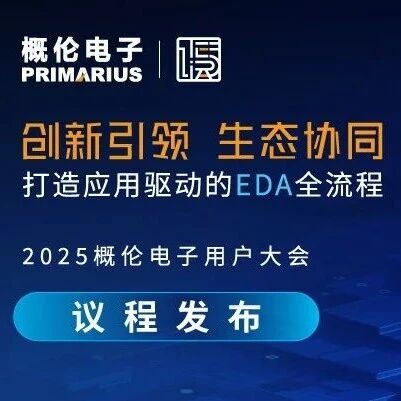
议程发布!2025概伦电子用户大会火热报名中
半导体芯闻· 2025-11-11 10:17
Core Insights - The article highlights the upcoming 2025 Gaon Electronics User Conference, focusing on advanced EDA tools and collaborative ecosystem development in response to challenges in AI, high-performance computing, advanced storage, automotive electronics, and edge computing [2][3][4]. Event Overview - The conference will take place on November 19 at the Chengdu Zhaohuang Holiday Hotel, featuring discussions on core design challenges and competitive enhancements in the context of advanced process evolution [2][4]. - The agenda includes keynote speeches, product launches, and sessions on various topics such as advanced process EDA, circuit simulation, and design optimization for high-end chips [5][6]. Technical Focus - Key topics will cover the optimization of design capabilities based on collaborative process platforms, rapid circuit simulation, and yield and reliability optimization from unit to full-chip levels [2][3]. - The event aims to explore innovative technologies driven by application needs, enhancing design efficiency and value across all vertical applications from transistors to SoC system-level design [2][3]. Networking Opportunities - The conference will also feature a cocktail reception and dinner for attendees to foster networking and collaboration within the EDA ecosystem [8].

Tower半导体,市值翻番
半导体芯闻· 2025-11-11 10:17
Core Viewpoint - Tower Semiconductor, a chip manufacturer that nearly sold for $5 billion to Intel two years ago, has seen its market value double to $10 billion, indicating strong performance and growth potential in the semiconductor industry [2][3]. Financial Performance - Tower Semiconductor reported a strong Q3 performance with revenue of $396 million, a 6% increase from the previous quarter, and a net profit of $54 million, equating to $0.48 per share, both exceeding market expectations [3]. - The company generated $139 million in cash flow from operations during the same quarter [3]. Future Outlook - Tower Semiconductor plans to invest $300 million to expand production capacity across four global manufacturing facilities, including one in Israel, to increase the output of next-generation analog chips that support AI applications [2]. - The company anticipates reaching a record revenue of $440 million by Q4 2025, driven by a 14% compound annual growth rate, projecting annual revenue of $1.5 billion by the end of 2025 [3]. Market Reaction - On November 10, Tower Semiconductor's stock surged by 16.69% to $98.10, marking the highest price since 2004, with a year-to-date increase of 90.45% [3].