半导体芯闻

Search documents
AI芯片,出现恐慌
半导体芯闻· 2025-11-13 10:28
一位同时对SK海力士与三星电子给出"卖出评级"的分析师表示,韩国芯片股目前的估值已高得难 以支撑,任何微小利空都可能引发股价大幅回调。 这份来自晨星公司(Morningstar Inc.)的看空报告在一个多月前发布时并未引起太多关注,但随 着市场对科技巨头在人工智能领域的激进投资日益担忧,如今再度受到瞩目。投资情绪的转变导致 全球科技股剧烈波动,也让今年以来最炙手可热的投资主题之一——AI芯片行情——出现裂痕。 晨星公司股票分析师Jing Jie Yu表示:"当前投资者的信心非常脆弱、非常紧张。当市场预期已经 如此之高时,所有驱动力和催化因素都必须完美契合才能让股价继续上涨——稍有不及,失望就会 迅速放大。" 上周,SK海力士与三星电子的股价录得数月来最大单日跌幅,此前它们曾是推动韩国KOSPI指数 今年上涨逾70%的主要动力。尽管随后股价有所回升,但这次下跌仍令大量重仓韩国两大科技股的 投资者感到不安。 如果您希望可以时常见面,欢迎标星收藏哦~ 来 源: 内容 编译自 bloomberg ,谢谢 。 即便如此,该分析师仍提醒:"在当前价位,投资者很难找到新的入场理由,却很容易找到离场的 理由。"他建议投资者 ...


韩国财团,进军功率半导体代工
半导体芯闻· 2025-11-13 10:28
Core Insights - SK Keyfoundry has established a dedicated organization to provide customized solutions based on silicon carbide (SiC) and plans to officially launch SiC-based compound power semiconductor foundry services in the first half of next year through collaboration with SK Powertech [2] - SK Powertech, acquired by SK in 2022, specializes in the design and manufacturing of SiC power semiconductors and has commercialized core process technologies [2] - The global SiC market is expected to grow at an annual rate of over 24% from this year until 2030, indicating significant growth potential in the sector [3] Company Developments - SK Keyfoundry plans to offer SiC MOSFET 1200V process technology by the end of this year, marking its entry into the SiC power semiconductor foundry market [2] - The acquisition of SK Powertech, which holds 98.59% of the company, is seen as a pivotal moment for SK Keyfoundry to establish its competitive edge in the compound semiconductor field [3] Market Outlook - The power semiconductor market is critical for electronic products, electric vehicles, hydrogen fuel cell vehicles, and 5G communication networks, serving as key components for controlling current direction and power conversion [2] - The collaboration between SK Keyfoundry and SK Powertech aims to leverage their combined R&D capabilities to launch efficient SiC power semiconductor technologies and products, establishing a differentiated technological leadership [3]
马斯克的FOPLP工厂,要来了
半导体芯闻· 2025-11-13 10:28
Core Viewpoint - Elon Musk is attempting to establish a vertically integrated semiconductor supply chain in Texas, with plans for a new Fan-Out Panel Level Packaging (FOPLP) factory expected to begin production by Q3 2026 [2][3]. Group 1: Semiconductor Manufacturing Strategy - SpaceX currently relies on STMicroelectronics for most of its chip packaging, but has also engaged Innolux for orders that STMicroelectronics cannot fulfill [2]. - The establishment of a domestic semiconductor manufacturing capability is part of the U.S. strategy to enhance semiconductor independence, which is crucial for SpaceX's satellite production line [3]. Group 2: Vertical Integration Benefits - SpaceX's vertical integration is expected to enhance long-term profitability, especially with its large satellite network of 7,600 satellites and plans to launch over 32,000 more for global coverage [3]. - The U.S. government contracts for satellite manufacturing further emphasize the need for domestically produced chips to ensure physical security and mitigate supply chain risks [3]. Group 3: Industry Trends - Other companies, such as TSMC and Intel, are also bringing chip packaging operations back to the U.S., with TSMC planning a $42 billion investment and Intel opening a $3.5 billion Foveros 3D packaging facility [3]. - SpaceX's FOPLP technology will provide more domestic manufacturing options, particularly beneficial for aerospace, communications, and space industries [4].

中芯国际发布Q3财报:月产能破百万,利润环比大增
半导体芯闻· 2025-11-13 10:28
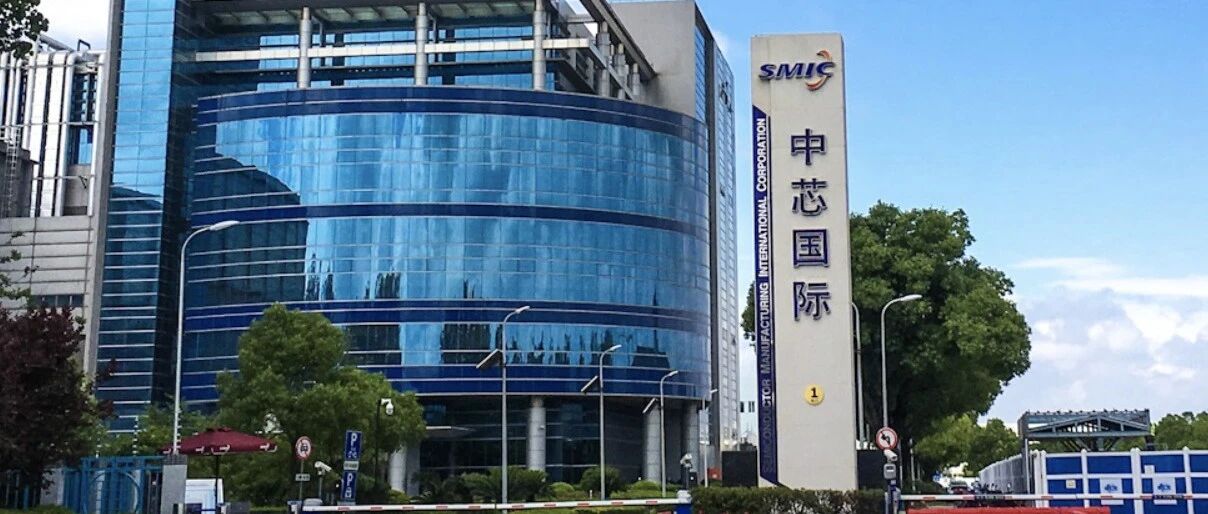
Core Viewpoint - SMIC (Semiconductor Manufacturing International Corporation) demonstrated robust growth in Q3 2025, with revenue and gross profit increasing both year-on-year and quarter-on-quarter, reflecting strong business resilience amid market fluctuations [2][5][17] Financial Performance - In Q3 2025, SMIC achieved total sales revenue of $2.382 billion, a 7.8% increase from Q2 2025 and a 9.7% increase from Q3 2024 [4][5] - Gross profit reached $522.811 million, up 16.2% quarter-on-quarter and 17.7% year-on-year, with a gross margin of 22.0% [5][12] - Operating profit surged to $351.069 million, a 133.0% increase from Q2 2025 and a 106.6% increase from Q3 2024 [4][5] - Net profit for the period was $315.466 million, reflecting a 115.1% increase quarter-on-quarter and a 41.3% increase year-on-year [5][12] Revenue Breakdown - Revenue distribution by region shows that the China market remains the core pillar, contributing 86.2% of revenue in Q3 2025, up from 84.1% in Q2 2025 [7][8] - The wafer foundry business continues to dominate, accounting for 95.2% of total revenue in Q3 2025, with consumer electronics demand being the strongest at 43.4% [7][8] Capacity and Production - SMIC's monthly capacity increased from 991,300 8-inch equivalent wafers in Q2 2025 to 1,022,800 in Q3 2025, indicating ongoing capacity expansion [9][10] - Wafer sales reached 2,499,465 units in Q3 2025, a 4.6% increase from Q2 2025 and a 17.8% increase year-on-year [10] Cost Management and R&D Investment - Operating expenses decreased significantly by 42.6% quarter-on-quarter and 37.4% year-on-year, totaling $171.742 million [12][15] - R&D expenditure reached $203.147 million, reflecting an 11.7% increase from Q2 2025 and a 13.2% increase year-on-year, supporting technological advancements [12][15] Financial Health - As of September 30, 2025, SMIC's total current assets amounted to $14.145 billion, with a current ratio of 1.8, indicating solid short-term liquidity [16] - The company reported total equity of $33.076 billion, with a debt-to-equity ratio of 34.8%, suggesting a more reasonable capital structure [16] Future Outlook - SMIC anticipates stable revenue growth in Q4 2025, with a projected revenue increase of 0% to 2% and a gross margin between 18% and 20% [16][17] - The company is expected to strengthen its leadership position in the domestic integrated circuit manufacturing industry while enhancing its global market share [17]

安世荷兰,还没恢复供货
半导体芯闻· 2025-11-13 10:28
Core Viewpoint - Despite China's agreement to lift export restrictions, European automotive manufacturers and other industrial companies are still facing a "devastating" chip shortage that could halt global production lines within weeks [2][3]. Group 1: Chip Supply Issues - Nexperia's Dutch subsidiary has not been supplying silicon wafers to its Chinese subsidiary due to ongoing tensions, impacting the production of essential automotive chips [2]. - Although some shipments of Nexperia chips have resumed following China's recent easing of export bans, the automotive industry remains in a "very severe" situation due to the strained relationship between Nexperia's Dutch and Chinese operations [2][3]. - A senior automotive executive indicated that while there are some wafer stocks in Chinese factories, the supply could be exhausted quickly if wafers from Germany and the EU are not received [2]. Group 2: Urgency for Resolution - Automotive manufacturers are urgently seeking alternative sources for chips, with a limited supply expected to last only a few weeks [3]. - The European Automobile Manufacturers Association (ACEA) welcomed China's announcement to lift export controls but emphasized that without sufficient wafer exports from the EU, the chip supply issue remains unresolved [3]. Group 3: Governance and Control Issues - The crisis stems from a power struggle over control of Nexperia, with the Dutch government taking over the company in October and forcing the departure of its Chinese CEO due to "serious corporate governance deficiencies" [4]. - Nexperia announced a suspension of direct wafer supplies to its Chinese factory, citing governance issues and unauthorized actions by its Chinese operations [4]. - The Dutch Ministry of Economic Affairs clarified that there have been no export controls imposed on Nexperia or other companies by the Netherlands or Brussels [4].

日观芯设即将亮相ICCAD2025,亮点抢先看!
半导体芯闻· 2025-11-13 10:28
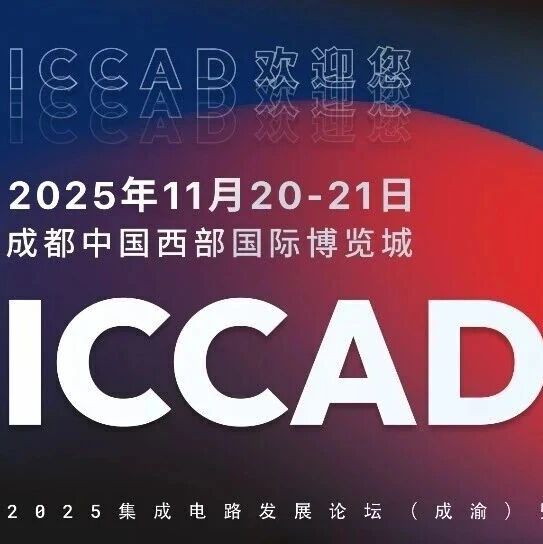
Core Viewpoint - The article highlights the upcoming ICCAD-Expo 2025 event in Chengdu, where the company RIGORON will showcase its Rigor product series, emphasizing its commitment to advancing EDA technology and building a diversified integrated circuit ecosystem [4][6]. Group 1: Product Highlights - RIGORON will present six core products: RigorTime, RigorDRC, RigorEMIR, RigorCons, RigorFlow, and RigorLLM, all developed with independent intellectual property to reduce reliance on foreign technologies [10]. - RigorTime is a comprehensive static timing analysis tool designed to meet advanced timing requirements, integrating with the Rigor system to enhance design efficiency [14]. - RigorDRC is a design rule check software that supports advanced process nodes and is optimized for handling large layouts, featuring a user-friendly interface for quick design rule violation fixes [16]. - RigorEMIR provides high-precision power integrity analysis for large-scale digital circuit designs, utilizing a distributed computing architecture and offering a visual diagnostic interface for early detection of design issues [18]. - RigorCons automates the management of timing constraints across multiple design stages, significantly reducing manual review time and minimizing risks associated with design errors [19]. - RigorFlow is a comprehensive project management tool for chip design, enhancing efficiency and quality while facilitating cross-department collaboration [22]. - RigorLLM is an intelligent tool designed for chip engineers, leveraging advanced language models to improve design and verification efficiency [24]. Group 2: Event Details - The ICCAD-Expo 2025 will take place on November 20-21 at the China West International Expo City in Chengdu, featuring RIGORON's participation alongside industry partners [6][4]. - The company will conduct a technical presentation on "RigorSystem Digital Chip Verification and Digital Full Process CAD" on the afternoon of November 21, focusing on empowering chip design efficiency [28]. Group 3: Engagement and Promotions - During the exhibition, visitors to RIGORON's booth can participate in various interactive activities and win prizes such as power banks, tote bags, notebooks, and charging cables [32].
国产显示面板,首超50%
半导体芯闻· 2025-11-13 10:28
Core Insights - Chinese companies have surpassed 50% market share in the global display panel market for the first time, marking a significant shift from the long-standing dominance of South Korea [2] - The total sales of major panel manufacturers reached $56.2 billion in the first half of the year, with Chinese companies generating $29.3 billion, a 7% increase year-on-year, leading to a market share of 52.1% [2] - South Korean and Japanese companies have seen declines in market share, with South Korean sales down 9.5% and market share dropping to around 30%, while Japanese sales fell 16.7%, leaving a market share of only 3.5% [2] Group 1 - Taiwanese panel manufacturers experienced a 4.4% increase in sales, raising their global market share to 13.2%, an increase of 0.6 percentage points from the previous year [3] - In terms of profitability, Chinese companies are nearly on par with South Korean firms, with TCL and BOE ranking second and third in profits, achieving net profits of 4.32 billion RMB and 3.25 billion RMB (approximately 669.7 billion KRW), reflecting growth rates of 74% and 42.15% respectively [3] - Chinese companies are rapidly expanding their presence in the OLED market, with projections indicating that their share of global OLED capacity will rise from 30% this year to 42% by 2030, while South Korea's share is expected to decline from 69% to 58% [3] Group 2 - The chairman of BOE stated that global demand for OLED panels is growing rapidly, and the company plans to expand OLED applications in tablets, laptops, and wearable devices [3] - Industry experts note that the influx of technology and talent into China is accelerating the competitive pace, posing a substantial threat to South Korean manufacturers [3]


模组厂:存储价格没有回头路
半导体芯闻· 2025-11-13 10:28
Core Viewpoint - ADATA Technology reported record-breaking financial results for Q3 2025, driven by strong demand from global cloud service providers, indicating a robust growth trajectory for the company and the memory market overall [2][3]. Financial Performance - Q3 consolidated revenue reached NT$145.11 billion, a quarter-over-quarter increase of 13.15% and a year-over-year increase of 54.38% [2]. - Gross margin significantly improved to 22.7%, up nearly 4 percentage points from the previous quarter [2]. - Operating profit was NT$19.1 billion, a year-over-year increase of 137% and a quarter-over-quarter increase of 55.51% [2]. - Net profit after tax was NT$18.62 billion, with a quarterly increase of over 106% and a year-over-year increase of 190%, resulting in an earnings per share (EPS) of NT$5.57, nearly a 200% increase from the same period last year [2]. Year-to-Date Performance - For the first three quarters of the year, consolidated revenue totaled NT$372.43 billion, reflecting a year-over-year increase of 22.8% [2]. - The average gross margin for the first three quarters was 19.04%, with operating profit of NT$35.59 billion [2]. - Net profit after tax for the first three quarters was NT$33.16 billion, with a parent company net profit of NT$31.65 billion, both showing over 30% year-over-year growth [2]. Future Outlook - The chairman of ADATA expressed optimism for Q4 and 2026, highlighting the strong revenue growth and recovery in gross margins as indicators of continued upward momentum [3]. - The demand from large cloud service providers is expected to sustain the memory market's positive outlook, with anticipated increases in DRAM contract prices and NAND Flash prices [3]. - ADATA plans to prioritize support for strategic and key customer orders in Q4, aiming for record revenue and profit, with a target of exceeding NT$500 billion in annual revenue [3]. - The company is also preparing to increase inventory levels to over NT$20 billion to meet strong customer demand [3]. - The operational performance in Q4 is expected to show "leapfrog growth," laying a solid foundation for strong growth in 2026 [3].
HBF,即将爆发
半导体芯闻· 2025-11-12 10:19
Core Viewpoint - The article discusses the future of high bandwidth memory (HBM) and high bandwidth flash (HBF) technologies, emphasizing their importance in the AI era and the anticipated market dynamics surrounding these technologies by 2030 [2][3]. Group 1: HBM and HBF Market Predictions - The demand for HBM is expected to increase significantly, with projections indicating that the amount of training data for AI will grow a thousandfold in the next decade, leading to a corresponding increase in HBM demand [4]. - Intel's CEO has committed to supplying 260,000 GPUs to South Korea, which will include 2.08 million HBM memory modules, highlighting the scale of investment in this sector [4]. - The total budget for cooling, power facilities, land, and other components is estimated to be around 100 trillion KRW, with the final GPU count potentially exceeding 100 million, indicating a fierce competition dubbed the "money war" [5]. Group 2: Strategic Collaborations and Supply Chain - CEO Huang Renxun's meetings with SK Hynix and Samsung Electronics are aimed at securing a stable supply of HBM, as the demand for HBM memory is expected to outstrip supply from any single manufacturer [6]. - The collaboration between SanDisk, SK Hynix, and Samsung Electronics is crucial for advancing HBF technology, which is seen as a necessary evolution from traditional DRAM due to physical limitations in memory capacity [7]. Group 3: Future Development and Research Directions - The article outlines plans for the HBF roadmap to be released in early next year, with expectations that memory revenue will surpass GPU revenue by the mid-2030s [7][8]. - The establishment of research centers focused on HBM and HBF technologies is proposed, with a call for government support to foster talent and foundational research in this field [9]. Group 4: Vision for AI and Memory Integration - The integration of HBM and HBF alongside GPUs is proposed, where HBM handles encoding tasks and HBF manages decoding tasks, reflecting a shift towards memory-centric computing [7]. - The future vision includes HBM evolving into a system semiconductor, with diverse customer needs leading to the development of AI wafer foundry and AI solution businesses [8].

台湾或实施芯片出口管制?
半导体芯闻· 2025-11-12 10:19
点这里加关注,锁定更多原创内容 如果您希望可以时常见面,欢迎标星收藏哦~ 来 源: 内容来自半导体芯闻综合 。 台湾表示正在评估使用芯片出口管制的可能性,这表明台湾并未完全放弃此前曾短暂威胁要对南非 动用的这一手段。 台湾当局周三在台北举行的记者会上表示:"我们当然希望不必动用这些措施,但如果对方损害了 我们的利益,我们就必须做出回应。这确实是我们正在评估的选项之一,但这并不意味着所有选项 都会被实施。" 当被问及他指的是南非还是其他国家时,林家龙没有做出明确说明。他还强调,台湾不想将半导体 武器化。 今年9月,台湾表示将暂缓对南非实施芯片出口管制,而就在两天前,台湾刚刚对南非实施了该管 制。这表明台湾不愿将关键技术出口作为外交争端中的武器。 此前,台北首次单方面对一个国家实施半导体出口管制,限制对南非的出口,理由是南非的行 为"损害了我们的公共安全"。这一措施是南非试图削弱与台湾这一长期争端中的最新进展。 据彭博社此前报道,台湾当局限制芯片进口是其日益将经济和贸易政策用于外交目的的战略的一部 分,并正在考虑对其他不友好国家采取类似措施。然而,台北似乎对这一做法有所顾虑,可能是担 心会对台积电等公司造成影响, ...