半导体芯闻

Search documents
谁拥有最多的EUV光刻机?台积电遥遥领先
半导体芯闻· 2025-11-11 10:17
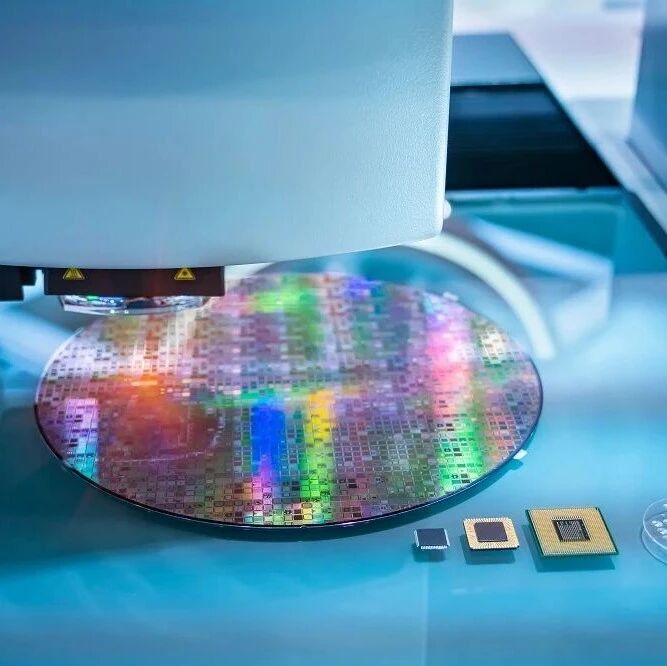
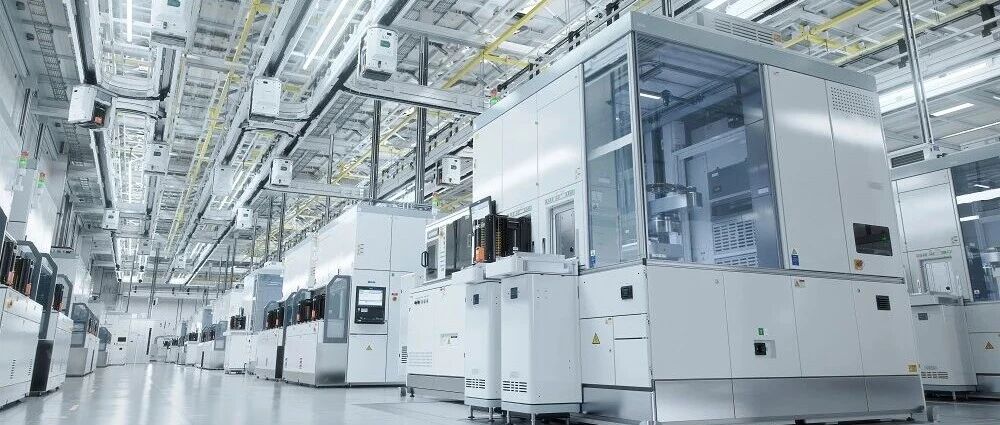
Core Viewpoint - TSMC reported record financial performance for Q3 2025, with sales reaching $33.1 billion and operating profit at $16.75 billion, marking a significant recovery in operating margin to over 50% from a previous low of around 40% [2][4]. Financial Performance - TSMC's Q3 2025 sales of $33.1 billion positioned it as the second-largest semiconductor company, trailing only NVIDIA at $46.7 billion, and outperforming competitors like Samsung ($23.2 billion) and Intel ($13.7 billion) [4]. - The quarterly wafer shipments reached a record high of 4.09 million pieces in Q3 2025, demonstrating a V-shaped recovery from a low of 2.9 million pieces in Q3 2023 [8]. Technology and Production Nodes - TSMC's strong performance is attributed to the rapid growth in wafer input for advanced 3nm and 5nm nodes, while contributions from older nodes like 7nm are declining due to a shift in focus among Chinese manufacturers towards mature process nodes [6][12]. - The application of extreme ultraviolet (EUV) lithography technology has been pivotal, with TSMC operating over 150 EUV machines, significantly enhancing its competitive edge [6][11]. Market Dynamics - The semiconductor market is witnessing a shift from smartphone-centric production to a focus on artificial intelligence (AI) and high-performance computing (HPC), with TSMC's HPC business expected to surpass smartphone sales by Q3 2025 [26][31]. - The market share of TSMC's mature nodes is being eroded by Chinese competitors, as they pivot towards these nodes due to U.S. restrictions on advanced technology exports to China [16][17]. Customer Base Evolution - TSMC's top customers are shifting, with NVIDIA projected to account for 22-25% of revenue by 2025, overtaking Apple, which is expected to drop to 20-23% [28][30]. - The dominance of AI semiconductor companies in TSMC's customer base reflects a significant transformation in the company's revenue structure, moving away from reliance on smartphone manufacturers [30][32]. Competitive Landscape - TSMC's lead in advanced semiconductor manufacturing is reinforced by its substantial investment in EUV technology, making it difficult for competitors like Samsung and Intel to catch up [36]. - The ability to supply advanced nodes has become a critical asset, positioning TSMC as a central player in the global semiconductor supply chain, akin to a "central bank" for computing resources [36].


SK海力士:DRAM利润率直逼70%
半导体芯闻· 2025-11-11 10:17
Core Viewpoint - The article discusses the significant increase in profitability for SK Hynix's DRAM business, with operating profit margins expected to exceed 70% due to rising demand and supply shortages in the DRAM market [2][3]. Group 1: Market Dynamics - The price of commodity DRAM is expected to continue rising due to ongoing supply shortages, with SK Hynix's operating profit margin projected to surpass 70%, marking the first time in nearly 30 years since the semiconductor market boom in 1995 [2][3]. - Analysts predict that if the strong pricing trend continues into the first quarter of next year, the operating profit margin for general DRAM could also exceed 70% [3]. Group 2: Production Capacity and Supply Constraints - SK Hynix has confirmed that its DRAM production capacity is primarily focused on high-bandwidth memory (HBM), leading to limited supply for general DRAM, which is already sold out for the upcoming year [3][4]. - The expansion plans of competitors like Samsung and Micron are not expected to meet the surging demand, contributing to a structural supply shortage in the DRAM market [3][4]. Group 3: Financial Projections - Financial data indicates that SK Hynix's operating profit forecast for next year has been raised by approximately 36% to 68.7301 trillion Korean won [4]. - The shift in the semiconductor business model from bulk production to securing supply through pre-signed contracts has improved the visibility of profitability [4].

刚刚,软银清仓英伟达
半导体芯闻· 2025-11-11 10:17
Core Insights - SoftBank Group sold its entire stake in NVIDIA for $5.83 billion, marking a significant divestment from a major tech player [2][4] - The company also sold $9.17 billion worth of T-Mobile shares between June and September [4] - SoftBank's Vision Fund is set to invest an additional $22.5 billion in OpenAI, indicating continued interest in AI despite market risks [4] Financial Performance - For the first quarter of the fiscal year 2025-2026, SoftBank reported revenues of ¥1.82 trillion, a 7% year-on-year increase, and a pre-tax profit of ¥689.94 billion, up 205.7% [4] - The Vision Fund returned to profitability, contributing ¥451.39 billion to pre-tax profits [4] - In the second quarter, SoftBank's net profit reached an astonishing ¥2.5 trillion, exceeding market expectations [5] Market Trends and Risks - AI investment is reportedly reaching extreme levels, with significant risks accumulating in the market [2][8] - The concentration of investments in a few major players, particularly NVIDIA, raises systemic risk concerns [8] - Current market sentiment is highly optimistic, with a notable increase in retail and institutional investments in tech stocks [8] Historical Context - SoftBank previously sold its NVIDIA shares in 2019, missing out on substantial gains as NVIDIA's market cap soared [5] - The current investment climate mirrors historical bubbles, with extreme market conditions often leading to downturns [8][9]


欧盟成员被要求排除中兴、华为设备,中方回应
半导体芯闻· 2025-11-11 10:17
Core Views - The article discusses the increasing regulatory pressure on Huawei and ZTE in Europe, particularly in Germany, where there are moves to exclude these companies from telecommunications networks due to security concerns [2][3][7]. Regulatory Developments - The European Commission has urged member states to gradually exclude Huawei and ZTE from their telecom networks, citing security risks [2]. - Germany's Federal Network Agency (BNetzA) has expanded the definition of "critical" components to include the entire Radio Access Network (RAN), which could lead to stricter regulations against Huawei [7][8]. Huawei's Position - Huawei argues that the gNodeB, a component of the 5G network, should not be classified as part of the core network, claiming it does not control traffic or manage user profiles [3][4]. - Despite Huawei's claims, the perception of it as a "high-risk supplier" persists, and its influence in the European market remains significant, providing technology for about 25% of wireless access points in Europe [3][10]. Market Impact - Excluding Huawei from the German market could cost approximately €2.5 billion (around $2.9 billion), with Deutsche Telekom alone spending about €300 million (approximately $347 million) annually on its RAN [10]. - Deutsche Telekom and Vodafone are reportedly preparing for stricter regulations by introducing new RAN suppliers, indicating a shift away from reliance on Huawei [11]. Competitive Landscape - Huawei currently supplies about 60% of Germany's 5G base stations, with Ericsson and Nokia sharing the remaining market [10]. - The competitive dynamics are shifting as Deutsche Telekom plans to replace Huawei equipment with Nokia and Fujitsu products, while Vodafone has also introduced Samsung as a new supplier [11].
6Ghz频段,谁能用?
半导体芯闻· 2025-11-10 10:56
Core Viewpoint - The article discusses the ongoing debate in Europe regarding the allocation of the 6 GHz frequency band, with mobile network operators advocating for its exclusive use for 5G and 6G services, while the Wi-Fi Alliance and Dynamic Spectrum Alliance (DSA) argue for its continued availability for Wi-Fi applications, highlighting the potential impact on digital development in Europe [1][2]. Group 1: Stakeholder Positions - The Wi-Fi Alliance and DSA express concerns that restricting Wi-Fi access to the 6 GHz band would severely hinder digital development in Europe, emphasizing that Wi-Fi is a primary means for consumers to access the internet [2]. - A spokesperson from Germany's Federal Ministry of Digital and Transport indicates that the demand for the 6 GHz band from mobile network operators is considered higher than that for Wi-Fi applications, suggesting a shift in policy [2][3]. - The DSA claims that blocking Wi-Fi access to the 6 GHz band would have a devastating impact on the future of Wi-Fi technology in Europe, which is crucial for maintaining the Wi-Fi ecosystem and fostering digital innovation [2]. Group 2: Technical and Regulatory Context - Reports indicate that the spectrum available for Wi-Fi is significantly less than that for mobile networks, with demand for the 6 GHz band from Wi-Fi expected to exceed that of mobile networks [3]. - Vodafone has previously tested the 6 GHz band, achieving download speeds of up to 5 Gbps, and argues for opening the band to enhance cellular network capacity as existing bandwidth becomes exhausted [3][4]. - The International Telecommunication Union (ITU) has supported the mobile communications sector by designating the 6 GHz band for cellular services at the 2023 World Radiocommunication Conference [4]. - The European Commission plans to make a technical coordination decision regarding the 6 GHz band, with a report from the European Conference of Postal and Telecommunications Administrations (CEPT) due by July 2027 [4].

MCU的关键之战
半导体芯闻· 2025-11-10 10:56
Core Insights - The article emphasizes the rapid growth and importance of embedded non-volatile memory (eNVM) technologies, particularly in the context of artificial intelligence and edge computing applications [2][6]. Group 1: Market Trends and Projections - By November 2025, the eNVM market is expected to see significant advancements, driven by the surge in edge data and the integration of AI functionalities into microcontrollers (MCUs) and system-on-chips (SoCs) [2]. - Yole Group forecasts that the embedded emerging NVM market will exceed $3 billion by 2030, indicating a strong demand for NVM as eFlash becomes less applicable in certain areas [2]. - The automotive sector remains a core market for eNVM, with a notable increase in demand for safety integrated circuits (ICs) and industrial MCUs anticipated by 2025 [5]. Group 2: Technological Developments - Embedded flash memory continues to be a foundational technology, but limitations in advanced node scaling have propelled MRAM, ReRAM, and embedded PCM to the forefront [3]. - Major foundries and integrated device manufacturers (IDMs) are expanding embedded solutions from 28/22 nm planar CMOS to 10-12 nm platforms, including FinFET technologies [3]. - The integration of eNVM into analog, power management, and mixed-signal designs is being recognized as a practical alternative to traditional EEPROM/OTP solutions [4]. Group 3: Applications and Challenges - ReRAM, MRAM, and PCM each have specific applications, with ReRAM gaining recognition in high-volume applications, while MRAM and PCM are attractive in speed and durability-critical areas [5]. - Challenges include integrating eNVM at advanced logic nodes, balancing durability and data retention, and achieving automotive-grade reliability standards [5]. - The role of eNVM is expected to evolve from mere storage to a critical component of computing architectures, enhancing efficiency and redefining the role of embedded memory in device intelligence [6].
马斯克为何想建晶圆厂?
半导体芯闻· 2025-11-10 10:56
Core Viewpoint - Tesla's CEO Elon Musk announced plans to build a large-scale chip factory, driven by concerns over chip shortages and geopolitical factors, aiming to surpass TSMC's production capacity [2][3] Group 1: Reasons for Building the Chip Factory - Geopolitical concerns are a significant factor, as Musk has expressed worries about the concentration of semiconductor production in Taiwan [3] - Tesla is considered a "second-tier customer" by TSMC, resulting in less support and production flexibility compared to first-tier clients like Apple [3] - The anticipated growth in AI chip demand necessitates the establishment of a TeraFab, which would exceed TSMC's Gigafab capacity of over 100,000 wafers per month [2] Group 2: Potential Benefits of the New Factory - The new factory would allow Tesla to customize key design and manufacturing processes, enhancing vertical integration and maximizing output efficiency [4] - There is speculation about a potential joint venture between Tesla and Intel to establish a new foundry, as Tesla may consider significant investments in Intel [4] Group 3: Challenges and Market Reactions - Analysts question whether Tesla can successfully adopt a system product company + IDM model, which even Apple has hesitated to fully embrace [5] - Some industry observers express skepticism about Musk's ability to replicate his success in automotive and aerospace manufacturing within the semiconductor sector [5]


人工智能,引起硬盘短缺
半导体芯闻· 2025-11-10 10:56
Core Insights - The race to build data centers for achieving Artificial General Intelligence (AGI) is accelerating, outpacing manufacturing capacity, leading to significant shortages in DRAM and storage devices [2][3] - The delivery time for enterprise-grade hard drives has extended to two years, forcing companies to turn to QLC NAND flash SSDs to avoid backlogs [2] - The demand for QLC NAND flash is causing shortages, with North American and Chinese cloud service providers competing for supplies, potentially driving up global SSD prices [2][3] Summary by Sections - **AGI and Data Center Investment** - Companies are heavily investing in data centers to support AGI, resulting in a rapid increase in demand for memory and storage solutions [2] - **Current Market Conditions** - DRAM prices have more than doubled in recent months, and enterprise-grade hard drive delivery times have reached 24 months [2] - The shift towards QLC NAND flash SSDs is a response to the long delivery times of traditional storage solutions [2] - **Future Projections** - By early 2027, QLC NAND is expected to surpass TLC in market share, indicating a significant shift in storage technology [3] - NAND flash manufacturers are experiencing unprecedented demand, with some QLC production capacities already booked until 2026 [2][3] - **Impact on Consumers and Companies** - The current shortages are benefiting manufacturers as they sell capacity to AI customers willing to pay high prices, while ordinary consumers face electronic product shortages [3]

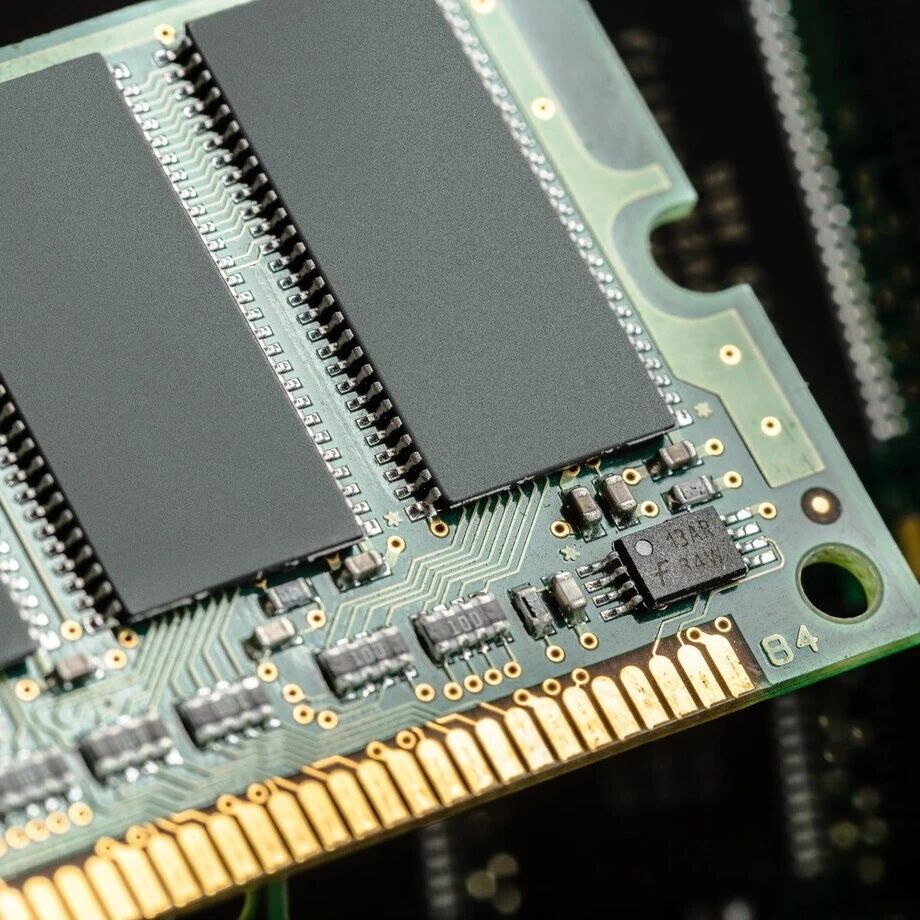
存储芯片,真缺货了吗?
半导体芯闻· 2025-11-10 10:56
如果您希望可以时常见面,欢迎标星收藏哦~ 来源 :内容来自半导体芯闻综合 。 对于外界讨论记忆体是否走出以往循环、进入长期荣景,旺宏董事长吴敏求(附图)表示,目前难以 下定论,确实可见AI发展使大型原厂在产能配置上出现变化,带动部分业者营运转佳,但整体市 况可维持多久仍难预测。现阶段可以确定的是价格已有上涨,涨价与某种程度的供需不平衡相关, 不过「缺货」是否真实、缺口多大,目前难以断言。 他指出,数据中心从以CPU为主转向GPU,运算效能明显提升,各家云端服务供应商(CSP)启动 数据中心改造,带来从零到有的扩张动能。要评估这波热度能撑多久,需待主要CSP业者完成高效 能数据中心建置后,再观察是否仍有持续性投入。 存储芯片,正迎来前所未有的繁荣时期 由于英伟达和 OpenAI等公司的人工智能业务,向来以波动性著称的存储芯片行业正在进入一个长 期繁荣期。 以韩国三星电子、SK海力士以及美国美光科技为首的存储芯片制造商,正享受着对用于训练和运 行人工智能模型的各种产品的需求激增。 研究公司 TrendForce 估计,DRAM(一种主要的存储芯片)明年将带来比 2023 年周期低谷时期 多四倍的行业总收入,达到创 ...

SiC如何盈利?罗姆最新分享
半导体芯闻· 2025-11-10 10:56
Core Viewpoint - ROHM has announced its mid-term business plan for fiscal years 2026 to 2028, setting ambitious financial targets for fiscal year 2028, including sales exceeding 500 billion yen, an operating profit margin over 20%, and a return on equity (ROE) exceeding 9% [2] Group 1: Growth Strategy - The company aims to focus on growth in the automotive sector, particularly in power and analog circuits, while also strengthening its industrial and consumer electronics businesses to create a balanced product portfolio [2] - ROHM plans to significantly expand its silicon carbide (SiC) power device business while phasing out unprofitable operations [2] - The sales target for the automotive sector is set to reach 275 billion yen, accounting for 55% of total sales, with an emphasis on AI server industrial equipment [2] Group 2: LSI and Power Device Business - The LSI business aims for sales exceeding 110 billion yen and an operating profit margin over 22%, focusing on high-profit and high-growth areas through R&D investment [3] - The power device business targets sales of over 215 billion yen and an operating profit margin exceeding 23%, with a focus on making the SiC business a profit driver [5] Group 3: Market Expansion and Product Development - ROHM has delivered products to 16 automotive manufacturers, expecting to increase inverter deliveries to approximately 3 million units by fiscal year 2028, with a customer base projected to triple [6] - The company is expanding into plug-in hybrid electric vehicles (PHEV) and hybrid electric vehicles (HEV) while enhancing competitiveness through the launch of fifth-generation products [6] Group 4: Manufacturing and Cost Optimization - ROHM plans to improve its substrate business and advance SiC crystal substrate manufacturing processes, primarily managed by its German subsidiary SiCrystal [6] - The company aims to achieve nearly complete in-house production of epitaxial wafers to reduce costs and improve yield, with a focus on transitioning to 8-inch wafers for better quality [7] Group 5: Future Sales Goals - The company has set a target of achieving sales of 30 billion yen for AI server solutions by fiscal year 2030, aiming for over 110 billion yen in sales and an operating profit margin exceeding 22% for general-purpose and other businesses by fiscal year 2028 [7] Group 6: Corporate Restructuring - ROHM announced a restructuring plan to consolidate its four domestic manufacturing subsidiaries and Shiga factory into two companies, focusing on front-end and back-end processing, set to begin operations on April 1, 2026 [8]