半导体行业观察

Search documents
芯片设备,产能过剩
半导体行业观察· 2025-10-12 01:17
Core Insights - The semiconductor industry is at a crossroads of unprecedented opportunities and uncertainties, driven by technological advancements and geopolitical factors affecting equipment procurement [2][4] - The WFE market is projected to reach $184 billion by 2030, with equipment shipments at $151 billion and service shipments at $33 billion, reflecting a stable growth trajectory despite structural inefficiencies and economic pressures [2] WFE Market: Overcapacity and Redundancy - The semiconductor industry is facing significant overcapacity, with foundries and IDMs experiencing low utilization rates and squeezed profitability, yet equipment investments continue [4] - This dynamic leads to redundant construction of fabs as regions seek to strengthen local manufacturing ecosystems, ensuring sustained demand for WFE tools despite short-term returns being suppressed [7] Competitive Landscape - The market concentration among the "Big Five" remains a notable characteristic of the WFE industry, reflecting the capital intensity, technical expertise, and long-term relationships required to serve leading chip manufacturers [9][10] - By 2024, the "Big Five" (ASML, Applied Materials, Lam Research, Tokyo Electron, and KLA) are expected to hold nearly 70% of the market share, with ASML leading at approximately 20% due to its dominance in EUV lithography [15] Equipment Segmentation: Technology and Applications - In 2024, lithography equipment will dominate the market with a 26.5% share, followed by deposition, etching, cleaning, and measurement [12] - The compound annual growth rates (CAGRs) for various technologies from 2024 to 2030 are as follows: lithography at +4.7%, etching and cleaning at +5.5%, deposition at +4.0%, and wafer bonding at +10.4% [16] Innovation Driven by Competition - The evolution of semiconductor devices is driving corresponding innovations in the WFE sector, with suppliers needing to respond quickly to maintain competitiveness [19] - Key innovation drivers from 2024 to 2030 include the need for WFE suppliers to provide integrated process solutions that balance specialization and flexibility [19] WFE Market Dynamics - The WFE market reflects the contradictions of modern semiconductor manufacturing, with global overcapacity and low profitability pressures on foundries, while technological autonomy and innovation support market growth [23] - By 2030, the WFE market is expected to grow to $184 billion, driven by stable CAGRs of 4-5% in equipment and services, with market leadership remaining concentrated among the "Big Five" [23]


5Gredcap出货量,直逼8000万
半导体行业观察· 2025-10-12 01:17
Core Insights - ABI Research predicts a significant transformation in the cellular IoT sector, with shipments of 5G Reduced Capability (RedCap) modules expected to reach 80 million units between 2024 and 2029, with enhanced RedCap (eRedCap) modules accounting for 71% of this total [1][2] Group 1: Market Trends - The transition to 5G RedCap and eRedCap modules indicates a rapid shift towards cost and power-optimized 5G connectivity for IoT applications, particularly for manufacturers currently using LTE Cat-1 or Cat-4 in Europe [1] - eRedCap is set to provide a cost-effective upgrade path to 5G, offering data rates comparable to LTE while simplifying device design and reducing power consumption [1][2] Group 2: Industry Competition - Major chip suppliers, including Qualcomm, MediaTek, Unisoc, and Sequans, have entered the RedCap chip market, accelerating the adoption of the IoT ecosystem [2] - The introduction of eRedCap in 3GPP Release 18 is expected to further lower device complexity and costs, creating new opportunities for low-end IoT devices [2] - Companies are competing fiercely in the semiconductor sector to capture customer loyalty early in this rapidly expanding market segment [2]

这颗游戏芯片,AMD定了
半导体行业观察· 2025-10-12 01:17
Core Insights - The collaboration between AMD and Sony Interactive Entertainment (SIE) has initiated the "Project Amethyst," aiming to integrate AI and machine learning into future gaming hardware and software [1][2] - The partnership will develop foundational AI systems for PC and PlayStation platforms, symbolizing a deep technological integration between AMD's red and PlayStation's blue, resulting in a purple crystal color [1] - The AI advancements will enhance not only image reconstruction but also explore neural frame generation and ray regeneration to improve real-time ray tracing and path tracing efficiency [2] AMD's Next-Generation GPU Technologies - AMD has revealed three core technologies for its next-generation GPU architecture, focusing on AI acceleration, ray tracing efficiency, and memory optimization [3] - The neural array technology is a key strategy for AMD to compete with NVIDIA's Tensor Core, indicating that AI is becoming a core part of the architecture [3] - The "Project Amethyst" will allow AMD and Sony to validate and promote these technologies on millions of gaming consoles, enhancing AMD's competitive edge in ray tracing performance and AI-driven features [3][4] Hardware Upgrades and Innovations - Sony has disclosed hardware upgrades for its next-generation console, with a focus on the collaboration project "Project Amethyst" [4] - Key innovations include Radiance Cores for efficient ray tracing and path tracing, neural arrays for AI rendering, and universal compression technology to reduce memory bandwidth requirements [4][6] - These advancements suggest that the next Sony gaming console, likely the PS6, will be capable of running ray tracing and path tracing games comparable to current PC graphics hardware [6][7] Future Implications - The technologies developed under "Project Amethyst" are expected to be implemented in future AMD GPUs and SoCs, with a timeline indicating these innovations will appear in upcoming gaming consoles in the coming years [7] - The collaboration signifies a strategic alignment between AMD and Sony, enhancing the gaming experience through AI and advanced graphics technologies [5][6]



万亿博通,涨疯了
半导体行业观察· 2025-10-12 01:17
Core Viewpoint - Broadcom's stock has more than doubled in the past year, driven by a surge in AI demand and significant revenue growth, positioning the company as a leading player in the semiconductor industry with a market capitalization of approximately $1.6 trillion [1][12]. Financial Performance - In Q3 2025, Broadcom reported revenue of $15.95 billion, a 22% year-over-year increase, with non-GAAP earnings per share of $1.69, exceeding expectations [1][12]. - Semiconductor sales grew by 26% to $9.2 billion, while infrastructure software revenue increased by 17% to $6.8 billion [1]. - Free cash flow reached a record high of $7.02 billion, representing 44% of revenue, highlighting Broadcom's strong cash generation capabilities [1][12]. AI Demand and Orders - Broadcom raised its Q4 2025 revenue guidance to approximately $17.4 billion, driven by accelerating demand for AI chips, with AI semiconductor sales expected to reach $6.2 billion [2][3]. - A significant $10 billion order for custom AI chips from a new cloud customer, believed to be OpenAI, was announced, which is expected to significantly boost AI-related sales in FY 2026 [3][4]. Strategic Positioning in AI - Broadcom's AI semiconductor revenue grew by 63% year-over-year to $5.2 billion, accounting for about one-third of total sales [4]. - The company is designing custom AI ASICs for major cloud customers, including Google and Meta, and is positioned to supply Google with 100% of its TPU chips by 2026 [4]. Software Integration - Approximately 42% of Broadcom's revenue comes from high-margin software, primarily due to the $69 billion acquisition of VMware, which provides stable recurring revenue with a gross margin of about 93% [5]. - The integration of VMware's Cloud Foundation 9.0 platform with AI capabilities is expected to enhance revenue and profitability [5]. Leadership and Future Outlook - CEO Hock Tan's contract extension until 2030 indicates stability in leadership, which has been positively received by investors [6]. - Broadcom's backlog of unfulfilled orders stands at a historical high of $110 billion, providing visibility for future revenue growth [6]. Shareholder Returns - Broadcom is known for returning capital to shareholders, with a quarterly dividend of $0.59 per share and a total of $2.8 billion returned to shareholders in the last quarter [7]. - The company has a comfortable payout ratio, with free cash flow exceeding dividends by 2.5 times, and plans to increase dividends further [7]. Competitive Landscape - Nvidia remains dominant in the AI chip market, holding an 80-90% share, but Broadcom is entering the space through partnerships with cloud giants to create custom chips [8][9]. - The competition in the AI semiconductor field is intense, with AMD and Intel also vying for market share, but Broadcom's focus on custom solutions differentiates it from competitors [9]. Risks and Challenges - Broadcom's revenue concentration among a few major clients poses a risk, particularly with Apple planning to develop its own wireless chips [10]. - Geopolitical tensions, particularly between the US and China, could impact Broadcom's supply chain and customer base, as evidenced by recent stock price volatility [10][14]. Valuation Concerns - Broadcom's valuation is approximately 85 times GAAP earnings, indicating limited room for error, and any slowdown in AI spending could lead to a significant revaluation of its stock [11][16]. - The market has high expectations for Broadcom's performance, and any failure to meet these expectations could result in stock price corrections [11][16].


台积电OIP带来的启发
半导体行业观察· 2025-10-12 01:17
Core Viewpoint - TSMC's Open Innovation Platform (OIP) represents a groundbreaking collaborative model in the semiconductor industry, fostering a horizontal ecosystem that connects TSMC with various partners to accelerate innovation and specialization [1][7]. Group 1: Accelerating Design and Time-to-Market - OIP significantly shortens the path from concept to production, integrating TSMC's process technology with partner tools and IP to provide pre-validated interfaces and processes, thus reducing design cycles [2]. - Cloud-based design through partnerships with AWS, Google Cloud, and Microsoft Azure allows customers to overcome internal computing limitations, enabling scalable and agile "cloud design" that can shorten time-to-market for complex chips by weeks or even months [2]. - The establishment of the 3DFabric Alliance in 2022 accelerates advancements in 3D IC technology, as evidenced by AMD's energy-efficient HPC breakthroughs using TSMC-SoIC [2][3]. Group 2: Reducing Costs and Increasing Efficiency - OIP democratizes access to high-quality resources, allowing smaller companies to compete with larger firms by lowering barriers to entry [4]. - The extensive catalog of silicon-validated IP and EDA certifications reduces R&D duplication, cutting development costs by up to 30-50% through reusable modules [4]. - Collaborative investments within the ecosystem amount to billions of dollars annually, sharing costs among partners, exemplified by Siemens EDA's integration with TSMC processes for thermal analysis [4]. Group 3: Strengthening Collaboration and Ecosystem Synergy - OIP promotes seamless communication through TSMC-Online's "Partner Management Portal," transforming competition into co-creation [5]. - Standardized interfaces ensure interoperability, crucial for advancing certification processes, as highlighted by Siemens EDA [6]. - Annual global forums, such as the 2025 North America OIP Forum, gather over 1,000 participants to discuss advancements in AI, photonics, and RF technologies, fostering real-time problem-solving [6]. Group 4: Industry-Wide Innovation and Scalability - OIP supports emerging technologies like 2nm nodes, UCIE standards, and silicon photonics, driving innovation across sectors such as automotive, 5G, and edge AI [7]. - The platform cultivates a resilient ecosystem that not only shortens "time to profitability" but also promotes sustainable development through efficient design practices [7]. - TSMC's OIP transforms semiconductor development from isolated efforts into a vibrant, collaborative platform, making it an indispensable resource for innovators aiming to surpass Moore's Law [7].

存储芯片“超级周期”,真的来了?
半导体行业观察· 2025-10-12 01:17
Core Viewpoint - The global storage chip market is experiencing a significant upturn driven by AI demand, with major companies like Samsung, Micron, and SK Hynix announcing price increases for DRAM and NAND products, indicating a potential "super cycle" in the industry [1][3][11]. Market Dynamics - Major players in the storage chip industry have collectively raised prices, with DRAM products increasing by 15%-30% and NAND prices up by 5%-10% [1][11]. - The DDR4 memory has seen a cumulative price increase of over 200% in the past six months, reflecting strong market demand [1][12]. - The AI-driven demand is causing a structural shift in the storage market, with predictions that the global storage market could reach $300 billion by 2027 [1][6]. Supply and Demand Changes - The current cycle differs from previous ones as it is primarily driven by enterprise-level AI capital expenditures rather than consumer demand [3][5]. - AI data centers are creating unprecedented demand for storage capacity, with AI servers requiring DRAM capacities that are eight times higher than traditional servers [8][9]. - The demand for high-performance storage is pushing prices up, with HBM prices exceeding $5,000 per unit, significantly higher than traditional DRAM [9][12]. Technological Innovations - The storage industry is undergoing a "three-dimensional revolution," focusing on bandwidth competition in HBM, increased stacking layers in 3D NAND, and the emergence of High Bandwidth Flash (HBF) technology [16][28][31]. - HBM technology is evolving rapidly, with the introduction of HBM4 standards that significantly enhance performance and efficiency [17][18]. - The competition in 3D NAND is centered around increasing the number of stacking layers, which directly impacts storage density and capacity [20][23]. Strategic Shifts - Major companies are shifting their production focus from traditional NAND to high-margin products like HBM and DDR5, leading to a supply-demand imbalance in lower-end products [11][13]. - The strategic pivot towards high-value products is evident as companies like Samsung and SK Hynix prioritize HBM and advanced DRAM production over traditional NAND [25][27]. - The rise of domestic manufacturers in the high-end storage sector is also noted, as they seek to innovate and reduce reliance on foreign technology [19][36]. Market Outlook - Analysts predict a "structural super cycle" in the storage market, driven by AI demand and the need for high-performance storage solutions [32][34]. - The global storage revenue is expected to reach $200 billion by 2025, with AI-related applications being a significant growth driver [34]. - Geopolitical factors and supply chain risks are highlighted as potential uncertainties that could impact the market dynamics and recovery pace [35][36].

PCIe Gen6来临之际:这些知识、概念您都了解吗?
半导体行业观察· 2025-10-12 01:17
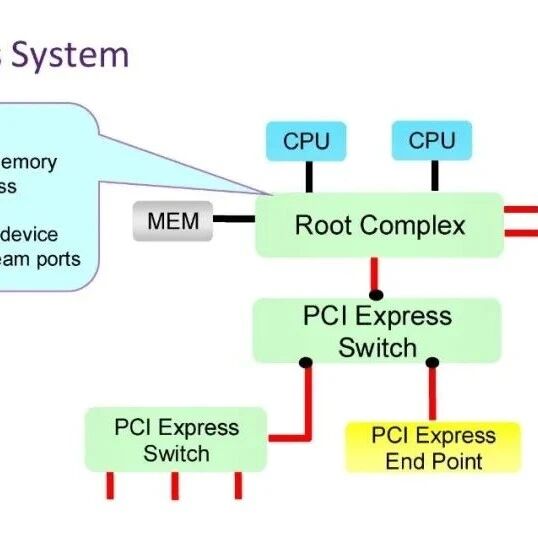
公众号记得加星标⭐️,第一时间看推送不会错过。 来源 : 内容转自公众号【企业存储技术】 。 今天分享的资料,来自 SNIA Webniar 《 Everything You Wanted to Know About PCIe But Were Too Proud to Ask 》。 摘要 由于PCI Express ( PCIe )接口能在短距离内提供高带宽和低延迟,该接口已成为人工智能( AI )系统的重要 组成部分。我们将从基础知识讲起,随后探讨其发展历程、技术要求及优势,还会涵盖 PCIe 第 6 代( Gen6 ) 的特性,包括带宽、高级错误报告( AER )、下游端口隔离( DPC )、不同模式及信号传输技术。此外,我们 也将介绍 PCIe 交换技术及其在 AI 领域的应用。主要内容包括: 什么是 PCIe ?它为何重要? 设备发现 / 枚举与热插拔 非透明桥接( NTB )的应用场景与用途 共享信用 / 接收缓冲区 小帧( Flits )重放(重传)中的选择性否认( Selective NAK )与标准否认( Standard NAK ) PCIe 第 6 代的增强功能 PCIe 交换机及其在 ...
稀土引发全球芯片供应链震荡
半导体行业观察· 2025-10-11 01:27
Core Viewpoint - The article discusses the escalating trade tensions between China and the U.S., particularly focusing on China's restrictions on rare earth exports and the U.S. imposing additional tariffs and software sales restrictions, which could significantly impact the global semiconductor supply chain [1][2]. Group 1: China's Export Restrictions - China's recent export restrictions on rare earth materials are the most targeted measures to date, aiming at the semiconductor industry, which may hinder the growth of the AI chip sector [1][2]. - The new regulations require foreign companies to obtain approval before shipping any materials containing trace amounts of Chinese rare earth elements, particularly those used in computer chips and military AI applications [2][3]. - Experts indicate that these restrictions could have the most significant impact on chip manufacturers using rare earth chemicals and tool manufacturers integrating rare earth magnets into their devices [3]. Group 2: Impact on Semiconductor Companies - ASML Holding NV, the only company producing advanced semiconductor machinery, may face shipment delays of several weeks due to these restrictions [1][2]. - U.S. chip companies are assessing the potential impacts, with concerns about rising prices of critical rare earth magnets in the supply chain [1][2]. - Major chip manufacturers like Intel, TSMC, and Samsung rely heavily on ASML for semiconductor production, and their operations could be affected by these new regulations [3]. Group 3: Global Reactions and Responses - Germany has expressed concern over China's restrictions and is working with affected companies and the EU to respond effectively [4]. - Taiwan's economy ministry is monitoring the situation to evaluate the impact on its chip industry, which relies on rare earth supplies from Europe, the U.S., and Japan [4].
AWS买了一家芯片公司
半导体行业观察· 2025-10-11 01:27
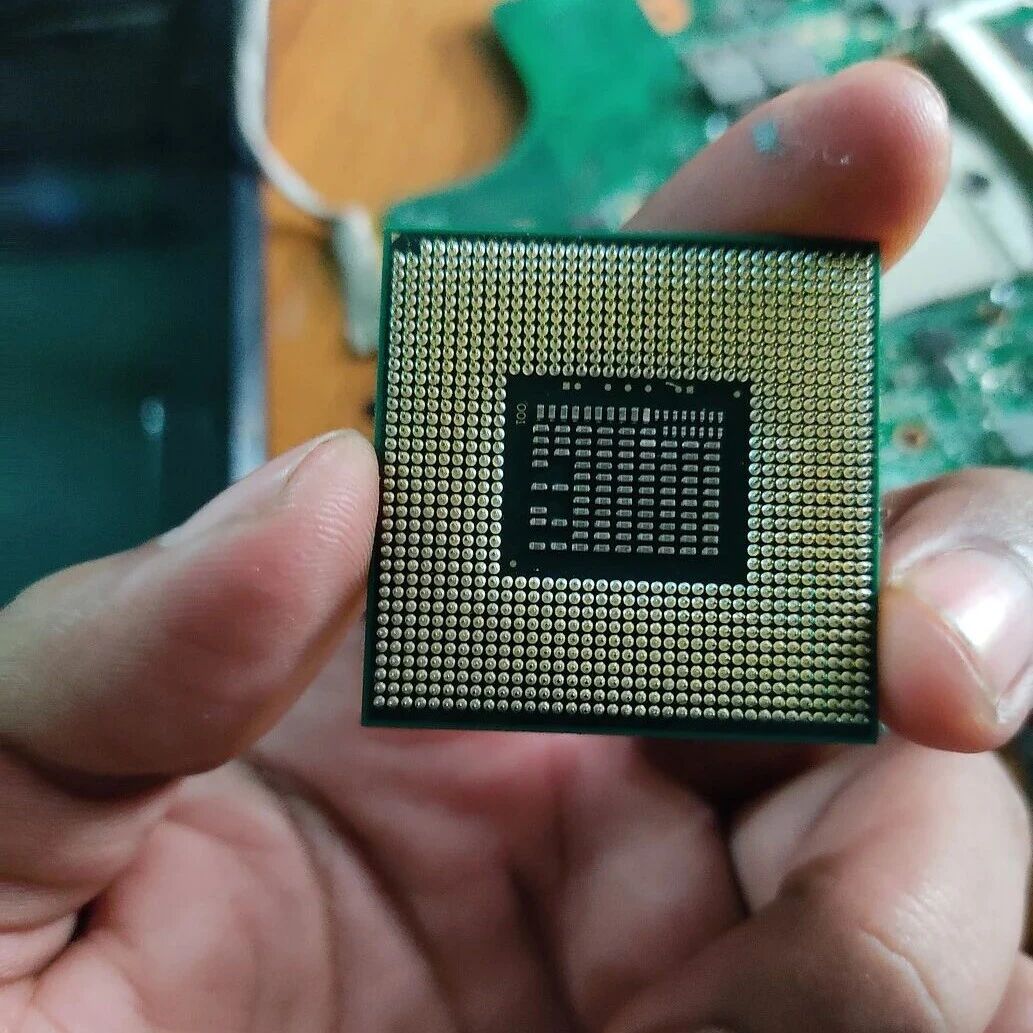
Core Insights - NeuroBlade's core engineering team will join AWS Annapurna Labs, marking the effective end of the company's independent operations [1][2] - The company aims to become "the Nvidia of data analytics," focusing on accelerating SQL processing through specialized hardware [3][7] Company Overview - NeuroBlade was founded in 2018 by Elad Sity and Eliad Hillel, both former employees of SolarEdge, and has raised $110 million in funding from investors including Intel Capital and Corner Ventures [1] - The company has developed a novel data analytics architecture that integrates computation directly into memory to eliminate bottlenecks in data processing [2][3] Strategic Developments - The acquisition of NeuroBlade's engineering team by AWS is seen as a significant milestone, with expectations for exponential growth in impact and innovation [2] - NeuroBlade has completed internal organizational adjustments prior to the AWS deal, focusing on transformative next steps [2] Technology and Product Focus - NeuroBlade's technology allows for a 100-fold increase in processing speed for SQL workloads on x86 servers, significantly reducing costs and improving CPU core utilization [3] - The company has developed a dedicated semiconductor chip for accelerating SQL instruction processing, which integrates seamlessly into existing server architectures [3][6] Market Engagement - NeuroBlade is actively engaging with major hyperscale data center operators and has signed contracts for thousands of SPU cards [4] - A partnership with Dell has been established to distribute SPU card products in PowerEdge servers, indicating strong market interest [5] Future Directions - The company is exploring the deployment of SPU cards in storage arrays but is currently prioritizing sales to hyperscale data centers, which promise higher returns [6] - NeuroBlade's technology is expected to enable significant cost savings for large-scale customers, potentially saving millions annually [6]

应材:芯片正在进入原子时代
半导体行业观察· 2025-10-11 01:27
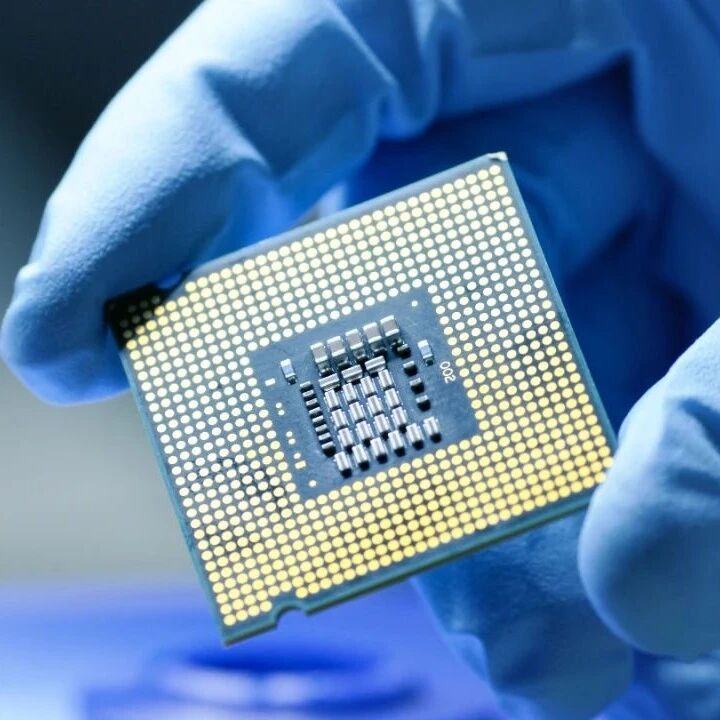
Core Viewpoint - Applied Materials is betting on the sustained demand for more powerful AI chips as it launches new chip manufacturing equipment with "atomic-level" precision, highlighting the increasing complexity and technological challenges in semiconductor manufacturing [2][3]. Group 1: Technological Advancements - The semiconductor manufacturing industry is entering an unprecedented complex era, requiring equipment manufacturers to adapt quickly to evolving demands [2]. - Leading chip manufacturers, including TSMC, Intel, and Samsung, plan to start 2nm chip production this year, transitioning to a new transistor architecture known as "Gate-All-Around" (GAA) technology, which allows for more complex transistor structures in limited space [3]. - Applied Materials is introducing a new series of advanced chip manufacturing tools aimed at enhancing AI chip performance, covering integrated chip-to-wafer hybrid bonding systems, new material deposition systems for GAA transistors, and sub-nanometer imaging metrology tools [4]. Group 2: Market Dynamics - Despite concerns about a potential AI "bubble," leading U.S. chip equipment manufacturers have not observed a slowdown in industry investments, with 100 wafer fabs currently under construction [3]. - The company anticipates a revenue reduction of $600 million in fiscal year 2026 due to U.S. export restrictions affecting China, yet its stock price has risen over 30% this year [5]. Group 3: Collaboration and Limitations - The complexity of current technologies has changed how customers collaborate with chip equipment manufacturers, with clients engaging earlier in the process [4]. - Due to U.S. export controls, Applied Materials' new chip manufacturing tools will not be available to Chinese customers, particularly affecting processes below 14nm [4].