半导体行业观察

Search documents
新思宣布,成功剥离两项业务
半导体行业观察· 2025-10-11 01:27
Core Viewpoint - The article discusses the divestiture of Synopsys' Optical Solutions Group and PowerArtist business to Keysight Technologies as a necessary step for regulatory approval of Synopsys' acquisition of Ansys, which was completed on July 17, 2025. The divestiture is expected to be finalized around October 17, 2025, and is not anticipated to have a significant financial impact on Synopsys [1][4]. Group 1: Synopsys' Divestiture - Synopsys has received all necessary approvals to proceed with the divestiture of its Optical Solutions Group (OSG) and PowerArtist business to Keysight Technologies, which is seen as essential for the regulatory approval of the Ansys acquisition [1][4]. - The OSG provides design tools and services for high-precision optical product simulation and visualization, including tools like CODE V, LightTools, LucidShape, RSoft, and the recently launched ImSym [2][3]. - The divestiture is expected to allow for a seamless transition for employees, customers, and partners, with OSG continuing to operate as part of Synopsys until the transaction is completed [3][4]. Group 2: Keysight Technologies' Acquisition - Keysight Technologies aims to expand its software simulation product portfolio through the acquisition of Synopsys' Optical Solutions Group, enabling support for high-performance systems beyond electronics, including optics and photonics [3][5]. - The acquisition of PowerArtist, a comprehensive RTL power design platform, is intended to enhance Keysight's position in high-performance system design and simulation software [4][5]. - Both Synopsys and Ansys believe that the sale of PowerArtist is necessary for regulatory approval, and the transition will be managed to ensure continuity of service for customers [4][5].


台积电市占,首超70%
半导体行业观察· 2025-10-11 01:27
Core Insights - TSMC continues to dominate the global foundry market with a market share of 71% in Q2 2023, up from 68% in Q1 2023 and 65% year-over-year [1][3] - The overall foundry market sales increased by 33% year-over-year, driven by AI demand and subsidies in China, with TSMC capturing most of this growth [3] - Intel has announced the mass production of 1.8nm chips, marking a significant advancement in the competitive landscape of advanced chip manufacturing [5][6] Market Share and Competition - TSMC holds a commanding lead in the pure foundry market, with Samsung Electronics in second place at 8%, having lost 1 percentage point from the previous quarter and 2 percentage points year-over-year [3][4] - SMIC ranks third with a 5% market share, also down by 1 percentage point, while UMC and GlobalFoundries follow with 5% and 4% respectively [4] - The foundry market is expected to continue growing, with advanced process utilization and overall wafer shipments projected to rise [4][7] Technological Advancements - TSMC's growth is attributed to the ramp-up of 3nm production and high utilization rates of 4nm and 5nm processes to meet AI GPU demand [3] - Intel's new Panther Lake CPU architecture, based on the 18A process node, is set to be produced in Arizona, indicating a shift in the competitive dynamics of chip manufacturing [5][6] - The industry is witnessing a focus on advanced packaging technologies like CoWoS, which enhance chip performance and efficiency [3][8] Market Trends and Future Outlook - The global foundry market is projected to grow from $125.56 billion in 2023 to $171.7 billion by 2032, with a CAGR of 3.99%, driven by demand in automotive, aerospace, and industrial sectors [8][10] - Governments are playing a significant role in reshaping the foundry landscape through subsidies aimed at localizing semiconductor manufacturing [9][10] - The integration of automation and digitalization in foundry processes is expected to improve yield and energy efficiency, positioning companies that invest in these areas for future growth [10]


一颗1971年面世的芯片,依然大卖
半导体行业观察· 2025-10-11 01:27
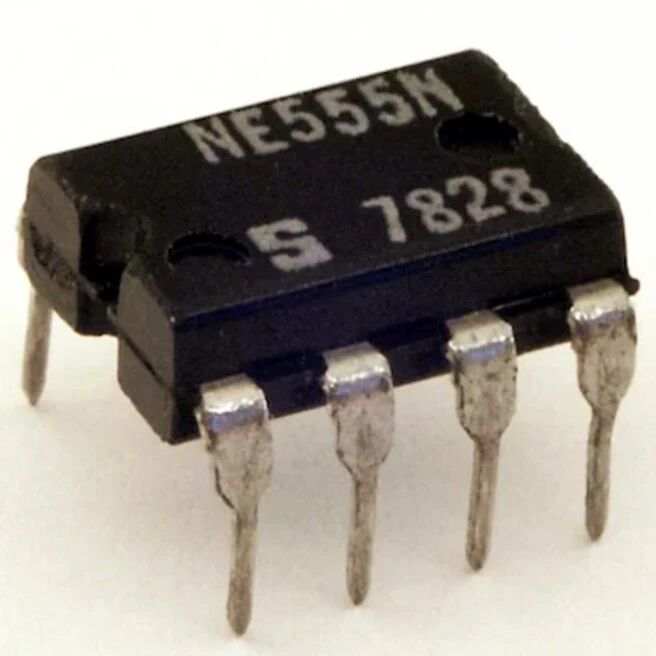
公众号记得加星标⭐️,第一时间看推送不会错过。 该IC还包含一个控制电压引脚,用于外部调制或PWM控制,提供2/3 VCC阈值。如果不使用,通常 会通过一个10 nF电容将其旁路至地,以避免不稳定。 来源 : 内容 编译自 allaboutcircuit 。 到了20世纪70年代初,工程师们已经拥有了振荡器、定时器和单稳态电路,只是它们并不集成在一个 集成电路中。使用分立元件的模拟电路笨重,而现有的定时器芯片缺乏灵活性。这种情况在1971年发 生了改变,当时,Signetics公司的承包商Hans Camenzind设计了一款通用定时器芯片,仅使用了约 25个晶体管、几个二极管和一个巧妙的电阻分压网络。 最终,NE555应运而生:一款八引脚模拟定时器,可以根据连接方式产生单稳态、方波和触发器。它 采用单电源供电,具有强大的输出级,并且能够耐受嘈杂的环境。Signetics 公司一经推出,便迅速 在业余爱好者和工业界掀起了一股热潮。 在此后的几十年里,555 芯片已广泛应用于 LED 闪光灯、电机驱动器、伺服测试仪、压控振荡器 (VCO)、去抖电路等众多领域。工程师们用它来控制继电器、播放旋律、检测脉冲丢失以及 ...
Nvlink的国产替代:华为Unified Bus背后的思考
半导体行业观察· 2025-10-11 01:27
Core Viewpoint - The Unified Bus (UB) protocol aims to bridge the gap between bus and network architectures, addressing the limitations of both in high-performance computing environments, particularly in the context of deep learning and large-scale data processing [2][3][9]. Group 1: Necessity of UB - The necessity for UB arises from the fundamental contradiction in computer architecture between bus and network systems, which have historically operated as isolated entities [2]. - Traditional bus technologies like PCIe offer high performance within a limited physical scope, while network technologies provide scalability at the cost of increased latency and complexity [2][3]. Group 2: Architecture and Design Philosophy - UB's core mission is to create a unified interconnect that combines the ease of programming and performance of bus systems with the scalability of network systems [3]. - The protocol proposes a peer-to-peer architecture where all devices can access each other's memory directly, bypassing the CPU, thus achieving zero-copy data transfer and ultra-low latency [5][6]. Group 3: Key Features of UB - UB provides a unified memory semantic that abstracts the physical differences between bus and network technologies, allowing applications to access remote memory as if it were local [7][8]. - The protocol introduces innovative operations like "Write with Immediate" and "Send with Immediate," which combine data transfer and notification into single atomic operations, reducing overhead [17][18]. Group 4: Jetty Abstraction - The Jetty abstraction replaces traditional connection models with a more flexible, connectionless approach, allowing multiple applications to share resources efficiently [22][23]. - This model simplifies the management of communication states and enhances scalability by treating requests as independent entities rather than requiring dedicated connections [27][28]. Group 5: Transaction Ordering - UB distinguishes between execution order and completion order, allowing for flexible optimization in distributed systems while maintaining consistency [42][45]. - The protocol supports various transaction service modes, enabling applications to choose between performance and consistency based on their specific needs [45].

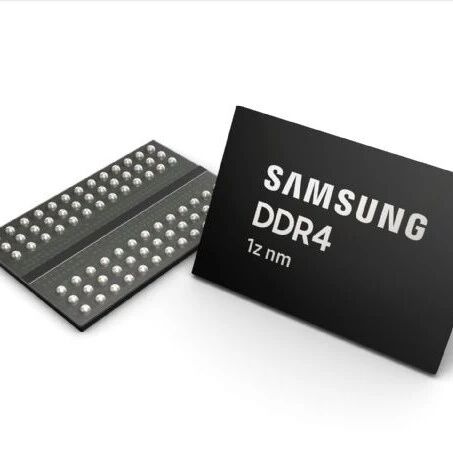
DDR 4,正在消逝
半导体行业观察· 2025-10-11 01:27
Core Viewpoint - DDR4 memory prices are rising due to reduced supply rather than increased demand, as major DRAM manufacturers shift focus to DDR5 production [2][4]. Group 1: DDR4 and DDR5 Transition - DDR4 memory is losing its role as a market trend indicator due to the accelerated transition to DDR5 in the PC and server markets [2]. - Major DRAM manufacturers, including Samsung, SK Hynix, and Micron, are continuously reducing DDR4 production as the market increasingly supports DDR5 [2][3]. - Intel's latest server processors have completely stopped supporting DDR4, further pushing the market towards DDR5 adoption [2]. Group 2: Performance and Demand Drivers - The explosive growth in demand for artificial intelligence (AI) and high-performance computing (HPC) is driving the transition to DDR5, which offers 1.5 to 2 times the transmission speed and 30% better energy efficiency compared to DDR4 [3]. - Market research firm TrendForce predicts that DDR5 will account for over 50% of all PC and server DRAM shipments in the second half of this year [3]. Group 3: Market Dynamics and Future Outlook - The current price increase of DDR4 is attributed to supply reduction rather than demand increase, indicating that the market is not recovering [4]. - The global memory semiconductor market is expected to maintain stable growth through 2026, with DRAM and NAND flash performing well due to balanced supply and demand [6]. - The demand for DRAM is projected to grow by 19.3% in 2025, slightly above the industry production growth rate of 18.1% [6]. Group 4: Investment in Next-Generation DRAM - Major memory manufacturers are accelerating investments in 1c DRAM, with Samsung and SK Hynix planning to ramp up production lines [7][8]. - Micron is also expected to speed up investments in 1c DRAM, supported by significant subsidies from the Japanese government [9].

刚刚,高通被调查
半导体行业观察· 2025-10-10 09:16
Group 1 - Qualcomm is under investigation by the State Administration for Market Regulation for allegedly failing to legally declare the acquisition of Autotalks, which may violate the Anti-Monopoly Law of the People's Republic of China [1] - Autotalks, founded in 2008 and based in Israel, specializes in V2X communication chips, supporting both DSRC and C-V2X standards to enhance vehicle communication and traffic efficiency [3] - Qualcomm announced plans to acquire Autotalks in May 2023 to integrate its V2X technology into the Snapdragon Digital Chassis platform, aiming to strengthen its capabilities in smart connected vehicles and autonomous driving [3] Group 2 - The acquisition faced scrutiny from multiple regulatory bodies, including the EU, UK, and US, due to concerns over competition in the V2X chip market and potential over-concentration of power in technology standard-setting [3] - Qualcomm terminated the initial acquisition plan in March 2024 after negotiations and adjustments, but successfully completed the transaction in June 2025, with the final deal estimated between $80 million and $90 million, significantly lower than the initial rumored amount of $350 million to $400 million [4]


英伟达被批准出售50万颗GPU
半导体行业观察· 2025-10-10 00:52
Core Points - The U.S. government has granted NVIDIA an export license to ship advanced AI GPUs worth hundreds of billions to the UAE, marking the beginning of a significant bilateral technology cooperation [1] - The agreement allows the UAE to purchase up to 500,000 advanced NVIDIA processors annually, with a commitment to invest $1.4 trillion in the U.S. over the next decade [1] - The deal is seen as a shift in U.S. policy, moving from restricting AI chip exports to establishing a bilateral framework with allies [2] Group 1 - The initial shipment of AI accelerators will not be delivered to G42, an AI company in Abu Dhabi, but will be operated by U.S. companies with data centers in the UAE [1] - The U.S. aims to counter China's influence in the region by embedding American cloud service providers and hardware into UAE infrastructure [2] - Future authorizations will depend on the progress of UAE's investments, potentially serving as a model for similar agreements with other allies seeking advanced AI hardware [3] Group 2 - The agreement includes a provision for G42 to eventually receive 20% of the AI processors in the UAE [1] - The U.S. Commerce Secretary confirmed that only approved U.S. operators managing data centers will be eligible to run these systems [2] - Critics argue that the agreement lacks sufficient safeguards to ensure the AI accelerators operate in reviewed environments, especially given the UAE's economic ties with Beijing [3]

云汉芯城上市,电子元器件分销新标杆,让长尾需求变规模生意
半导体行业观察· 2025-10-10 00:52
Core Viewpoint - The article discusses the transformation of Yunhan Chip City from traditional offline distribution to an online model, addressing the long-tail demand in the semiconductor distribution industry and highlighting its successful integration of digital platforms, data, and supply chain networks to create a scalable business model [1][5][24]. Group 1: Industry Structure and Challenges - The semiconductor distribution industry faces a paradox of concentrated upstream manufacturers and a fragmented downstream market, leading to challenges in meeting the long-tail demand effectively [1]. - Traditional supply chain models struggle with small orders, where the cost structure makes fulfilling orders below 5000 yuan unprofitable, causing difficulties for small and medium enterprises in procurement [1][4]. Group 2: Yunhan Chip City's Transformation - Yunhan Chip City began its transition to an online distribution model in 2011, aiming to reduce operational costs and improve efficiency through digitalization [1][2]. - The company has developed a procurement platform that allows customers to search, compare, and order electronic components online, significantly lowering operational costs [5]. Group 3: Data and Supply Chain Integration - Yunhan Chip City has built a comprehensive database with over 40 million product specifications and 93 million parameter relationships, which helps reduce the time for engineers to select components from 15-30 days to 1-2 days [8][10]. - The company collaborates with over 2500 suppliers to create a coordinated supply network, enabling faster assembly of components and reducing procurement costs for small tech enterprises [8][15]. Group 4: Quality Control and Competitive Advantage - The company has established a quality control system with over 100,000 reference samples to ensure that no counterfeit products reach customers, supported by a certified testing center [12][14]. - Yunhan Chip City has invested in data governance and technology to enhance its data quality, which serves as a competitive advantage in the market [10][11]. Group 5: Market Trends and Future Outlook - The global semiconductor market is expected to grow, with a projected sales figure of $627.6 billion in 2024, translating to a 19.12% year-on-year increase [15]. - Yunhan Chip City has seen significant revenue growth, with a 17.82% increase in revenue and a 41.17% increase in net profit in the first half of 2025, outperforming industry averages [15]. - The company is strategically positioned to capitalize on the accelerating domestic semiconductor market and the trend towards small-batch, rapid iteration manufacturing [19][20].

全球IP销售,稳健增长
半导体行业观察· 2025-10-10 00:52
Core Insights - The semiconductor industry is experiencing growth in EDA and silicon IP revenues, with a projected increase of 8.6% in Q2 2025, reaching $5.089 billion, compared to $4.685 billion in Q2 2024 [2] - The growth in EDA revenue is primarily driven by the CAE category, which saw a significant increase of 17.2% [2][4] - Despite a recovery in the Chinese market after five quarters of decline, growth remains modest, while India and Taiwan show strong performance in the IP sector [2][3] EDA Revenue Breakdown - Total EDA revenue for Q2 2025 reached $3.0614 billion, up 8.4% from $2.825 billion in Q2 2024 [3] - CAE revenue increased to $1.929 billion, reflecting a 17.2% growth [4] - PCB & MCM revenue grew by 7.8% to $430.5 million, while IC Physical Design & Verification revenue decreased by 9.9% to $701.9 million [4] Regional Performance - The Americas experienced a growth rate of 14.1%, while EMEA and Japan saw increases of 10.7% and 11.8%, respectively [3][5] - The Asia-Pacific region, primarily driven by China, had a lower growth rate of 7.2% [5] Employment Trends - The total number of employees in the tracked companies rose to 72,529 in Q2 2025, marking a 14.8% increase from 63,188 in Q2 2024 [5] Challenges in Semiconductor IP Sales - The semiconductor IP market faces challenges, particularly in the analog IP sector, which lacks standardization and requires custom design and verification [6][8] - Documentation and support for semiconductor IP are often inadequate, leading to integration difficulties for customers [7][8] - Successful semiconductor IP sales require a collaborative approach, focusing on high-quality, well-documented solutions rather than merely increasing the quantity of offerings [9]

芯片定位,有哪些方式?
半导体行业观察· 2025-10-10 00:52
Core Viewpoint - The article discusses the increasing importance of location verification in the semiconductor supply chain due to heightened export controls and concerns over AI chip smuggling and counterfeiting. It highlights the shift from traditional manual tracking methods to more advanced technological solutions for monitoring chip movements from manufacturing to end-users [1][14]. Summary by Sections Location Verification Methods - Various methods for tracking chip locations include built-in GPS technology, ping-based systems, and geofencing to restrict chip behavior within certain boundaries [5][6]. - These methods aim to enhance supply chain oversight with minimal effort, addressing the complexities of tracking millions of chips across multiple sources [1][4]. Challenges and Innovations - Current tracking technologies, while effective, may be intrusive and susceptible to deception, prompting the need for innovative solutions to mitigate negative impacts [2][3]. - The ping-based technology can determine location through round-trip time measurements, but verifying the accuracy of these pings remains a challenge [4]. Economic and Political Considerations - Different chips and systems present varying economic risks and political boundaries, leading to diverse solutions based on accuracy requirements and operational costs [4]. - The U.S. government is considering location verification as part of a broader strategy for AI and semiconductor security, reflecting current policy trends that balance technology export support with national security [14]. Cost Implications - Implementing location tracking can significantly increase the cost of chips, as seen in the example where a microcontroller's price rose from $2 to $5 due to added security features [8]. - The integration of tracking technologies necessitates additional infrastructure and software, which can further drive up costs and impact battery life [7][8]. Security and Privacy Concerns - While verification methods do not inherently create new attack surfaces, geofencing could introduce vulnerabilities if not managed properly [9][10]. - The article raises concerns about the implications of location tracking on privacy and the potential for misuse, especially in sensitive applications [15][16]. Future Outlook - The article concludes that while location verification presents a promising avenue for enhancing chip security, it also raises significant privacy issues and requires careful consideration of alternative delivery methods [14].