日经中文网

Search documents
半导体展望:手机需求下半年复苏
日经中文网· 2025-06-10 08:08
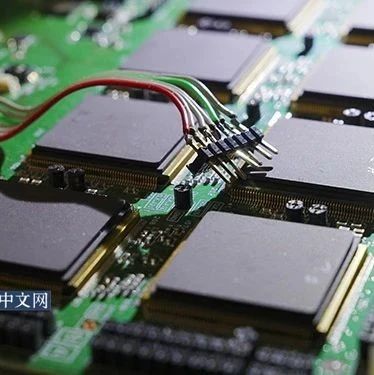
Core Viewpoint - The semiconductor industry is expected to continue experiencing a disparity in demand, with AI-related products leading the market while broader product demand may not recover until the second half of 2025 [1][6]. Group 1: Semiconductor Market Trends - The semiconductor market size for Q1 2023 was $167.6 billion, showing a year-on-year growth of 19%, driven by high-demand chips for generative AI [5]. - TSMC's sales increased by 42% in Q1 2023, with high-performance computing (HPC) semiconductors making up 59% of total sales, up from 46% year-on-year [6]. - Demand for mature products, such as those used in smartphones and PCs, remains weak, with Samsung's semiconductor division only growing by 9% in Q1 2023, a significant slowdown from the previous quarter [7]. Group 2: NAND Flash Market Dynamics - Kioxia Holdings has begun to reduce NAND supply due to decreased demand, but expects NAND market conditions to improve starting in the second half of 2025 [9]. - Global NAND prices fell by 13% to 18% in Q1 2025 but are projected to rise by 3% to 8% in Q2 2025, indicating a potential recovery in demand [9]. - Smartphone manufacturers may increase demand for memory chips if the pace of price declines slows, aided by government subsidies in China to boost smartphone purchases [9]. Group 3: Automotive and Industrial Demand - Demand for automotive and industrial semiconductors is not expected to recover until after 2026, with companies like Renesas Electronics adjusting production timelines due to slowing EV growth [10][11]. - The average net profit for major automotive and industrial companies in Japan, the US, and Europe is projected to decrease by about 10% in 2025, but is expected to rebound by 31% in 2026 [12]. Group 4: Semiconductor Equipment and Supply Chain - Semiconductor manufacturing equipment sales in Japan grew by 18.2% year-on-year, driven by ongoing demand for AI-related semiconductors [16]. - However, investment in China has begun to slow, with companies previously rushing to invest in the Chinese market now seeing a decline in sales [16]. - The demand for electronic components, particularly those for AI data centers, remains strong, with companies like Murata Manufacturing expecting robust demand for multi-layer ceramic capacitors [17]. Group 5: Future Outlook - The expansion of AI applications is anticipated to drive demand for high-performance semiconductors in smartphones, PCs, and automotive sectors [18]. - Companies are focusing on improving quality and production efficiency to mitigate risks associated with potential declines in demand due to tariffs and other uncontrollable factors [18].


日本谈判代表将连续第4周访美
日经中文网· 2025-06-10 02:46
日本经济财政再生相赤泽亮正在自民党总部回答记者提问(6月9日) 日本经济财政再生相赤泽亮正将在6月13日再次访美,就日美关税谈判举行第6轮部长级磋商,6月15日 至17日将在加拿大举行七国集团峰会(G7峰会),正在探索借此机会在日美首脑之间达成一定的共 识…… 日本经济财政再生相赤泽亮正将在6月13日再次访美,就日美关税谈判举行第6轮部长级磋 商,正在进行协调。访美的日程是6月13日至18日,是赤泽亮正连续第4周访美。6月15日至 17日将在加拿大举行七国集团峰会(G7峰会),正在探索借此机会在日美首脑之间达成一定 的共识。 赤泽亮正6月8日结束第五次访美后返回日本。在向石破茂报告后对记者表示,"或许不会出现 首相与美国总统特朗普对话,得出应有的协议结论的情况"。 第五次访美期间,赤泽亮正与美国财政部长贝森特进行了磋商,并两次会见美国商务部长卢 特尼克。 赤泽亮正6月9日在自民党总部对记者表示,考虑到在G7峰会上日美首脑有举行会谈的机 会,"在尽可能扩大共识的基础上,即使无法达成一致,也要考虑让两国首脑能谈些什么"。 在被问及自己是否会一同参加G7峰会时,赤泽亮正表示"如果日美首脑之间讨论关税问题,有 可能同 ...

中国5月对美出口下滑35%,降幅扩大
日经中文网· 2025-06-10 02:46
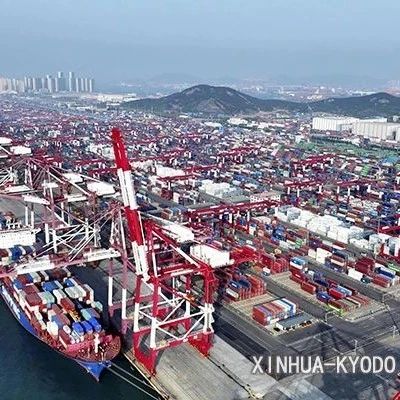
Core Viewpoint - China's exports to the United States in May amounted to $28.8 billion, representing a year-on-year decrease of 35%, the largest drop since February 2020 when the COVID-19 pandemic began [1][2]. Group 1: Export Data and Trends - The decline in exports to the U.S. has worsened compared to April's 21% drop, despite a mutual reduction of additional tariffs by 115% agreed upon during ministerial talks in Switzerland on May 10-11 [1][2]. - The significant drop in exports is attributed to high tariffs that had previously hindered shipments, with companies needing time to adjust and resume normal operations post-tariff reduction [3][4]. - Specific categories of goods, such as smartphones, toys, and furniture, have seen a decline in exports compared to the same period last year, with smartphones down over 20% [5]. Group 2: Future Outlook - Predictions indicate a temporary recovery in June, with a surge in exports expected to continue until August [4]. - Despite the challenges in U.S. exports, China's overall exports to other countries remain strong, with ASEAN being the largest export destination, showing a 15% increase compared to last year [6].
中美第2次磋商焦点是稀土和半导体管制
日经中文网· 2025-06-10 02:46
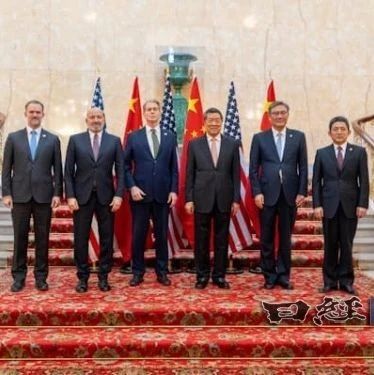
Group 1 - The core viewpoint of the article highlights the ongoing negotiations between China and the U.S. regarding tariff reductions and export controls, particularly focusing on rare earth elements and semiconductor regulations [1][3][5] - The second round of ministerial talks took place in London on June 9, following discussions in Switzerland, with key participants from both countries addressing issues related to rare earth export controls and semiconductor restrictions [1][2] - The U.S. Treasury Secretary and other officials participated in the talks, emphasizing the need for China to lift its rare earth export controls, which were implemented in April [1][2] Group 2 - The article notes that the U.S. has imposed a 30% tariff on imports from China, while China has responded with tariffs ranging from 10% to 15% on U.S. products, including agricultural goods [7] - There is uncertainty regarding whether the export controls will be modified as a result of the negotiations, with both sides showing reluctance to make concessions [7][4] - The Chinese Ministry of Commerce has approved a certain number of compliant export applications, indicating a strategic use of export controls as a negotiation tool [4][5]
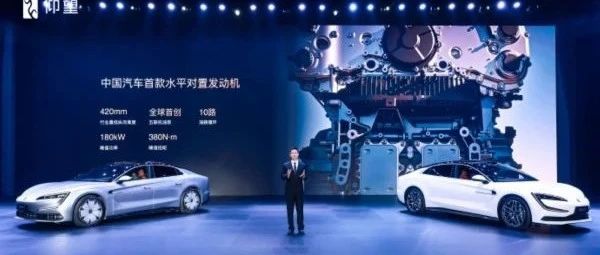
日经BP精选:比亚迪踏足老牌车企圣域——水平对置发动机
日经中文网· 2025-06-10 02:46
Core Viewpoint - Chinese automotive manufacturers are advancing in engine development, with BYD introducing a horizontally opposed engine in its new luxury car brand, Yangwang's U7 model, marking a significant achievement in the industry [1][2]. Group 1: Engine Development - BYD has successfully implemented a horizontally opposed engine, a technology previously dominated by German Porsche and Japanese Subaru [1]. - The U7 is the first Chinese car to feature a horizontally opposed engine, showcasing BYD's commitment to innovation in automotive engineering [2]. Group 2: Patent and Technology - BYD applied for patents related to the horizontally opposed engine in 2021, indicating prior investment in this technology [1].

日本3家大型造船企业就量产氢运输船展开合作
日经中文网· 2025-06-10 02:46
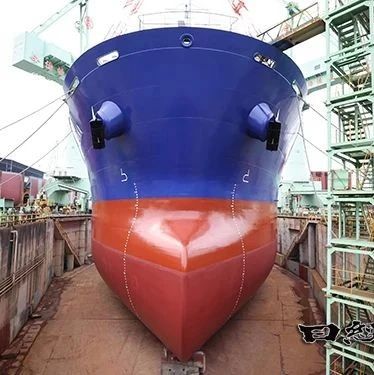
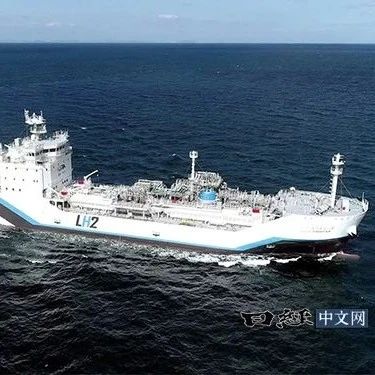
Core Viewpoint - Kawasaki Heavy Industries has developed the world's first ship capable of transporting liquid hydrogen, marking a significant advancement in the shipbuilding industry and positioning Japan to regain its competitive edge in the new generation of vessels [1][2]. Group 1: Collaboration and Production - Three major Japanese shipbuilding companies, including Kawasaki Heavy Industries, Imabari Shipbuilding, and Japan Marine United (JMU), will collaborate to mass-produce hydrogen transport ships utilizing Kawasaki's technology [1][2]. - The collaboration aims to establish a production system for hydrogen transport ships, with Kawasaki supplying core components such as liquid hydrogen storage tanks to Imabari and JMU [2][4]. Group 2: Market Context and Competition - The demand for hydrogen as a decarbonized fuel is expected to rise, prompting the development of hydrogen transport ships [1][2]. - Historically, Japan's shipbuilding industry held about 50% of the global market share in the 1970s and 1980s but has since been surpassed by South Korean and Chinese companies [2][4]. - The Japanese shipbuilding industry is striving to reclaim its position through innovations like hydrogen and ammonia fuel ships, with the collaboration seen as a step towards revitalization [2][4]. Group 3: Technological Development - Kawasaki Heavy Industries has a long history of hydrogen research, adapting its technology for storing liquefied propane at low temperatures for use in hydrogen storage [3]. - The company has been expanding its hydrogen utilization strategy since the 2010 mid-term business plan, aiming to promote hydrogen's adoption in collaboration with trading and energy companies [3]. Group 4: Strategic Opportunities - Kawasaki operates two shipbuilding companies in China and is seeking partners to enhance its production capacity for hydrogen transport ships [4]. - The Japanese government is also looking to leverage its technological expertise as a bargaining chip in trade negotiations with the U.S., which could provide further opportunities for Japanese companies in the shipbuilding sector [4].

30年才能回本,在东京圈买房不划算了?
日经中文网· 2025-06-09 07:12
Core Viewpoint - The housing price-to-earnings ratio (PER) in the Tokyo metropolitan area has reached approximately 30 times by 2024, marking a historical high and indicating that residential properties are becoming less attractive as investment options [1][3]. Group 1: Housing Market Trends - The PER for new homes in the Tokyo area has increased to 28.93 times, up from 26 times the previous year, surpassing major real estate stocks like Mitsubishi Estate (18.3 times) [3][4]. - The average rent for newly sold homes in the Tokyo area has increased by 3.2% year-on-year, while the average price has surged by 17.7%, exceeding 100 million yen for the first time [4][5]. - The PER for second-hand homes in the Tokyo area is 28.87 times, nearly equal to that of new homes, indicating a rising trend in the second-hand housing market [6]. Group 2: Investment Considerations - The PER serves as a measure for evaluating the initial investment recovery period in housing, with a rising PER suggesting declining attractiveness for housing investments [4][7]. - In high-demand areas like Platinum Takane, the PER reaches 53.07 times, indicating a recovery period exceeding 24 years compared to the average [5][7]. - The current rental yield, calculated as rent divided by housing price, stands at 1.88%, lower than the 20-year Japanese government bond yield of approximately 2.2% [5]. Group 3: Market Dynamics - The increase in new home prices is driven by strong demand from both local and foreign investors, as well as affluent domestic buyers [5]. - The phenomenon of second-hand homes having a higher PER than new homes is emerging in certain areas, reflecting a shift in market dynamics [6][7]. - Experts suggest that a correction in housing PER is inevitable, but due to rising living costs, future rent increases may be limited, potentially leading to a decline in new home prices [7].

发那科展示机器人新技术:远程操作、分装炸鸡
日经中文网· 2025-06-09 07:12
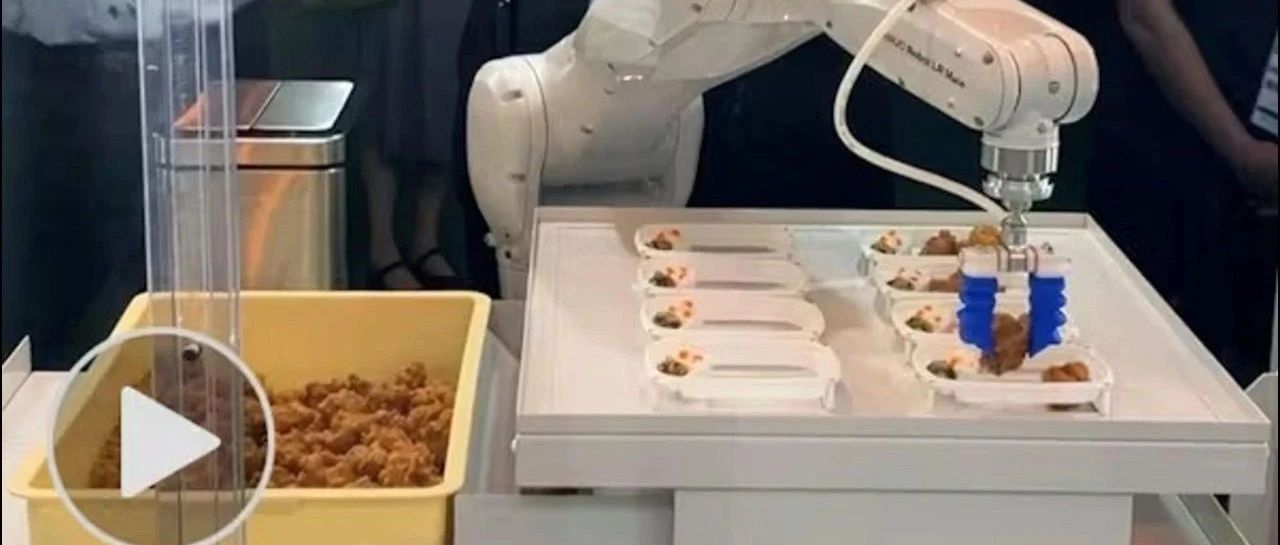
Core Viewpoint - The article highlights the recent product showcase by Fanuc in Yamanashi Prefecture, Japan, focusing on advancements in industrial robots and factory automation systems aimed at enhancing manufacturing efficiency [1][2]. Group 1: Robotics Innovations - Fanuc introduced a remote operation robot system consisting of two robotic arms, allowing operators to perform tasks safely in hazardous environments by replicating their movements in real-time [1]. - The new cutting robots developed by the robotics department have increased cutting load capacity by 3.4 times, enabling the processing of iron, which was previously limited to aluminum [1]. Group 2: Food Packaging and Metal Processing - The new food packaging robot features FDA-certified coatings and demonstrated the ability to package irregularly shaped and soft foods like chicken nuggets [2]. - A new metal processing machine showcased a 3% improvement in production efficiency, which is crucial in a competitive market [2]. - The injection molding machine for plastic products can reduce cycle time by 8-10%, showcasing significant technological advancements [2]. Group 3: Factory Automation Developments - The factory automation department is focusing on digital reproduction of machining processes using data collected from CNC devices, aiming to replace traditional trial processes and shorten development time [2]. - A demonstration showed the ability to compare two machining surfaces on a display, facilitating the identification of precision improvement points, with simulation speeds up to 100 times faster than actual machining [2]. Group 4: Event Attendance - The showcase event held from May 19 to 21 attracted approximately 7,500 attendees, marking a 10% increase compared to 2024 [3].
日本造船复活的条件(下)美国求援是最后良机
日经中文网· 2025-06-09 07:12
Core Viewpoint - The article discusses the decline of the U.S. shipbuilding industry post-World War II and the efforts to revive it through collaboration with allies like Japan and South Korea, amidst rising competition from China. Group 1: U.S. Shipbuilding Industry - The U.S. was once the world's leading shipbuilding nation but has seen its capacity shrink to 1/200th of China's post-WWII [1] - The U.S. government under Trump aims to revitalize the shipbuilding sector by collaborating with Japan and investing in U.S. shipyards [2] - The U.S. has imposed restrictions on Chinese shipbuilding, including fees for Chinese vessels entering U.S. ports [4] Group 2: South Korea's Response - South Korea's HD Hyundai Heavy Industries announced a partnership with Huntington Ingalls Industries to enhance production efficiency and shipbuilding technology [2] - Hanwha Ocean acquired the Philadelphia shipyard and secured maintenance contracts with the U.S. Navy, marking a significant entry into the U.S. defense sector [3] Group 3: Japan's Position - Japan's shipbuilding industry faces challenges such as labor shortages and high costs, making it difficult to expand operations in the U.S. [3] - Japanese companies are cautious about U.S. requests for support, maintaining a wait-and-see approach while managing existing partnerships with Chinese firms [4] - Major Japanese shipping companies plan significant investments, with Mitsui O.S.K. Lines aiming for approximately 2 trillion yen over three years [5] Group 4: Industry Collaboration and Future Outlook - Japanese shipbuilders are collaborating on new environmentally friendly vessels and high-value ships, indicating a shift towards cooperation rather than competition [7] - The Japanese shipbuilding industry is under pressure to adapt and seize opportunities in the global market, with a focus on high-value segments like LNG carriers [6][7] - The design capabilities in China, particularly at the Shanghai Shipbuilding Research Institute, are addressing Japan's talent shortages in ship design [8]