日经中文网

Search documents
特朗普为什么要对委内瑞拉动武?
日经中文网· 2026-01-04 07:50
Core Viewpoint - The article discusses the U.S. government's military actions in Venezuela, focusing on the strategic importance of Venezuela's oil reserves, which are the largest in the world, and the implications for U.S. foreign policy and energy interests [2][5]. Group 1: U.S. Military Actions and Oil Interests - The U.S. military has taken action against Venezuela, with President Trump expressing a strong interest in the country's oil projects, indicating a desire for active involvement [4][6]. - Venezuela's oil reserves are estimated to exceed 300 billion barrels, making it the largest in the world, which has historically attracted U.S. companies like Chevron [5][6]. - The Trump administration's strategy includes the potential overthrow of the Maduro regime to create a pro-U.S. government, thereby facilitating favorable conditions for American oil companies [5][6]. Group 2: Historical Context and Policy Implications - The political landscape in Venezuela shifted significantly after Hugo Chávez's election in 1999, leading to a decrease in foreign investment and oil production due to the government's anti-American stance [5]. - The Trump administration has consistently sought to undermine the Maduro government, citing authoritarian practices and election irregularities, and has implemented sanctions since 2017 [5][6]. - The U.S. national security strategy announced in December 2025 emphasizes a return to Monroe Doctrine principles, focusing on consolidating influence in the Americas while reducing global military interventions [6].


特朗普攻击委内瑞拉给世界带来新火种
日经中文网· 2026-01-04 07:50
Core Viewpoint - The article discusses the implications of U.S. military intervention in Venezuela, highlighting the geopolitical tensions it may create in Latin America and beyond, particularly in relation to oil interests and regional stability [2][5][11]. Group 1: U.S. Military Intervention - The Trump administration's military actions in Venezuela are framed as a means to combat drug trafficking, but they are criticized as a violation of international law by Latin American leaders [3][5]. - Critics argue that U.S. intervention could lead to further instability in the region, with potential for civil war in Venezuela affecting neighboring countries like Colombia [6][7]. Group 2: Regional Reactions - Latin American leaders, including Mexico's President and Brazil's President, have condemned U.S. military actions, viewing them as threats to regional stability and a step towards violence and chaos [5][6]. - The article notes that the Maduro regime in Venezuela lacks legitimacy, with ongoing allegations of electoral fraud and collusion with criminal organizations [5][6]. Group 3: Resource Interests - The U.S. is accused of pursuing military intervention to regain control over Venezuela's vast oil reserves, which are among the largest in the world [7][11]. - The article emphasizes that South America is rich in various resources, including iron, copper, and lithium, which further complicates the geopolitical landscape [7]. Group 4: Historical Context - The article references the Monroe Doctrine, suggesting that the U.S. is attempting to reassert its influence in the Americas while warning against the encroachment of China and Russia [11]. - It highlights the historical context of U.S. military interventions in Latin America, noting that past actions have often led to increased global military tensions [11].

特朗普:政权过渡之前对委内瑞拉进行管理
日经中文网· 2026-01-04 02:39
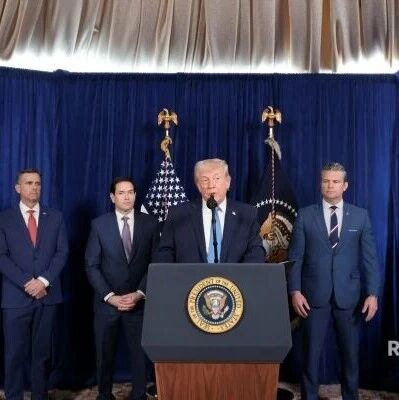
特朗普3日在美国南部佛罗里达州棕榈滩的私人宅邸"海湖庄园"举行记者会(Reuters) 特朗普表示已拘押马杜罗及其妻子,并通过美国海军两栖攻击舰"硫磺岛"号将其移送至纽约州。着眼于 确保拥有全球最大石油储量的委瑞内拉相关利益,特朗普表明美国企业将参与基础设施修复…… 委内瑞拉副总统罗德里格斯在特朗普发表声明后,通过国家电视台承认马杜罗及其妻子的下落不明,并 要求特朗普方面提供其生存证明。 委内瑞拉国防部长帕德里诺在视频讲话中表示,"政权不会屈服于美国的压力",并称美国发射的导弹和 火箭弹袭击了加拉加斯、米兰达州等地的平民。 美国总统特朗普在1月3日的记者会上就美军已对委内瑞拉实施军事攻击表示,在"实现安全、恰当且明 智的政权过渡之前,将对该国进行管理"。着眼于确保拥有全球最大石油储量的委瑞内拉相关利益,特 朗普表明美国企业将参与基础设施修复。 特朗普3日在美国南部佛罗里达州棕榈滩的私人宅邸"海湖庄园"举行记者会,透露已对由反美左翼政权 执政的委内瑞拉"成功实施了一次大规模攻击"。 他还表示,已拘押马杜罗及其妻子,并通过美国海军两栖攻击舰"硫磺岛"号将其移送至纽约州。据美国 媒体报道,两人于3日晚抵达。特朗普称 ...
比亚迪跃居EV世界第一,增长在放缓
日经中文网· 2026-01-04 02:39
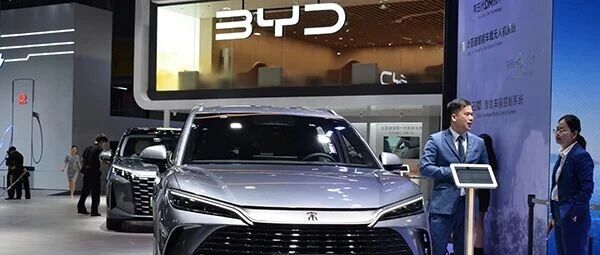
Core Viewpoint - BYD is set to become the world's largest seller of electric vehicles (EVs) in 2025, with projected sales of 2.25 million units, significantly surpassing Tesla's expected sales of 1.64 million units. However, BYD is experiencing a slowdown in growth, particularly in the domestic market, where competition is intensifying in terms of price and technology [2][4][6]. Group 1: Sales Performance - BYD's EV passenger car sales are expected to grow by 28% year-on-year in 2025, reaching 2.25 million units, while overall new car sales, including plug-in hybrid vehicles (PHVs), are projected to increase by 8% to 4.6 million units [4]. - Since 2021, BYD has seen rapid growth in new car sales, with 2021 sales at 740,000 units, and is expected to surpass Honda and Nissan in 2024. However, the growth rate is noticeably slowing compared to previous years [4][6]. Group 2: Market Challenges - BYD's domestic sales have begun to decline, with a notable drop in September sales, marking the first year-on-year decrease in 18 months. The company has revised its annual sales target down by 10% from 5.5 million to 4.6 million units [6][8]. - Chairman Wang Chuanfu indicated that the slowdown is partly due to a decrease in technological leadership and increasing market homogenization, which aligns with the cyclical nature of product and technology development [6]. Group 3: Competitive Landscape - In terms of pricing, BYD's main model, the low-cost EV "Seagull," faces competition from Geely's "Star Wish" and SAIC-GM-Wuling's "Hongguang MINI," which are priced competitively [7]. - Competitors are also catching up in technology, particularly in the rapidly advancing field of driver assistance systems, with major automakers like Beijing Automotive Group and Changan Automobile receiving government approval for mass production of their EVs equipped with Level 3 autonomous driving capabilities [7]. Group 4: Financial Impact - The company's net profit for the first nine months of 2025 has decreased by 8% year-on-year to 23.3 billion yuan, marking the first profit decline in four years for the same period. Revenue and profit both declined in the third quarter, exacerbated by rising R&D costs outpacing revenue growth [8]. Group 5: Future Outlook - The domestic market environment is expected to become more challenging in 2026, with the full exemption of vehicle purchase tax for EVs set to be halved. The proportion of new energy passenger vehicles in the Chinese market is projected to increase to 50%, but the pace of adoption is expected to slow [9]. - Despite these challenges, Wang Chuanfu remains optimistic about future technology releases and the performance of subsidiaries like "Equation Leopard," which focuses on off-road vehicles. The ability to maintain domestic market leadership while expanding into overseas markets will be crucial for stable growth in 2026 [9].

日本经济界代表团推迟访华,2012年来首次
日经中文网· 2026-01-04 02:39
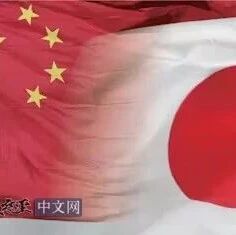
Group 1 - The Japanese business delegation originally scheduled to visit China from January 20 to 23 has postponed its trip due to deteriorating Sino-Japanese relations, making it difficult to engage with the Chinese government [2][4] - The delegation includes approximately 200 executives, including leaders from the Japan-China Economic Association, Keidanren, and the Japan Chamber of Commerce and Industry [4] - This postponement marks the first time since the cooling of Sino-Japanese relations following Japan's nationalization of the Senkaku Islands (Diaoyu Islands) in 2012 that the annual visit has been delayed [4]
日本二手商品全球受捧,91万亿资产闲置
日经中文网· 2026-01-04 02:39
Core Insights - The article highlights the growing global demand for second-hand goods from Japan, emphasizing that there is an estimated 91 trillion yen worth of idle assets in the country [2] Group 1: Market Trends - The second-hand market in Japan is experiencing significant growth, driven by both domestic and international consumers seeking unique and high-quality products [2] - The trend reflects a broader shift towards sustainability and cost-effectiveness among consumers, as they increasingly prefer pre-owned items over new ones [2] Group 2: Economic Impact - The article notes that the second-hand goods market could potentially unlock substantial economic value, contributing to the overall economy by reducing waste and promoting recycling [2] - It is suggested that tapping into the idle assets could lead to increased economic activity and job creation within the sector [2] Group 3: Consumer Behavior - Japanese consumers are becoming more open to selling their unused items, which is fueling the growth of the second-hand market [2] - The rise of online platforms has made it easier for consumers to buy and sell second-hand goods, further driving market expansion [2]

日美首脑新年伊始举行电话磋商
日经中文网· 2026-01-04 02:39
Group 1 - The core viewpoint of the article emphasizes the strengthening of the Japan-U.S. alliance through a planned visit by Japanese Prime Minister Kishida Fumio to the U.S. in spring 2026, following a recent phone conversation with President Trump [2][4] - The leaders discussed international situations centered around the Indo-Pacific region, including military exercises by the Chinese military near Taiwan, indicating a focus on regional security issues [2] - Kishida highlighted the significance of the conversation, stating that it reaffirms the strong cooperation between Japan and the U.S., which is particularly meaningful at the start of the new year [4] Group 2 - The conversation lasted approximately 25 minutes, marking the first communication between the two leaders since late November 2025, showcasing the ongoing diplomatic engagement [2][4] - Kishida noted that 2026 marks the 250th anniversary of the founding of the United States, and both leaders agreed to deepen cooperation in various areas, including economic and security matters, to make this year a historic one for the Japan-U.S. alliance [4]

特朗普级战列舰是现代版“大和号”?
日经中文网· 2026-01-02 00:33
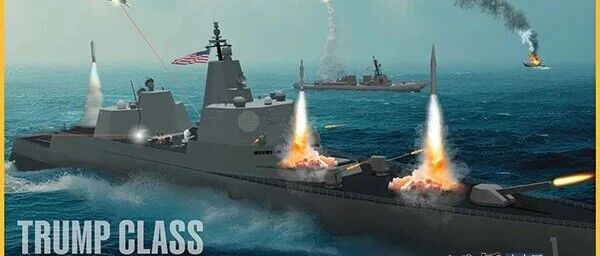
Core Viewpoint - The article discusses the announcement by former President Trump to build the most powerful battleship in U.S. history, named the "Trump-class," which aims to revitalize the U.S. shipbuilding industry while facing skepticism regarding its feasibility and relevance in modern warfare [2][8][10]. Group 1: Battleship Specifications and Plans - The Trump-class battleship will have a length of 256 to 268 meters, a width of 32 to 35 meters, and a displacement exceeding 35,000 tons, with a crew capacity of 650 to 850 personnel [4]. - The battleship is expected to be equipped with advanced weaponry, including hypersonic missiles, nuclear-capable cruise missiles, electromagnetic railguns, and high-energy laser weapons [4][5]. - The initial plan is to construct two ships, with a future goal of expanding the fleet to 20 to 25 vessels [4]. Group 2: Construction and Industry Implications - The construction will be undertaken by Huntington Ingalls Industries (HII), the largest defense shipbuilding company in the U.S., in collaboration with South Korea's HD Modern Heavy Industries [5]. - The project aims to address the decline of the U.S. shipbuilding industry, which has seen a significant reduction in workforce and capabilities since World War II [10]. - The article highlights that the U.S. shipbuilding industry had 1.4 million jobs at its peak in 1944, but this number is projected to drop to one-tenth by December 2024 [10]. Group 3: Feasibility Concerns - Experts express doubts about the feasibility of the Trump-class battleship, suggesting that design and construction could take over a decade, with costs for each ship estimated at a minimum of $9 billion [6][7]. - The article notes that modern warfare has shifted towards the use of AI and drones, making large battleships less relevant compared to smaller, more agile vessels like destroyers [7]. - Historical context is provided, indicating that battleships have been phased out in favor of aircraft carriers and submarines, with the last U.S. battleships being retired in the 1990s [7][11].
奇瑞在越南汽车市场发起攻势
日经中文网· 2026-01-02 00:33
Core Viewpoint - Chery Automobile is entering the Vietnamese market in 2024, opting for a cooperative approach rather than direct competition with local EV leader VinFast, which currently holds about 30% market share [2][9]. Group 1: Investment and Production Plans - Chery plans to establish a factory in Vietnam's Hai Duong Province with a total investment of approximately $800 million, focusing on producing its main brand "Omoda" and other models [4]. - The initial production capacity of the new factory is set to be between 30,000 to 60,000 vehicles per year, with expectations to increase to 200,000 by 2030 [4]. - The factory is strategically located about two hours from Hanoi and near the major export port of Haiphong, allowing for potential exports to Southeast Asia and Europe [6]. Group 2: Sales and Market Strategy - Chery aims to enhance its sales operations in Vietnam, targeting over 10,000 vehicle sales by 2026 and increasing its dealership network from approximately 40 to 75 [6]. - The current offerings include plug-in hybrid vehicles (PHVs) and gasoline cars, with plans to introduce pure electric vehicles (EVs) and hybrid vehicles (HVs) by 2026 [6]. - Chery has a history of exporting vehicles, having sold over 13 million cars in more than 100 countries, but is entering the Vietnamese market later than competitors [8]. Group 3: Competitive Landscape - The Vietnamese new car market saw over 500,000 vehicle sales from January to November 2025, with VinFast selling 147,450 EVs, showcasing its strong presence [8]. - Chery is exploring potential collaborations with VinFast, including shared EV charging infrastructure, to attract consumer demand without direct competition [9]. - As Chinese automakers like BYD and Geely also plan to enter the Vietnamese market, the competitive environment is expected to intensify, prompting Japanese automakers to possibly adjust their strategies [9].


日本记者从嘻哈文化扎根中国看到的
日经中文网· 2026-01-02 00:33
Core Viewpoint - The article highlights the growing popularity and establishment of hip-hop music in China, particularly through the recent successful concert of the Japanese hip-hop group Creepy Nuts in Beijing, despite challenges faced by Japanese artists in the country [2][4]. Group 1: Hip-Hop's Development in China - Hip-hop music has been spreading in China for approximately 25 years and has become deeply rooted, with regular performances and local dialect rap gaining popularity [2][5]. - The year 2017 is marked as the "Year of Hip-Hop" in China, largely due to the success of the online program "China Has Hip-Hop," which garnered over 2.6 billion views and sparked a youth trend [5]. - Following regulatory actions in 2018, the popularity of hip-hop faced a decline due to concerns over the portrayal of social issues and the image of artists, leading to a rebranding of the show to "China New Rap" [5][6]. Group 2: Regional Influence and Cultural Integration - The city of Chengdu has become a hub for hip-hop culture, with events like Iron Mic fostering local talent and the emergence of groups like "Rap House" and Higher Brothers, who have gained significant attention [6][7]. - The unique cultural elements of Sichuan, such as night markets and the tonal characteristics of the Sichuan dialect, have contributed to the widespread acceptance of hip-hop in the region [6]. - Other regions, including Hunan and Xinjiang, are also experiencing a rise in hip-hop music, indicating a broader national trend [6]. Group 3: Audience Engagement and Concert Experience - The concert by Creepy Nuts in Beijing was met with overwhelming enthusiasm, with tickets selling out quickly and fans actively participating in the performance [4][2]. - Audience interaction was a key feature of the concert, exemplified by the spontaneous singing and the desire of fans to prolong the experience even after the show ended [4]. - The emotional connection and shared experiences among the audience highlight the universal appeal of hip-hop music, transcending cultural and national boundaries [7].