是说芯语

Search documents
中国半导体产业链代表企业地图
是说芯语· 2025-09-03 10:24
Group 1 - The article discusses various companies involved in semiconductor materials and technologies, highlighting their roles in the industry [2][22][30] - It lists numerous companies and their respective stock codes, indicating their presence in the semiconductor market [22][30][51] - The focus is on the advancements in semiconductor manufacturing processes and the importance of EDA (Electronic Design Automation) tools in enhancing efficiency [4][10][16] Group 2 - The article emphasizes the significance of packaging materials and technologies in the semiconductor industry, showcasing various companies that specialize in these areas [22][33] - It mentions the growing demand for advanced packaging solutions as a response to the increasing complexity of semiconductor devices [33][36] - The article also highlights the role of automation and precision in semiconductor manufacturing, with several companies providing innovative solutions [30][31][36] Group 3 - The article outlines the trends in automotive chips, indicating a shift towards more advanced and efficient semiconductor solutions for the automotive sector [51][64] - It discusses the impact of electric vehicles and autonomous driving technologies on the demand for specialized chips [51][64] - The article notes the competitive landscape in the automotive semiconductor market, with various players vying for market share [51][64] Group 4 - The article covers the advancements in sensor technologies, particularly in MEMS (Micro-Electro-Mechanical Systems) and their applications across various industries [44][46] - It highlights the increasing integration of sensors in consumer electronics and automotive applications, driving growth in this segment [44][46] - The article also mentions key players in the sensor market and their contributions to technological advancements [44][46]





高盛:中国光刻机落后ASML 20年!
是说芯语· 2025-09-02 23:26
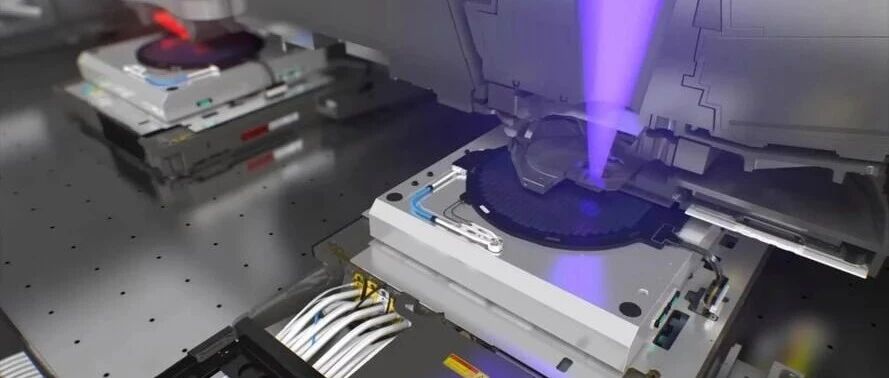
Core Viewpoint - Goldman Sachs' report highlights the significant challenges faced by China's semiconductor manufacturing sector, particularly in lithography machine development, indicating that China is at least 20 years behind Western technology, with current domestic lithography machines only achieving 65nm technology [1][3]. Group 1: Challenges in Lithography Machine Development - The complexity of lithography machines, which consist of over 100,000 components and require collaboration from thousands of global suppliers, poses a significant barrier to China's development efforts [1]. - Key components such as high-precision optical lenses from Zeiss are restricted from export to China, and the U.S. has expanded export controls on semiconductor equipment, including DUV lithography machine components [3]. - Shanghai Micro Electronics has achieved stable production of 65nm lithography machines, but there are still notable gaps in stability and wafer yield control compared to ASML, impacting economic viability [3]. Group 2: Progress and Innovations - China is adopting a strategy of "single-point breakthroughs driving system upgrades," with companies like Huazhuo Precision achieving significant advancements in core technologies, such as the dual-stage system for lithography machines [4]. - The development of a UV LED lithography light source by Bihua Optoelectronics has increased lifespan to 30,000 hours, significantly improving reliability and reducing costs compared to imported products [4]. - The domestic production rate for 28nm immersion lithography machines has reached 83%, which is crucial for key sectors like automotive electronics amid global chip shortages [6]. Group 3: Emerging Technologies - New lithography technologies such as electron beam lithography and nanoimprint technology are being explored, offering potential advantages in specific applications despite challenges in mass production [7]. - The introduction of Canon's FPA-1200NZ2C nano imprint lithography system, which operates on a different principle and is significantly cheaper than EUV machines, provides a valuable reference for Chinese semiconductor equipment companies [6]. Group 4: Strategic Outlook - The report emphasizes that while the technological gap is real, it is essential to recognize the nonlinear nature of technological innovation, as evidenced by recent breakthroughs in China's semiconductor industry [7]. - The development of lithography machines is not just a technical issue but also a comprehensive challenge involving industrial ecology and innovation systems, requiring strategic focus and innovative thinking to navigate the evolving global semiconductor landscape [7].

突发!台积电南京厂被美国撤销豁免!
是说芯语· 2025-09-02 16:04
Core Viewpoint - The revocation of TSMC's VEU authorization for its Nanjing plant by the U.S. Department of Commerce signifies a shift from a "one-time approval" model to a "case-by-case approval" process, introducing uncertainties in operations and supply chain management for TSMC and its suppliers [1][5]. Group 1: Impact on TSMC - TSMC's Nanjing plant will lose its VEU authorization effective December 31, 2025, requiring upstream suppliers to apply for U.S. export licenses for controlled goods on a per-item basis, which will increase approval times and uncertainty [3][4]. - The Nanjing plant, which began operations in 2018, contributed only a small portion to TSMC's total revenue last year, and its most advanced manufacturing process is 16nm, indicating limited operational weight in TSMC's overall business [3][4]. - The operational continuity of the Nanjing plant will still depend on the import of equipment, spare parts, and chemicals, making any delays in licensing critical for maintenance, yield, and capacity assurance [3][5]. Group 2: Broader Industry Implications - The U.S. has revoked VEU authorizations for three other semiconductor companies in China, including Intel, Samsung, and SK Hynix, which will also face similar licensing requirements, indicating a broader tightening of supply chain controls [4]. - The U.S. Department of Commerce estimates an additional 1,000 license applications annually due to these changes, reflecting an increased administrative burden on companies operating in China [4]. - The policy shift aims to maintain control over the supply chain, allowing the U.S. to regulate the flow of supplies based on strategic needs rather than an outright ban [5].


确定了!宇树科技将在四季度提交IPO申请
是说芯语· 2025-09-02 09:14
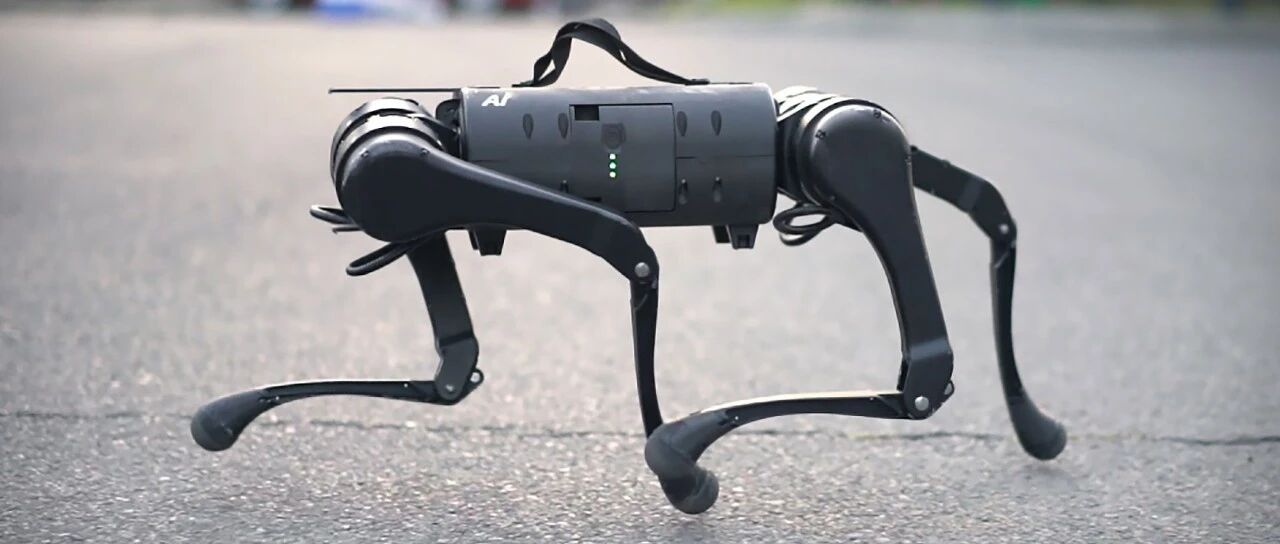
Group 1 - The core viewpoint of the article is that Yushu Technology plans to submit its listing application to the stock exchange between October and December 2025, with relevant operational data to be disclosed at that time [2] - In 2024, the sales revenue distribution of Yushu Technology's products is expected to be approximately 65% from quadruped robots, 30% from humanoid robots, and 5% from component products [2] - About 80% of the quadruped robots are utilized in research, education, and consumer sectors, while the remaining 20% are applied in industrial fields such as inspection and firefighting [2] - Humanoid robots are exclusively used in research, education, and consumer applications [2]
YMTC → HBM ?
是说芯语· 2025-09-02 06:37
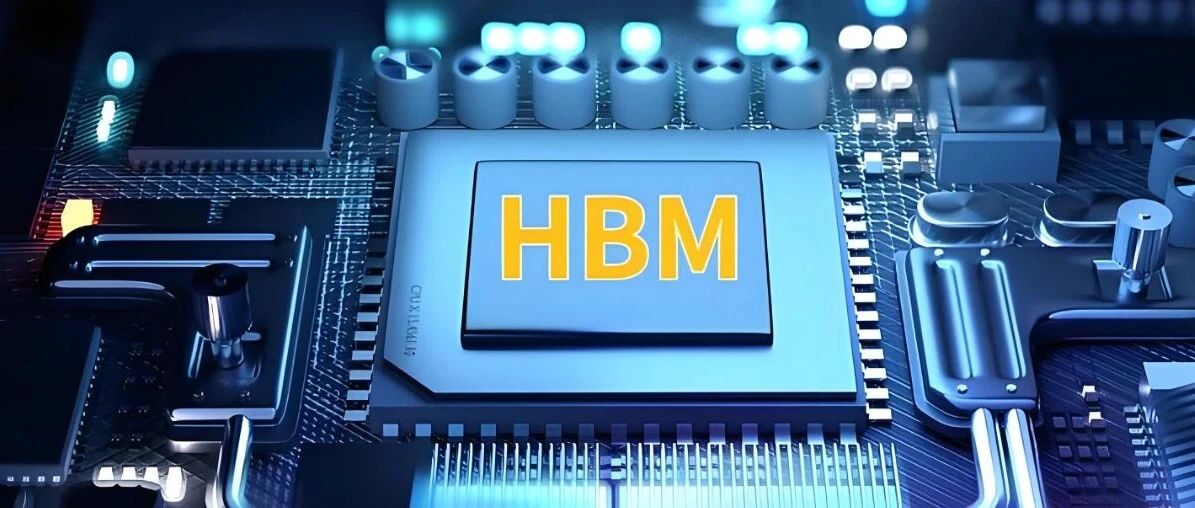
Group 1 - The Chinese semiconductor industry is heavily investing in and pursuing the development of High Bandwidth Memory (HBM), with local NAND manufacturer Yangtze Memory Technologies Corp (YMTC) actively researching DRAM and seeking collaborations with domestic DRAM manufacturers [1] - HBM is a memory technology that vertically stacks multiple DRAM chips to enhance data processing performance, considered crucial for AI data centers [1] - YMTC is reportedly in discussions with partners to order DRAM research and development equipment for HBM, with expectations to complete this by the end of the year [1] Group 2 - China's efforts to achieve semiconductor self-sufficiency are yielding results, with significant investments in AI chip development aimed at reducing reliance on foreign technology [3] - In 2023, Beijing has invested over $8.4 billion to promote AI and semiconductor localization, with a goal to double the production of domestic AI chips by 2026 and achieve an 82% self-sufficiency rate by 2027 [3] - Leading DRAM suppliers in China are preparing to mass-produce the fourth generation of HBM (HBM3) chips next year, with analysts noting that the technology gap is closing faster than expected [3] Group 3 - Experts warn that if current trends continue, the leading position of South Korean memory chip manufacturers may be weakened due to the rapid technological advancements of Chinese chipmakers supported by strong capital and human resources [4] - There is a call for South Korea to enhance its competitiveness, particularly in HBM technology, emphasizing the need for bold investments in AI semiconductor innovation [4] - Some analysts view the rise of Chinese manufacturers as an opportunity for market diversification, potentially providing new growth opportunities for South Korean memory chip suppliers if they can maintain performance advantages in next-generation memory [4]
杰华特:收购新港海岸!
是说芯语· 2025-09-02 00:00
Core Viewpoint - JETCHIP has announced the acquisition of 66.25% of Xinhai Coast, a high-speed mixed-signal IC design company, for a total price of 418 million yuan, which strategically fills the gap in JETCHIP's product line, particularly in high-speed interface and clock chip areas [1][4][6]. Group 1: Acquisition Details - JETCHIP directly acquires 20% of Xinhai Coast for 126 million yuan and holds a total of 35.37% through associated funds, ensuring strategic influence via board appointment rights [1][6]. - The acquisition structure allows JETCHIP to avoid financial pressure from a full acquisition while maintaining control through a combination of direct and indirect holdings [6]. Group 2: Strategic Importance - The acquisition of Xinhai Coast complements JETCHIP's existing power management technology, creating a comprehensive solution that addresses the growing demand for high-speed interfaces in AI servers and automotive applications [4][6][7]. - Xinhai Coast's technology, including 112G SerDes IP and ultra-low jitter clock generators, enhances JETCHIP's competitive edge in the AI server power management module market [7]. Group 3: Market Potential - The valuation of Xinhai Coast at approximately 631 million yuan, with a projected revenue multiple of about 8 times for 2024, is below the industry average of 10-12 times, indicating a favorable investment opportunity [8]. - The global AI server market is expected to exceed 60 billion USD by 2025, with a demand growth rate for related interface chips surpassing 50%, highlighting the significant market potential for the combined technologies of JETCHIP and Xinhai Coast [8].


163家半导体上市公司25年上半年收入、利润排名
是说芯语· 2025-09-01 23:32
Core Viewpoint - The semiconductor industry in A-shares has shown significant growth in revenue and profit for the first half of 2025, indicating a positive trend in the sector. Group 1: Revenue Growth - In the first half of 2025, 131 out of 163 semiconductor listed companies reported revenue growth, with total revenue reaching 320.63 billion yuan, an increase of 15.61% compared to the same period last year [1][2]. - Notable companies with significant revenue growth include: - North Huachuang: 161.42 billion yuan, up 30.86% [2] - Long Electric Technology: 188.05 billion yuan, up 20.14% [2] - SMIC: 323.48 billion yuan, up 23.14% [2] Group 2: Profit Growth - In the first half of 2025, 87 out of 163 semiconductor listed companies achieved profit growth, with total net profit amounting to 24.43 billion yuan, a year-on-year increase of 33.38% [4][5]. - Key companies with notable profit increases include: - North Huachuang: 3.21 billion yuan, up 15.37% [5] - SMIC: 2.30 billion yuan, up 39.76% [5] - Taiwei Group: 2.03 billion yuan, up 48.34% [5] Group 3: Return on Equity (ROE) - In the first half of 2025, 79 out of 163 semiconductor listed companies reported a return on equity (ROE) greater than 2% [7]. Group 4: Market Performance - As of August 31, 2025, 148 out of 163 semiconductor listed companies experienced stock price increases, with a total market capitalization of 5.88 trillion yuan, reflecting an overall increase of 43.77% [8].



重庆爆雷!5000万芯片项目轰然猝死!
是说芯语· 2025-09-01 23:32
以下文章来源于半导体封装 ,作者半导体首席 半导体封装 . 半导体封测官方(www.fengce.com.cn) 5000 万芯片项目猝死!玄同微从 "资本宠儿" 到 "破产弃子", 上市公司 1 元甩卖股权血亏收场 | 开局王炸!5000 万重庆子公司手握 "天胡牌",行业直呼 "汽车电子新贵" 2019 年 12 月,玄同微(重庆)横空出世,一登场就自带 "豪门光环"—— 作为深圳玄同微全资子公 司,注册资本直接砸下 5000 万(实缴 3318.8 万),经营范围精准锁定集成电路芯片设计、智能车载设 备制造等汽车电子核心赛道,堪称 "含着金汤匙出生"。 | 暴雷!合资公司1元贱卖,上市公司全额计提坏账,玄同微资金链彻底断裂 谁能想到,看似稳固的 "商业帝国",竟在 2024 年迎来断崖式崩塌!2023 年 4 月,深圳玄同微拉上 A 股上市公司瑜欣电子 "强强联合",合资成立深圳瑜欣玄同,注册资本 1000 万瞄准汽车零部件市场,当 时双方高调宣称 "要打通产业闭环"。 更让人眼红的是其 "躺赢级" 配置:扎根重庆江北区,与长安汽车、长安福特、庆铃汽车等整车厂 "门 对门",供应链响应速度天生快人一步; ...

5亿!砺算获新融资,两年0收入
是说芯语· 2025-09-01 02:48
Core Viewpoint - Dongxin Co., Ltd. announced an investment in Shanghai Lishuan Technology Co., Ltd. with a pre-investment valuation of 3.5 billion yuan, aiming to enhance its strategic layout in the integrated "storage, computing, and networking" sector [2][11]. Investment Details - Dongxin plans to invest approximately 210.53 million yuan to acquire about 35.87% equity in Shanghai Lishuan, which will increase its registered capital to approximately 16.2 million yuan post-investment [4][5]. - The total investment from all parties involved is around 500 million yuan [2]. Company Background - Shanghai Lishuan was established on April 26, 2022, with a registered capital of 13.46 million yuan, focusing on the research and design of scalable GPU chips [7][8]. - As of July 2023, Shanghai Lishuan reported total assets of 34.34 million yuan and total liabilities of 121 million yuan, resulting in a net asset deficit of 86.33 million yuan [9][10]. Financial Performance - Shanghai Lishuan has not generated any revenue and reported a net loss of 210 million yuan for the fiscal year 2024, with a loss of 155 million yuan for the first seven months of 2025 [9][10]. Regulatory Aspects - The investment constitutes a related party transaction but does not qualify as a major asset restructuring, having been approved by Dongxin's board of directors [11]. - The investment is expected to strengthen Dongxin's core competitiveness and create more value for its shareholders [11][12].

阿里云辟谣!采购寒武纪15万片GPU消息不实!
是说芯语· 2025-09-01 01:59
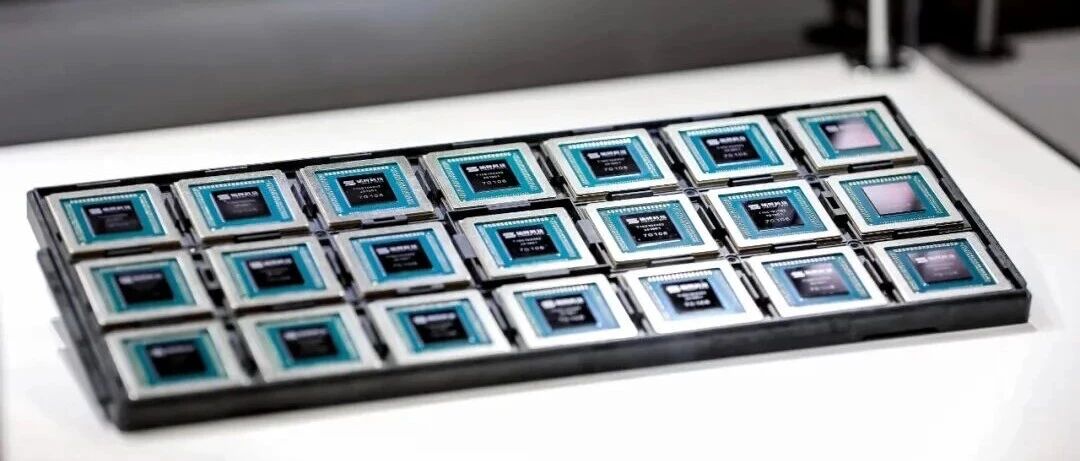
Core Viewpoint - Recent reports about Alibaba's large-scale order of 150,000 Cambricon SiYuan 370 chips have been deemed false by Alibaba Cloud, which emphasizes the importance of verifying information in the context of market speculation [1][2]. Group 1: Alibaba Cloud's Response - Alibaba Cloud officially denied the rumors regarding the procurement of 150,000 GPUs, stating that the information is untrue and that they are monitoring information dissemination [1][2]. - The company has stated it will reserve the right to pursue legal action against the spread of false information [2]. Group 2: Cambricon's Stock Performance - Cambricon's stock experienced a significant increase of 15.73% on August 28, closing at 1,587.91 yuan per share, with a total market capitalization exceeding 664.3 billion yuan, making it the highest-priced stock in A-shares, surpassing Kweichow Moutai [3]. Group 3: Cambricon Product Details - The SiYuan 370 is Cambricon's first AI chip utilizing Chiplet technology, built on a 7nm process with 39 billion transistors, achieving an INT8 computing power of 256 TOPS, which is double that of the previous SiYuan 270 model [5]. - The chip features a new inference acceleration engine, MagicMind, designed to reduce user development and deployment costs [5]. - Financial data shows that Cambricon's revenue for the first half of 2025 reached 2.881 billion yuan, a year-on-year increase of 4,347.82%, with a net profit of 1.038 billion yuan, marking a turnaround from losses [5]. Group 4: Alibaba Cloud's Domestic Supply Chain Strategy - Despite denying the large GPU order, Alibaba Cloud confirmed its commitment to deepening cooperation with domestic chip manufacturers through its "One Cloud, Multiple Chips" strategy [6]. - This strategy aims to ensure supply chain security, avoid dependency on a single chip manufacturer, and provide flexibility in hardware choices for customers [8]. Group 5: Industry Analysis and Market Impact - The denial of the procurement rumors reflects market anxiety amid a tight AI computing power supply chain, especially with increased U.S. export controls on high-end AI chips to China [9]. - Experts suggest that domestic chip manufacturers like Cambricon and Huawei Ascend need to focus on technological advancements rather than relying on rumors for market traction [9]. - The clarification from Alibaba Cloud is seen as a measure to stabilize market sentiment and prevent investors from being misled by false information [9].