材料汇

Search documents
十万零件筑就的工业明珠!中国光刻机突围战打响
材料汇· 2025-07-26 15:45
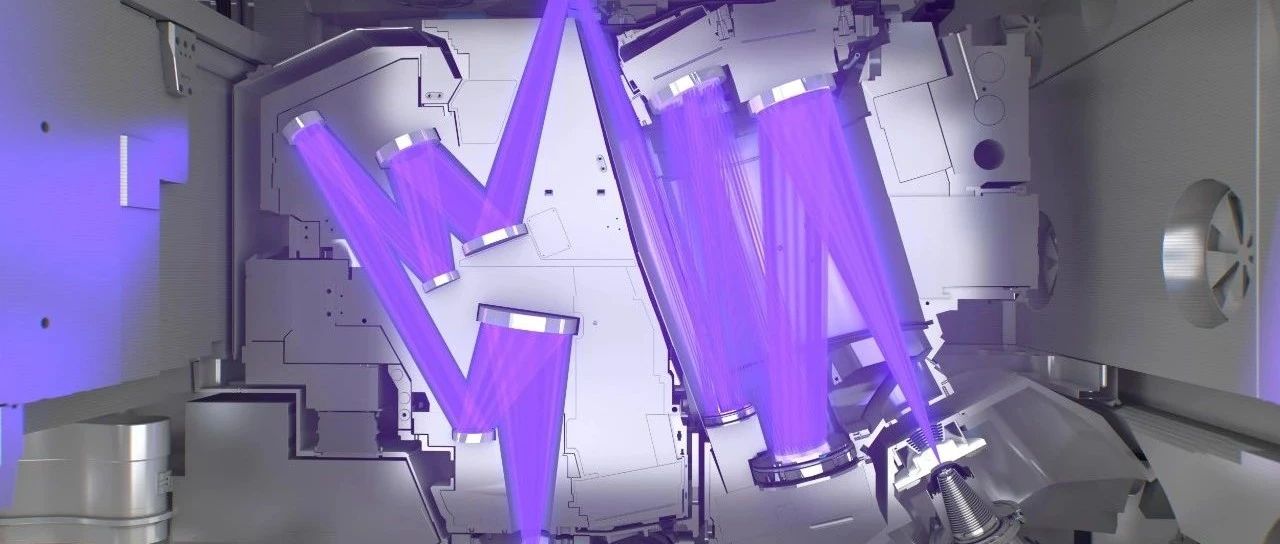
Core Viewpoint - The article emphasizes the critical role of lithography machines in semiconductor manufacturing, highlighting their technological evolution and the importance of resolution, which is the ultimate goal in the development of lithography technology [2][8]. Group 1: Lithography Technology - Lithography is a key technology in wafer manufacturing, with lithography machines being the most valuable and technically challenging equipment in the process [8]. - The core of lithography technology involves transferring chip design patterns onto silicon wafers through a process that includes exposure, development, and cleaning [9]. Group 2: Resolution as a Key Indicator - Resolution is defined as the minimum feature size that can be clearly projected onto a wafer, influenced by factors such as light wavelength, numerical aperture (NA), and process factor (k1) [15][25]. - The evolution of lithography has seen a significant reduction in light source wavelengths, with the current extreme ultraviolet (EUV) light source at 13.5nm being the most advanced [35][36]. Group 3: Key Components of Lithography Machines - Lithography machines consist of three core systems: the light source system, optical system, and workpiece stage system [63]. - The light source system provides the energy for exposure, with the most advanced sources being EUV, which require high precision in control [67][68]. - The optical system is responsible for light propagation and aberration correction, utilizing complex lens assemblies to achieve high precision [63][64]. Group 4: Historical Development of Lithography Leaders - The lithography machine industry has seen a shift in leadership through three main eras, with ASML currently dominating the advanced lithography market due to its technological advancements [4][5]. - The transition from early American companies to Japanese firms, and now to ASML, illustrates the impact of technological breakthroughs and government support on industry leadership [4][5]. Group 5: Domestic Lithography Development - China's lithography machine industry has made significant progress since the implementation of the "02 Special Project" in 2006, although it still lags behind international standards [6]. - Domestic manufacturers like Shanghai Micro Electronics have made strides in the mid-to-low-end market, but face challenges in high-end lithography machine production [6].


英伟达GB200核心材料揭秘:国产石英布打破日本垄断
材料汇· 2025-07-26 15:45
Group 1 - The core viewpoint is that the Low Dk electronic cloth industry chain presents significant investment opportunities due to the increasing demand for high-speed transmission scenarios, particularly in the context of 400G and above switch applications [2][3] - The Low Dk electronic cloth is essential for future high-speed server construction, with its application ratio expected to continuously increase as server transmission demands grow [2][3] - The market for Low Dk electronic cloth is still in a phase of continuous iteration and upgrade, with substantial market expansion potential driven by the increasing transmission rate requirements of downstream data center switches [3][4] Group 2 - The Low Dk electronic cloth industry chain has bright spots across all segments, with a favorable overall competitive landscape due to the complexity of processing and material formulation, resulting in relatively few global suppliers [4][5] - The upstream segment includes high-purity quartz fiberglass as a core material for the third generation of electronic cloth, with companies like Feilihua recommended for investment [4][5] - The midstream segment involves the manufacturing of electronic cloth, with domestic manufacturers like Zhongcai Technology and Honghe Technology expected to expand their production capacity [4][5] - The downstream segment focuses on copper-clad laminate (CCL) manufacturing, with companies like Shenghong Technology and Shenyang Technology anticipated to increase their market share [4][5] Group 3 - The market currently has a high focus on PCB units, often overlooking the upstream electronic cloth supply chain, which is a new category with low current attention [5][6] - The demand for Low Dk electronic cloth is expected to rise in both volume and price, driven by the increasing penetration rate in high-speed switch applications [5][6] - The Low Dk electronic cloth is crucial for meeting the dielectric loss requirements of high-frequency and high-speed copper-clad laminates, particularly for AI servers and other high-performance applications [5][6] Group 4 - The Low Dk electronic cloth industry chain can be divided into three parts: upstream (quartz fiberglass, resin, copper foil), midstream (electronic cloth R&D and manufacturing), and downstream (CCL supply) [31][32] - Upstream, quartz fiberglass is identified as a key positioning material, with its dielectric loss and thermal expansion properties superior to traditional fiberglass [33][34] - The midstream segment requires complex processing techniques for high-purity quartz fiberglass cloth, which significantly impacts the performance of electronic-grade applications [42][43] - The downstream segment is focused on the stringent requirements for PCB processing, particularly for 224G transmission technology, which poses significant challenges for manufacturers [50][51]

10万亿新材料市场爆发!17项半导体/显示/新能源材料正改写外资垄断格局
材料汇· 2025-07-25 15:51
Core Viewpoint - The new materials industry is experiencing rapid growth, with significant opportunities arising from technological advancements and domestic production capabilities, particularly in semiconductor materials, display materials, and renewable energy sectors [2][14][18]. Group 1: New Materials Industry Overview - The global new materials industry reached a value of $2.8 trillion in 2019, with a projected growth trajectory [2][13]. - In China, the new materials industry generated a total output value of 6.4 trillion yuan in 2021, with an annual compound growth rate of 23.1% from 2010 to 2021, and is expected to reach 7.5 trillion yuan in 2022 [14][15]. - The Ministry of Industry and Information Technology forecasts that by 2025, the total output value of China's new materials industry will reach 10 trillion yuan, indicating a broad market outlook [14][18]. Group 2: Semiconductor Sector - The global semiconductor market size reached $595 billion in 2021, with expectations to grow to $790 billion by 2026, driven by developments in 5G and automotive electronics [4][21]. - The semiconductor materials market in China was valued at $119 billion in 2021, reflecting a year-on-year growth of 22.2% [34][36]. - Key materials such as electronic specialty gases and photoresists are critical for chip manufacturing, with high import dependency highlighting significant domestic production opportunities [4][42][46]. Group 3: Display Materials - The display materials sector is poised for growth, with the global OLED materials market expected to increase from approximately $900 million in 2019 to about $2.6 billion by 2024, representing a compound annual growth rate of 23.6% [5][20]. - Domestic leaders in display materials, such as Wanrun and Ruilian, are major suppliers of liquid crystal and OLED materials, benefiting from the recovery in consumer demand [5][20]. Group 4: Renewable Energy Materials - The renewable energy sector is rapidly evolving, with significant opportunities in battery materials such as composite copper foil and conductive carbon black, as well as in photovoltaic materials like reflective films [7][20]. - The market for sodium battery materials is expected to grow significantly, with projections indicating a market size of 73.8 billion yuan by 2025 [20]. Group 5: Environmental Materials - Traditional chemical applications are also seeing upgrades, with domestic companies like Zhongchumai and Jianlong Weina capitalizing on the opportunities in molecular sieves and lubricating oil additives [8][20]. - Aerogels, known for their exceptional insulation properties, are gaining traction in construction and electric vehicle markets, with domestic firms like Chenguang New Materials actively entering this space [9][20].

未来40年材料革命:这13大领域将重塑人类文明!
材料汇· 2025-07-24 15:52
Metal Materials - The future focus is on breaking traditional alloy performance limits, evolving towards multifunctional integration and sustainable manufacturing [3] - The industry impact shifts from "structural support" to "functional load-bearing," with metal materials remaining the backbone of high-end equipment [4] Polymer Materials - Advanced high-strength lightweight alloys such as magnesium, aluminum, and titanium alloys achieve "weight reduction and efficiency increase" through nano-precipitation and texture control, with topology optimization and 3D printing of customized alloy components becoming mainstream after 2040 [5] - High-entropy alloys (HEAs) break traditional design thinking with the "cocktail effect," offering high strength, corrosion resistance, and radiation resistance, making them irreplaceable in nuclear reactors and deep-sea equipment [5] - Sustainable metallurgy, including hydrogen metallurgy technology, aims for a metal closed-loop recycling rate exceeding 90% by 2050, reshaping the carbon neutrality path for the steel industry [5] Ceramic Materials - The future focus is on overcoming brittleness to expand applications in energy and aerospace [11] - The industry impact highlights the irreplaceable role of ceramics in aerospace, nuclear energy, and semiconductors, with significant domestic substitution potential [12] Carbon Materials - The future focus is on the industrialization of two-dimensional materials and the rise of carbon-based electronics [15] - China holds 70% of global graphene patents, necessitating a faster transition from laboratory to factory [16] Composite Materials - Graphene is expected to achieve low-cost mass production after 2030, with applications in ultrafast sensors, flexible electrodes, and seawater desalination membranes [17] - Carbon nanotubes (CNTs) are candidates for lightweight conductive composites, replacing copper wires [17] - Carbon fiber (CFRP) supports new-generation domestic T1100-grade carbon fiber for large aircraft and hydrogen storage tanks [17] Advanced Materials - Fiber-reinforced resin-based composites (FRP) are key to automotive lightweighting, with carbon fiber costs projected to drop to $10/kg by 2050 [21] - Smart composite materials with embedded sensors enable structural health monitoring [21] Information Materials - The future focus is on supporting computational power explosion and quantum communication [27] - The industry impact directly influences China's chip discourse power in the "post-Moore era" [28] Energy Materials - The future focus is on enhancing energy conversion and storage efficiency [31] - Material costs account for 60% of new energy device expenses, making them critical for achieving carbon neutrality goals [32] Biomedical Materials - The future focus is on personalization and bioactivity [35] - The aging global population creates a trillion-dollar market, with biocompatibility evaluation being a core entry criterion [36] Environmental Materials - The future focus is on pollution control and resource recycling [39] - Environmental policies drive mandatory replacements, with green certification becoming a standard for exports [40] Building Materials - The future focus is on transforming from energy consumers to producers [43] - New materials are seen as breakthroughs for urban carbon neutrality, given that buildings consume 40% of global energy [44] Material Surface Engineering - The future focus is on nanotechnology and multifunctional integrated coatings [47] - The industry impact emphasizes the value of coatings in remanufacturing [48] Material Analysis and Evaluation - The future focus is on AI-driven material analysis combining high-throughput experiments, computational simulations, and AI [51] - The industry impact shifts from "trial and error" to "rational design," reshaping material R&D paradigms [52] Conclusion - Over the next 40 years, material innovation will showcase four main themes: green, intelligent, composite, and precise [54] - The transition from a "material power" to a "material strong power" in China depends on breakthroughs in original basic research, key equipment autonomy, and collaborative ecosystems [56]

新材料产业链“藏宝图”流出!各省产业集群分布全曝光
材料汇· 2025-07-24 15:52
Core Viewpoint - The article provides a comprehensive overview of the advanced steel materials industry chain, highlighting the distribution of various advanced materials and their applications across different sectors, including aerospace, automotive, and energy [4][5][6]. Group 1: Advanced Steel Materials Industry - The advanced steel materials industry is categorized into upstream, midstream, and downstream segments, focusing on high-performance steel products for various applications [5][6]. - Key developments in the industry include high-strength steel for marine engineering, energy applications, and automotive use, with a focus on high-quality electrical steel and tool steel [5][6]. - The distribution of advanced steel materials enterprises is widespread across provinces such as Shandong, Hebei, and Jiangsu, with specific products tailored to regional industrial needs [5][6]. Group 2: High-Temperature Alloy Industry - The high-temperature alloy industry is segmented into upstream, midstream, and downstream, emphasizing the development of nickel-based alloys for aerospace and industrial applications [7][9]. - Key products include heat-resistant alloys used in gas turbines and aerospace components, with a focus on high-performance materials for extreme conditions [7][9]. - The distribution of high-temperature alloy enterprises is concentrated in provinces like Liaoning and Jiangsu, with specialized products for various industrial applications [10][11]. Group 3: Advanced Nonferrous Metal Materials - The advanced nonferrous metal materials industry includes high-performance aluminum and copper alloys, with a focus on lightweight materials for automotive and aerospace applications [13][16]. - Key developments in aluminum alloys include large-scale profiles for high-speed trains and aerospace components, while copper alloys focus on high-conductivity applications [15][16]. - The distribution of nonferrous metal enterprises spans across provinces such as Xinjiang, Henan, and Guangdong, with specific products catering to local industrial demands [15][17]. Group 4: Advanced Petrochemical and Chemical New Materials - The advanced petrochemical and chemical new materials industry encompasses a wide range of products, including synthetic materials and high-performance fibers, with applications in construction, automotive, and electronics [22][24]. - Key developments include catalysts for polypropylene production and high-performance polymers for various industrial applications [26][30]. - The distribution of petrochemical enterprises is prominent in regions like Jiangsu, Guangdong, and Shandong, focusing on innovative materials for diverse applications [24][31].

1000+深度报告:半导体材料/显示材料/新材料能源/新材料等
材料汇· 2025-07-23 15:47
Investment - The article discusses various investment opportunities in new materials, semiconductors, and renewable energy sectors, highlighting the importance of understanding market trends and technological advancements [1][4]. Semiconductor - It covers a wide range of semiconductor materials and technologies, including photolithography, electronic specialty gases, and advanced packaging materials, emphasizing the growth potential in these areas [1][3]. - The article mentions the significance of third and fourth generation semiconductors, such as silicon carbide and gallium nitride, which are crucial for future technological developments [1][3]. New Energy - The focus is on the growth of new energy technologies, particularly lithium batteries, solid-state batteries, and hydrogen energy, which are expected to drive significant market changes [1][3]. - It highlights the importance of materials like silicon-based anodes and composite current collectors in enhancing battery performance [1][3]. Photovoltaics - The article outlines the advancements in photovoltaic materials, including solar glass and back sheets, and discusses the role of perovskite materials in improving solar cell efficiency [1][3]. New Display Technologies - It addresses the emerging display technologies such as OLED, MiniLED, and MicroLED, along with the materials used in these displays, indicating a shift towards more efficient and high-quality visual technologies [3]. Fibers and Composite Materials - The article explores the development of advanced fiber materials, including carbon fiber and aramid fiber, which are essential for lightweight and high-strength applications in various industries [3]. Notable Companies - It lists key players in the new materials and semiconductor sectors, including ASML, TSMC, and Tesla, emphasizing their roles in driving innovation and market growth [4]. Investment Strategies - The article outlines different investment stages, from seed to pre-IPO, detailing the associated risks and characteristics of companies at each stage, which is crucial for making informed investment decisions [6].

1.02亿并购铠欣!珂玛科技抢占CVD-SiC高地,29家企业全景图与投资逻辑
材料汇· 2025-07-23 15:47
Core Viewpoint - Kema Technology (301611) announced plans to acquire 73% of Suzhou Kaixin Semiconductor for 102 million RMB, aiming to enhance its product offerings in silicon carbide ceramic materials and components [2][5]. Group 1: Acquisition Details - The acquisition will help Kema Technology to enrich and complete its product layout in the silicon carbide ceramic materials and components sector [5]. - Suzhou Kaixin Semiconductor specializes in the research, production, and sales of chemical vapor deposition (CVD) silicon carbide coatings and bulk ceramic components, with a focus on semiconductor equipment [5][9]. Group 2: Financial Performance of Suzhou Kaixin - In Q1 2025, Suzhou Kaixin reported revenue of 11.03 million RMB and a net loss of 4.48 million RMB. For the fiscal year 2024, the revenue was 33.12 million RMB with a net loss of 21.88 million RMB [6][15]. - Total assets as of March 31, 2025, were approximately 141.17 million RMB, with total liabilities of about 102.78 million RMB, resulting in total equity of around 38.39 million RMB [11]. Group 3: Market Position and Product Offerings - Suzhou Kaixin is recognized as a leading domestic enterprise in advanced ceramic materials, particularly for semiconductor equipment components, and has made significant progress in developing advanced products such as silicon carbide etching rings and spray heads [5][9]. - The company’s core products are widely applied in silicon-based semiconductors, third-generation semiconductors, LED, and photovoltaic fields [9][16]. Group 4: Industry Context - The acquisition aligns with Kema Technology's strategy to strengthen its advanced ceramic materials layout and enhance its service capabilities for semiconductor clients [5]. - The silicon carbide materials market is expected to see increased applications across various sectors of the national economy, driven by advancements in semiconductor technology [5].

大国博弈下的隐形战场:隐身材料技术与投资机遇深度解析
材料汇· 2025-07-22 15:54
Core Viewpoint - Stealth materials are essential for modern military technology, significantly enhancing the survivability and effectiveness of weapon systems by reducing detection rates and improving combat capabilities [3][4][45]. Group 1: What are Stealth Materials - Stealth materials are the foundational elements of stealth technology, allowing for reduced detection rates while maintaining the shape of military equipment [3][4]. - They can be categorized by spectrum (radar, infrared, visible light, laser, and sound) and by purpose (stealth coatings and structural materials) [5]. Group 2: Types of Stealth Materials - Radar Absorbing Materials (RAM) are crucial for stealth, designed to absorb radar waves and minimize reflection [8][9]. - Structural RAM serves dual purposes, acting as both structural components and stealth materials, with advancements in composite materials enhancing their effectiveness [9][10]. - Infrared stealth materials are increasingly important due to their ability to evade detection by infrared systems, with developments in both single and composite types [17][19]. Group 3: Future Prospects - The development of stealth materials is focused on practical applications, lightweight designs, multi-spectrum capabilities, multifunctionality, smart materials, and high-temperature resistance [36][38][39][40][41][43]. - The demand for stealth materials is driven by geopolitical tensions, modernization of military equipment, and the need for advanced stealth capabilities across various platforms [46][48]. Group 4: Investment Logic - The investment in stealth materials is supported by strong demand from military modernization, high technical barriers, and significant market potential due to increasing defense budgets [45][46][48]. - Key investment considerations include technological strength, engineering capabilities, core supplier status, and the sustainability of orders [52][53].

军工黎明破晓:337页PPT拆解新质战斗力崛起与“十五五”投资密码
材料汇· 2025-07-22 15:54
Core Viewpoint - The article emphasizes the transformation and growth potential of the military industry in China, driven by innovation, efficiency, and the integration of new technologies, particularly in the context of the "14th Five-Year Plan" and the upcoming "15th Five-Year Plan" [4][6][19]. Group 1: Military Industry Development Trends - The military industry is expected to experience a significant expansion cycle, with increasing domestic production capabilities and a focus on self-sufficiency in the supply chain [4][5]. - The industry is transitioning towards low-cost, unmanned, and intelligent systems, which are becoming essential for modern warfare [9][10]. - The global military trade market is anticipated to grow rapidly, with China leveraging its competitive advantages to expand its presence internationally [11][12]. Group 2: Cost and Efficiency - The military sector is under pressure to achieve high efficiency at lower costs, necessitating a comprehensive approach to cost management across the entire lifecycle of military equipment [7][8]. - Short-term cost reductions are crucial, but long-term strategies must focus on maintaining quality and profitability while ensuring operational effectiveness [8][9]. Group 3: Innovation and New Domains - The emergence of new industries such as low-altitude economy, commercial aerospace, and military trade is expected to drive sustained growth in the military sector [5][13][14]. - The integration of artificial intelligence and smart technologies is reshaping the design and operational capabilities of military equipment, enhancing decision-making and operational efficiency [10][11]. Group 4: Market Dynamics and Investment Opportunities - The military industry is poised for a rational wave of mergers and acquisitions, driven by the need for industry consolidation and technological innovation [15][16]. - Market sentiment towards the military sector is improving, with expectations of a rebound in performance and valuation as the industry navigates through challenges [19][20]. - Investment strategies should focus on sectors with high growth potential, such as unmanned systems, military intelligence, and dual-use technologies [21][22].

光刻胶咽喉上的中国:95%进口依赖率背后的产业真相
材料汇· 2025-07-21 14:48
Core Viewpoint - The global and Chinese photoresist market is experiencing growth driven by the semiconductor and display panel industries, with future demand expected to increase significantly despite recent fluctuations in specific sectors [5][10]. Group 1: Global Photoresist Market Overview - The global photoresist market size is expected to grow at an annual rate of approximately 5% from 2022 to 2027, despite a 2% decline in 2022 due to decreased demand in the new display industry [5]. - In the semiconductor sector, the global market size reached $573.5 billion in 2022, with a year-on-year growth of 3.2%, and photoresist consumption in this sector was approximately 23.8 billion yuan, growing by 8% [6]. - The new display panel market saw a decline in 2022, with a total shipment area of 237 million square meters, down 4.3%, leading to a 19% decrease in photoresist consumption to about 12.6 billion yuan [7]. - The PCB industry is projected to grow at an average annual rate of 4% from 2022 to 2027, with photoresist consumption in this sector reaching approximately 16.3 billion yuan in 2022, a 2% increase [9]. Group 2: Chinese Photoresist Market Overview - China's photoresist demand is expected to grow at an average annual rate of 7% from 2022 to 2027, despite the market size remaining stable in 2022 compared to 2021 [12]. - In the semiconductor sector, China's photoresist consumption reached 4.6 billion yuan in 2022, with a growth rate of 15%, and is expected to grow at 10% annually over the next five years [13]. - The new display sector in China saw a decline in photoresist consumption to 6.1 billion yuan in 2022, down 13%, but is projected to grow at 8% annually in the coming years [14]. - The PCB industry in China had a total output value of $43.6 billion in 2022, with photoresist consumption reaching approximately 10.1 billion yuan, a 3% increase [16]. Group 3: Development Status of China's Photoresist Industry - The domestic production rate of photoresists is relatively low, with significant reliance on imports for semiconductor and display panel photoresists [19]. - Several domestic companies have made progress in the production of G/I line photoresists, with KrF photoresists seeing some successful local production [25]. - The market for TFT positive photoresists is dominated by foreign companies, with domestic production accounting for about 20% of the total market [32]. - The PCB photoresist market is characterized by a growing domestic supply of wet film photoresists and imaging solder masks, with a current domestic production rate of approximately 55% [36]. Group 4: Challenges and Future Prospects - The high technical barriers in the photoresist industry and the need for collaboration with lithography equipment manufacturers pose challenges for rapid domestic development [19]. - There is a significant opportunity for domestic companies to increase their market share in high-end photoresists, as the current production capabilities are still limited [42]. - Ongoing projects in China aim to enhance the production capacity of photoresists and related materials, indicating a strong push towards achieving greater self-sufficiency [41].