材料汇

Search documents
镁合金、PEEK、碳纤维崛起!机器人轻量化引爆材料新战场(附报告)
材料汇· 2025-07-21 14:48
Group 1 - The core viewpoint of the article emphasizes the importance of lightweight technology in robotics, which enhances performance, energy efficiency, and adaptability in various applications, including space exploration and medical surgery [2][6][13]. - Lightweight design significantly reduces energy consumption and improves the operational efficiency of robots, making them more suitable for demanding environments [2][17][21]. Group 2 - The article outlines the acceleration of humanoid robots entering real-world applications, with events like the humanoid robot marathon showcasing their capabilities and highlighting the need for lightweight designs [6][12]. - Lightweight design is crucial for improving the endurance of humanoid robots, as reducing weight directly correlates with increased operational time and efficiency [14][18][23]. Group 3 - The article discusses three main pathways for achieving lightweight designs in humanoid robots: structural optimization, component replacement, and material substitution [28][29][32]. - Structural optimization involves techniques like topology optimization to reduce weight without compromising performance, as demonstrated by the "Tiangong Ultra" robot [29][30][31]. Group 4 - Material substitution is highlighted as a significant opportunity for lightweighting, with materials like magnesium alloys and PEEK being considered for their lower density and superior performance compared to traditional materials [55][58][73]. - The economic viability of magnesium alloys is emphasized, as their cost-effectiveness compared to aluminum alloys makes them a promising choice for large-scale applications in robotics [67][68]. Group 5 - The article notes that the current lightweighting efforts in humanoid robots are still in the early stages, with many manufacturers being startups lacking sufficient resources and expertise [52][54]. - The integration of components into modular designs is suggested as a way to simplify manufacturing and reduce weight, similar to trends seen in the automotive industry [45][49].


玻璃纤维报告:AI算力与风电促增长,电子纱格局如何变?(附28页PPT)
材料汇· 2025-07-20 14:57
Group 1 - The rapid development of AI computing power is driving the upgrade of PCBs towards high-frequency and high-speed applications, leading to an explosion in demand for specialty electronic fabrics [3][5] - Specialty electronic fabrics are high-performance woven materials that optimize chemical composition and manufacturing processes to achieve specific electrical, thermal, or mechanical properties, supporting high-frequency signal transmission and reducing energy loss [3][10] - The market for AI/HPC server PCBs (excluding packaging substrates) is expected to grow at a CAGR of 32.5% from 2023 to 2028, significantly higher than other sectors [3][10] Group 2 - Low-DK electronic fabrics, characterized by low dielectric constant (DK) and low dielectric loss (DF), are crucial for AI servers and data center switches, enhancing signal efficiency in high-frequency environments [10][11] - The demand for Low-DK fabrics is projected to grow rapidly in 2024, driven by the transition to low-dielectric PCBs in AI server architectures and the global data center upgrade [10][11] - The global Low-DK electronic fabric market is expected to exceed $200 million by 2025 and reach $530 million by 2031, with a CAGR of 18.7% [11][16] Group 3 - Quartz fiber fabric (Q fabric), a high-performance material, is expected to see strong demand growth due to its application in advanced packaging technologies for AI hardware and data center switches [12][19] - The third-generation low-dielectric electronic fabric, Q fabric, utilizes high-purity silica to achieve ultra-low dielectric constant and loss, presenting significant technical barriers to mass production [12][19] - The core mission of Low-CTE electronic fabrics is to address thermal management issues in advanced chip packaging, with demand surging due to the explosive growth of AI computing power [19][20] Group 4 - Domestic manufacturers are accelerating capacity expansion in the specialty electronic fabric sector, responding to the growing demand from AI computing power upgrades [22][24] - Key suppliers of specialty electronic fabrics include Japanese, Taiwanese, and mainland Chinese companies, with domestic firms rapidly increasing production capabilities to meet market needs [22][24] - The competitive advantage of specialty electronic fabric suppliers lies in their ability to quickly innovate product performance and scale up production [22][24]



商务部、科技部:禁止这些新材料技术出口!(附相关行研报告)
材料汇· 2025-07-20 14:57
Core Viewpoint - The recent adjustments to the "China's Prohibited and Restricted Export Technology Directory" reflect the evolving landscape of technology development in China, aiming to enhance national economic security and promote international economic and technological cooperation [2][4]. Summary by Sections Prohibited Export Section - The adjustment has removed one entry related to traditional Chinese architectural technology from the prohibited export list [6]. Restricted Export Section - **Construction and Decoration Industry**: - Two entries have been deleted: traditional Chinese architectural technology and building environment control technology [6]. - **Chemical Raw Materials and Chemical Products Manufacturing**: - A new restricted entry has been added for battery cathode material preparation technology, which includes: - Lithium iron phosphate preparation technology with specific chemical formula and performance criteria [6][7]. - Lithium manganese iron phosphate preparation technology with defined performance metrics [7]. - Phosphate-based cathode raw material preparation technology with strict specifications [7]. - **Non-ferrous Metal Smelting and Rolling Industry**: - The control points for non-ferrous metal metallurgy technology have been modified to include new lithium extraction technologies from spodumene, such as: - Lithium carbonate production technology and lithium hydroxide production technology [6][7]. - Additional control points for lithium purification and production processes have been introduced [7]. Purpose of Adjustments - The adjustments are intended to align with the changes in China's technological development and to improve the management of technology trade, thereby safeguarding national economic interests [4][5].

新材料投资:105页PPT六大维度详解19大化工新材料(光刻胶/PI/光学膜/气凝胶等)
材料汇· 2025-07-19 15:39
Core Viewpoint - The new materials industry is a rapidly growing sector with significant potential, driven by advancements in technology and increasing demand across various applications, including semiconductors, displays, and renewable energy [2][16]. Semiconductor Industry - The global semiconductor market reached $595 billion in 2021, with a projected growth to $790 billion by 2026, reflecting a compound annual growth rate (CAGR) of 6% [4][21]. - China's semiconductor materials market was valued at $119 billion in 2021, growing by 22.2% year-on-year, indicating a significant increase in domestic demand [36][41]. - The semiconductor materials market is characterized by high import dependency, particularly for critical materials like electronic gases and photoresists, presenting substantial opportunities for domestic production [5][41]. Display Materials - The global OLED materials market is expected to grow from approximately $900 million in 2019 to about $2.6 billion by 2024, with a CAGR of 23.6% [6]. - Key players in the display materials sector include Wanrun and Ruile New Materials, which are leading suppliers of LCD and OLED materials [6][20]. New Energy Materials - The new energy sector is experiencing rapid growth, with significant opportunities in battery materials such as composite copper foil, conductive carbon black, and sodium-ion battery materials [8][20]. - The market for photovoltaic materials, including reflective films and adhesives, is also expanding, driven by increasing demand for solar energy solutions [8][20]. Environmental Materials - Traditional chemical applications are witnessing upgrades and replacement opportunities, particularly in areas like molecular sieves and lubricating oil additives, where domestic companies are beginning to gain market share [10][11][19]. Policy and Market Dynamics - The Chinese government is emphasizing material self-sufficiency and has implemented policies to support the development of the new materials industry, particularly in response to international trade tensions [16][19]. - The market outlook for new materials remains positive, with projections indicating that China's new materials industry could reach a total output value of 10 trillion yuan by 2025 [2][15].



新材料的时空奇遇:从火种到星尘的文明故事
材料汇· 2025-07-18 15:50
Core Viewpoint - The article explores the evolution of materials throughout human history, highlighting their significance in shaping civilization and technological advancements. Group 1: Ancient and Early Materials - The discovery of tools made from volcanic rock by early humans marks the beginning of material use in civilization [3] - Flint was used as a tool for cutting and creating fire, showcasing early human ingenuity in material manipulation [6] - The invention of pottery allowed for food storage and contributed to the development of early urban civilizations [7] - Jade, particularly in ancient cultures, symbolized power and status, reflecting the societal hierarchy based on material rarity and craftsmanship [8][9] Group 2: Industrial Revolution - The Bessemer process revolutionized steel production, significantly reducing the time required to produce steel and increasing its availability for infrastructure [12] - The invention of celluloid provided a sustainable alternative to ivory for billiard balls, leading to broader applications in film and photography [13] Group 3: Electrical and Information Revolution - The development of tungsten filaments in light bulbs greatly improved their longevity and efficiency, making electric lighting accessible to households [16] - The invention of silicon chips laid the foundation for modern computing, enabling the integration of billions of transistors on a single chip [17] - Optical fibers transformed communication by allowing high-speed data transmission over long distances, significantly enhancing global connectivity [18][19] Group 4: AI and Future Materials - Graphene, discovered in 2004, exhibits extraordinary strength and conductivity, paving the way for innovations in electronics and energy storage [25] - Shape memory alloys, such as nickel-titanium, have applications in medical devices and robotics due to their ability to return to a predetermined shape [26] - AI-driven material design is revolutionizing the development of new materials, enabling rapid identification of high-performance candidates for various applications [27][28] Group 5: Speculative Future Materials - Bio-steel, derived from genetically modified organisms, promises lightweight and strong materials for protective gear [32] - Time crystals, which maintain a stable oscillation state, could lead to advancements in precision timekeeping and quantum computing [34] - Dark matter composites may enable anti-gravity technologies, revolutionizing transportation and space exploration [35] Group 6: Conclusion - The article emphasizes the continuous evolution of materials as a reflection of human creativity and technological progress, suggesting that future innovations will further transform society [46]

140+页PPT详解全球科技发展趋势与材料产业最新进展
材料汇· 2025-07-18 15:50
Core Viewpoint - The article discusses the latest advancements and trends in artificial intelligence and robotics, highlighting various innovative fields and technologies that are shaping the future of these industries. Group 1: Artificial Intelligence and Robotics - Artificial intelligence aims to replicate human-like intelligence in machines, encompassing areas such as robotics, language recognition, and image recognition [12][19][22] - Key technologies in AI include machine learning, neural networks, and natural language processing, which are essential for developing intelligent systems [19][22] - The rise of swarm intelligence is noted, where collective behavior of multiple agents can lead to enhanced problem-solving capabilities in various applications [15][16] Group 2: Innovative Fields - Nine major innovative fields are identified, including human-machine interaction, biohybrids, and radical social innovation breakthroughs [8][89] - The article emphasizes the importance of interdisciplinary research in driving advancements in these fields, particularly in integrating AI with other technologies [8][89] Group 3: Emerging Technologies - Technologies such as hyperspectral imaging, speech recognition, and touchless gesture recognition are highlighted for their potential applications in various sectors [10][13][29] - The development of flying cars and autonomous vehicles is discussed, emphasizing the need for advancements in materials and battery technology to make these innovations feasible [32][33] Group 4: Material Innovations - Liquid metal technology is presented as a frontier material with applications in electronics and flexible devices, showcasing its unique properties [34][37] - The article also covers the advancements in high-temperature alloys and carbon fiber, which are crucial for aerospace and automotive industries [39][56] Group 5: Future Directions - The article suggests that the integration of AI with neuroscience could lead to breakthroughs in understanding human cognition and developing smarter systems [24][90] - It calls for continued investment in research and development to maintain competitiveness in the global market for AI and robotics technologies [86][88]

12000字详解半导体静电卡盘企业与投资逻辑
材料汇· 2025-07-17 15:55
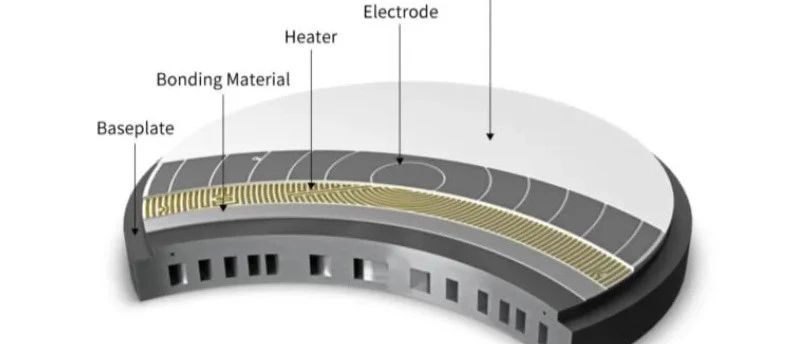
Group 1: Company Overview - Beijing Huazhuo Precision Technology Co., Ltd. has developed a 12-inch PVD aluminum nitride electrostatic chuck, breaking the long-standing monopoly of foreign manufacturers in this field. The company has achieved small-scale production and offers customized products [3][4]. - Suzhou Kema Materials Technology Co., Ltd. focuses on advanced ceramic materials and has developed prototypes of electrostatic chucks, with plans for sales in 2023-2024 after customer validation [6][7]. - Junyuan Electronic Technology (Haining) Co., Ltd. is the first domestic company to achieve large-scale production of semiconductor electrostatic chucks, covering major etching machine products [8][9]. Group 2: Financial Performance - Huazhuo Precision reported total revenue of 70.15 million in the first half of 2023, with electrostatic chuck revenue of 1.44 million. In 2022, total revenue was 433 million, with electrostatic chuck revenue of 25.81 million [4][5]. - Suzhou Kema's revenue for the first half of 2023 was 233 million, compared to 461 million in 2022 and 344 million in 2021 [7]. - Junyuan Electronic has received strategic investments but specific financial figures are not disclosed [9]. Group 3: Market Analysis - The global electrostatic chuck market was valued at 1.714 billion in 2021 and is projected to reach 2.412 billion by 2028, with a compound annual growth rate (CAGR) of 5.06% from 2022 to 2028 [88]. - China's electrostatic chuck market reached 2.112 billion in 2021, with expectations to grow to 3.481 billion by 2028, reflecting a CAGR of 7.29% [90]. - Major global players in the electrostatic chuck market include Applied Materials, Lam Research, and Shinko, with Applied Materials holding a market share of 43.86% [92]. Group 4: Technology and Innovation - Electrostatic chucks utilize static electricity to hold wafers, providing uniform adhesion and stability, which is crucial for semiconductor manufacturing processes [65][70]. - The technology involves components such as disks, electrodes, heaters, and baseplates, which work together to maintain the required temperature and adhesion [67][68]. - The materials used for electrostatic chucks are evolving, with aluminum nitride ceramics being favored for their superior thermal conductivity compared to traditional aluminum oxide ceramics [86][87]. Group 5: Industry Challenges - The Japanese government has imposed export controls on semiconductor equipment, including electrostatic chucks, which poses a risk to domestic manufacturers in China [96]. - Despite these challenges, several domestic manufacturers are making significant progress in the electrostatic chuck sector, with companies like Huazhuo Precision and Zhongci Electronics achieving small-scale production [96].
人形机器人的核心零部件投资机遇梳理(附49页PPT)
材料汇· 2025-07-17 15:55
Group 1 - The humanoid robot industry is entering a phase of industrialization, accelerated by advancements in generative AI models since 2020, enhancing interaction and learning capabilities of humanoid robots [3][6][10] - Major companies like Tesla, UBTECH, and others are launching humanoid robot products, with applications expanding into transportation, inspection, and security [3][6] - The industry is experiencing a "golden window period" due to significant investments and resource influx from domestic and international giants, driving technological progress and standardization [6][8] Group 2 - The Chinese government has identified embodied intelligence as a key focus in its 2025 work report, aiming for mass production and innovation systems by 2025 and a competitive industry ecosystem by 2027 [8][9] - Local policies are being implemented to support the development of humanoid robot clusters, enhancing the growth of related companies [8][9] Group 3 - Humanoid robots are increasingly integrated into industrial manufacturing, commercial services, and household applications, providing diverse functionalities such as assembly, customer service, and elder care [10][12] - The cost-effectiveness of humanoid robots is evident, as they can operate continuously without fatigue, making them ideal for both industrial and domestic environments [13][14] Group 4 - The humanoid robot market is projected to reach a scale of 150 billion yuan by 2029, with companies like Tesla planning to produce 5,000 units in 2025 and ramping up to 100,000 units by 2029 [16][17] - The global market for humanoid robots is expected to exceed 100 billion yuan, driven by increasing production and demand [16][17] Group 5 - The supply chain for humanoid robots is benefiting from the rising demand for high-precision components such as harmonic reducers and planetary roller screws, which are critical for performance [18][21] - Domestic manufacturers are gaining a competitive edge in core components, achieving 60%-70% cost advantages over international counterparts [24][25] Group 6 - The planetary roller screw market is expanding, with applications in various industries including automotive, machinery, and robotics, although the global market remains relatively small at 1.27 billion USD in 2022 [45][52] - The demand for planetary roller screws is expected to grow significantly, with projections indicating a market increase of 112 billion yuan by 2029 [54]



光刻机核心技术与国产替代分析(附国内光刻机企业清单)
材料汇· 2025-07-16 13:37
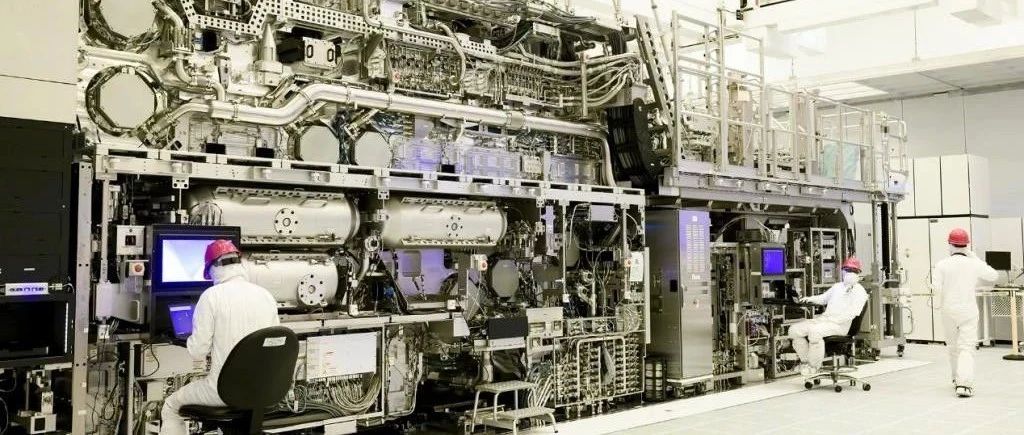
Group 1 - The article discusses the lithography machine industry, emphasizing its critical role in semiconductor manufacturing and the ongoing demand for advanced lithography technology [2][5][6] - ASML, Nikon, and Canon dominate the global lithography machine market, with ASML holding a significant lead, especially in the EUV lithography segment [42][44][49] - The global lithography machine market is projected to reach $293.7 billion by 2025, with EUV lithography machines expected to account for a substantial portion of this growth [37][40] Group 2 - The lithography machine's imaging quality is determined by the coordination of various systems and components, including the exposure light source, optical systems, and alignment systems [28][29][33] - The lithography machine has undergone five generations of technological evolution, with advancements in light source wavelengths significantly enhancing manufacturing capabilities [14][15][12] - The article highlights the urgent need for domestic lithography machine production in China due to ongoing export restrictions from the US, Japan, and the Netherlands [79][80][82] Group 3 - The demand for lithography machines in China is substantial, with the country being ASML's largest customer, accounting for 41% of its revenue in 2024 [55][66] - The article outlines the competitive landscape, noting that while ASML leads in high-end machines, Nikon and Canon focus on mid to low-end products [49][50][51] - The article emphasizes the importance of AI in driving the demand for advanced semiconductor products, which in turn boosts the lithography machine market [67][71]

稀土产业链:全球主导地位稳固,高端应用描绘增长新曲线
材料汇· 2025-07-16 13:37
Core Viewpoint - China holds a dominant position in the global rare earth market, with significant reserves and production capabilities, accounting for approximately 49% of global rare earth oxide (REO) reserves and 68% of global production as of 2024 [10][36][42]. Group 1: Rare Earth Resources and Production - Global rare earth oxide (REO) reserves are estimated at around 90 million tons, with China possessing nearly 49% of this total [10]. - In 2024, China's REO production is projected to be approximately 39,000 tons, maintaining its status as the largest producer globally [10]. - China's rare earth mining and processing capabilities are highly developed, with the country meeting over 90% of global demand for rare earth metal processing [12][36]. Group 2: Export and Import Dynamics - China's rare earth exports have been increasing, with light rare earth exports reaching 3,823 tons in March 2025, indicating a continuous upward trend [11]. - The export proportion of rare earth concentrates has been declining, with self-use rates remaining high, reflecting a shift towards domestic consumption [11][12]. - In the first quarter of 2025, China's rare earth exports reached 14,177 tons, a year-on-year increase of 5.14% [18]. Group 3: Industry Structure and Policy - The rare earth industry in China is characterized by a "north light, south heavy" structure, with significant production capabilities in both regions [43]. - The Chinese government has implemented strict regulations on rare earth mining and processing, emphasizing protective mining and total quantity control [50][54]. - Policies are gradually shifting towards supporting high-end applications and strategic materials, with a focus on innovation in new materials and equipment [59][62]. Group 4: Downstream Demand and Applications - The demand for rare earth materials is growing in high-tech applications, including electric vehicles, wind power, and industrial motors, with significant growth expected in these sectors [85]. - Rare earth permanent magnets are crucial in various applications, including industrial robots, where they enhance performance and efficiency [78]. - The production of rare earth permanent magnets in China is substantial, with major companies like Jinli Permanent Magnet leading the market [70][72].