FBeauty未来迹

Search documents
20%高增速领跑,上半年洗护市场为什么“爆了”?
FBeauty未来迹· 2025-07-24 12:02
Core Viewpoint - The hair care market is experiencing significant growth, with online transaction value reaching 340.37 billion yuan in the first half of 2025, marking a year-on-year increase of 20.67% [4][5]. Market Performance - The hair care segment outperformed other beauty categories, driven by a 131.5% surge in men's hair care and steady performances from international brands like Kérastase, L'Oréal, and Pantene [2][4]. - The overall beauty market saw a total online transaction value of 3,060.39 billion yuan, with hair care being one of the fastest-growing segments [5]. Segment Breakdown - The hair care subcategories showed robust growth: - Hair cleansing: 179.72 billion yuan, up 21.56% - Hair care: 74.00 billion yuan, up 19.59% - Hair dyeing and perming: 57.44 billion yuan, up 17.20% - Hair styling: 20.76 billion yuan, up 16.64% - Men's hair care: 5.12 billion yuan, up 131.50% [7]. Brand Landscape - The market share of the top five brands (CR5) decreased from 19% in 2024 to 16%, indicating increased competition from emerging domestic brands and private labels [8]. - New domestic brands like Off&Relax and others are gaining traction, with several entering the top 20 rankings [11]. Consumer Trends - There is a shift towards efficacy-driven products, with consumers seeking solutions for specific scalp issues and multi-functional products [14][19]. - The introduction of "face-care level" ingredients in hair care products is becoming a trend, enhancing the overall consumer experience [19][21]. Innovation and New Products - Over 25 brands launched new products in the first half of 2025, with a focus on scalp care and multi-functional benefits [13]. - Brands are emphasizing rapid effectiveness, with products claiming visible results in as little as one to three minutes [17]. Future Outlook - The competition in the hair care market is expected to intensify, particularly in the areas of anti-hair loss and scalp care, with a focus on patented technologies and quick results [26][29]. - The potential for growth in differentiated segments like scalp oils is significant, as brands explore new opportunities [23][26].


不止于A醇第一,HBN的科研深潜与功效版图
FBeauty未来迹· 2025-07-23 12:46
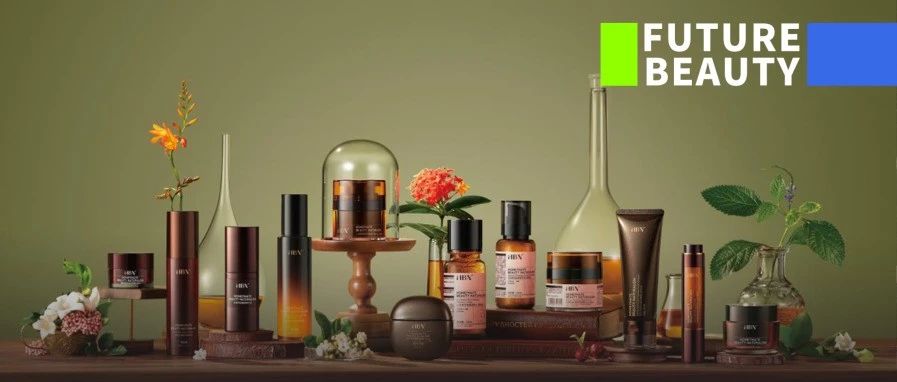
Core Viewpoint - HBN has rapidly expanded its "true efficacy" skincare brand, establishing itself as a leading player in the Chinese beauty market, particularly in the anti-aging segment with its flagship product, "Double A Retinol Night Cream" [2][20]. Market Position and Performance - By the first half of 2025, HBN ranked in the top 4 of Tmall's domestic beauty skincare stores and top 5 on Douyin, being the only brand to secure a top 5 position in both platforms [2]. - HBN's "Early C Late A" lotion has sold over 30 million bottles, achieving the number one sales position in the "retinol skincare" and "essence water" categories in China [2]. Research and Development - HBN has published three high-impact SCI papers on α-arbutin, marking a significant contribution to the understanding of its mechanisms in photodamage repair [5][9]. - The research has revealed α-arbutin's potential beyond traditional whitening, demonstrating its anti-inflammatory properties and ability to repair UV-induced skin damage [8][9]. Innovation and Collaboration - HBN has established a comprehensive research framework, including collaborations with top universities and institutions, to explore cutting-edge scientific topics [21]. - The brand has developed four original efficacy raw materials and expanded its research center to over 5,000 square meters, housing over a hundred researchers [20][21]. Consumer Insights and Cultural Relevance - HBN emphasizes a deep understanding of Asian skin types and aesthetics, creating products tailored to local needs, which contrasts with the traditional Western-centric approach [12]. - The collaboration with Pantone to create the "HBN Original White Card" reflects HBN's commitment to culturally relevant skincare solutions [13][15]. Commitment to Safety and Efficacy - HBN has conducted extensive safety studies on its sunscreen products, confirming that their formulations have significantly lower residual levels in human blood than the safety thresholds set by the FDA [16]. - The brand has completed over 4,000 third-party efficacy tests across its entire product line, reinforcing its commitment to "true efficacy" [18][23]. Future Outlook - As consumer demand for effective and safe skincare solutions grows, HBN is positioned to lead the market with its focus on scientific research and genuine product efficacy [24].
调查 | 美妆批发,有机会重新崛起吗?
FBeauty未来迹· 2025-07-22 15:14
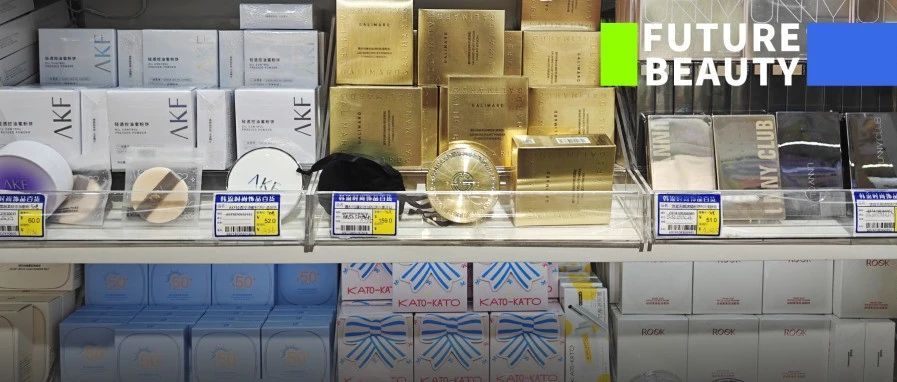
Core Viewpoint - The article highlights the transformation of the beauty wholesale market in Wuhan's Han Zheng Street, emphasizing the search for new business models and value amidst significant changes in the beauty industry ecosystem [2][5]. Group 1: Current Market Dynamics - The wholesale market has traditionally handled the "dirty work" of the beauty retail chain, acting as a crucial link between brands, distributors, and manufacturers while facing challenges like gray market operations [4]. - Currently, the wholesale market serves as both a "reservoir" and a "transit station," addressing issues of overproduction and mismatched market demand by providing new distribution channels for unsold goods [5]. - The majority of wholesale businesses now focus on domestic beauty brands, with 90% of products being domestic, as international brands struggle to maintain profitability [5][8]. Group 2: Shifts in Business Models - Wholesale operators are increasingly targeting second- and third-tier brands, which offer stable quality and a well-controlled pricing system, ensuring product authenticity and reasonable profits across the supply chain [9]. - Some wholesalers are strategically transforming their operations by initiating joint procurement of popular and trending products to enhance price competitiveness and customer loyalty [9]. - The rise of live-streaming commerce has shifted the core clientele of wholesalers from traditional cosmetic stores to more flexible supply chain partners like live-streaming hosts, allowing for real-time inventory adjustments and "zero inventory operations" [11]. Group 3: Changes in Retail Relationships - Traditional cosmetic stores are distancing themselves from wholesale channels, opting for direct procurement from brands or agents to ensure product quality and service support [14]. - The shift towards online procurement is evident, with many retailers reducing their reliance on wholesale markets, even for popular consumer goods [14]. - The transformation of the wholesale model is exemplified by the Linyi wholesale market, which has adopted a dual business model of e-commerce live streaming and offline wholesale [16]. Group 4: Future Outlook and Policy Support - The article notes that the traditional wholesale market is undergoing profound changes, with the need for adaptation to survive in a competitive landscape where profit margins are shrinking due to increased price transparency from e-commerce and community group buying [21]. - The Chinese government's action plan aims to enhance the quality of the wholesale and retail sectors by promoting innovation, digital transformation, and the integration of domestic and international trade [24][25]. - The article concludes that while the golden age of traditional wholesale markets has passed, new opportunities are emerging for those willing to adapt to the evolving market landscape [25].
资本热浪再袭?近30家美妆企业打响“第一股”争夺战
FBeauty未来迹· 2025-07-21 09:45
Core Viewpoint - The beauty industry is experiencing a renewed wave of IPOs, with 28 companies initiating the process in 2025, contrasting sharply with the previous years of "IPO difficulties" [2][12]. Group 1: IPO Trends - In 2025, beauty brands are the main players in this IPO wave, with 8 brands, including Gu Yu and Lin Qingxuan, attempting to go public, although only Puhua Biological has successfully listed so far [4][6]. - Gu Yu signed an agreement with CITIC Securities in March to start its A-share IPO process, aiming to establish itself as a leading player in the market [5]. - Lin Qingxuan submitted its prospectus to the Hong Kong Stock Exchange in May, targeting the high-end skincare segment [7]. Group 2: Financial Performance - Gu Yu's projected revenue for 2024 is approximately 4 billion yuan, with a year-on-year growth exceeding 40% [5]. - Lin Qingxuan's revenue increased from 691.15 million yuan in 2022 to 1.21 billion yuan in 2024, with a compound annual growth rate of about 32% [8][9]. - Lin Qingxuan's gross profit margin has shown a steady increase, reaching 82.5% in 2024 [8]. Group 3: Market Dynamics - The beauty market is entering a phase of stock competition, necessitating fresh capital influx to sustain growth [14]. - The threshold for entering the top ten domestic beauty brands has risen significantly, with the revenue requirement increasing from 1.55 billion yuan in 2021 to 2.97 billion yuan in 2024 [14][15]. - The successful IPOs of companies like Gu Yu and Mao Geping are expected to inject new vitality into the industry [16]. Group 4: Policy Environment - Recent policy changes indicate a loosening of IPO regulations, with the China Securities Regulatory Commission signaling a return to normalcy in the IPO market [12][13]. - The introduction of supportive policies for quality consumer companies is expected to enhance the IPO landscape for the beauty sector [13][20]. Group 5: Future Outlook - The current wave of IPOs is seen as a critical turning point for the beauty industry, with the potential to reshape the competitive landscape [22]. - The emergence of "first stocks" in various segments of the beauty market presents significant opportunities for innovation and growth [17][18]. - The attractiveness of the Hong Kong Stock Exchange for beauty companies is likely to continue, given its relatively lower regulatory requirements compared to A-shares [19][20].
高端美妆在中国“犯难”,THE WHOO为何“常青”?
FBeauty未来迹· 2025-07-21 09:45
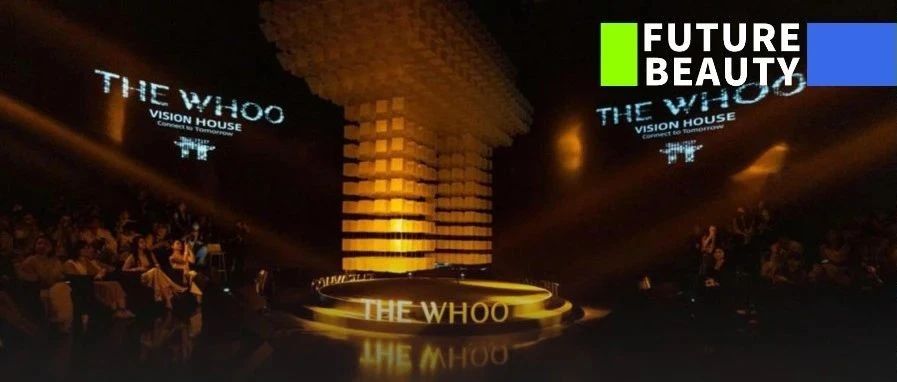
Core Viewpoint - The article highlights the impressive performance of THE WHOO, a high-end skincare brand, during the 2025 618 sales event, showcasing its market leadership and strategic initiatives that contribute to its growth in the competitive beauty industry [2][36]. Sales Performance - The total online sales for skincare reached 43.2 billion yuan during the 618 event, a year-on-year increase of 65.52% from 26.1 billion yuan in 2024. The fragrance and makeup category generated 14.3 billion yuan, up 57.14% from 9.1 billion yuan, leading to a combined growth of 63.35% [2][3]. - THE WHOO achieved a GMV of 3.94 billion yuan, ranking 9th among beauty brands on Douyin during the 618 period [4][10]. - On Kuaishou, THE WHOO ranked 3rd in skincare sales during the same period, maintaining its position among the top high-end skincare brands [6][10]. Brand Strategy - THE WHOO's success is attributed to its four strategic pillars: cultural marketing, technological empowerment, celebrity endorsements, and immersive offline experiences [12][36]. - Cultural marketing efforts include collaborations with traditional Chinese art forms, such as Dunhuang murals and Peking opera, enhancing the brand's cultural resonance and emotional connection with consumers [12][14][16]. - Technological advancements are evident in the launch of the weather-dan PRO series, which incorporates innovative ingredients aimed at addressing modern skincare concerns [17][19]. - The brand has optimized its celebrity endorsement strategy, featuring well-known figures like Li Xian and Kim Ji-won to broaden its appeal across different demographics [20][23]. Market Trends - The high-end beauty market in China has experienced a compound annual growth rate decline of 3% from 2021 to 2024, with a market size reduction from 257.8 billion yuan to 236.4 billion yuan [27][30]. - THE WHOO's approach to maintaining its market position involves a focus on scientific research and understanding consumer needs, particularly in the context of anti-aging trends [35][36]. Conclusion - THE WHOO's strong performance during the 618 sales event and its strategic initiatives reflect its commitment to leading the high-end skincare market in China. The brand's ability to adapt to market changes and consumer preferences positions it as a benchmark for international beauty brands [36].
深度|美妆巨头为摆脱“大企业病”,有多拼?
FBeauty未来迹· 2025-07-18 12:32
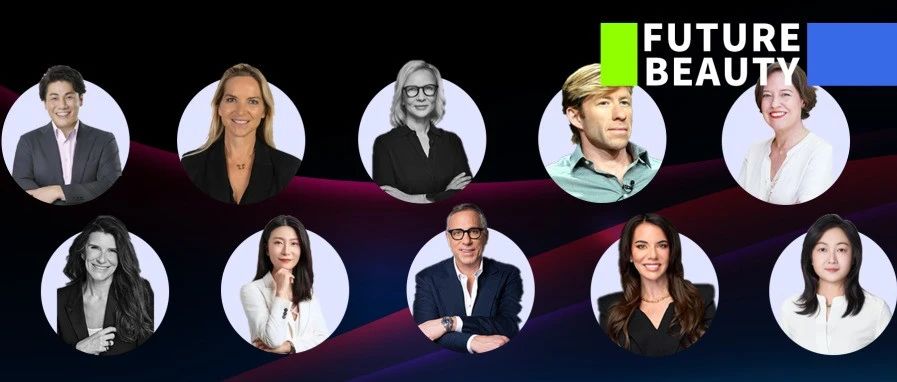
Core Viewpoint - The article highlights significant personnel changes in the beauty industry, indicating a shift towards a research-driven, globalized, and organizationally transformed competitive landscape, with three main focal points: the emergence of new roles, expanded responsibilities for foreign beauty giants in the Chinese market, and widespread organizational restructuring [2][3][26]. Group 1: Emergence of New Roles - Over 75 key positions have changed among 25 leading beauty companies in the first half of 2025, with a notable rise in roles focused on digitalization, research, innovation, and marketing communication, reflecting the industry's future direction [2][6]. - Estee Lauder has created three new positions, including Chief Digital and Marketing Officer, Global Scientific Sleep Advisor, and President of the Makeup Brand Group, indicating a strategic shift towards integrating scientific expertise into product development [8][10]. - L'Oreal has appointed a Chief Innovation and Strategic Outlook Officer to oversee innovation teams and strategic foresight, emphasizing the importance of future-oriented innovation in the beauty sector [12]. Group 2: Expanded Responsibilities in the Chinese Market - International beauty companies are elevating their China market leaders to global decision-making roles, marking a significant shift in strategic positioning [14][24]. - Estee Lauder's new CEO has made substantial adjustments, including promoting the China President to the global management team, breaking previous decision-making chains [15][16]. - Shiseido has appointed a dual-role CEO for China and travel retail, merging management of these two growth engines to maximize synergies [17][19]. Group 3: Organizational Restructuring - The beauty industry is undergoing a deep transformation, moving from high growth to high-quality growth, as evidenced by widespread organizational changes [3][26]. - Companies are restructuring their organizational frameworks to enhance the integration of research and market strategies, with a focus on consumer needs [36][37]. - Estee Lauder's new strategy involves a significant operational transformation, restructuring brands by categories for better management and growth [31][34].

当皮肤屏障成通用语言:20年适乐肤如何重写护肤规则?
FBeauty未来迹· 2025-07-17 12:14
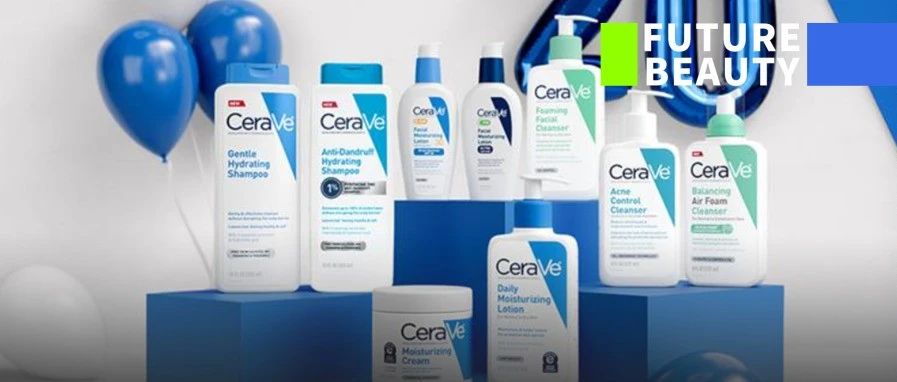
Core Viewpoint - CeraVe celebrates its 20th anniversary, marking two decades of innovation in "Barrier Science" and establishing itself as a leading brand in the skincare industry, particularly in the realm of skin barrier repair [2][6][23] Brand Development and Market Position - CeraVe was founded in 2005 based on insights from dermatologists who identified skin barrier damage as a common issue across various skin conditions, leading to the creation of effective and accessible skincare solutions [7][12] - The brand's name combines "Ceramides" and "MVE Technology," highlighting its commitment to transforming core technology into product efficacy [7] - CeraVe's initial product launch included three cornerstone products that utilized a unique combination of ceramides and MVE technology, achieving both effective repair and long-lasting results [9] Scientific Foundation and Clinical Validation - CeraVe has consistently emphasized evidence-based research, with its products being recommended by leading dermatological organizations globally [10][11] - The brand has maintained a strong connection with dermatologists, ensuring that its scientific findings are published in reputable journals and incorporated into clinical guidelines [11][19] Growth and Expansion Strategy - Acquired by L'Oréal in 2017, CeraVe accelerated its global expansion and deepened its research investments, leading to its recognition as the number one recommended moisturizing skincare brand in the U.S. [10][12] - The brand has successfully penetrated 35 countries, adapting its strategies to local markets while maintaining a focus on scientific integrity and consumer accessibility [10][13] Product Strategy in China - CeraVe's entry into the Chinese market has been marked by a focus on core product categories and a commitment to simplifying skincare routines, promoting the philosophy of "less is more" [14][15] - The brand has established a robust medical collaboration framework, engaging with top scholars and institutions to drive innovation and validate its product efficacy [17][18] Social Responsibility and Community Engagement - CeraVe has undertaken various initiatives to promote skin health awareness and provide support to affected communities, including partnerships with medical associations for research and public health campaigns [18][19] - The brand's commitment to social responsibility is evident in its ongoing efforts to educate consumers about skincare, particularly for vulnerable populations such as children [18][19] Future Outlook - CeraVe aims to focus on the Z generation as a core target demographic, leveraging diverse marketing strategies to enhance brand recognition and consumer engagement [21][22] - The brand's strategy includes a comprehensive channel approach, prioritizing online growth while expanding its offline presence to reach a broader audience [22] - CeraVe's commitment to scientific validation and innovation positions it to redefine industry standards and maintain its leadership in the skincare market [22][23]
彩妆品牌跨界做护肤,真实力还是大冒险?
FBeauty未来迹· 2025-07-17 12:14
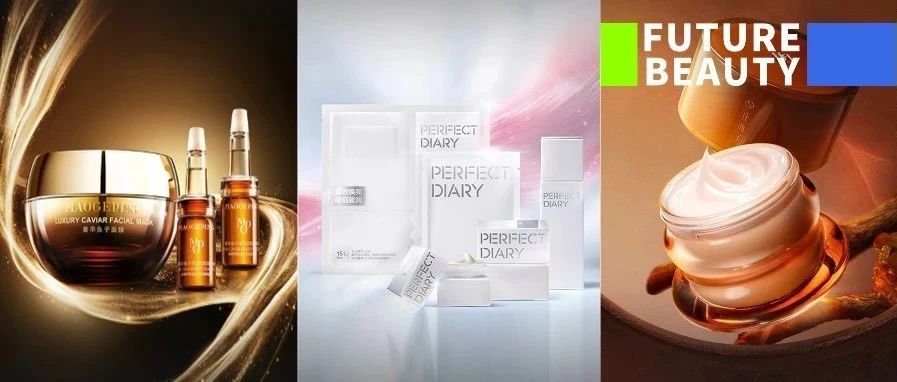
Core Viewpoint - Leading cosmetic brands are transitioning from "strategic exploration" to "systematic attack" in the skincare sector, indicating a significant shift in their business strategies [2][4]. Group 1: Brand Strategies - Major brands like Mao Geping, Huaxizi, and Perfect Diary are leveraging their brand DNA and market insights to develop systematic strategies for entering the skincare market, focusing on high-end positioning, technological innovation, and concept extension [4]. - Mao Geping has established a comprehensive skincare line, achieving a revenue of 3.885 billion yuan in 2024, with skincare contributing 1.429 billion yuan, a year-on-year growth of 23.19%, accounting for 36.8% of total revenue [4]. - Perfect Diary is centered on "technological iteration," having launched its first generation of biomimetic membrane technology in 2023 and planning to upgrade to the third generation by 2025 [5][7]. Group 2: Product Development - Perfect Diary has expanded its product range to include a "biomimetic membrane" skincare series, integrating makeup and skincare, thus establishing a unique technical barrier [7]. - Huaxizi has developed a database of over 100 floral formulas, successfully extracting and preparing 50 types of floral ingredients, which supports its "flower-based skincare" concept [8][9]. - The "气色双生莲萃" series from Huaxizi includes various products such as creams and serums, combining Eastern plant extracts with modern skincare technology [8]. Group 3: Market Trends - The skincare market in China is significantly larger than the color cosmetics market, with skincare accounting for approximately 70% of the total cosmetics market, valued at over 700 billion yuan, compared to the color cosmetics market at around 88 billion yuan [16]. - Consumer demand is evolving, with over 60% of consumers expecting makeup products to also provide skincare benefits, indicating a trend towards "makeup and skincare integration" [16][17]. Group 4: Challenges and Competition - The transition of color cosmetic brands into skincare faces challenges, including establishing consumer trust and overcoming the perception of expertise in skincare [21][22]. - The skincare market is highly competitive, with international giants dominating the high-end segment, while domestic brands are rapidly emerging with a focus on quality-price ratio and efficacy [22][24]. - The complexity of skincare product formulation requires significant R&D investment and a robust quality control system, posing a challenge for brands traditionally focused on color cosmetics [22][24].

从卖货场到价值策源地,美妆“旗舰店”浪潮再起
FBeauty未来迹· 2025-07-16 12:40
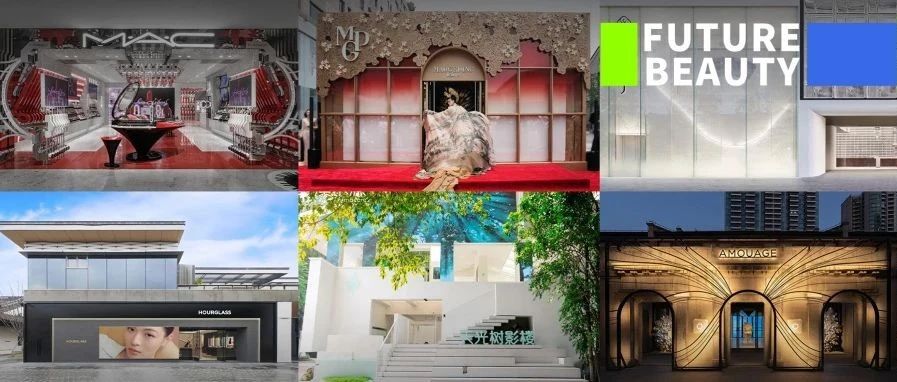
Core Viewpoint - The beauty flagship stores in China are evolving into cultural and experiential hubs, moving beyond traditional retail functions to create immersive brand experiences and deeper consumer connections [4][11][24]. Group 1: Flagship Store Evolution - The flagship stores have undergone three stages of evolution: 1. High luxury experimentation phase (pre-2010) with brands like Chanel and LV establishing their presence [7]. 2. International scale expansion phase (2020) where major brands like Lancôme and Dior opened flagship stores, validating their core value [7]. 3. New explosion cycle (2023 onwards) led by domestic brands and emerging international players, focusing on unique cultural narratives [7][11]. Group 2: Structural Changes in Retail - The offline retail landscape is experiencing structural changes, with a significant reduction of nearly 6,000 cosmetic counters in 51 cities from 2019 to 2023, while high-end beauty areas in shopping centers remain vibrant [6]. - Brands are simplifying their counter networks and increasing flagship store layouts, positioning flagship stores as the heart of brand strategy and cultural embodiment [6][11]. Group 3: Experience and Engagement - Flagship stores are redefining the concept of "experience," serving as value hubs that deepen service, content production, and scientific communication [19][21][24]. - The focus is on creating immersive experiences that resonate with new-generation consumers, moving away from traditional shelf-based shopping [9][24]. Group 4: Location and Design Strategies - The selection of flagship store locations emphasizes cultural significance, transforming brand narratives into spatial experiences [13][15]. - Innovative store designs reflect brand philosophies, with elements that foster a dialogue between nature and consumer, enhancing brand differentiation [16][18]. Group 5: Future Trends - The future of beauty retail may hinge on spatial imagination and a sense of belonging, as brands strive to create unique, immersive environments that resonate with consumers on a deeper level [33].
2025上半年美妆零售额创新高,韩束把兰蔻超了?
FBeauty未来迹· 2025-07-15 14:31
Core Viewpoint - The beauty market in the first half of 2025 shows a mixed performance, with a historical high in retail sales but a decline in certain segments, indicating a competitive and structurally adjusting market landscape [2][5][29]. Retail Performance - The retail sales of cosmetics in China reached 229.1 billion yuan in the first half of 2025, marking a year-on-year growth of 2.9%, which is lower than the overall retail growth of 5% [2][6]. - In June 2025, the retail sales of cosmetics experienced a 2.3% year-on-year decline, marking the first month of decline this year [2]. Online Sales Dynamics - Online beauty sales exceeded 300 billion yuan in the first half of 2025, with a year-on-year growth of 8.6% and a transaction volume increase of over 10% [5][9]. - The five major e-commerce platforms (Taobao, JD, Douyin, Kuaishou, Pinduoduo) achieved a total transaction amount of 3210.75 million yuan, with a year-on-year growth of 8.59% [9][10]. Category Performance - Skincare remains the largest category with a transaction amount of 1971.82 million yuan, accounting for 64.4% of total online beauty sales, showing growth of 8.17% in transaction value [12][13]. - Makeup sales increased by 15.26% to 551.81 million yuan, while hair care emerged as a strong performer with a 20.67% increase in sales [15][29]. - Oral care saw a slight increase of 2.49% in transaction value but a decline in transaction volume, indicating a trend towards premiumization [15][19]. Brand Landscape - The top three brands in the beauty sector are L'Oréal, Proya, and Han Shu, with domestic brands making significant inroads but still trailing behind international brands in market share [21][23]. - In the makeup category, domestic brands captured 11 out of the top 20 positions, with notable performances from brands like Mao Geping and Huaxizi [26]. Market Trends - The rise of men's beauty products and refined personal care categories indicates a shift in consumer preferences, with significant growth in men's skincare and hair care [20][29]. - The overall market is experiencing structural adjustments, with brands needing to adapt to changing consumer demands and competitive pressures [29].