经济观察报

Search documents
5年销额暴涨140亿,洗地机进入“机海时代”
经济观察报· 2025-05-20 12:52
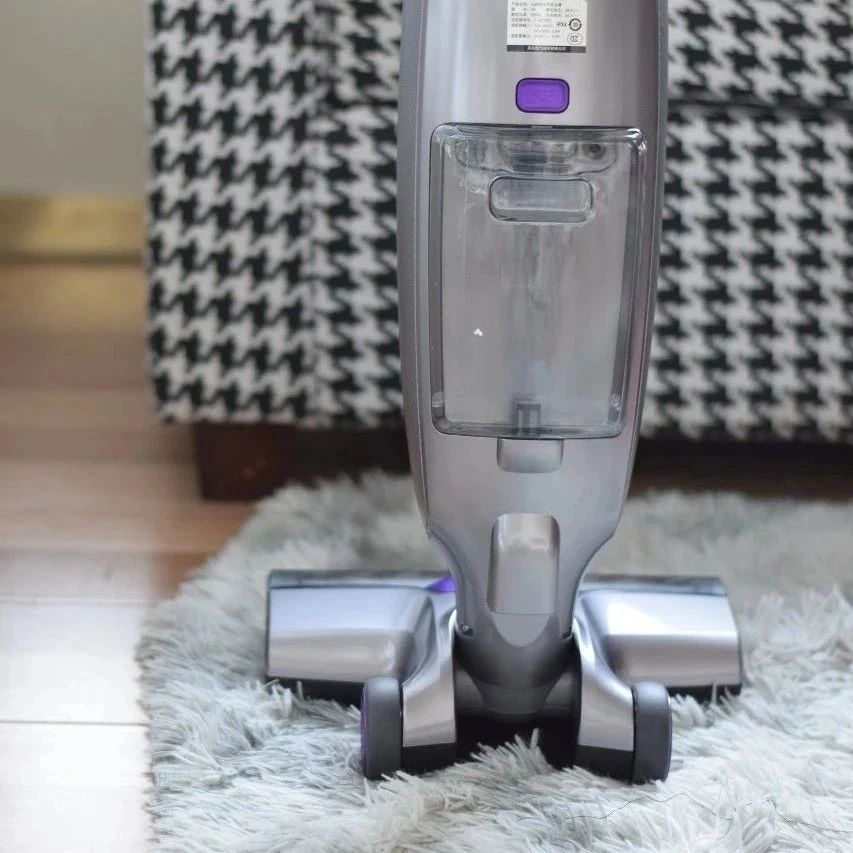
2024年洗地机的型号数量达到1042个,相比2022年的481 个,增长了一倍多。爆发式增长的背后是洗地机市场的快速扩 张。2019年,洗地机行业零售额不足1亿元;2024年,该市 场的销售规模已达140.9亿元。 作者:郑淯心 封图:图虫创意 2025年,"618"预售叠加国家补贴,想购置一台洗地机的宋先生,犯了选择困难症。 他在电商平台搜索时发现,洗地机品牌众多,即便同一个品牌也存在诸多型号:有的洗地机采用 180°躺平设计,有的支持100℃沸水自清洁技术,有的主打毛发防缠绕系统。 洗地机的涉及空气动力学、人工智能等多种技术,在研究几天测评视频后,宋先生最终放弃了技术 上的钻研,直接购买了电商平台家用洗地机热卖榜单第一名的产品。 不同品牌、不同型号的洗地机之间有什么区别?面对数量庞大的产品型号,消费者到底该怎么挑 选? 宋先生的困惑并非个例。奥维云网监测数据显示,2024年洗地机的型号数量达到1042个,相比 2022年的481个,增长了一倍多。爆发式增长的背后是洗地机市场的快速扩张。2019年,洗地机行 业零售额不足1亿元;2024年,该市场的销售规模已达140.9亿元。 石头、追觅、云鲸等洗地机厂商 ...

B站发布2025年Q1财报:广告、游戏收入持续增长 用户日均使用时长再创新高
经济观察报· 2025-05-20 12:52
Core Viewpoint - Bilibili (B站) reported strong financial performance in Q1 2025, with revenue reaching 7.0 billion RMB, a 24% year-on-year increase, and a significant 58% increase in gross profit, driven by growth in advertising and gaming revenues [2][11]. Financial Performance - Bilibili's Q1 2025 revenue was 70.0 billion RMB, up 24% year-on-year [2][13]. - Advertising revenue reached 20.0 billion RMB, growing 20% year-on-year, with performance ads increasing over 30% [9][11]. - Gaming revenue surged 76% year-on-year to 17.3 billion RMB [10][13]. - Adjusted net profit for the quarter was 3.6 billion RMB, indicating sustained profitability [11][13]. - Gross profit margin improved to 36.3%, marking the 11th consecutive quarter of sequential growth [2][11]. User Engagement and Community Growth - Daily active users reached 107 million, while monthly active users hit a record high of 368 million [2][16]. - Average daily usage time increased to 108 minutes, a historical peak [4][16]. - Monthly paid user count reached a new high of 32 million, with a retention rate of 80% for users who passed the entrance exam [4][16]. Content Ecosystem and Diversification - Bilibili's content categories continue to expand, with a 24% increase in viewing time for ACG (Anime, Comic, Game) content [4][17]. - The platform has seen a 14% increase in gaming content viewing time, with major game developers engaging with the community [5][10]. - Emerging categories like travel and AI content have also shown significant growth, with AI-related content viewing time increasing over 100% [5][17]. - Approximately 1.5 million content creators earned income on the platform, with a 200% increase in revenue from user tipping [6][17]. Revenue Structure and Advertising Growth - Revenue contributions from various segments include 40% from value-added services, 29% from advertising, 25% from gaming, and 6% from IP derivatives and other businesses [9][14]. - AI-related advertising revenue grew nearly 400% year-on-year, reflecting the platform's expanding advertising appeal [9][11]. - The number of advertisers on Bilibili increased by over 35% year-on-year, driven by the platform's unique content and user engagement [9][11].


阿里生态合力下,饿了么以增长刷新市场想象力
经济观察报· 2025-05-20 09:04
Core Viewpoint - The article emphasizes that the ecological synergy and traffic supply are likely to enable Ele.me to continuously refresh market expectations through 2025 and beyond [1][3]. Financial Performance - Alibaba Group reported that Ele.me's local life group revenue reached 16.134 billion yuan for the fourth quarter of fiscal year 2025, a 10% increase from 14.628 billion yuan in the same period of 2024 [2]. - The operational efficiency of Ele.me has been improving, contributing to strong business growth amidst fierce competition in the food delivery market [2]. Business Strategy - Ele.me is leveraging Alibaba Group's ecological synergy to enhance the stickiness among merchants, consumers, and delivery riders, which is expected to facilitate both short-term business scale expansion and long-term growth certainty [2][9]. - The company initiated the "Hungry Subsidy Over 10 Billion" promotion on April 30, which significantly boosted order volumes and consumer engagement [5][6]. Market Dynamics - During the recent "May Day" holiday, several brands on Ele.me experienced a surge in orders, with some brands seeing order volumes increase by over 200% compared to the previous year [6][7]. - The collaboration with Taobao Flash Sale has allowed Ele.me to tap into a vast user base, resulting in a significant increase in order volumes and brand visibility [9][10]. AI and Technology Integration - Ele.me is focusing on AI-driven strategies to enhance user experience and operational efficiency, including the launch of AI management tools for merchants [12][13]. - The company is also implementing AI technology to improve food safety and compliance, thereby enhancing overall service quality [12][14]. Social Responsibility and Transparency - Ele.me is committed to social responsibility by improving communication with delivery riders and ensuring fair income distribution through transparent pricing algorithms [14]. - The company aims to maintain a low-profile approach in the competitive landscape, focusing on long-term growth rather than engaging in public disputes [14].



中国商业航天开始“加速跑”!北京这家民营航天企业中标8亿元卫星星座大单
经济观察报· 2025-05-19 15:05
Core Viewpoint - The involvement of private enterprises in China's commercial aerospace sector is becoming a new direction in the "new infrastructure" wave, with increasing responsibilities previously held by state-owned enterprises being transferred to private companies [2][6]. Group 1: Industry Developments - By 2025, private aerospace companies are expected to take on more system-level engineering projects, as evidenced by Beijing Weina Starry Sky Technology Co., Ltd. winning a bid for the "Huan Tian Satellite Constellation Construction" project worth 804 million yuan [2][5]. - The domestic commercial aerospace sector is transitioning from "single satellite verification" and "experimental exploration" to "mass production" and "networking" of satellite constellations [3][6]. - The successful launch of multiple satellites by companies like Guoxing Aerospace and the completion of significant contracts indicate a shift towards large-scale deployment of satellite constellations [3][6]. Group 2: Company Highlights - Weina Starry Sky, established in 2017, has secured significant funding rounds, including a 350 million yuan Series B round in 2021 and a multi-million yuan Series C round in 2023, aimed at satellite production and technology development [6]. - Jiangsu Deep Blue Aerospace has opened a new headquarters and liquid rocket assembly base, which will support the mass production of its "Xingyun No. 1" reusable rocket [7][11]. - The advanced manufacturing capabilities at Deep Blue Aerospace's new facility are designed to enhance production efficiency and quality, supporting the company's goal of rapid iteration and commercial delivery of rockets [7][11]. Group 3: Policy and Market Outlook - The strategic importance of commercial aerospace has been recognized at the national level, with policies encouraging private capital participation in space infrastructure since 2014 [9][11]. - Various government plans aim to foster the growth of the commercial aerospace industry, with projections indicating that the market size could reach 2.5 to 2.8 trillion yuan by 2025 [12]. - The SAR satellite market is expected to grow steadily, with global market size projected to increase from approximately 1.455 billion USD in 2024 to around 2.8 billion USD by 2032, reflecting a compound annual growth rate of 8.4% [13].

股东大会餐叙首次不供酒 茅台董事长:发自内心认可公务接待“不上酒”规定
经济观察报· 2025-05-19 14:34
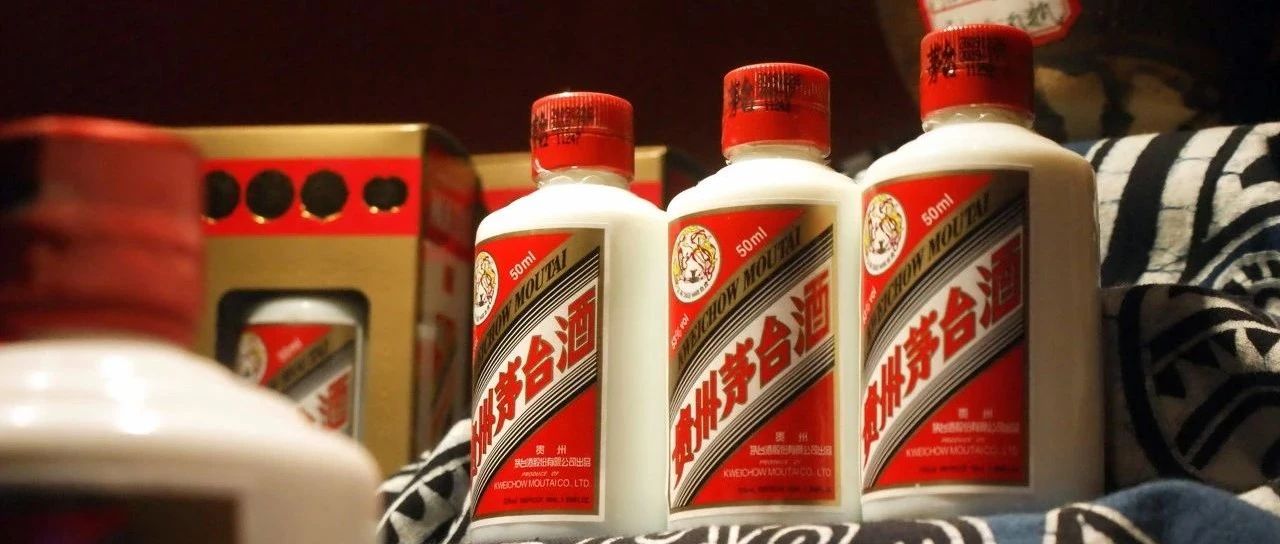
Core Viewpoint - Guizhou Moutai's chairman Zhang Deqin expressed strong support for the regulation prohibiting alcohol at official receptions, emphasizing the need for the Chinese liquor industry to return to its roots and maintain quality and cultural integrity [2][3]. Group 1: Company Actions and Changes - At this year's shareholder meeting, Guizhou Moutai replaced traditional table meals with a self-service format and did not serve its flagship Flying Moutai liquor, instead offering blueberry juice developed by its subsidiary, priced at approximately 21 yuan per bottle [2]. - The company also changed the customary gift of Moutai liquor for shareholders to blueberry juice, reflecting a shift in its approach to hospitality [2]. Group 2: Regulatory Context - The revised "Regulations on Strict Economy and Opposing Waste by Party and Government Organs" mandates that government agencies adhere to strict standards for official receptions, prohibiting high-end dishes, cigarettes, and alcoholic beverages [3]. - According to existing regulations, state-owned enterprises are limited to a maximum of 600 yuan per person for business meals, which includes alcohol, with specific price caps on different types of wine [3]. Group 3: Industry Implications - Moutai's decision to forgo alcohol at its shareholder meeting is seen as a potential industry trendsetter, with other liquor companies considering similar actions in light of the new regulations [3]. - Some industry experts noted that Moutai remains a necessity in high-end business receptions, indicating that demand for Moutai may persist despite regulatory changes [4].

托育机构艰难求生:一边建一边倒
经济观察报· 2025-05-19 12:49
当前,中国托育行业正经历着深刻变革,全国大部分地区逐渐 从过去单纯的"数量扩张"阶段向"质量竞争"的轨道迈进。面 对单一托育业务的盈利困境,许多托育机构开始探索第二曲 线,通过拓展业务领域、创新服务模式来寻求新的增长点。 作者:王惠 封图:视觉中国 5月15日,在2025年第三个全国托育服务宣传月启动之际,杭州率先发布全国首个《托育机构设施 设备配置规范》团体标准,推动托育装备产业向专业化、适儿化转型。这一填补设施设备细分领域 标准空白的举措,给了"寒冬"中的托育机构些许发展信心。 私营托育的生存危机 Vivi将托育事业称为她的"梦想"。2013年,九江市的托育市场尚处于起步阶段,专业机构屈指可 数。Vivi凭借从台湾引进的托育理念,以"专业化服务"和"低师生配比"的市场定位,在几年内迅速 扩展到了12家托育机构,并全部实现满员运转。 "亏损太多,预计今年8月关闭最后一家托育机构。"小企鹅成长馆负责人Vivi对记者说。 2013年,Vivi从中国台湾引入托育理念,在江西省九江市开办了第一家托育机构。彼时,当地的托 育市场尚处萌芽阶段,Vivi积极开拓市场,最多时其开办的托育机构达到12家,且全部满员运转, 家 ...

双轮驱动破局全球:吉宏股份H股上市倒计时 解码跨境电商龙头的出海之路
经济观察报· 2025-05-19 12:49
Core Viewpoint - Xiamen Jihong Technology Co., Ltd. (Jihong Co., 002803.SZ) is set to go public on the Hong Kong Stock Exchange, leveraging its "data + technology" model to drive growth in cross-border e-commerce and packaging services, with projected revenues exceeding 5 billion RMB from 2022 to 2024 and a peak net profit of 332 million RMB [1][2][6]. Group 1: Company Overview - Jihong Co. focuses on ToC precision marketing cross-border social e-commerce and ToB comprehensive marketing design packaging services, establishing a differentiated competitive edge through AI technology [2][6]. - The company has formed deep partnerships with leading fast-moving consumer goods (FMCG) brands such as Yili and Luckin Coffee, and has achieved a leading position in emerging markets like Southeast Asia and the Middle East [2][6][15]. - Jihong Co. ranks second among B2C export e-commerce companies in China with a market share of 1.3% and leads in the paper-based FMCG sales packaging sector with a market share of 1.2% [8][12]. Group 2: Financial Performance - The company's revenue for 2022, 2023, and 2024 is projected to be 5.376 billion RMB, 6.695 billion RMB, and 5.529 billion RMB, respectively, with corresponding net profits of 172 million RMB, 332 million RMB, and 184 million RMB [6][15]. - In Q1 2025, Jihong Co. reported a revenue of 1.477 billion RMB, an increase of 11.55% year-on-year, and a net profit of 59 million RMB, up 38.21% year-on-year [15][17]. Group 3: Market Dynamics - The paper-based sales packaging industry is experiencing rapid growth, with the market size expected to reach 613.1 billion RMB by 2024 [9][10]. - The market for paper-based FMCG sales packaging has grown from 145.6 billion RMB in 2020 to an estimated 170.3 billion RMB in 2024, with projections to reach 222.7 billion RMB by 2029 [10][12]. - Environmental policies are enhancing competitive advantages, as the Chinese government promotes the use of eco-friendly alternatives in packaging [12][14]. Group 4: Strategic Initiatives - Jihong Co. plans to invest in technology iteration and overseas capacity expansion through its IPO proceeds, focusing on self-owned brands and eco-friendly packaging to expand its global footprint [1][4][18]. - The company has established a strategic partnership with VENU STRADING FZCO to build a sales network in the Middle East and Africa, focusing on packaging production and trade platforms [16]. - Jihong Co. aims to enhance its market competitiveness through the development of self-owned brands, leveraging its accumulated marketing data and technological advantages [15][17].

人工智能重塑薪酬管理
经济观察报· 2025-05-19 12:49
Core Viewpoint - The compensation system is deeply linked to talent recruitment and retention, employee motivation and development, organizational stability, and cost control, making it a crucial tool for executing corporate strategy. The management of compensation is undergoing profound changes in the era of artificial intelligence (AI) [2][24]. Group 1: AI in Compensation Management - By 2025, AI applications in compensation management will focus on three main areas: compensation communication and transparency, external compensation benchmarking, and job and skill architecture. Currently, 22% of organizations apply AI in the first two areas, while 21% use it for job skill architecture [2][24]. - Despite the low current application rates (9%-22%), a significant majority of organizations (66%) are considering AI for predictive analytics, fairness and consistency (15% already using, 62% considering), and performance-related compensation (14% already using, 57% considering) [2][24]. - The future of AI-driven compensation management is expected to evolve beyond backend management to become an intelligent hub connecting human resource management, organizational strategy, and business development [2]. Group 2: Data and Analysis in Compensation - In the information age, compensation systems primarily rely on employee databases and payroll, which are foundational to Human Resource Information Systems (HRIS). Early systems had limited data processing capabilities, focusing on basic variables like job title and total compensation [4]. - The emergence of the internet and mobile technology has increased the volume of compensation-related data and allowed for integration with other management modules, enhancing transparency and responsiveness in compensation management [4][5]. - AI enables the evolution of traditional compensation analysis into a "data + intelligence" model, allowing for dynamic, real-time data integration and predictive capabilities regarding employee turnover and compensation effectiveness [5][6]. Group 3: Challenges in AI Implementation - Key challenges in applying AI to organizational compensation management include data privacy and security (69% of respondents), internal data and system integration (54%), and cost/resource limitations (42%) [6]. - The quality of data is critical, as incomplete or biased data can lead to inaccurate algorithm outputs, potentially exacerbating compensation inequities [6]. Group 4: Differentiated Compensation Structures - A well-structured compensation system is essential for linking employee motivation, talent management, and organizational operations. It helps define job responsibilities and aligns pay with job value and individual contributions [8][9]. - Differentiated compensation structures serve as both a talent strategy tool and an implicit screening mechanism, aiding organizations in identifying and retaining the most suitable talent [8][9]. - AI presents new opportunities for enhancing differentiated compensation by accurately assessing job value and dynamically updating compensation standards in line with external market conditions [10][11]. Group 5: Fairness in Compensation - Achieving a balance between incentive effectiveness and fairness perception is crucial for organizations, as fairness impacts both internal job matching and external market competitiveness [13][14]. - Many organizations are increasingly using algorithmic tools for compensation benchmarking, but there is a risk of overemphasizing external fairness at the expense of internal equity [14][15]. - The lack of high-quality performance or skill assessment systems in many organizations complicates the accurate measurement of job value, affecting internal compensation fairness [16]. Group 6: Communication in Compensation Management - Effective compensation communication enhances employee satisfaction and motivation, yet it is often seen as a weak link in compensation management [19][20]. - Digital tools can improve the transparency of compensation structures and assist managers in effectively communicating compensation policies to employees [19][20]. - Organizations must foster a culture of fairness and transparency to enhance the effectiveness of compensation communication [21][22]. Group 7: Future of Compensation Management - Compensation management will continue to evolve while remaining aligned with business strategy, organizational culture, and compliance requirements. Organizations need to clarify compensation standards through job evaluations and market benchmarking [23][24]. - The demand for high-level compensation experts with strategic vision and data analysis skills will increase, as they will be essential for developing compensation plans that align with corporate strategy and culture [24].

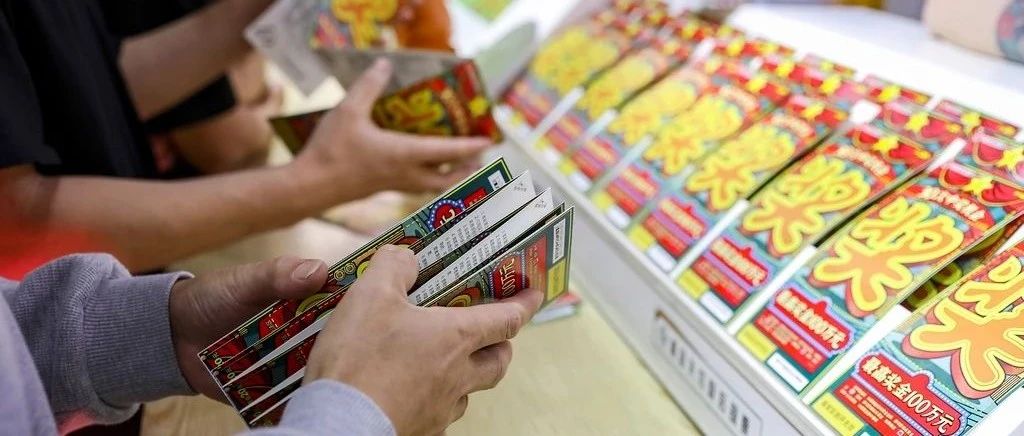
北京体彩回应:将确保“顶呱刮”配送的及时性和稳定性
经济观察报· 2025-05-19 10:55
Core Viewpoint - The Beijing Sports Lottery Center has acknowledged issues with the timely delivery and supply of instant lottery tickets, primarily due to increased workloads and special circumstances affecting distribution [2][3]. Group 1: Supply Issues - There are reports of shortages of instant lottery tickets in Beijing, with some stores stating that "Top Scratch" tickets have not been restocked for a month, while "Scratch and Win" tickets from the welfare lottery are still available weekly [2]. - The supply of instant lottery tickets is prioritized for the Sports Lottery Experience Centers, which receive a monthly quota of 300,000 yuan, compared to traditional stores that only receive a basic guarantee of 48,000 to 60,000 yuan per month [2]. Group 2: Response Measures - The Beijing Sports Lottery Center plans to enhance supply capabilities and operational efficiency through increased ordering and delivery frequency, as well as optimizing the workflow of dedicated personnel [3]. - Regular checks will be conducted to ensure the timely and stable delivery of instant lottery tickets while managing multiple operational tasks [3]. Group 3: Market Performance - National lottery sales data for January to March 2025 indicates a total sales figure of 148.591 billion yuan, reflecting a year-on-year decrease of 0.6 million yuan [3]. - Instant lottery sales specifically amounted to 33.482 billion yuan, showing a significant decline of 14.1% year-on-year, equating to a drop of 5.493 billion yuan [3].