经济观察报

Search documents
“中国梵高”赵小勇:与大芬村一起转型|我们的四分之一世纪
经济观察报· 2025-12-26 09:30
自1997年起,赵小勇工作室就在大芬村临摹梵高《向日葵》 作品。过去28年,他画了超过10万幅梵高画作。他也因此闻 名,成为"中国梵高",成为大芬村乃至中国文化产业的一个符 号性存在。 作者: 张锐 封图:受访者供图 12月5日下午,坐在梵高临摹画堆的一角,这位"中国梵高"向经济观察报记者回顾了自己与梵高、与大芬村在过去四分之一个世纪里所发生的故事。 我也是文艺青年 1997年,25岁的赵小勇做出了人生中一个重要的决定。 当时,他在深圳龙岗一家台资工艺品厂担任技术工,月收入1100元,比普通工人已经高了不少。但不安分的他还是选择了辞职,带着仅有的1700元积 蓄,搬进了大芬村一间合租屋。 "一心只想赚钱,给家里减轻负担。"回顾当初南下深圳的初衷,赵小勇的回答很简单。上世纪80年代末,湖南邵阳农村出身的他,与千千万万同龄人 一样,被改革开放初期的打工潮裹挟着涌向广东。 编者按:2025年,经济观察报以"我们的四分之一世纪"为年终特刊主题,旨在通过数十位时代亲历者的故事,共绘一幅属于这段岁月的集体记忆图 谱。 赵小勇工作室门口放着他的简介,最上面写着:大芬村之光。 大芬油画村位于深圳龙岗区布吉街道。从1980年开 ...


“核电焊工”王育忠:在“人造太阳”项目中学习与世界接轨的技术|我们的四分之一世纪
经济观察报· 2025-12-26 09:00
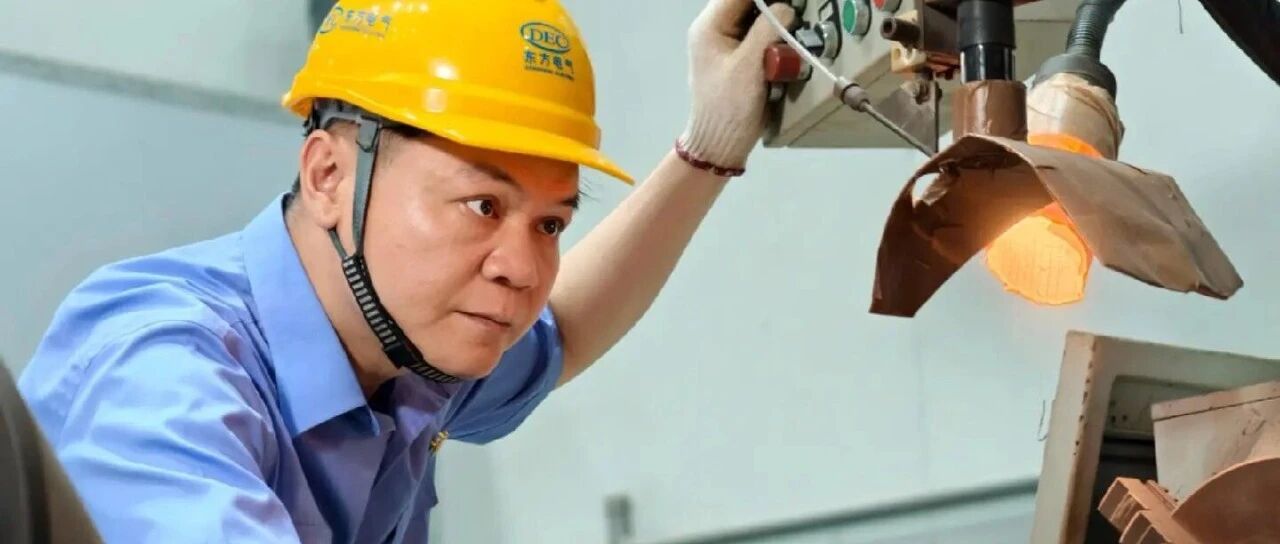
Core Viewpoint - The article highlights the journey of Wang Yuzhong, who has dedicated 28 years to welding work and has become a leading figure in China's nuclear power industry, particularly in automatic TIG welding technology [1][2]. Group 1: Career Development - Wang Yuzhong started his career in welding after graduating from a technical school in 1997 and was assigned to Guangzhou Boiler Factory, where he became a technical backbone over ten years [2][5]. - In 2010, he joined Dongfang Heavy Machinery Company and quickly transitioned from manual to automatic welding, mastering the skills required for nuclear power projects [5][7]. - He played a significant role in the ITER project, which is a major international nuclear fusion initiative, contributing to the development of key components [6][8]. Group 2: Technical Expertise - As a technical expert and chief technician, Wang has led welding technology research and work for various nuclear reactor designs, including CPR1000, CAP1000, and Hualong One [3][4]. - The welding process for nuclear equipment is highly demanding, requiring strict quality control at every stage, from material procurement to weld seam inspection [7][10]. - The ITER project involves complex welding tasks, such as the fabrication of the blanket shielding module and magnetic support structures, which require high precision and quality [6][8]. Group 3: Challenges and Innovations - The transition from manual to automatic welding has reduced risks associated with traditional welding methods, although challenges such as eye protection from UV light remain [10][11]. - Wang emphasizes the importance of passing down traditional skills while encouraging innovation among younger technicians to adapt to modern demands [12]. - The company has implemented a structured training approach for new technicians, focusing on hands-on practice and knowledge sharing to enhance welding quality [12].

陈晓卿:中国人在“吃”上最有创造力的时代|我们的四分之一世纪
经济观察报· 2025-12-26 08:22
Core Insights - The past 25 years have been a highly creative period for Chinese cuisine, with many well-known dishes emerging in the last four decades, reflecting the dynamic nature of food culture in China [1][5] - The documentary director Chen Xiaoqing has focused on the relationship between food and the people who create and enjoy it, highlighting various societal roles from factory workers to local chefs [5][3] Group 1: Evolution of Chinese Cuisine - Many popular dishes, such as spicy stir-fried meat with peppers and various regional specialties, have been developed through grassroots culinary innovation and competition in the market [5][9] - The food consumption in China has dramatically increased from 370 billion yuan in 2000 to over 5.5 trillion yuan in 2024, indicating a significant growth in the food industry [9][10] - The creativity in Chinese cuisine continues, with new dishes emerging every couple of years, particularly in regions like Hunan and Jiangxi [10] Group 2: Impact of Migration and Globalization - Migration has played a crucial role in spreading culinary techniques and preferences across different regions, creating a rich tapestry of flavors and dishes [8][12] - Chen Xiaoqing's documentaries often explore the connections between Chinese food and international cuisines, emphasizing the importance of a global perspective in understanding food culture [12][13] - The documentary series "Flavorful Origins" has successfully showcased regional Chinese cuisines on international platforms like Netflix, despite facing challenges in the current geopolitical climate [15] Group 3: Changing Perspectives on Food - Over the last quarter-century, three significant changes have occurred in Chinese dining: improved food quality, increased health consciousness, and a lack of consensus on food preferences due to the internet [16] - The rise of social media has led to diverse opinions on food, with some viewing certain dishes as extravagant while others see them as wasteful [16] - Chen Xiaoqing emphasizes the need for careful consideration in documentary filmmaking about food, given the varied perceptions and cultural sensitivities surrounding culinary practices [16][24]
为啥5元流感疫苗打不动,200元流感药抢着要?
经济观察报· 2025-12-26 02:25
Core Viewpoint - The article highlights the low flu vaccine uptake in China, driven by widespread vaccine hesitancy among the population, including healthcare professionals, despite the availability of free vaccines for vulnerable groups [1][6][14]. Group 1: Vaccine Market Dynamics - The three main companies relying on flu vaccine sales in China are Hualan Biological (10.7 billion), Zhonghui Biological (2.6 billion), and Jindike (808 million), with a combined annual sales of approximately 14 billion [3]. - In contrast, the leading flu medication company, Dongyangguang Pharmaceutical, reported annual sales of around 26 billion for its flu drug Oseltamivir [3]. - The article notes a significant disparity between the sales of flu vaccines and flu medications, with the latter being preferred by consumers due to immediate symptom relief [3][13]. Group 2: Reasons for Vaccine Hesitancy - Vaccine hesitancy is attributed to several factors, including doubts about vaccine effectiveness and safety, as well as a lack of awareness regarding the severity of flu [9][10]. - Many individuals, including healthcare workers, express skepticism about the flu vaccine's ability to prevent infection, leading them to rely on medications instead [9][10]. - A study indicated that over half of social media users exhibit flu vaccine hesitancy, primarily due to distrust in vaccine efficacy and safety [10][11]. Group 3: Public Health Implications - The low flu vaccine uptake has resulted in significant public health concerns, with over 200,000 excess deaths related to flu annually in China [14]. - The Chinese flu vaccine uptake rate remains around 3%, which is significantly lower than global averages, highlighting the urgent need for improved public health strategies [14][16]. - Recent initiatives by health authorities aim to enhance vaccine accessibility and encourage healthcare workers to lead by example in promoting flu vaccination [16].

规模持续攀升 “固收+”基金为什么这么火?
经济观察报· 2025-12-25 11:49
在市场回暖与低利率环境持续的双重驱动下,"固收+"基金凭 借其"进可攻、退可守"的特性,以及相对可控的回撤和波动风 险,吸引了大量投资者关注并积极配置。 作者:陈姗 封图:图片资料室 2025年,在市场回暖与低利率环境持续的双重驱动下,"固收+"基金凭借其"进可攻、退可守"的 特性,以及相对可控的回撤和波动风险,吸引了大量投资者关注并积极配置。今年第三季度,"固 收+"基金规模增速显著高于全市场基金整体水平。其中,一级债基与二级债基合计规模已突破2.1 万亿元,尤其二级债基增长势头更为显著。 "固收+"基金以债券资产构筑基础收益、以权益资产增厚弹性回报,今年以来表现不俗。一批在收 益与回撤控制方面表现突出的"固收+"产品脱颖而出。据wind数据统计,今年以来万得偏债混合 型 基 金 指 数 涨 幅 6.51% , 同 期 中 长 期 纯 债 基 金 指 数 仅 上 涨 0.85% 。 ( 数 据 来 源 : wind , 20250101-20251224) 12月以来,上证指数围绕3900点展开震荡。波动加剧的环境下,如何通过股债搭配实现更稳健的 投资,成为投资者广泛关注的议题。兼具收益潜力与风险控制能力的 ...

算力的尽头,是“星辰大海”吗?
经济观察报· 2025-12-25 11:49
Core Viewpoint - The article discusses the emerging field of space computing, highlighting its potential advantages, current developments, and the challenges it faces in becoming a viable alternative to traditional computing methods [3][5][6]. Group 1: Definition and Importance of Space Computing - Space computing refers to the deployment of computational resources in space, allowing for data processing and AI model training in a unique environment [8][10]. - The recent successful training of AI models in space by Starcloud marks a significant milestone, indicating the beginning of serious competition in the space computing sector [4][5]. - Major tech companies and countries are investing in space computing, with initiatives from SpaceX, Blue Origin, and Google, reflecting a growing interest in this area [5][6]. Group 2: Advantages of Space Computing - Space computing can overcome three major bottlenecks faced by traditional computing: energy consumption, water resource limitations, and spatial constraints [15][18]. - The abundance of solar energy in space can significantly reduce energy limitations for AI computations [15]. - The vacuum of space allows for efficient heat dissipation, eliminating the need for extensive cooling systems that consume water [16]. - Space offers virtually unlimited room for data centers, avoiding the social resistance faced by ground-based facilities [17]. Group 3: Engineering Forms and Business Models - Three potential engineering forms for space computing are identified: orbital computing nodes, modular computing clusters, and hybrid space-ground computing systems [19][20]. - Modular computing clusters could serve large-scale, low-latency tasks, appealing to sectors like astrophysics and materials science that require extensive computational resources [22]. - The hybrid model integrates space computing with existing cloud services, allowing for a division of labor where energy-intensive tasks are offloaded to space [24]. Group 4: Challenges Facing Space Computing - Technical challenges include the harsh conditions of space, such as radiation and temperature extremes, which complicate the reliability of computing systems [27]. - Economic uncertainties arise from the high initial investment and long return periods associated with space computing infrastructure [28]. - The potential for resource congestion in space could lead to increased risks of collisions and environmental instability in orbit [29]. - Regulatory issues regarding governance and accountability for space-based computing systems remain unresolved [30]. Group 5: Conclusion and Future Outlook - The future of space computing is uncertain, but its development could parallel historical advancements like the railway system, potentially transforming the AI landscape [33].



华为鸿蒙智家:大家都卷低价,为什么它坚持收25%的服务费?
经济观察报· 2025-12-25 11:49
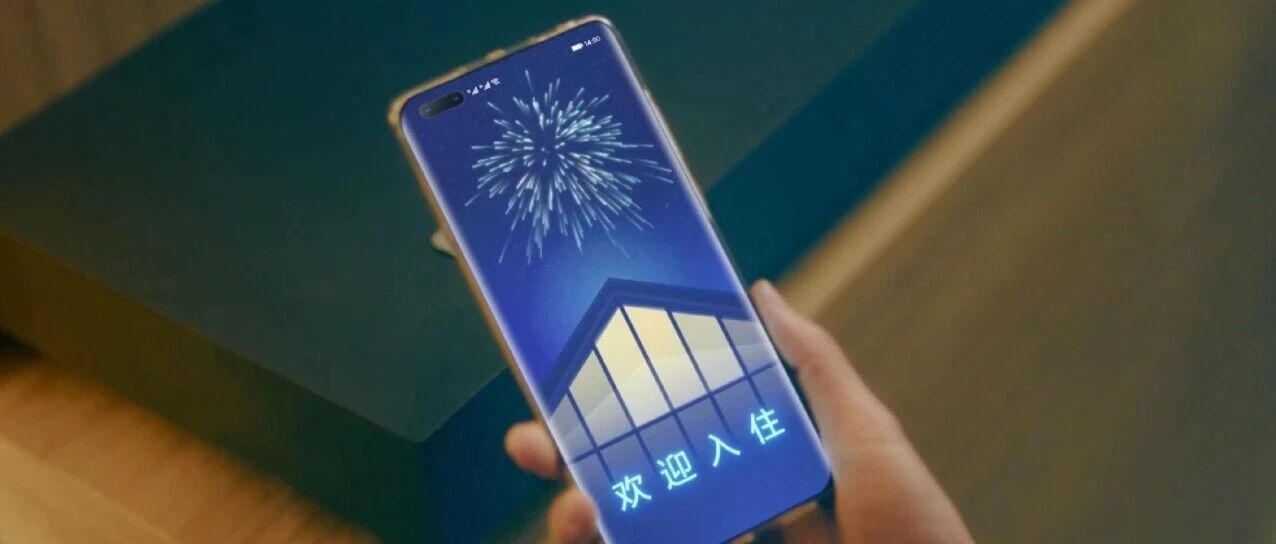
Core Viewpoint - The most expensive aspect for users is not the 25% service fee, but the time and anxiety experienced when issues arise [1][34]. Group 1: Market Trends and User Expectations - Whole-home smart systems are becoming a new standard in home renovations, with users willing to spend millions for a hassle-free experience [2]. - Users expect smart systems to intuitively manage lighting, temperature, and security, reducing the need for manual control [2]. Group 2: Industry Challenges and User Experiences - The promise of convenience often turns into frustration, with many users reporting issues such as malfunctioning systems and poor installation [3][7]. - The complexity of whole-home smart installations, often hidden behind walls, leads to significant problems if not executed properly [10]. Group 3: Service Fee Justification - Many leading smart home companies charge a service fee of 20% to 25% to ensure quality delivery, but competition has led some to waive or reduce these fees [8]. - Huawei's HarmonyOS Smart Home is one of the few that maintains the 25% service fee, which has drawn criticism from some users who perceive it as expensive [8]. Group 4: Quality Assurance and Service Standards - Huawei HarmonyOS Smart Home has developed a standardized service process called "Whole Home Enjoyment Service," which includes ten critical steps from communication to after-sales support [17]. - Each step in the process incurs unavoidable labor and time costs, which justify the 25% service fee [20]. Group 5: Training and Quality Control - Huawei has established a large service team with over 350 stores and 5,000 certified designers and engineers, ensuring high-quality service delivery [27]. - A rigorous training program requires engineers to pass practical assessments before they can work on installations, ensuring high standards [28]. Group 6: Long-term Service and User Engagement - Huawei's service does not end at installation; it includes ongoing support and system upgrades to ensure optimal performance [33]. - The company emphasizes a proactive approach to customer service, addressing issues quickly and tailoring solutions to individual user needs [39][40]. Group 7: Value Proposition of Service Fees - The 25% service fee is seen as a long-term investment in a service contract that ensures ongoing support and system reliability [45]. - Users who choose Huawei HarmonyOS Smart Home often possess a long-term value mindset, recognizing that quality service is more important than low prices [46]. Group 8: Industry Standards and Future Outlook - Huawei is setting a new standard in the industry by emphasizing that service is a key component of value, challenging the notion that free services are the best option [47].
“尊界效应”观察:为何顶级企业家换掉了劳斯莱斯?
经济观察报· 2025-12-25 11:49
Core Viewpoint - The story of the ZunJie S800 transcends the success of a single vehicle, representing a solid foothold and leap for a Chinese brand in the ultra-luxury market traditionally dominated by century-old brands through its full value chain capabilities in R&D, manufacturing, supply chain, and user operations [1][2]. Market Performance - The ZunJie S800 was launched on May 30, with a price starting above 700,000 yuan, generating significant market interest [4]. - By August, the cumulative pre-orders exceeded 10,000 units, far surpassing initial industry expectations [4]. - In October, the S800 achieved a monthly delivery of 1,970 units, topping the sales chart for luxury sedans priced above 700,000 yuan [4]. - By December, the monthly delivery stabilized above 2,000 units, surpassing the combined sales of competitors like the Porsche Panamera and BMW 7 Series [4][6]. Quality and Delivery - ZunJie emphasizes stable delivery and quality over mere sales speed, aiming for a "zero defects" manufacturing control system [6]. - The S800 has set a new record for delivery speed in the luxury car segment, with over 10,000 units delivered since its launch [6]. - The company aims to complete all orders by the Spring Festival in 2025, showcasing its efficient supply chain and commitment to users [6]. User Experience and Technology - The S800 integrates top-tier intelligent technology with craftsmanship, providing a unique driving experience that appeals to high-net-worth individuals [8][9]. - The vehicle features advanced systems like Huawei's ADS for driving assistance and a high-voltage silicon carbide platform for performance and safety [8]. - The seamless integration of technology results in a smooth driving experience, even with significant power reserves [8]. Brand Effect and User Engagement - The "ZunJie Effect" refers to a phenomenon where satisfied users recommend the S800 to peers, creating a network of trust and value recognition [10][11]. - Users often come from backgrounds of owning traditional luxury brands, making their choice of the S800 a rational decision based on technology and craftsmanship [12]. - The S800 serves as a "mobile business card" for users, reflecting their values and status in high-end social circles [14][15]. Industry Impact - The development of the S800 has catalyzed innovation within the Chinese automotive supply chain, involving over 220 core suppliers in the process [18]. - The collaboration with suppliers has led to breakthroughs in high-end materials and manufacturing processes, raising the overall standards in the industry [18]. - The S800's success signifies a systemic leap for the Chinese automotive industry, moving beyond individual product success to a broader impact on high-end manufacturing capabilities [18][20]. Future Outlook - The ZunJie S800's milestone of 10,000 units sold marks both an achievement and a starting point for future challenges in the high-end automotive market [22]. - The competition in the automotive industry is shifting towards a focus on systemic high-end capabilities rather than just product features, requiring long-term strategic commitment and deep integration across industries [22].

“寻子的哥”杨晓青:把孩子找回来,不是为了让他做“笼子里的鸟”|我们的四分之一世纪
经济观察报· 2025-12-25 09:00
Core Viewpoint - The article narrates the poignant story of Yang Xiaoqing, a taxi driver in Shenzhen, who has spent 17 years searching for his missing son, highlighting the emotional and financial toll of his quest amidst the backdrop of Shenzhen's evolving taxi industry and real estate boom [6][28][58]. Group 1: Yang Xiaoqing's Background and Career - Yang Xiaoqing has been a taxi driver in Shenzhen for 28 years, transitioning from a red Jetta to a blue BYD electric vehicle [6][58]. - He initially worked in a factory before becoming a taxi driver in 1997 during the "golden era" of the industry, where he could earn significant income [8][10][11]. - The taxi industry was regulated by color-coded zones, with red taxis allowed to operate in the more lucrative areas of the city [11]. Group 2: The Incident of His Son's Disappearance - On December 19, 2004, while playing chess with neighbors, Yang's two-year-old son went missing, leading to a frantic search that lasted through the night [14][18]. - The police could not file a missing person report until 24 hours had passed, which Yang believes allowed potential kidnappers to escape [19][20]. - A taxi driver reported seeing two suspicious men with a child matching his son's description, but the investigation was hampered by outdated surveillance technology [22][23]. Group 3: The Long Search for His Son - Over the years, Yang spent significant amounts of money on search efforts, including printing thousands of flyers and traveling to various locations based on leads [29][31]. - Despite societal pressure to move on and have more children, Yang remained committed to finding his son, driven by guilt and fear for his child's well-being [32][36][40]. - He encountered both skepticism and support from the community, with some urging him to accept the loss while others offered help [33][41]. Group 4: The Reunion and Its Aftermath - In December 2021, Yang received a call from police confirming that his son had been located in Hubei and was attending university [47]. - The reunion was marked by a sense of surrealism, as the son had grown into a young man, contrasting sharply with Yang's memories of him as a toddler [49][50]. - Yang chose not to impose his desires on his son regarding relocation or name changes, respecting his son's autonomy and current life situation [56][57]. Group 5: Current Situation and Reflections - The taxi industry in Shenzhen has changed significantly, with increased competition from ride-hailing services affecting drivers' incomes [58][60]. - Despite not achieving financial success in the traditional sense, Yang feels a sense of relief and happiness now that he has reunited with his son, indicating a shift in his emotional state [61][62].
2008年已经远去 廖智没有忘记那片废墟|我们的四分之一世纪
经济观察报· 2025-12-25 08:30
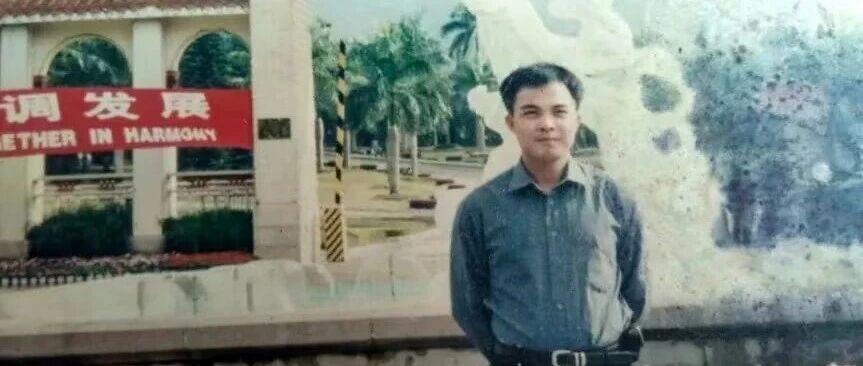
Core Viewpoint - The article narrates the inspiring journey of Liao Zhi, a survivor of the Wenchuan earthquake, who transformed her trauma into a mission of helping others, particularly children with disabilities, while also embracing her own identity and freedom despite her physical challenges [3][10][21]. Group 1: Personal Journey and Resilience - Liao Zhi lost her daughter and both legs in the 2008 earthquake, marking a turning point in her life where she had to rebuild herself and her purpose [3][10]. - After her rescue, Liao Zhi focused on self-recovery, engaging with fellow patients and spreading positivity, which she described as a form of self-help [12][13]. - She made a pivotal decision to return to the stage despite her injuries, viewing it as a way to reclaim her life and express her resilience [15][16]. Group 2: Advocacy and Community Support - Liao Zhi founded "Morning Star Home" with her husband Charles, providing prosthetic fittings and psychological support for amputee children, aiming to eliminate societal biases against disabilities [22][24]. - The initiative has already assisted nearly forty disabled children, emphasizing the importance of self-acceptance and confidence in their identities [28]. - Liao Zhi's mission extends to sharing her knowledge and experiences with amputee mothers, aiming to improve the quality of life for disabled individuals through advanced prosthetic technology [30][33].