经济观察报

Search documents
业绩增长、产品涨价:“妈妈包”COACH是如何翻红的?
经济观察报· 2025-11-08 03:45
Core Viewpoint - COACH is undergoing a transformation by eliminating elements that consumers reject, such as excessive promotions and product line confusion, and focusing on classic products and brand storytelling to resonate emotionally with consumers [1][3]. Financial Performance - COACH's parent company, TPR, reported Q1 FY2026 revenue of $1.7 billion, a 13% year-over-year increase (12% at constant currency). The China region contributed $269.1 million, growing 20% (19% at constant currency) [2]. - COACH brand revenue reached $1.43 billion, up 22% year-over-year, with over 2.2 million new global customers, 35% of whom are Gen Z [2]. Brand Strategy - COACH has redefined its brand identity from "affordable luxury" to "authentic new luxury," focusing on its unique DNA and craftsmanship [4]. - The brand has redesigned classic items like the Tabby bag and introduced over 50 derivative products, while controlling discounts to maintain a price range of 3,000 to 5,000 yuan, with top products priced at 15,000 yuan [3][4]. Consumer Insights - The company conducted in-depth consumer research to understand the evolving definition of luxury, which now emphasizes self-expression rather than status [4][5]. - Insights revealed that consumers often use a process of elimination in their purchasing decisions, leading COACH to focus on core and classic products that resonate with younger consumers [5][6]. Marketing and Communication - COACH has shifted its marketing narrative from promotions to storytelling that connects emotionally with consumers, emphasizing the personal significance of its products [10][11]. - The brand's average selling price has increased, while consumer sensitivity to price has decreased, indicating a growing recognition of the brand's value and emotional resonance [11]. Future Plans - The company aims to apply its successful brand-building methodology to its other brand, Kate Spade, by identifying its unique DNA and fostering deep connections with consumers [11].


进博会观察|外资重新定义中国市场
经济观察报· 2025-11-08 03:44
Core Viewpoint - Multinational companies are increasingly committed to expanding their investments in China, recognizing the country's stable development environment and vast growth potential amidst global trade challenges [2][5]. Group 1: Investment and Trade Opportunities - The 8th China International Import Expo (CIIE) attracted over 4,108 companies from 155 countries, marking a record high in participation [4]. - Bilateral trade between China and Malaysia is projected to reach $212.04 billion in 2024, reflecting an 11.4% year-on-year increase, with China remaining Malaysia's largest trading partner for 16 consecutive years [3]. - Companies like Cargill have signed over $30 billion in cooperation agreements at previous expos, highlighting the platform's value for securing significant contracts [8]. Group 2: Localization and Market Adaptation - Baker Hughes has invested in a manufacturing facility in Tianjin to produce aerospace-related materials locally, responding to the growing demand in China's aviation sector [11]. - Mitsubishi Electric is shifting its strategy from exporting products to manufacturing in China, aiming to enhance its international competitiveness by leveraging local industry strengths [12]. - Spritzer, a Malaysian beverage company, has adapted its product offerings to include sparkling water, recognizing a gap in the Chinese market for healthier beverage options [13]. Group 3: Industry Growth and Consumer Trends - The aging population and rising income levels in China are driving demand for health-conscious food products, prompting companies to optimize their supply chains and product offerings [14]. - The CIIE serves as a vital platform for companies to connect with local partners and explore innovative solutions tailored to Chinese consumer preferences [17]. - Evonik has expanded its investment in China, with plans to increase production capacity in various locations, aiming for sustainable growth in the Asia-Pacific region [18].

银行批量直售房产
经济观察报· 2025-11-07 14:21
Core Viewpoint - The article discusses the increasing trend of banks directly selling real estate properties that are primarily collateral for non-performing loans, highlighting the shift in asset recovery strategies in the current market environment [2][3]. Group 1: Direct Sale of Properties - Lanzhou Rural Commercial Bank has listed nearly 200 properties for auction on JD Asset Platform, with prices ranging from tens of thousands to billions, primarily consisting of debt collateral properties [2]. - Other banks, including Agricultural Bank, Construction Bank, and various city commercial banks, are also engaging in direct property sales, with smaller banks showing larger volumes [2][6]. - The properties listed are often the result of banks separating non-performing loans from the underlying real estate, allowing for clearer ownership and facilitating debt recovery through sales [2][3]. Group 2: Market Dynamics and Trends - The difficulty in disposing of non-performing loans has led banks to establish dedicated departments for managing these assets, seeking both recovery and investment opportunities in the market [3]. - The number of properties listed for direct sale has significantly increased, with Lanzhou Bank listing 1,130 properties in 2024 and 1,779 in 2025, indicating a growing trend in asset liquidation [5][6]. - The scale of property sales by rural credit cooperatives is notably larger compared to larger state-owned and joint-stock banks, with significant listings reported from various provinces [7]. Group 3: Pricing and Market Reception - Properties listed by banks often have lower starting prices compared to market rates, making them attractive to buyers, although the transaction rates can be low due to multiple rounds of bidding and price reductions [14][15]. - For example, properties in the Yucai Yipin community are priced at an average of 2,300 yuan per square meter, significantly lower than the market price of 3,300 to 4,600 yuan per square meter [14]. - Despite the competitive pricing, the transaction success rate for certain properties remains low, indicating challenges in market acceptance and buyer awareness [12][15]. Group 4: Risk and Buyer Considerations - Direct sales of bank properties are perceived to carry lower risks compared to judicial auctions, as banks have established risk management systems that filter out most issues related to ownership disputes [15]. - The article suggests that banks should enhance collaboration with local real estate agencies to improve visibility and attract potential buyers, especially in lower-tier cities where awareness of these listings is limited [16].

大明电子登陆上交所主板,开启汽车车身电子高质量发展新征程
经济观察报· 2025-11-07 13:58
Core Viewpoint - Daming Electronics Co., Ltd. has officially listed on the Shanghai Stock Exchange, marking a new development stage for the company after over 30 years in the automotive body electronic control systems sector [1] Group 1: Strategic Placement and Market Position - The IPO attracted significant interest from various industrial capital investors, including major companies with strategic cooperation ties to Daming Electronics, enhancing the company's financial and resource capabilities [3] - Daming Electronics has established a solid market position in the automotive body electronic control systems field, with a market share of 16.29% in the driver window control assembly, showcasing its leading advantage in specific segments [3] Group 2: Financial Performance - The company has demonstrated strong growth, with revenue projected to increase from 1.713 billion to 2.727 billion yuan from 2022 to 2024, and net profit rising from 151 million to 282 million yuan during the same period [4] - In the first half of 2025, the company reported revenue of 1.297 billion yuan and net profit of 114 million yuan, indicating continued robust growth [4] Group 3: Fundraising and Capacity Expansion - Daming Electronics plans to raise approximately 400 million yuan through the IPO, primarily for the construction of a new plant and to supplement working capital, which is crucial for expanding production capacity [6][7] - The new plant project, with an investment of about 300 million yuan, aims to enhance production capabilities and optimize manufacturing processes, ultimately achieving an annual production capacity of 12.637 million sets of automotive electronic control systems [7] Group 4: Future Outlook - The company aims to leverage the ongoing growth of China's automotive industry, optimizing its production capacity and enhancing its technological capabilities to become a leading supplier of comprehensive solutions in the automotive body electronic control systems sector [8]

降低高考难度,不如改变评价方式
经济观察报· 2025-11-07 13:58
Core Viewpoint - The idea of reducing the difficulty of the college entrance examination (Gaokao) to alleviate academic pressure is overly optimistic and may not achieve the intended results, potentially exacerbating the issue of excessive exam preparation [3][4]. Group 1: Current Situation of Gaokao - Many parents attribute the heavy academic burden on students to the high difficulty of the Gaokao, leading to a disconnect between daily teaching and exam standards, prompting the need for additional tutoring [3]. - The current Gaokao structure allows for high scores, with many students achieving over 700 out of 750, indicating limited room for further reduction in exam difficulty without clustering high scorers [3][4]. Group 2: Proposed Changes to Gaokao - Experts suggest shifting the focus of Gaokao from a selection mechanism to an evaluation system, where universities use Gaokao scores as one of several criteria for admission, allowing for a more comprehensive assessment of students [4][6]. - The current system creates a competitive environment where students must navigate a complex web of rankings and admission criteria, leading to anxiety and dissatisfaction with their choices [5]. Group 3: Multi-dimensional Evaluation - Transitioning to a multi-dimensional evaluation system could enhance fairness and transparency, addressing concerns about subjective factors in admissions [6]. - By allowing students to apply to multiple universities based on their preferences and qualifications, the system could improve student satisfaction and foster competition among universities [5][6].

从“囤货”到“淘新”,双11进口消费风向开始变了
经济观察报· 2025-11-07 13:58
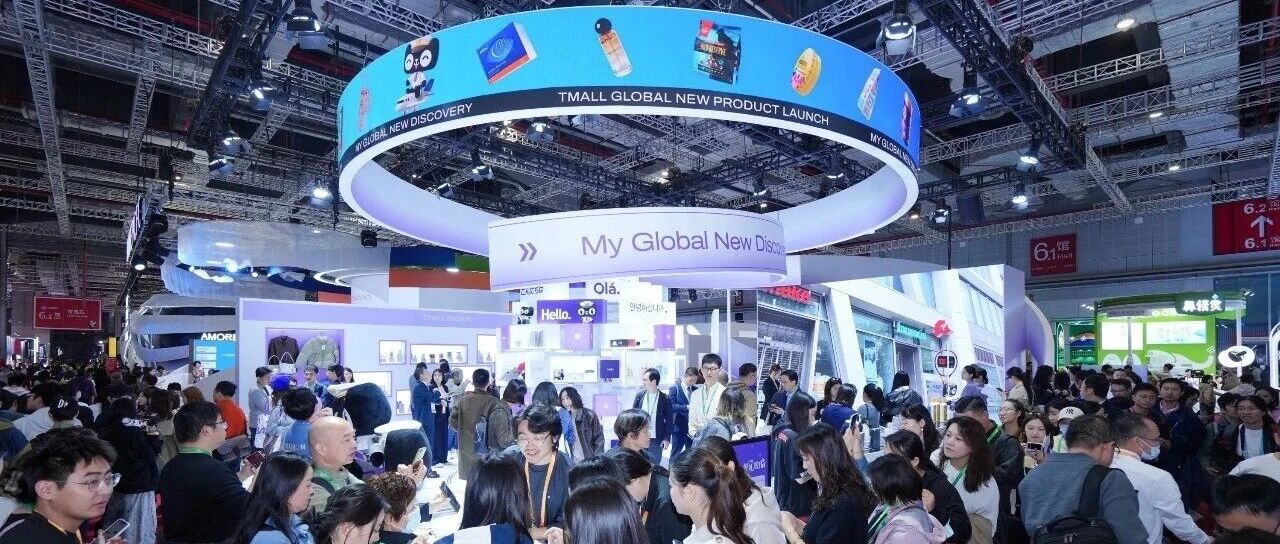
Core Insights - The article highlights the acceleration of import consumption upgrades during the "Double 11" shopping festival and the China International Import Expo, indicating a shift from bulk discount purchases to a focus on quality and specialized experiences [1][2][17] Import Consumption Trends - Import consumption is showing strong resilience, with data from Tmall International indicating that 927 imported brands saw a year-on-year sales increase, with 9 brands exceeding 100 million yuan and 44 products surpassing 10 million yuan in sales [2] - Consumers are moving from "stockpiling" to "trying new products," with a willingness to pay for niche brands and specialized functions, emphasizing quality, ingredients, and experiences over price [5][16] Market Segmentation and Consumer Behavior - The rise of niche markets is reshaping consumer logic, with younger consumers driving growth in health and beauty sectors, particularly in oral anti-aging products, which saw a sales increase of 353% during "Double 11" [5][9] - The demand for personalized and scientifically-backed products is increasing, as consumers become more knowledgeable about ingredients and formulations [6][7] Supply Chain and Market Efficiency - The integration of smart supply chains and overseas warehouses has enabled a rapid launch of over 100 global new products during the "Double 11" following their debut at the Import Expo [12][13] - Tmall International is providing comprehensive support for new brands, addressing challenges related to entry, costs, and channels, which has led to significant sales growth for brands like Maxigenes [13][17] Shift from Price Competition to Value Consumption - The import market is transitioning from price wars to value-driven consumption, with 57% of consumers willing to pay for emotional value, reflecting a shift towards emotional and experiential purchasing [16] - The focus is moving from practicality to emotional value, with consumers increasingly seeking unique experiences and specialized brands [16][17]
追溯高价山姆:价差、压价与中间人
经济观察报· 2025-11-07 13:58
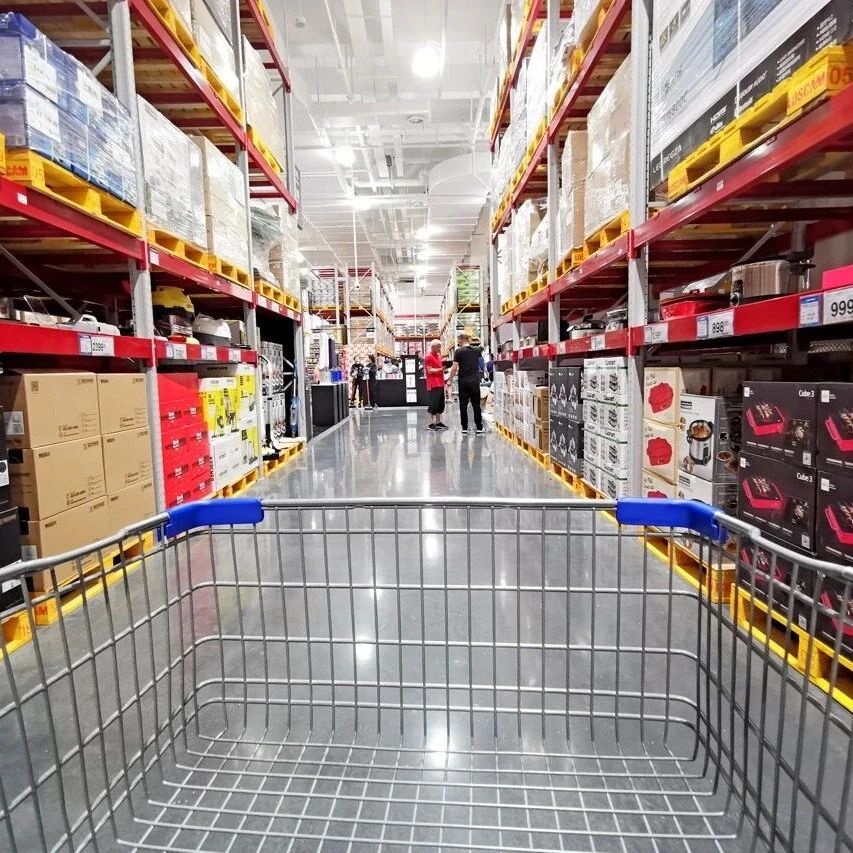
Core Viewpoint - The article discusses the challenges faced by Sam's Club in maintaining its reputation for "good products at low prices," as recent price discrepancies and changes in product offerings have led to member dissatisfaction and trust issues [2][3][4]. Pricing Discrepancies - A comparison of prices between Sam's Club and Walmart revealed that approximately 25% of the sampled products were priced higher at Sam's Club, with significant price differences noted for popular items [2][7]. - For instance, a Clarins Double Serum was priced at 699 yuan at Sam's Club, while it was available for 599.31 yuan on Walmart's platform, indicating a price gap of 99.69 yuan [6][7]. Supplier Selection and Pressure - Sam's Club has a stringent supplier selection process, where suppliers often enter the system through intermediaries or distributors, which can complicate the procurement landscape [4][15]. - Suppliers are under increasing pressure to provide lower prices, with reports indicating that Sam's Club is emphasizing lower pricing in its selection strategy, which has led some suppliers to withdraw from the partnership [12][10]. Membership and Trust - Membership fees at Sam's Club are set at 260 yuan or 680 yuan, and the trust of members is built on the promise of quality and competitive pricing [10]. - The shift in product offerings and pricing strategies has raised concerns among members, leading to a potential erosion of trust in the brand [3][4]. Expansion and Supply Chain Dynamics - Sam's Club has been rapidly expanding its store presence in China, with plans to open 8 to 10 new stores annually after 2025, which increases the demand on its supply chain [14]. - The expansion has led to a continuous adjustment of the supplier network, with some suppliers exiting due to capacity constraints or inability to meet pricing demands [14][12]. Internal Referral Systems - Many suppliers rely on "internal referral" systems to gain entry into Sam's Club, often facilitated by long-term trade partners who have established relationships with the procurement team [15][16]. - There are also service providers claiming to offer "internal entry channels" to Sam's Club, charging significant fees for their services, which raises questions about the transparency of the supplier selection process [17].
闻泰科技二股东抛出减持计划,股价竟逼近涨停
经济观察报· 2025-11-07 10:52
Core Viewpoint - Recently, Wentai Technology has been in the spotlight due to a control dispute involving its wholly-owned subsidiary, Nexperia. The second-largest shareholder, Wuxi Guolian, announced plans to reduce its stake by 3% [1][2]. Group 1: Shareholder Actions - Wuxi Guolian plans to reduce its stake in Wentai Technology by up to 3% between November 27, 2025, and February 26, 2026, with 2% through block trading and 1% via competitive bidding [2][4]. - Following the announcement of the reduction plan, Wentai Technology's stock price dropped by 4.78%, closing at 41 CNY per share, resulting in a market value loss of 2.5 billion CNY [2][4]. Group 2: Stock Price Volatility - The stock price of Wentai Technology experienced significant fluctuations, dropping to around 37 CNY per share on October 13 and 14, after previously rising to 50 CNY per share before the National Day holiday [2][6]. - After the announcement of the reduction plan, the stock price rebounded, closing at 45 CNY per share on November 7, with a daily increase of 9.70% and a total market capitalization of approximately 56 billion CNY [9]. Group 3: Control Dispute and Market Reactions - The control dispute over Nexperia has led to concerns among investors, particularly regarding the implications of Wuxi Guolian's stake reduction and the operational independence of Nexperia in China [5][7]. - Investors have raised questions about the impact of the control dispute on the company's future and the potential for Nexperia to be independently listed [7][8].


刘强东喊征技术垄断暴利税,该征吗?
经济观察报· 2025-11-07 09:53
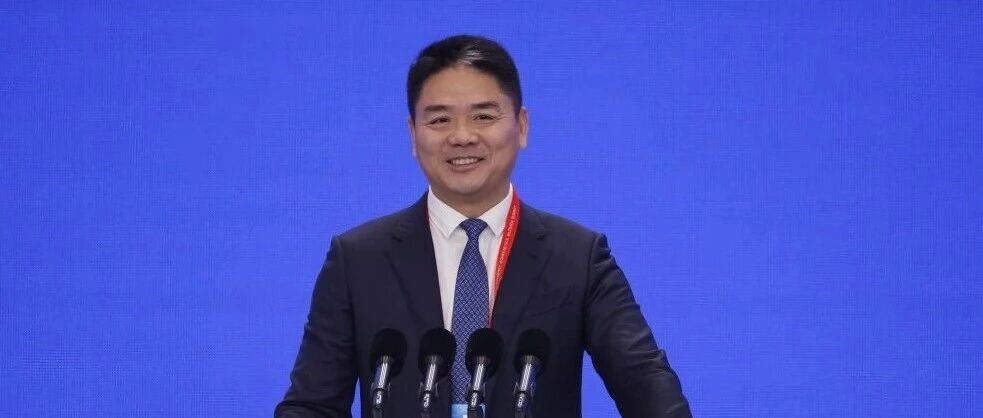
Core Viewpoint - The article discusses the potential implementation of a "windfall tax" on technology monopolies, similar to existing taxes in the energy sector, highlighting the trend of increasing tax regulation on tech companies [2][3]. Group 1: Windfall Tax Concept - Windfall tax is a tax levied on excess or unexpected profits, aimed at companies that meet specific government criteria [2]. - The idea of imposing a 90% windfall tax on tech monopolies, as suggested by Liu Qiangdong, is intended to fund public services such as pensions and education [2]. - Currently, there is no specific windfall tax for technology monopolies overseas, but there is a general trend towards stricter tax regulations for tech companies [2]. Group 2: Implications and Considerations - The imposition of windfall taxes could impact the development momentum and dynamism of technology companies, as they have achieved their monopolistic positions through technological advancements [3]. - It is essential to conduct thorough analysis before imposing such taxes, ensuring they are applied only in cases of market dominance abuse and at reasonable rates to avoid continuous shocks to the industry [3]. - Historical examples show that windfall taxes in the energy sector, such as the U.S. oil windfall profit tax in the 1980s, were temporary measures during high oil price periods [4]. Group 3: Historical Context of Windfall Taxes - Previous windfall taxes have primarily targeted the energy sector, with notable instances in Western countries during high oil price periods [4]. - The U.S. enacted the Oil Windfall Profit Tax Act in 1980, imposing tax rates between 30% and 70% based on the type and size of oil companies [4]. - The European Union announced a windfall tax on energy companies in 2022 to curb high energy prices, while China has a special revenue tax on oil companies based on excess income from oil sales [4].
AI对决AI!金融科技打响AI欺诈攻防战
经济观察报· 2025-11-07 09:08
Core Viewpoint - The article discusses the ongoing battle between financial institutions and criminals using advanced AI techniques for fraud, highlighting the need for financial institutions to enhance their defenses in response to evolving threats [1][3]. Group 1: Fraud Techniques - A case study illustrates how criminals exploited AI to bypass security measures, using a technique called "injection attack" to manipulate a victim's phone camera and create a realistic video for identity verification [2][3]. - The evolution of fraud methods has shifted from simple presentation attacks to more sophisticated AI-generated images and videos, making detection increasingly challenging [5][6]. Group 2: AI Countermeasures - Financial institutions are developing AI algorithms to detect signs of AI-generated content, focusing on identifying algorithmic traces left by AI tools [5][6]. - Multi-dimensional defense strategies are necessary, combining image analysis with system-level checks to prevent injection attacks [5][6]. Group 3: Application of AI in Fraud Prevention - AI anti-fraud technologies are being integrated into various sectors requiring electronic identity verification, including banking, insurance, and e-commerce [9]. - The Hong Kong Monetary Authority is facilitating a sandbox program for banks to test AI fraud prevention technologies, promoting the use of AI to combat AI-generated fraud [10][11]. Group 4: Training and Data Utilization - Continuous training of AI models using historical transaction data is essential for improving fraud detection accuracy and minimizing false positives [14][15]. - Financial institutions are focusing on targeted training and knowledge acquisition to enhance their AI systems' responsiveness to new fraud scenarios [14][15].