经济观察报

Search documents
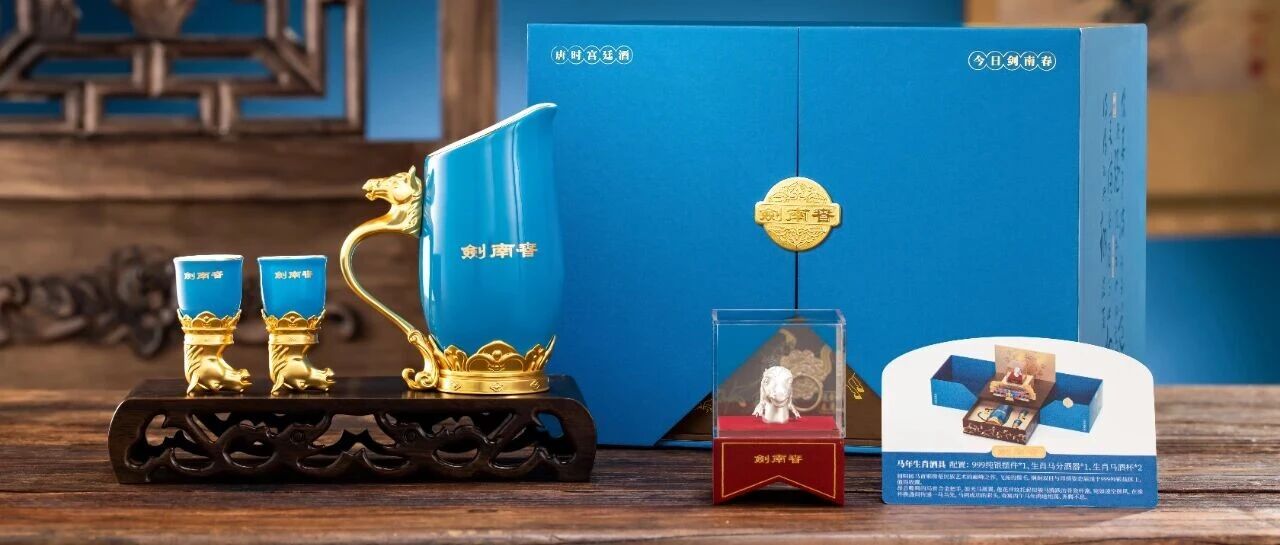
双11文创酒破局:剑南春以文物活化重构白酒高端叙事
经济观察报· 2025-11-07 03:37
Core Viewpoint - The Chinese liquor industry is transitioning from a "price war" to a "cultural war," emphasizing cultural experiences over mere product functionality [1][6]. Group 1: Market Trends - The high-end liquor market is experiencing a surge in demand, particularly for cultural liquor products, as consumers show strong purchasing intentions during the year-end gift-giving season and family gatherings [2][6]. - The annual Double 11 shopping festival is evolving from a simple price-cutting event to a platform for brand cultural display and new product launches [2][6]. Group 2: Company Strategy - Jian Nan Chun is redefining the cultural premium of liquor through its zodiac wine series and cultural innovation, effectively capturing the trend of cultural competition in the high-end liquor market [3][6]. - The company has successfully launched zodiac and cultural liquor products during major promotional events for three consecutive years, transforming Double 11 into a "Cultural New Product Day" [6][16]. Group 3: Product Innovation - Jian Nan Chun's zodiac wine, the "Bing Wu Horse Year Zodiac Wine," is part of a collaboration with the National Museum of China, creatively integrating historical artifacts into its design [7][10]. - The limited release of the zodiac wine, with only 30,000 bottles priced at 1,099 yuan each, enhances its scarcity and collectible value [10][11]. Group 4: Cultural Integration - Jian Nan Chun's cultural practices aim to define the "cultural premium" of liquor, focusing on cultural depth and innovative expression in its zodiac wine offerings [13][14]. - The company has developed a multi-dimensional cultural narrative system that combines Tang Dynasty culture, artifact activation, and contemporary aesthetics, enhancing both cultural and commercial value [17][18].

八年三闯关IPO,陕西文旅此番能否圆梦A股?
经济观察报· 2025-11-06 11:56
Core Viewpoint - Shaanxi Tourism is making its third attempt to go public on the A-share market after a lengthy and challenging journey that began in 2017, with the latest IPO application set for review on November 7, 2025 [2][4]. Group 1: Company Overview - Shaanxi Tourism Cultural Industry Co., Ltd. operates popular projects such as the live performance "Long Hate Song" and the Huashan West Peak Cableway, with business segments including tourism performances, cableway operations, and dining services [2][4]. - The company plans to raise approximately 1.555 billion yuan through its IPO, with funds allocated to various projects including the Taishan Xiucheng Phase II project and the acquisition of cableway assets [2][4]. Group 2: Historical IPO Attempts - The company first listed on the National Equities Exchange and Quotations in January 2017 and initiated its A-share listing process in July of the same year, but faced significant delays and setbacks [4]. - After a brief revival in 2020, the IPO process was halted again due to investigations into its accounting and legal advisors, leading to a withdrawal of the application in July 2022 [4]. Group 3: Business Performance - The revenue from the "Long Hate Song" performance has been increasing, accounting for 33.50%, 50.12%, 54.28%, and 57.63% of total revenue from 2022 to the first half of 2025 [5]. - The cableway business, while still significant, saw a decline in revenue contribution, dropping from 39.56% to 29.51% over the same period [6]. - The dining segment, represented by the Tang Le Palace restaurant, has a smaller revenue share, fluctuating between 3.36% and 13.70% during the reporting period [6]. Group 4: Financial Performance and Challenges - The company reported revenues of 2.32 billion yuan, 10.88 billion yuan, 12.63 billion yuan, and 5.16 billion yuan from 2022 to the first half of 2025, with net profits showing a recovery after a loss in 2022 [9]. - However, the company anticipates a decline in revenue for 2025 due to adverse weather conditions, projecting a revenue drop of approximately 24.69% to 11.54% compared to 2024 [10]. - Long-term structural challenges include the impact of extreme weather on visitor numbers and operational capacity, particularly for mountain-based attractions like the Huashan scenic area [10][11].

专访许纪霖:氪爆谷子、疯抢演唱会门票,年轻人逃进“抽象世界”
经济观察报· 2025-11-06 11:56
Core Viewpoint - The article discusses how the current generation is constructing a new emotional world, moving away from the grand narratives of previous generations and creating their own "abstract world" within a digital and community-oriented context [2][3]. Group 1: Emotional Economy and Community - The younger generation is building "molecular communities" that are small in scale but possess strong cohesion and productivity, particularly in areas like concerts and fan culture [3][4]. - These communities create a new type of "emotional economy" centered around resonance and presence, providing individuals with a sense of being seen and shared life experiences [3][4]. - The phenomenon of emotional expression and value attribution is reshaping how individuals connect and find meaning in their lives, signaling the arrival of a "new emotional economy era" [3][4]. Group 2: Abstract Worlds and Escapism - Young people are moving away from abstract ideals and grand narratives, preferring to engage with concrete, relatable experiences in their daily lives [7][8]. - They have constructed their own "abstract world" through practices like cosplay, virtual reality, and participation in 2.5D culture, which serve as both an escape and a means of spiritual elevation [8][12]. - This "abstract world" is characterized by a lack of traditional religious or ideological frameworks, instead focusing on personal experiences and emotional engagement [8][9]. Group 3: Social Dynamics and Community Structures - The article highlights a shift from traditional public participation to a more atomized individual existence, where young people find connection in specific cultural communities rather than broader societal narratives [21][24]. - These "molecular communities" provide a sense of belonging and emotional support, allowing individuals to resist loneliness and find motivation in their lives [24][25]. - The challenge remains in how these communities can integrate into a larger societal framework without losing their unique identities [25]. Group 4: Cultural Context and Shanghai's Role - Shanghai is identified as a cultural hub for the younger generation, particularly in the realm of 2D and virtual culture, due to its historical openness to diverse influences and practical engagement with daily life [26][27]. - The city's cultural characteristics align with the younger generation's preference for concrete experiences over abstract ideals, making it a fertile ground for the growth of new cultural expressions [27][28]. - The article suggests that Shanghai's unique blend of cultural traditions and its acceptance of global influences contribute to its status as a "two-dimensional capital" [29][30].

国足新帅为什么是邵佳一
经济观察报· 2025-11-06 11:56
Core Viewpoint - The appointment of former national player Shao Jiayi as the head coach of the Chinese men's national football team marks a significant shift from the previous preference for foreign coaches, reflecting a narrow selection pool and limited options for the national team [2][4]. Group 1: Reasons for Choosing Shao Jiayi - The success of the Chinese men's basketball team under domestic coach Guo Shiqiang has influenced the decision to consider local coaches for the national football team, suggesting a potential for similar success in football [3]. - The current state of the national team is poor, with its strength being the weakest in 30 years, leading to the conclusion that a local coach could manage the team without significant expectations [4][5]. - The financial constraints on hiring foreign coaches, with a salary cap of $1.5 million, limit the options available to the Chinese Football Association, making it difficult to attract high-profile foreign talent [4]. Group 2: Shao Jiayi's Qualifications - Shao Jiayi has a solid background, having played in the 2002 World Cup and gained experience in the Bundesliga, which provides him with a good understanding of international football [6]. - His recent coaching stint with Qingdao West Coast has shown promise, as he managed to lead the team to competitive performances, including a notable victory over a title-contending team [6]. - Despite being a young coach with limited experience, Shao Jiayi is recognized for his willingness to learn and adapt, which may benefit the national team in the long run [6].

被网络烂梗包围的小学生
经济观察报· 2025-11-06 11:56
Core Viewpoint - The article discusses the rising trend of internet memes, referred to as "烂梗" (làn gěng), among elementary school students in China, highlighting the potential impact on language skills and social behavior [3][5][10]. Group 1: Popularity and Spread of Internet Memes - Many elementary school students across various regions in China, including Beijing, Shanxi, Chongqing, Guangdong, and Zhejiang, are increasingly using internet memes, indicating a nationwide trend [3][5]. - The memes often originate from games, anime, internet celebrities, and live streaming, and have transitioned from being popular among middle school students to younger elementary school students [3][8]. - The rapid spread of these memes is facilitated by short video platforms, where students mimic and adopt the language they encounter [10][16]. Group 2: Impact on Language and Behavior - The use of internet memes can weaken students' language expression abilities, as they struggle to differentiate between meaningful language and memes [3][8]. - Teachers have observed a decline in reading abilities and a lack of patience for long texts among students, attributed to the influence of short videos [12][13]. - Some memes, such as "唐" (táng), which references a genetic disorder, and others that trivialize serious issues, can be harmful and inappropriate for children [6][12]. Group 3: Parental and Educational Responses - Parents and teachers are concerned about the influence of these memes, with some parents attempting to engage with their children by using the same language, while others express frustration [5][15]. - Educators suggest that addressing the issue with understanding and guiding children towards healthier expressions of emotions is crucial [15][16]. - There is a call for internet platforms to implement more age-appropriate content filtering to protect younger audiences from exposure to inappropriate memes [16].

对话“泡沫先生”朱宁:拥抱非线性时代的正确姿势
经济观察报· 2025-11-06 09:21
Core Insights - The article emphasizes the shift from being a "critic" to a "practical manager," focusing on balancing multiple objectives in a complex economic environment [4][2] - Zhu Ning highlights the importance of conveying correct expectations as a crucial public good in the current economic landscape [4] Economic Paradigm Shift - Zhu Ning, known for predicting the Chinese real estate bubble, has developed a new understanding of bubbles and debt in the context of significant economic changes [3] - The establishment of the "Debt Management Department" by the Ministry of Finance aligns with Zhu Ning's advocacy for breaking rigid repayment structures and allowing market risk pricing [3] Global Financial Risks - Zhu Ning identifies three overlapping risks in the global financial system: debt leverage traps, the rigidity of asset bubbles, and non-linear shocks from technological finance [4][10] - He warns that the AI era may lead to a degradation of human judgment and create regulatory blind spots, potentially causing traditional risk management systems to fail [4] U.S. Economic Uncertainty - The current tight funding situation in the U.S. is attributed to a combination of policy expectations, fiscal constraints, and asset valuations, which increases volatility in global risk assets [6] - Zhu Ning points out that the unpredictability of U.S. policies, inflation paths, and the fragility of U.S. stock valuations are significant sources of uncertainty for global economic growth [7][8][9] China's Economic Outlook - Zhu Ning expresses a relatively optimistic view of China's economy, noting improvements in market expectations despite ongoing concerns about deflation [13] - He emphasizes the need for structural responses rather than cyclical judgments, highlighting the importance of resource allocation towards "new productive forces" [13] Policy Recommendations - Zhu Ning suggests a balanced approach to managing bubbles, advocating for controlling their growth, avoiding proactive destruction, and ensuring rapid assistance if they burst [25] - He emphasizes the need for fiscal policies that directly stimulate consumption and rebuild public confidence [25] Non-linear Dynamics in Finance - Zhu Ning discusses the challenges of understanding the current non-linear economic landscape, where traditional predictive models may no longer apply [27] - He warns of the dangers of over-reliance on AI, which can lead to a degradation of independent judgment and the spread of misleading information [29] Investment Strategies - Zhu Ning advises extreme diversification in investment portfolios and a thorough understanding of risk, cautioning against traditional investment behaviors [32] - He highlights the potential for significant volatility in U.S. stocks, particularly due to high valuations and structural weaknesses exacerbated by AI-related bubbles [33]

我把“体育外卖”送上门
经济观察报· 2025-11-06 09:16
Core Viewpoint - The rise of "door-to-door sports coaching" is driven by the increasing demand from middle-class families who are willing to pay for convenience and professional training for their children, particularly in the context of academic pressures related to physical education assessments [10][11][14]. Group 1: Market Demand and Trends - The market for door-to-door sports coaching is largely fueled by the need for children to improve their physical education scores, especially in preparation for high school entrance exams [14][15]. - Approximately 40% of the customer base seeks to enhance their children's physical test scores, reflecting a growing trend among parents to prioritize sports performance as part of academic success [14][15]. - The service is particularly appealing to busy middle-class families who find it challenging to manage their children's sports training alongside their work commitments [11][12]. Group 2: Business Models and Operations - Companies like Chen Xueli's Beijing Le Shi Sports Technology Co., which operates a platform for sports coaches, have seen significant growth, with over 3,000 coaches registered and services available in more than 100 cities [10][11]. - Coaches are categorized into three groups based on their employment status and qualifications, which helps in managing service quality and customer satisfaction [11]. - The revenue model typically allocates 70% of the earnings to the coaches, with the remaining 30% divided between the platform and its partners [11]. Group 3: Coach Experiences and Challenges - Coaches like Yang Qiao and Tian Longjin report a flexible work environment, allowing them to manage their schedules while earning a decent income, with some earning over 5,000 yuan per month [8][9]. - However, the profession also comes with uncertainties, such as client cancellations and the need for personal liability in case of accidents, which can impact job security and satisfaction [17][19]. - The perception of the profession varies, with some young coaches feeling it lacks stability and formality, leading to potential turnover in the workforce [18]. Group 4: Future Outlook and Regulatory Needs - There is a call for more structured regulations and protections for door-to-door sports coaches, including the introduction of occupational injury insurance and clearer labor contracts [19]. - The industry is evolving, with expectations for better support from government policies to ensure the sustainability and growth of this new employment model [19].

进博会观察|进博会首日 “新老朋友们”签下新大单
经济观察报· 2025-11-05 13:24
Core Viewpoint - The China International Import Expo (CIIE) serves as a significant platform for foreign enterprises to secure large orders, reflecting China's status as the world's second-largest consumer and import market, with substantial growth potential in the future [2][3]. Group 1: CIIE Overview - The eighth CIIE commenced on November 5, featuring participation from 155 countries and regions, with a record 4,108 foreign exhibitors [2]. - The cumulative intended transaction amount from the first seven CIIEs exceeded 500 billion USD, attracting 23,000 foreign exhibitors [2]. - This year's CIIE saw a 23.1% increase in exhibitors from countries involved in the Belt and Road Initiative, with all top ten global automotive brands participating [2]. Group 2: Major Orders and Investments - Cargill, a multinational in agriculture and food, expects to sign contracts exceeding 3 billion USD at this year's CIIE, building on over 30 billion USD in agreements from previous expos [3][5]. - Other companies, such as Syngenta, anticipate signing contracts worth over 1.1 billion USD, while Zhenhua Heavy Industries expects to finalize agreements totaling 390 million USD [3]. - Cargill is also investing approximately 500 million USD in a new grain and oil factory in Nantong, indicating a commitment to meet growing market demands [6]. Group 3: Insights from Participating Companies - Cargill's experience at CIIE highlights the expo as a platform for showcasing innovation and fostering partnerships, with a significant increase in product offerings from 15 to over 100 since the first expo [5][6]. - Klaus-Maffei, a chemical equipment manufacturer, views CIIE as a competitive arena for global industry and technology, leading to new collaborations beyond the expo [7][8]. - Evonik, a specialty chemicals company, launched 11 new products at this year's CIIE, emphasizing the importance of the event for showcasing local strategies and innovations [8]. Group 4: Market Confidence and Trends - The CIIE reflects a growing confidence in the Chinese market, with foreign companies recognizing the benefits of China's improved business environment and high-level opening-up policies [11][12]. - China's economy grew by 5.2% in the first three quarters, positioning it as a key driver of global economic growth amidst uncertainties in international trade [10]. - The trend towards high-end, green, and intelligent transformation in China is accelerating, with companies like Evonik seeing significant market opportunities [12].

美国巨头AI烧钱现状:单季投入千亿美元,回报不到零头
经济观察报· 2025-11-05 11:26
Core Insights - The five major tech companies have made significant investments in AI, but their revenue from AI remains limited, primarily coming from cloud services, with each company generating several billion dollars per quarter [2][3][4] - There is uncertainty regarding the monetization of consumer-facing AI products, despite having user bases in the hundreds of millions [2][7] Group 1: Financial Performance - In Q3 2025, the total capital expenditure of the five companies reached $127.5 billion, with a commitment to increase investments in 2026 [2][12] - Meta faced intense scrutiny regarding its AI investment returns, with 7 out of 10 analyst questions focusing on AI monetization and profitability, leading to an 11% drop in its stock price [2][12] - Amazon, Microsoft, and Google have established stable revenue streams from AI within their cloud services, with Google reporting significant contributions from its Google Cloud Platform [5][12] Group 2: User Engagement and Product Development - Meta's AI product, Meta AI, has over 1 billion monthly active users, but it has not yet generated direct revenue [8][9] - Microsoft has reported 900 million monthly active users across its AI-enabled products, with the Copilot family having over 150 million active users [9] - Google's Gemini has over 650 million monthly active users, but its revenue remains low, with only $6.3 million generated on iOS [9] Group 3: Future Investment Plans - The five companies plan to continue aggressive investments in AI, with Amazon expected to invest $125 billion and Google projecting capital expenditures between $91 billion and $93 billion in 2025 [12][13] - Meta plans to significantly increase its capital expenditures in 2026, while Microsoft has announced a $100 billion investment for the next fiscal year [12][13] - The majority of these investments are directed towards data centers, power, and chips necessary for AI development [13]






人形机器人逼近产业化关口,谁在买?
经济观察报· 2025-11-05 10:49
Core Insights - The humanoid robot industry is transitioning from showcasing demos to securing substantial orders, marking a significant step towards commercialization [3][4] - Recent months have seen multiple companies entering the "thousand-unit club," indicating a shift towards real sales and contracts worth billions [3][4] - The demand for humanoid robots is primarily driven by the manufacturing and education sectors, with specific needs emerging that robots can fulfill [6][11] Group 1: Market Dynamics - The recent surge in orders is attributed to increased public awareness and the emergence of practical applications in various industries [4][6] - Humanoid robots are no longer just prototypes; they are beginning to be deployed in real-world scenarios, similar to the early days of electric vehicles [4][6] - The industry is witnessing a shift from "demo-driven" sales to "delivery-driven" sales, altering the commercial logic of humanoid robots [4][27] Group 2: Customer Segments - Manufacturing clients are the largest orderers, driven by challenges such as labor shortages and rising costs, making robots a viable solution for repetitive tasks [6][10] - The education sector is adopting humanoid robots through small pilot programs, focusing on their adaptability for teaching and engagement [11][13] - Some orders are being placed by companies for promotional purposes, indicating a diverse range of applications for humanoid robots [13] Group 3: Delivery and Production Challenges - Successful delivery is becoming a critical measure of success, with companies needing to demonstrate their ability to fulfill orders [15][16] - Companies are facing challenges in production and supply chain management as order volumes increase, necessitating robust operational strategies [15][16] - The focus is shifting from merely securing orders to ensuring a complete delivery cycle, including customer engagement and cash flow management [16][17] Group 4: Pricing Strategies and Competition - Companies are exploring aggressive pricing strategies to capture new market segments, with some introducing robots at significantly lower price points [25][26] - The competition is intensifying, with firms investing in sales teams and channel development to effectively market humanoid robots [22][24] - Differentiation in product offerings is becoming essential, with companies developing various models to cater to different market needs [26] Group 5: Future Outlook - The humanoid robot industry is expected to accelerate in 2026, driven by ongoing projects and increased market attention [26][27] - Companies are also focusing on international markets, with plans to expand their distribution networks globally [26]