
GLP1减重宝典

Search documents
JPM医疗健康大会2026前瞻:美国医疗板块的新阶段
GLP1减重宝典· 2026-01-11 03:02
Core Viewpoint - The U.S. healthcare industry is transitioning from a phase of systemic pressure to structural recovery, with a focus on profit restoration rather than a return to high growth. Market pricing logic is shifting from "comprehensive defense" to "selective allocation" [4][5][8]. Industry Overview - The healthcare sector has faced valuation pressure not due to demand collapse but because of profit model squeezes. Factors include structural changes in service utilization post-pandemic, rising costs from complex treatments, and delayed pricing adjustments in government healthcare programs [7][10]. - By the second half of 2025, adverse factors are expected to be absorbed by the market, with conservative profit expectations and stable balance sheets across most sub-sectors [7][11]. Managed Care - Managed care has been the most pressured sub-sector, reflecting tensions in the U.S. healthcare system regarding costs, pricing, and risk allocation. It includes senior Medicare plans, Medicaid for low-income populations, and individual insurance exchanges [9][10]. - The profitability outlook for managed care has been significantly downgraded, but the current information suggests that the profit clearing process is sufficiently advanced, with a focus on improving unit economics in senior Medicare [11][13]. Healthcare Services and Drug Distribution - This sector has shown stronger stability compared to managed care, with visible cash flow and underlying demand remaining intact due to aging populations and chronic disease management [14][16]. - The shift towards high-complexity treatments has increased service prices and long-term demand stickiness, benefiting larger service platforms. The capital structure remains stable, providing downside protection for valuations [16][17]. Pharmaceuticals and Medical Devices - The outlook for pharmaceuticals and medical devices is cautious, with pressure stemming from policy expectations and valuation compression rather than significant fundamental deterioration. The market has largely priced in uncertainties related to drug pricing negotiations and reimbursement rules [17][19]. - The pharmaceutical sector remains undervalued relative to the market, while the medical device sector is experiencing notable differentiation, with market pricing increasingly reliant on individual company execution and product cycles [19]. Mergers, Capital Structure, and Investment Insights - The current M&A and capital allocation logic in the healthcare industry is shifting from scale expansion to efficiency enhancement, focusing on strengthening existing product lines and service capabilities [20][22]. - Companies that actively manage their capital structures and cash flows are more likely to gain market recognition, with a focus on stable cash flow and efficiency improvements becoming critical for investment decisions [22]. Conclusion - The 44th J.P. Morgan Global Healthcare Conference will serve as a calibration point for the market, emphasizing cost control, pricing discipline, and capital allocation over growth targets. The results will become the primary pricing basis in this evolving landscape [22].


如果使用司美格鲁肽疗效不佳,自查这四大因素是否影响减肥进程!
GLP1减重宝典· 2026-01-11 03:02
Core Viewpoint - The article discusses the challenges and individual variability in the effectiveness of GLP-1 medications for weight loss, highlighting that a significant portion of patients may not achieve desired results due to various factors such as genetic differences, lifestyle habits, and medication adherence [2][4]. Group 1: Individual Variability in Weight Loss - Approximately 10%-15% of patients using GLP-1 medications experience poor weight loss results, with less than 5% weight reduction [4] - In clinical trials, about 14% of participants using semaglutide did not achieve a 5% weight loss, and one-third lost less than 10% [4] - Genetic differences and prior medication history may contribute to the variability in weight loss outcomes among patients [4] Group 2: Dosage and Administration - Individual sensitivity to GLP-1 medications necessitates careful dosage adjustments, starting with 0.25mg weekly and potentially increasing to 2.4mg based on efficacy and tolerance [5] - Adjustments in dosage should be made under medical supervision, considering individual health conditions [7] Group 3: Lifestyle Factors - Weight loss is not solely dependent on medication; lack of resistance training and high protein intake can hinder results [8] - A comprehensive approach combining medication with lifestyle changes, such as diet and exercise, is essential for effective weight management [8] Group 4: Weight Loss Plateaus - Weight loss plateaus are common due to a decrease in basal metabolic rate after losing approximately 5 kg [9] - The body may enter an energy conservation mode, making it difficult to continue losing weight [9] - Strategies to overcome plateaus include increasing metabolic rate and adjusting dietary habits [11][12] Group 5: Importance of Sleep - Insufficient sleep can disrupt metabolic regulation, leading to increased hunger and decreased satiety, which may hinder weight loss efforts [13] - Adequate sleep (7-9 hours per night) is crucial for muscle recovery and overall health, supporting weight loss and body composition goals [13] Group 6: Counterfeit Drug Concerns - The rise of counterfeit semaglutide drugs poses significant risks, with illegal production and sales reported in multiple regions [14] - Consumers are advised to purchase medications only from licensed pharmacies and under medical guidance to avoid potential health hazards [14]
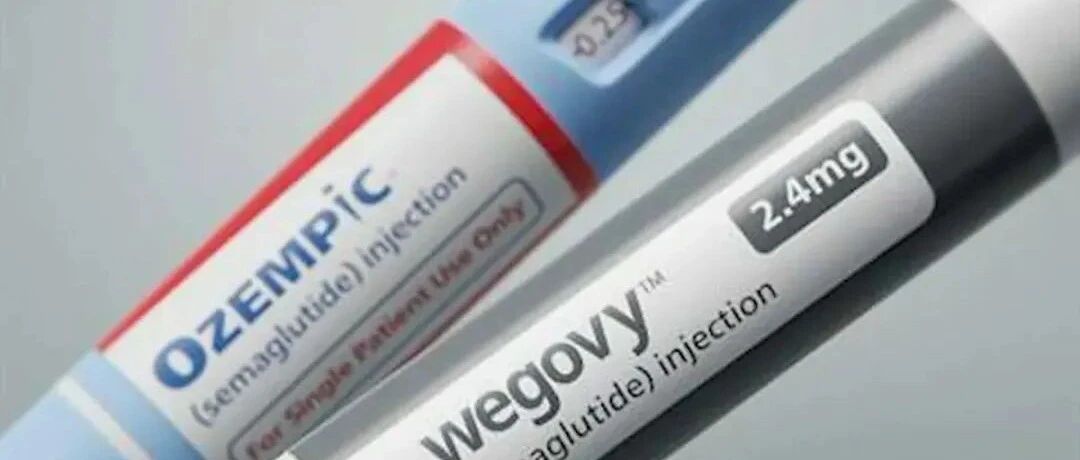
中年减肥为何格外艰难?《Science》揭示:年龄增长使脂肪细胞激增5倍,代谢失衡、慢性疾病接连袭来!
GLP1减重宝典· 2026-01-11 03:02
Core Viewpoint - The article discusses the biological mechanisms behind weight gain in middle age, particularly focusing on the role of a specific type of fat precursor cell, CP-A, which becomes more active with aging and contributes to abdominal fat accumulation [7][12][24]. Group 1: Mechanisms of Weight Gain - Traditional views suggest that fat cell numbers remain constant after adulthood, with weight gain primarily due to the enlargement of existing fat cells. However, recent studies indicate that new fat cells are generated in significant numbers, especially in middle age [9][10]. - Research on mice shows that as they reach middle age (approximately 9-12 months), the number of new fat cells generated in the visceral fat area significantly increases compared to younger mice [10]. Group 2: Role of CP-A Cells - The study identifies CP-A cells, a specific type of fat precursor cell, as a major contributor to fat accumulation in middle age. These cells become dominant in visceral fat tissue as aging progresses [12][15]. - In young mice, CP-A cells are nearly absent, but they rapidly increase in number in middle-aged mice, comprising 34.23% of the visceral white fat tissue [15]. Group 3: Mechanisms of CP-A Cell Activity - CP-A cells exhibit enhanced proliferation and differentiation capabilities, with their proliferation rate being 2.5 times that of young fat precursor cells. They also show a fourfold increase in the ability to generate new fat cells compared to similar cells from younger mice [17][19]. - The article highlights that even in a young mouse environment, CP-A cells can produce five times more fat cells than their younger counterparts [19]. Group 4: Potential Interventions - The LIFR (leukemia inhibitory factor receptor) signaling pathway is identified as a potential target for intervention. High expression levels of LIFR in CP-A cells suggest it plays a crucial role in their proliferation and fat generation [20][23]. - Experiments show that inhibiting LIFR significantly reduces fat generation in CP-A cells while having little effect on young fat precursor cells, indicating a unique dependency of CP-A on LIFR signaling [22][24]. Group 5: Conclusion - The increase in visceral fat in middle age is attributed not just to metabolic issues but to the proliferation of new fat cells, particularly CP-A cells. Targeting LIFR may offer a new strategy to combat stubborn abdominal fat in middle-aged individuals [24][25].
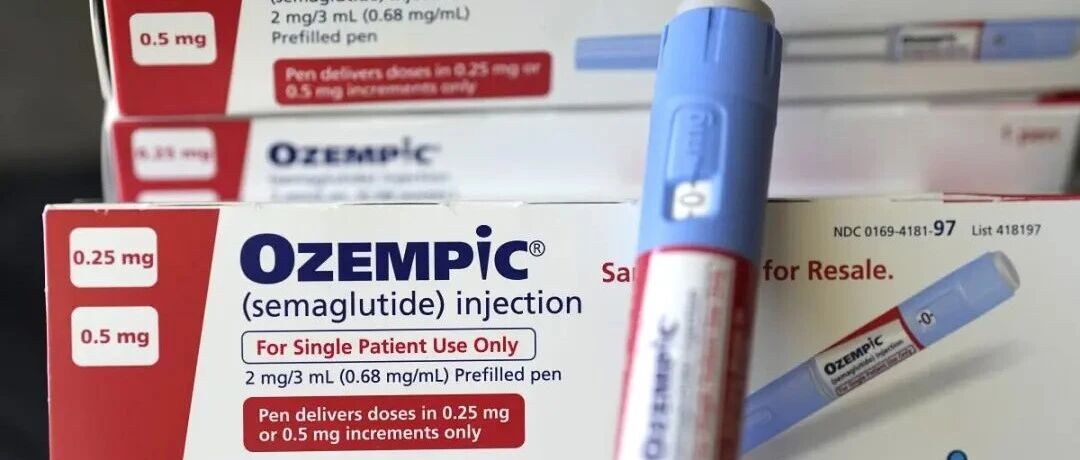
速递|诺和泰®中国说明书更新:纳入外周动脉疾病(PAD)获益
GLP1减重宝典· 2026-01-11 03:02
Core Viewpoint - Novo Nordisk's GLP-1 receptor agonist, Ozempic® (semaglutide injection), has received approval from the National Medical Products Administration (NMPA) in China for an updated label that includes benefits for patients with peripheral artery disease (PAD) [4] Group 1: Clinical Trial Results - The update is based on the STRIDE clinical trial results, which demonstrated that Ozempic® 1.0mg significantly improves walking ability in patients with type 2 diabetes and PAD, increasing the maximum walking distance by 13% and showing an average treatment difference of 39.9 meters [4] Group 2: Treatment Options - Type 2 diabetes is a primary risk factor for PAD, with nearly one-third of PAD patients also having type 2 diabetes. Currently, there are limited treatment options specifically aimed at improving walking ability in this population, making the updated label for Ozempic® a new treatment choice for these patients [5] Group 3: Progress of Ozempic® in China - Since its launch, Ozempic® has progressed through various indications in China, receiving dual indications for glycemic control and cardiovascular event reduction in 2021, becoming the first and only GLP-1 RA weekly formulation with cardiovascular indications in the country. It was included in the national medical insurance the same year [6] - By July 2025, it will gain an additional indication for chronic kidney disease, making it the first GLP-1 drug in China with three indications: diabetes, cardiovascular, and kidney [6] - The inclusion of PAD benefits marks an upgrade in its "multiple protections" for Chinese patients [6]


JPM 2026医疗健康峰会:系统性梳理530家参会公司之后,我们看见什么新趋势?
GLP1减重宝典· 2026-01-10 15:22
Core Insights - The article discusses the upcoming 44th J.P. Morgan Global Healthcare Conference, focusing on the evolving landscape of the healthcare industry and investment opportunities within various sectors [4][28]. Group 1: Conference Overview - The conference will feature approximately 530 participating entities, categorized into six major sectors, with a focus on identifying which sectors are transitioning from theoretical discussions to practical implementations [4][6]. - The sectors include biotechnology (24.1%), biopharmaceuticals (20.0%), medical devices (7.6%), healthcare services and payments (7.6%), digital health (3.7%), and diagnostics and precision medicine (3.5%) [6]. Group 2: Sector Analysis - **Biotechnology**: Companies are shifting focus from technological breakthroughs to the validation of clinical and regulatory milestones. Notable companies include BridgeBio and Sarepta, which are advancing towards commercialization [13][15]. - **Biopharmaceuticals**: The sector is undergoing a repricing of its fundamentals, emphasizing cash flow stability and R&D efficiency. Companies like AbbVie and Merck are highlighted for their strong market positions [14][15]. - **Medical Devices**: The focus is on the ability of devices to integrate into clinical pathways and improve operational metrics. Companies like Intuitive Surgical and Dexcom are noted for their innovative approaches [17]. - **Healthcare Services and Payments**: This sector faces challenges due to policy impacts and utilization rates. The market is increasingly focused on the ability to clearly explain profit structures [18]. - **Digital Health**: Although smaller in representation, this sector is gaining attention for its role in enhancing hospital efficiency and cost management. Companies like Veeva and Teladoc are leading discussions on sustainable business models [19]. - **Diagnostics and Precision Medicine**: The focus is on the integration of diagnostic tools into clinical decision-making processes. Companies like Illumina and Guardant Health are key players in this space [20][21]. Group 3: China’s Role in Global Healthcare - Chinese companies are transitioning from demonstrating innovation to proving their irreplaceability in the global market. This shift is characterized by a dual approach of independent R&D and international collaborations [22][24]. - Companies like HengRui and BeiGene are highlighted for their efforts in advancing their clinical pipelines and establishing a global presence [26][27]. Group 4: Investment Focus - The article emphasizes that the market is increasingly focused on a few verifiable variables across all sectors, rather than broad narratives. This includes the ability to demonstrate clinical, payment, and commercialization effectiveness [28][30]. - The 2026 outlook suggests a reliance on structural choices and execution capabilities, with companies that can provide clear answers to these questions likely to achieve cross-cycle premium valuations [30].

速递|替尔泊肽再下一城:礼来“Taltz + Zepbound”组合疗法在银屑病关节炎三期研究中胜出
GLP1减重宝典· 2026-01-10 15:22
Core Viewpoint - Eli Lilly is expanding the applications of GLP-1 drugs beyond weight loss, with promising results from the TOGETHER-PsA study showing the combination of Taltz and Zepbound significantly improves outcomes in patients with psoriatic arthritis and obesity [4][8]. Group 1: Clinical Data and Efficacy - The TOGETHER-PsA study demonstrated that 31.7% of patients receiving the combination therapy achieved at least a 50% improvement in disease activity (ACR50) and a weight loss of ≥10%, compared to only 0.8% in the Taltz monotherapy group [4]. - In secondary endpoints, 33.5% of patients in the combination group achieved ACR50, representing a 64% relative increase over the Taltz monotherapy group, indicating a synergistic effect of the two mechanisms in treating PsA [6]. Group 2: Safety Profile - The safety profile of the combination therapy was consistent with the known safety profiles of both drugs, with common adverse events including nausea, diarrhea, constipation, and injection site reactions, and no new safety signals were reported [6]. Group 3: Strategic Importance and Market Potential - Taltz, which generated approximately $3.2 billion in revenue for Eli Lilly in 2024, is expected to continue growing, potentially reaching around $4 billion by 2029 [7]. - The upcoming expiration of Taltz's core patent in 2028 highlights the strategic significance of the TOGETHER-PsA study, as it is the first controlled trial to demonstrate the additional benefits of combining GLP-1 drugs with PsA biologics [8]. Group 4: Integrated Treatment Approach - The study supports the potential of an integrated treatment approach targeting both immune inflammation and metabolic abnormalities, which could enhance the standard of care for PsA [9]. - The combination of Taltz and Zepbound not only extends the clinical value and lifecycle of Taltz but also positions Zepbound as a systemic disease management tool, expanding its potential indications [9].


司美格鲁肽口服、针剂该怎么选?效果、安全性差异?
GLP1减重宝典· 2026-01-10 15:22
Core Viewpoint - The article provides a comprehensive comparison of different formulations of semaglutide, focusing on their efficacy, safety, mechanisms of action, administration methods, and storage requirements, highlighting the potential for weight loss and blood sugar control in patients. Efficacy and Safety - Both injection and oral formulations of semaglutide are effective for weight loss, with the oral formulation showing a weight reduction of 13.6% in the OASIS 4 study compared to 2.2% in the placebo group. If all participants completed the treatment, the weight loss could reach 16.6% for the oral group and 2.7% for the placebo group [3][6] - The PIONEER series of phase III clinical trials demonstrated that oral semaglutide can lower HbA1c levels by up to 1.5%, achieving an 80% target rate [3][6] - Safety profiles for both formulations are similar, with common side effects including nausea, vomiting, and diarrhea, although the injection may carry a higher risk of local reactions at the injection site [11] Mechanism of Action - Semaglutide operates through a glucose-dependent mechanism, improving beta-cell function and insulin resistance while suppressing glucagon secretion [12] - It mimics the GLP-1 hormone to regulate appetite in the brain, reducing hunger and prolonging satiety by slowing gastric emptying [12] - The oral formulation utilizes SNAC technology to enhance peptide absorption and protect it from degradation, increasing bioavailability by approximately 100 times [12] Administration and Convenience - The oral formulation is taken once daily without the need for cold chain storage, making it convenient for patients who fear injections [14] - The injection formulation is administered weekly and requires cold chain storage, suitable for patients who are comfortable with injections [14] Storage and Transportation - The oral formulation can be stored in a dry place at temperatures not exceeding 30°C, facilitating easier storage and transport [15] - The injection formulation requires strict cold chain storage and transport at temperatures between 2-8°C, posing higher storage requirements [15] Dosage and Specifications - The oral formulation comes in various dosages, starting at 3mg daily, with the option to increase to 7mg after 30 days based on individual needs [16] - The injection formulation has multiple specifications, starting at 0.25mg weekly, with gradual increases over a 17-week period to reach a maintenance dose [18]
《细胞》重磅揭晓!生酮神效再获实锤!华裔团队意外锁定神秘代谢通路,特殊物质可抑制食欲、对抗肥胖困扰
GLP1减重宝典· 2026-01-10 15:22
Core Insights - The article discusses the recent breakthrough research on the ketogenic diet and its metabolic effects, particularly focusing on the discovery of a new metabolic pathway involving the ketone body β-hydroxybutyrate (BHB) and its amino acid derivatives that can effectively suppress food intake and control body weight [5][11]. Group 1: Research Findings - A joint study from Baylor College of Medicine and Stanford University identified a new metabolic pathway involving BHB that produces BHB-amino acids, which can significantly inhibit food intake [5][11]. - The research was inspired by a previous finding that a compound formed from lactate and phenylalanine (Lac-Phe) can suppress appetite and aid weight loss in mice [8][11]. - The study confirmed that the enzyme carnosine dipeptidase 2 (CNDP2) can catalyze the reaction between BHB and amino acids, leading to the synthesis of BHB-amino acids in various tissues [11][12]. Group 2: Experimental Results - Experiments showed that BHB-amino acid levels increased with higher ketone body levels, with the ketogenic diet group exhibiting the most significant changes [12]. - In a diet-induced obesity (DIO) mouse model, the injection of BHB-phenylalanine (50 mg/kg) significantly reduced food intake without affecting water consumption, exercise capacity, or other metabolic parameters [13][14]. - The mechanism of BHB-phenylalanine's appetite suppression was found to be independent of known appetite control pathways, indicating a novel regulatory pathway for food intake [14]. Group 3: Implications for Human Health - The study also demonstrated that the metabolic pathway involving BHB-amino acids is likely conserved in humans, as evidenced by increased plasma BHB-amino acid levels following a ketogenic diet in human volunteers [14]. - The researchers suggest that while the study focused on energy metabolism, BHB-amino acids may have implications for neurodegenerative diseases, inflammatory responses, cancer progression, and age-related conditions, warranting further investigation [14].

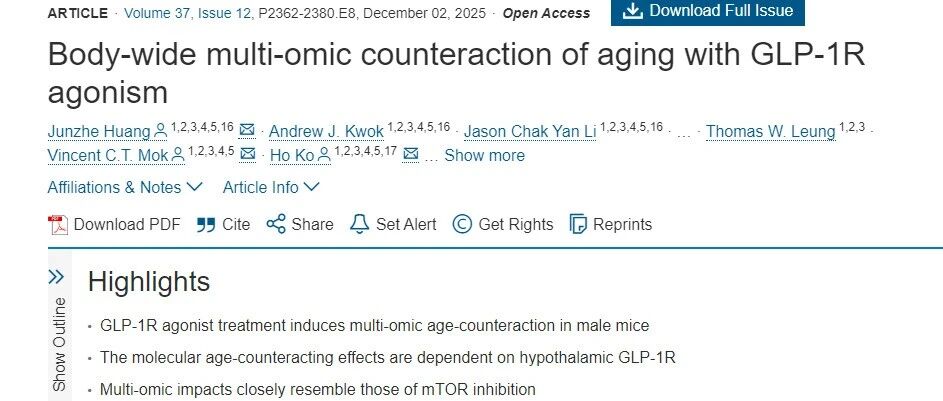
香港中文大学重磅发现:GLP-1不只是减肥药,它可能正在“系统性逆转衰老”
GLP1减重宝典· 2026-01-09 13:06
Core Viewpoint - The recent research indicates that GLP-1 receptor agonists have potential beyond weight management and metabolic improvement, showing systemic anti-aging effects at the molecular level in aged mice, which could redefine the long-term value and boundaries of GLP-1 drugs [4][5]. Group 1: Research Findings - Long-term, low-dose GLP-1 receptor agonist intervention in aged mice resulted in significant changes in gene expression related to aging, reversal of DNA methylation abnormalities, and a trend towards youthful metabolic states [5]. - The observed anti-aging effects were not solely due to reduced appetite or weight loss, suggesting an independent biological mechanism at play [5]. - The changes were primarily noted in high-energy, aging-prone tissues such as the hypothalamus, cortex, hippocampus, heart, skeletal muscle, adipose tissue, and immune cells, indicating a more youthful biological state in treated aged mice [5]. Group 2: Mechanism Insights - The hypothalamus plays a crucial role in mediating the systemic anti-aging effects of GLP-1, indicating a "brain-body axis" that influences the aging process [8]. - The action trajectory of GLP-1 at the multi-omics level is similar to that of mTOR inhibition, suggesting that GLP-1's health benefits may arise from overlapping underlying pathways, positioning it as a potential platform for health intervention beyond single disease treatment [8]. Group 3: Industry Implications - The indications for GLP-1 drugs are expanding from obesity and diabetes to cardiovascular, neurodegenerative diseases, and "healthy aging," significantly extending the lifecycle of the patient population [9]. - The valuation logic for companies involved in GLP-1 production may fundamentally change, as these drugs could become central to anti-aging and long-term health management rather than just weight management tools [9]. - The research highlights a shift in the pharmaceutical industry's perception of aging as an intervenable process, with GLP-1 drugs entering core discussions on health span and longevity [9].
速递|在大脑实施减肥疗法,新西兰肥胖症生物技术公司寻求合作伙伴
GLP1减重宝典· 2026-01-09 13:06
Core Viewpoint - Zealand Pharma is seeking partners for innovative weight loss treatments that target the brain directly, emphasizing the central nervous system's role in metabolic regulation and immune response [4][6]. Group 1: Strategic Collaborations - Zealand Pharma is exploring collaborations to develop therapies that can cross the blood-brain barrier, with a focus on "shuttle technology" to safely deliver drugs to the brain [4][6]. - The company has engaged in discussions with Roche and other institutions regarding brain-targeted research, acknowledging the high difficulty of these projects but recognizing their potential to fundamentally change metabolic disease treatment [6]. - Zealand recently announced a $20 million upfront payment to OTR Therapeutics, with a total potential of $30 million, to leverage its oral small molecule platform for discovering new metabolic disease therapies [8]. Group 2: Product Pipeline and Development - Zealand's pipeline includes the promising drug petrelintide, which is expected to show an average weight loss of 8.6% over 16 weeks in its Phase II trial, with results anticipated in mid-2026 [9]. - The company is also advancing the dual agonist survodutide in Phase III trials for obesity and MASH, alongside other projects targeting short bowel syndrome and congenital hyperinsulinemia [9]. - Zealand's strategy includes a roadmap titled "Metabolic Frontier 2030," aiming to launch five products by 2030, indicating a long-term vision for growth in the metabolic disease sector [9]. Group 3: Market Position and Future Outlook - Zealand's entry into oral small molecule collaborations is seen as a risk mitigation strategy amid rising competition in the oral weight loss drug market, particularly with Novo Nordisk's oral semaglutide awaiting regulatory approval [8]. - The company believes it has sufficient research capabilities and financial reserves to navigate uncertainties in the market, positioning itself for continuous iteration and improvement [9]. - Zealand's future innovations may include improving insulin sensitivity unrelated to weight and eventually directly modulating brain receptors, showcasing a commitment to long-term health impact [10].
