
财富FORTUNE

Search documents
AI竞争新阶段:“小而专”的企业机遇爆发
财富FORTUNE· 2025-10-30 13:09
Core Insights - The article discusses the shift in the AI industry from a focus on model parameters to a broader competition involving localization, AI sovereignty, and the rights of content creators [1][3]. Group 1: Localization and Niche Models - Smaller, specialized models are finding opportunities to challenge tech giants like OpenAI and Google by focusing on regional languages and cultural nuances [3]. - Arabic language, despite being the fourth most used language on the internet, only accounts for 4% of the training data in existing large models, highlighting a significant gap [3]. - Local companies can leverage high-quality data that is often proprietary and not publicly available, allowing them to address complex issues in Arabic language processing that larger models struggle with [3][4]. Group 2: AI Sovereignty - The concept of "AI sovereignty" is becoming a key agenda for many countries, necessitating a return to the technology itself for solutions [5]. - AI technology can be categorized into layers: chip layer, infrastructure layer, model layer, and intelligent agent layer, with varying degrees of feasibility for achieving sovereignty [6]. - The model layer has become more accessible due to the rise of open-source ecosystems, allowing countries to customize existing models to fit local values and cultural norms [6]. Group 3: Challenges in Chip Sovereignty - The real challenge lies in the chip layer, where high-performance chips are controlled by a few countries, making it difficult for others to achieve full sovereignty [7]. - Countries are encouraged to focus on collaboration in chip technology while concentrating on more achievable goals in the model and application layers [7]. Group 4: Regulation and Investment - Balancing innovation with regulation is crucial for the AI industry's growth, as evidenced by the recent establishment of a unified AI regulatory framework in the U.S. following the Paris AI summit [8]. - Investment opportunities are emerging in deep learning technologies, which are expected to create new industry giants by enabling startups to develop tailored solutions for specific sectors [8]. - The article concludes that the future of AI competition will likely revolve around localization, sovereignty, and fairness, with those who can navigate technological and regulatory challenges emerging as winners [8].


美国出资10亿美元研发AI超级计算机,攻克癌症难题
财富FORTUNE· 2025-10-30 13:09
Core Viewpoint - The U.S. government is investing $1 billion in AI to achieve breakthroughs in cancer treatment that have eluded previous efforts, aiming to make cancer more manageable and significantly improve patient survival rates [1]. Group 1: Investment and Technology - The U.S. Department of Energy (DOE) is collaborating with Advanced Micro Devices (AMD) to build two advanced AI supercomputers, Lux and Discovery, to accelerate research in fusion energy, defense, and cancer treatment [1]. - These supercomputers are expected to help transform many cancers, currently viewed as death sentences, into manageable diseases within the next five to eight years [1]. Group 2: Data Challenges - The primary bottleneck in cancer research is data integration rather than computational power, as effective AI requires access to diverse data types, including genetic sequences, tissue samples, and imaging [2][3]. - Cancer research faces significant data shortages compared to other AI fields, such as autonomous driving, which has access to extensive driving records [2]. Group 3: AI Integration in Medicine - Successful cancer treatment will depend on combining AI with data, emphasizing the need for equal investment in data collection and integration alongside computational resources [3][4]. - AI is envisioned as a supportive tool in medical decision-making, assisting doctors by providing insights from extensive literature and trial results rather than making final treatment decisions [4]. Group 4: Future Outlook - By the early 2030s, it is anticipated that nearly every patient will have access to the best existing therapies tailored to their specific tumors, marking a significant advancement in precision medicine [5][8]. - However, developing real-time drug design for resistant cancers will take longer, and policymakers should focus on connecting new computational capabilities with real hospital data systems [6][8].


大工业物流无人驾驶“场景突围”:一家初创公司正在赢得巨头订单
财富FORTUNE· 2025-10-30 13:09
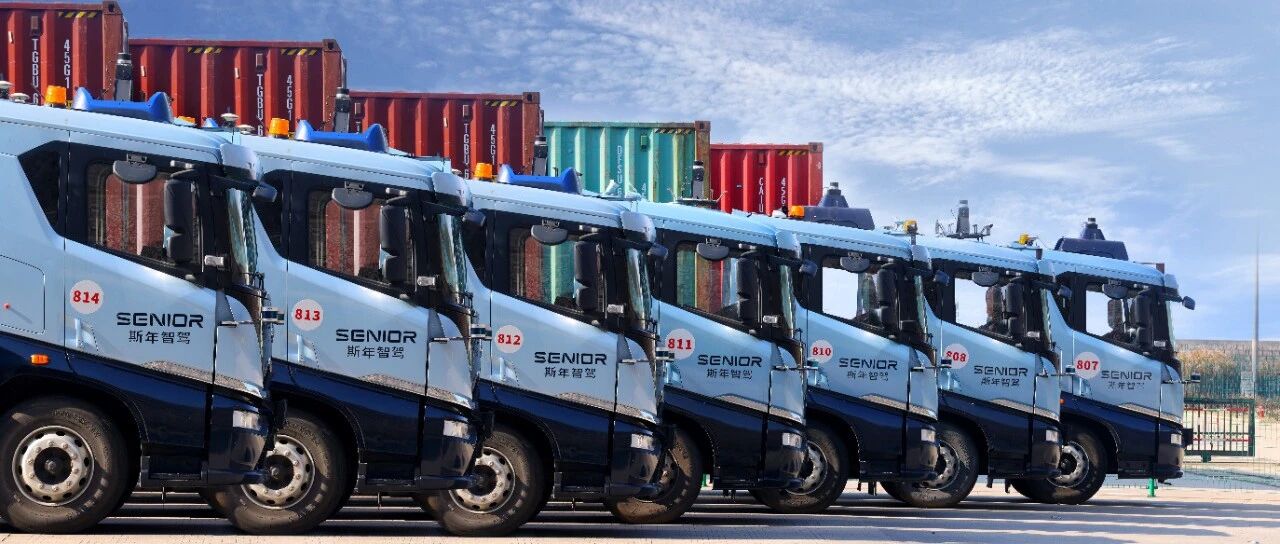
Core Viewpoint - The article highlights the successful commercialization of L4 autonomous driving technology by a Chinese company, Sien Intelligent Driving, which has established a profitable model through partnerships with over 20 major global ports, focusing on industrial applications rather than urban environments [1][3]. Group 1: Business Model and Strategy - Sien Intelligent Driving has developed a clear three-step strategy for growth: creating paid "showcase" projects in ports, expanding to multiple ports to validate the universality of its solutions, and defining a "pan-port" ecosystem that addresses common challenges across various industrial scenarios [5][6]. - The company has successfully transitioned from validating technology through individual projects to implementing standardized, replicable operational solutions across diverse logistics environments, achieving rapid expansion and sustainable profitability [8]. Group 2: Technological Advantages - The technology of Sien Intelligent Driving is designed to address specific industrial challenges, such as achieving high-precision positioning in weak signal environments and ensuring safety in mixed traffic scenarios at ports [10][14]. - The company has demonstrated strong adaptability and commercial viability in both closed and open environments, establishing long-term partnerships with over 20 major ports globally [14]. Group 3: Market Performance and Expansion - Recent successes include winning eight new projects in the past six months, showcasing the company's ability to tackle complex industrial scenarios and solidifying its position as a leading choice for major ports [16][17]. - Sien Intelligent Driving's commercial footprint extends beyond ports, as it has also secured the first national automated driving demonstration project for railway logistics, setting a new benchmark for intelligent logistics [17][18].
2025年《财富》中国500强峰会即将举办
财富FORTUNE· 2025-10-29 13:06
Core Insights - The next 25 years will be more challenging for developing economies compared to the past 25 years, with high debt burdens, weak investment and productivity growth, and rising climate change costs being significant obstacles [1] - The upcoming Fortune China 500 Summit on November 11 in Shanghai will focus on how leading companies can build sustainable competitive advantages and leverage disruptive technological changes to drive growth [1][6] - The summit will feature discussions on creating a future path that integrates intelligence, resilience, and sustainability [1] Group 1: Summit Details - The theme of the summit is "Harnessing Momentum, Expanding Frontiers: The Next 25 Years of the 21st Century" [6] - The event will gather leaders from the Fortune 500 companies, innovative business leaders, and experts for in-depth discussions [1][6] - Additional events include the MPW Breakfast Meeting focusing on "Breaking Involution and Seeking Increment" and the 40U40 Luncheon celebrating young leaders in various core sectors [2][3] Group 2: Key Discussions - The MPW Breakfast Meeting will address the roots of the phenomenon of involution and share experiences and reflections on overcoming challenges [2] - The 40U40 Luncheon will feature young leaders recognized for their innovative breakthroughs and industry influence across sectors like AI, green technology, and smart manufacturing [2]
文远知行创始人:十年内,自动驾驶会赶超人类驾驶员
财富FORTUNE· 2025-10-29 13:06
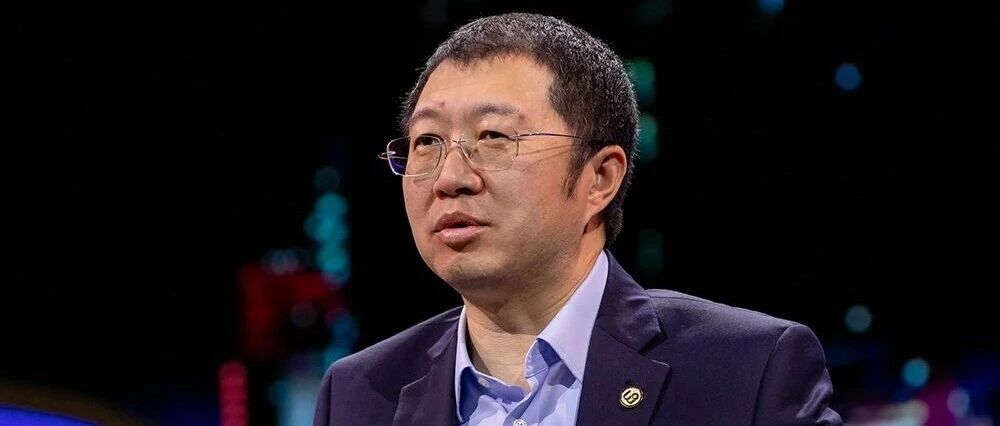
Core Viewpoint - The CEO of WeRide, Han Xu, emphasizes that once people experience Fully Self-Driving (FSD) technology, they will demand it, similar to the transition from Nokia to smartphones [1]. Group 1: Company Expansion and Operations - WeRide's autonomous driving technology has been implemented in 11 countries and over 30 cities globally. Recently, the company launched Robotaxi public operations in Riyadh, Saudi Arabia, in collaboration with Uber [1]. - In China, WeRide has established services in major cities, including Beijing, Shanghai, and Guangzhou, with 24-hour coverage in core urban areas [1]. Group 2: Safety and Public Perception - Han Xu notes that society tends to scrutinize new technologies, especially in the context of accidents involving autonomous vehicles, contrasting it with human-driven incidents that often go unnoticed [2]. - He draws a parallel to the Wright brothers' journey in aviation, highlighting that public acceptance of new inventions often takes longer than their development [2]. Group 3: Cost and Market Viability - The cost of manufacturing a WeRide autonomous vehicle is slightly above $40,000, significantly lower than the Tesla Model X, thanks to China's robust electric vehicle supply chain [4]. - Han Xu outlines a pricing rule for the Robotaxi market: if taxi fares exceed $1 per kilometer, the market is favorable; between $0.5 and $1, optimization is needed; below $0.5 indicates significant challenges [4]. Group 4: Future of Autonomous Driving - The technology is rapidly penetrating the market, but further advancements are necessary, and the integration with consumers will take time. Analysts predict that the reduction in accidents due to autonomous vehicles could lower insurance costs by over 50% in the next 15 years [4]. - Han Xu believes that within ten years, Level 5 autonomous driving capabilities will match those of the best human drivers [4].
“埃森哲”是怎么来的?职业命名师亲述25年前的故事
财富FORTUNE· 2025-10-29 13:06
Core Insights - The article discusses the rebranding process of Andersen Consulting to Accenture, highlighting the urgency and complexity involved in the name change due to legal and branding requirements [2][3]. Group 1: Rebranding Process - The rebranding was initiated after an arbitration ruling required Andersen Consulting to change its name by January 1, 2001, with only four months to create a new brand identity [2]. - The project involved extensive collaboration among various departments, including marketing, advertising, and public relations, to ensure a cohesive brand strategy [2][3]. - The naming project was unique as it involved a public naming competition among 65,000 employees, which was termed a "brand storm" [5][6]. Group 2: Challenges Faced - The new name had to pass legal scrutiny in 47 countries and multiple trademark categories, with thousands of trademark applications submitted monthly [3][4]. - The project deviated from typical naming practices, such as allowing ample time for creative development and pre-screening names, due to the tight timeline [6][7]. - A total of 550 names were submitted for legal review, with 51 names ultimately passing the legal checks, which is significantly higher than the usual number [6][7]. Group 3: Final Selection - The final selection process involved a presentation to 2,500 senior partners, where the name "Accenture" emerged as the clear favorite, benefiting from familiarity and strategic significance [8][9]. - The name "Accenture" not only resonated with the existing abbreviation "AC" but also conveyed a forward-looking message, aligning with the company's vision [9]. - Since its inception, Accenture has seen substantial growth, with employee numbers increasing from 65,000 to 779,000 and revenue rising from $11.44 billion to $69.67 billion [9].


什么人不会被AI取代?贝佐斯用这个方法来筛选
财富FORTUNE· 2025-10-29 13:06
Core Viewpoint - Innovation is a crucial trait that cannot be replicated by AI tools, making it a key focus for candidate selection in companies like Amazon [1][2]. Group 1: Innovation in Hiring - Jeff Bezos emphasizes the importance of innovation in the hiring process, seeking candidates who can demonstrate their inventive capabilities [1][2]. - Candidates should be able to think outside the box and propose solutions that combine multiple options rather than limiting themselves to binary choices [2]. - Employees lacking innovation will struggle to remain at Amazon, as the company values exploration and creativity [2]. Group 2: Innovation as a Success Driver - Innovation is not only vital for Amazon but is also recognized as a primary driver of economic growth, contributing to an estimated 50% of annual GDP growth in the U.S. [3]. - The rise of AI tools exemplifies the need for companies to rapidly adopt new technologies to maintain competitiveness, while also addressing concerns about job displacement due to automation [3]. - Companies are focusing on responsibly integrating new tools to maximize outcomes with minimal disruption [3]. Group 3: Unique Adaptation of Ideas - To stay competitive, companies should not merely imitate others but rather draw inspiration and adapt ideas uniquely to their context [4].


特斯拉盈利持续疲软,股价愈显虚高
财富FORTUNE· 2025-10-28 13:09
Core Viewpoint - The article discusses the "Musk Magic Premium," which reflects the portion of Tesla's valuation based on investor confidence in Elon Musk's future promises rather than current performance [1][4]. Financial Performance - Tesla's third-quarter net profit was $1.372 billion, a 37% decrease year-over-year. After adjustments for regulatory credit sales and non-operating losses, the sustainable net profit was calculated at $1.134 billion, leading to a total core profit of $3.6 billion over the past 12 months, approximately half of General Motors' earnings during the same period [2][3]. Valuation Analysis - Based on a price-to-earnings ratio of 30, Tesla's fair value is estimated at $108 billion, while its market capitalization is $1.46 trillion, indicating a "Musk Magic Premium" of $1.35 trillion, which constitutes 90% of Tesla's market value [4]. Growth Expectations - To justify a market value of $1.46 trillion, Tesla's stock price is currently valued at 405 times its sustainable earnings. To achieve a modest 10% annual return over the next seven years, Tesla would need to double its valuation to $2.9 trillion, requiring annual profits to reach $97 billion by the end of 2032, necessitating a 60% annual profit growth rate [5].


A股与黄金,逆向奔跑
财富FORTUNE· 2025-10-28 13:09
Core Insights - The article highlights a significant market shift where gold prices have sharply declined while the A-share market has reached a milestone, with the Shanghai Composite Index breaking the 4000-point mark for the first time in ten years [2][3]. Market Dynamics - The recent drop in gold prices, which fell below $4000 per ounce and continued to decline, is attributed to high leverage in gold ETFs and a crowded trade environment, as noted in a report by Shenwan Hongyuan Research [3][4]. - In contrast, the A-share market's rise is supported by a healthier valuation basis, with the current market PE ratio around 17 times, compared to over 40 times in 2007 and about 20 times in 2015 [4]. Investment Sentiment - The shift in capital between gold and A-shares reflects changing market logic, influenced by easing trade tensions between China and the U.S., rising expectations for interest rate cuts by the Federal Reserve, and a strengthening yuan [4][5]. - Analysts suggest that the key to investing in A-shares post-4000 points lies in distinguishing between liquidity-driven growth and genuine economic recovery, with a focus on technology growth sectors [5][6]. Regulatory Environment - The regulatory framework is shifting towards long-term stability, with the China Securities Regulatory Commission (CSRC) emphasizing investor protection and systemic reforms to enhance market stability [7]. - New measures to attract foreign investment include optimizing the Qualified Foreign Institutional Investor (QFII) system, which aims to create a more transparent and efficient investment environment [7]. Future Outlook - The article suggests that while gold may present opportunities for long-term investors at lower price points, the current market sentiment indicates a transition from risk aversion to expectations of economic growth and corporate profitability, which could support a sustained upward trend in A-shares [8].

这个小国是全球超级富豪的“新港湾”
财富FORTUNE· 2025-10-28 13:09
Core Insights - Montenegro has experienced a 124% increase in the number of millionaires over the past decade, making it the fastest-growing center for millionaires globally [1][5] - The country's low tax rates and favorable tax policies are key factors attracting wealthy individuals to relocate to Montenegro [1][2] Tax Policies - Montenegro offers one of the lowest personal and corporate income tax rates in Europe, ranging from 9% to 15% [1][2] - Residents earning below €700 are exempt from income tax, while those earning between €701 and €1,000 are taxed at 9%, and income above €1,000 is taxed at 15% [1] - The government aims to make corporate income tax the lowest in Europe and has the lowest labor tax wedge in the region [2] Economic Environment - Montenegro operates under a quasi-gold standard, where its currency is pegged to the Euro, ensuring fair asset pricing and reducing the risk of asset bubbles [4] - The country’s economic policies are designed to attract investors by providing a stable and reasonable pricing environment for assets [4] Migration Trends - The "wealth migration" trend is evident, with an estimated 142,000 millionaires expected to migrate globally by 2025, with Montenegro being a preferred destination due to its low tax regime and attractive lifestyle [5] - The country has become a top choice for investors seeking a desirable Mediterranean lifestyle, alongside its real estate opportunities [5] Leadership - The Prime Minister of Montenegro, Milojko Spajić, is noted for his background in finance and his role in shaping the country's favorable economic policies [6][8] - Spajić's leadership is characterized by a focus on attracting talent and investment to Montenegro, leveraging his experience from Goldman Sachs and venture capital [6]
