财富FORTUNE

Search documents
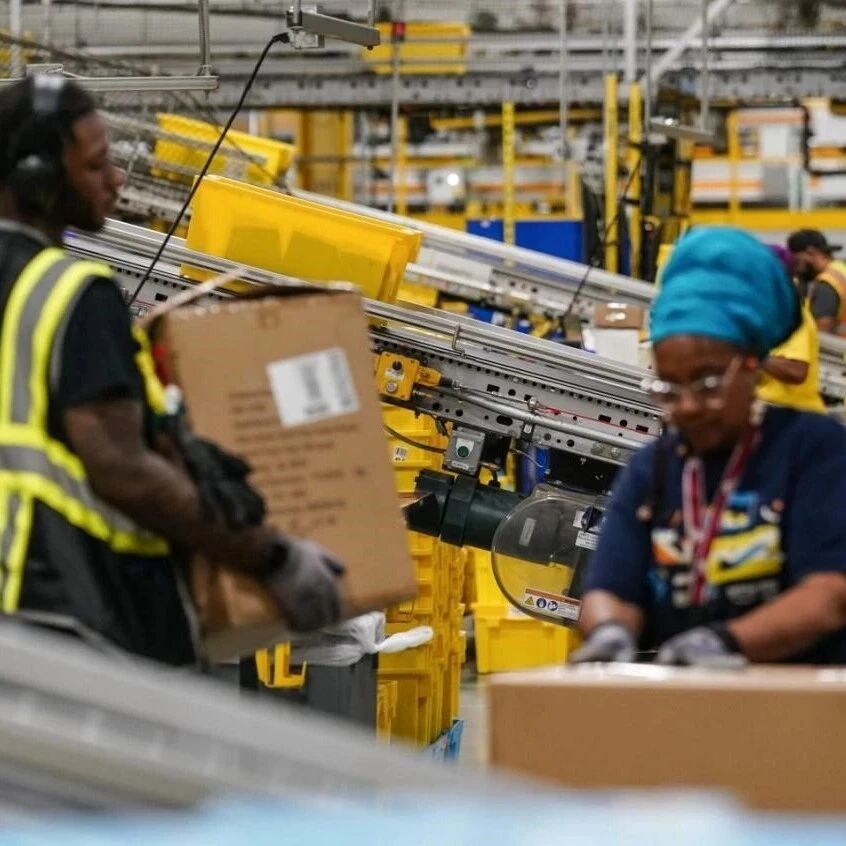
达利欧:美国经济全靠1%顶尖员工,60%劳动者处境困难
财富FORTUNE· 2025-11-03 13:05
Core Insights - The article discusses the complex state of the U.S. economy, highlighting significant internal disparities that prevent it from being viewed as a cohesive whole [1][3] - Ray Dalio emphasizes the increasing dependence on a narrow sector, particularly the technology industry, which is driving economic dynamics [1][3] - The article aligns with Moody's report indicating that 22 states are experiencing economic contraction, while only 16 states are growing [3] Economic Disparities - Dalio points out that only about 3 million people, or 1% of the U.S. population, are leading the artificial intelligence sector, which is crucial for global reliance [1] - In contrast, 60% of the U.S. population is part of a lower-income group, facing significant challenges such as low literacy levels [1][3] - The article cites that 54% of American adults read at a sixth-grade level or below, which contributes to low productivity [3] Wealth Inequality - Since 2020, wealth has increasingly concentrated at the top of the income ladder, with the bottom 50% of the population seeing a wealth increase of just over $2 trillion, while the top 0.1% nearly doubled their assets from $12.17 trillion to $22.33 trillion [4][5] - Dalio raises concerns about the implications of wealth redistribution, suggesting it is a complex issue that significantly impacts national productivity [5] Consumer Spending Dynamics - The article notes that the highest income group has increased spending to approximately 170 basis points, while middle and lower-income groups have only increased spending to about 120 basis points [5] - The overall U.S. economy is largely driven by the affluent class, and any shift in their spending behavior could pose significant risks to economic stability [5]

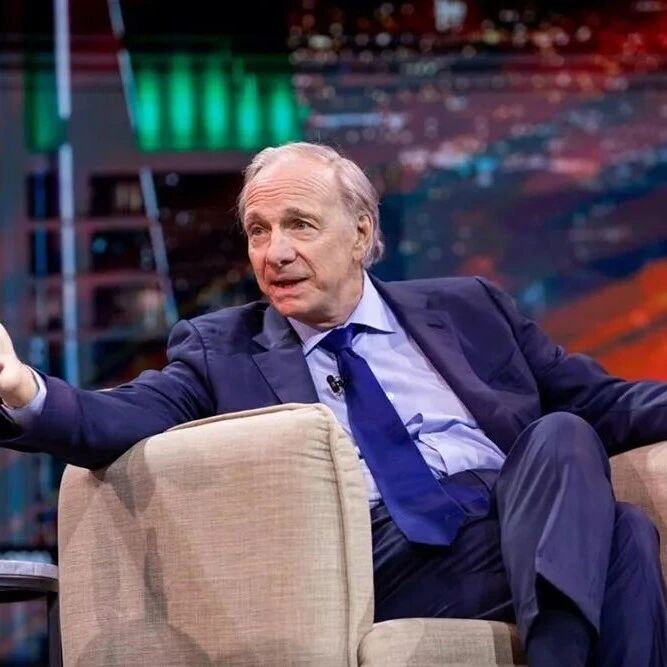
苏铭天:人工智能的“奥本海默时刻”已经错过
财富FORTUNE· 2025-11-03 13:05
Core Viewpoint - The timing for effective regulation of artificial intelligence may have already passed, with industry self-regulation becoming the only viable option moving forward [1]. Group 1: Industry Influence and Market Dynamics - Sir Martin Sorrell, founder and executive chairman of S4 Capital, highlighted that tech companies and their leaders, such as Elon Musk, possess immense wealth and influence, making it difficult for governments to impose strong regulations [1]. - Apple has reached a market capitalization of $4 trillion, while Musk's compensation plan is tied to Tesla achieving a market cap of $10 trillion, indicating the potential for companies to rival sovereign entities in economic size [1]. - Nvidia has recently become the first company in history to surpass a market capitalization of $5 trillion, reflecting the growing dominance of tech firms in the global economy [1]. Group 2: Future Trends in Advertising - The application of "virtual characters" or "synthetic images" is expected to become commonplace in advertising within the next two to three years, driven by economic benefits [2][4]. - The advertising industry is facing a transformative change, with production costs potentially reduced by 80% to 90%, allowing for more budget allocation towards media placements while lowering creative costs [4].


万亿投资风口,宁德时代最大“劲敌”浮现
财富FORTUNE· 2025-11-03 13:05
Core Viewpoint - The article discusses the rapid growth of energy storage demand driven by AI computing needs and highlights the strategic responses from key players in the energy storage industry, particularly focusing on the competition between Sungrow Power Supply and CATL [2][5]. Group 1: Energy Storage Market Dynamics - The demand for energy storage systems is surging, with a target of 180 million kilowatts of new storage capacity in China by 2027, indicating a significant market opportunity [2]. - BloombergNEF projects that global cumulative installed capacity will reach 2 terawatts (TW) and 7.3 terawatt-hours (TWh) by 2035, marking the energy storage market's explosive growth [3]. - The energy storage sector is expected to see an annual addition of approximately 35 gigawatts (GW) in China over the next three years, creating a massive market [2]. Group 2: Company Performance and Strategies - Sungrow Power Supply has seen its energy storage business surpass its photovoltaic segment as the largest revenue source, with a target of 40-50 gigawatt-hours (GWh) in shipments this year [3]. - CATL, a major supplier for Sungrow, is expanding its energy storage business, with a third-quarter shipment of approximately 180 GWh, of which about 20% is for energy storage [4]. - Both companies are pursuing different technological paths in energy storage, with CATL focusing on large cell technology and Sungrow developing a 30-foot storage system [4]. Group 3: Competitive Landscape - The competition between CATL and Sungrow has intensified as both companies shift from being partners to direct competitors, with CATL expanding into system integration and Sungrow focusing on market applications [5]. - Despite Sungrow's impressive stock performance, its net profit of 11.88 billion yuan is significantly lower than CATL's 49 billion yuan, highlighting a disparity in financial strength [5]. - The strategic focus of CATL is on full industry chain layout and technological autonomy, while Sungrow emphasizes system integration and market expansion [5]. Group 4: Resource Dynamics and Investment Outlook - The rapid expansion of the energy storage market is leading to increased demand for lithium resources, with companies like CATL investing in lithium mining ventures [6]. - Investment characteristics differ between the two companies, with Sungrow showing higher growth potential and CATL offering more certainty due to its established market position [6]. - The evolving role of energy storage in the new power system indicates a dynamic competitive landscape, with the next three years being crucial for Chinese energy storage companies to secure technological advantages and global market presence [6].


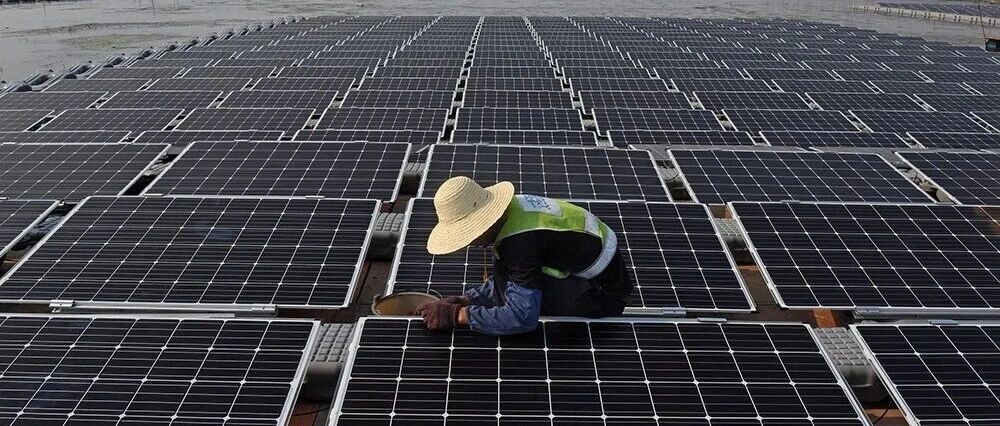
这些大公司首席执行官的共识:与孤独为伍
财富FORTUNE· 2025-11-02 13:07
Core Viewpoint - The article discusses the psychological toll of being a CEO, highlighting the loneliness and isolation that many top executives experience in their roles, with significant percentages considering resignation due to these feelings [1][2][7]. Group 1: Executive Loneliness - Many industry leaders, including those from Airbnb, UPS, PepsiCo, and Apple, openly discuss the loneliness associated with their positions [1][2][7]. - A Harvard Medical School professor noted that at least 40% of executives are contemplating resignation due to feelings of exhaustion and isolation [1]. - A Deloitte study from 2022 found that approximately 70% of top management leaders are seriously considering leaving their positions to seek better support for their mental health [1]. Group 2: Coping Mechanisms - Executives are increasingly focusing on improving their mental health outside of work, with some attending retreats or seeking community support [2][15]. - Blake Mycoskie, founder of Toms, and Seth Berkowitz, CEO of Insomnia Cookies, emphasize the importance of mental health and the challenges of the CEO role [2][15]. - Indra Nooyi, former CEO of PepsiCo, described her feelings of isolation and the difficulty of finding someone to confide in about her challenges [10][11]. Group 3: Personal Experiences - Brian Chesky, co-founder and CEO of Airbnb, shared his personal struggles with loneliness after reaching the top of the company [7]. - Carol Tomé, CEO of UPS, initially underestimated the loneliness of her role but later acknowledged its reality [13]. - Tim Cook, CEO of Apple, recognized the solitude that comes with leadership and the importance of surrounding oneself with intelligent individuals [14].



10家知名企业大规模裁员,涉及零售、科技行业
财富FORTUNE· 2025-11-01 13:10
Core Insights - The current job market is experiencing significant challenges, with many companies adopting a "hiring freeze" while also not laying off employees, leading to a stagnation in job creation [2] - Rising operational costs, including new tariffs and shifts in consumer spending, are cited as reasons for this trend, alongside broader corporate restructuring efforts [2] - The shift towards investment in artificial intelligence is seen as a factor that may lead to job losses, as companies prioritize infrastructure over hiring [2] Employment Market Dynamics - Federal employees face increased uncertainty due to job cuts and government shutdowns, impacting overall worker sentiment in the job market [3] - The government has paused official hiring data releases during the shutdown, but a survey indicated a surprising loss of 32,000 private sector jobs in September [4] Company-Specific Layoffs - Amazon announced a reduction of approximately 14,000 corporate positions, nearly 4% of its total workforce, as it shifts focus towards AI investments [5] - UPS has cut around 34,000 jobs as part of its business turnaround efforts, exceeding earlier predictions of 20,000 layoffs [6] - Target plans to eliminate about 1,800 corporate positions, representing 8% of its global corporate workforce, to streamline operations [7] - Nestlé is set to cut 16,000 jobs globally over the next two years as part of a cost-cutting initiative amid rising commodity costs [8] - Lufthansa Group plans to reduce 4,000 jobs by 2030, primarily in administrative roles, despite strong demand for air travel [9] - Novo Nordisk announced a layoff of 9,000 employees, about 11% of its workforce, as part of a broader restructuring effort [10] - ConocoPhillips plans to cut up to 25% of its workforce, affecting approximately 2,600 to 3,250 employees by the end of 2025 [11] - Intel is reducing thousands of jobs as it seeks to revitalize its business, with a target of reducing its core workforce to 75,000 by year-end [12][13] - Microsoft initiated layoffs affecting 15,000 employees, marking its largest job cuts in over two years, as it undergoes organizational changes [14][15] - Procter & Gamble plans to cut up to 7,000 jobs, about 6% of its global workforce, as part of a restructuring amid tariff pressures [16]



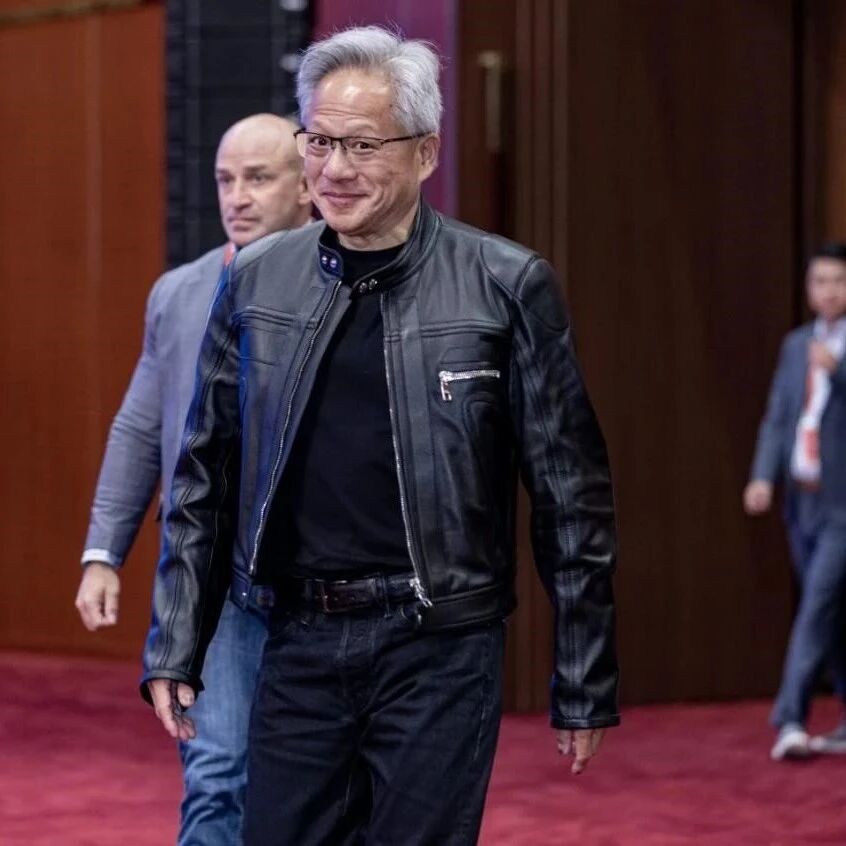
英伟达市值已超5万亿美元,还能继续涨吗?
财富FORTUNE· 2025-10-31 13:10
Core Insights - Nvidia has become the first company in history to surpass a market capitalization of $5 trillion, solidifying its position as the world's most valuable company [1] - CEO Jensen Huang announced over $500 billion in AI chip orders locked in until the end of 2026, highlighting Nvidia's unique ability to predict future revenue [1] - Nvidia's stock price has surged significantly, with a more than 50% increase in 2025 alone, and its market value skyrocketing by over $400 billion in just two trading days [4] Company Developments - Nvidia has begun full production of its Blackwell graphics processors at its Arizona factory, benefiting from U.S. manufacturing policies [1] - The company has partnered with Nokia to invest $1 billion in developing 5G/6G network communication devices [2] - Nvidia is collaborating with Oracle to build seven supercomputers for the U.S. Department of Energy, with the largest one featuring 100,000 Blackwell AI chips [2] Market Position - Nvidia holds approximately 90% of the AI chip market share, which is critical for training and running large language models in AI systems used by major tech companies like Microsoft, Meta, and Amazon [5] - Major cloud computing companies are expected to increase capital expenditures to $632 billion by 2027, indicating a growing demand for Nvidia's products [4] - Nvidia's market value has seen rapid growth, reaching $1 trillion in June 2023, $2 trillion in February 2024, and $3 trillion in June 2024 [4]
索尼荣登2025年《财富》中国ESG影响力榜——用科技与创意共筑可持续的未来
财富FORTUNE· 2025-10-31 13:10
Core Viewpoint - Sony (China) Co., Ltd. has been recognized in the 2025 Fortune China ESG Influence List for its outstanding performance in environmental, social, and governance (ESG) areas, reflecting its commitment to sustainable development in the Chinese market [1][36]. Environmental Dimension - Sony has initiated the "Road to Zero" global plan aiming for net-zero emissions by 2050, with an accelerated target for carbon neutrality by 2040, covering scopes 1-3, making it the first durable consumer goods company to achieve SBTi certification [4][9]. - From 2020 to 2024, Sony achieved 100% renewable energy usage in China, reducing carbon emissions by approximately 180,000 tons [4]. - The company launched a supply chain energy-saving project in 2023, providing over 20 energy-saving recommendations, resulting in an annual carbon reduction of 18.2% [4]. - Sony's 2030 Green Management Plan aims to set new milestones for environmental load reduction [4]. Social Dimension - Sony emphasizes social responsibility as a core driver of its business development, focusing on accessibility, youth empowerment, education support, and a diverse talent strategy [11][12]. - The "Youth Power" initiative aims to inspire and empower young talents through various programs, including campus recruitment and innovation competitions [16][18]. - The "She Power" project supports female employees by fostering growth, leadership, and resilience, while promoting a friendly brand image for women [21][22]. - The "Sony Dream Classroom" project has established 369 classrooms across 31 provinces, benefiting over 84,000 students [24]. Governance Dimension - Sony has been recognized as one of the "World's Most Ethical Companies" for seven consecutive years, establishing a dedicated ESG department in China to enhance governance and ensure sustainable practices across all business operations [34][36]. - The company prioritizes compliance and ethical standards in its operations, aiming to build a sustainable future in collaboration with stakeholders [34]. Conclusion - The recognition in the 2025 Fortune China ESG Influence List marks a new starting point for Sony's sustainable future, reinforcing its commitment to creativity and technology as engines for green development, social inclusion, and governance innovation [36][38].


22万亿美元私人资本世界:堪比全球第二大经济体
财富FORTUNE· 2025-10-31 13:10
Core Insights - The private capital market has reached a staggering $22 trillion, making it comparable to the world's second-largest economy, reshaping how companies, investors, and economies think about growth, risk, and control [1] - Private capital, defined as assets not traded on public markets, has seen explosive growth, doubling in size since 2012, primarily due to companies retreating from public markets [1][5] - The number of publicly listed companies in the U.S. has halved since 2000, while venture-capital-backed private companies have surged 25 times, indicating a significant shift towards private capital [1] Private Capital Growth - The "private market seven giants," companies valued at or above $100 billion, have seen their total valuation soar nearly fivefold since 2023, reaching $1.4 trillion [5] - Private equity has outperformed the S&P 500 by an average of six percentage points annually during this period [5] - The trend of companies remaining private longer has extended to an average of 16 years, reflecting a broader shift towards private capital to avoid public market scrutiny [1][5] Risks and Concerns - Financial experts warn that the opacity of private capital can breed risks, particularly in the $1 trillion to $3 trillion private credit sector, which lacks the transparency and governance of public markets [8] - Recent bankruptcies in the private credit space have led to significant market volatility, highlighting the potential dangers of this asset class [8] - Concerns have been raised about the sustainability of private credit growth, especially in light of economic downturns that could trigger a wave of defaults [8] Capital Allocation Shift - The decline in companies seeking IPOs indicates a diminishing role of public markets in economic growth, while private investors are increasingly funding innovations driven by technologies like AI [9] - Major tech companies have invested heavily in AI startups, with private capital now financing a significant portion of data center transactions, reflecting a shift in capital allocation [12][14] - The current spending surge in private credit is raising alarms about potential overextension and the risk of losses if speculative investments do not yield returns [19] Long-term Implications - The structural shift towards private investment is influencing technology development, job creation, and risk management practices, with the top 120 private unicorns having a total valuation comparable to the German stock market [22] - The growth of private capital is leading to the emergence of alternative investment platforms outside traditional public markets, potentially allowing for longer private company existence [22] - The evolving landscape of private capital is seen as a transformative force in the financial world, opening up new investment opportunities and altering the dynamics of company valuation and economic structure [24]



亿万富翁的财富密码:巴菲特路线
财富FORTUNE· 2025-10-31 13:10
Group 1 - The most likely path to becoming a billionaire is to follow in the footsteps of Warren Buffett, with 15% of billionaires deriving their wealth from the finance and investment industry [2] - In 2023, there are 902 billionaires in the U.S., a significant increase from 66 in 1990, reflecting the growth of the economy and wealth accumulation [2] - The total wealth of U.S. billionaires is approximately $7.6 trillion, representing about 4.5% of the total wealth in the country, despite them making up only 0.0003% of the population [2] Group 2 - According to Forbes, the U.S. has nearly one-third of the world's 3,028 billionaires, followed by China, India, Germany, and Russia [3] - Billionaires are predominantly located in major cities, with New York having the highest number at 123, followed by Moscow, Hong Kong, London, and Beijing [3] - The billionaire demographic is still male-dominated, with women making up only 13% of the total, although this percentage is gradually increasing [3] Group 3 - The most common way to become a billionaire is through inheritance, with about one-third of billionaires acquiring their wealth this way [4] - The finance and investment sector is the most likely industry to produce billionaires, accounting for 15% of them, followed by technology (13%), manufacturing (11%), and fashion and retail (10%) [4] - Approximately 66% of billionaires' assets are tied up in stocks, often in the companies they founded, making it difficult to liquidate their wealth [4]

亚马逊再裁员1.4万人,美国就业市场进入寒冬
财富FORTUNE· 2025-10-30 13:09
Core Viewpoint - Amazon is reducing approximately 14,000 corporate positions while increasing investments in AI, indicating a strategic shift towards technology and cost-cutting measures under CEO Andy Jassy's leadership [1][3]. Group 1: Workforce Reduction - The layoffs affect about 4% of Amazon's corporate workforce, which totals around 350,000 employees [3]. - Employees impacted by the layoffs will have 90 days to seek new positions within the company, with transitional support provided for those who do not find new roles [3]. - This marks Amazon's largest round of layoffs in 2023, following a previous reduction of 27,000 positions earlier in the year [3]. Group 2: AI Investments - Amazon is actively developing over 1,000 generative AI services and applications, which are expected to significantly reduce the need for corporate employees in the coming years [1][2]. - The company plans to invest $10 billion in building a campus in North Carolina to expand its cloud computing and AI infrastructure [1]. - Amazon is competing with major tech companies like OpenAI, Google, Microsoft, and Meta in the AI space, with a focus on enhancing its Amazon Web Services (AWS) business [1]. Group 3: Market Context - The layoffs occur amid a broader trend of job reductions in the retail and tech sectors, as companies adjust to post-pandemic realities and economic uncertainties [3][4]. - Despite the layoffs, Amazon plans to hire 250,000 seasonal employees, maintaining its recruitment levels from the previous holiday season [4]. - Analysts suggest that Amazon's layoffs reflect a deep restructuring of its corporate workforce, driven by the need to adapt to rising costs and a shift towards technology infrastructure [4].