
DONGFENG GROUP(00489)

Search documents
东风与日产再设合资公司,向海外要增量
Di Yi Cai Jing· 2025-07-02 13:48
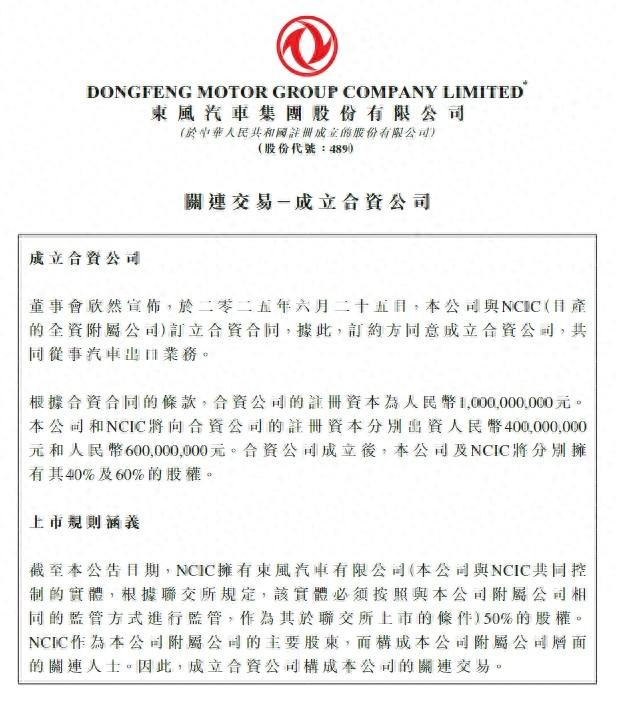
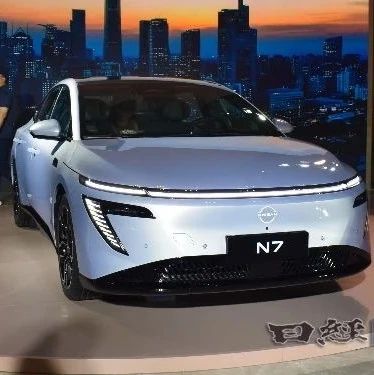
Group 1 - Nissan and Dongfeng Motor Group have signed a joint venture agreement to establish a new company focused on automotive export business, with a registered capital of 1 billion yuan, where NCIC contributes 60% and Dongfeng contributes 40% [1] - The new joint venture aims to leverage financial resources and supply chain capabilities for exporting vehicles, parts, and accessories to agreed overseas markets, with the contract lasting for 28 years [1] - Dongfeng Motor has set an export sales target of 100,000 vehicles starting in 2025, including four models of Nissan's electric vehicles, as part of its "启DNA+" strategy [1] Group 2 - Nissan is launching a new global strategy, with plans to start exporting the Dongfeng Nissan N7 and Zhengzhou Nissan Frontier Pro PHEV within a year, focusing on differentiated strategies through its global dealer network [2] - The competitive landscape for electric vehicles in China is intensifying, prompting more domestic and joint venture brands to seek opportunities abroad, with companies like Yueda Kia and Changan Mazda achieving significant sales growth through exports [2] - Nissan's performance has been declining, with a projected net loss of 670.9 billion yen for the fiscal year ending March 31, 2025, compared to a profit of 426.6 billion yen in the previous fiscal year, and a drop in annual sales in China from over 1.13 million units in 2021 to 690,000 units in 2024 [2]

东风汽车与日产中国签约成立合资公司,从事汽车出口业务
Guan Cha Zhe Wang· 2025-07-02 06:27
Group 1 - Dongfeng Motor Group has signed a joint venture agreement with Nissan (China) to establish a company focused on automotive export business, with a registered capital of RMB 1 billion, where Nissan China contributes 60% and Dongfeng contributes 40% [1][3] - The joint venture aims to leverage both companies' financial resources and supply chain capabilities to export vehicles, parts, and accessories to agreed overseas markets [3] - Nissan has been facing declining performance, reporting a net loss of $4.5 billion (approximately RMB 32.25 billion) for the fiscal year 2024, with a 12% year-on-year drop in sales in China, totaling 697,000 units [3][4] Group 2 - Due to overcapacity, Dongfeng Nissan closed its Changzhou factory in June last year, marking the first closure of a complete vehicle factory by Nissan in China, less than four years after it began operations [4][6] - Dongfeng Nissan has launched a "New Struggle 100" action plan, aiming to introduce seven new energy products by the end of 2026 and set an initial export target of 100,000 units [4] - Other Dongfeng brands are also expanding into overseas markets, with the high-end new energy brand Lantu planning to enter 60 countries by 2030 [8]


日产将从中国出口整车,与东风成立合资公司
日经中文网· 2025-07-02 02:51
Core Viewpoint - Nissan is focusing on expanding its automobile export business from China due to poor performance in the domestic market, with plans to export the newly launched electric sedan "N7" [1][2]. Group 1: Company Developments - Nissan announced a restructuring plan in mid-May, emphasizing the development of its export business from China as a response to declining sales [1]. - A new joint venture has been established between Dongfeng Motor Group and Nissan's wholly-owned subsidiary, Nissan (China) Investment (NCIC), to handle the export of complete vehicles and parts globally [1]. - The registered capital of the new joint venture is 1 billion yuan, with NCIC contributing 60% and Dongfeng Motor Group 40%, and the contract is set for 28 years [1]. Group 2: Market Performance - In 2024, Nissan's new car sales in the Chinese market are projected to decrease by 12% compared to 2023, primarily due to intense competition from local companies like BYD [2]. - As part of its strategy to maintain production scale, Nissan closed its factory in Changzhou, Jiangsu, in June 2024 [2]. - Dongfeng Motor Group is also actively expanding into overseas markets, with its EV brand "Lantu" planning to enter 60 countries by 2030 [1].

东风集团股份(00489.HK):自主乘用车放量与商用车复苏共振驱动新拐点
Ge Long Hui· 2025-07-01 00:26
Group 1 - The company is transitioning from reliance on joint ventures to focusing on independent passenger vehicles, with a significant increase in profit contribution from self-owned brands since 2020 [1][2] - The joint venture brands have faced challenges due to slow electrification and product updates, leading to declining sales and profitability [2] - The company has established a collaborative structure with four self-owned brands since 2021, covering a wide range of new energy vehicles, enhancing profitability and brand premium potential [2] Group 2 - The commercial vehicle segment is expected to enter a mild recovery phase, benefiting from the upcoming vehicle replacement program and infrastructure improvements [2] - The company is projected to achieve significant sales and profit growth, with a forecasted average price-to-book (PB) ratio of 2.66/2.19/1.80x for comparable companies from 2025 to 2027 [2] - The independent brand, represented by Lantu, is expected to show rapid improvement in sales and gross margins starting in 2024, indicating a strong potential for profit recovery [3]
宁德时代领衔,港股成中国智能出行产业募资新基地
Guan Cha Zhe Wang· 2025-06-30 03:16
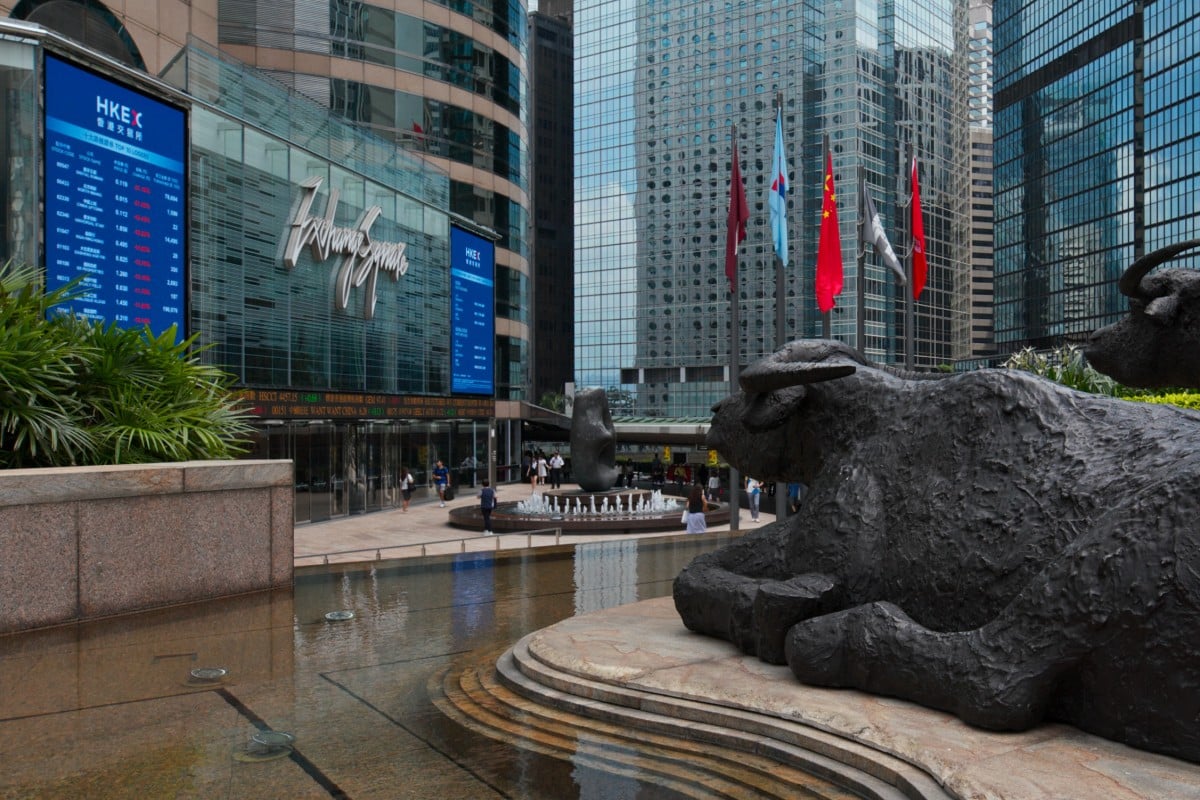
Group 1 - The global largest lidar manufacturer, Hesai Technology, has secretly applied for a listing in Hong Kong, aiming to open its first overseas factory in Southeast Asia by 2026 [1] - CATL's IPO raised HKD 41 billion (approximately RMB 37.5 billion), making it the largest IPO globally this year and positioning Hong Kong at the top of the global IPO rankings [3] - Several Chinese electric vehicle manufacturers and smart technology companies, including Chery Automobile and Seres, are planning to go public in Hong Kong, enhancing China's automotive technology leadership on the global stage [3][4] Group 2 - International investors are actively seeking China's next industry leaders, particularly in the technology and energy sectors, to diversify their investment portfolios amid increasing geopolitical tensions [4] - In 2022, China's new energy vehicle sales accounted for over 60% of global total deliveries, indicating a strong market presence [4]



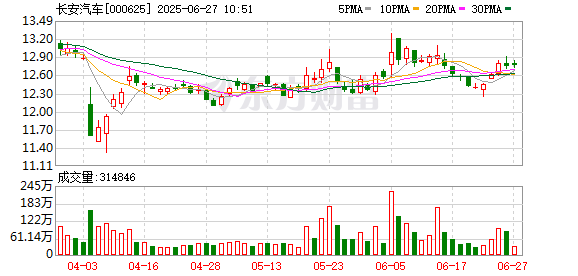
东风集团股份(00489):自主乘用车放量与商用车复苏共振驱动新拐点
Shenwan Hongyuan Securities· 2025-06-29 09:06
Investment Rating - The report initiates coverage with a "Buy" rating for Dongfeng Group [2][10]. Core Views - Dongfeng Group is transitioning from reliance on joint ventures to focusing on its own passenger vehicle production, with a significant increase in profitability expected from its self-owned brands [5][6]. - The commercial vehicle segment is anticipated to enter a mild recovery phase, benefiting from market expansion and infrastructure improvements [6][7]. - The company's financial performance is projected to improve significantly, with a forecasted net profit of 1.33 billion yuan in 2025, marking a substantial recovery from previous losses [8][30]. Summary by Sections 1. Continuous Layout of Self-Owned Passenger Vehicles - Dongfeng Group has gradually reduced its dependence on joint ventures since 2007, focusing on self-owned passenger vehicles, which has led to a projected gross margin increase to 12.9% by 2024 [5][6]. - The company has established a collaborative structure with four major self-owned brands, enhancing its market presence across various segments [6][27]. 2. Joint Venture Brands Experience Turmoil - The joint venture brands have faced challenges due to slow product updates and a lack of electrification, leading to declining sales and profitability since 2020 [6][40]. - Dongfeng's self-owned brands, particularly high-end models like Lantu, are expected to contribute significantly to profitability, with a focus on the premium electric vehicle market [6][27]. 3. Comprehensive Layout of Commercial Vehicles - The commercial vehicle segment includes heavy trucks, light trucks, and vans, with a market expansion forecast to reach 4 million units by 2025 [6][7]. - Dongfeng is well-positioned to maintain its market share and achieve profitability as the commercial vehicle market recovers [6][7]. 4. Profit Forecast and Valuation - The report estimates revenue growth from 99.31 billion yuan in 2023 to 134.42 billion yuan in 2025, with a significant increase in net profit expected [8][30]. - The valuation is based on a price-to-book (PB) ratio of 0.25x for 2025, indicating a potential upside of 45% from current levels [10][11]. 5. Key Assumptions - Passenger vehicle sales are projected to reach 595,000 units in 2025, with commercial vehicle sales expected to be 364,600 units [11]. - The gross margin is anticipated to stabilize and improve due to the launch of new self-owned models [11][33].
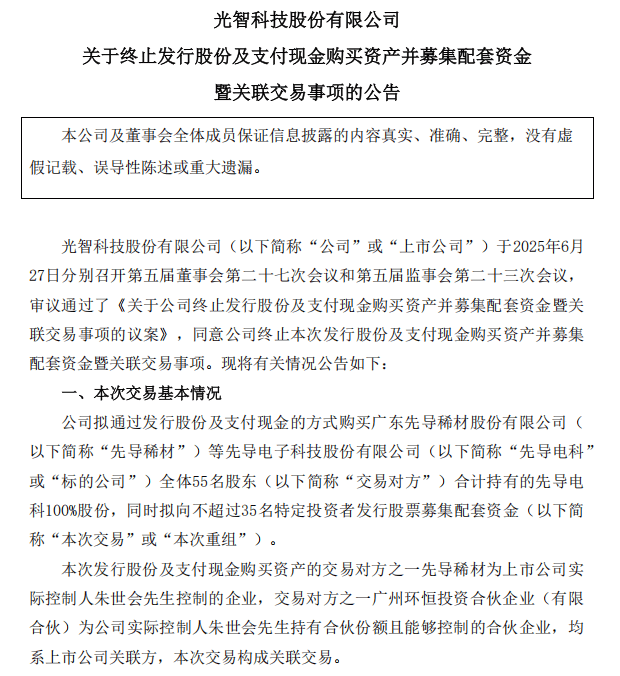
300489,突然终止!
Sou Hu Cai Jing· 2025-06-28 05:24
Core Viewpoint - The acquisition of Xian Dao Electric Science by Guangzhi Technology has been terminated due to disagreements on certain commercial terms, marking the end of a highly anticipated merger in the market [1][12][16]. Group 1: Acquisition Details - Guangzhi Technology announced plans to acquire a 100% stake in Xian Dao Electric Science, which was valued at 20 billion yuan, while Guangzhi's market capitalization was only around 3 billion yuan [13]. - The acquisition was initially seen as a significant move following the implementation of new merger regulations by the China Securities Regulatory Commission [13]. - The deal faced challenges, including delays in auditing and due diligence, which were cited as reasons for the termination [14][16]. Group 2: Market Reaction - Following the announcement of the acquisition plan, Guangzhi Technology's stock price surged over 100%, reaching a peak of 115.55 yuan per share [17][18]. - As of June 27, 2025, the stock price settled at 47.28 yuan, giving the company a market capitalization of approximately 6.5 billion yuan [18]. Group 3: Financial Performance - Guangzhi Technology reported a revenue of 1.455 billion yuan in 2024, a year-on-year increase of 43.82% [20]. - The company achieved a net profit of 12.26 million yuan, marking a turnaround from previous losses, although the net profit excluding non-recurring items remained negative at -37.16 million yuan [20]. - The total assets of the company increased by 21.93% year-on-year, reaching approximately 4.069 billion yuan by the end of 2024 [21].

长安汽车集团更名后,东风也有新动作:成立新公司!
Nan Fang Du Shi Bao· 2025-06-27 02:51
Group 1 - The restructuring between Dongfeng and Changan has accelerated in resource integration and strategic focus despite the halt in their merger [2] - Dongfeng has established a new company, Yipai Automotive Technology, to enhance its independent passenger vehicle business by integrating resources across the entire value chain [2][3] - The Chinese automotive industry is transitioning from "scale expansion" to "quality improvement," with companies focusing on high-end, intelligent, electric, and global strategies to enhance competitiveness [2] Group 2 - The new company will leverage Dongfeng's brand strength, technological accumulation, and industry chain layout to optimize branding and channels, focusing on user-centered quality products and services [3] - Dongfeng's overall sales from January to May 2025 reached 672,800 units, a year-on-year decrease of 17.1%, while new energy vehicle sales increased by 34.4% to 160,500 units [4] - Despite the overall sales decline, Dongfeng's passenger vehicle company saw an 18.5% increase in sales, indicating significant growth in the new energy sector [4]

东风集团成立“奕派科技”,引发自主品牌整合猜想
Jing Ji Guan Cha Wang· 2025-06-27 00:44
Core Viewpoint - Dongfeng Motor Group has established a new subsidiary, Yipai Automotive Technology, to focus on the development of its independent passenger vehicle business, integrating resources across the entire value chain [2][3]. Group 1: Company Strategy - The establishment of Yipai Technology aims to accelerate the development of Dongfeng's independent passenger vehicle brands, which include Fengshen, Yipai, and Nano [2]. - Yipai Technology will cover all three brands under Dongfeng's passenger vehicle segment, with Yipai positioned as a mainstream technology electric brand priced between 100,000 and 200,000 yuan, while Nano targets the under 100,000 yuan market as a "national pure electric professional brand" [2]. - The decision to name the new company Yipai rather than using existing brand names has sparked speculation about potential brand consolidation within Dongfeng [2]. Group 2: Industry Context - The Chinese automotive industry is shifting from a phase of "scale expansion" to "quality improvement," making resource integration and strategic focus crucial for long-term development [3]. - Similar cases in the industry include the merger of Zeekr and Lynk & Co, which formed Zeekr Technology Group, emphasizing a dual-brand strategy and integrated operations [3]. Group 3: Market Performance and Goals - Dongfeng Group aims to achieve an annual sales target of 3 million vehicles by 2025, with over 1 million being electric vehicles [4]. - In the first five months of this year, Dongfeng's passenger vehicle brands sold a total of 81,000 units, marking an 18.5% year-on-year increase, while its high-end electric vehicle brand, Lantu, saw sales of 46,000 units, up 85% year-on-year [4].

车企缩短账期,供应链现金流改善
HTSC· 2025-06-23 11:39
Report Summary 1. Industry Investment Rating There is no industry investment rating provided in the report. 2. Core Viewpoints - The commitment of 17 key automakers to shorten the payment period to suppliers within 60 days is a positive response to the "Regulations on Ensuring Payment for Small and Medium - sized Enterprises", which helps to alleviate market concerns about automakers' repayment ability and promotes the healthy development of the industry [2][10][11]. - For automakers, the shortened payment period has limited impact on cash - flow as they have sufficient bank credit. For component manufacturers, it can improve capital turnover, increase cash on hand, and potentially reduce impairment losses and improve profitability [2][13][15]. - The bond market shows that under the central bank's support, the mid - to long - term credit bonds remain strong. The issuance sentiment of credit bonds is warming up, and the secondary trading of short - duration bonds is active with a slight increase in long - duration trading [3][52][62]. 3. Summary by Directory 3.1 Credit Hotspot: Automakers Shortening Payment Periods - 17 key automakers, including BYD, Geely, FAW, etc., promised to unify the supplier payment period within 60 days. SAIC and BAIC additionally promised not to use commercial acceptance bills, while FAW and Jianghuai promised to streamline approval processes [10]. - As of June 22, 2025, there are 8 automaker bond - issuing entities with a cumulative outstanding bond scale of 66.9 billion yuan, and 4 component bond - issuing entities with a cumulative outstanding bond scale of 4 billion yuan [11]. - For automakers, although the shortened payment period may have a short - term impact on operating cash - flow, the cash - flow pressure is limited due to their good credit and sufficient unused bank credit. For example, if the accounts payable and notes turnover rate is adjusted to 6, the capital gap of most automakers is about 50 billion yuan, and Geely Holding Group's gap exceeds 100 billion yuan [13][15]. - For component manufacturers, the shortened payment period can improve capital turnover and cash on hand. On average, component companies may receive 3.5 billion yuan in additional monetary funds, which can enhance operational flexibility and risk - resistance ability [15]. - In terms of bond - issuing entity spreads, the industry spread of industrial bonds consists of liquidity premium and credit risk premium. In the short term, the commitment benefits component manufacturers more, and some high - spread entities may see a narrowing of spreads. Automakers' spreads are mainly affected by liquidity premium [20]. 3.2 Market Review - From June 6 to June 13, 2025, the monetary policy expectations at the Lujiazui Forum were not met, but the central bank maintained a loose tax - period capital environment. The mid - to long - term credit bonds remained strong, with yields of 7 - 10Y varieties mostly falling by more than 4BP. Some spreads increased slightly due to the strong performance of interest - rate bonds [3][27]. - The yields of Tier 2 and perpetual bonds also generally declined, with 5 - 10Y yields falling by about 4BP. The median spreads of public bonds in various industries showed mixed trends, and the median spreads of urban investment bonds in most provinces declined, with Inner Mongolia's spread dropping by more than 4BP [3][27]. 3.3 Primary Issuance - From June 16 to June 20, 2025, corporate credit bonds issued a total of 334.7 billion yuan, a slight 4% decrease from the previous period; financial credit bonds issued a total of 173 billion yuan, a 61% increase from the previous period. The net financing of corporate credit bonds was 28.7 billion yuan, with urban investment bonds having a net repayment of 26.5 billion yuan and industrial bonds having a net financing of 59.6 billion yuan [4][52]. - The issuance of credit bonds continued to recover after holiday factors and annual report updates. The average issuance rates of medium - short - term notes and corporate bonds showed a downward trend [4][52]. 3.4 Secondary Trading - Active trading entities are mainly medium - to high - grade, medium - short - term, and central and state - owned enterprises. Urban investment bond trading is mainly concentrated in high - grade platforms in economically strong provinces and core platforms in high - spread areas of large economic provinces. Real - estate bond trading is mainly AAA - rated with a maturity of 1 - 3 years, and private enterprise bond trading is also mainly AAA - rated with medium - short maturities [5][62]. - The proportion of trading volume of urban investment bonds with a maturity of over 5 years increased slightly from 0% to 2% compared to the previous week [5][62].

