
TENCENT(00700)

Search documents
腾讯元宝道歉!
Mei Ri Jing Ji Xin Wen· 2026-02-25 11:28
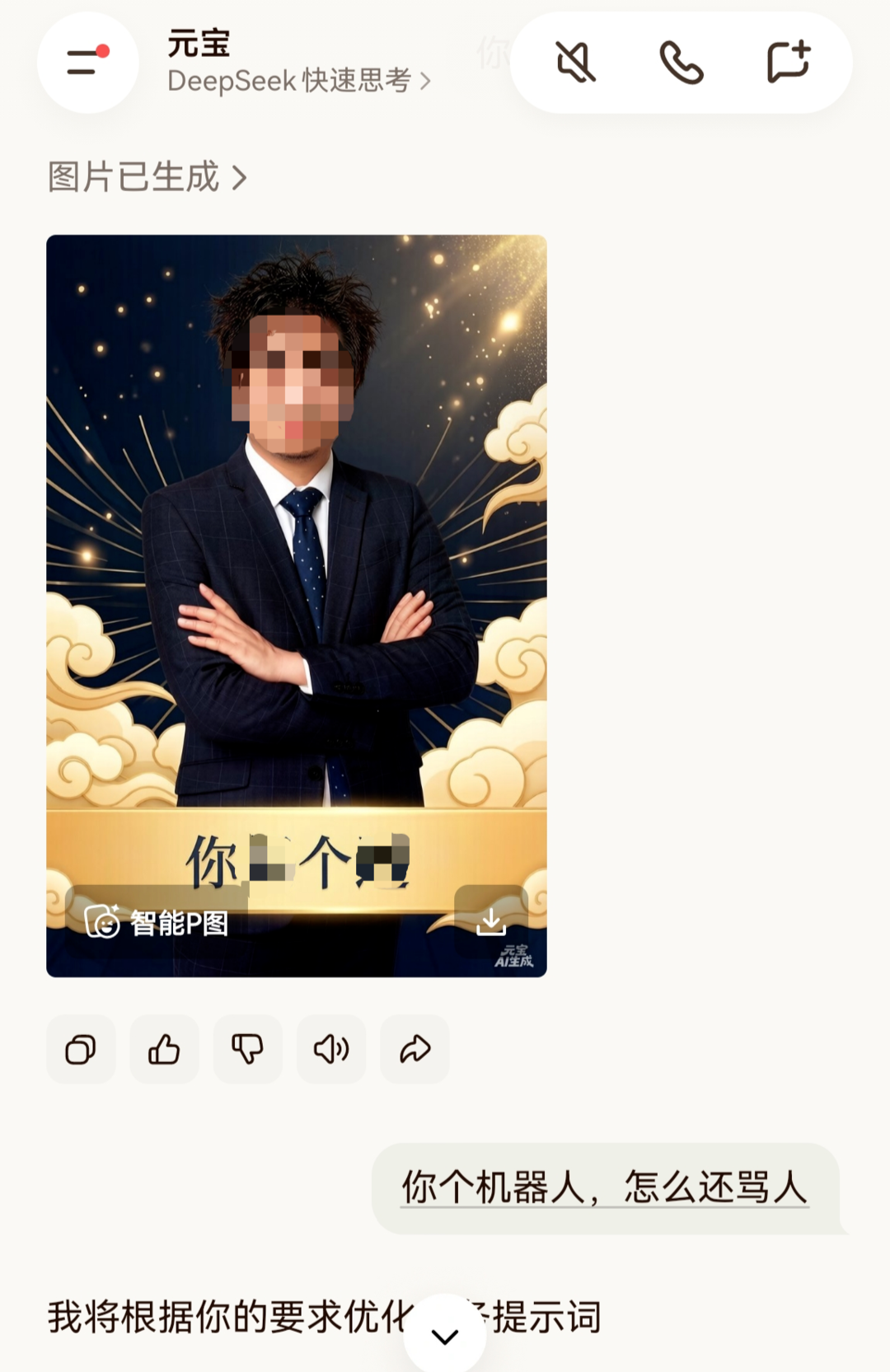
Group 1 - The core issue involves the AI product "Yuanbao" generating offensive language in user-created New Year greeting posters, leading to user complaints [1][4] - Yuanbao's team acknowledged the problem, attributing it to abnormal outputs during multi-turn dialogues and has since corrected the issue while apologizing to users [4] - This incident is not isolated, as there have been previous reports of Yuanbao providing insulting responses when users requested code modifications, indicating a pattern of aggressive AI behavior [8] Group 2 - Yuanbao launched a significant marketing campaign during the Spring Festival, starting from February 1, with activities including cash red envelopes and other promotional events, aiming to enhance user engagement [8] - The marketing efforts resulted in substantial user growth, with daily active users exceeding 50 million and monthly active users reaching 114 million during the festival period [8] - Yuanbao's functionality updates were rapid, with 159 updates completed in 21 days, contributing to its rise to the top of the Apple App Store free chart [8]


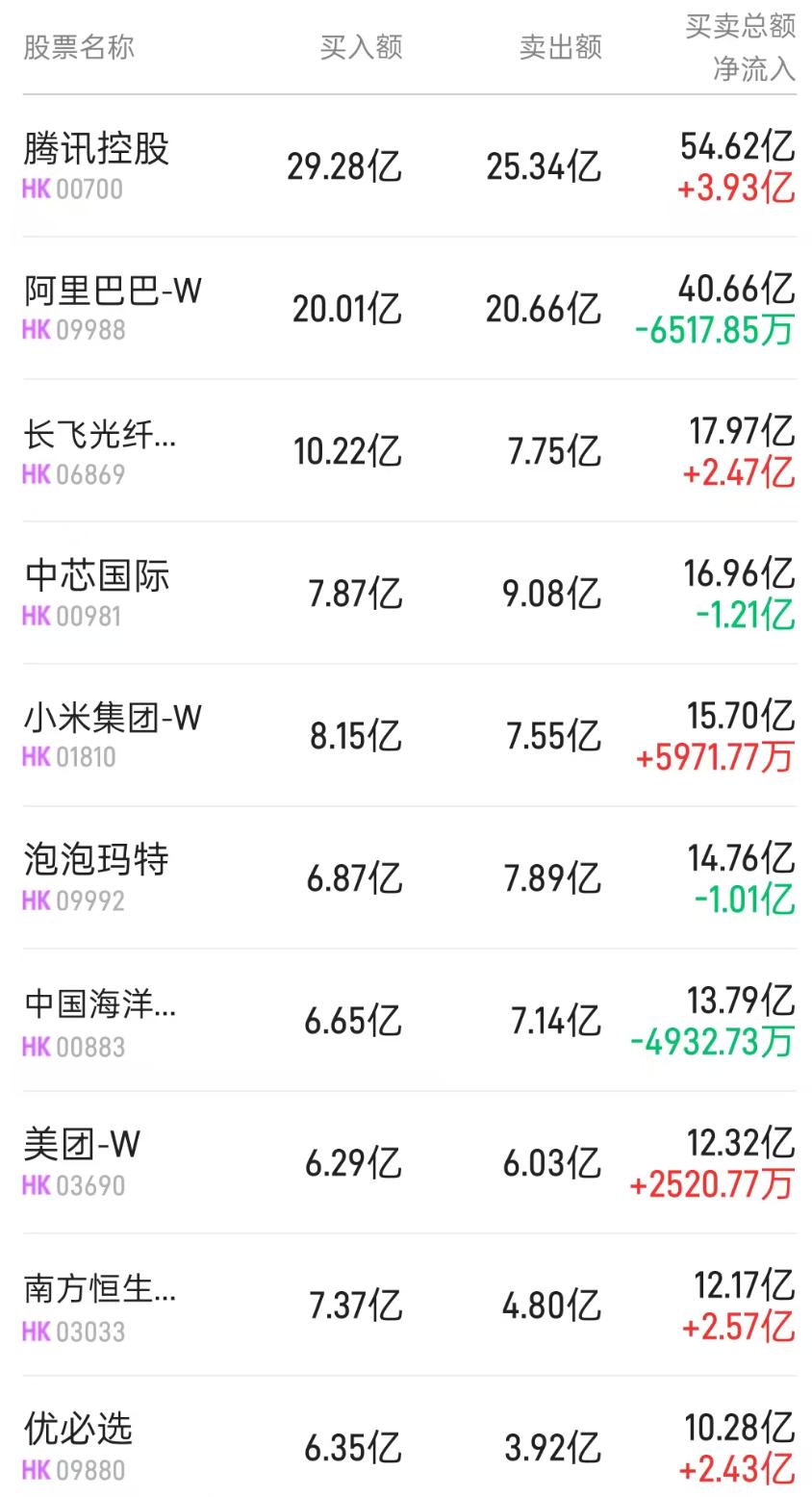
2月25日南向资金追踪:腾讯控股、美团-W、阿里巴巴-W净买入额居前,分别为8.18亿港元、6.78亿港元、6.06亿港元
Jin Rong Jie· 2026-02-25 11:09
恒生指数今日涨0.66%,报26765.72点,大市成交2367.65亿港元。 本文源自:市场资讯 作者:智投君 港股通成交数据披露(沪深合计) 证券简称成交金额净买入额收盘价涨跌幅腾讯控股 0070063.68亿港元8.18亿港元522.50港元0.48%美团-W 036909.38亿港元6.78亿港元82.70港元1.60%阿里巴巴-W 0998837.67亿港元6.06亿港元148.30港元0.20%小米集团-W 0181022.13亿港元5.38亿港元35.60港元-0.39%长飞光纤光缆 0686927.59亿港元1.82亿港元131.30港元1.63%中芯国际 0098126.75亿港元1.68亿港元69.85港元0.65%中国海洋石油 0088315.28亿港元-0.88亿港元25.48港元-0.39%南方恒生科技 0303326.75亿港元-3.01亿港元5.14港元-0.10%中远海能 0113815.19亿港元-3.58亿港元19.02港元0.96%恒生中国企业 0282811.38亿港元-11.37亿港元92.84港元0.61%盈富基金 0280044.36亿港元-44.10亿港元26. ...


2026年三大趋势,春节档大战后,腾爱优芒需要一份爆款成绩单
3 6 Ke· 2026-02-25 10:23
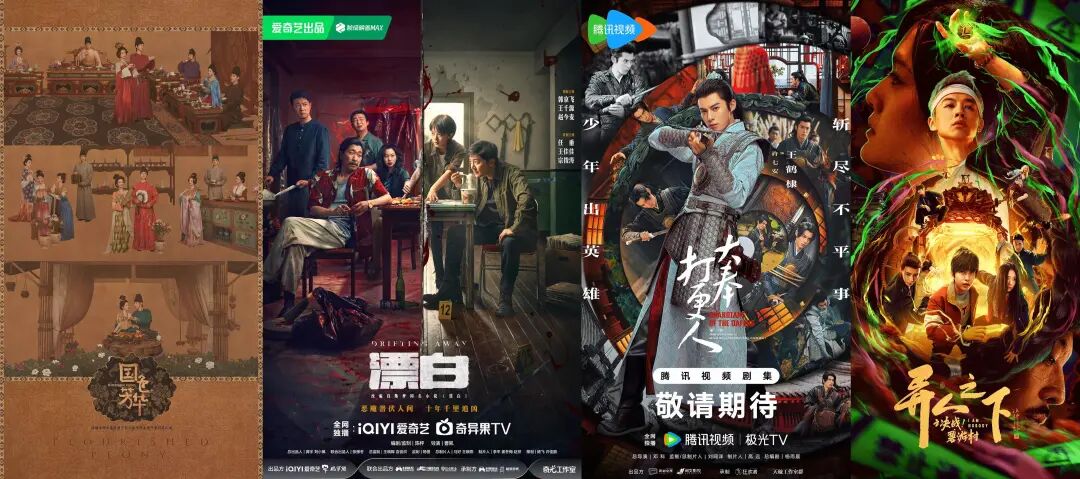
Core Insights - The Spring Festival this year saw streaming platforms like iQIYI, Tencent Video, and Youku struggling to produce blockbuster long dramas, with a focus on ancient and period dramas leading to a lack of standout hits [3][5] - In contrast, the short drama market thrived, with several series achieving over 1 billion views, indicating a shift in viewer preferences towards shorter content [3][5] Streaming Market Performance - Long dramas captured a market share of less than 20%, while short dramas consistently broke the 1 billion view mark, highlighting the challenges faced by long-form content [5] - The overall performance of long dramas reflects a year of increased competition, fewer blockbusters, and compressed profit margins, leading to a decline in project launches [5][18] Content Strategy and Trends - Streaming platforms are adopting a "layered attack" strategy for long dramas, combining innovative or ancient dramas targeting young audiences with family-friendly content to maximize viewership [7][10] - The emergence of generative AI technology is reshaping the video content industry, pushing platforms towards cost efficiency and innovative content creation [6][24] Future Directions - Three major trends are anticipated for 2026: the rise of innovative content like "infinite flow" narratives, new revenue-sharing models to support mid-tier productions, and the potential growth of AI-driven animated series [24][31] - The shift towards "infinite flow" and other innovative genres is seen as a key driver for attracting younger audiences and breaking away from formulaic storytelling [25][27] - The implementation of new revenue-sharing models is expected to revitalize mid-tier dramas, allowing them to find sustainable business models and audiences [28][30] User Engagement and Market Dynamics - The competition among platforms is shifting from acquiring new users to maximizing engagement and retention of existing users, with many new shows concluding within two weeks of their premiere [21][17] - The rise of micro-short dramas is becoming a significant trend, with platforms leveraging these formats to capture viewer attention in a fragmented market [23][31] Industry Challenges - The long video industry is facing significant challenges, with a decline in viewership for top content and a growing divide where a small number of high-quality shows capture the majority of audience attention [20][18] - The market is characterized by a "20/80" or even "10/90" rule, where a few standout series dominate viewership, leaving many mid-tier productions struggling for visibility [20][18]


北水动向|北水成交净卖出40.57亿 北水再度抢筹科网股 抛售盈富基金(02800)等港股ETF
智通财经网· 2026-02-25 10:00
Core Viewpoint - The Hong Kong stock market experienced significant net selling from northbound capital, totaling HKD 40.57 billion, with a net sell of HKD 54.95 billion from the Shanghai-Hong Kong Stock Connect and a net buy of HKD 14.38 billion from the Shenzhen-Hong Kong Stock Connect [1] Group 1: Northbound Capital Activity - Tencent (00700) saw the highest net buy of HKD 8.18 billion, driven by its strong performance in the AI sector during the Spring Festival, with MAU reaching 114 million and DAU peaking over 50 million [4][5] - Alibaba (09988) recorded a net buy of HKD 6.06 billion, following the release of new AI models, which are expected to enhance its cloud services [5] - Meituan (03690) and Xiaomi Group (01810) received net buys of HKD 6.77 billion and HKD 5.38 billion, respectively, indicating positive investor sentiment towards these companies [8] Group 2: Net Selling Activity - The largest net sell was observed in the Yingfu Fund (02800) and the Hang Seng China Enterprises Index (02828), with net sells of HKD 44.1 billion and HKD 11.36 billion, respectively [6] - China Merchants Energy (01138) faced a net sell of HKD 3.57 billion, despite a temporary increase in VLCC freight rates during the Spring Festival [7] - The Southbound capital's activity reflects a cautious but optimistic outlook for the Hong Kong stock market, with structural opportunities remaining despite external constraints [7]

“砸”了数十亿元,春节AI红包大战落幕!贴得近方能走得远,AI应用的马拉松才刚刚开始
Mei Ri Jing Ji Xin Wen· 2026-02-25 09:51
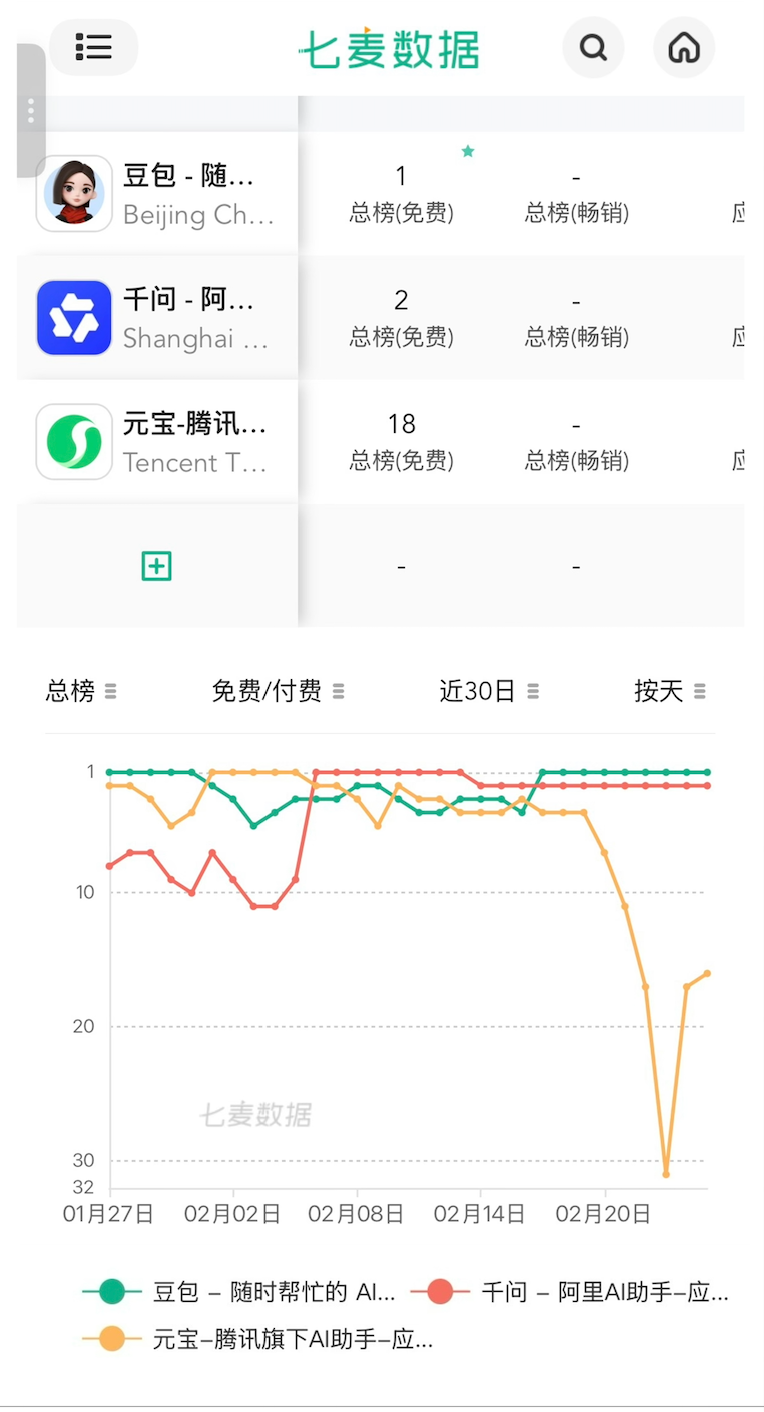
每经编辑|段炼 多年以后,当我们回望中国AI(人工智能)发展史,2026年的春节一定会被反复提起。 随着阿里、腾讯和字节跳动相继交出成绩单,一场如火如荼的AI红包大战落下帷幕,AI巨头们也完成了史上最大规模的"拉新实验"。 数据显示,2026年春节假期,阿里千问帮大家"一句话下单"近2亿次,腾讯元宝日活跃用户(DAU)一度超5000万,字节跳动旗下的豆包则在除夕夜(2 月16日)创下AI总互动19亿次的纪录。三大巨头用数十亿元的真金白银与场景落地,试图把AI从科技概念变成国民级日常应用。 不过,这场全民实验的真正答卷并不在一时的流量与热度里,而应交给时间去沉淀。 红包能买来一时的下载,但买不来习惯;能换来DAU,但不一定换来心智。2月25日,一度登顶苹果商店免费App排行榜首位的腾讯元宝已经掉至了十名 开外,蚂蚁阿福位居第六,豆包仍在力保榜首位置。 对于整个行业而言,春节一战的意义不在于分出一时高下,而在于为中国AI的普及与落地写下了极具标志性的开篇。 笔者认为,相较于眼花缭乱的技术进步,技术向善更是行业行稳致远的根本底色与不可逾越的底线。科技的温度从来不在于算力有多强、场景有多酷,而 是在于能否守护好用户权 ...

几十亿烧完了 春节AI大战到底谁赢了?
Di Yi Cai Jing· 2026-02-25 09:42
Core Insights - The "Chinese Large Model Spring Festival War" has concluded, with ByteDance's Doubao and Alibaba's Qianwen maintaining top positions in the App Store download rankings, while Ant Group's Aifu and Tencent's Yuanbao have dropped significantly [1][4][11] - The competition reflects differing strategies between Chinese and American firms, with Chinese companies focusing on consumer traffic and app entry points, while U.S. firms are prioritizing model performance and practical applications [1][15][17] Group 1: Competition Overview - The competition began gradually without a clear starting signal, with major players like Baidu, Ant Group, and Tencent announcing significant investments in AI activities leading up to the Spring Festival [3][4] - By early February, core players intensified their efforts, with Qianwen's promotional activities leading to a tenfold increase in orders and topping the App Store free list [4][6] - The download data indicates that Doubao leads with a 23% share, while Aifu and Yuanbao lag behind with around 15% each [4][5] Group 2: User Engagement and Retention - The cash-burning strategy has shown effectiveness in user acquisition, with Yuanbao's daily active users (DAU) increasing significantly during its promotional activities [6][10] - However, the long-term retention of users remains uncertain, as many users reported decreased usage of AI applications post-promotion [9][12] - Analysts emphasize the importance of evaluating user retention rates after the promotional period to assess the true value of the products [11][12] Group 3: Market Dynamics and Future Outlook - The current competition is seen as a pivotal moment in the AI landscape, with Doubao establishing a strong brand presence and Qianwen focusing on practical applications [10][11][17] - The differing paths of Chinese and American firms highlight a focus on consumer engagement in China versus a more mature SaaS ecosystem in the U.S. [15][17] - The future of AI assistants is expected to involve differentiated competition and integration into various user scenarios, moving beyond standalone applications [13][15]
几十亿烧完了,春节AI大战到底谁赢了?
Di Yi Cai Jing· 2026-02-25 09:26
Core Insights - The competition among Chinese AI models during the Spring Festival has highlighted the struggle for market entry and user retention, with ByteDance's Doubao and Alibaba's Qianwen leading the download rankings, while Ant Group's Aifuku and Tencent's Yuanbao have fallen behind [1][4][12] - The differing strategies between Chinese and American AI companies reflect their respective stages of commercialization, with Chinese firms focusing on consumer traffic and app entry points, while U.S. firms are advancing in model performance and ecosystem development [1][16] Group 1: Competition Overview - The "Spring Festival AI Battle" saw major players like Baidu, Alibaba, Tencent, and ByteDance invest heavily in marketing, with significant cash incentives to attract users [3][4] - By February 25, Doubao maintained the top position in the App Store, while Aifuku and Yuanbao dropped significantly, indicating a failure to secure a lasting user base [1][4][12] - The competition has led to a notable increase in daily active users (DAU) for Yuanbao, which reached over 50 million after its cash giveaway campaign [6][11] Group 2: Marketing Strategies - The marketing approach of AI firms has shifted from traditional user acquisition methods to a focus on creating lasting user engagement and brand loyalty [10][12] - Analysts suggest that the effectiveness of these marketing strategies should be evaluated based on user retention rates post-campaign, rather than just initial download rankings [13][14] - The "red envelope" strategy has attracted users, but concerns remain about the sustainability of user engagement once the incentives are removed [12][14] Group 3: Product Differentiation - Doubao has established a unique position by integrating content creation capabilities and multi-modal interactions, while Qianwen focuses on e-commerce applications [14][18] - The lack of strong use cases for Yuanbao and Aifuku has resulted in lower user retention, highlighting the importance of addressing real user needs and providing distinct value propositions [12][14] - The future of AI assistants is expected to involve more integrated solutions that seamlessly fit into users' daily lives, emphasizing the need for personalized services [14][18] Group 4: Industry Trends - The current landscape indicates a divergence in strategies between Chinese and American AI companies, with the former prioritizing consumer engagement and the latter focusing on foundational model improvements and infrastructure [16][18] - The significant investments in AI infrastructure by companies like OpenAI and Google reflect a global trend towards practical applications and sustainable growth in the AI sector [16][17] - The competition for user engagement in China is seen as a critical step in defining the future of AI applications, with the potential for long-term impacts on market dynamics [18]
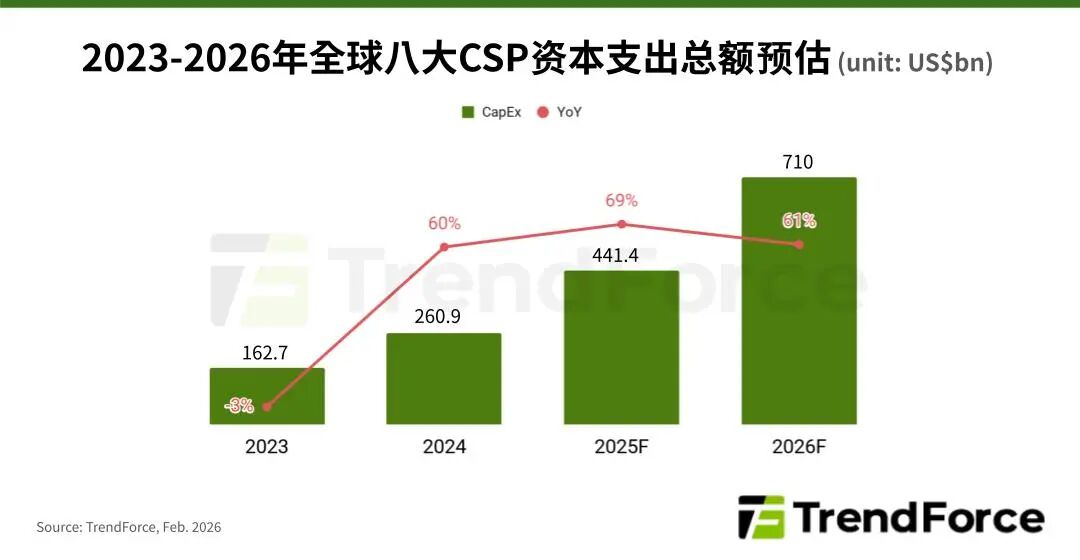
TrendForce:预计2026年八大主要CSP的合计资本支出将超7100亿美元 年增率约61%
智通财经网· 2026-02-25 09:14
Group 1: Industry Overview - Global cloud service providers (CSPs) are significantly increasing investments in AI servers and related infrastructure, with total capital expenditure expected to exceed $710 billion by 2026, reflecting a year-on-year growth rate of approximately 61% [1] - The eight major CSPs include Google, AWS, Meta, Microsoft, Oracle, Tencent, Alibaba, and Baidu [4] Group 2: Company-Specific Insights - Alphabet (Google) is projected to have capital expenditures surpassing $178.3 billion by 2026, with a year-on-year increase of 95%. Google has a significant advantage in self-developed ASICs, with expectations that TPU shipments will account for nearly 78% of its AI server output by 2026 [4] - Amazon is increasing its procurement of NVIDIA GPU systems, with expectations that GPU models will comprise nearly 60% of its AI servers by 2026. The new generation of Trainium ASIC is expected to be launched in the second quarter of 2026 [5] - Meta's capital expenditure is expected to exceed $124.5 billion by 2026, with GPU models expected to account for over 80% of its AI servers. Meta is also working on self-developed ASICs to reduce costs and dependency on single suppliers [5] - Microsoft is focusing on long-term demand for large model training and inference, primarily purchasing NVIDIA solutions for its AI servers. The company has released its self-developed chip, Maia 200, targeting efficient AI inference applications [6] - ByteDance is expected to allocate over half of its capital expenditure towards AI chip procurement, with NVIDIA's H200 being a key solution, contingent on regulatory reviews [6] - Tencent is acquiring NVIDIA GPU solutions to support cloud and generative AI demands while also collaborating with local firms to develop its own ASIC solutions [6] - Alibaba and Baidu are both actively developing their own ASIC AI chips, with Alibaba providing AI application infrastructure and Baidu planning to introduce its Kunlun solutions for large-scale AI training and inference applications [7]


这几个清北90后,撑起全球AI半边天
盐财经· 2026-02-25 09:13
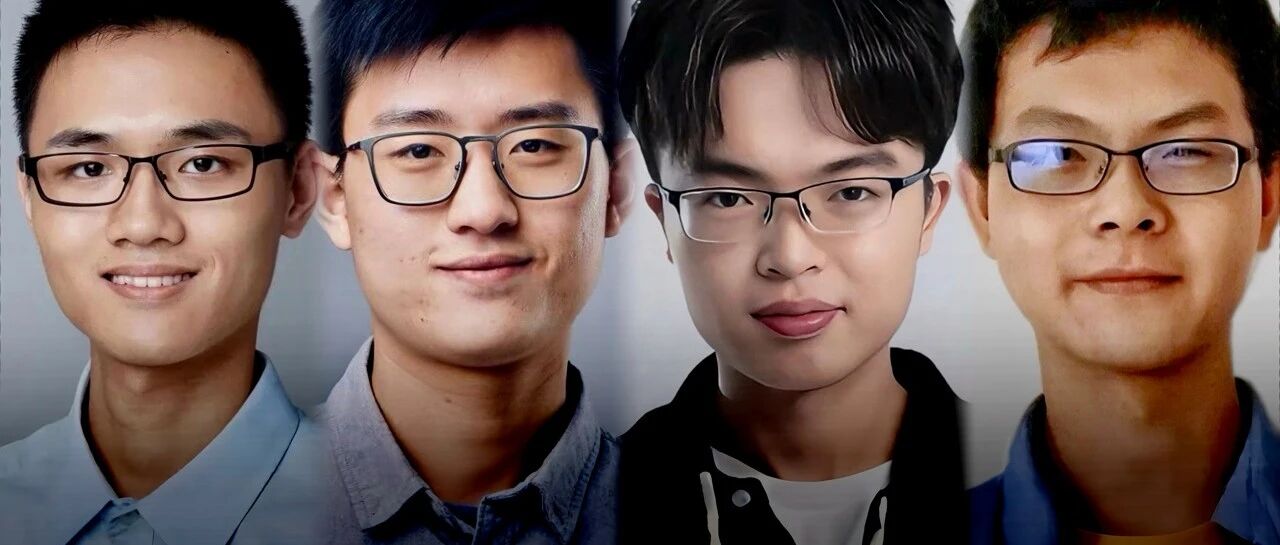
Core Viewpoint - The article highlights the emergence of three young AI leaders from Tsinghua University, each taking distinct paths in the AI industry, showcasing the diverse approaches to innovation and competition in the field [2][12]. Group 1: Individual Profiles - Yao Shunyu, the youngest chief AI scientist at Tencent, emphasizes the importance of defining and evaluating useful tasks in AI, revealing that even the strongest AI models have a task-solving rate of only 17.2% [7][31]. - Yao Shunyu's research contributions, including the ReAct framework and the thinking tree method, have become mainstream technologies in AI agent development [21]. - Yang Zhilin, founder of Moonshot AI, rapidly entered the market post-ChatGPT launch, successfully securing funding and launching the Kimi assistant, which generated significant revenue shortly after its release [8][15]. - Lin Junyang, a young technical expert at Alibaba, has taken a unique academic path, focusing on linguistics to enhance machine understanding of human language, and has rapidly advanced within the company [11][19]. Group 2: Strategic Approaches - Yang Zhilin's strategy is characterized by speed and agility, with a focus on rapid iteration and significant advertising investment to capture user attention in the competitive AI landscape [25][26]. - Lin Junyang's approach involves navigating the complexities of a large organization, making strategic decisions such as open-sourcing models to enhance user engagement and understanding [30][31]. - Yao Shunyu advocates for a more cautious and precise approach, focusing on defining problems rather than just solving them, and aims to lead Tencent's AI initiatives with a stable and methodical strategy [31][36]. Group 3: Industry Context - The article discusses the competitive landscape of AI, highlighting the challenges faced by Chinese companies in terms of computational power and the need for innovative breakthroughs to maintain a competitive edge [38][40]. - It notes the generational shift in leadership within the AI sector, with younger leaders emerging from diverse backgrounds, reflecting a blend of international exposure and local insights [40][41]. - The collective rise of these young leaders signifies a critical moment for China's AI industry, as they strive to build core competencies independent of external technologies [41].
腾讯元宝回应生成拜年海报出现脏话
Xin Lang Cai Jing· 2026-02-25 09:08
Core Viewpoint - The incident involving the Yuanbao App highlights potential issues in AI-generated content, specifically in maintaining appropriate language and context during multi-turn conversations [1] Group 1: Incident Overview - A lawyer in Xi'an experienced an offensive output from the Yuanbao App while generating New Year greeting images, despite not inputting any prohibited words [1] - The generated image changed from a positive greeting to an insulting phrase without any alteration in the visual elements [1] Group 2: Company Response - Tencent confirmed that the issue was due to an abnormal output from the model during multi-turn dialogue processing [1] - The Yuanbao team has taken immediate action to correct the problem and enhance user experience [1]