
CHINA UNICOM(00762)

Search documents
5G专网开始进入快速增长通道,但当年高低入局的云厂商如今开始低调退出
3 6 Ke· 2025-08-25 11:12
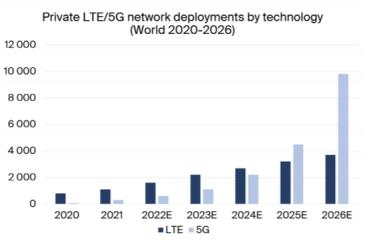
Core Insights - The 5G private network market is expected to grow at a compound annual growth rate (CAGR) of approximately 41% from 2025 to 2028, reaching over $5 billion by the end of 2028 [1] - Despite challenges and a significant shift in the supplier landscape, the value of 5G private networks remains evident, with a focus on scaling advantages as the market continues to consolidate [1] Industry Growth - In China, 5G private network revenue has entered a rapid growth phase, with China Mobile reporting a revenue of 8.7 billion yuan in 2024, a year-on-year increase of 61%, and 6.1 billion yuan in the first half of 2025, up 57.8% year-on-year [2] - China Unicom also reported a year-on-year growth of 60% in 5G private network revenue in the first half of 2025, although total revenue figures were not disclosed [2] - The rapid growth of 5G private networks is highlighted, but they currently do not constitute a significant revenue driver, accounting for only 5.16% of China Mobile's enterprise market revenue in the first half of 2025 [2] Market Dynamics - The 5G private network market is undergoing a reshuffle, with major internet companies like AWS, Microsoft Azure, and Google Cloud withdrawing from the space due to various challenges, including spectrum resource limitations and market size not meeting expectations [4][6] - AWS has confirmed the cessation of its 5G private network service, citing obstacles to service development, while still maintaining its integrated private wireless plan [5] - Microsoft Azure announced that its core 5G private network service will be discontinued by September 30, 2025, urging customers to transition to partner solutions [5] Infrastructure and Deployment - As of June this year, there are over 18,500 "5G + Industrial Internet" projects in China, with 58,000 5G virtual private networks covering key application scenarios such as industry, ports, healthcare, and energy [3] - The deployment of 5G private networks is primarily through virtual private networks, with a trend of replication across various sectors following initial demonstration effects [3] Future Outlook - Research institutions are adjusting their forecasts for the 5G private network market, with previous optimistic predictions being tempered by current market realities [7][9] - The SNS Telecom & IT report emphasizes the significant impact of 5G private networks in specific sectors, with efficiency improvements ranging from 20% to 90% in manufacturing and logistics processes [12] - The report also highlights the importance of spectrum policies in accelerating the adoption of 5G private networks, with various countries implementing shared and local spectrum access frameworks [13][14]




两融连增9周,加仓这些行业
天天基金网· 2025-08-25 07:43
Core Viewpoint - The A-share market has shown strong performance recently, with the margin trading balance reaching 21,467.95 billion yuan, indicating increased investor confidence and market activity [2][11]. Margin Trading Balance - As of August 21, the A-share margin trading balance reached 21,467.95 billion yuan, with a financing balance of 21,319.52 billion yuan, marking a significant increase over the past nine weeks [2][4]. - The margin trading balance surpassed the 20 trillion yuan mark for the first time since July 2015, reflecting a notable shift in market dynamics compared to ten years ago [2][11]. Industry Performance - From August 18 to August 21, 30 out of 31 industries saw an increase in financing balances, with the electronics, computer, and communication sectors leading in net buying amounts of 23.30 billion yuan, 11.63 billion yuan, and 7.62 billion yuan, respectively [4][6]. - The coal industry was the only sector to experience net selling, amounting to 0.02 billion yuan [4]. Investor Behavior - Investors have shown a preference for popular stocks, with 251 stocks receiving over 100 million yuan in additional financing during the specified period [8]. - The top five stocks with the highest net buying amounts included SMIC, Cambrian, Zhongji Xuchuang, Northern Rare Earth, and Zhinan Compass, with net buying amounts of 1.87 billion yuan, 1.73 billion yuan, 1.56 billion yuan, 1.25 billion yuan, and 1.16 billion yuan, respectively [8][9]. Market Dynamics - The current market structure is considered more optimized and mature compared to ten years ago, with a more stable influx of funds and a preference for emerging industries and growth styles [11][12]. - Analysts suggest that the increase in margin trading balance reflects a structural activity and a recovery in risk appetite, with a more rational financing structure and improved regulatory framework compared to 2015 [12].




云计算ETF沪港深(517390)涨近4%,2025数博会即将开幕,将集中呈现多领域前沿技术与应用成果
2 1 Shi Ji Jing Ji Bao Dao· 2025-08-25 06:05
Group 1: Cloud Computing and ETFs - A-shares experienced a slight pullback on August 25, while the cloud computing sector remained strong, with the cloud computing ETF (517390) rising by 3.86% and trading volume exceeding 30 million yuan [1] - Key components of the cloud computing ETF included Zhongke Shuguang, which hit the daily limit, and Zhongji Xuchuang, which rose over 10% [1] - The computer ETF (159998) saw a modest increase of 0.28% with a trading volume exceeding 90 million yuan, featuring top gainers such as Xiechuang Data, which rose over 8% [1] Group 2: Data Industry Expo - The 2025 China International Big Data Industry Expo will be held in Guiyang from August 28 to 30, organized by the National Data Bureau and the Guizhou Provincial Government [2] - A total of 375 companies, including major players like Huawei and China Telecom, have confirmed participation, showcasing advancements in digital infrastructure, AI models, data security, and smart terminals [2] - The expo will feature a series of activities including supply-demand matching, corporate roadshows, technical seminars, and product launches, creating a professional platform for technology exchange and business opportunities [2] Group 3: Challenges and Opportunities in AI and Cloud Computing - Citic Securities highlighted two main challenges for embodied intelligence companies: the correct model architecture and efficient data sampling, with a focus on the integration of large language models and visual models [3] - Companies with strong capital expenditure capabilities are expected to build competitive barriers through real data collection, while synthetic data and internet data will play a crucial role in the value of embodied models [3] - Central Securities noted an optimistic outlook for capital expenditure among leading cloud vendors by 2025, driven by AI development and the construction of large data centers, which will increase demand for optical device products [3]


2025“算力中国”重大成果揭晓 山西秦能“算电协同”技术跻身全国十大突破
Sou Hu Cai Jing· 2025-08-25 04:51
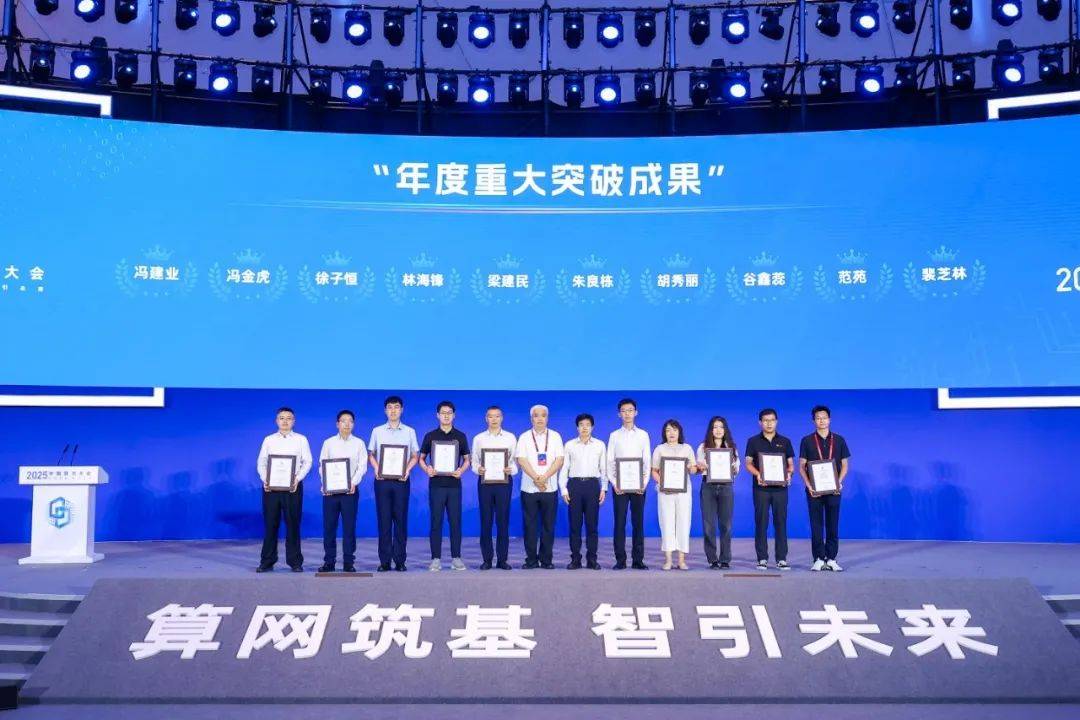
Core Insights - The 2025 China Computing Power Conference was held in Datong, Shanxi, showcasing ten innovative technologies that lead the global computing power industry, including the Shanxi Qineng Integrated Platform for Computing and Electricity [1][3] - The selected achievements demonstrate a leap from following to leading in the computing power industry, highlighting breakthroughs in core technologies and ecological innovation [3][4] Group 1: Key Technologies - The Shanxi Qineng Integrated Platform optimizes the dual-direction scheduling of computing and electricity resources, reducing electricity costs by 5%, carbon emission intensity by 25%, and improving computing efficiency by 30% [3][7] - China Mobile's "Jiuzhou" computing power optical network supports a backbone network with a computing capacity of 10 EFLOPS, expected to drive GDP growth by over 12.6 billion [4] - The FusionOne AI solution has served over 500 projects, achieving rapid deployment of AI applications [4][8] Group 2: Economic Impact - The Shanxi Qineng platform has saved 10 million yuan in electricity costs annually and reduced carbon emissions by 100,000 tons, contributing to a market worth tens of billions in computing and electricity collaboration services [3][4] - The conference highlighted Shanxi's innovative strength in the synergy of computing and energy, promoting a unique development path for the region [4] Group 3: Future Prospects - The promotion of these technologies is expected to further advance the green and intelligent upgrade of China's computing infrastructure, contributing to a new global digital civilization [4][11] - The integration of computing power and energy is seen as a key area for future growth, with significant implications for the digital economy and low-carbon transformation [3][4]


宁夏联通银川分公司携手警方启动“全民反诈哨兵”活动
Qi Lu Wan Bao· 2025-08-25 03:09
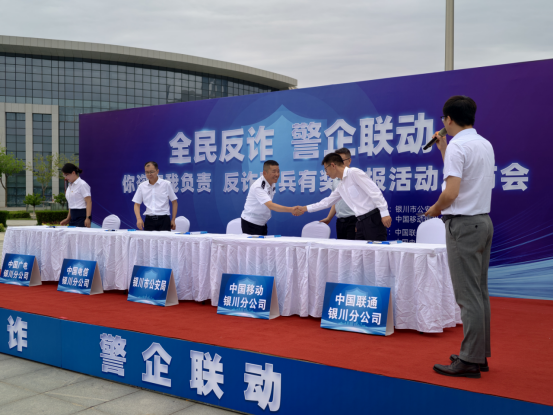
Group 1 - The "National Anti-Fraud Sentinel" campaign was launched in Yinchuan to combat telecom network fraud, encouraging public participation and collaboration between police and enterprises [1][3] - The campaign includes a reward mechanism for citizens to report telecom fraud clues, aiming to build a new anti-fraud framework involving the entire society [1][3] - Yinchuan Unicom and local police have signed an agreement to enhance cooperation in monitoring fraudulent numbers, early warning, and case collaboration, marking a new phase in their anti-fraud efforts [3] Group 2 - Ningxia Unicom aims to leverage this initiative to strengthen collaboration with public security agencies and fulfill its corporate social responsibility [5] - The company plans to utilize multiple channels for public awareness campaigns and precise warning notifications to enhance citizens' anti-fraud awareness [5] - The initiative contributes to the overall goal of building a safer Ningxia and protecting citizens' financial security [5]
两融连增9周,加仓这些行业
中国基金报· 2025-08-24 14:06
Core Viewpoint - The A-share market is experiencing a strong performance with the margin trading balance reaching a high level, indicating increased investor confidence and a shift in market dynamics compared to ten years ago [2][10]. Margin Trading Balance - As of August 21, the A-share margin trading balance reached 21,467.95 billion yuan, with the financing balance at 21,319.52 billion yuan, marking a continuous increase for nine weeks [4][10]. - The margin trading balance surpassed 20 trillion yuan for the first time since July 2015, reflecting a significant change in market ecology [2][10]. Industry Performance - From August 18 to August 21, 30 out of 31 industries saw an increase in financing balance, with the electronics, computer, and communication sectors leading in net buying amounts of 23.30 billion yuan, 11.63 billion yuan, and 7.62 billion yuan respectively [4][6]. - The coal industry was the only sector to experience net selling, amounting to 0.02 billion yuan [4]. Stock Performance - During the same period, 251 stocks saw an increase in financing amounts exceeding 1 billion yuan, with top stocks including SMIC, Cambrian, and ZTE, showing significant net buying [8]. - The top five stocks in terms of net buying saw increases of 34.59% for Cambrian and 17.41% for New Yisheng [8]. Market Dynamics - The current market structure is more optimized and mature compared to ten years ago, with a larger market size and lower proportion of leveraged funds relative to market value [10][11]. - The increase in margin trading balance is attributed to improved policy expectations and a recovery in market risk appetite, with funds flowing primarily into information technology, industrial, and materials sectors [10][11].

三大运营商的“钱袋子”也变瘪了
Hu Xiu· 2025-08-23 02:09
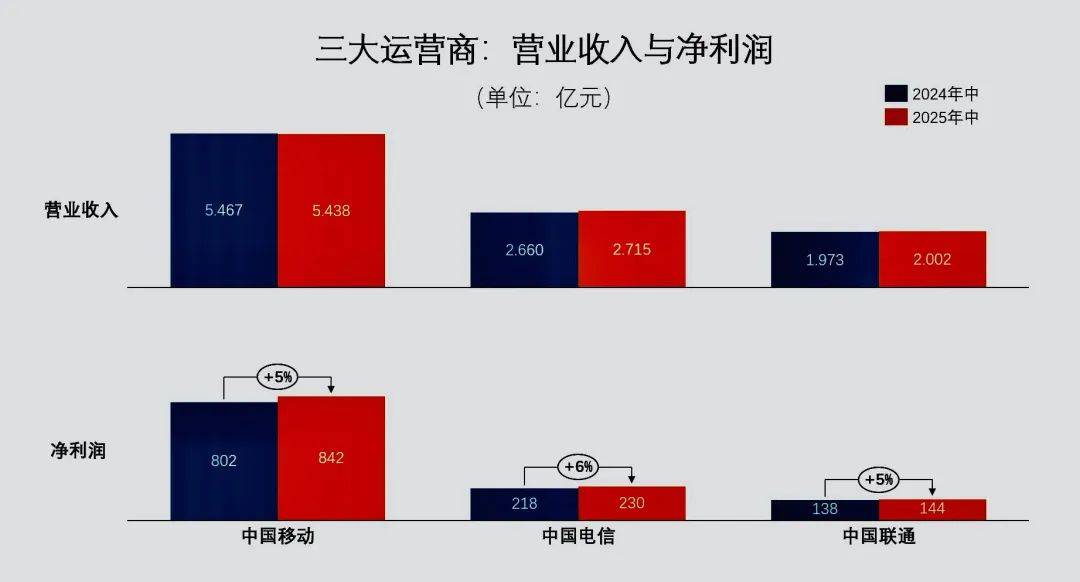
Core Viewpoint - The three major telecom operators in China reported a year-on-year net profit growth of over 5% for the first half of 2025, despite stable revenue levels, leading to media headlines emphasizing their profitability. However, the decline in free cash flow raises concerns about their actual cash-generating capabilities [1][9]. Group 1: Financial Performance - The telecom operators' free cash flow has shown a downward trend over the past three years, with China Mobile reporting a free cash flow of 25.5 billion, a 62% decrease year-on-year, while China Telecom and China Unicom also experienced significant declines compared to 2023 [6][8]. - Despite the net profit growth, the decline in free cash flow indicates a weakening ability to distribute dividends or reinvest, reflecting the true financial health of these operators [9]. Group 2: Capital Expenditure Trends - Following a peak in 5G investments from 2020 to 2023, the three operators have begun to reduce capital expenditures, with China Mobile, China Telecom, and China Unicom decreasing their capital expenditures by 9%, 28%, and 15% respectively in the first half of 2025 [12]. - The reduction in capital expenditures positively impacted free cash flow for China Telecom and China Unicom, which saw slight increases in free cash flow due to this decrease [12]. Group 3: Operating Cash Flow Analysis - The operating cash flow for the three operators declined significantly, with China Mobile's operating cash flow net amount halving compared to the same period in 2023, while China Telecom and China Unicom also reported decreases of 19% and 3% respectively [14]. - The primary reasons for the decline in operating cash flow include increased payments to suppliers and a rise in accounts receivable due to slower collection from government enterprise projects [16][21]. Group 4: Accounts Receivable and Bad Debt Provisions - Accounts receivable for the three operators increased significantly, with China Mobile, China Telecom, and China Unicom reporting year-on-year increases of 25%, 26%, and 19% respectively [22]. - The rise in accounts receivable has led to a substantial increase in bad debt provisions, with China Mobile and China Telecom seeing provisions grow by 33% and 59% respectively in 2025 [28][30]. Group 5: Strategic Implications - The operators need to shift focus from merely increasing revenue to ensuring cash flow generation, particularly in the government enterprise market, to avoid a cycle of "paper profits" without actual cash [36]. - A return to high-quality development is essential for the operators to maintain competitiveness and ensure that enterprise business becomes a growth engine rather than a cash drain [35][36].
运营商“三朵云”增速放缓 互联网云巨头借AI回暖
Zhong Guo Jing Ying Bao· 2025-08-22 20:31
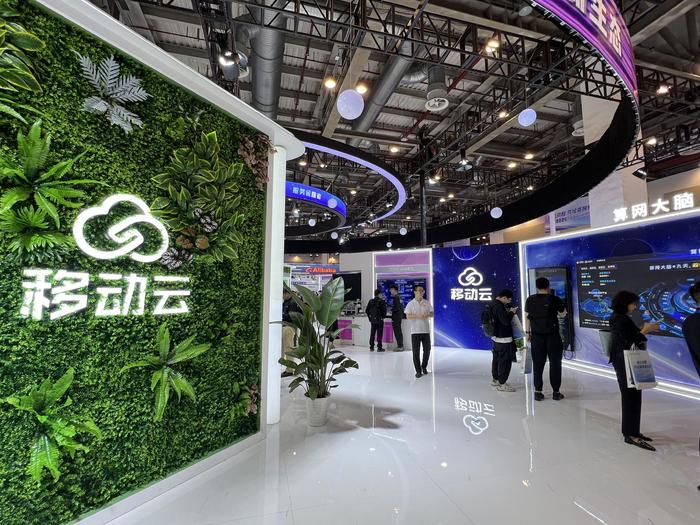
Core Insights - The cloud business of the three major telecom operators in China has shown a significant slowdown in growth compared to previous years, with average growth rates dropping from over 20% to lower single digits [2][3][4] - In contrast, internet cloud providers like Alibaba Cloud and Tencent Cloud are experiencing a resurgence, with Alibaba Cloud reporting an 18% year-on-year revenue growth in Q1 2025, marking its fastest growth in nearly three years [6][7] Telecom Operators' Cloud Business - The revenue for mobile cloud reached 56.1 billion yuan, up 11.3% year-on-year; China Unicom's cloud revenue was 37.6 billion yuan, up 4.6%; and Tianyi Cloud's revenue was 57.3 billion yuan, up 3.8% [2] - In the first half of 2024, mobile cloud revenue was 50.4 billion yuan, growing 19.3%; Tianyi Cloud revenue was 55.2 billion yuan, growing 20.4%; and China Unicom's cloud revenue was 31.7 billion yuan, growing 24.3% [3] - The rapid growth of the telecom operators' cloud business in the past three years saw mobile cloud and Tianyi Cloud achieving growth rates of 103.6% and 100.8% respectively in 2022 [4] Market Dynamics - The slowdown in growth for telecom operators is attributed to market saturation and a shift in demand towards high-performance computing and customized intelligent services, which have longer investment recovery periods [8][9] - The competitive landscape is changing, with AI playing a crucial role in the recovery of traditional cloud giants like Alibaba and Tencent, as they invest heavily in AI infrastructure [7][9] Future Outlook - The telecom operators are aware of the challenges they face and are transitioning towards AI and intelligent computing, with a significant portion of their revenue growth now coming from AI-related services [9][10] - Analysts suggest that while short-term growth may remain low, the long-term potential for recovery and profit margins will depend on the operators' ability to capitalize on the "AI + Cloud" monetization pathways [10]
突破千亿!172家公司发布分红预案
Sou Hu Cai Jing· 2025-08-22 14:31
Group 1 - The core viewpoint of the article highlights that many listed companies in China are announcing substantial dividend plans, with total proposed dividends exceeding 100 billion yuan, indicating a trend towards increased shareholder returns [2][3] - China Mobile plans to distribute over 540 billion yuan in dividends, proposing a mid-term dividend of 2.75 HKD per share, equivalent to approximately 2.5025 RMB per share [2] - China Telecom intends to distribute 165.81 billion yuan in cash dividends, which represents 72% of its net profit for the first half of the year [2][3] Group 2 - Companies like Gigabit and Muyuan are also announcing significant dividends, with Gigabit proposing a cash dividend of 66 RMB per 10 shares, amounting to about 4.74 billion yuan, which is 73.46% of its net profit [3] - Regulatory bodies have been encouraging listed companies to increase cash dividends, aiming to enhance the stability and predictability of dividend distributions, thereby boosting investor confidence in the capital market [3][5] - Analysts suggest that high dividend strategies involve investing in mature companies with strong cash flow and high return on equity (ROE), emphasizing the importance of long-term investment and avoiding crowded sectors [4]


中证港股通TMT主题指数报4738.83点,前十大权重包含小米集团-W等
Jin Rong Jie· 2025-08-22 12:40
Group 1 - The core viewpoint of the article highlights the performance of the China Securities TMT Index, which has shown significant growth over various time frames, including a 39.12% increase year-to-date [1] - The China Securities TMT Index is composed of 50 listed companies in the TMT sector selected from the Hong Kong Stock Connect, reflecting the overall performance of related industry companies [1] - The index has a base date of November 14, 2014, with a base point of 3000.0 [1] Group 2 - The top ten weighted companies in the China Securities TMT Index include Tencent Holdings (15.09%), China Mobile (13.35%), and Xiaomi Group-W (12.64%) [1] - The index's holdings are entirely composed of companies listed on the Hong Kong Stock Exchange, with a sector breakdown of 55.70% in communication services and 44.30% in information technology [1] - The index samples are adjusted biannually, with adjustments occurring on the next trading day after the second Friday of June and December [2]



