NCI(01336)

Search documents
港股收评:恒生科技大跌4%,科技金融齐跌,半导体军工齐挫,黄金股逆势上涨!阿里巴巴跌4%,新华保险跌7.16%,广发证券跌近7%
Ge Long Hui· 2025-10-17 08:38
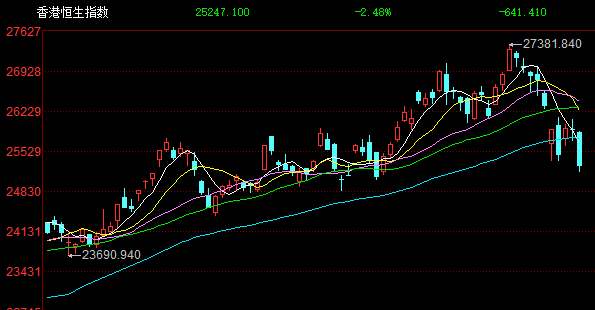
Core Points - The Hong Kong stock market experienced a significant decline, with the Hang Seng Technology Index dropping by 4.05% to close at 5760 points, the Hang Seng Index falling by 2.48% to 25247 points, and the National Enterprises Index decreasing by 2.67%, barely holding above the 9000-point mark [1][3] Group 1: Market Performance - The three major indices in Hong Kong reached recent adjustment lows due to a collective downturn in large technology stocks, major financial stocks (banks, insurance, securities), and state-owned enterprises [1][3] - Notable declines included Meituan and Alibaba, both dropping over 4%, while Xinhua Insurance fell by 7.16%, GF Securities by nearly 7%, and Industrial and Commercial Bank of China by 1.2% [3] Group 2: Sector Performance - Various sectors faced declines, including semiconductor stocks, Apple-related stocks, military industry stocks, automotive stocks, nuclear power stocks, lithium battery stocks, high-speed rail infrastructure stocks, coal stocks, and domestic real estate stocks [3] - Conversely, retail stocks and gold and silver jewelry stocks saw gains, with Chow Tai Fook rising by 5% after announcing its third price increase of the year, and Lao Pu Gold increasing by over 3% [3] Group 3: Notable Stock Movements - Biopharmaceutical stocks showed strength, with Yaojie Ankang surging over 22% after a previous increase of over 46%, and Xuan Zhu Biotechnology reaching a new high with a 16.9% rise on its third day of listing [3]


一周保险速览(10.10—10.17)
Cai Jing Wang· 2025-10-17 07:50
Regulatory Voice - The National Financial Supervision Administration has issued a notice to strengthen regulation of non-auto insurance businesses, focusing on optimizing assessment mechanisms, standardizing product development and rate management, enhancing premium income and market behavior supervision, improving underwriting and claims services, and promoting industry standardization [1] Industry Focus - The insurance industry has paid out 1.41 billion yuan in compensation for various losses related to autumn grain in the Huanghuai region due to recent continuous rain, with over 46 million yuan allocated for disaster relief efforts [2] Corporate Dynamics - Xinhua Insurance expects its net profit attributable to shareholders for the first three quarters of 2025 to be between 29.986 billion yuan and 34.122 billion yuan, representing a year-on-year growth of 45% to 65%, driven by improved insurance business value, transformation of dividend insurance, and significant investment income growth [3] - China Pacific Insurance has announced an expected net profit increase of approximately 40% to 60% for the first three quarters of 2025 compared to the same period in 2024 [4] - Guomin Pension Insurance plans to raise capital by issuing no more than 471 million shares, with the funds intended to supplement its core capital and support the development of its main business [5] Financial Personnel - China United Insurance Group has undergone a significant management transition, with Liu Yuanzhang, aged 47, taking over as the new party secretary, following the retirement of the previous chairman, Gao Xinghua [6]
新华保险跌2.01%,成交额17.68亿元,主力资金净流出2.95亿元
Xin Lang Cai Jing· 2025-10-17 06:44
Core Viewpoint - Xinhua Insurance's stock price has shown significant growth this year, with a year-to-date increase of 40.96% and a recent uptick of 7.26% over the past five trading days [1] Group 1: Stock Performance - As of October 17, Xinhua Insurance's stock price was 67.25 CNY per share, with a market capitalization of 209.79 billion CNY [1] - The stock experienced a net outflow of 2.95 billion CNY in principal funds, with large orders accounting for 27.02% of purchases and 34.03% of sales [1] - Over the last 60 days, the stock has increased by 13.69% [1] Group 2: Financial Performance - For the first half of 2025, Xinhua Insurance reported a net profit of 14.799 billion CNY, reflecting a year-on-year growth of 33.53% [2] - The company had zero operating revenue for the same period [2] Group 3: Shareholder Information - As of June 30, 2025, the number of shareholders decreased by 15.88% to 61,000, while the average number of circulating shares per person increased by 18.96% to 34,325 shares [2] - Since its A-share listing, Xinhua Insurance has distributed a total of 35.939 billion CNY in dividends, with 13.913 billion CNY distributed in the last three years [3] Group 4: Institutional Holdings - As of June 30, 2025, Hong Kong Central Clearing Limited was the fourth-largest circulating shareholder, holding 60.5095 million shares, an increase of 6.6977 million shares from the previous period [3] - Huatai-PB CSI 300 ETF ranked as the tenth-largest circulating shareholder, with 14.9041 million shares, up by 1.1914 million shares [3]
三季报披露窗口来临,先达股份、英联股份等绩优股获公募基金大幅增持
Zhong Guo Zheng Quan Bao· 2025-10-17 00:16
Core Viewpoint - The A-share market has entered the disclosure period for Q3 2025 financial reports, with many companies reporting significant net profit growth for the first three quarters of the year, attracting substantial investments from public funds [1][2]. Group 1: Company Performance - Several companies have reported positive earnings forecasts, with Guanghua Technology's net profit for the first three quarters expected to exceed 1000% year-on-year growth, and Daoshi Technology also projecting over 100% growth [2]. - Xian Da Co., a herbicide manufacturer, is expected to achieve a net profit of 180 million to 205 million yuan, reflecting a year-on-year increase of 2807.87% to 3211.74% [2]. - Xinhua Insurance and Luxshare Precision are projected to have net profits exceeding 10 billion yuan, with Xinhua Insurance estimating a profit of 299.86 billion to 341.22 billion yuan, a growth of 45% to 65% [3]. Group 2: Fund Investments - High-performing companies have seen significant stock price increases, with Zhenyu Technology's stock rising over 240% this year and Northern Rare Earth's stock increasing over 150% [4]. - Public funds have heavily invested in these high-performing companies, with 96 fund companies holding Northern Rare Earth and 68 holding Zhenyu Technology [4]. - Xian Da Co. and Yinglian Co. have also attracted investments from multiple public fund companies, with notable fund managers increasing their holdings [4]. Group 3: Market Outlook - The market is expected to see a rebound in earnings growth due to low performance baselines from the previous year, which may enhance market confidence [5]. - Investment strategies suggest a balanced approach, focusing on both value-oriented sectors like traditional consumption and growth sectors such as AI, semiconductors, and renewable energy [6].




“旅居养老”催生万亿元级市场,保险机构纷纷布局
Mei Ri Jing Ji Xin Wen· 2025-10-16 23:36
Core Viewpoint - The trend of "travel nursing" is gaining popularity among the elderly in China, reflecting a shift in their lifestyle preferences towards a more engaging and quality life rather than merely "spending their later years" [1][3]. Group 1: Market Trends - The number of healthy elderly individuals in China is expected to exceed 100 million by the end of the 14th Five-Year Plan, making them a significant consumer group in the tourism market [2]. - The travel nursing market is projected to transition from a niche to a mainstream market, entering a rapid development phase due to the increasing elderly population and their evolving needs [2][3]. - By 2035, the market size of China's travel nursing industry could reach 5 trillion yuan, indicating a clear direction towards high growth [3]. Group 2: Policy Support - The Chinese government has issued policies to support the development of the silver economy and travel nursing, including the cultivation of travel nursing destinations and promotional activities [2]. - Local governments are actively promoting the travel nursing industry, with various regions developing new business models such as health and wellness communities [2][3]. Group 3: Insurance Industry Involvement - Several insurance companies, including China Pacific Insurance and Taikang Insurance, have launched travel nursing product lines, often combining insurance products with travel nursing services [4]. - Large and medium-sized insurance companies are leveraging their existing retirement communities to facilitate travel nursing, while smaller companies are utilizing external resources to provide related services [4][5]. Group 4: Advantages and Challenges - Insurance institutions possess a large customer base, strong financial capabilities, and rich risk management experience, making them well-suited for the travel nursing sector [5]. - However, challenges exist, such as the need for standardized services and policy coordination across regions, which may affect operational efficiency [6]. Group 5: Recommendations for Small and Medium-sized Insurers - Small and medium-sized insurers are advised to adopt a cautious and flexible approach, starting with light asset collaborations and focusing on niche markets [7]. - Emphasizing customer experience and building a strong reputation are crucial for success in the travel nursing sector [7].



三季报披露窗口来临 公募机构提前入驻绩优股
Zhong Guo Zheng Quan Bao· 2025-10-16 22:22
Core Insights - The A-share market has entered the disclosure window for Q3 2025 reports, with many companies reporting significant net profit growth for the first three quarters [1][2] - A number of companies have received substantial increases in holdings from public funds, particularly those with strong performance [1][4] Company Performance - Companies such as Guanghua Technology and Daoshi Technology reported net profit growth exceeding 100% year-on-year for Q3 2025 [2] - Xian Da Co., a herbicide manufacturer, is expected to achieve a net profit of 180 million to 205 million yuan, representing a year-on-year increase of 2807.87% to 3211.74% [2] - Xinhua Insurance and Luxshare Precision are projected to have net profits exceeding 10 billion yuan, with Xinhua Insurance estimating 29.986 billion to 34.122 billion yuan, a growth of 45% to 65% [3] Fund Activity - High-performing companies have seen significant stock price increases, with Zhenyu Technology's stock rising over 240% this year [4] - Public funds have heavily invested in companies like Northern Rare Earth and Xian Da Co., with 96 and 19 fund companies holding their stocks respectively [4] - Notable fund managers from well-known firms are increasing their holdings in these companies, indicating strong institutional interest [4] Market Outlook - The market is expected to see a rebound in Q3 performance due to low base effects from the previous year, which may enhance market confidence [6] - Investment strategies suggest a balanced approach, focusing on both value and growth sectors, including traditional consumption and emerging technologies [5][6]

三季报披露窗口来临公募机构提前入驻绩优股
Zhong Guo Zheng Quan Bao· 2025-10-16 20:12
Core Viewpoint - The A-share market is currently in the disclosure window for Q3 2025 financial reports, with many companies reporting significant net profit growth for the first three quarters of the year, attracting substantial investments from public funds [1][2]. Company Performance - Several companies have reported positive earnings forecasts, with Guanghua Technology and Daoshi Technology both seeing net profit growth exceeding 100% year-on-year for Q3 2025 [2]. - Xian Da Co., a herbicide manufacturer, is expected to achieve a net profit of between 180 million to 205 million yuan, representing a year-on-year increase of 2807.87% to 3211.74% [2]. - Other companies with significant expected net profit growth include Chuanjiang New Materials and Yinglian Co., both involved in new materials, with expected growth rates exceeding 1000% [2]. Net Profit Scale - Xinhua Insurance and Luxshare Precision are projected to have net profits exceeding 10 billion yuan for Q3 2025, with Xinhua Insurance estimating a profit of 29.986 billion to 34.122 billion yuan, a year-on-year increase of 45% to 65% [3]. - Luxshare Precision expects a net profit of 10.890 billion to 11.344 billion yuan, reflecting a growth of 20% to 25% [3]. - Other companies like Yilake Co., Shandong Gold, and Dongwu Securities also anticipate net profits exceeding 1 billion yuan [3]. Fund Investment Trends - High-performing companies have seen significant stock price increases, with Zhenyu Technology's stock rising over 240% year-to-date, and Northern Rare Earth's stock increasing over 150% [3]. - Public funds have heavily invested in these companies, with 96 fund companies holding Northern Rare Earth and 68 holding Zhenyu Technology as of mid-year [3][4]. - Xian Da Co. and Yinglian Co. are also popular among public funds, with 19 and 17 fund companies holding their stocks, respectively [4]. Market Outlook - The market is expected to continue its upward trend, supported by the influx of incremental capital and the anticipated rebound in earnings growth across various sectors due to low performance bases from the previous year [5]. - Investment strategies suggest focusing on sectors benefiting from "anti-involution" policies, such as new energy, steel, and non-ferrous metals, as well as growth sectors like AI computing and semiconductors [6].
新华保险-盈利预警_2025 年前 9 个月因投资回报进一步提升,盈利同比增长 45 - 65%;2025 年第三季度预计增长 58 - 101%
2025-10-16 13:07
Summary of New China Life (1336.HK) Profit Alert Conference Call Company Overview - **Company**: New China Life Insurance Co., Ltd. (NCI) - **Ticker**: 1336.HK Key Financial Highlights - **9M25E Net Profits**: Estimated to increase by **45% to 65% year-on-year** to **Rmb30.0 billion to Rmb34.1 billion** compared to **Rmb14.8 billion** in 1H25, which represents a **34% year-on-year growth** [1][2] - **3Q25E Net Profits**: Expected to range from **Rmb15.2 billion to Rmb19.3 billion**, reflecting a **58% to 101% year-on-year growth** [2][4] Core Drivers of Performance - **Investment Returns**: The significant increase in net profits is attributed to substantial year-on-year growth in investment returns, despite a high base effect. This growth is supported by the strong performance of China's capital market in 9M25 and NCI's strategic allocation to high-quality anchor assets [3][4] Valuation and Market Position - **Target Price**: The target price for NCI is set at **HK$50.70**, implying an expected share price return of **8.8%** and an expected dividend yield of **4.8%**, leading to a total expected return of **13.6%** [5][7] - **Market Capitalization**: Approximately **HK$145.37 billion** (or **US$18.68 billion**) [5] Growth Projections - **Embedded Value (EV) and New Business Value (NBV)**: The target price is derived using an Appraisal Value approach, combining EV with NBV. Key assumptions include: - First-stage growth of **18%** from 2024 to 2027 - Second-stage growth of **5%** - Terminal growth of **2%** [7] Risks and Opportunities - **Downside Risks**: Potential risks include sharp corrections in the A-share market, macroeconomic slowdown in China, stricter regulations on insurance agents, falling bond yields, management changes, and increased competition [8] - **Upside Risks**: Opportunities may arise from stimulus policies, macro recovery, A-share market rebounds, and regulatory relaxations on bancassurance sales [8] Conclusion - New China Life is positioned for significant profit growth in 9M25 and 3Q25, driven by strong investment returns and strategic asset allocation. The company faces both risks and opportunities that could impact its future performance and stock price.
10月15日【輪證短評】建設銀行、快手、蜜雪冰城、新華保險、江西銅業、廣汽集團
Ge Long Hui· 2025-10-16 12:08
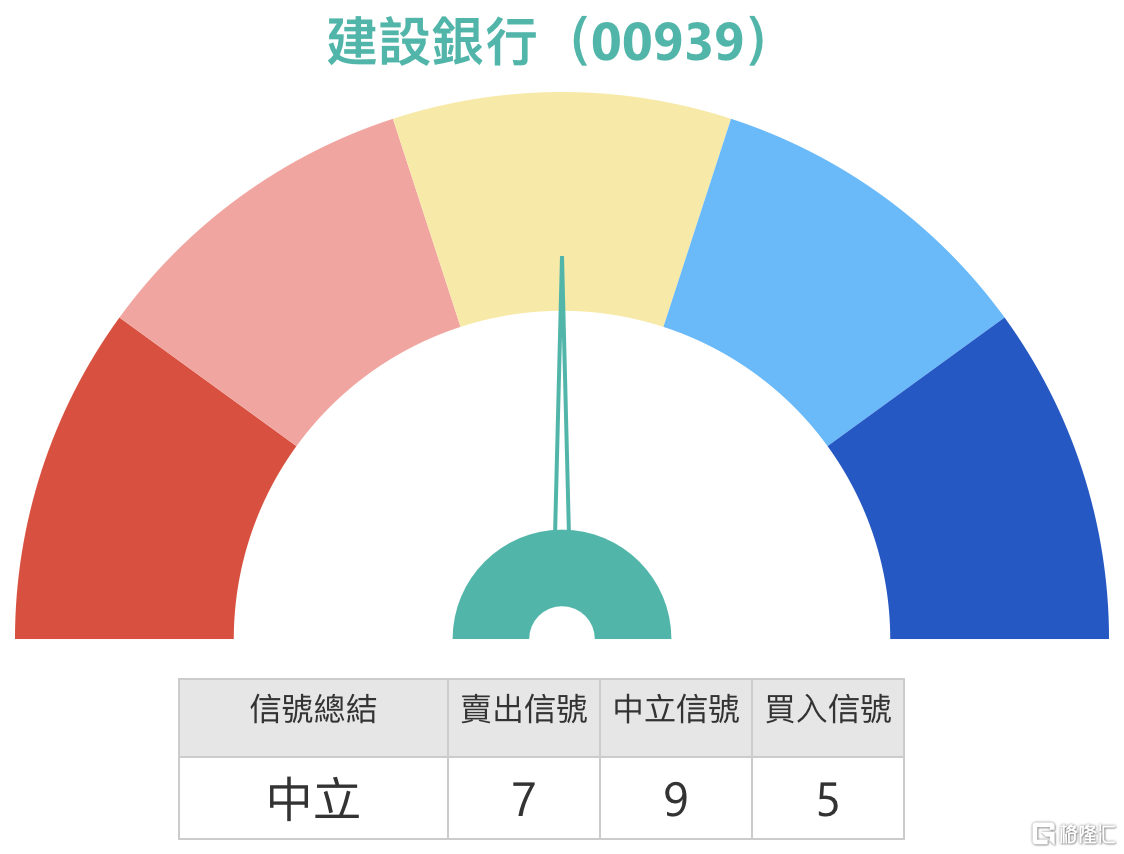
Group 1 - The article discusses the analysis of various derivative products related to specific stocks, focusing on options and warrants, to help investors understand their choices when considering investments in these products [1][4][5] - The first stock analyzed is China Construction Bank (00939), which has shown a price recovery, with a current resistance level at 7.71 HKD, and a target price of 8 HKD requiring a breakthrough of this resistance [3][4] - For products with exercise prices around 8 HKD, there are several options available, with a range of leverage from 5.7 to 6.2 times, and implied volatility between 24.9% and 27% [4][5] Group 2 - The second stock discussed is Kuaishou (01024), which has recently stabilized after a decline, showing a predominance of buy signals with 10 buy signals against 3 sell signals [8][9] - There are limited options for near-the-money products, with only one suitable product in the 70-75 HKD range, while more options exist for products with exercise prices around 88 HKD, which are set to expire in July 2026 [8][9] - The products with an exercise price of 88 HKD have an implied volatility of around 53% and a premium range of 30.3% to 31.5% [9][10] Group 3 - The third stock is Mixue Ice Cream (02097), which has seen a significant price increase recently, but the technical signals indicate a sell recommendation with 9 sell signals against 5 buy signals [13][14] - The available products are limited, with the closest exercise price at 508 HKD showing a high out-of-the-money percentage of 14.4%, and other options at 530 HKD with a 19.5% out-of-the-money percentage [13][14] - It is suggested that investors wait for more suitable products with lower out-of-the-money percentages before making a decision [14] Group 4 - The fourth stock analyzed is New China Life Insurance (01336), which has shown a price increase from 40.46 HKD to 52.75 HKD, with a current resistance level at 56.8 HKD [15][18] - There are limited product options available, with only one in-the-money product and four out-of-the-money products with exercise prices around 55-56 HKD, showing leverage between 2.2 to 2.4 times [18][19] - The implied volatility for these products varies significantly, with some reaching up to 82.1%, indicating a need for careful selection based on volatility and premium differences [19] Group 5 - The fifth stock is Jiangxi Copper (00358), which has experienced a decline, but some investors believe it may rebound [22][23] - There are both in-the-money and out-of-the-money products available, with in-the-money products showing leverage between 3.9 to 4.1 times, which is considered favorable [22][23] - The article emphasizes that in-the-money products can be competitive and should be considered alongside out-of-the-money options [23] Group 6 - The sixth stock discussed is GAC Group (02238), which has shown a strong price performance but has limited suitable derivative product options available [24][27] - Investors are advised to either wait for better product offerings or consider investing directly in the stock due to the lack of attractive derivative products [27]

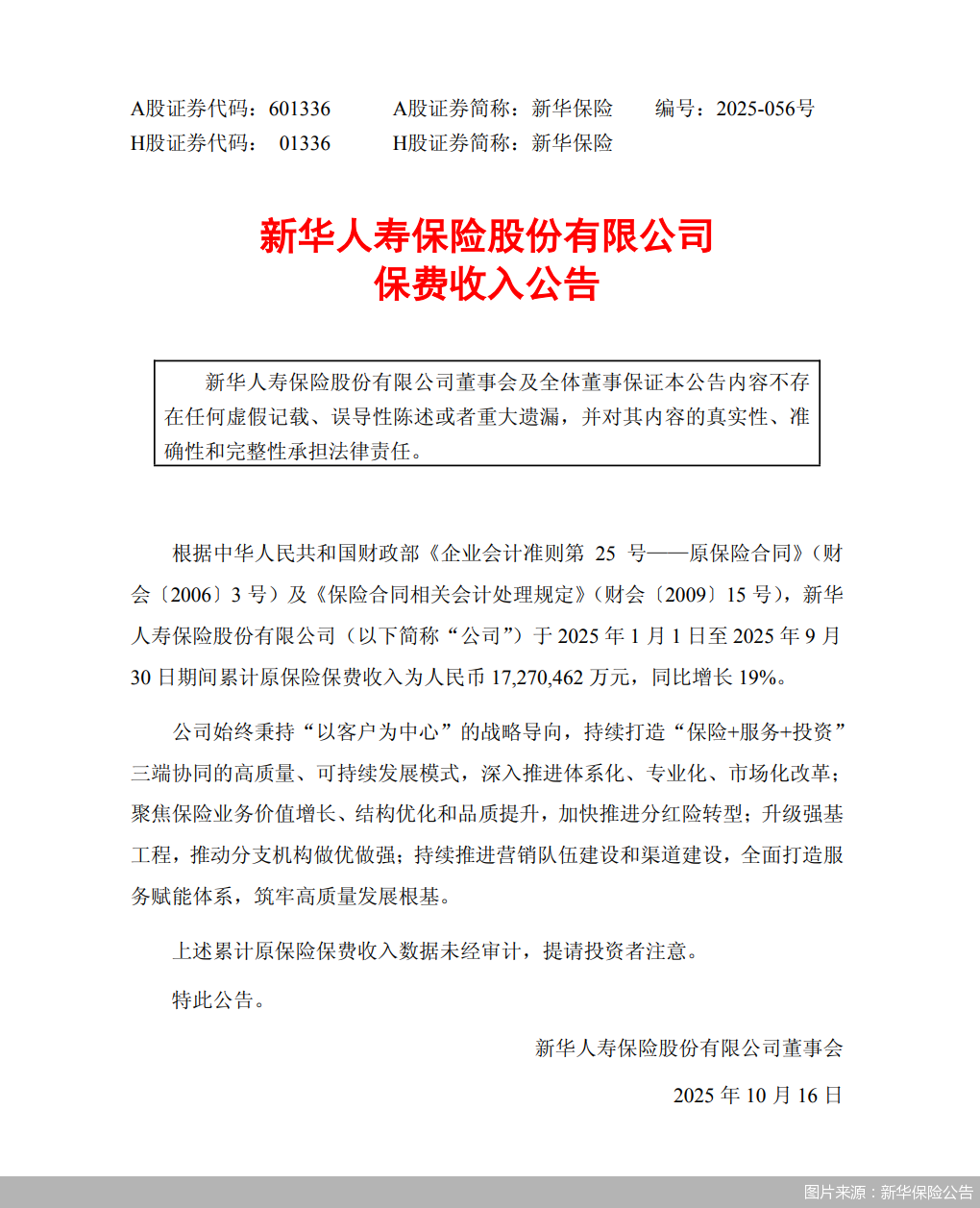
新华保险:前三季度保费收入1727.05亿元,同比增长19%
Bei Jing Shang Bao· 2025-10-16 10:17
Core Viewpoint - Xinhua Life Insurance Co., Ltd. reported a total original insurance premium income of 172.705 billion yuan for the period from January 1, 2025, to September 30, 2025, representing a year-on-year growth of 19% [1] Group 1 - The company aims to continuously promote the value growth, structural optimization, and quality enhancement of its insurance business [1] - Xinhua Life is accelerating the transformation of its dividend insurance products and is focused on the quality development of its branch institutions [1] - The company plans to strengthen its marketing team and channel construction [1]