
3SBIO(01530)

Search documents
3.4亿人撑起蔓迪国际IPO,“药二代”娄竞没有脱发焦虑
Xin Lang Cai Jing· 2025-12-05 06:49
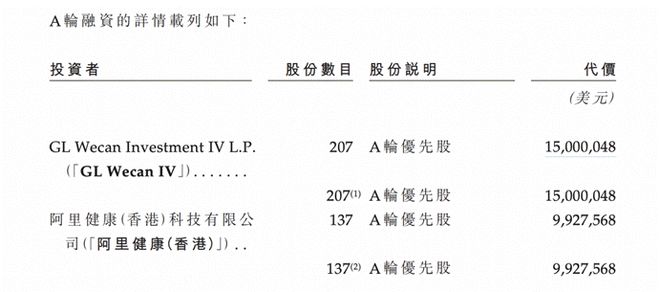
Core Viewpoint - The article discusses the significant growth and strategic moves of the "San Sheng" group, particularly under the leadership of Liu Jing, who has successfully navigated the company through multiple key capital market transactions, including the planned IPO of Mandi International in Hong Kong. Company Overview - Liu Jing, the second-generation leader of the "San Sheng" group, is known for his adept capital operations since taking over in 2012 [1] - Under Liu's leadership, San Sheng Pharmaceutical transitioned to the Hong Kong Stock Exchange and successfully spun off San Sheng Guojian for independent listing in 2020 [1] Stock Performance - Both San Sheng Pharmaceutical and San Sheng Guojian have seen substantial stock price increases this year, with San Sheng Pharmaceutical's stock rising nearly fourfold [2] - Liu Jing's family wealth has also increased significantly, ranking 443rd on the Hurun Rich List with a net worth of 15 billion yuan [2] Upcoming IPO - In November 2023, San Sheng Pharmaceutical plans to spin off its subsidiary Mandi International for a Hong Kong IPO, marking the third capital market platform for the "San Sheng" group [2] - Mandi International's core product, Minoxidil hair growth solution, holds a 57% market share in China's hair loss medication market, maintaining the top position for ten consecutive years [2] Valuation and Investment - Mandi International has a post-investment valuation of 5.8 billion HKD following a Series A funding round that raised approximately 50 million USD [5] - The company has received investments from notable entities, including Alibaba Health [3][5] Financial Performance - Mandi International's revenue has shown steady growth, with figures of 982 million yuan, 1.23 billion yuan, 1.45 billion yuan, and 743 million yuan for the years 2022 to 2025 [11] - The flagship product series, Mandi®, has contributed approximately 90% of the company's revenue during the reporting period [12] Dividend Policy - Mandi International has implemented a "clearance-style dividend" policy, distributing a total of 1.42 billion yuan in dividends over the reporting period, exceeding the total net profit [14] Cost Structure - The company maintains a high gross margin, with rates of 80.3%, 82%, 82.7%, and 81.1% during the reporting period, while net profit margins have fluctuated [13] - Sales expenses have been significantly higher than R&D expenses, with sales costs being nine times that of R&D [15][16] Distribution Network - Mandi International's revenue primarily comes from sales through third-party distributors, with a decreasing number of distributors from 173 to 106 over the reporting period [18]


三生制药(01530) - 截至2025年11月30日止月份之股份发行人的证券变动月报表
2025-12-03 08:33
股份發行人及根據《上市規則》第十九B章上市的香港預託證券發行人的證券變動月報表 截至月份: 2025年11月30日 狀態: 新提交 致:香港交易及結算所有限公司 公司名稱: 三生制药(「本公司」) 呈交日期: 2025年12月3日 I. 法定/註冊股本變動 | 1. 股份分類 | 普通股 | 股份類別 | 不適用 | | | 於香港聯交所上市 (註1) | | 是 | | | --- | --- | --- | --- | --- | --- | --- | --- | --- | --- | | 證券代號 (如上市) | 01530 | 說明 | | | | | | | | | | | 法定/註冊股份數目 | | | 面值 | | | 法定/註冊股本 | | | 上月底結存 | | | 50,000,000,000 | USD | | 0.00001 | USD | | 500,000 | | 增加 / 減少 (-) | | | | | | | USD | | | | 本月底結存 | | | 50,000,000,000 | USD | | 0.00001 | USD | | 500,000 | 本月底法定 ...
创新药行情有望持续,PROTAC专题:蛋白降解东风起,国内产业链迎新机
2025-12-03 02:12
Summary of Key Points from Conference Call Records Industry Overview - The pharmaceutical sector experienced a correction in 2025 but rebounded towards the end of the year, with the innovative drug market expected to continue its momentum into 2026, presenting investment opportunities [1][6][10]. - Current industry hotspots include the flu epidemic, policy support, and breakthroughs in innovative fields such as small nucleic acid drugs, GLP-1, and BCL-2 inhibitors [1][7][8]. Core Insights and Arguments - The overall performance of the pharmaceutical sector in November 2025 was weak, with a decline of 3.6%, underperforming the CSI 300 index by approximately 1.16 percentage points [3]. - The application of AI technology in healthcare, including AI medicine and brain-computer interfaces, is gaining attention and is expected to present opportunities in 2026 [4][12]. - The release of the medical insurance negotiation directory and commercial insurance innovation directory will significantly impact the sales of related products once they enter the insurance system [10]. - Investment recommendations for 2026 include focusing on cutting-edge technologies such as dual antibodies, multi-antibodies, ADC, PROTAC, small nucleic acids, and GLP-1, as well as large companies with strong R&D capabilities and biotech firms with best/first-in-class potential [9][11]. Notable Developments - The flu data has reached new highs, driving up the stock prices of related testing drugs and vaccines [7]. - The third-party laboratory sector is expected to see performance bottoming out in Q4 2025, with a recovery starting in Q1 2026, aided by accelerated payment collection from companies like KingMed and Dian Diagnostics [4][19]. - The PROTAC technology is highlighted for its ability to degrade target proteins, addressing issues of drug resistance, with leading companies like Pfizer, BMS, and BeiGene making significant progress [4][16][17]. Investment Opportunities - Companies such as KingMed and Dian Diagnostics are recommended for investment due to their improving cash flow and potential recovery in the IVD industry [19][20]. - Jichuan Pharmaceutical is included in the December portfolio due to its expected performance rebound driven by flu season demand and low inventory levels [21]. - The CRO industry is poised for growth, with expectations of increased outsourcing rates and improved margins due to a decrease in new entrants [22][23]. Future Trends - The medical device sector is showing positive trends, with expectations for improvement in the consumer healthcare segment in 2026 [2][11]. - The potential for significant growth in the insulin business of companies like Lianbang Pharmaceutical is anticipated, with a projected revenue of 20 billion yuan in 2025 [32][35]. - The upcoming KMR data in December is expected to act as a catalyst for the global PROTAC market, with a focus on companies with substantial technology platforms [18]. Conclusion - The pharmaceutical and healthcare sectors are navigating through a period of adjustment, with various innovative technologies and market dynamics presenting both opportunities and challenges. Investors are advised to keep a close watch on regulatory developments, clinical trial outcomes, and emerging technologies that could shape the future landscape of the industry [1][6][10].



智通港股沽空统计|12月3日
智通财经网· 2025-12-03 00:21
Core Insights - The article highlights the short-selling ratios and amounts for various companies, indicating significant market sentiment towards these stocks [1][2]. Short-Selling Ratios - JD Health-R (86618) and JD Group-SWR (89618) have the highest short-selling ratios at 100.00% [2]. - SenseTime-WR (80020) follows with a short-selling ratio of 80.34% [2]. - Lenovo Group-R (80992) has a short-selling ratio of 72.73% [2]. Short-Selling Amounts - Meituan-W (03690) leads in short-selling amount with 1.814 billion [2]. - Tencent Holdings (00700) and Alibaba-SW (09988) follow with short-selling amounts of 1.003 billion and 901 million, respectively [2]. - Three Life Pharmaceutical (01530) has a short-selling amount of 776 million [2]. Deviation Values - Three Life Pharmaceutical (01530) has the highest deviation value at 41.74%, indicating a significant difference from its average short-selling ratio [2]. - OSL Group (00863) and JD Group-SWR (89618) have deviation values of 36.46% and 33.86%, respectively [2]. - JD Health-R (86618) also shows a notable deviation value of 27.93% [2].




港股收盘(12.02) | 恒指收涨0.24% 汽车股走势分化 博彩股、手机产业链表现活跃
智通财经网· 2025-12-02 08:40
Market Overview - Hong Kong stocks opened higher but closed lower, with the Hang Seng Index rising 0.24% to 26,095.05 points and a total turnover of 178.25 billion HKD [1] - The Hang Seng Tech Index fell 0.37% to 5,624.04 points, while the Hang Seng China Enterprises Index increased by 0.11% to 9,182.65 points [1] Blue Chip Performance - Galaxy Entertainment (00027) led blue-chip stocks, rising 2.81% to 40.98 HKD, contributing 3.88 points to the Hang Seng Index [2] - Other notable blue-chip performers included Hengan International (01044) up 2.69% and Budweiser APAC (01876) up 2.35% [2] - WuXi AppTec (02359) fell 3.13%, negatively impacting the index by 2.2 points [2] Sector Highlights - Macau's November gaming revenue reached 21.09 billion MOP, a 14.4% year-on-year increase, exceeding market expectations [4] - The mobile phone supply chain remained active, with notable gains in companies like AAC Technologies (02018) and BYD Electronics (00285) [4][5] - The automotive sector showed mixed results, with BYD (01211) up 2.19% while Xpeng Motors (09868) fell 5.52% [5][6] Notable Stock Movements - Conant Optical (02276) surged 10.58% to 54.85 HKD following the launch of AI glasses in collaboration with Alibaba [8] - Giga Biotech (02367) rose 8.53% after announcing a share buyback plan [9] - GAC Group (02238) increased by 7.32% due to positive management announcements regarding new battery technology and partnerships [10] - Longpan Technology (02465) saw a 4.1% increase amid industry price adjustments in lithium iron phosphate [11] - 3SBio (01530) faced pressure, dropping 4.61% after announcing a share placement to raise capital [12]

平安证券(香港)港股晨报-20251202
Ping An Securities Hongkong· 2025-12-02 02:33
Market Overview - The Hong Kong stock market experienced fluctuations, with the Hang Seng Index closing at 23,831 points, down 145 points or 0.61% [1] - The US stock market saw declines across major indices, with the Dow Jones falling by 427.09 points or 0.90% [2] - Southbound funds maintained a net inflow of 121.9 billion HKD in November, indicating continued interest in Hong Kong stocks [3] Sector Performance - The materials sector, particularly non-ferrous metals, led the gains in the Hong Kong market, with notable increases in stock prices for companies like Sunny Optical Technology, which rose by 6.2%, and Zijin Mining, which increased by 5.3% [1][5] - In the US market, technology stocks faced profit-taking pressure, particularly in AI-related stocks, contributing to the overall market decline [2] Investment Opportunities - The report emphasizes the importance of technological self-reliance as a core theme for future performance in the Hong Kong market, suggesting that leading companies in AI, semiconductors, and industrial software may present long-term growth opportunities [3] - Specific recommendations include focusing on sectors with lower valuations and higher dividends, as well as companies benefiting from anticipated Federal Reserve interest rate cuts [3] Company Highlights - XPeng Motors reported a 19% year-on-year increase in vehicle deliveries for November, totaling 36,728 units, and a cumulative delivery of 391,937 units for the year, reflecting a 156% increase [9] - Alibaba, ZTE, and Meituan were among the top net purchases by southbound funds, indicating strong investor interest in these companies [9] Stock Performance - The Hang Seng Index and its sub-indices showed varied performance over the past month, with the Hang Seng Technology Index up by 0.8% [16] - Notable stock performances include Tencent Holdings, which saw a 1.3% increase, and Alibaba, which rose by 2.2% [16]



12月1日港股通创新药ETF工银(159217)遭净赎回286.7万元
Xin Lang Cai Jing· 2025-12-02 02:17
Core Insights - The Hong Kong Stock Connect Innovative Drug ETF (工银, 159217) experienced a net redemption of 2.867 million yuan on December 1, ranking 15th out of 198 in cross-border ETF net outflows [1] - As of December 1, the fund's latest size is 5.56 billion yuan, down from 5.59 billion yuan the previous day, with a net outflow accounting for 0.05% of the previous day's size [1] - Over the past 5 days, the fund faced a net redemption of 4.3125 million yuan, ranking 53rd out of 198 in cross-border ETF net outflows [1] - In the last 10 days, the fund saw a net subscription of 129 million yuan, ranking 34th out of 198 in cross-border ETF net inflows [1] - Over the past 20 days, the fund had a net subscription of 251 million yuan, ranking 36th out of 198 in cross-border ETF net inflows [1] Fund Details - The Hong Kong Stock Connect Innovative Drug ETF (工银, 159217) was established on March 26, 2025, with an annual management fee of 0.40% and a custody fee of 0.07% [1] - The fund tracks the Hong Kong Stock Connect Innovative Drug Index (987018) [1] - As of December 1, the fund's total shares are 3.865 billion, with a total size of 5.56 billion yuan [1] Liquidity and Performance - As of December 1, the fund's cumulative trading amount over the last 20 trading days is 13.981 billion yuan, with an average daily trading amount of 699 million yuan [2] - The current fund managers are Liu Weilin and Jiao Wenlong, with returns of 43.85% and 63.95% respectively since their management began [2] Top Holdings - The fund's top holdings include: - 百济神州 (10.84%, 314.54 million shares, 589 million yuan) - 康方生物 (10.77%, 454.20 million shares, 586 million yuan) - 信达生物 (10.43%, 644.10 million shares, 567 million yuan) - 中国生物制药 (9.82%, 7184.50 million shares, 534 million yuan) - 石药集团 (7.72%, 4908.40 million shares, 420 million yuan) - 三生制药 (7.41%, 1469.60 million shares, 403 million yuan) - 翰森制药 (5.50%, 908.20 million shares, 299 million yuan) - 科伦博泰生物-B (3.55%, 41.14 million shares, 193 million yuan) - 再鼎医药 (2.79%, 621.62 million shares, 151 million yuan) [2] Comparative Analysis - Other ETFs tracking the Hong Kong Stock Connect Innovative Drug Index include: - 汇添富国证港股通创新药ETF (159570) with a size of 23.978 billion yuan and a recent average daily trading amount of 2.652 billion yuan [2] - 港股创新药ETF (159567) with a size of 8.460 billion yuan and a recent average daily trading amount of 1.457 billion yuan [2] - 南方国证港股通创新药ETF (159297) with a size of 1.459 billion yuan and a recent average daily trading amount of 0.115 billion yuan [2] - 鹏华国证港股通创新药ETF (159286) with a size of 0.607 billion yuan and a recent average daily trading amount of 0.088 billion yuan [2]


港股异动 三生制药(01530)低开逾3% 拟折让6.5%配股净筹约30.87亿港元
Jin Rong Jie· 2025-12-02 02:04
智通财经获悉,三生制药(01530)低开逾3%,截至发稿,跌3.09%,报30.7港元,成交额1920.22万港 元。 消息面上,12月2日早间,三生制药发布公告称,拟配售合共1.05亿股,相当于扩大后股本4.14%,每股 配售价29.62港元,较12月1日收市价31.68港元折让6.5%,集资31.15亿港元,净额30.87亿港元,约80% 用于研发相关开支,约20%用作营运资金及其他一般公司用途,以支持集团的持续营运及战略计划。 本文源自:智通财经网 ...
三生制药拟配售1.05亿股 净筹30.87亿港元 八成用于研发
Xin Lang Cai Jing· 2025-12-02 01:31
Core Viewpoint - Sanofi Pharmaceutical (01530) announced a share placement agreement to raise approximately HKD 31.15 billion, with a share price discount compared to recent trading prices [1] Group 1: Share Placement Details - The company will issue 105 million shares at a price of HKD 29.62 per share [1] - The placement price represents a 6.50% discount to the closing price of HKD 31.68 on the trading day prior to the agreement [1] - The average closing price over the previous five trading days was HKD 31.28, indicating a discount of approximately 5.29% [1] Group 2: Fund Utilization - Approximately 80% of the raised funds will be allocated to research and development expenditures, focusing on advancing clinical studies for innovative drugs [1] - The remaining 20% will be used for operational funding and other general purposes [1]
港股异动 | 三生制药(01530)低开逾3% 拟折让6.5%配股净筹约30.87亿港元
智通财经网· 2025-12-02 01:28
消息面上,12月2日早间,三生制药发布公告称,拟配售合共1.05亿股,相当于扩大后股本4.14%,每股 配售价29.62港元,较12月1日收市价31.68港元折让6.5%,集资31.15亿港元,净额30.87亿港元,约80% 用于研发相关开支,约20%用作营运资金及其他一般公司用途,以支持集团的持续营运及战略计划。 智通财经APP获悉,三生制药(01530)低开逾3%,截至发稿,跌3.09%,报30.7港元,成交额1920.22万港 元。 ...