
XIAOMI(01810)

Search documents
“千元机”正在消失,2026年手机凭什么越卖越贵?
Feng Huang Wang Cai Jing· 2026-02-27 12:29
Core Viewpoint - The Chinese smartphone market is experiencing an unprecedented price increase in 2026, marking the most significant price surge in five years, affecting all brands and price segments [3][5][12]. Group 1: Price Surge Overview - The price increase in 2026 is characterized by a comprehensive and coordinated adjustment across all brands, including OPPO, OnePlus, vivo, Xiaomi, iQOO, and Honor, with plans to implement new pricing strategies starting in March [5][7]. - The average price of smartphones in China is expected to rise above the global average of 6.9%, with new models launching in March projected to see price increases of 15% to 25% compared to 2025 models [7][10]. - IDC forecasts that flagship smartphones will see price increases exceeding 30%, with price differences for high-storage versions potentially reaching 2000 yuan [7][12]. Group 2: Causes of Price Increases - The primary driver of the price surge is the significant increase in storage chip prices, with DRAM contract prices expected to rise by 55% to 60% and NAND flash prices by over 30% in the first quarter of 2026 [11][12]. - The demand for high-bandwidth memory for AI infrastructure has led to a shift in production focus from consumer electronics to AI servers, exacerbating supply shortages for smartphones [12][13]. - The cost of storage chips has increased by over 80% year-on-year, leading to a rise in the overall bill of materials (BOM) costs for smartphones by 8% to 12% [11][13]. Group 3: Market Dynamics and Consumer Behavior - The price increases have forced manufacturers to raise retail prices as a means of maintaining market presence and profitability, especially for mid-range and entry-level models [14]. - Consumer sentiment is mixed, with many expressing reluctance to purchase new devices at higher prices, leading to a trend of opting for older flagship models instead [15][18]. - The average replacement cycle for smartphones has extended from 24 months in 2020 to 33 months in 2025, indicating a shift in consumer behavior due to rising costs [18].



资金动向 | 北水连续6日净买入小米,抛售快手、中芯国际
Ge Long Hui A P P· 2026-02-27 12:28
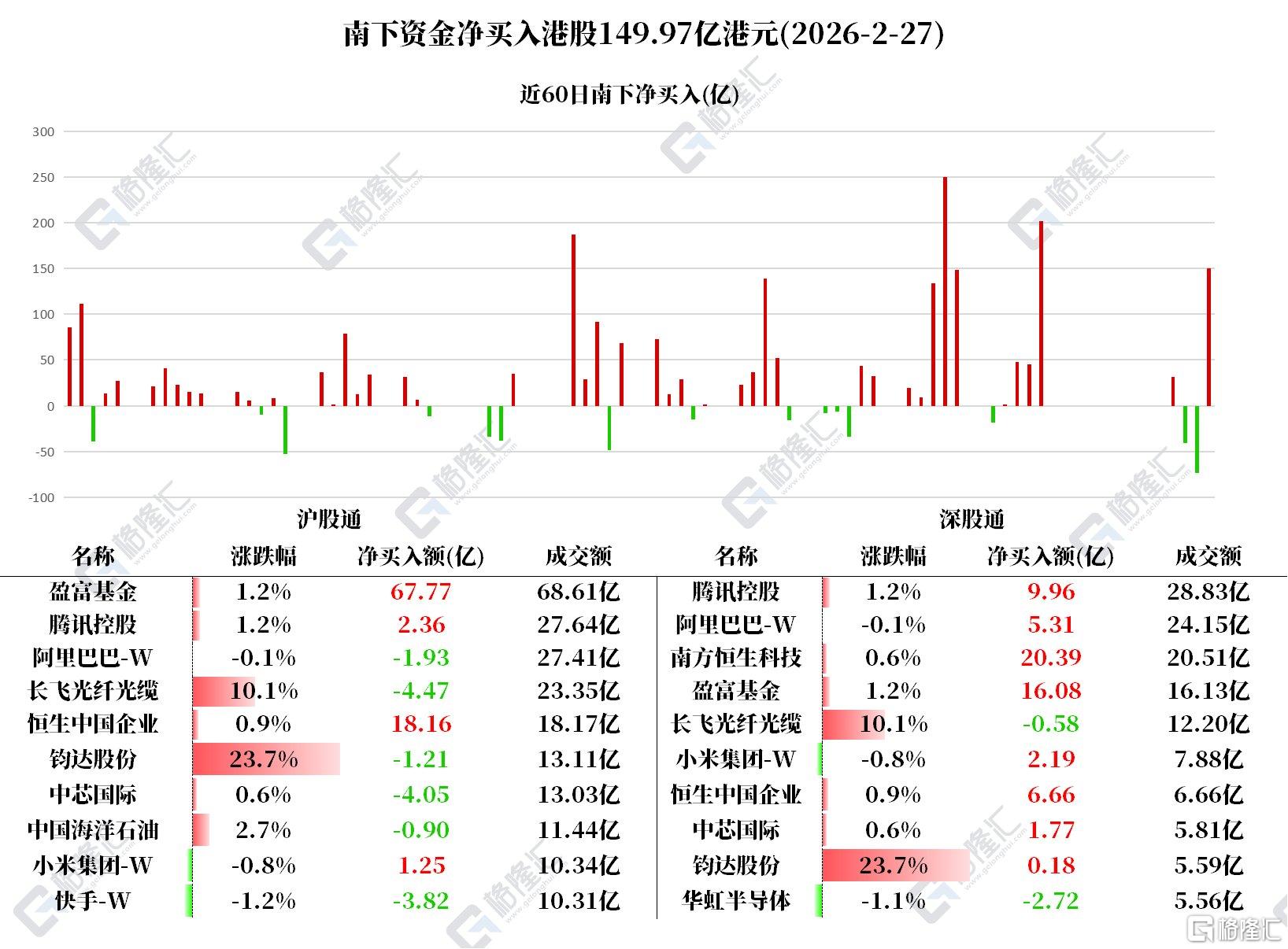
Group 1: Market Movements - Net purchases included 8.385 billion in Yingfu Fund, 2.482 billion in Hang Seng China Enterprises, 2.039 billion in Southern Hang Seng Technology, 1.232 billion in Tencent Holdings, 0.343 billion in Xiaomi Group-W, and 0.338 billion in Alibaba-W [1] - Net sales included 0.505 billion in Changfei Optical Fiber, 0.381 billion in Kuaishou-W, 0.272 billion in Huahong Semiconductor, 0.228 billion in SMIC, and 0.103 billion in Junda Co. [1] - Southbound funds have recorded net purchases in Xiaomi for six consecutive days, totaling 3.56896 billion HKD [1] Group 2: Stock Performance - Yingfu Changjin saw a 1.2% increase with a net purchase of 6.777 billion, while Tencent Holdings also increased by 1.2% with a net purchase of 0.236 billion [4] - Alibaba-W experienced a slight decrease of 0.1% with a net sale of 0.193 billion, while Southern Hang Seng Technology had a net purchase of 1.816 billion with a 0.9% increase [4] - Changfei Optical Fiber saw a significant increase of 10.1% despite a net sale of 0.447 billion [4] Group 3: Company Developments - Alibaba-W's AI assistant "Qianwen" is entering the AI hardware market, planning to launch various AI hardware products globally, including AI glasses at the 2026 Mobile World Congress [5] - Kuaishou-W reported record high daily active users (DAU) during the 2026 Spring Festival, driven by activities like "Shake the Fortune Tree" [6] - Xiaomi Group-W repurchased 2.832 million B shares for approximately 99.997 million HKD [7] - SMIC is expected to maintain high capital expenditure in 2026, with optimistic revenue growth guidance and a Q1 sales revenue forecast to remain stable [7][8]


九秒定生死!成都小米事故鉴定结果公布→
Zhong Guo Jing Ji Wang· 2026-02-27 12:24
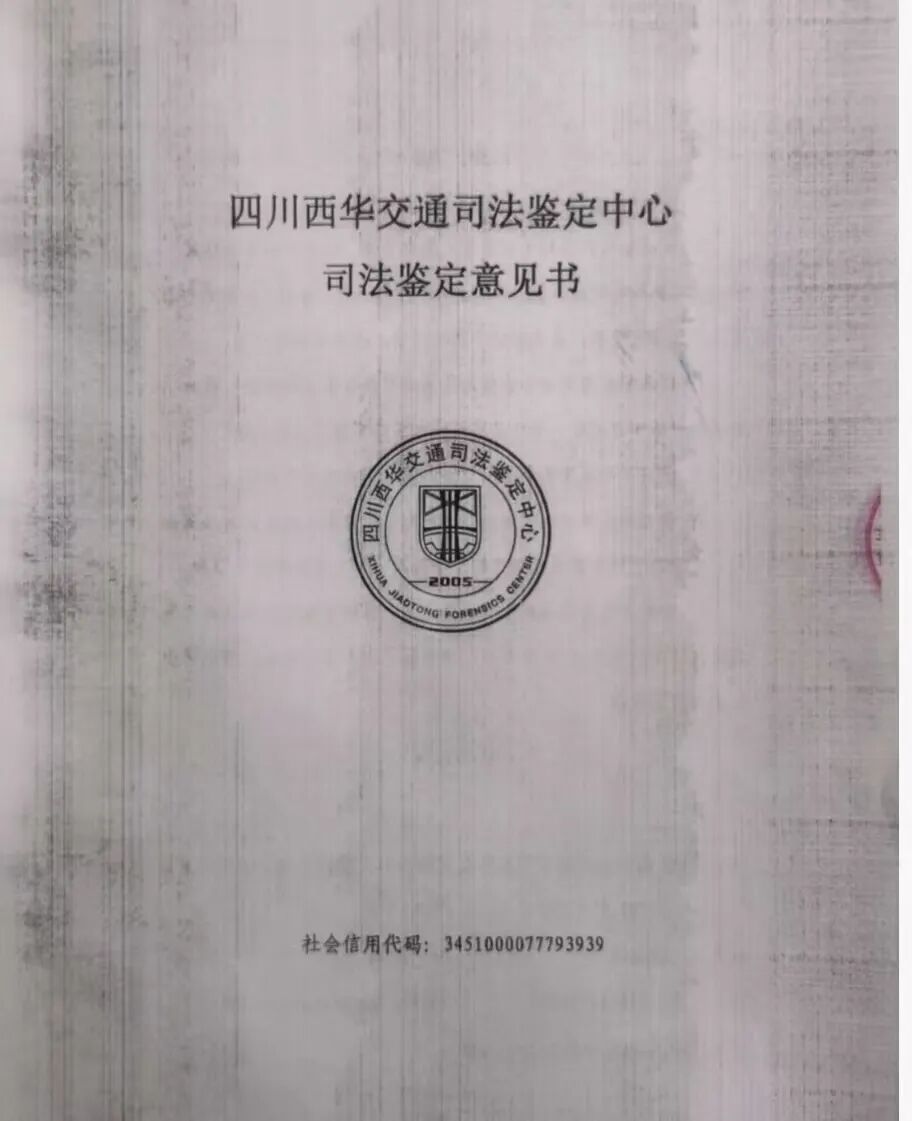
Core Viewpoint - The recent Xiaomi SU7 Ultra accident highlights critical safety issues related to the vehicle's electronic door handle system, which failed to function during a fire incident, leading to fatalities. The incident has prompted discussions on the need for mechanical door release mechanisms in vehicles to ensure safety in emergencies [1][4]. Group 1: Accident Details - The Xiaomi SU7 Ultra accident occurred on October 13, 2025, in Chengdu, with only nine seconds between the collision and the power failure that disabled the door handles [1][4]. - The judicial identification report confirmed that the vehicle's doors could not be opened from the outside due to a power failure, not structural damage [1][4]. Group 2: Regulatory Changes - A new national standard, GB48001-2026, will be implemented on January 1, 2027, requiring all vehicle doors to have mechanical release functions to ensure they can be opened manually in case of power failure or accidents [4][5]. - The standard mandates that door handles must provide sufficient space for manual operation and must function even when the vehicle's electronic systems are down [5]. Group 3: Company Response and Future Actions - Xiaomi's upcoming models, including the YU7 and the new generation SU7, will feature mechanical door handles to comply with the new safety standards [5]. - Approximately 370,000 units of the initial SU7 (including SU7 Ultra) are still in circulation, raising concerns about whether Xiaomi will initiate a recall to address the safety risks for existing owners [5].
“千元机”正在消失,2026年手机凭什么越卖越贵?
凤凰网财经· 2026-02-27 12:16
Core Viewpoint - The Chinese smartphone market is experiencing an unprecedented price increase in 2026, marking the most significant price surge in five years, affecting all brands and price segments, driven by multiple pressures in the industry [3][4][15]. Group 1: Price Surge Overview - The price increase in 2026 is characterized by a comprehensive adjustment across all brands and price ranges, unlike previous localized price hikes [4]. - Major domestic smartphone brands, including OPPO, OnePlus, vivo, Xiaomi, iQOO, and Honor, are set to initiate a new round of price adjustments starting in early March, with the scale and increase being the highest in nearly five years [4][7]. - Counterpoint Research predicts that the average price increase for smartphones in China will exceed the global average of 6.9%, with new models launched after March expected to see price hikes of 15% to 25% compared to 2025 [7]. Group 2: Causes of Price Increases - The primary driver behind the price surge is the rising cost of storage chips, which have seen significant price increases since late 2024, with DRAM contract prices expected to rise by 55% to 60% in Q1 2026 and NAND flash prices increasing by over 30% [16][17]. - The demand for high-bandwidth memory for AI infrastructure has led to a shift in production focus from consumer electronics to AI servers, creating a supply-demand imbalance for smartphone components [18][19]. - The cost of storage chips has increased by over 80% year-on-year, significantly impacting the overall bill of materials (BOM) costs for smartphones, with mid-range models being the most affected [20][21]. Group 3: Consumer Behavior and Market Impact - Consumers are responding to the price increases with reluctance, with many opting to delay purchases or seek older flagship models instead of new releases [23][24]. - The average replacement cycle for smartphones has extended from 24 months in 2020 to 33 months in 2025, indicating a shift in consumer behavior due to rising prices [25]. - Several smartphone manufacturers, including Xiaomi and OPPO, have reduced their annual production orders by over 20% due to the impact of rising storage costs, particularly in the mid-range and overseas markets [25].

信义光能2025年收入逾208亿元 中创新航年度盈利同比增超140%
Xin Lang Cai Jing· 2026-02-27 12:13
Performance Summary - Xinyi Solar (00968.HK) reported a revenue of 20.861 billion yuan for 2025, a decrease of 4.8% year-on-year, with a net profit of 844.5 million yuan, down 16.2%, primarily due to a decline in average selling prices of solar glass products [2] - Zhongxin Innovation (03931.HK) expects a net profit of 2.025 billion to 2.193 billion yuan for 2025, an increase of approximately 140% to 160% compared to the previous year, driven by high growth in leading technology products across passenger, commercial, and energy storage sectors [2] - Rongchang Bio (09995.HK) anticipates a revenue of 3.251 billion yuan for 2025, an increase of 89.36% year-on-year, with a net profit of 709 million yuan, turning profitable due to increased sales of Tislelizumab and injection-use Vedolizumab [2] - Xinyi Energy (03868.HK) expects a revenue of 2.453 billion yuan for 2025, a slight increase of 0.53%, with a net profit of 1.011 billion yuan, up 27.79% [2] - Sihang Property (00083.HK) reported a revenue of 5.185 billion HKD for the six months ending December 31, 2025, an increase of 34.54%, while net profit decreased by 15.77% to 1.533 billion HKD [3] - Haohai Biological Technology (06826.HK) expects a revenue of approximately 2.473 billion yuan for 2025, a decrease of 8.33%, with a net profit of about 251 million yuan, down 40.3% [4] - Chunli Medical (01858.HK) anticipates a total revenue of approximately 1.044 billion yuan for 2025, a year-on-year increase of 29.52%, with a net profit of 272 million yuan, up 117.72% [5] - Baosheng International (03813.HK) issued a profit warning, expecting a net profit of approximately 211 million yuan for 2025, a decrease of about 57.1% [6] - Chip Intelligence Holdings (02166.HK) expects a net profit of approximately 140 million to 170 million HKD for 2025, an increase of about 40% to 70%, benefiting from the booming AI technology and increasing market demand [6] - Fengcai Technology (01304.HK) anticipates a total revenue of approximately 774 million yuan for 2025, a year-on-year increase of 28.91%, with a net profit of about 227 million yuan, up 1.92% [6] - Huayou Energy (01251.HK) issued a profit warning, expecting a loss of approximately 100 million to 150 million HKD for the 2025 fiscal year [7] - Zhoneng Group (00131.HK) reported a revenue of 272 million HKD for the six months ending December 31, 2025, an increase of 250.64%, with a net profit of 180 million HKD, turning profitable [8] - Fudan Zhangjiang (01349.HK) expects a revenue of approximately 686 million yuan for 2025, a decrease of 3.33%, with a net loss of approximately 157 million yuan, turning from profit to loss [9] Company News - Bay Area Development (00737.HK) reported that the total toll revenue for January from the Guangzhou-Shenzhen Expressway, Guangzhou-Zhuhai West Line Expressway, and the Shenzhen section of the Yangtze River Expressway was approximately 241 million, 105 million, and 75.169 million yuan, respectively, representing year-on-year growth of 15%, 17%, and 19% [10] - LeCang Logistics (02490.HK) plans to acquire two large container ships [10] - Innovent Biologics (01801) received approval for Jebatuzumab (Pimobendan) in China for the indication of relapsed or refractory chronic lymphocytic leukemia or small lymphocytic lymphoma [11] Buyback Activities - Xiaomi Group-W (01810.HK) repurchased 2.8582 million shares for a total of approximately 99.9973 million HKD, with a repurchase price ranging from 34.92 to 35.04 HKD per share [12] - Geely Automobile (00175.HK) repurchased 3.673 million shares for approximately 59.4327 million HKD, with a repurchase price between 16.1 and 16.3 HKD [13] - Miniso Group (09896.HK) repurchased approximately 0.0526 million shares for about 1.8893 million HKD, with a repurchase price ranging from 35.64 to 36.34 HKD [14] - NetEase Cloud Music (09899.HK) repurchased approximately 0.09715 million shares for about 14.9959 million HKD, with an average repurchase price of 154.36 HKD [14]

雷军称高度重视安全体系建设,小米汽车始终坚持安全高于一切
Sou Hu Cai Jing· 2026-02-27 12:12
Core Viewpoint - Xiaomi emphasizes the importance of safety in its automotive development, highlighting its commitment to building the safest vehicles in its class [1][3]. Group 1: Safety Commitment - Xiaomi's founder and CEO Lei Jun reiterated the company's focus on safety during a live broadcast, showcasing the safety system of Xiaomi cars [1]. - The live event featured four experts who discussed the overall safety system and battery safety of Xiaomi vehicles [1]. - Xiaomi's automotive safety experts stated that the goal has always been to create the safest cars in their category [3]. Group 2: Safety System Structure - Xiaomi's automotive safety system consists of a five-layer safety framework that covers the entire production chain [6]. - The five layers include: - Human-centered design - Priority on safety assistance - Redundancy in passive safety - Rapid emergency response - Assisted driving features [7]. Group 3: Future Initiatives - Xiaomi plans to establish a safety advisory committee, inviting members from various professional fields [9]. - The company will create a public safety communication mechanism, with the first session scheduled for the first half of this year [9]. - Xiaomi aims to form an automotive safety alliance to collaborate with industry peers on safety standards [9].
小米安全专家谈事故调查:原则上车企不能自行披露事故信息
Xin Lang Cai Jing· 2026-02-27 12:02
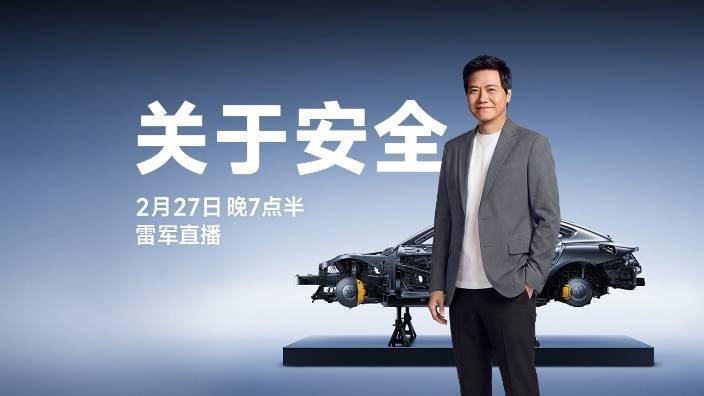
新浪科技讯 2月27日晚间消息,小米创办人,董事长兼CEO雷军与多位小米安全专家在小米汽车工厂直 播,这是春节假期后雷军的第一场直播。 直播中,谈及事故调查的过程,小米安全专家表示,一起交通事故或者火灾事故发生之后,交警、消防 部门首先会封闭现场,封存车辆,其次会调取各类数据和信息,现场勘查之后会召集专家分析研判,有 些事故还要经过鉴定实验,最后才能得出技术结论,这不是一个很短的过程,需要一定的时间。 "在这个过程中,车企一般是不允许接触车辆的,作为被调查方要如实提供信息,监管方也不允许企业 发生干扰调查工作。如果车企没有监管部门的许可,原则上是不能够自行披露事故的相关信息。" 新浪科技讯 2月27日晚间消息,小米创办人,董事长兼CEO雷军与多位小米安全专家在小米汽车工厂直 播,这是春节假期后雷军的第一场直播。 直播中,谈及事故调查的过程,小米安全专家表示,一起交通事故或者火灾事故发生之后,交警、消防 部门首先会封闭现场,封存车辆,其次会调取各类数据和信息,现场勘查之后会召集专家分析研判,有 些事故还要经过鉴定实验,最后才能得出技术结论,这不是一个很短的过程,需要一定的时间。 "在这个过程中,车企一般是不允许 ...
2月净流入约905亿元 频现单日百亿流入逆势抄底科网股
Xin Lang Cai Jing· 2026-02-27 11:10
Core Viewpoint - In February, southbound capital inflow into Hong Kong stocks reached approximately 90.575 billion HKD, marking a three-month high despite a volatile market, indicating strong investor interest in certain sectors [2][4]. Group 1: Capital Inflow Data - Southbound capital recorded a net inflow of about 90.575 billion HKD in February, with an average daily inflow of 6.469 billion HKD, a nearly 90% increase compared to January [2]. - There were five trading days where the net buying exceeded 10 billion HKD, setting new records [4]. - The technology sector attracted the most capital, with a net inflow of 39.372 billion HKD, while the non-essential consumer sector saw 21.196 billion HKD [5][6]. Group 2: Sector Performance - The technology sector has seen a cumulative inflow of over 66 billion HKD in the first two months of the year, despite the Hang Seng Technology Index declining nearly 7% [6]. - Non-essential consumer goods also received significant attention, with a total inflow exceeding 38 billion HKD in the first two months [6]. - The materials sector, particularly non-ferrous resources, faced continuous selling pressure, with a cumulative outflow of nearly 20 billion HKD over the past two months [6]. Group 3: Individual Stock Performance - Tencent Holdings (0700.HK) was the top net buyer with 24.453 billion HKD, followed by Xiaomi Group (1810.HK) with 7.337 billion HKD and Alibaba (9988.HK) with 3.473 billion HKD [7][9]. - Conversely, Zijin Mining (2899.HK) experienced the largest net sell-off at 3.520 billion HKD, followed by SMIC (981.HK) at 2.867 billion HKD [8][9]. - Notable trends include continued inflows into Meituan (3690.HK) and Xiaomi Group despite their respective declines of 16.51% and 1.69% in February [9].



恒生指数上涨0.95% 恒生科技指数上涨0.56%
Xin Lang Cai Jing· 2026-02-27 11:07
Market Performance - The Hang Seng Index rose by 0.95% to close at 26,630.54 points, while the Hang Seng Tech Index increased by 0.56% to 5,137.84 points, and the National Enterprises Index gained 0.51% to 8,859.49 points [1] - The main board recorded a trading volume exceeding 288.4 billion HKD, with a net inflow of over 14.9 billion HKD in the southbound trading of Stock Connect [1] Sector Performance - Sectors such as gold, biomedicine, technology, coal, high-speed rail infrastructure, oil and gas, and telecommunications generally saw gains, while sectors like non-ferrous metals, commercial aerospace, banking, and real estate experienced mixed results [1] - New consumption, chips, new energy vehicle companies, brokerages, and aerospace sectors mostly faced declines [1] Individual Stock Movements - Notable stock movements included Xiaomi Group down by 0.80%, China Ping An up by 0.22%, SenseTime up by 4.92%, and SMIC up by 0.59% [1] - Tencent Holdings rose by 1.17% with a trading volume exceeding 16.7 billion HKD, while Alibaba fell by 0.07% with a trading volume over 12.7 billion HKD [2] - Longi Green Energy surged by 10.06% with a trading volume of 9.1 billion HKD [2]


智通港股通活跃成交|2月27日



智通财经网· 2026-02-27 11:02
Core Insights - On February 27, 2026, the top three stocks by trading volume in the Southbound Stock Connect were Yingfu Fund (02800), Tencent Holdings (00700), and Alibaba-W (09988), with trading volumes of 6.861 billion, 2.764 billion, and 2.741 billion respectively [1] - In the Southbound Stock Connect of the Shenzhen-Hong Kong Stock Connect, Tencent Holdings (00700), Alibaba-W (09988), and Southern Hang Seng Technology (03033) were the top three stocks, with trading volumes of 2.883 billion, 2.415 billion, and 2.051 billion respectively [1] Southbound Stock Connect (Hong Kong) - The top active stocks by trading volume included: - Yingfu Fund (02800) with a trading amount of 6.861 billion and a net buying amount of +6.777 billion - Tencent Holdings (00700) with a trading amount of 2.764 billion and a net buying amount of +0.236 billion - Alibaba-W (09988) with a trading amount of 2.741 billion and a net selling amount of -0.193 billion - Other notable stocks included Changfei Optical Fiber (06869) and Hang Seng China Enterprises (02828) with trading amounts of 2.335 billion and 1.817 billion respectively [2] Southbound Stock Connect (Shenzhen) - The top active stocks by trading volume included: - Tencent Holdings (00700) with a trading amount of 2.883 billion and a net buying amount of +0.996 billion - Alibaba-W (09988) with a trading amount of 2.415 billion and a net buying amount of +0.531 billion - Southern Hang Seng Technology (03033) with a trading amount of 2.051 billion and a net buying amount of +2.039 billion - Other notable stocks included Yingfu Fund (02800) and Changfei Optical Fiber (06869) with trading amounts of 1.613 billion and 1.220 billion respectively [2]