ANTA SPORTS(02020)

Search documents
智通港股沽空统计|2月16日
Xin Lang Cai Jing· 2026-02-16 00:32
Core Insights - The article highlights the top short-selling stocks in the market, with BYD Company Limited (81211) leading with a short-selling ratio of 100.00% [1][2]. Group 1: Short-Selling Ratios - BYD Company Limited (81211) has a short-selling ratio of 100.00% [2][3]. - JD.com (89618) follows with a short-selling ratio of 97.67% [2][3]. - Kuaishou Technology (81024) has a short-selling ratio of 80.79% [2][3]. Group 2: Short-Selling Amounts - Meituan (03690) has the highest short-selling amount at 2.11 billion [2]. - Alibaba Group (09988) follows with a short-selling amount of 1.673 billion [2]. - Xiaomi Corporation (01810) has a short-selling amount of 1.482 billion [2]. Group 3: Deviation Values - BYD Company Limited (81211) has the highest deviation value at 44.67% [3]. - Jinfang Pharmaceutical (02595) has a deviation value of 35.39% [3]. - Kuaishou Technology (81024) has a deviation value of 34.76% [3].





安踏集团全球零售总部,竣工倒计时,再启新程蓄势待发!
Sou Hu Cai Jing· 2026-02-15 20:12
Core Insights - Anta has emerged as the third-largest sports brand globally, following Nike and Adidas, marking a significant shift in the industry landscape [1] Group 1: Company Overview - Anta, originating from Jinjiang, Fujian, has expanded its portfolio to include brands like FILA, Descente, and Arc'teryx, dominating both retail spaces and outdoor equipment markets [3] - The company has invested heavily in a new global retail headquarters in Shanghai, strategically located near the National Exhibition and Convention Center [3][9] Group 2: Headquarters Design and Functionality - The headquarters features a unique design by NBBJ, embodying Anta's brand spirit of "never stop" with a core concept of "healthy work, ten thousand steps connected" [5] - The main building is designed in the shape of a "track," with a circular walking path on each floor, promoting an active work environment [5][7] - The complex includes multiple buildings serving different functions: a flagship store, office spaces for global retail teams, and a boutique hotel for business partners [7][9] Group 3: Strategic Growth and Acquisitions - Anta's growth strategy has involved significant acquisitions, including the purchase of FILA's China operations in 2009 and the €46.6 billion acquisition of Amer Sports in 2019 [14][16] - Recently, Anta announced a €1.5 billion acquisition of a 29.06% stake in Puma, becoming its largest single shareholder, further expanding its brand portfolio [16] - The company's revenue reached 70.826 billion yuan in 2024, with the overall scale surpassing 100 billion yuan for the first time, making it the third sports goods group to achieve this milestone [16] Group 4: Market Expansion and Brand Positioning - Anta is rapidly expanding its global store network, particularly in Southeast Asia, with plans to open over 1,000 stores in the next three years [16] - The company's overseas business revenue saw a year-on-year increase of over 150% in the first half of 2025, reflecting its aggressive market penetration strategy [16] - Anta has risen to the fourth position in the global brand value rankings, showcasing its growing influence in the sportswear industry [16]


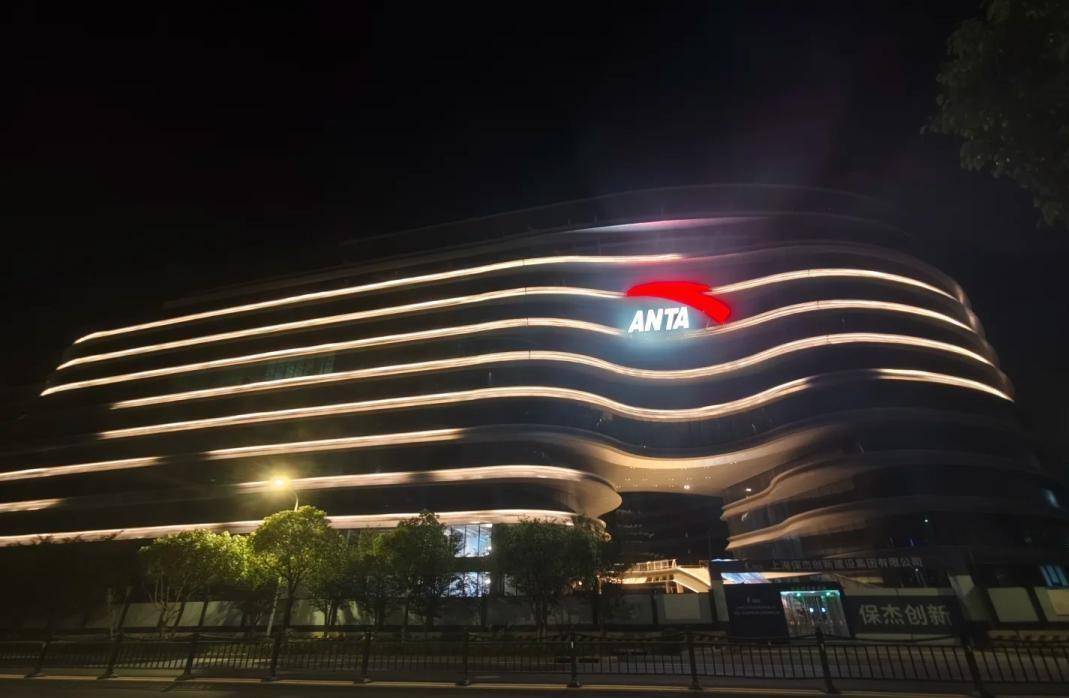
安踏体育(2020.HK)公司简评报告:收购PUMA股权 全球化进程持续推进
Ge Long Hui· 2026-02-15 04:59
Group 1 - The company plans to acquire 29.06% of PUMA's shares for a total of €1.506 billion (approximately RMB 12.28 billion) at a price of €35 per share, making it the largest shareholder of PUMA [1] - PUMA is currently in a transitional phase, with projected revenues of €8.817 billion in 2024, reflecting a 2.51% year-on-year increase, and a net profit of €282 million, down 7.64% [1] - In the first three quarters of 2025, PUMA's revenue is expected to decline by 8.49% to €5.974 billion, with a net loss of €309 million, indicating ongoing strategic adjustments [1] Group 2 - PUMA's stock price is at a historical low, with the acquisition priced at a 62% premium based on the closing price on January 26, 2026, highlighting the brand's long-term value despite short-term profit pressures [2] - The company aims to enhance PUMA's profitability through improvements in retail operations, supply chain management, and brand synergy, while also leveraging its global market experience [2] - Anta's brand retail sales growth has slowed in Q4 2025, with a low single-digit decline for the main brand, while other brands like Fila and Descente continue to show strong growth [2] Group 3 - The company is implementing a focused, multi-brand, and globalization strategy, accumulating successful experiences in brand transformation and high-quality growth [3] - Due to a slow industry recovery and potential short-term impacts from the acquisition, the profit forecast has been adjusted, with expected net profits of RMB 13.15 billion, 14.16 billion, and 16.22 billion for 2025, 2026, and 2027 respectively [3] - The company maintains a "buy" rating with projected PE ratios of 16, 15, and 13 for the respective years [3]
全网最没存在感的潮牌,靠韩剧同款也没能翻红
凤凰网财经· 2026-02-14 10:29
Core Viewpoint - The article discusses the recent acquisition of a 29.06% stake in Puma by Anta, highlighting Puma's decline in market relevance and performance, particularly in China, and questioning the brand's future direction under new ownership [5][12][36]. Group 1: Puma's Market Position and Performance - Puma has struggled to maintain its relevance among younger consumers, transitioning from a popular brand to one that is recognized but not actively engaged with [3][8]. - The brand's market performance has been lackluster, with a reported global revenue decline of 4.3% to €5.974 billion and a net loss of €309 million for 2025 [12]. - In the Chinese market, Puma's revenue accounted for only 7% of global income, indicating weak performance compared to competitors [12]. Group 2: Anta's Acquisition Strategy - Anta's acquisition of Puma is seen as a strategic move to leverage its experience in brand management and market positioning, similar to its successful turnaround of Fila [36][37]. - The acquisition is expected to provide Puma with a new opportunity for growth, although Anta has stated it will respect Puma's management culture and allow for independent operations [37]. - Anta's previous successes in brand repositioning suggest potential for Puma to regain market traction, but the process may be gradual and complex [36][39]. Group 3: Historical Context and Brand Evolution - Puma's historical roots are tied to its founding by the Dassler brothers, which has shaped its competitive dynamics with Adidas [16][19]. - The brand's identity has shifted over the years, moving from a focus on sports to a more fashion-oriented approach, which has contributed to its current market challenges [28][33]. - Despite past successes with celebrity endorsements and product launches, such as the Creeper designed by Rihanna, Puma has struggled to create consistent hit products in recent years [31][32].
安踏北美首店落户洛杉矶贝弗利山
Xin Lang Cai Jing· 2026-02-14 08:12
Core Insights - Anta Sports has officially opened its first flagship store in North America, located in Beverly Hills, California, on February 13 [1] - The CEO of Anta, Xu Yang, stated that the company will deepen its presence in the North American market through various localized initiatives, including sports experience promotion, brand collaborations, and public welfare projects [1] Company Strategy - Anta aims to enhance brand recognition in overseas markets by implementing multiple localized strategies [1] - The focus on sports experience promotion indicates a commitment to engaging consumers directly through interactive and immersive experiences [1] - Brand cross-industry collaborations are expected to broaden Anta's appeal and reach within the competitive North American market [1] Market Expansion - The opening of the flagship store marks a significant step in Anta's strategy to penetrate the North American market [1] - The company's initiatives reflect a broader trend of Chinese brands seeking to establish a foothold in international markets, particularly in the sportswear sector [1]
重要进展!安踏收购Puma获得批准!
券商中国· 2026-02-14 07:44
Core Viewpoint - Anta Sports is progressing with its acquisition of over 29% stake in the German sports brand Puma, which is seen as a strategic move to enhance its global presence and brand recognition in the sports goods market [1][4]. Group 1: Acquisition Details - On February 13, Anta Sports announced that it received written approval from its subsidiaries for the share purchase agreement, with a total of approximately 1.478 billion shares held by its subsidiaries, representing about 52.83% of the total issued shares [2][3]. - The acquisition involves purchasing 29.06% of Puma SE for a cash consideration of €35 per share, totaling €1.506 billion, funded entirely through internal resources [4]. Group 2: Strategic Importance - The acquisition is a significant step in advancing Anta's "single focus, multi-brand, and globalization" strategy, with Puma's strong global influence in professional and trendy sports aligning well with Anta's existing multi-brand strategy [4]. - Anta aims to leverage Puma's established market presence to enhance its competitiveness in the global sports goods market [4]. Group 3: Market Reactions and Financial Implications - Analysts from various institutions have commented on the acquisition, with JPMorgan noting that the valuation is reasonable given Puma's brand history and market positioning [5]. - According to Everbright Securities, the acquisition marks a milestone in Anta's multi-brand strategy, enhancing its footprint in the European and American sports markets [5]. - However, analysts from浦银国际 highlighted potential short-term impacts on Anta's earnings, predicting a significant decrease in net cash post-acquisition, which could affect earnings in 2026 [6][7].

安踏北美首店落子洛杉矶比弗利山庄
Ge Long Hui A P P· 2026-02-14 06:23
Core Insights - Anta Group's main brand "Anta" opened its first flagship store in North America in Beverly Hills, Los Angeles, marking its first offline direct-operated store in the U.S. market [1] - The opening in Beverly Hills, a global high-end commercial landmark, aims to break the traditional outbound model of Chinese brands that rely on wholesale and agency cooperation [1] - Anta seeks to establish a new global path centered on "brand autonomy, product innovation, and cultural confidence" through its unique "brand + retail" business model and direct-to-consumer (DTC) capabilities [1]
冬奥赛场内外“商战”暗涌 运动户外品牌展开全方位竞逐
Zheng Quan Ri Bao Wang· 2026-02-14 03:34
Group 1 - The 25th Winter Olympics in Milan marks the largest participation of Chinese athletes and teams in an overseas Olympic event, highlighting the competitive landscape for sports brands [1] - Anta Group provides equipment support for 13 Chinese national teams, while FILA supports multiple countries, showcasing the global reach of Chinese sports brands [1] - Li Ning, as an official partner of the Chinese Olympic Committee, has developed innovative outfits for the Chinese sports delegation, emphasizing the blend of technology and design in sports apparel [2] Group 2 - The competition among sports brands extends to technological advancements in equipment, with companies like Adidas and Nike introducing innovative features to enhance athlete performance [3] - The collaboration between brands and athletes is becoming increasingly sophisticated, with different brands sponsoring various aspects of an athlete's gear, reflecting a complex commercial landscape [3] - The commercial value of athletes is multi-dimensional, with their visibility and expertise enhancing brand image and exposure, indicating a competitive spectrum in the global sports branding arena [4]

中国体育品牌安踏登陆比弗利山
Zhong Guo Xin Wen Wang· 2026-02-14 00:28
Core Insights - Anta Sports has officially opened its first flagship store in North America, located in Beverly Hills, California, marking a significant step in its global retail strategy [1] - The store aims to not only sell products but also to showcase the strength and cultural warmth of Chinese brands to global consumers [1] - Anta plans to enhance its presence in the North American market through localized initiatives such as sports experience promotions, brand collaborations, and public welfare projects [1] Company Strategy - The Beverly Hills store is positioned as a "sports lifestyle hub," aiming to break traditional outbound models for Chinese brands and establish a new global path centered on "brand autonomy, product innovation, and cultural confidence" [1] - Anta's CEO emphasized the importance of this store in the company's globalization strategy, indicating a commitment to building brand recognition worldwide [1] Market Reception - Many American consumers showed enthusiasm for the store's opening, with a notable interest in Anta's unique and innovative designs [2] - The store's design is centered around the theme of "Eastern aesthetics, global expression," appealing to a diverse audience [2]
“像运动员一样,我们也在不断突破”(奥运纵横)
Ren Min Ri Bao· 2026-02-13 23:35
Core Viewpoint - The article highlights the significant advancements of Chinese brands in the winter sports equipment sector, showcasing their transition from reliance on imports to developing original, high-quality products that reflect Chinese culture and innovation [3][4][7]. Group 1: Product Innovation and Development - Gu Ailing, a Chinese athlete, wore a competition outfit designed by Anta, which incorporates elements of Chinese culture, such as blue and white porcelain inspiration and a "golden dragon" pattern [3]. - Anta's competition outfit features proprietary technology for dynamic moisture-wicking and static warmth, enhancing athlete performance under varying conditions [4]. - The shift from importing high-end sports equipment to domestic production signifies a leap in China's manufacturing capabilities, with companies like Anta leading the way in innovation [4]. Group 2: Market Expansion and Globalization - The Winter Olympics serve as a platform for Chinese brands to enhance their visibility and reputation on the global stage, with international recognition of their contributions [7]. - Chinese brands are increasingly gaining attention from foreign athletes seeking collaboration, indicating a growing interest in Chinese sports equipment [8]. - The competitive landscape is evolving, with Chinese brands breaking the monopoly of established Western brands, although challenges remain in technology development and brand recognition [8][9]. Group 3: Industry Challenges and Future Directions - Experts suggest that while Chinese brands have made significant strides, they must continue to focus on technological innovation and product quality to compete effectively in international markets [8]. - The establishment of local operations and logistics is crucial for Chinese brands aiming to expand overseas, requiring strategic support and patience [10].