
MENGNIU DAIRY(02319)

Search documents
一周新消费NO.319|GODIVA歌帝梵与LABUBU联名冰品发布;日本运动品牌鬼塚虎跨界推出香水系列
新消费智库· 2025-07-27 13:05
New Consumption Highlights - WonderLab launched a new probiotic chewing gum product, combining probiotics and postbiotics with mint and green coffee complex [2][3] - MANNER collaborated with Shanghai Pudong Art Museum to introduce a new iced Americano inspired by Van Gogh's artwork [5] - Mengniu introduced a new live bacteria yogurt ice cream, made with at least 65% fresh milk and 100% live bacteria fermentation, recently awarded a silver prize for health innovation [3][5] - PepsiCo announced a new prebiotic soda, marking the first new flavor addition in 20 years, available in original and cherry vanilla [3] - Sun Valley launched a new fried product series, including flavors like crayfish and honey onion chicken sticks [3] - Asahi Group began trial sales of a yeast-based non-dairy milk product, LIKE MILK, which is free from 28 common allergens [7] - Xueji Chaohuo partnered with Yili to launch a new yogurt product made with fresh milk from Yili's farms [7] - Fi xXBody introduced a new air-puffed rice snack available in sea salt and barbecue beef flavors, containing a mix of ten grains and seeds [7] - Lee Kum Kee launched a low-sodium soy sauce with 25% less salt content, suitable for dipping and cooking [7] Industry Events - GODIVA announced a collaboration with LABUBU to launch a new ice cream series featuring various chocolate flavors [10] - Northeast retail giant Biyoute partnered with RELEX Solutions for supply chain planning [10] - Nike announced Karina from Aespa as a new brand ambassador, emphasizing diversity and female representation [10] - Keen launched its first trail running shoe, Seek, after two years of development [10] - Italian sportswear brand Hydrogen is entering the Chinese market, set to launch in Spring/Summer 2026 [10][13] - Taiwanese matcha brand "Yuqian Shangcha" opened its first store in Shanghai, focusing on high-end matcha products [10] - PAGEONE bookstore opened its first store in Jiangsu, continuing its expansion in China [10] - Popeyes announced the opening of five new stores in Shanghai [10] - Baosheng became the general agent for DYNAFIT in China, enhancing its outdoor brand portfolio [10] Investment and Financing Trends - Yangtuo Technology Inc., a maternal and infant e-commerce platform, applied for an IPO on the Hong Kong Stock Exchange [16] - Little Sesame, a US hummus brand, completed an $8.5 million Series A financing round [16] - Theo Health, a Scottish smart sportswear company, raised £1.2 million in funding [16] - Tianwei Food's major shareholder transferred 21.2 million shares, representing 1.99% of the company's total shares [18] - XPeng Huitian completed a $250 million Series B financing round to accelerate the development of its flying car [20] - Korean makeup brand Jungsaemmool received investment from CLSA Capital Partners, amounting to 500 million KRW (approximately 26 million RMB) [20] - Ulta Beauty is set to acquire UK beauty retailer Space NK, with the deal exceeding £300 million (approximately 2.9 billion RMB) [20] - Chanel acquired a 20% stake in Italian leather manufacturer Nuova Impala, strengthening its investment in the Italian supply chain [22] Food Industry Developments - Nongfu Spring's parent company launched "Birch Tree Juice," a 100% natural juice product sourced from high-quality birch trees [23] - Emerging health brand Ozzi introduced a natural drink aimed at controlling evening appetite [23] - if launched a limited edition jasmine rice-flavored coconut water to celebrate the 50th anniversary of China-Thailand diplomatic relations [24] - Qiaqia partnered with Taier to launch a new flavor of sunflower seeds inspired by sour fish soup [24] - UK candy brand Ruly introduced a caffeine-infused candy series [24] - Shiyan Studio launched new spicy flavors of crispy corn chips [24] - Yili's subsidiary Xu Jinhui collaborated with Haier Brothers to launch a new ice cream product [25] - Ganyuan introduced a Sam's Club exclusive freeze-dried hazelnut product [25] - Asahi launched Japan's first yeast-based milk product, LIKE MILK, with a 38% reduction in fat content [25] - Buzhu launched a new mint-flavored electrolyte water [25] Beauty Industry Updates - Chinese makeup brand Ju Duo plans to launch its first nourishing foundation line [28] - Tatcha is entering the Spanish market through Sephora [28] - Amorepacific's Ryo brand released a new scalp essence product [28] - Louis Vuitton introduced a new signature handbag, Express, in its Fall/Winter 2025 collection [28] - Aveda opened its first concept flagship store in China, located in Shanghai [32] - JD Health launched its first offline medical beauty clinic in Beijing [32] - Jaeger-LeCoultre released a new dating series watch featuring intricate floral designs [32] - Tiffany & Co. opened its largest flagship store in Asia in Tokyo [32] - Zhenyan launched a multi-dimensional protein repair system for skincare [32] - Onitsuka Tiger announced the launch of a new perfume series, marking its entry into the beauty sector [32]






和林格尔新区:多产业齐头并进 构筑发展新高地
Zhong Guo Jin Rong Xin Xi Wang· 2025-07-25 11:07
Group 1: Data Computing Industry - The Hohhot City has signed 15 key computing power projects with a total investment exceeding 50 billion, expected to provide over 120,000 PetaFLOPS of computing power by the end of 2025 [2] - The computing power scale in Hohhot has reached 101,000 PetaFLOPS, with intelligent computing accounting for 96,000 PetaFLOPS, ranking first in the country [2] - The region has established a complete industrial chain ecosystem from upstream equipment manufacturing to downstream application development, with 45 computing equipment manufacturing enterprises settled [2][3] Group 2: Green Agricultural and Animal Husbandry Products Industry - The green agricultural and animal husbandry products industry is accelerating high-quality development through project construction, with a focus on the lactic acid bacteria industrialization smart factory as a benchmark project [3] - The industry has built a comprehensive industrial chain covering dairy, meat, grass, and alternative food, with major enterprises like Mengniu and Charoen Pokphand leading the way [4] - By 2025, significant investments will continue in the green agricultural and animal husbandry products sector, ensuring the completion of various projects to enhance quality and efficiency [4] Group 3: Airport Economy Industry - The airport economy industry is rapidly emerging, leveraging the construction of the Shenglai International Airport to develop a comprehensive aviation industry chain [6] - Key projects related to the airport, including maintenance bases and food catering, are set to be completed this year, laying a solid foundation for the airport economy [6] - The ongoing development of the airport is expected to enhance economic exchanges and cooperation, attracting more enterprises and talent to the region [6]
农夫山泉、伊利、蒙牛集体押注的冰杯,有人说它是门“成瘾性”生意?
创业邦· 2025-07-25 03:11
Core Viewpoint - The ice cup market is experiencing significant growth and innovation, with major players like Yili, Mengniu, and Nongfu Spring entering the space, leading to a competitive landscape that transcends traditional product boundaries [4][7][29]. Group 1: Market Trends and Innovations - In 2025, the ice cup market has become more vibrant, with new products and flavors emerging, such as Ulong tea, guava, and various fruit flavors [9][12]. - The variety of ice cup shapes has increased, moving from basic forms to more unique designs like cylindrical and crescent shapes [12]. - The pricing of ice cups has shown significant differentiation, with some basic ice cups priced around 0.5 yuan, while premium options exceed 10 yuan [15][16]. Group 2: Consumer Behavior and Demand - Consumer acceptance of ice cups has evolved, with a growing preference for flavored options that offer more than just plain ice [21][22]. - The demand for ice cups is driving sales in related beverage categories, with a reported 350% increase in ice cup delivery orders compared to the previous year [26][28]. - The trend indicates that ice cups are becoming a staple in convenience stores, enhancing the overall consumer experience and increasing average transaction values [49][57]. Group 3: Competitive Landscape - The entry of major brands has intensified competition, with established players like Nongfu Spring and Yili expanding their ice cup offerings [30][34]. - Early entrants in the ice cup market, such as Xiaode and Ice Power, are adapting their strategies in response to the influx of larger brands [31][36]. - The market is witnessing a shift where traditional ice manufacturers are pivoting to ice cup production, leveraging existing infrastructure to meet rising demand [30][41]. Group 4: Future Outlook - The ice cup segment is projected to grow significantly, with estimates suggesting that the instant retail market for ice products could quadruple by 2026, reaching over 63 billion yuan [52]. - Innovations in ice cup design and flavoring are expected to continue, with new brands exploring unique offerings to differentiate themselves in a crowded market [55][56]. - The trend of ice cups as a complementary product in beverage sales is likely to persist, with potential for further integration into various retail and dining experiences [49][57].
7月24日港股回购一览



Zheng Quan Shi Bao Wang· 2025-07-25 01:56
Group 1 - On July 24, 17 Hong Kong-listed companies conducted share buybacks, totaling 17.15 million shares and an amount of 16.89 million HKD [1][2] - China Eastern Airlines repurchased 1.5 million shares for 4.44 million HKD, with a highest price of 2.980 HKD and a lowest price of 2.920 HKD, accumulating a total buyback amount of 606 million HKD for the year [1][2] - Mengniu Dairy repurchased 200,000 shares for 3.45 million HKD, with a highest price of 17.300 HKD and a lowest price of 17.240 HKD, accumulating a total buyback amount of 242 million HKD for the year [1][2] Group 2 - IGG repurchased 560,000 shares for 2.40 million HKD, with a highest price of 4.310 HKD and a lowest price of 4.260 HKD, accumulating a total buyback amount of 56.65 million HKD for the year [1][2] - The highest buyback amount on July 24 was from China Eastern Airlines at 4.44 million HKD, followed by Mengniu Dairy at 3.45 million HKD [1][2] - The largest number of shares repurchased on July 24 was by Ying Group, with a buyback of 5.5 million shares, followed by China Electric Power and Shoujia Technology [1][2]
乳饮行业专家交流
2025-07-25 00:52
Summary of Beverage Industry Conference Call Industry Overview - The beverage market is experiencing overall growth, with major brands like Nongfu Spring and Huazhu showing significant sales increases. Nongfu Spring's overall growth is close to 20%, with its Dongfang Shuye brand growing over 20% and accounting for more than one-third of total sales [2][9]. - The dairy product industry is facing substantial inventory pressure, currently at one and a half months, with a decline in sales starting from March [1][5]. Key Points by Company Nongfu Spring - Dongfang Shuye's sales are strong, but overall terminal sales are sluggish, with inventory nearing 40 days [1][2]. - The green water product line accounts for about 30% of sales, with promotional efforts slowing down [9]. - Price adjustments have been made for bulk products, increasing from 9.9 yuan to 11.9 yuan [10]. Huazhu (怡宝) - Focused on high-end channels such as gas stations and schools, reducing traditional channel investments [2][4]. - A collective market action in May is expected to temporarily boost sales [11]. - The no-sugar tea segment has seen over 20% growth, although profit margins are declining due to increased competition [15]. Wahaha - Currently facing challenges with team stability and a weak foundation, despite achieving an 80% distribution rate [8]. - The company has reduced market investments, impacting overall growth [8]. Dongpeng Special Drink - Initiated a 100-day promotional campaign, with significant growth in Guangdong, particularly in Shenzhen (over 18%) and other cities exceeding 20% [1][6]. - Juice tea has a 90% market penetration but has recently seen a slowdown in sales, with promotional winning rates reduced to 30% [18]. Master Kong (康师傅) - Unified pricing for small bottled iced tea at three yuan to stimulate sales [7]. - The company is actively recruiting talent to address team structure issues, maintaining inventory at about one month [7]. Yili - The company has faced sales difficulties in March and April, with inventory pressures increasing to over 40 days [19]. - Despite a strong start in January and February, Yili's constant milk segment is expected to see no positive growth until next year [19][21]. - Low-temperature milk continues to perform well, maintaining growth since the pandemic [20]. Mengniu - Underwent organizational restructuring, including layoffs, to improve internal efficiency [23]. - The company is still experiencing a decline in constant milk sales, although there are signs of improvement [23][26]. Industry Trends - The beverage industry is shifting towards more precise promotional strategies, focusing on high-return channels rather than low-end markets [4][10]. - The dairy sector is more complex in terms of inventory management and sales dynamics compared to the beverage sector, with significant pressure on sales and inventory management [21]. - Low-temperature milk has shown a recovery trend, with double-digit growth rates expected in 2025 due to a low base from previous years [22][29]. Additional Insights - The competitive landscape is intensifying, with brands competing on price and brand recognition, particularly in the no-sugar tea segment [15]. - The restructuring and talent management strategies within companies like Mengniu and Yili are aimed at enhancing operational efficiency and market responsiveness [23][43]. - The overall market dynamics indicate a need for companies to adapt to changing consumer preferences and competitive pressures, particularly in the context of post-pandemic recovery [27].


增速超300%!看“一杯冰”如何撬动百亿新战场
Sou Hu Cai Jing· 2025-07-24 14:27
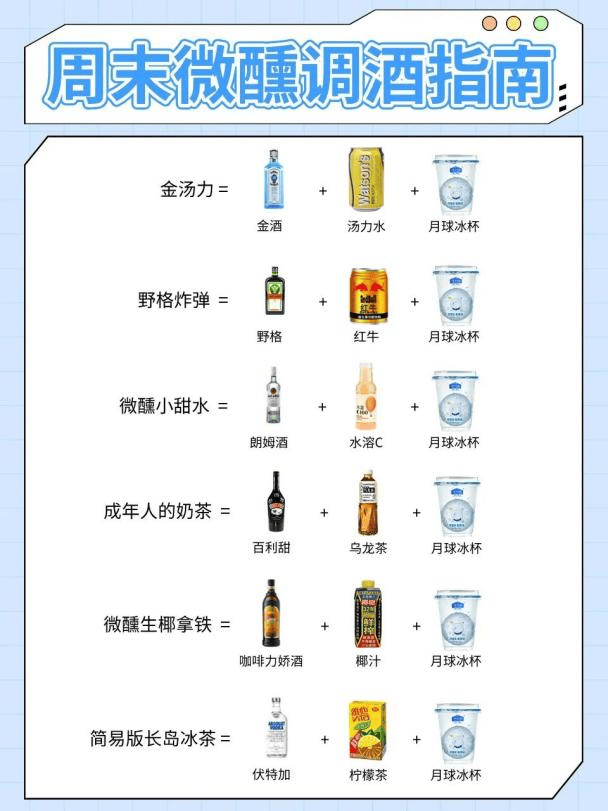
Core Insights - The demand for "how to drink more refreshingly" is emerging as a new growth point in the beverage market, with major players like Nongfu Spring, Yili, and Mengniu entering the "ice cup" market, which has shifted from a supporting role to a market focus [1][2] Market Trends - The "instant retail" market for ice products is projected to exceed 63 billion yuan by 2026, with ice cups being a core category showing significant growth potential [1] - Ice cup sales have seen a growth rate exceeding 300% for two consecutive years, with per capita annual consumption in first-tier cities reaching 48 cups [4] Consumer Behavior - During the 2025 UEFA European Championship, the takeaway volume of ice cups on the Ele.me platform surged tenfold year-on-year, with a monthly increase of 350% [4] - A specific ice cup product priced at 3.5 yuan sold over 1,000 units in a month on the Meituan platform [4] Product Innovation - The competition in the ice cup market has evolved into a battle of innovation in flavors, shapes, and specifications, pushing brands to continuously iterate their products [5] - Major brands like Nongfu Spring and Yili focus on pure water ice cups, while others like Play Fruit Forest introduce flavored ice cups with fruit content exceeding 20% [5] Differentiation Strategies - Unique ice shapes have become a key differentiator, with products like "moon ice" and "rounded ice" catering to high-end beverages, while other shapes meet various drink texture needs [8][10] - The market has seen a segmentation in specifications, with products like a 130-gram ice cup for individual use and a 750-milliliter ice bucket for sharing [10] Competitive Landscape - The ice cup market has attracted numerous players, creating a competitive landscape where giants like Nongfu Spring, Yili, and Mengniu leverage supply chain and channel advantages [11] - Early entrants like Xiaode Foods and Ice Power adopt differentiated strategies, with some focusing on OEM production for convenience stores and others like Ice Power emphasizing their own brand [11] Future Outlook - Industry experts highlight the need for companies to focus on quality control, technological innovation, and market expansion to transition from "growth in quantity" to "enhancement in quality" in the ice cup market [11]
7月23日港股回购一览


Zheng Quan Shi Bao Wang· 2025-07-24 01:20
Summary of Key Points Core Viewpoint - On July 23, 21 Hong Kong-listed companies conducted share buybacks, totaling 20.97 million shares and an aggregate amount of HKD 44.00 million [1][2]. Group 1: Buyback Details - VITASOY INT'L repurchased 1.402 million shares for HKD 12.98 million, with a highest price of HKD 9.260 and a lowest price of HKD 9.230, accumulating HKD 151.00 million in buybacks for the year [1][2]. - China Eastern Airlines repurchased 2.50 million shares for HKD 7.32 million, with a highest price of HKD 2.970 and a lowest price of HKD 2.900, totaling HKD 601.30 million in buybacks for the year [1][2]. - China Feihe repurchased 1.00 million shares for HKD 4.70 million, with a highest price of HKD 4.700, accumulating HKD 93.00 million in buybacks for the year [1][2]. Group 2: Buyback Rankings - The highest buyback amount on July 23 was from VITASOY INT'L at HKD 12.98 million, followed by China Eastern Airlines at HKD 7.32 million [1][2]. - In terms of share quantity, the most shares repurchased were by Shoujia Technology at 7.40 million shares, followed by China Eastern Airlines at 2.50 million shares [1][2].
蒙牛乳业(02319.HK)连续9日回购,累计回购210.00万股
Zheng Quan Shi Bao Wang· 2025-07-22 12:42
| 2025.05.20 | 15.00 | 18.380 | 18.320 | 275.31 | | --- | --- | --- | --- | --- | | 2025.05.19 | 15.00 | 18.100 | 18.020 | 271.01 | | 2025.05.16 | 15.00 | 18.420 | 18.300 | 276.05 | | 2025.05.15 | 15.00 | 18.460 | 18.260 | 275.41 | | 2025.05.14 | 15.00 | 18.660 | 18.280 | 278.17 | | 2025.05.13 | 20.00 | 18.380 | 18.100 | 365.05 | | 2025.05.12 | 15.00 | 18.780 | 18.540 | 280.41 | | 2025.05.09 | 15.00 | 18.840 | 18.600 | 280.99 | | 2025.05.08 | 15.00 | 19.100 | 18.840 | 285.26 | | 2025.05.07 | 30.00 | 19.660 ...
食品饮料行业 2025 年中报前瞻:白酒出清探底,食品亮点频现
Huachuang Securities· 2025-07-22 09:25
Investment Rating - The report maintains a "Recommended" rating for the food and beverage industry, particularly highlighting opportunities in the liquor sector and food products [1] Core Insights - The liquor industry is undergoing extreme pressure testing, with a significant focus on inventory clearance and bottoming out of financial reports. The second quarter has shown weak demand due to seasonal factors and regulatory impacts, leading to a notable decline in sales and pricing pressures [5][10] - High-end liquor brands like Moutai are expected to maintain growth, while mid-tier brands face challenges with declining revenues and profits. The overall industry is in a deep clearance phase, with potential for recovery as regulations stabilize [5][12] - The consumer goods sector shows mixed performance, with snacks and beverages remaining strong, while other segments like frozen foods and chain restaurants face ongoing demand pressures [20][25] Summary by Sections 1. Liquor Sector - The liquor industry is experiencing extreme pressure, with weak demand in the second quarter and significant inventory levels. Major brands like Moutai and Wuliangye are expected to show modest growth, while others like Yanghe and Luzhou Laojiao are facing declines [5][11][12] - Moutai's revenue is projected to grow by 7% in Q2, while Wuliangye is expected to see a 1% increase. In contrast, brands like Yanghe and Luzhou Laojiao are forecasted to decline by 35% and 8% respectively [11][12] 2. Consumer Goods - The overall demand for consumer goods remains weak, but segments like snacks and beverages are performing well. For instance, East Peak is expected to see a 33% increase in revenue, while other snack brands are also showing positive trends [20][25] - The beverage sector is projected to see positive growth, with major brands like Qingdao Beer and Yanjing expected to report increases in revenue and profit [25][26] 3. Investment Recommendations - The report suggests focusing on high-performing stocks in the short term while considering long-term investments in liquor brands that are currently at their bottom. Brands like Moutai and Gujing are recommended for their lower risk profiles [7][8] - For consumer goods, companies like Anqi and East Peak are highlighted for their growth potential, while traditional dairy brands like Yili and Mengniu are suggested for a bundled investment approach [7][8]


7月22日电,香港交易所信息显示,贝莱德在蒙牛乳业的持股比例于07月17日从7.10%降至6.64%。

news flash· 2025-07-22 09:09
智通财经7月22日电,香港交易所信息显示,贝莱德在蒙牛乳业的持股比例于07月17日从7.10%降至 6.64%。 ...