BABA(09988)

Search documents
“养虾热”带火Mac mini,华强北多个销售档口已断货;大四学生AI项目登GitHub榜首,获陈天桥3000万投资丨AI周报
创业邦· 2026-03-15 01:32
Core Insights - The article highlights significant developments in the AI industry, focusing on funding rounds, product launches, and strategic shifts among key players in the market. Group 1: Funding and Valuation - Cursor, an AI programming startup, is negotiating a new funding round with a potential valuation of $50 billion, up from $29.3 billion in its last round where it raised $2.3 billion [7][8] - Yann LeCun's new startup raised over $1 billion in the largest seed funding round in Europe, with a valuation of $3.5 billion [12][13] Group 2: Product Launches and Innovations - Baidu launched the world's first mobile lobster application, "Red Hand Operator," which allows users to command their phones to perform tasks [8][21] - Tencent introduced "SkillHub," a localized AI Skills community for Chinese users, enhancing the functionality of AI tools like OpenClaw [10][12] - OpenAI plans to integrate its AI video generator Sora into ChatGPT, expanding its capabilities in multimodal AI technology [12][36] Group 3: Market Trends and User Adoption - The "lobster" AI trend has significantly boosted sales of Mac mini devices, as users prefer to deploy OpenClaw on compatible hardware [20][21] - The popularity of AI tools has led to increased demand for training technical workers, with BlackRock investing $100 million to train electricians and other skilled workers to meet future AI infrastructure needs [22][23] Group 4: Corporate Strategies and Changes - Atlassian announced a 10% workforce reduction to adapt to the rise of AI, emphasizing the need for restructuring to invest in AI and sales [22] - Nvidia plans to invest $26 billion over the next five years to develop open-source AI models, marking a strategic shift from being a chip manufacturer to a full-stack AI laboratory [23][36] Group 5: Regulatory and Security Concerns - The Ministry of Industry and Information Technology in China warned about security risks associated with OpenClaw, advising users to manage permissions and configurations carefully [35][36] - Concerns regarding the ethical implications of AI in military applications have led to the resignation of OpenAI's robotics head, highlighting the need for careful consideration of AI's role in national security [36][37]







Kimi估值涨至180亿美元,不到3个月翻4倍;字节回应武汉研发中心裁员;于东来再谈胖东来40亿资产分配;周鸿祎向母校捐赠1亿元丨邦早报
创业邦· 2026-03-15 01:32
Group 1 - ByteDance has suspended the global release of its video generation model Seedance 2.0 due to copyright disputes with major Hollywood studios, including Disney and Paramount's Skydance [2] - Kimi's valuation has surged to $18 billion, marking a fourfold increase in just three months, as the company is currently raising $1 billion in a new funding round [2] - Founder Yu Donglai of Pang Donglai clarified the asset distribution of 4 billion yuan, stating that his personal stake is around 5%, which is approximately 200 million yuan [3] Group 2 - ByteDance responded to rumors of layoffs at its Wuhan R&D center, stating that only 50 employees will be relocated, and the center will continue to operate with over 2,000 employees [4] - 360 Group launched the "360 Security Lobster" intelligent application client, significantly reducing installation time from 6 hours to 10 minutes [8] - Honda is expected to pay suppliers up to 106 billion USD due to the cancellation of three electric vehicle projects as part of a strategic reassessment [8] Group 3 - Giant Quasar Electronics completed a financing round of several million yuan to enhance its core technology and expand its market presence in high-end electronic testing [9] - Micro-LED manufacturer Sitan Technology raised over 200 million yuan in Series B funding to accelerate commercialization in automotive and AR display sectors [9] - Xi'an Zhongke Optoelectronics completed nearly 400 million yuan in Series A financing, focusing on intelligent manufacturing breakthroughs in aerospace and shipbuilding [9] Group 4 - Chery's iCAR V27, a new range-extended SUV, was launched with a price range of 169,800 to 196,800 yuan, featuring a comprehensive range of over 1200 km [10] - Qianwen AI glasses will introduce new features such as AI simultaneous translation and "AI handling" by the end of the month, expanding their application in daily services [12] - The overall passenger volume for civil aviation during the 2026 Spring Festival reached 94.39 million, a historical high, with a daily average of 2.36 million passengers, reflecting a 4.7% year-on-year increase [14]



国内算力斜率仍在抬升
SINOLINK SECURITIES· 2026-03-14 15:27
Investment Rating - The report does not explicitly state an investment rating for the industry Core Insights - The report highlights a significant increase in demand for computing power driven by advancements in AI and cloud services, with Oracle and Tencent leading the charge in revenue growth and pricing strategies [6][11][17] - The year 2026 is projected to be pivotal for the computing power industry, transitioning from "cloud training" to a dual-driven model of "training + inference," leading to a rapid release of computing power demand [6][19] - The supply side is expected to shift from a state of scarcity to structural balance, with domestic computing power resources effectively meeting the surging demand [6][43] Summary by Sections Oracle's Performance and Tencent's Pricing Strategy - Oracle's FY26Q3 results exceeded expectations, with total revenue reaching $171.90 billion, a year-on-year increase of 21.66%, and cloud business revenue growing by 44% to $89.14 billion [11][12] - Tencent Cloud announced significant price increases for its AI models, with some models seeing price hikes of over 400%, indicating a trend of rising costs in cloud computing services [17][18] Rapid Release of Computing Power Demand - Major internet companies are advancing their AI models, with a focus on high-quality and multi-modal capabilities, which is expected to drive up the demand for computing power [19][20] - The inference side of computing power demand is anticipated to grow steeply, fueled by the rapid adoption of AI applications across various sectors [33][34] Supply Side Improvements and Domestic Production - The approval of NVIDIA's H200 AI chips for the Chinese market is expected to alleviate computing power shortages for major internet companies [43][44] - Domestic computing power chips have reached a point where they are not only usable but also competitive, with significant improvements in performance and ecosystem development [44][45] Full Chain Inflation in Domestic Computing Power - The report predicts a "full chain inflation" cycle in the computing power industry in 2026, with growth expected across various segments including AIDC, cloud services, and supporting infrastructure [50][52] - Major tech companies are projected to increase their capital expenditures significantly, with estimates reaching $650 billion in 2026, further driving the demand for computing power [52][53]



王兴:美团要减少登味,以后别叫我兴哥;魅族手机“解体”:做车机,做AI,或者离开;比亚迪高管回应进军F1丨邦早报
创业邦· 2026-03-14 01:05
Group 1 - Meituan's CEO Wang Xing stated that the impact of AI agents will be greater than that of ChatGPT, predicting significant changes in productivity and organizational structures [2][3] - Meizu announced a major restructuring, with over 50% of its employees, approximately 400 people, expected to leave, as the company shifts focus towards automotive and AI sectors [2][3] - Tencent's customer service responded to inquiries about the WeChat Moments editing feature, stating that there is currently no notification regarding its launch [2] Group 2 - Pop Mart has filed a lawsuit against Tuo Zhu for copyright infringement, with ongoing discussions for potential settlement and cooperation [5][6] - Meta is reportedly planning to lay off at least 20% of its workforce to offset costs related to AI infrastructure [9] - Xpeng Hu Tian has completed nearly $200 million in a new round of equity financing, bringing its total historical equity financing to approximately $1 billion [18] Group 3 - Apple announced a reduction in the App Store commission rate for China, lowering the standard rate from 30% to 25% and the small business program rate from 15% to 12% [11][12] - BYD's executive confirmed the company's exploration into entering competitive racing, including F1 [13] - Netflix has laid off dozens of employees from its global product team as part of an internal restructuring [17]



“龙虾热”背后:谁在入局?政策如何引导?
AI研究所· 2026-03-13 11:31
Core Viewpoint - The article discusses the explosive growth of OpenClaw, referred to as "lobster," in the capital market, highlighting the rapid increase in market capitalization of related companies and the emergence of a competitive landscape among major tech firms in the AI sector [1][4]. Group 1: Market Dynamics - OpenClaw has led to a significant surge in the market value of companies like Minimax, with its founder's holdings reaching nearly 90 billion HKD [1]. - The "lobster three brothers" in the Hong Kong stock market, including Zhizhu Technology and Minimax, have seen their market values soar, with Minimax's market cap hitting approximately 406.8 billion [2]. - Major tech companies such as ByteDance, Alibaba, and Tencent have launched cloud services for OpenClaw, intensifying competition in the market [5][7][10]. Group 2: Technological Developments - ByteDance introduced a plugin for Weibo based on OpenClaw, while Tencent and Alibaba have also rolled out various versions of OpenClaw, including mobile applications [5][7][10]. - Other companies like iFlytek and Huawei are also entering the fray, showcasing a diverse range of applications and services built on the OpenClaw framework [11][13]. Group 3: Government Support and Policy - Local governments are actively supporting the OpenClaw ecosystem by providing incentives such as office space discounts and special funds for startups, indicating a strong interest in fostering innovation [15]. - Policies aimed at reducing entrepreneurial costs and enhancing the business environment are being implemented to attract innovative companies [15]. Group 4: Challenges and Risks - Despite the excitement surrounding OpenClaw, there are concerns regarding token consumption costs, with reports of users incurring significant expenses during deployment [18]. - Security risks associated with OpenClaw have been highlighted, with warnings from the National Internet Emergency Center regarding potential vulnerabilities [19]. - The actual productivity and commercial viability of OpenClaw applications remain uncertain, as many use cases are still in exploratory stages [19]. Group 5: Industry Regulation - The article notes a trend towards stricter platform governance and external regulation, with major platforms taking steps to curb the misuse of AI technologies [20]. - This regulatory environment aims to ensure a sustainable and secure development of the OpenClaw ecosystem, balancing innovation with safety [20]. Group 6: Future Outlook - The article concludes that while the "lobster craze" presents short-term wealth opportunities, long-term value creation and a balanced approach to innovation, policy support, and risk management are essential for the industry's progress [23].
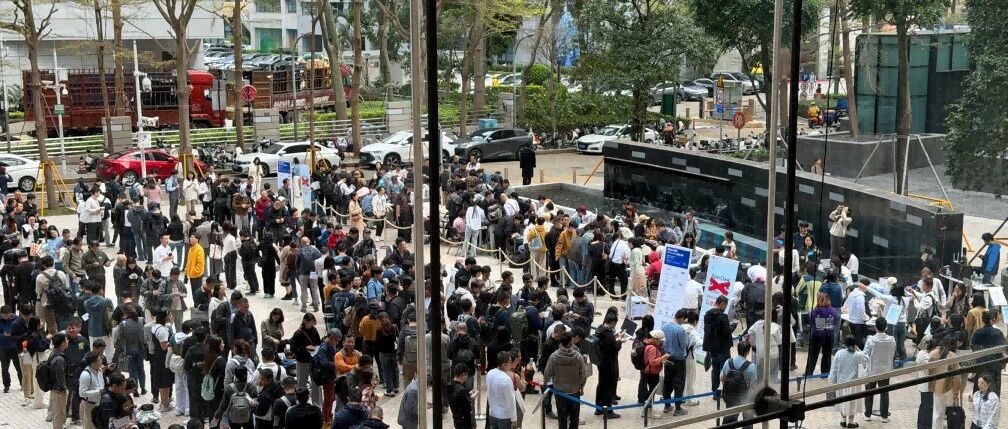
Alibaba's MAISEAT Secures Primary Ticketing Role for GAI EVOLUTION 2026 World Tour in Malaysia
Prnewswire· 2026-03-13 05:24
Core Insights - MAISEAT, a subsidiary of Alibaba Group, has secured its first primary ticketing role for GAI's concert in Malaysia, marking a significant milestone for the platform [1] - The concert is scheduled for May 10, 2026, at the Arena of Stars, Resorts World Genting, with presales starting on March 10 and official sales beginning on March 13, all presale tickets have sold out [1] - MAISEAT aims to expand its ticketing model to more international markets, enhancing connections between Chinese artists and global audiences [1] Company Overview - MAISEAT is a global events ticketing platform under Damai Entertainment, which is listed on HKEX [1] - Damai Entertainment focuses on delivering immersive entertainment experiences, with a diverse ecosystem that includes film production, live events, IP commercialization, TV series, artist management, and ticketing [1] - The platform supports multiple languages and is integrated with Alipay's global payment network, offering various payment methods and multi-currency options [1] Strategic Goals - MAISEAT plans to implement a localized end-to-end ticketing model that meets international market standards, aiming to build trust among event organizers and cross-border audiences [1] - The company is committed to creating unparalleled live, interactive, and immersive experiences, leveraging its dual strategic pillars of entertainment and AI [1]

外卖大战一周年:硝烟和补贴都没了,只剩不够AI的美团
3 6 Ke· 2026-03-13 03:57
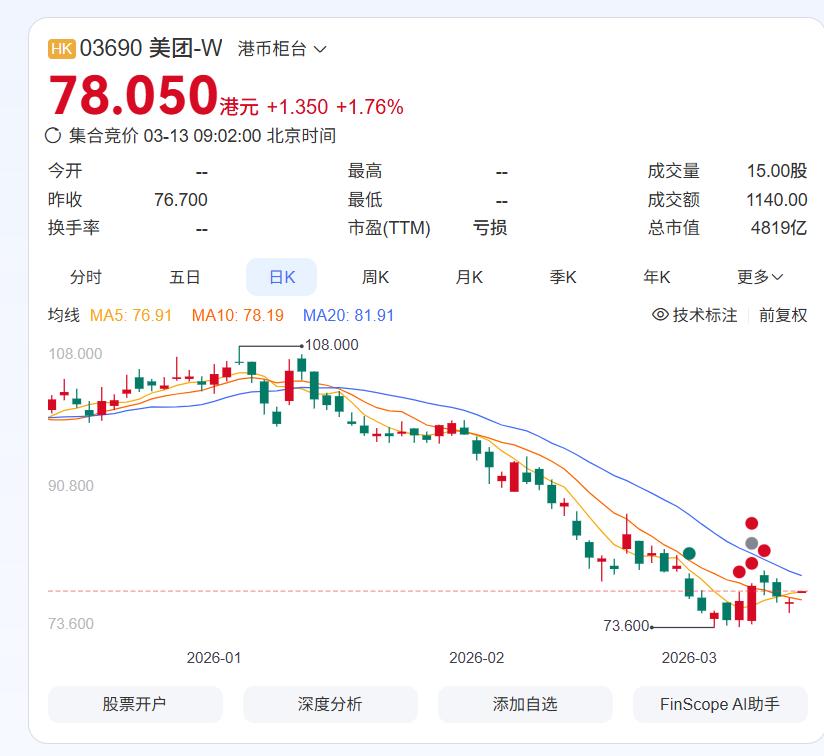
Core Insights - The article discusses the significant changes in the food delivery market in China, particularly the decline in subsidies from major platforms like Meituan and Alibaba, leading to increased prices for consumers [2][3][4] - The competitive landscape has not changed substantially despite the massive subsidies, with Meituan remaining the leader and Alibaba in second place, although the gap has narrowed [3][4] - Both companies have faced substantial financial losses, with Meituan's market value dropping over 600 billion HKD and experiencing a shift from profit to significant losses in its core local business [4][6] Group 1: Market Dynamics - The reduction in subsidies has led to higher prices for consumers, making previously affordable items like coffee and lunch more expensive [1][2] - The intense competition between Meituan and Alibaba, characterized as a "last battle of the internet," has resulted in no clear winner, with both companies suffering financially [3][4] - Meituan's stock price has been on a downward trend since the beginning of the year, reflecting investor concerns over its profitability and market position [6] Group 2: Financial Performance - Meituan's losses for 2025 are projected to be between 25.6 billion to 26.7 billion HKD, a stark contrast to its previous profitability [4][6] - Alibaba's aggressive marketing strategies have led to increased operational costs and a significant drop in operating profits, despite its large scale [6][10] - The financial struggles of both companies highlight the challenges in the food delivery sector, where profitability remains elusive [4][16] Group 3: Strategic Shifts - Alibaba is shifting its focus towards AI and cloud services, indicating a strategic pivot away from the food delivery market [8][10] - Meituan is expanding its instant retail business and investing in AI technologies to enhance operational efficiency and customer service [11][24] - The competition in the food delivery market may evolve into a new phase centered around AI, with both companies needing to adapt to changing consumer behaviors and technological advancements [21][27] Group 4: Future Outlook - The article suggests that the food delivery battle may not resume as expected, with a consensus emerging around more pragmatic approaches to competition [27] - Meituan's future strategies will likely focus on expanding its product offerings and improving AI capabilities to remain competitive [23][24] - The potential for AI to redefine business models in the industry is significant, with implications for how companies engage with consumers and manage operations [21][22]
本田突发暴雷:因撤回电动化战略损失1000亿元;对标小米SU7 Ultra,追觅汽车售价或超60万元;爱诗科技近期完成3亿美元C轮融资丨邦早报
创业邦· 2026-03-13 00:07
Group 1 - Honda announced a significant loss of 1 trillion yen due to the withdrawal of its electrification strategy, with expected operating losses of 270 billion to 570 billion yen for FY2025 [2] - Tencent's SkillHub platform faced accusations of plagiarism from OpenClaw's creator, but Tencent clarified that it only serves as a local mirror for Chinese users and has contributed to the original project's bandwidth [2] - The launch of the Chasing Car series at AWE2026 is positioned against Xiaomi's SU7 Ultra, with a price range of 600,000 to 700,000 yuan and impressive performance metrics [7] Group 2 - Li Auto reported a revenue of 112.3 billion yuan and a net profit of 1.1 billion yuan for the fiscal year, marking three consecutive years of profitability [9] - ByteDance welcomed Yu Bowen, a former Alibaba executive, to lead its visual model and multimodal interaction team, indicating a strategic move in AI development [9] - Nvidia plans to invest 26 billion USD (approximately 178.8 billion yuan) over the next five years to develop open-source AI models, significantly surpassing OpenAI's investment in GPT-4 [21] Group 3 - BYD is conducting large-scale recruitment, with over 90,000 employees, making it the largest employer among A-share listed companies [13] - Apple celebrated its 50th anniversary, with CEO Tim Cook expressing gratitude to users for their role in shaping the company's innovations [14][15] - Atlassian announced a 10% workforce reduction, affecting around 1,600 employees, to adapt to the rise of AI and strengthen its financial position [21]




OpenClaw爆火,Token驱动需求大周期
Changjiang Securities· 2026-03-12 15:40
Investment Rating - The industry investment rating is "Positive" and maintained [8] Core Insights - Recently, multiple internet and model manufacturers have followed OpenClaw, launching various ready-to-use versions of "lobster," and related policies have been introduced in several regions, leading to a surge in the "lobster farming" concept [2][5] - The current trend driven by OpenClaw indicates a significant shift in AI deployment capabilities, moving towards executable, deployable, and privatized solutions, with competition focusing on execution capabilities and commercialization [11] - The demand for AI agents is expected to see a turning point, with the introduction of free trials, low-cost subscriptions, and lightweight deployments lowering usage barriers, while OpenClaw transitions AI from mere conversation to task execution [11] - The model market is expanding, and the token industry chain is becoming a new focal point, with anticipated growth in token revenue and demand for computing power as user installations increase [11] Summary by Sections Event Description - Multiple internet and model manufacturers are launching various versions of OpenClaw, with policies emerging in several regions to support this trend [5] Market Dynamics - Major companies are competing on deployment thresholds, usage costs, and service delivery, with at least 14 manufacturers currently involved in related products [11] - Policies in regions like Jiangsu and Guangdong are encouraging the development of industrial models using OpenClaw, with financial incentives for companies [11] Future Outlook - The report suggests that the AI industry is entering a demand era, with a focus on high-value applications in sectors like taxation and industry, as well as the potential for supply relief in domestic computing power [11]


道指下挫近700点,芯片股普跌,英特尔跌超4%,英伟达、苹果跌2%,原油直冲100美元
21世纪经济报道· 2026-03-12 14:42
Market Overview - US stock market opened lower with all three major indices falling over 1%, with the Dow Jones down 1.46%, Nasdaq down 1.57%, and S&P 500 down 1.25% [1][2] Technology Sector - Major technology stocks experienced a decline, with the "Big Seven" tech index down 1.53%. Apple and Nvidia fell over 2%, while Tesla, Facebook, and Google dropped over 1.5% [3][4] - Chip stocks collectively fell, with Teradyne and GlobalFoundries down over 5%, and other major players like TSMC and Intel down over 4% [5] Automotive Sector - Honda Motors reported its first annual loss since its listing in 1957, with a projected total cost and loss of up to 2.5 trillion yen (approximately 108.2 billion RMB) due to a reassessment of its electrification strategy [5] Energy Sector - Oil and gas stocks performed well, with US energy stocks rising by 7.6%. Notable increases included Murphy Oil up 3.8% and Occidental Petroleum up 3.3% [6] - International crude oil prices surged, with Brent crude futures rising by 9% to reach $100 per barrel, while WTI crude also increased by over 8% [6][7] Precious Metals - Gold and silver prices showed mixed results, with spot gold experiencing a significant drop before stabilizing at $5157.4 per ounce, while silver rose by 0.59% to $86.23 per ounce [6][7] Economic Indicators - Initial jobless claims in the US for the week ending March 7 were reported at 213,000, slightly below expectations [10]