CM BANK(600036)

Search documents
“菜篮子”里的金融课,招商银行呼和浩特分行将金融知识送到居民身边
Zhong Guo Jin Rong Xin Xi Wang· 2025-09-29 07:52
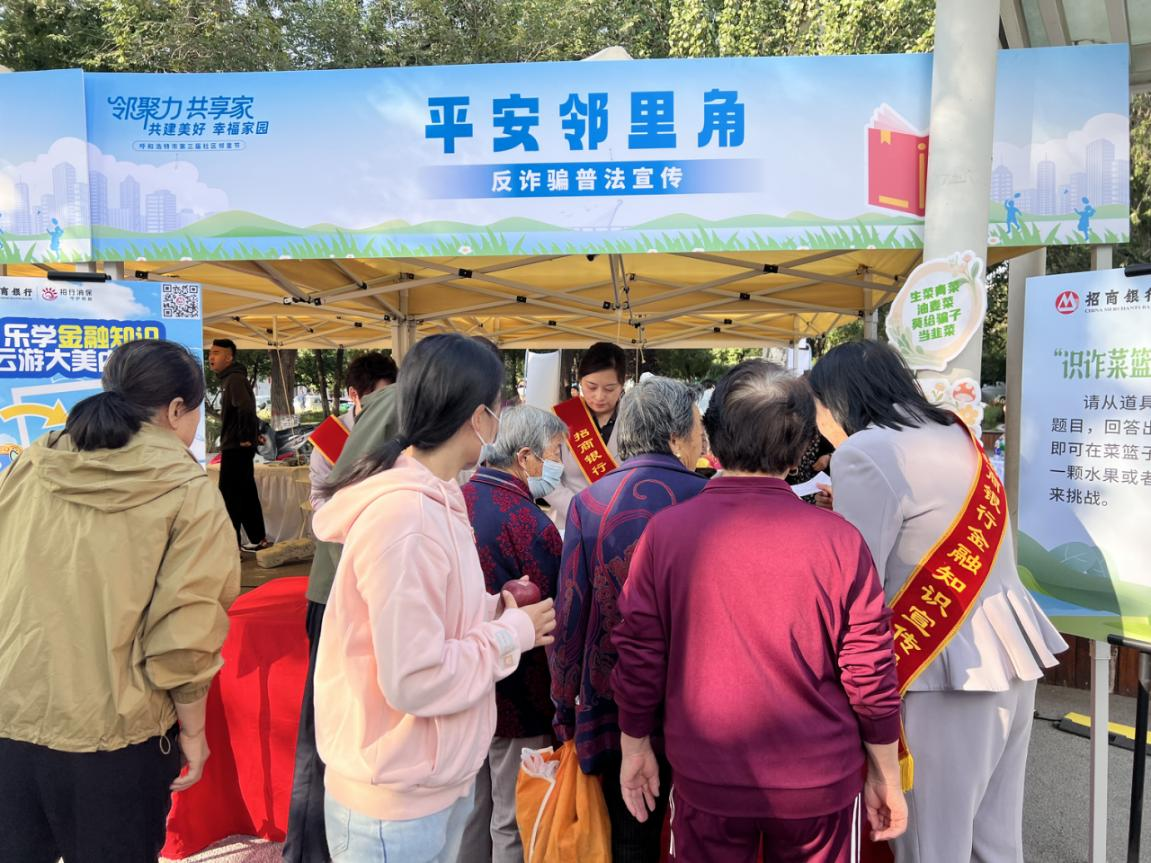
Core Viewpoint - The event organized by China Merchants Bank in Hohhot aims to enhance financial literacy and community engagement through interactive activities, promoting financial knowledge and services to residents [1][9]. Group 1: Community Engagement - The third Community Neighborhood Festival in Hohhot featured a financial knowledge promotion activity, combining fun interactions and cultural performances to deliver services and education to residents [1]. - A special "Safe Neighborhood Corner" was set up to assist the elderly in using mobile banking features, emphasizing user-friendly settings like enlarged fonts and voice assistance [2]. Group 2: Investment Education - Staff provided insights into investment suitability, explaining the differences between net value financial products and deposits, addressing common concerns about high-yield products [4]. - The concept that "higher returns come with higher risks" was communicated clearly, using recent examples of product value fluctuations to guide residents in making informed choices based on their risk tolerance [4]. Group 3: Fraud Awareness - The "Answer Questions to Win Fruits and Vegetables" activity focused on practical knowledge about fraud prevention, deposit insurance, and identifying illegal fundraising [6]. - Questions related to community life, such as "pension investment traps" and "fake health product investments," were designed to enhance awareness and education on these issues [6]. Group 4: Cultural Integration - A performance by a local troupe illustrated the importance of integrity in financial dealings, engaging residents with humorous lyrics that conveyed the value of honesty in financial contracts and credit card repayments [8]. - The event transformed financial education into an interactive experience, fostering a sense of community and trust between financial institutions and residents [8]. Group 5: Future Plans - China Merchants Bank plans to expand its "Finance + Community" service model, creating more engaging and interactive financial knowledge promotion activities to ensure that financial education is accessible and applicable to residents [9].


货币市场日报:9月28日
Xin Hua Cai Jing· 2025-09-29 03:38
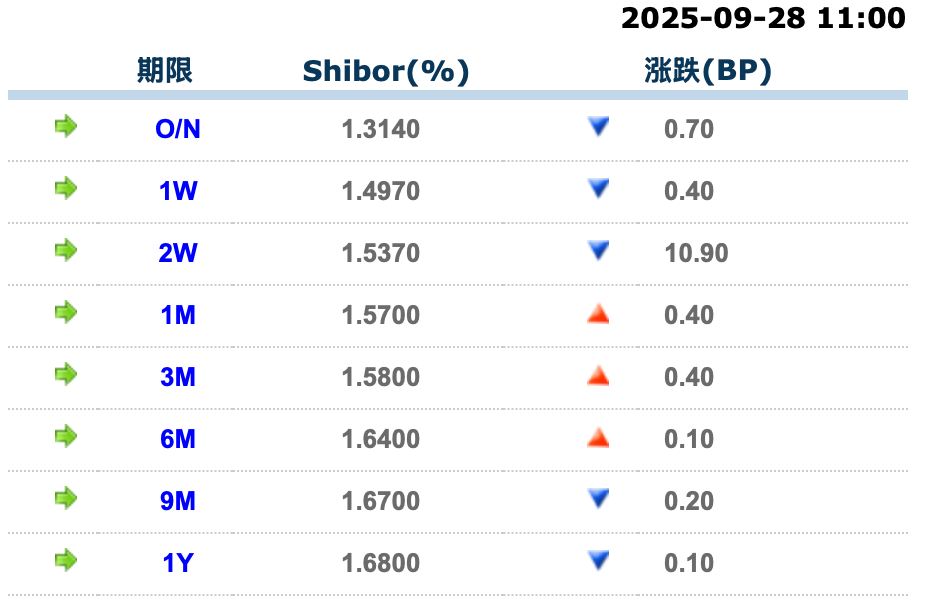
Monetary Policy Operations - The People's Bank of China conducted a 7-day reverse repurchase operation amounting to 181.7 billion yuan at an interest rate of 1.40%, unchanged from previous operations [1] - The overnight and 7-day Shanghai Interbank Offered Rate (Shibor) slightly decreased, while the 14-day Shibor fell by over 10 basis points [1][2] Shibor Rates - As of September 28, the overnight Shibor decreased by 0.70 basis points to 1.3140%, the 7-day Shibor fell by 0.40 basis points to 1.4970%, and the 14-day Shibor dropped by 10.90 basis points to 1.5370% [2] Interbank Repo Market - In the interbank pledged repo market, the 7-day rates increased while the 14-day rates significantly decreased. The weighted average rates for DR001 and R001 fell by 0.6 basis points and 1.2 basis points, respectively, while DR007 and R007 rates rose by 2.4 basis points and 8.4 basis points [4] Market Conditions - On September 28, due to a holiday adjustment, most non-bank institutions were absent, leading to a relaxed funding environment. Overnight repo rates were around 1.45%, while rates for credit and certificates of deposit were between 1.90% and 1.95% [8] - A total of 44 interbank certificates of deposit were issued, with an actual issuance volume of 107.74 billion yuan [8] Secondary Market Activity - Trading sentiment in the secondary market was relatively quiet due to the holiday adjustment, with prices remaining stable compared to the previous trading day. The 1-month national bank stock ended at 1.66%, unchanged from the previous day [9]
机构:A股有望迎来关键窗口期,风险偏好或将进一步回暖,A500ETF嘉实(159351)整固蓄势,成分股湖南裕能、多氟多涨超9%
Xin Lang Cai Jing· 2025-09-29 02:34
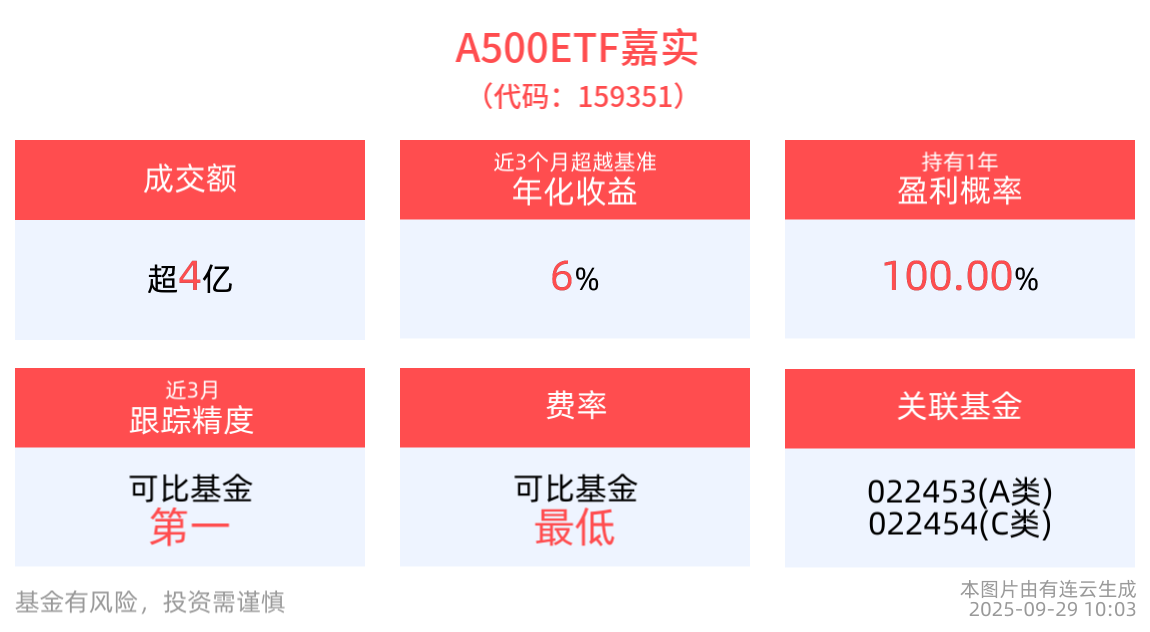
Group 1 - The A500ETF by Jiashi has a turnover rate of 3.57% and a transaction volume of 4.41 billion yuan, with an average daily transaction of 22.80 billion yuan over the past year as of September 26, 2025 [3] - The latest scale of A500ETF by Jiashi reached 116.54 billion yuan, with a net value increase of 18.59% over the past year as of September 26, 2025 [3] - The highest monthly return since inception for A500ETF by Jiashi was 11.71%, with the longest consecutive monthly gains being 4 months and a maximum gain of 22.93% [3] Group 2 - The top ten weighted stocks in the CSI A500 index as of August 29, 2025, include Kweichow Moutai, CATL, Ping An Insurance, and others, accounting for a total of 19.11% [4] - The individual weightings of the top stocks are as follows: Kweichow Moutai at 3.87%, CATL at 2.89%, and Ping An Insurance at 2.60% [6] - Investors without stock accounts can access the A500ETF Jiashi linked fund (022454) for exposure to the top 500 A-shares [6]






沪深300ETF中金(510320)开盘跌0.90%
Xin Lang Cai Jing· 2025-09-29 01:40
Core Viewpoint - The performance of the CSI 300 ETF managed by CICC shows a slight decline in opening price, while individual stocks within the ETF exhibit mixed results, indicating a volatile market environment [1] Group 1: ETF Performance - The CSI 300 ETF (510320) opened down by 0.90%, priced at 1.210 yuan [1] - Since its inception on April 16, 2025, the fund has achieved a return of 22.05%, with a monthly return of 2.22% [1] Group 2: Individual Stock Performance - Kweichow Moutai opened up by 0.31% [1] - Contemporary Amperex Technology Co. (CATL) increased by 1.56% [1] - China Ping An decreased by 0.07% [1] - China Merchants Bank fell by 0.07% [1] - Industrial Bank dropped by 0.30% [1] - Yangtze Power declined by 0.15% [1] - Midea Group rose by 0.31% [1] - Zijin Mining increased by 1.09% [1] - BYD fell by 0.27% [1] - East Money Information decreased by 0.08% [1]



银行渠道本周在售混合类理财产品榜单(9/29-10/5)
2 1 Shi Ji Jing Ji Bao Dao· 2025-09-29 01:16
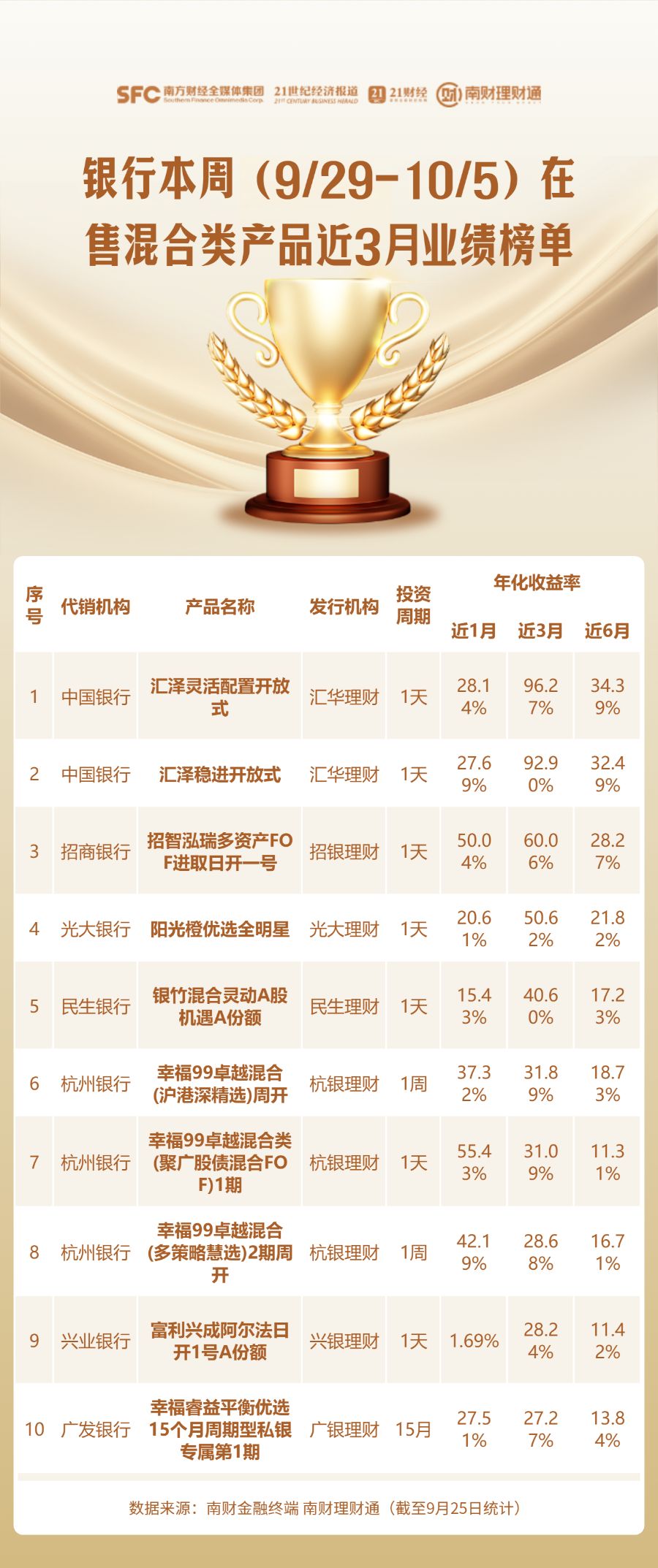
Core Viewpoint - The article discusses the challenges investors face in selecting bank wealth management products due to the overwhelming variety of similar-sounding products, and it aims to provide a performance ranking of these products to assist investors in making informed choices [1]. Group 1: Product Selection Criteria - The ranking of wealth management products is based on two main criteria: product type, focusing on pure fixed income, "fixed income plus," and mixed products, and performance stability, requiring products to have been established for at least three months to ensure sufficient performance data [1]. - The sample selection includes RMB public wealth management products, and the ranking reflects annualized performance over the past month, three months, and six months, sorted by the three-month annualized yield [1]. Group 2: Performance Ranking - The article highlights a list of top-performing mixed products from various banks, including: - Bank of China: "Huiyang Flexible Allocation Open" with a three-month annualized yield of 34.3% [4]. - China Merchants Bank: "Zhaozhi Team Rui Duo Asset FO" with a three-month annualized yield of 28.2% [4]. - Everbright Bank: "Sunshine Orange Preferred All-Star" with a three-month annualized yield of 21.8% [4]. - The ranking includes a total of 10 products, showcasing their respective yields and performance metrics [4]. Group 3: Distribution Channels - The ranking is based on data from 28 distribution institutions, including major banks such as ICBC, Bank of China, and Agricultural Bank of China, among others [2]. - It is noted that the availability of products may vary due to factors like quota exhaustion or differences in product listings for different customers, thus investors are advised to refer to the actual displays on the banks' apps [2].

债市投资难度加大 多家银行调整策略构建对冲组合
Zheng Quan Shi Bao· 2025-09-28 22:14
Core Viewpoint - The bond market is experiencing intensified volatility and challenges, with banks facing difficulties in bond investments and adjusting their strategies accordingly [1][3][4]. Group 1: Market Conditions - The bond market is currently in a state of wide fluctuations, with the ten-year government bond yield oscillating between 1.85% and 1.9%, reflecting increased volatility [3]. - After the implementation of new tax regulations on bond interest, the attractiveness of bonds has decreased, leading to a potential reallocation of assets towards equities and other investments [2]. - In August, the trading volume of bonds declined significantly, with state-owned banks trading approximately 3.568 trillion yuan and joint-stock banks trading about 11.232 trillion yuan, marking a drop from previous months [2]. Group 2: Bank Performance - In the first half of the year, over 80% of A-share listed banks reported positive growth in investment income, with an average increase exceeding 45%, primarily driven by the realization of bond floating profits [5][6]. - Notably, the China Construction Bank achieved an investment income of 27.912 billion yuan, with a year-on-year growth exceeding 200%, significantly contributing to its revenue [6]. - However, many banks are experiencing a decline in non-interest income due to the challenging market conditions, with some reporting negative growth [4]. Group 3: Investment Strategies - Banks are adjusting their investment strategies in response to the volatile bond market, focusing on wave trading and increasing the use of derivative instruments for hedging [9][10]. - The Postal Savings Bank has adopted a more flexible asset-liability strategy, actively expanding its balance sheet to capture income opportunities amid market fluctuations [9]. - The overall sentiment among bank executives is cautious regarding the sustainability of investment income growth in the second half of the year [3][4].



招商银行北京分行金融教育校园行,持续筑牢金融安全防线
Bei Jing Shang Bao· 2025-09-28 13:12
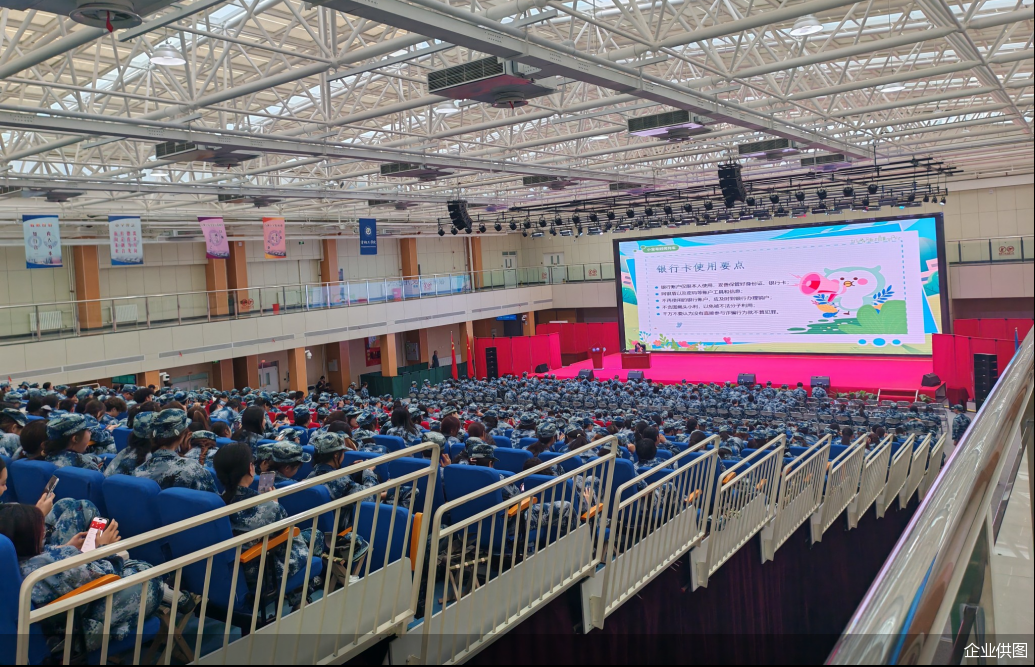
Core Viewpoint - The article emphasizes the importance of financial education for consumers, particularly targeting students, to enhance their financial literacy and protect their financial rights, aligning with the theme "Protecting Financial Rights, Supporting a Better Life" during the 2025 Financial Education Promotion Week [1]. Group 1: Financial Education Activities - China Merchants Bank's Beijing branch is conducting various financial education activities across campuses, focusing on student consumer groups to improve their financial risk prevention capabilities [1]. - On September 16, a financial anti-fraud seminar was held at Shougang Institute of Technology, attended by over 900 freshmen, where bank staff actively engaged with students [2]. - The activities are designed to address financial risks throughout the student lifecycle, covering key scenarios such as "school, life, friendships, internships, and employment" [4]. Group 2: Key Topics Covered - The seminars dissect various financial traps that students may encounter, including "campus loans," "order brushing scams," "fake customer service," "job-seeking traps," and "personal information leakage," while providing practical financial defense strategies [4]. - At Beijing University of Science and Technology, a financial knowledge seminar was conducted for over 400 participants, utilizing a "case + scenario + mnemonic" approach to illustrate the dangers of illegal campus loans [6]. - The event at Beijing No. 80 Middle School involved collaboration with local police to educate over 100 students on avoiding false advertising and illegal financial activities, emphasizing the importance of a rational money and consumption perspective [8]. Group 3: Future Initiatives - China Merchants Bank's Beijing branch plans to continue promoting financial education as a regular focus, aiming to strengthen the public's financial literacy and contribute to the political and social responsibilities of financial work [8].
曹慰履新平安银行信用卡中心总裁,或将深耕财富客群
2 1 Shi Ji Jing Ji Bao Dao· 2025-09-28 10:41
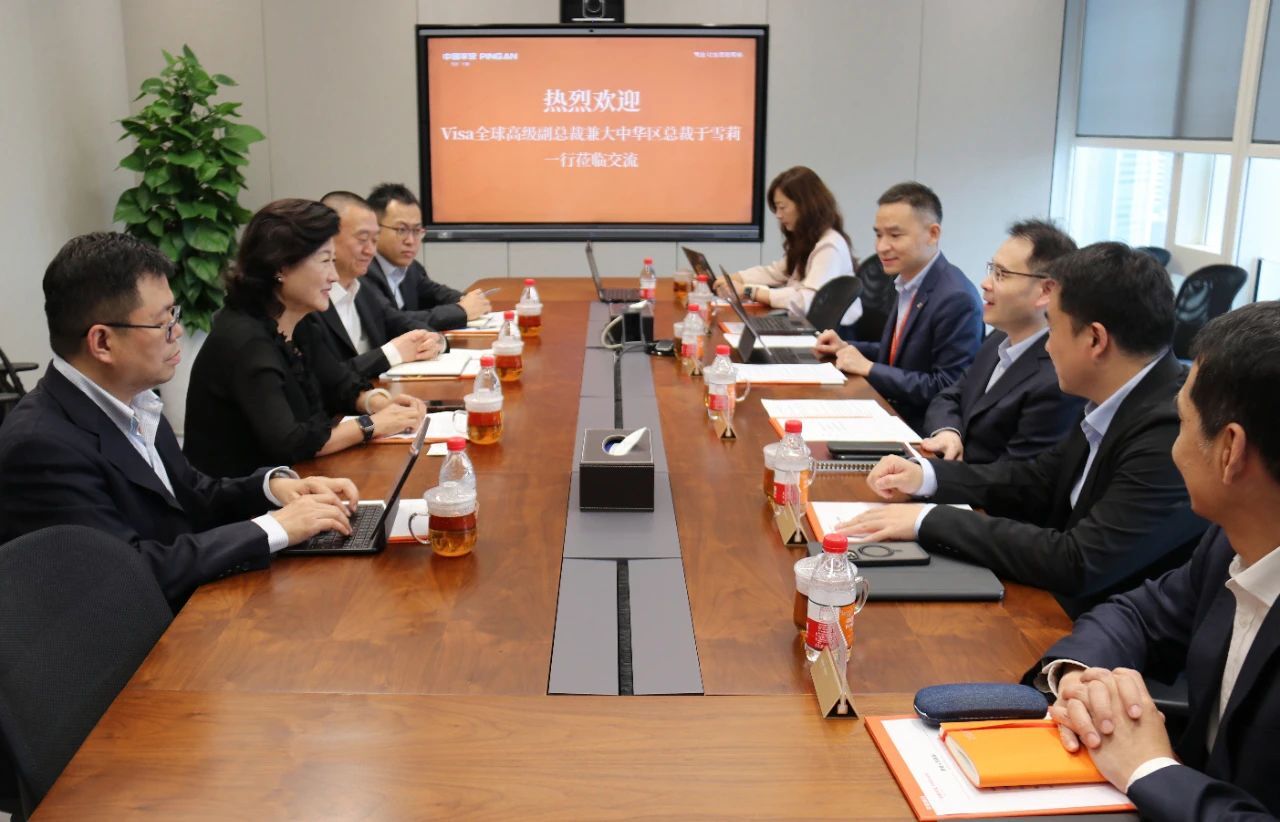
Core Viewpoint - The development of mid-to-high-end credit cards is expected to become a key entry point for banks in wealth management [1] Group 1: Leadership Changes and Strategic Direction - Ping An Bank has appointed Cao Wei as the new general manager of its credit card center, who has extensive experience in the credit card and retail finance sectors [2] - During his tenure at China Merchants Bank, Cao Wei emphasized the importance of credit cards as a tool for global travelers and promoted cross-border payment services [2] - The credit card sector remains a significant part of Ping An Bank's retail business, with credit card receivables amounting to 394.87 billion yuan, accounting for 22.88% of personal loans [3] Group 2: Strategic Meetings and Wealth Management Focus - In his first month, Cao Wei met with senior executives from Visa, indicating a strategic focus on leveraging Ping An Group's extensive customer resources to enhance wealth management through credit cards [4] - Ping An Bank aims to develop a more comprehensive wealth management system, using credit cards as a breakthrough to attract high-net-worth clients [4][6] Group 3: Credit Card Usage Trends and Revenue Sources - The relationship between mid-to-high-end credit cards and wealth management is evolving, with credit cards increasingly viewed as financial tools for cash flow rather than just payment instruments [7][8] - The bank's card transaction fees are becoming a significant revenue source, with Ping An Bank's card fee income at 6.408 billion yuan, showing a slight year-on-year decline of 0.1% [8] Group 4: Industry Trends and Competitive Landscape - The credit card industry in China is transitioning from rapid growth to a focus on high-quality development, with China Merchants Bank reporting an 8.54% year-on-year decline in credit card transaction volume [9] - Despite current challenges, China Merchants Bank remains optimistic about the long-term prospects of the credit card sector, emphasizing its importance to retail scale and brand contribution [9]

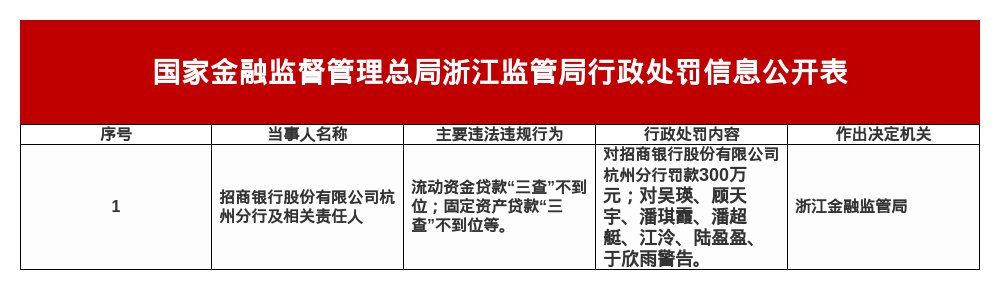
招商银行杭州分行被罚300万,涉流动资金贷款“三查”不到位等
Xin Lang Cai Jing· 2025-09-28 06:24
Core Viewpoint - The Zhejiang Regulatory Bureau of the National Financial Supervision Administration has issued an administrative penalty against China Merchants Bank Co., Ltd. Hangzhou Branch for violations related to loan management practices [1][2]. Group 1: Violations - The main violations identified include inadequate "three checks" for working capital loans and fixed asset loans [1][2]. - Specific individuals held responsible for these violations include Wu Ying, Gu Tianyu, Pan Qixia, Pan Chaoting, Jiang Ling, Lu Yingying, and Yu Xinyu [1]. Group 2: Penalties - China Merchants Bank Co., Ltd. Hangzhou Branch has been fined 3 million yuan for the identified violations [1][2]. - The individuals responsible received warnings as part of the administrative penalties [1][2].
深度|“债市投资难度加大”!多家银行策略生变:重波段,增对冲
券商中国· 2025-09-28 02:21
Core Viewpoint - The bond market is experiencing intense fluctuations, contrasting with the anticipated bull market in 2024, leading to increased investment difficulties for banks in 2023 [1][5]. Group 1: Market Conditions - The bond market is currently in a wide-ranging oscillation phase, with the ten-year government bond yield fluctuating within a range close to 40 basis points [1]. - After the implementation of the new tax regulations on government bond interest, the trading volume of existing bonds has seen a decline [3]. - In August, the total trading volume of bonds by major banks decreased to approximately 14.8 trillion yuan, down from 16.49 trillion yuan in July [4]. Group 2: Bank Performance and Strategies - In the first half of 2023, over 80% of A-share listed banks reported positive growth in investment income, with an average increase exceeding 45% [2][8]. - The investment income of listed banks in the first quarter and the first half of 2023 grew by 26.1% and 23.6% year-on-year, respectively [7]. - Major banks, including Construction Bank and Postal Savings Bank, saw significant increases in their investment income, with Construction Bank achieving a 200% year-on-year growth [10]. Group 3: Challenges and Adjustments - The investment difficulties have led to a negative growth in non-interest income for many banks, attributed to the divergence in market interest rates [6]. - The limited floating profit space and the need for strategic adjustments in bond trading have become apparent, with banks shifting focus to more flexible and diversified asset-liability strategies [13][14]. - The second quarter showed signs of reduced "debt selling" efforts, indicating a tightening of floating profit inventory among banks [11].