Shanghai Jahwa(600315)

Search documents
化妆品板块10月10日涨1.51%,水羊股份领涨,主力资金净流入9614.02万元
Zheng Xing Xing Ye Ri Bao· 2025-10-10 08:52
Core Insights - The cosmetics sector experienced a rise of 1.51% on October 10, with Shuiyang Co. leading the gains [1] - The Shanghai Composite Index closed at 3897.03, down 0.94%, while the Shenzhen Component Index closed at 13355.42, down 2.7% [1] Company Performance - Shuiyang Co. (300740) closed at 23.93, up 8.72%, with a trading volume of 397,000 shares and a transaction value of 931 million yuan [1] - Jiahen Jiahua (300955) closed at 37.76, up 7.95%, with a trading volume of 119,800 shares and a transaction value of 438 million yuan [1] - Lafang Jiahua (603630) closed at 23.80, up 3.30%, with a trading volume of 73,600 shares and a transaction value of 17.5 million yuan [1] - Other notable performers include Bawi Co. (920123) up 2.45%, Shanghai Jahwa (600315) up 1.91%, and Jingsheng New Materials (300849) up 1.40% [1] Fund Flow Analysis - The cosmetics sector saw a net inflow of 96.14 million yuan from institutional investors, while retail investors experienced a net outflow of 98.20 million yuan [1] - Shuiyang Co. had a net inflow of 43.09 million yuan from institutional investors, but a net outflow of 33.48 million yuan from retail investors [2] - Jiahen Jiahua recorded a net inflow of 33.03 million yuan from institutional investors, with a significant net outflow of 67.04 million yuan from retail investors [2]




化妆品板块10月9日跌0.53%,上海家化领跌,主力资金净流入2247.14万元
Zheng Xing Xing Ye Ri Bao· 2025-10-09 09:00
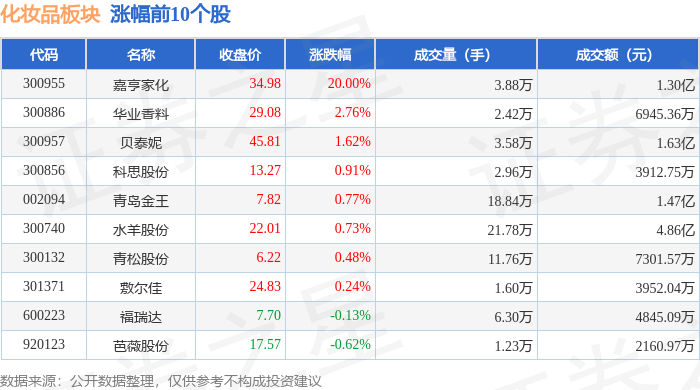
证券之星消息,10月9日化妆品板块较上一交易日下跌0.53%,上海家化领跌。当日上证指数报收于 3933.97,上涨1.32%。深证成指报收于13725.56,上涨1.47%。化妆品板块个股涨跌见下表: 以上内容为证券之星据公开信息整理,由AI算法生成(网信算备310104345710301240019号),不构成投资建议。 | 代码 | 名称 | 收盘价 | 涨跌幅 | 成交量(手) | 成交额(元) | | --- | --- | --- | --- | --- | --- | | 300955 | 嘉亨家化 | 34.98 | 20.00% | 3.88万 | 1.30亿 | | 300886 | 华 香料 | 29.08 | 2.76% | 2.42万 | 6945.36万 | | 300957 | 贝泰妮 | 45.81 | 1.62% | 3.58万 | 1.63亿 | | 300856 | 科思股份 | 13.27 | 0.91% | 2.96万 | 3912.75万 | | 002094 | 青岛金王 | 7.82 | 0.77% | 18.84万 | 1.47亿 | | 300740 | 水 ...

中国化妆品_双十一动态核查_专家电话会议要点-天猫、淘宝促销力度加大,活动时长创历史之最;上海家化(MGP-Jahwa)将引领市场-China Cosmetics_ Double 11 pulse check_ Expert call takeaways_ Longest ever with step up promotion from Tmall_Taobao; MGP-Jahwa to lead
2025-10-09 02:39
Summary of Key Points from the Conference Call on China Cosmetics Industry Industry Overview - The conference focused on the cosmetics industry in China, particularly the upcoming Double 11 Shopping Festival, which runs from October 9 to November 14, 2025. This event is expected to account for over 60% of the fourth quarter's online Gross Merchandise Value (GMV) and approximately 20% of the full year's GMV based on historical averages [1][2]. Growth Expectations - **GMV Growth Targets**: - Taobao/Tmall and Douyin are targeting year-over-year GMV growth of 20-25% and over 40%, respectively. The cosmetics segment is expected to grow at a slower rate of around 20% for Taobao/Tmall and approximately 30% for Douyin [2][12]. - Actual sales growth may exceed expectations due to a decline in return rates, with Tmall's return rate expected to drop from 15-20% last year to below 15%, and Douyin's from 35-40% to about 25% [2][15]. Promotional Strategies - **Extended Promotion Period**: - The Double 11 event will be the longest ever, lasting 31-57 days compared to 29-35 days last year. Douyin, JD, and Tmall have extended their promotion periods by 22, 8, and 2 days, respectively [3][14]. - **Discount Mechanisms**: - Platforms will focus on instant discounts (e.g., 15% off for all products) rather than spend-based discounts, leading to lower final purchase prices [3][15]. Brand Performance Insights - **Local Brands**: - Local brands such as KANS and Shanghai Jahwa are expected to outperform, with Jahwa's Herborist brand potentially achieving triple-digit growth off a low base [5][17]. - MAOGEPING is projected to deliver 40-50% growth, supported by a strong product matrix and omni-channel strategy [17]. - **MNC Brands**: - Premium multinational brands like Lancome and Estee Lauder are expected to maintain solid growth of 10-30%, while mass brands such as L'Oreal Paris and Olay may struggle with growth rates below 10% [5][17]. Market Dynamics - **KOL Influence**: - Top-tier Key Opinion Leaders (KOLs) are losing market share to mid and lower-tier KOLs, who are offering better terms to brands. The expert noted that top-tier KOLs are setting lower targets for livestreaming [7][15]. - **Merchant Support**: - Tmall/Taobao is expected to favor multinational corporations (MNCs) due to its focus on 88VIP users, while Douyin allocates traffic based on brands demonstrating high incremental growth [6][15]. Conclusion - The upcoming Double 11 Shopping Festival is poised to be a significant event for the cosmetics industry in China, with expectations of strong growth driven by extended promotional periods, aggressive pricing strategies, and a shift in KOL dynamics. Local brands are likely to outperform their multinational counterparts, reflecting changing consumer preferences and market conditions [1][5][17].
化妆品板块9月30日涨0.26%,水羊股份领涨,主力资金净流出944.4万元
Zheng Xing Xing Ye Ri Bao· 2025-09-30 08:51
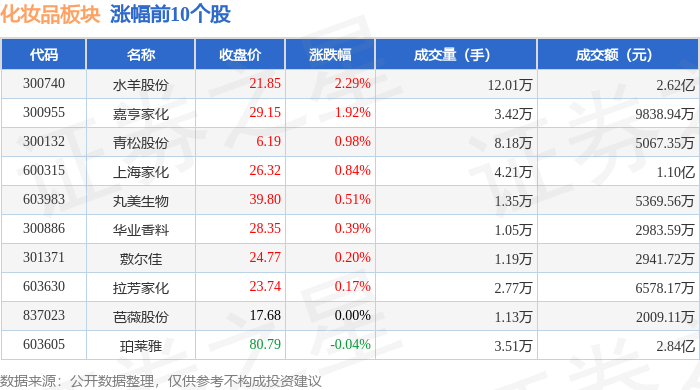
Group 1 - The cosmetics sector increased by 0.26% on September 30, with Shuiyang Co., Ltd. leading the gains [1] - The Shanghai Composite Index closed at 3882.78, up 0.52%, while the Shenzhen Component Index closed at 13526.51, up 0.35% [1] - Key stocks in the cosmetics sector showed varied performance, with Shuiyang Co., Ltd. closing at 21.85, up 2.29%, and Proya Cosmetics Co., Ltd. closing at 80.79, down 0.04% [1][2] Group 2 - The net outflow of main funds in the cosmetics sector was 9.444 million yuan, while retail investors saw a net inflow of 8.3265 million yuan [2] - The table of fund flows indicates that Shuiyang Co., Ltd. had a main fund net inflow of 12.6721 million yuan, while retail investors had a net outflow of 16.2603 million yuan [3] - Other notable fund flows include Jiahen Home Chemical with a main fund net inflow of 9.0194 million yuan and a retail net outflow of 13.1271 million yuan [3]


化妆品板块9月29日跌0.13%,青岛金王领跌,主力资金净流出1.04亿元
Zheng Xing Xing Ye Ri Bao· 2025-09-29 08:53
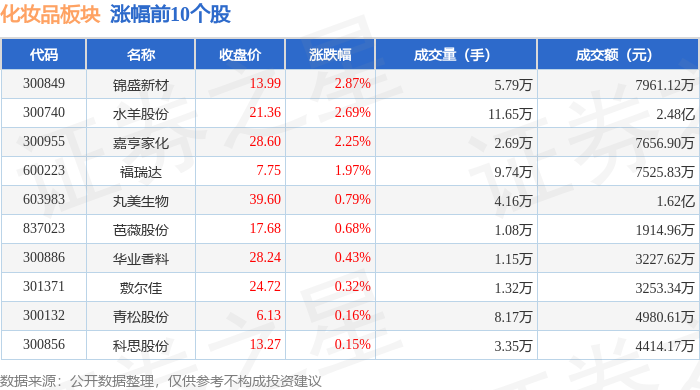
Core Insights - The cosmetics sector experienced a slight decline of 0.13% on September 29, with Qingdao Jinhao leading the drop [1] - The Shanghai Composite Index closed at 3862.53, up 0.9%, while the Shenzhen Component Index closed at 13479.43, up 2.05% [1] Group 1: Stock Performance - The top-performing stocks in the cosmetics sector included: - Jinsong New Material (300849) with a closing price of 13.99, up 2.87% and a trading volume of 57,900 shares [1] - Shuiyang Co. (300740) closed at 21.36, up 2.69% with a trading volume of 116,500 shares [1] - Jiahen Home Care (300955) closed at 28.60, up 2.25% with a trading volume of 26,900 shares [1] - Qingdao Jinhao (002094) was the biggest loser, closing at 7.77, down 2.88% with a trading volume of 287,600 shares [2] - Other notable declines included: - Lafang Home Care (603630) down 1.66% [2] - Beitaini (300957) down 1.37% [2] Group 2: Capital Flow - The cosmetics sector saw a net outflow of 104 million yuan from major funds, while retail funds experienced a net inflow of 58.59 million yuan [2] - The capital flow for specific stocks showed: - Furuida (600223) had a net inflow of 9.18 million yuan from major funds [3] - Jinsong New Material (300849) saw a net inflow of 2.32 million yuan from major funds [3] - Beitaini (300957) experienced a net outflow of 2.96 million yuan from major funds [3]

研报掘金|中金:国庆出游景气度按年提升 消费有望延续回暖趋势
Ge Long Hui· 2025-09-29 05:25
Core Insights - The report from CICC indicates that the 2025 National Day and Mid-Autumn Festival holiday will span 8 days, coupled with more flexible leave arrangements, which is expected to stimulate a more active consumption window [1] - The Ministry of Culture and Tourism has announced that over 480 million yuan in consumption subsidies will be distributed during the consumption month, which is anticipated to further enhance residents' willingness to spend and boost holiday consumption [1] Group 1: Consumer Trends - The extended holiday peak is expected to improve travel sentiment year-on-year [1] - The report emphasizes a long-term focus on self-consumption, recommending sectors such as trendy toys and e-cigarettes, with specific companies like Pop Mart, Blokus, and Smoore International highlighted [1] Group 2: Domestic Brands and Policy Impact - The report suggests a trend towards the rise of domestic brands, recommending beauty and personal care sectors, including companies like Mao Geping, Juzhibio, Shanghai Jahwa, and Shanghai Jahwa [1] - Attention is drawn to sectors benefiting from policy catalysts, particularly retail, supported by domestic demand policies and seasonal boosts [1]


品牌工程指数上周涨1.10%
Zhong Guo Zheng Quan Bao· 2025-09-28 20:46
Market Performance - The market saw an increase last week, with the China Securities Xinhua National Brand Index rising by 1.10% to 2019.88 points [1] - The Shanghai Composite Index rose by 0.21%, the Shenzhen Component Index by 1.06%, the ChiNext Index by 1.96%, and the CSI 300 Index by 1.07% [1] Strong Performing Stocks - Notable strong performers included Hu Silicon Industry, which increased by 19.75%, and Anji Technology, which rose by 19.05% [1] - Other significant gainers included Xinlitai (up 15.81%), Yangguang Power, and Zhongwei Company (both over 14%) [1] Year-to-Date Performance - Since the beginning of the second half of the year, Zhongji Xuchuang has surged by 183.63%, leading the gains [2] - Yangguang Power and Kewo Si have also shown substantial increases of 132.40% and 82.81%, respectively [2] Market Outlook - Starstone Investment suggests that the market's trading sentiment has declined due to risk aversion ahead of the long holiday, but this may indicate that funds are waiting for clearer policy and fundamental information [2] - The overall market remains strong, with no systemic risks identified, and various sectors are expected to present opportunities [2] Sector Rotation - Source Le Sheng Asset notes a clear rotation pattern this year, with sectors such as new consumption, innovative pharmaceuticals, technology, and high-dividend stocks experiencing alternating rises [3] - The investment strategy has been adjusted to reduce the proportion of technology stocks while increasing exposure to the manufacturing sector, focusing on technology, non-ferrous metals, manufacturing, and innovative pharmaceuticals [3]




2025上半年美妆行业“变局”
3 6 Ke· 2025-09-28 11:48
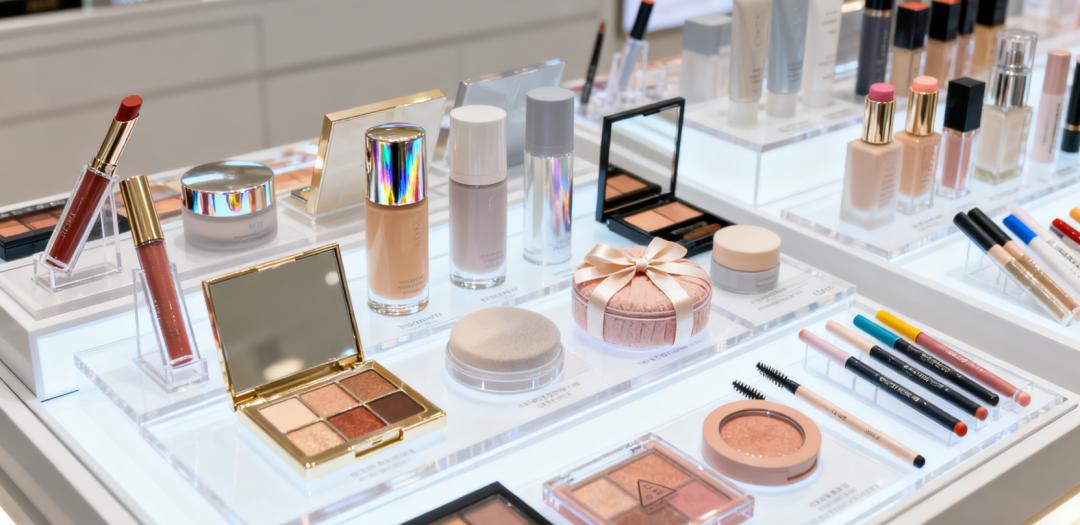
Core Insights - The global beauty industry is projected to exceed $677 billion by 2025, indicating strong growth, while the Chinese cosmetics market is undergoing significant structural changes, moving away from reliance on single blockbuster products or marketing gimmicks to a focus on genuine brand strength [1][2]. Market Performance - The Chinese cosmetics retail market is expected to maintain moderate growth in the first half of 2025, with retail sales reaching 2.291 billion yuan, a year-on-year increase of 2.9%, although this is below the overall retail growth rate of 5.0% [2][4]. - International beauty giants are facing pressure in the Chinese market, with L'Oréal leading with sales of 186.19 billion yuan, a 3% increase year-on-year, while Estée Lauder reported a 10.88% decline in net sales, marking its lowest sales in five years [4][6]. Domestic Brand Performance - Domestic brands are showing resilience, with the retail scale of the Chinese cosmetics market reaching 1.0738 trillion yuan in 2024, and domestic brands capturing 55.2% of the market share [6][8]. - The top ten domestic beauty companies reported a total revenue growth of 11.72% in the first half of 2025, with Proya, Shiseido, and Shanghai Jahwa leading the rankings [7][8]. Consumer Trends - The beauty market is witnessing a shift towards rational consumption, with consumers increasingly sensitive to price and favoring cost-effective products. The sales of beauty and skincare products reached 235.23 billion yuan in the first half of 2025, a 10.1% increase year-on-year [12][13]. - The anti-aging market is experiencing significant growth, with total sales reaching 65.49 billion yuan, a 30.3% increase year-on-year, and the demand for anti-aging products is expanding to younger demographics [13][14]. Brand Strategies - Brands are increasingly adopting multi-brand strategies to address diverse consumer needs, moving from a single product focus to a more comprehensive brand matrix [14][19]. - Investment in research and development is on the rise among leading domestic brands, with a focus on building technological barriers and enhancing product efficacy [15][16]. Marketing and Distribution - Douyin (TikTok) has solidified its position as a growth engine for the beauty industry, with daily views of beauty videos exceeding 2.5 billion, reflecting a shift towards more refined and systematic marketing strategies [17][18]. - The competition is evolving from a focus on single-channel strategies to an integrated approach that balances online and offline resources, emphasizing the importance of brand experience and customer loyalty [18][19].


平均审批时间缩短超三成,上海青浦香花桥街道持续优化企业服务
Xin Lang Cai Jing· 2025-09-28 02:44
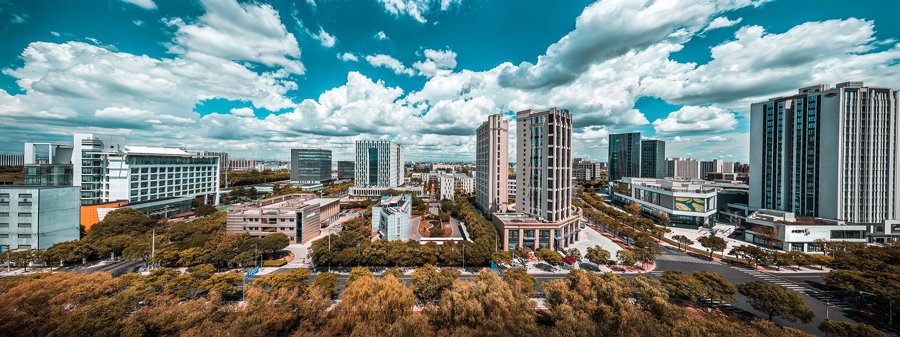
Group 1 - The establishment of a temporary parking area on Xintao Road has alleviated parking difficulties for employees and expanded internal storage space for companies, addressing the issue of material stacking [2] - Companies in the Xintao Road area have faced long-standing challenges with insufficient internal storage, often leading to the illegal stacking of materials on the roadside [2][3] - The local government has taken steps to improve the situation by conducting surveys and coordinating resources to create a solution that benefits both employees and companies [2][3] Group 2 - Xianghuaqiao Street has been enhancing its collaboration with the Qingpu Industrial Park to improve service levels for enterprises, focusing on optimizing the business environment [3][5] - The street has integrated various departmental resources to streamline services for businesses, establishing a dedicated "enterprise service window" to facilitate efficient processing of business matters [5] - The average approval time for solar project preliminary reviews has been reduced by over 30%, demonstrating the effectiveness of the new service mechanisms [5][6]

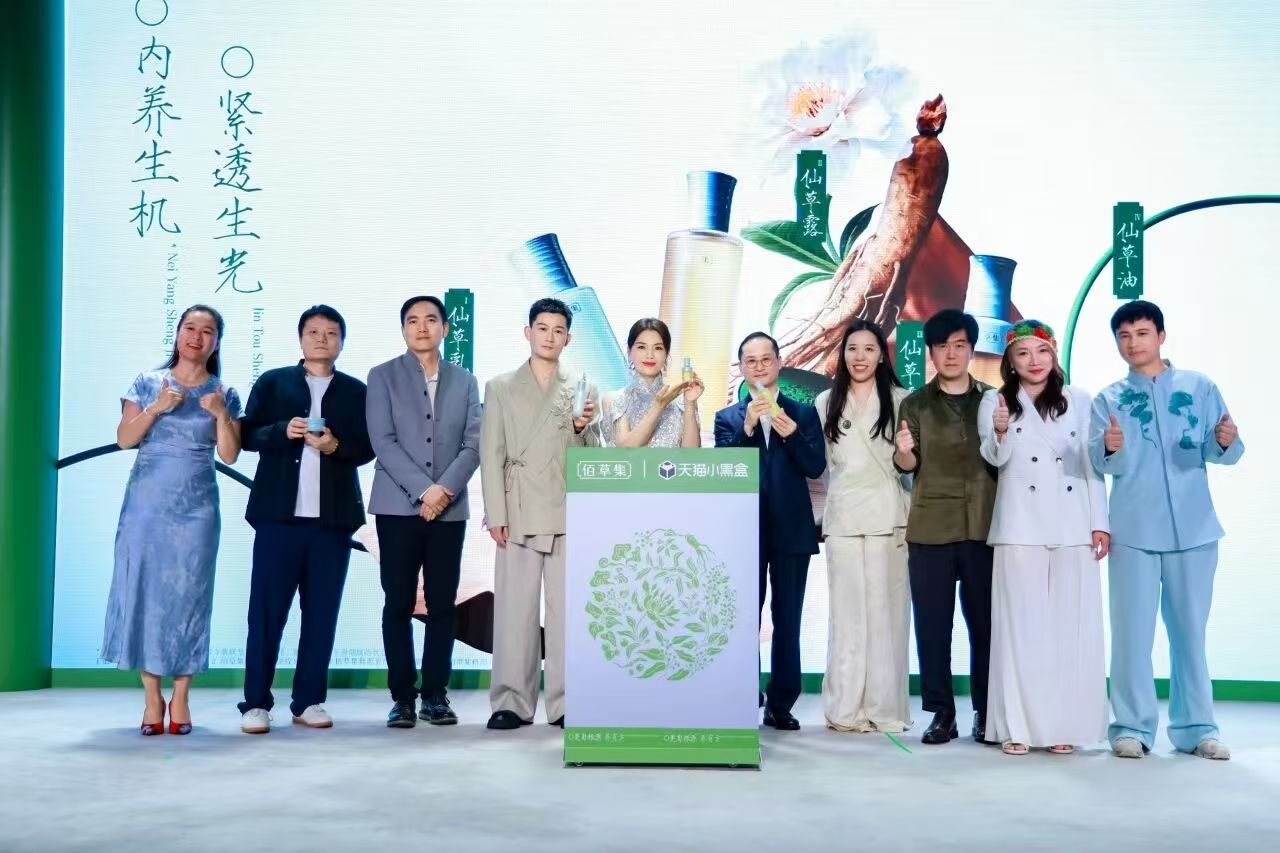
新消费派 | 从佰草集新品看百年家化“新方”
Xin Hua Cai Jing· 2025-09-26 13:45
Core Insights - The Chinese cosmetics market is experiencing a shift, with domestic brands gaining market share over foreign brands, as evidenced by a retail total of 2,915 billion yuan from January to August, although growth is slowing [1][6] - Shanghai Jahwa, under the leadership of CEO Lin Xiaohai, is focusing on innovation and cultural confidence to enhance its brand presence, particularly through its flagship brand, Baicaojie [1][9] Company Strategy - Shanghai Jahwa is emphasizing sensory experiences in its product offerings, with new launches like the Xian Cao Oil designed to reflect traditional Chinese aesthetics and appeal to modern consumers [2][3] - The company is leveraging consumer insights to create immersive brand experiences, combining online marketing with offline interactions to engage younger audiences [3][9] Market Position - Domestic cosmetics brands are projected to capture 55.2% of the market share by 2024, indicating a significant shift in consumer preferences towards local products [6] - Shanghai Jahwa's Baicaojie brand has seen substantial growth, with a notable sales performance during the 618 shopping festival, highlighting its potential for market revival [9][10] Innovation and R&D - The company is investing in R&D, collaborating with institutions like China Pharmaceutical University to enhance product development and innovation [7] - Baicaojie's new product features 100% plant oil extraction and a unique "water-milled fermentation" process, addressing consumer concerns about texture and efficacy [6][7] Brand Development - Lin Xiaohai aims to transform Baicaojie into a lifestyle brand that embodies Eastern beauty, moving beyond mere product sales to create a cultural narrative [10] - The company is restructuring its product lines and reducing inventory to streamline operations and enhance brand focus [9][10]