
Zhongtai Securities(600918)

Search documents
保险股有望复刻银行股行情吗
Zheng Quan Zhi Xing· 2025-07-29 08:01
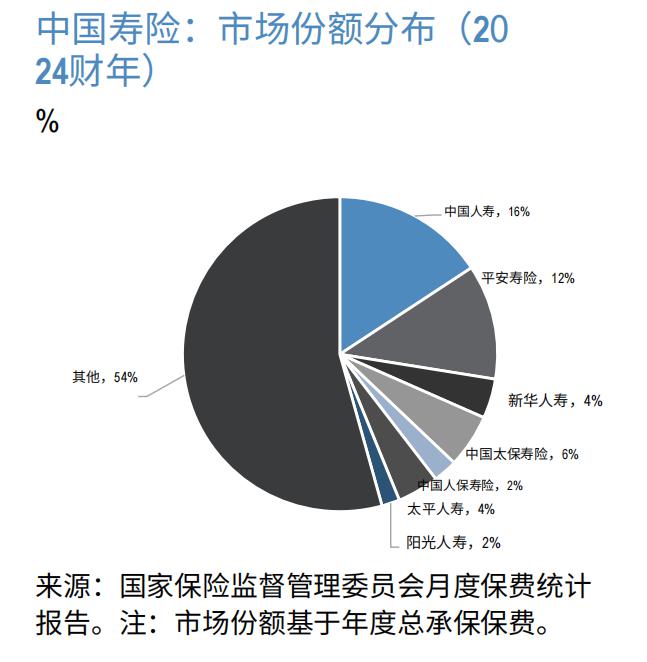
Core Viewpoint - The recent fluctuations in the A-share market around the 3600-point mark have drawn attention to insurance funds, which have become significant players in the market by frequently acquiring bank stocks. This shift is driven by a decline in the preset interest rate for ordinary life insurance to 1.99%, creating pressure for asset allocation amidst falling bond yields, leading to a potential transformation in investment logic for insurance stocks [1][8]. Group 1: Insurance Market Dynamics - The Chinese insurance market is characterized by a dual-track system of property and life insurance, with distinct participants, product forms, and profit logic, contributing to a diverse commercial model [2]. - In the property insurance sector, six major non-life insurance companies, including China Pacific Insurance and Ping An Property Insurance, hold a combined market share of 70%, focusing on quantifiable losses from risks like property damage and business interruption [2]. - The life and health insurance market is dominated by seven major companies, including China Life and Ping An Life, which contribute 46% of the premium scale, with products spanning life insurance, pensions, and health insurance [4]. Group 2: Profit Sources and Challenges - Investment spread is the core profit driver for Chinese life insurance companies, with a shift towards dividend-type policies to mitigate pressure from declining risk-free interest rates [6]. - The mortality/morbidity spread reflects the value of protection products, with a focus on accurate pricing and commission control, necessitating enhanced actuarial capabilities and channel management [6]. - The expense spread in the Chinese market is unique, with larger companies benefiting from economies of scale, contrasting with smaller firms that face higher marketing costs [6]. Group 3: Future Outlook and Valuation - Recent changes in the insurance industry have sparked discussions about whether it can replicate the valuation recovery seen in bank stocks, driven by improvements in fundamentals and valuation [8]. - The adjustment of preset interest rates is crucial for alleviating the "spread loss" pressure in the life insurance sector, with expectations of a decline in new business liability costs [8][9]. - Current internal insurance companies have a PEV (Present Embedded Value) below 1, indicating significant undervaluation, with companies like China Pacific Insurance and China Life being notably undervalued [9][10]. Group 4: Market Catalysts - The combined effect of policy guidance and the insurance companies' own needs is expected to accelerate the influx of incremental funds into the market, enhancing stability and long-term investment returns [11]. - The insurance sector's current improvement in fundamentals and low valuations may lead to a similar valuation recovery as seen in bank stocks if asset returns continue to improve and liability structures adjust smoothly [11].







神农集团终止不超2.9亿元定增 为中泰证券保荐项目
Zhong Guo Jing Ji Wang· 2025-07-29 03:33
Core Viewpoint - Shennong Group has decided to terminate its plan for a simplified procedure to issue A-shares to specific investors for the year 2024 and has withdrawn the application due to changes in the market environment and overall development strategy [1][2]. Group 1: Termination of Share Issuance - The company held its fifth board meeting on July 28, 2025, where it approved the resolution to terminate the A-share issuance plan and withdraw the application [1]. - The decision was made after thorough communication and analysis with relevant parties, considering the capital market conditions and the company's development plans [1]. Group 2: Details of the Issuance Plan - The planned issuance involved 12,603,215 shares, which did not exceed 30% of the company's total share capital prior to the issuance, with a proposed price of 23.01 yuan per share [1]. - The intended total subscription amount from the issuance was 290 million yuan, with the net proceeds allocated to various projects including the construction of a pig breeding base and biosecurity upgrades [2]. Group 3: Investors and Underwriters - The investors for this issuance included various asset management companies and investment funds, all subscribing in cash at the same price [2][3]. - The lead underwriter for the issuance was Zhongtai Securities, with designated representatives overseeing the process [3].

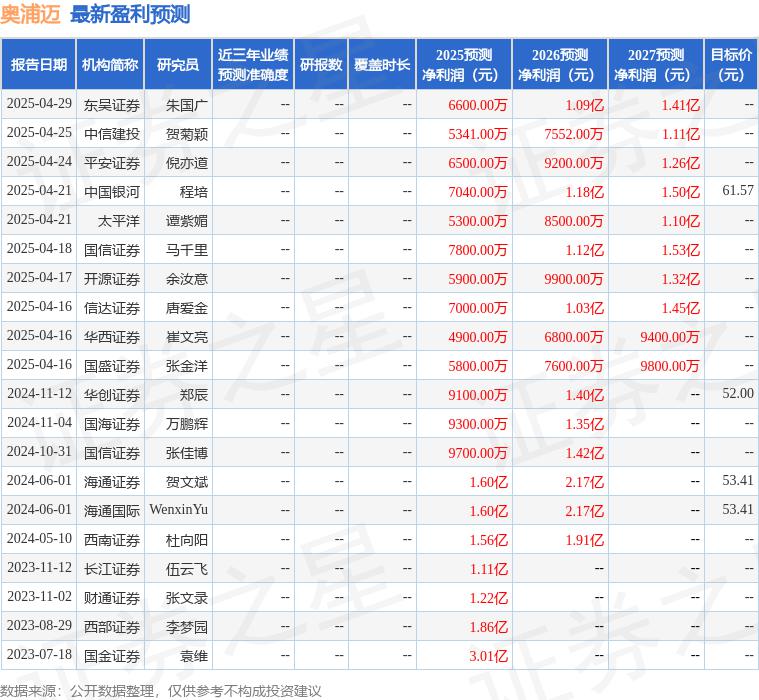
奥浦迈:中泰证券、南土资产等多家机构于7月24日调研我司
Zheng Quan Zhi Xing· 2025-07-28 11:36
Core Viewpoint - The company, Aopumai (688293), has shown significant growth in its financial performance for the first half of 2025, driven primarily by its cell culture media products, with a notable increase in revenue and net profit compared to the previous year [2][4]. Financial Performance - In the first half of 2025, the company achieved approximately 177 million in operating revenue, representing a year-on-year increase of about 23.25% [2] - The net profit attributable to shareholders was approximately 37 million, reflecting a year-on-year increase of about 53.28% [2] - The net profit after deducting non-recurring items was approximately 29 million, showing a year-on-year increase of about 73.46% [2] Product and Market Insights - The company's cell culture media products have experienced high-level growth both year-on-year and quarter-on-quarter, with the product business segment seeing over 50% growth in Q2 2025 [2] - The company is recognized as a leading domestic manufacturer in the mid-to-high-end protein antibody drug sector, with an increasing market share in the cell culture media industry [5] Customer and Business Development - The company has established itself as a qualified supplier for several foreign pharmaceutical companies, although the ramp-up of new overseas customers will take time to reflect in financial results [3] - As of the end of Q1 2025, the company has identified nine commercial projects utilizing its cell culture media products, with expectations for increased contributions to revenue as these projects progress [4] Asset Restructuring - The company is currently in the review phase of its asset restructuring process, having received acceptance notification from the Shanghai Stock Exchange at the end of June [7] Investment Ratings - Over the past 90 days, three institutions have issued buy ratings for the stock, indicating positive sentiment among analysts [8]

金麒麟最佳投顾评选周榜丨中银证券王伟龙浮盈超20%居周榜第一 信达证券孙保岩居ETF组、公募组周榜第一
Xin Lang Zheng Quan· 2025-07-28 04:08
Group 1 - The second "Golden Unicorn Best Investment Advisor" selection is underway, focusing on identifying outstanding investment advisors in wealth management [1] - The weekly ranking data from July 14 to July 20 shows that Wang Weilong from Bank of China Securities achieved the highest weekly return of 20.22% in stock simulation trading [1][2] - In the ETF simulation trading group, Sun Baoyan from Xinda Securities topped the list with a weekly return of 10.81% [2][3] Group 2 - In the public fund simulation configuration group, Sun Baoyan also led with a weekly return of 10.91%, followed by He Weidong from Dongxing Securities with 5.88% [3][5] - The social service evaluation highlights top advisors based on their IP homepage and simulated portfolio heat values, with Mei Xingxia from Dongfang Securities leading in IP homepage heat value [11]



基金抛盘,农商加仓
ZHONGTAI SECURITIES· 2025-07-28 03:55
Report Title - Fund Selling, Rural Commercial Banks Buying - Tracking of Liquidity and Institutional Behavior [1] Report Date - July 28, 2025 [1] Report Industry Investment Rating - Not provided Core Viewpoints - This week (July 21 - July 25), the money market rates generally increased, the average daily net lending of large banks increased, and funds reduced leverage. The maturity of certificates of deposit increased, and the yields of certificates of deposit at all tenors decreased. In the cash bond market, rural commercial banks were the main buyers, mainly increasing their holdings of 7 - 10Y interest - rate bonds; funds were the main sellers, mainly reducing their holdings of 7 - 10Y interest - rate bonds; insurance companies increased their holdings of ultra - long - term interest - rate bonds, and large banks bought 1 - 3Y interest - rate bonds [3] Summary by Directory 1. Money and Funding Situation - **Open Market Operations**: A total of 1726.8 billion yuan of reverse repurchases matured this week. The central bank conducted reverse repurchase operations of 170.7 billion, 214.8 billion, 150.5 billion, 331 billion, and 789.3 billion yuan from Monday to Friday, respectively, with a total investment of 1656.3 billion yuan. On Friday, 200 billion yuan of MLF matured and 400 billion yuan was invested, resulting in a net liquidity injection of 129.5 billion yuan for the whole week [7][10] - **Funding Rates**: As of July 25, R001, R007, DR001, and DR007 were 1.55%, 1.69%, 1.52%, and 1.65% respectively, with changes of 6.41BP, 18.65BP, 6.08BP, and 14.56BP compared to July 18, and were at the 24%, 13%, 22%, and 9% historical percentiles respectively [7][13] - **Net Funding Flows of Main Institutions**: The net borrowing of the main funding providers (large commercial/policy banks and joint - stock banks) was 448.6 billion yuan for the whole week, an increase of 61.8 billion yuan compared to the previous week. The net borrowing of fund companies and securities companies was - 270.5 billion and - 162.7 billion yuan respectively, with the net borrowing of fund companies decreasing by 309.6 billion yuan and that of securities companies decreasing by 155.1 billion yuan compared to the previous week [7][17] - **Repo Market**: The trading volume of pledged repurchase increased, with an average daily trading volume of 7.7 trillion yuan and a maximum single - day trading volume of 8.04 trillion yuan, a 6.27% increase compared to the previous week's average. The proportion of overnight repurchase transactions decreased, with an average daily proportion of 88.5% and a maximum single - day proportion of 90.3%, a decrease of 0.04 percentage points compared to the previous week's average [7] - **Leverage Ratio**: As of July 25, the leverage ratios of banks, securities firms, insurance companies, and broad - based funds were 103.3%, 186.5%, 127.4%, and 104.9% respectively, with changes of - 0.12BP, - 15.49BP, 1.12BP, and - 0.53BP compared to July 18, and were at the 16%, 0%, 62%, and 23% historical percentiles respectively [7][26] 2. Certificates of Deposit and Bills - **Issuance and Financing of Certificates of Deposit**: The issuance scale of certificates of deposit decreased this week, with a total issuance of 515.69 billion yuan, a decrease of 429.19 billion yuan compared to the previous week. The net financing was - 560.79 billion yuan, a decrease of 702.86 billion yuan compared to the previous week [7][30] - **Maturity of Certificates of Deposit**: The maturity volume of certificates of deposit increased this week, with a total maturity of 1076.48 billion yuan, an increase of 273.67 billion yuan compared to the previous week. Next week (July 28 - August 1), 376.74 billion yuan of certificates of deposit will mature [7][30][36] - **Interest Rates of Certificates of Deposit**: The issuance interest rates of certificates of deposit of all banks and at all tenors increased. As of July 25, the one - year issuance interest rates of joint - stock banks, state - owned banks, city commercial banks, and rural commercial banks increased by 4.17BP, 1BP, 0.17BP, and 1BP respectively compared to July 18. The issuance interest rates of 1M, 3M, and 6M certificates of deposit increased by 0.59BP, 2.15BP, and 4.86BP respectively compared to July 18 [39] - **Shibor Rates**: The Shibor rates increased this week. As of July 25, the overnight, 1 - week, 2 - week, 1M, and 3M Shibor rates increased by 5.8BP, 12.6BP, 16.8BP, 0.9BP, and 0.4BP respectively compared to July 18 [42] - **Yields of Certificates of Deposit at Maturity**: The yields of certificates of deposit at maturity generally increased. As of July 25, the 1M, 3M, 6M, 9M, and 1Y yields of AAA - rated ChinaBond commercial bank certificates of deposit increased by 4.01BP, 4.69BP, 6.16BP, 5.06BP, and 5.75BP respectively compared to July 18 [44] - **Bill Interest Rates**: The bill interest rates decreased. As of July 25, the 3M direct discount rate, 3M transfer discount rate, 6M direct discount rate, and 6M transfer discount rate of national - owned shares decreased by 5BP, 13BP, 8BP, and 9BP respectively compared to July 18 [7][47] 3. Tracking of Institutional Behavior - **Cash Bond Trading**: Rural commercial banks were the main buyers in the cash bond market this week, with a net purchase of 261.7 billion yuan, an increase compared to the previous week. Funds were the main sellers, with a net sale of 358.7 billion yuan, also an increase compared to the previous week. Wealth management products had a net purchase of 107.6 billion yuan [7][49] - **Portfolio Adjustments of Funds**: Funds reduced their holdings of cash bonds by 358.7 billion yuan, including a reduction of 236.1 billion yuan in interest - rate bonds, 22.6 billion yuan in credit bonds, 61.2 billion yuan in other (including Tier - 2 and perpetual bonds), and 39.1 billion yuan in certificates of deposit. In terms of tenor, they mainly reduced their holdings of 7 - 10 - year interest - rate bonds and 1 - 5 - year credit bonds [7][49] - **Portfolio Adjustments of Wealth Management Products**: Wealth management products increased their holdings of cash bonds by 107.6 billion yuan, including an increase of 26.6 billion yuan in interest - rate bonds, 15.3 billion yuan in credit bonds, 15.3 billion yuan in other (including Tier - 2 and perpetual bonds), and 50.5 billion yuan in certificates of deposit. In terms of tenor, they mainly increased their holdings of interest - rate bonds and credit bonds with a tenor of less than 1 year [49] - **Portfolio Adjustments of Rural Financial Institutions**: Rural financial institutions increased their holdings of cash bonds by 261.7 billion yuan, including an increase of 271.1 billion yuan in interest - rate bonds, 4.5 billion yuan in credit bonds, 36.6 billion yuan in other (including Tier - 2 and perpetual bonds), and a reduction of 50.8 billion yuan in certificates of deposit. In terms of tenor, they mainly increased their holdings of 7 - 10 - year interest - rate bonds and 3 - 5 - year credit bonds [49] - **Portfolio Adjustments of Insurance Companies**: Insurance companies increased their holdings of cash bonds by 115.9 billion yuan, including an increase of 66.3 billion yuan in interest - rate bonds, 12.6 billion yuan in credit bonds, 8 billion yuan in other (including Tier - 2 and perpetual bonds), and 29.1 billion yuan in certificates of deposit. In terms of tenor, they mainly increased their holdings of 20 - 30 - year interest - rate bonds and 7 - 10 - year credit bonds [50]
中泰证券:继续看好银行的稳健性和持续性 关注两条主线
智通财经网· 2025-07-27 23:27
Group 1 - The core viewpoint of the reports emphasizes the continued recommendation of the banking sector, highlighting its stability and sustainability post "reciprocal tariffs" [1] - Two main investment themes in the banking sector are identified: regional advantages with strong certainty in city and rural commercial banks, and high dividend stability in large banks and joint-stock banks [1] - In Q2 2025, there was a return to dividend and risk-averse market styles, leading to inflows into the banking sector from various funds [1] Group 2 - Active funds saw an increase in allocation to the banking sector, with a rise of 1.77 percentage points to 5.78%, driven mainly by changes in positions [2] - The top five banks receiving inflows from active funds were 招行 (+0.32%), 江苏 (+0.23%), 杭州 (+0.19%), 兴业 (+0.17%), and 渝农 (+0.11%) [2] - Significant net inflows into banks such as 招行, 杭州, 南京, 兴业, and 民生 were recorded, with amounts of 27.51, 16.79, 12.52, 12.36, and 9.31 million respectively [2] Group 3 - Passive funds experienced an increase in both the market value of bank stocks held and their proportion of the total market value of the banking sector [3] - By the end of Q2 2025, the total market value of bank stocks held by passive funds reached 2283.96 billion, a 25.22% increase from the end of Q1 [3] - Major banks like 兴业 and 招行 saw significant net inflows from passive funds, with inflows of 76.52 and 55.54 million respectively [3] Group 4 - Northbound funds continued to increase their holdings in the banking sector, with a total market value of 2541.68 billion by the end of Q2 2025, reflecting an 11.69% increase from Q1 [3] - The proportion of bank stocks held by northbound funds reached 8.92% of the free float market value, up 0.6 percentage points from the previous quarter [3] - Major inflows from northbound funds were noted for 平安银行 and 中国银行, with inflows of 19.6 and 15.8 million respectively [3]


业绩大幅预增!券商股或迎多方利好共振
证券时报· 2025-07-27 12:32
Core Viewpoint - The brokerage sector in A-shares is experiencing significant growth, with the brokerage index rising over 25% since April 8, and many brokerages reporting substantial increases in net profit for the first half of the year, driven by a recovering capital market and favorable policies [1][2][3][8]. Performance Summary - At least 28 listed brokerages have released performance forecasts for the first half of the year, with most reporting a year-on-year net profit growth exceeding 50%, and some large brokerages, such as Shenwan Hongyuan and Guotai Junan, expecting over 100% growth [2][5][6]. - The overall increase in brokerage performance is attributed to the active trading environment in the capital market, which has significantly boosted self-operated investment income and brokerage fee income [8][9]. Factors Supporting Growth - **Fundamental Support**: The active trading environment is expected to continue benefiting brokerage performance, with most brokerages forecasting net profit growth of over 50% for the second half of the year [3][13]. - **Capital Support**: The allocation of equity funds to non-bank financials has increased slightly, indicating potential for further investment in brokerages [14]. - **Policy Support**: Recent policy changes encourage brokerages to focus on improving return on equity (ROE), which may enhance their performance [15]. - **Valuation Levels**: Most brokerages have a price-to-book ratio just above 1, with only about 10 listed brokerages exceeding a ratio of 2, suggesting room for valuation growth [16]. Dividend Yield and Valuation - Several brokerages offer dividend yields above 2%, which is higher than the yield on 10-year government bonds, making them attractive for income-focused investors [1][16][18].






中泰证券:全年看好整车与智能驾驶投资机会 重点布局强势自主品牌及机器人产业链
智通财经网· 2025-07-25 03:00
Group 1 - The core viewpoint is that the domestic automotive market is expected to see a significant increase in the share of strong independent brands, with an annual growth range of 8-14% [1] - The report highlights that 60-70% of mainstream listed auto parts companies are expected to enter the robotics sector, driven by the high degree of technological synergy between vehicles and robotics [1] - The report indicates that the total number of new vehicle registrations for the week of July 14-20 was 399,000, which is below the weekly threshold of 400,000, showing a year-on-year increase of 9% and a month-on-month increase of 8.1% [1] Group 2 - The report expresses a positive outlook for the automotive and smart driving investment opportunities for the year, particularly focusing on strong independent brands and the robotics supply chain [2] - It notes that while there is a consensus on a short-term industry off-season, the potential for order reversals in the automotive sector remains high, suggesting continued focus on investment opportunities in 2025 [3] - Key stocks to watch include strong independent brands such as Xiaomi, Leap Motor, Xpeng, BYD, and others, with specific attention to their product cycles and market positioning [4] Group 3 - The annual strategy emphasizes the acceleration of domestic replacement and overseas capacity, along with the universalization of smart driving and the extension into robotics, favoring strong independent brands [5] - The report anticipates that the global replacement and platform extension capabilities will be key growth areas for 2025 [5]
【中泰研究|晨会聚焦】固收吕品:宏利基金李宇璐:线纯债为基,增强为刃-20250724
ZHONGTAI SECURITIES· 2025-07-24 15:37
Core Insights - The report emphasizes the complexity of investing in local government bonds, highlighting the need to understand pricing logic, regional differences, and market dynamics [6] - The entry of more trading institutions, such as wealth management subsidiaries and public funds, has significantly improved the liquidity of local government bonds, especially in the second half of last year [6] - The report expresses a cautious outlook for pure bond investments in the fourth quarter, citing potential market adjustments and increased volatility risks due to liquidity pressures from wealth management products [7] Summary by Sections Fund Manager Profile - Li Yulu, the fund manager of Manulife Fund, has a decade of experience in fixed income and holds a master's degree in international banking and monetary economics from the University of Birmingham [6] - Li has previously worked in various roles related to credit analysis and investment management before joining Manulife in 2021 [6] Investment Strategy - The report discusses the current allocation strategy, focusing on convertible bonds primarily in the banking and aquaculture sectors, with a positive outlook on their performance due to low PB valuations [7] - It also mentions a portion of the portfolio allocated to environmental and state-owned enterprise reform themes, driven by strong government intentions to reduce debt [7] Market Performance - The report indicates a favorable view on the overall performance of fixed income products, particularly convertible bonds, which align with current market trends [8] - It notes that the median returns of primary and secondary bond funds are similar this year, but primary bond funds have experienced less drawdown, making them more attractive to certain investors [8] Sector Focus - The report highlights significant changes in the holdings of actively managed equity funds, with a decrease in large-cap stocks and an increase in positions in industry leaders within the AI hardware and communication sectors [11][12] - It points out that the non-bank financial sector has seen substantial increases in holdings, reflecting a recovery in valuations and performance expectations [13] Investment Recommendations - The report suggests focusing on four main investment themes: communication and hardware sectors benefiting from AI expansion, non-bank financials, new consumption trends in Hong Kong, and defense and military sectors [14]
山东省属企业上半年“成绩单”公布
Da Zhong Ri Bao· 2025-07-24 01:10
Core Insights - Shandong provincial state-owned enterprises (SOEs) reported strong performance in the first half of 2025, leading in revenue, total assets, and equity among 32 provincial state-owned enterprises in China, excluding municipalities [2] - The total revenue and total assets of Shandong SOEs continued to grow, with 15 enterprises achieving year-on-year revenue growth, and 22 enterprises reporting asset growth [2][4] - The profit total for Shandong SOEs reached 496.9 billion yuan, with 16 enterprises either increasing profits or reducing losses, indicating a significant recovery trend [2][3] Revenue and Asset Growth - In the first half of 2025, Shandong SOEs achieved a total revenue of 1002 billion yuan, with notable growth from companies like Shandong Gold and Inspur Group, which saw revenue increases of over 5% [2] - The total assets of 22 enterprises grew year-on-year, with 12 of them, including Hualu Group and Shandong Iron Investment, also experiencing growth rates exceeding 5% [2] Profitability and Cash Flow - Key enterprises such as Shandong Heavy Industry and Shandong Expressway reported profit totals of 149.7 billion yuan and 101.5 billion yuan, respectively, with year-on-year growth rates of 6.9% and 5.6% [2] - The net cash flow from operating activities for Shandong SOEs was 554 billion yuan, reflecting a year-on-year increase of 7.9%, indicating improved self-sustainability [2] Innovation and R&D Investment - Shandong SOEs invested 203.6 billion yuan in R&D, focusing on sectors like machinery manufacturing and information technology, with new product revenue reaching 1126.1 billion yuan, a year-on-year increase of 11.7% [4] - The provincial government has increased the weight of technology innovation in performance assessments from 12.5% to 33%, emphasizing the importance of innovation in corporate strategy [3] Market Expansion and Investment - Despite global market challenges, Shandong SOEs optimized their overseas market strategies, achieving export revenue of 607.3 billion yuan [4] - Fixed asset investment by Shandong SOEs totaled 719.3 billion yuan, with significant contributions from companies like Shandong Expressway and Shandong Iron Investment, which each invested over 100 billion yuan [4]


