Juewei Food (603517)

Search documents
ST绝味(603517) - 关于召开2026年第二次临时股东会的通知
2026-02-11 11:00
证券代码:603517 证券简称:ST 绝味 公告编号:2026-009 重要内容提示: 一、召开会议的基本情况 (一)股东会类型和届次 2026年第二次临时股东会 (二)股东会召集人:董事会 (三)投票方式:本次股东会所采用的表决方式是现场投票和网络投票相结合 的方式 (四)现场会议召开的日期、时间和地点 召开的日期时间:2026 年 2 月 27 日15 点 30 分 绝味食品股份有限公司 关于召开2026年第二次临时股东会的通知 本公司董事会及全体董事保证本公告内容不存在任何虚假记载、误导性陈述 或者重大遗漏,并对其内容的真实性、准确性和完整性承担法律责任。 召开地点:湖南省长沙市芙蓉区晚报大道 150 号君逸山水大酒店 (五)网络投票的系统、起止日期和投票时间。 网络投票系统:上海证券交易所股东会网络投票系统 网络投票起止时间:自2026 年 2 月 27 日至2026 年 2 月 27 日 采用上海证券交易所网络投票系统,通过交易系统投票平台的投票时间为股 东会召开当日的交易时间段,即 9:15-9:25,9:30-11:30,13:00-15:00;通过互联 网投票平台的投票时间为股东会召开当日的 ...

ST绝味(603517) - 第六届董事会第七次会议决议公告
2026-02-11 11:00
证券代码:603517 证券简称:ST 绝味 公告编号:2026-006 一、董事会会议召开情况 绝味食品股份有限公司(以下简称"公司")于 2026 年 2 月 8 日以书面、 电话和电子邮件方式向全体董事发出第六届董事会第七次会议的通知和材料,并 于 2026 年 2 月 11 日在公司会议室以现场结合通讯表决方式召开,会议由董事长 戴文军主持,会议应到董事 7 人,实到 7 人。公司董事会秘书及其他高级管理人 员列席会议。会议的通知、召开及审议程序符合《公司法》等法律法规及《公司 章程》的规定,所作决议合法有效。 二、董事会会议审议情况 (一)审议通过了《关于变更经营范围及修订<公司章程>的议案》 具体内容详见公司于同日在上海证券交易所网站(www.sse.com.cn)披露的 《关于变更经营范围及修订<公司章程>的公告》。 本议案尚需提交公司 2026 年第二次临时股东会审议。 绝味食品股份有限公司 第六届董事会第七次会议决议公告 本公司董事会及全体董事保证本公告内容不存在任何虚假记载、误导性陈述 或者重大遗漏,并对其内容的真实性、准确性和完整性承担法律责任。 表决结果为:7 票同意,0 票反对,0 ...
绝味食品登胡润中国食品行业百强第79位
Quan Jing Wang· 2026-02-10 02:41
Core Insights - The Chinese food industry is accelerating its transition towards high-quality development, with quality enhancement becoming a consensus within the industry. Recently, the "2025 Global Launch · Hurun China Food Industry Top 100 List" was released, where the company ranked 79th, marking a significant recognition of its industry position and digital development progress [1] Group 1: Supply Chain and Quality Assurance - The company has established a large-scale direct procurement system, signing long-term cooperation agreements with leading meat and poultry suppliers, and has invested in upstream enterprises to enhance supply chain resilience, ensuring raw material quality and cost control [2] - The company operates over 20 intelligent central factories nationwide, utilizing automated marinating equipment and rapid cooling technology to ensure consistent flavor across all stores and significantly improve production efficiency [2] - The company has developed a cold chain logistics system, equipped with over 2,000 GPS temperature-controlled vehicles, creating a three-tier logistics network with a delivery radius of 500-800 kilometers, ensuring fresh products reach consumers within 24 hours [2] Group 2: Product and Business Model Innovation - The company launched a new product, the 4.9 yuan hot marinated cup set, which includes rice noodles and hot marinated soup, achieving over 800,000 sales on Douyin in the first month, significantly increasing store traffic and creating a phenomenon in the market [3] - The company introduced three differentiated store formats: Juewei PLUS, Juewei Fresh Marinated, and Juewei Pot, to cover various consumer scenarios. Juewei PLUS targets young social consumers, Juewei Fresh Marinated focuses on community needs, and Juewei Pot caters to the lunch market for white-collar workers [3] - The recognition in the "2025 Global Launch · Hurun China Food Industry Top 100 List" reflects the industry's and market's high regard for the company, which is leading the marinated food sector towards standardization, intelligence, and all-scenario consumption through digital empowerment and innovation [3]


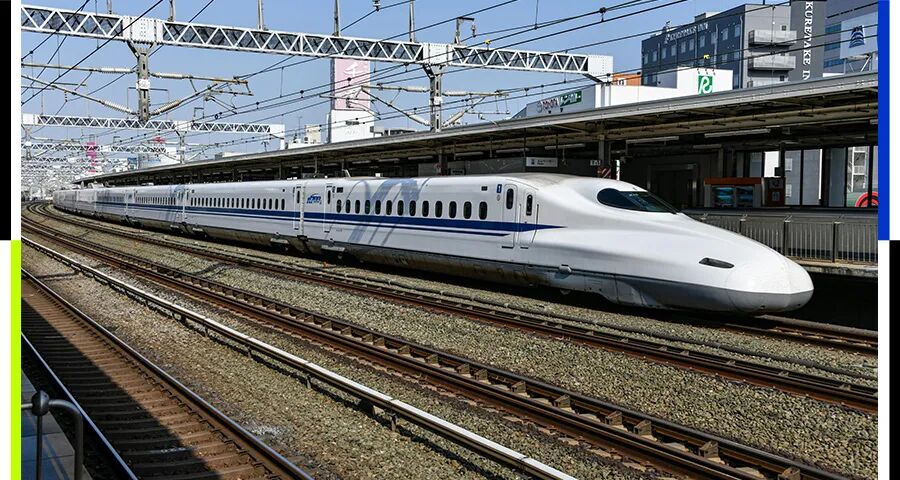
让人上瘾的「高铁零食刺客」,抱不上春运的大腿
3 6 Ke· 2026-02-09 11:00
Core Viewpoint - The spring transportation season has seen a decline in the popularity of "marinated snacks," particularly the three major duck brands, which are facing performance downturns and store closures due to market saturation and changing consumer preferences [2][3][8]. Group 1: Company Performance - The three major duck brands, Zhou Hei Ya, Jue Wei, and Huang Shang Huang, have experienced significant declines in performance, with Jue Wei projected to lose between 160 million to 220 million yuan in 2025, marking its first annual loss [6][19]. - The market capitalization of these brands, once in the hundreds of billions, has now dwindled to tens of billions, and over 5,300 stores were closed in the first half of 2025 alone [6][19]. - Zhou Hei Ya, despite its high-end positioning, saw its net profit drop by over 94% in 2022, while Huang Shang Huang's store count fell below 2,898 by mid-2025, lower than in 2019 [19][21]. Group 2: Market Dynamics - The marinated snack market is experiencing a slowdown, with the market size expected to reach 157.3 billion yuan in 2024, reflecting a drastic decline in growth rate to 3.7% compared to over 15% in previous years [21][23]. - Consumer behavior has shifted, with a preference for lower-priced options; the most common spending range for marinated snacks is 20-30 yuan, while the major brands often exceed this price point [23][25]. - The competitive landscape has evolved, with local brands and snack giants entering the marinated snack market, offering similar or better value propositions, thus diluting the unique selling points of the major brands [25][27]. Group 3: Strategic Changes - To regain market share, the major brands are attempting various marketing strategies, including collaborations with popular culture and introducing new product lines [30][32]. - There is a push towards redefining their product offerings, with Zhou Hei Ya and Jue Wei introducing lower-priced items and expanding into hot marinated dishes to attract younger consumers [34][36]. - Operational efficiency is becoming crucial, with brands needing to close underperforming stores and focus resources on profitable locations to improve overall performance [38][41].

让人上瘾的「高铁零食刺客」,抱不上春运的大腿
36氪· 2026-02-09 10:45
Core Viewpoint - The article discusses the decline of the three major duck brands in the Chinese snack market, highlighting their struggles with performance, store closures, and the challenges posed by changing consumer preferences and market saturation [4][11]. Group 1: Performance and Market Dynamics - The three major duck brands, Zhou Hei Ya, Jue Wei, and Huang Shang Huang, have seen significant declines in performance, with Jue Wei expected to report a loss of 160 to 220 million yuan in 2025, marking its first annual loss [9][10]. - The market capitalization of these brands has dropped from several hundred billion to only tens of billions [10]. - In the first half of 2025, over 5,300 stores were closed among the three brands, indicating a severe contraction in their retail presence [11]. Group 2: Brand Strategies and Market Positioning - Zhou Hei Ya aimed for a high-end positioning, maintaining a direct sales model and premium pricing, with average transaction values above 60 yuan from 2017 to 2020 [7][18]. - Huang Shang Huang, as the first listed company in the industry, reached a peak revenue of over 2.4 billion yuan in 2020 but has since struggled to maintain its growth trajectory [14][15]. - Jue Wei adopted an aggressive expansion strategy, reaching over 10,000 stores within 14 years, but has faced challenges in profitability and market perception [22][24]. Group 3: Consumer Behavior and Market Trends - The rapid growth of the duck snack market has slowed, with the market size expected to reach 157.3 billion yuan in 2024, reflecting a drastic decline in growth rate to 3.7% compared to over 15% in previous years [38]. - Consumers are increasingly price-sensitive, with the most common spending range for duck snacks being 20-30 yuan, while the major brands often price their products significantly higher [41]. - The emergence of local brands and new competitors offering lower-priced alternatives has intensified competition, leading to a shift in consumer preferences [49][52]. Group 4: Required Changes for Recovery - To regain market share, the brands need to embrace significant changes, including breaking away from negative perceptions of being overpriced and homogeneous [58]. - Innovations in product offerings and marketing strategies are essential, as seen with Zhou Hei Ya's introduction of a 9.9 yuan snack series and Jue Wei's new product lines [58][60]. - A focus on operational efficiency and cost management is crucial, as the brands must adapt to a more competitive and cost-sensitive market environment [64][66].
平均每天倒闭7家,绝味鸭脖撑不住了
盐财经· 2026-02-09 10:05
Core Viewpoint - The article discusses the significant decline of the brand "Juewei Duck Neck," highlighting its rapid expansion followed by a drastic reduction in store numbers and financial losses, indicating a severe survival crisis for the company [8][9][12]. Group 1: Company Performance and Store Count - Juewei Duck Neck has seen a net reduction of over 4,000 stores in a year and a half, averaging 7 store closures per day [8][9]. - The company is expected to report a net loss of 160 million to 220 million yuan for the year 2025, marking its first annual loss since its IPO in 2017 [9][12]. - The peak store count reached over 10,000 in 2019, but the company has since struggled to maintain its market position [17][18]. Group 2: Market Dynamics and Competition - The overall market for the duck neck segment is experiencing stagnation, with a projected growth rate of less than 3% from 2024 to 2025 [45]. - Competitors like "Huang Shang Huang" and "Zhou Hei Ya" are also closing stores but are managing to maintain profitability, contrasting with Juewei's situation [21][22][47]. - The brand's previous expansion strategy, which relied heavily on opening numerous stores, is now backfiring as competition intensifies within its own network [30][42]. Group 3: Financial and Operational Challenges - Juewei has faced significant financial scrutiny, including a special treatment designation (ST) due to financial irregularities that resulted in underreporting revenues by over 700 million yuan from 2017 to 2021 [35][37]. - The company has also encountered multiple food safety issues, further damaging its brand reputation and consumer trust [39][40]. - The brand's inability to innovate and adapt to changing consumer preferences has led to a decline in sales, with many consumers opting for cheaper alternatives [42][52]. Group 4: Future Strategies and Market Trends - Juewei is attempting to pivot by introducing new products like the "Hot Marinated Cup," aiming to capture a different market segment [50]. - The industry is shifting towards fresh and hot products, with competitors also exploring similar strategies to revitalize sales [52]. - Analysts suggest that the future success of the duck neck market will depend on stable supply chains, reliable product quality, and effective food safety measures [52].

暴涨30倍,餐饮人在用「自提」闷声发财?
36氪· 2026-02-07 13:34
Core Viewpoint - The article discusses the emerging trend of "self-pickup" in the restaurant industry, highlighting its potential as a new growth opportunity that has been underestimated until now [3][10]. Group 1: Consumer Behavior - The "online ordering and in-store pickup" model is becoming a habitual choice for office workers and young consumers, offering benefits such as cost savings, time efficiency, and better food quality [8][12]. - Many young consumers are not only motivated by saving delivery fees but also by the ability to control pickup times and ensure food quality [12][18]. Group 2: Business Opportunities - Some community stores have reported sales increases of up to 10 times, and certain specialty snacks have seen monthly self-pickup orders double, indicating a significant opportunity for businesses [9][40]. - Self-pickup is evolving from a supplementary option to a key strategy for businesses to address growth anxieties and enhance revenue [12][19]. Group 3: Challenges and Solutions - Despite the potential, self-pickup features are often underutilized, with many platforms focusing primarily on delivery and lacking dedicated resources for self-pickup [21][22]. - Some businesses have recognized the need for a new channel that optimizes costs and enhances brand visibility, leading to a shift towards self-pickup functionalities [16][17]. Group 4: Case Studies - A store manager reported that after integrating self-pickup, daily sales surged from over 1,000 yuan to 10,000 yuan, with online orders increasing from around 100 to 800 per month [31][40]. - Another restaurant saw self-pickup orders grow from 20 to over 200 daily, with a significant increase in customer repeat purchases [36][40]. Group 5: Future Implications - The self-pickup model is not just a new channel but a means to foster deeper connections between brands and customers, enhancing trust and loyalty [52][55]. - As self-pickup becomes a habit for more consumers, it could lead to a more integrated local service network, benefiting both platforms and businesses [55][56].

绝味食品首亏 卤味产品缘何卖不动了?
凤凰网财经· 2026-02-07 10:57
Core Viewpoint - The article highlights that 2025 marks a critical turning point for the Chinese marinated food industry, with leading companies like Juewei Foods facing significant challenges, including their first annual loss since going public, indicating a shift from rapid growth to a competitive market focused on existing resources [4][9]. Group 1: Performance of Listed Companies - Juewei Foods has reported a significant decline in performance, with a net reduction of over 4,000 stores from 14,969 in mid-2024 to approximately 10,713 by January 2026, reflecting a substantial contraction [5][6]. - Other leading companies like Zhou Hei Ya and Huang Shang Huang are also closing stores, but they are doing so strategically to optimize operations and improve efficiency, with Zhou Hei Ya closing nearly 600 stores in the first half of 2025 [8][9]. - Huang Shang Huang is projected to achieve a net profit of 70 million to 90 million yuan in 2025, representing a year-on-year increase of 73.57% to 123.16%, attributed to diversifying its product offerings [8]. Group 2: Market Trends and Challenges - The marinated food market is expected to grow only slightly, with a projected market size of 1,620 billion yuan in 2025, reflecting a growth rate of less than 3%, a significant drop from previous years [4][9]. - The industry is experiencing increased competition from pre-packaged meat snacks and other food categories, which are capturing market share from traditional marinated food chains like Juewei [4][12]. - The lack of product innovation and high prices are major factors contributing to declining sales, with Juewei's products being perceived as expensive compared to community marinated food shops [11][12]. Group 3: Strategic Responses and Future Directions - Companies are responding to market pressures by introducing lower-priced meal packages to attract consumers, with Juewei offering options like a 28 yuan meal set [11]. - The industry is urged to consider international expansion and tap into underdeveloped markets in lower-tier cities, as there remains significant potential for consumer growth [13]. - There is a growing trend towards diversification in product offerings to meet the varied demands of consumers, including targeting specific demographics and occasions [13].
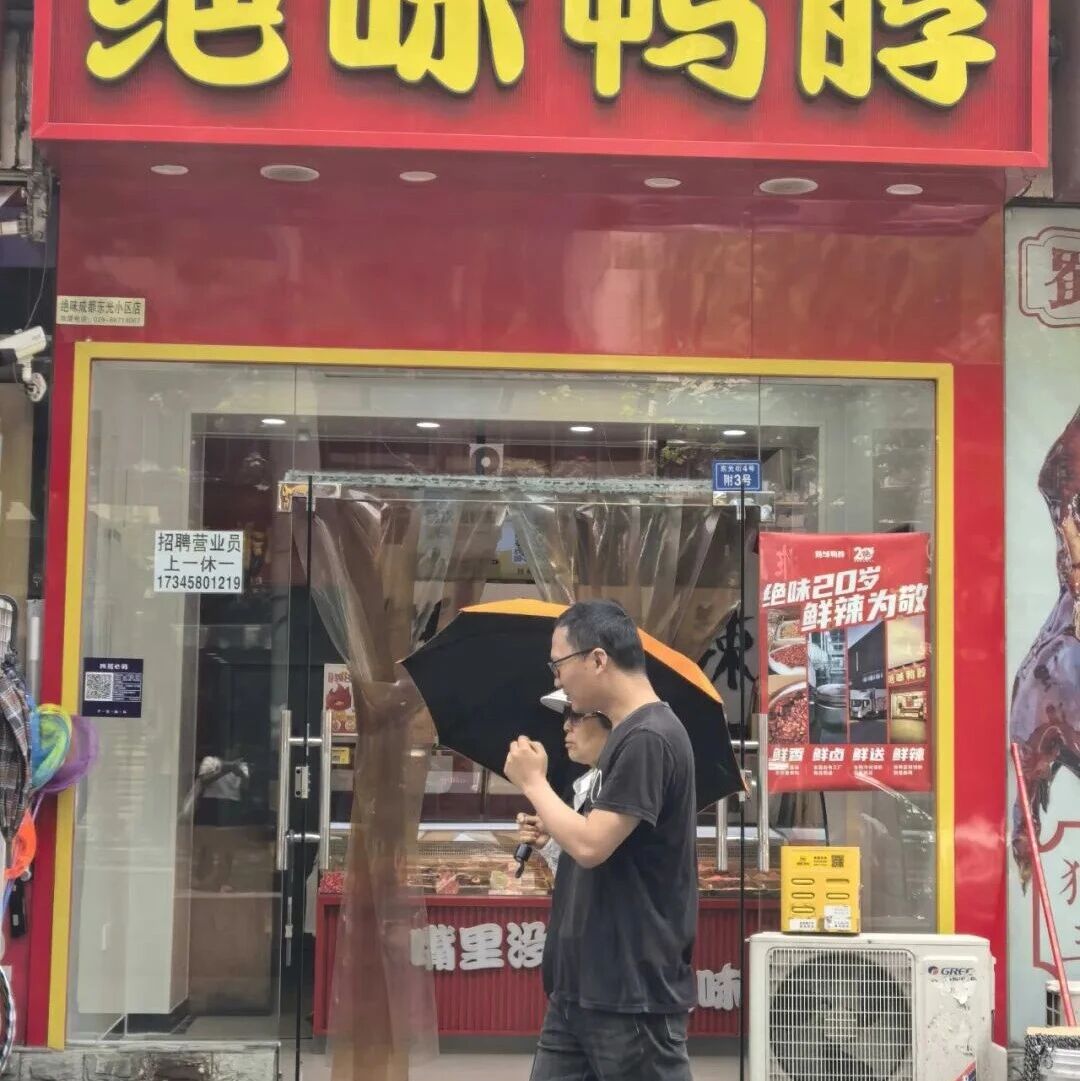
让人上瘾的“高铁零食刺客”,抱不上春运的大腿
3 6 Ke· 2026-02-05 10:40
Core Viewpoint - The "Duck Kings" in the marinated food industry, including Zhou Hei Ya, Jue Wei, and Huang Shang Huang, are facing significant challenges as consumer preferences shift, leading to declining sales and store closures. Group 1: Industry Performance - The marinated food industry is experiencing a slowdown, with the market size expected to reach 157.3 billion yuan in 2024, reflecting a drastic decline in growth rate to 3.7% compared to over 15% in previous years [17]. - Jue Wei is projected to incur its first annual loss, estimated between 160 million to 220 million yuan in 2025, marking a significant downturn for the company [1][2]. - The three major brands have closed over 5,300 stores in the first half of 2025, indicating a severe contraction in their retail presence [1][2]. Group 2: Company Strategies and Changes - Zhou Hei Ya has shifted its strategy by introducing lower-priced products, such as a 9.9 yuan "satisfying series," to attract younger consumers [29]. - Jue Wei has diversified its offerings by launching new product lines, including a series of snacks and a new cooking method called "first marinate then grill" [29]. - Huang Shang Huang has expanded its business model to include dining options, such as hot marinated dishes and rice, to reposition itself in the market [31]. Group 3: Consumer Behavior and Market Dynamics - Consumer preferences have shifted towards more affordable options, with the most common spending range for marinated food being 20-30 yuan, which contrasts sharply with the higher prices of the "Duck Kings" [19]. - New entrants in the market, such as local brands and snack giants, are capturing consumer interest by offering unique flavors and experiences, further challenging the established brands [25][23]. - The perception of the "Duck Kings" has deteriorated, with consumers viewing them as overpriced and lacking innovation, leading to a decline in brand loyalty [21][29]. Group 4: Future Outlook and Recommendations - To regain market share, the "Duck Kings" need to embrace significant changes, including refining their operations and breaking away from outdated consumer perceptions [28][35]. - Implementing a strategic reserve system for raw materials could help manage cost fluctuations, which is crucial for maintaining profitability [35]. - Focusing on closing underperforming stores and reallocating resources to high-potential locations will be essential for future growth [36].
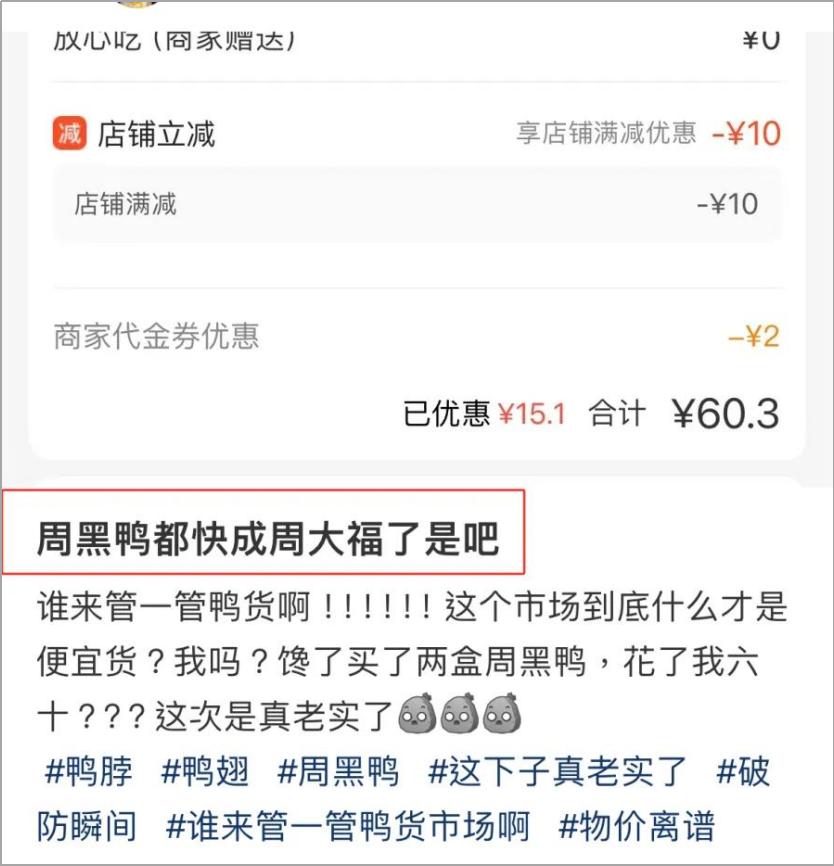
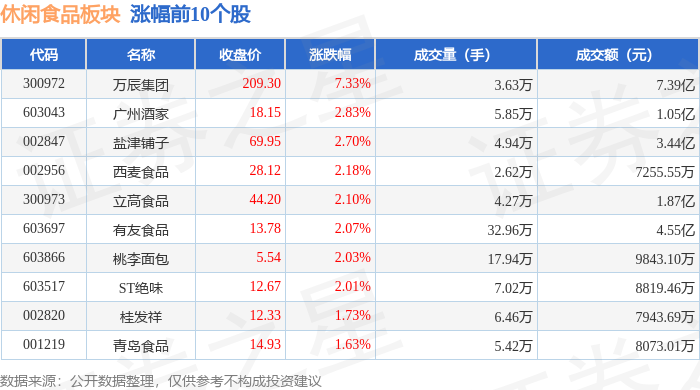
休闲食品板块2月4日涨2.4%,万辰集团领涨,主力资金净流出4624.39万元
Zheng Xing Xing Ye Ri Bao· 2026-02-04 08:56
Core Viewpoint - The leisure food sector experienced a 2.4% increase on February 4, with Wancheng Group leading the gains, while the overall market indices also showed positive movement [1]. Group 1: Market Performance - The Shanghai Composite Index closed at 4102.2, up 0.85% [1]. - The Shenzhen Component Index closed at 14156.27, up 0.21% [1]. Group 2: Individual Stock Performance - Wancheng Group (300972) closed at 209.30, with a rise of 7.33% and a trading volume of 36,300 lots, amounting to 739 million yuan [1]. - Guangzhou Restaurant (603043) closed at 18.15, up 2.83% with a trading volume of 58,500 lots, totaling 10.5 million yuan [1]. - Yanjin Puhui (002847) closed at 69.95, increasing by 2.70% with a trading volume of 49,400 lots, amounting to 344 million yuan [1]. - Other notable stocks include Ximai Food (002956) at 28.12 (+2.18%), Ligao Food (300973) at 44.20 (+2.10%), and Youyou Food (603697) at 13.78 (+2.07%) [1]. Group 3: Capital Flow Analysis - The leisure food sector saw a net outflow of 46.24 million yuan from institutional investors, while retail investors contributed a net inflow of 29.96 million yuan [2]. - Notable individual stock capital flows include Youyou Food with a net outflow of 36.51 million yuan from institutional investors and a net inflow of 3.84 million yuan from retail investors [3]. - Salted Food (002847) experienced a net inflow of 10.05 million yuan from institutional investors, while retail investors had a slight outflow [3].