
VANKE(000002)

Search documents
北京GDP总量突破5万亿,TCL拟控股索尼电视业务 | 财经日日评
吴晓波频道· 2026-01-22 00:29
Group 1: Beijing Economic Performance - In 2025, Beijing's GDP reached 52,073.4 billion yuan, growing by 5.4% year-on-year, surpassing the national average of 5% and marking it as the second city in China to exceed 50 trillion yuan in GDP after Shanghai [2] - The per capita disposable income in Beijing was 89,090 yuan, a year-on-year increase of 4.3%, with urban residents earning 96,292 yuan and rural residents 42,012 yuan, reflecting a narrowing income gap [3] - The growth in Beijing's economy is supported by a high proportion of the tertiary sector and strong performance in high-energy industries, despite a slowdown in operating income growth and stagnant property net income [3] Group 2: 6G Technology Development - China has completed the first phase of 6G technology trials and is now entering the second phase, focusing on typical application scenarios and verifying technical feasibility [4] - The integration of air, land, sea, and space in 6G technology is expected to create revolutionary applications and drive upgrades in related industries such as chips and smart terminals [5] Group 3: TCL and Sony Joint Venture - TCL is set to acquire a controlling stake in Sony's television and audio business, forming a joint venture with 51% ownership by TCL and 49% by Sony, expected to start operations in April 2027 [6] - TCL's television shipment is projected to reach 30.41 million units in 2025, with a market share increase to 13.8%, narrowing the gap with the leading brand Samsung [6] Group 4: Vanke Bond Repurchase Plan - Vanke A's bondholders approved a plan to adjust the repayment arrangement for its bonds, allowing for a fixed repayment of 100,000 yuan and 40% principal repayment, providing some relief from potential default [7] - The company faces significant cash flow challenges, with a total debt of approximately 6.5 billion yuan maturing in the second quarter, raising concerns about its ability to avoid substantial defaults [8] Group 5: Douyin's New App Development - Douyin is developing an app called "Dou Sheng Sheng," aimed at enhancing offline consumption through group buying, with a focus on providing value and convenience [9] - Douyin's local life services are showing significant growth, with a total transaction volume increase of over 59% in 2025, indicating a successful expansion into the local service market [10] Group 6: Yonghui Supermarket's Financial Struggles - Yonghui Supermarket expects a net loss of 2.14 billion yuan in 2025, a 45.6% increase in losses compared to the previous year, primarily due to strategic adjustments and store closures [11] - The company's restructuring efforts, while necessary, have led to significant short-term losses, raising questions about its long-term viability in a changing retail landscape [11] Group 7: Netflix's Acquisition Strategy - Netflix reported a fourth-quarter revenue of $12.05 billion, exceeding expectations, and announced a shift to an all-cash acquisition of Warner Bros. for $72 billion [12][13] - The acquisition aims to bolster Netflix's content library with top-tier IPs, although it raises concerns about increased debt and financial risk as the company transitions from rapid growth to a more mature phase [13]




固定兑付安排+先付40% 万科A11亿元债券展期议案获表决通过
Shang Hai Zheng Quan Bao· 2026-01-22 00:13
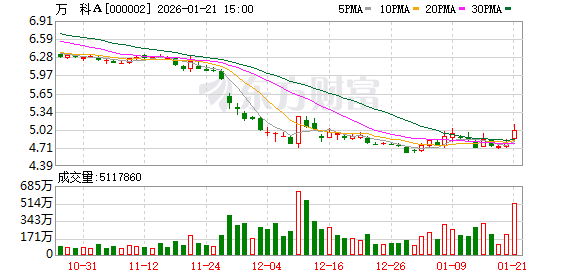
Core Viewpoint - Vanke's bond "21 Vanke 02" with a balance of 1.1 billion yuan has made significant progress in its extension matters, with a high vote approval for the proposal to adjust the repayment arrangements and provide credit enhancement measures [1] Group 1: Bondholder Meeting and Proposals - On January 21, Vanke announced the results of the bondholder meeting for "21 Vanke 02," where Proposal Four, which involves adjusting the repayment arrangements and increasing fixed payment arrangements, was approved [1] - The bond has a current coupon rate of 3.98% and a term of 7 years, with a redemption option for the issuer at the end of the 5th year [1] - Proposal One, which involves waiving related procedures to optimize processes, also received high approval [1] Group 2: Repayment Arrangements - The fixed payment arrangement allows for a small payment of up to 100,000 yuan on January 30, 2026, for bonds that have been declared for repurchase [1] - 40% of the principal for the repurchased bonds will be paid on January 30, 2026, while the remaining 60% will be extended for one year, with a repayment date of January 22, 2027 [1] - Vanke will provide credit enhancement by pledging receivables from project companies as collateral for unpaid principal and interest [1] Group 3: Interest Payment Details - The interest payment for the bond will occur on January 22, 2026, with a coupon rate of 3.98% for the 5th year [1] - Each 10 bonds with a face value of 1,000 yuan will distribute an interest of 39.80 yuan (tax included) [1] - The bondholder registration date is January 21, 2026, and the payment will be made to all registered holders as of that date [1] Group 4: Market Reactions and Future Considerations - Following the announcement, Vanke's A-share price surged over 6% during trading on January 21, closing at 5.01 yuan per share [1] - Market analysts view the approval of Proposal Four as a positive signal for other bonds, suggesting it may influence upcoming meetings for Vanke's other bonds [1] - The execution of the proposals remains a focal point for future market attention, particularly regarding Vanke's financing and recovery capabilities [1]
全球大公司要闻 | 苹果公司计划推出首款AI聊天机器人
Wind万得· 2026-01-21 22:40
Group 1 - Apple is accelerating its AI strategy by developing an AI wearable device called "Pin" and plans to significantly revamp Siri into its first AI chatbot, codenamed "Campos" [2] - Intel has secured a substantial contract with the U.S. military for chip supply under the SHIELD project, with a maximum limit of $151 billion, boosting expectations for its defense electronics business [2] - TSMC is facing production bottlenecks in its advanced 3nm process due to surging AI demand, with all capacity booked until 2027, highlighting strong demand in the global semiconductor supply chain [2] - Nvidia's CEO Jensen Huang plans to visit China to revive the AI chip market, emphasizing that AI represents a "platform shift" requiring trillions in infrastructure investment, with global AI venture capital expected to exceed $100 billion by 2025 [2] Group 2 - Alibaba's Qianwen series model downloads have surpassed 1 billion, making it the most popular open-source AI model globally, reinforcing the company's technological leadership in AI [4] - Vanke's bond extension proposal for "21 Vanke 02" has been approved, marking the company's first successful bond extension, with a scale of 1.1 billion yuan [4] - Xinda Real Estate expects a net loss of 7.6 billion to 8.2 billion yuan in 2025 due to industry adjustments and project sales underperformance, focusing on core areas for business transformation [4] - Cangge Mining has voluntarily reduced its potassium chloride production capacity from 2 million tons per year to 1.2 million tons based on resource conditions, without affecting existing production and sales plans [4] Group 3 - AI startup Anthropic PBC is raising at least $1 billion from investors, with annual revenue run rate doubling since last summer and projected to exceed $9 billion by the end of 2025 [6] - Meta's Super Intelligence Lab delivered its first batch of key AI models in January, with plans to focus on consumer products over the next two years [6] - Microsoft has resolved access issues with its 365 services and has introduced a basic subscription version of Microsoft 365 in China for an annual fee of 150 yuan [6] - Tesla clarified that there are no plans for layoffs or production cuts at its Berlin factory, while its Robotaxi fleet has reached 200 vehicles [6] Group 4 - Samsung Electronics is diversifying its HBM supply chain and has reported Q4 sales of 1.29 trillion won, a 2.3% year-on-year increase, with operating profit rising 62% [10] - Toyota anticipates a cost burden increase of 5 trillion yen over 4.5 years and plans to raise prices for some suppliers while sharing chip data among Japanese automakers [10] - SK Hynix is projected to achieve record revenue and profit by Q4 2025, with plans to distribute a record year-end bonus of 640,000 yuan per employee [10] - LG Electronics is testing sodium-ion battery production at its Nanjing factory and has launched AI air conditioning products overseas [10] Group 5 - Volkswagen Group expects a net cash flow of 6 billion euros in the automotive sector for FY2025, a 20% year-on-year increase, driven by lower operating capital and capital expenditures [13] - Rio Tinto anticipates an 11% increase in copper production to 883,000 tons by 2025, with a strong rebound in Q4 iron ore production [13] - Mercedes-Benz will unveil the 2026 S-Class on January 29, featuring heated seat belts to enhance low-temperature range and safety [13] - ASML's target price has been raised by JPMorgan from 587 euros to 800 euros, reflecting optimistic market expectations for semiconductor equipment demand [13]


固定兑付安排+先付40% 万科11亿元债券展期议案获表决通过
Shang Hai Zheng Quan Bao· 2026-01-21 18:12
Core Viewpoint - Vanke's bond "21 Vanke 02" with a balance of 1.1 billion yuan has made significant progress in its extension arrangements, with a key proposal approved by bondholders, leading to a positive market reaction and a notable increase in Vanke's stock price [1][2] Group 1: Bondholder Meeting and Proposals - The bondholder meeting on January 21 resulted in the approval of "Proposal Four," which involves adjusting the repayment arrangements for the bond's principal and interest, increasing fixed payment arrangements, and providing credit enhancement measures [2][4] - The bond has a current coupon rate of 3.98% and a term of 7 years, with various options for redemption and interest rate adjustments [2][3] Group 2: Payment Arrangements - A fixed payment arrangement will allow for a small repayment of up to 100,000 yuan on January 30, 2026, for bonds that have been declared for repurchase [3] - 40% of the principal for the repurchased bonds will be paid on January 30, 2026, while the remaining 60% will be extended for one year, with a repayment date of January 22, 2027 [3] Group 3: Market Reaction and Future Implications - Following the announcement, Vanke's A-shares rose over 6% during trading on January 21, closing at 5.01 yuan per share, reflecting positive market sentiment [1][5] - The approval of the proposals is seen as a signal of Vanke's commitment to protecting bondholders' interests, although the execution of these proposals will be closely monitored [6]
万科11亿元债券展期议案获通过
Zheng Quan Ri Bao· 2026-01-21 16:40
Core Viewpoint - Vanke's proposal to extend the maturity of 1.1 billion yuan bonds has been approved by bondholders, allowing the company to alleviate short-term repayment pressure and stabilize its financial situation [2][3]. Group 1: Bondholder Meeting Outcomes - The bondholder meeting on January 21 approved two key proposals: the exemption of procedural requirements and the adjustment of repayment arrangements for the "21 Vanke 02" bonds, with 92.36% and 92.11% approval respectively [2]. - The repayment arrangement includes an initial payment of 40% of the principal on January 30, 2026, with the remaining 60% extended for one year, to be paid on January 22, 2027, along with interest accrued during the extension period [2]. Group 2: Market Reaction - Following the announcement, Vanke's bonds listed on the exchange saw significant price increases, with "21 Vanke 06" rising over 6%, "21 Vanke 04" increasing over 3%, and "22 Vanke 06" up over 2% [2]. Group 3: Broader Implications - The approval of the "21 Vanke 02" bond extension serves as a reference for Vanke's other bonds, including "22 Vanke MTN004" and "22 Vanke MTN005," which are also seeking maturity extensions [4]. - The adjustments made in the repayment arrangements and the provision of credit enhancement measures are expected to provide Vanke with more time and flexibility in managing its finances, thereby reducing the risk of default [3][4].
万科首笔债券展期通过:首付40% 含增信担保措施
Zheng Quan Shi Bao Wang· 2026-01-21 14:01
Core Viewpoint - Vanke has successfully passed the bond extension proposal for "21 Vanke 02," marking its first completed bond extension, with a total scale of 1.1 billion yuan [1][2] Group 1: Bond Extension Details - The approved extension proposal includes fixed payment arrangements, partial bond buyback, interest payments, and enhanced credit measures [1] - Fixed payment amount is capped at 100,000 yuan, with 40% of the principal and interest of the buyback portion to be paid on January 30, while the remaining 60% will be extended for one year [1] - Vanke will provide pledges of receivables from its subsidiaries as collateral to enhance credit support [1] Group 2: Market Context and Future Implications - The extension proposal for "21 Vanke 02" was developed based on prior negotiations regarding the extension of "22 Vanke MTN004," indicating a learning curve for Vanke in understanding creditor demands [2] - Upcoming meetings for "22 Vanke MTN004" and "22 Vanke MTN005" have been scheduled, with a voting deadline of January 26 [2] - Vanke faces a significant repayment peak in the next two years, with over 12 billion yuan in domestic debt due in 2026 and 7 billion yuan in overseas debt plus over 3 billion yuan in domestic debt due in 2027 [2] - The ability to provide sufficient effective assets as collateral will be a critical factor in the future bond extension process, especially given the declining real estate prices and the financial difficulties faced by many projects [2]
万科险过一关
Hua Er Jie Jian Wen· 2026-01-21 13:48
Core Viewpoint - Vanke has successfully passed the extension proposal for "21 Vanke 02" with over 92% approval, providing a temporary respite from substantial default and setting a precedent for upcoming negotiations on two medium-term notes [1][3]. Group 1: Debt Restructuring - The approval of "21 Vanke 02" allows Vanke to avoid immediate default, with the stock price rising over 4.59% following the announcement [1]. - The success of the proposal is attributed to Vanke's adjustments made in response to investor demands after previous failed attempts to secure over 90% approval for other bonds [1][2]. - Key changes in the proposal include a commitment to pay 40% of the principal on January 30, addressing previous criticisms regarding the lack of immediate cash payments [1][2]. Group 2: Investor Sentiment - A crucial clause in the proposal limits fixed payments to no more than 100,000 yuan per securities account, catering to the concerns of small investors who are sensitive to risk [2]. - The inclusion of receivables from project companies as collateral represents a shift in the negotiation dynamics, indicating that creditors are now focused on tangible assets and cash payments rather than broad narratives [2]. Group 3: Future Challenges - Despite the successful extension, Vanke faces a significant debt wall, with over 12 billion yuan in domestic debt maturing in 2026, and two medium-term notes totaling 5.7 billion yuan requiring investor approval soon [3]. - The recent approval serves as a signal that creditors are not ready to let Vanke fail, but the real test will be the company's ability to manage asset disposal, sales efficiency, and undisclosed debts in the coming years [3][5]. Group 4: Industry Context - The real estate sector is undergoing a painful restructuring, with companies forced to streamline management and optimize asset utilization to survive [4]. - The current environment necessitates a balance between fulfilling housing commitments and maintaining creditworthiness, as the industry moves away from relying solely on willpower and slogans [6].
库存“九连降”与债务重组获突破,房地产市场在调整中夯实底部
Sou Hu Cai Jing· 2026-01-21 13:22
Core Viewpoint - The 2025 real estate market is expected to continue its adjustment trend, with positive progress in inventory reduction and breakthroughs in the debt of distressed real estate companies [2] Market Adjustment and Inventory Reduction - The new residential property price index shows fluctuations, with first-tier cities experiencing slight volatility and second and third-tier cities showing a downward trend. First-tier cities had a stable but declining trend, with a decrease of -0.4% in November after a slight recovery in July and August [3][4] - The second-hand residential price index has a more significant decline than new residential properties, with first-tier cities seeing increased downward pressure in the second half of the year, maintaining a decline of around -1.0% [6] - The overall real estate market remains in a deep adjustment phase, particularly in eastern regions, while inventory reduction is steadily advancing under policy interventions. New residential sales area decreased by 7.8% year-on-year, with sales revenue down by 11.1% [8] - As of the end of November, the inventory of unsold properties decreased for nine consecutive months, indicating effective supply-side adjustments and a gradual alleviation of inventory pressure [8] Sales Trends and Market Dynamics - The sales rhythm throughout the year showed a pattern of "stability followed by weakness," with significant declines in July and August, indicating traditional seasonal weakness [11] - The demand-side recovery remains fragile, with core eastern cities undergoing deep adjustments and a weak sales performance at year-end suggesting a prolonged bottoming period for the market [11] Real Estate Development Investment and Financing - Real estate development investment continued to face pressure, with a cumulative investment of 78,591 billion yuan, down 15.9% year-on-year. Residential investment also saw a decline of 15.0% [14] - The total funds available to real estate developers decreased by 11.9%, with significant declines in foreign investment and personal mortgage loans [18] Debt Restructuring Progress - Several companies, including Sunac, Yuzhou, and Country Garden, have made progress in debt restructuring, with various strategies employed to mitigate debt risks. For instance, Sunac's offshore debt restructuring plan was approved, leading to a significant reduction in its debt [21][22] - Innovative debt restructuring models are emerging, such as Rongsheng's proposal to use a combination of cash and asset-backed debt repayment [23] - Vanke faces challenges with its debt extension proposals being rejected, leading to a downgrade in its credit rating, while its major shareholder has provided substantial loans to support liquidity [23]

万科首支境内债券展期获持有人通过 方案包括月内兑付四成本金
Xin Lang Cai Jing· 2026-01-21 12:29
Core Viewpoint - Vanke has successfully obtained consent from 92.11% of bondholders to extend the repayment of part of its bonds, providing the company with a temporary respite from default amid significant debt challenges [1][2]. Group 1: Bond Restructuring - Vanke's bondholders approved a plan to adjust the repayment terms of the "21 Vanke 02" bond, allowing 40% of the principal to be repaid on January 30, with the remaining 60% extended for one year to January 22, 2027 [1]. - The original maturity date for the bond was January 22, and the approval of this extension plan is expected to support similar proposals for two other medium-term notes [1]. - The company has a substantial debt load of $50 billion, and this extension provides critical breathing room to avoid default [1]. Group 2: Market Reaction and Future Outlook - Following the announcement of the adjusted repayment terms, Vanke's domestic and international bonds experienced a rebound, with dollar bonds rising above 20 cents, recovering from a low of 15 cents, and domestic corporate bonds approaching 40 yuan [1]. - Despite the positive response to the bond restructuring, overall bond prices remain at poor levels, indicating ongoing investor concerns about Vanke's future debt repayment capabilities [2]. - The Shenzhen Metro Group, which has previously supported Vanke's debt repayments, has tightened borrowing terms following an increase in Vanke's third-quarter losses, leading to a deterioration in the company's debt situation [2].
万科债券展期迎利好 房企融资端逐渐改善
Zheng Quan Shi Bao Wang· 2026-01-21 12:29
Group 1 - Vanke's bond "21 Vanke 02" with a balance of 1.1 billion yuan has successfully extended its maturity by one year, marking a significant achievement in the company's negotiations amid liquidity challenges [1] - The bondholder meeting decision received 92.11% approval, focusing on repayment arrangements, fixed payment mechanisms, and credit enhancement measures [1] - The repayment plan includes a small payment of up to 100,000 yuan for small holders on January 30, 2026, with 40% of the repurchased bond principal due on the same date and the remaining 60% extended to January 22, 2027 [1] Group 2 - Sufficient effective assets will be a critical factor for Vanke's future bond extensions, with the need for credit enhancement measures being emphasized due to the declining real estate prices and many projects facing insolvency [2] - In 2025, several real estate companies, including Sunac and Country Garden, successfully completed debt restructuring, indicating a trend of resolving financial issues within the industry [2] - As of November 2025, real estate companies' bond financing totaled 62.04 billion yuan, a year-on-year increase of 28.5%, with a total of 550.28 billion yuan raised from January to November, reflecting a 10.5% increase [3] - The real estate sector is expected to see continued support policies in 2026, emphasizing the role of the "white list" system to facilitate reasonable financing needs for real estate companies [3]