ASML Holding(ASML)

Search documents
今夜!突发利空
中国基金报· 2025-09-29 16:23
Group 1 - The technology sector experienced a significant rise, with the Nasdaq 100 index increasing nearly 1% at one point, driven by strong performances from Nvidia, AppLovin, and Microsoft [2][3] - Gold prices reached a new high, pushing the market value of U.S. Treasury's gold holdings to over $1 trillion [3] - Major tech stocks such as Applovin, Micron Technology, Nvidia, and AMD saw notable gains, with Applovin up by 5.80% and Nvidia up by 2.36% [4] Group 2 - Market attention is focused on the upcoming non-farm payroll report to assess labor market resilience, which will influence the Federal Reserve's decisions on potential interest rate cuts [5] - There are concerns regarding a possible government shutdown, which could delay the release of important economic data, as Congress struggles to pass a short-term spending bill [5][6] - Analysts express uncertainty about the impact of a government shutdown on the market, noting that past shutdowns have not had lasting effects [7] Group 3 - The U.S. Bureau of Labor Statistics announced that it will suspend all operations and economic data releases during a government shutdown, complicating the Federal Reserve's ability to justify further rate cuts [9] - The upcoming Federal Reserve meeting is scheduled for October 28-29, and the lack of new government data may hinder decision-making [9]






ASML Is a Hidden Gem in This Technology Rally, a Catch Up Play
MarketBeat· 2025-09-29 15:18
Core Viewpoint - ASML Holding is positioned as a significant player in the semiconductor industry, particularly in the context of the artificial intelligence race, and is gaining attention from investors as it outperforms peers like NVIDIA and Taiwan Semiconductor Manufacturing [2][4][5]. Group 1: Company Performance - ASML's stock has rallied by 25.8% over the past month, reaching a new 52-week high and attracting institutional buying interest [4]. - The company reported a 23% net revenue growth compared to the same quarter last year, indicating strong demand for its products and proprietary manufacturing technology [11]. - ASML's market capitalization stands at $318 billion, significantly smaller than Taiwan Semiconductor's $1.1 trillion, highlighting a potential growth opportunity as the industry evolves [5]. Group 2: Market Sentiment and Analyst Ratings - Analysts have upgraded ASML's stock rating to Overweight from Equal Weight, with a price target of approximately $1,111 per share [8]. - The average 12-month stock price forecast for ASML is $923.80, suggesting a potential downside of 4.21% from the current price [8]. - Canal Capital Management increased its holdings in ASML by 10.8% in September, reflecting a bullish stance on the company's future [10]. Group 3: Competitive Landscape - ASML is compared to peers like Taiwan Semiconductor and NVIDIA, with a notable performance gap that could present investment opportunities [3][5]. - The company is recognized for its critical role in the semiconductor assembly process, which is essential for leading-edge technology [5][7].

周其仁佛山最新演讲:为什么卷?市场能力严重落后于生产能力(附演讲实录)
Sou Hu Cai Jing· 2025-09-29 04:43
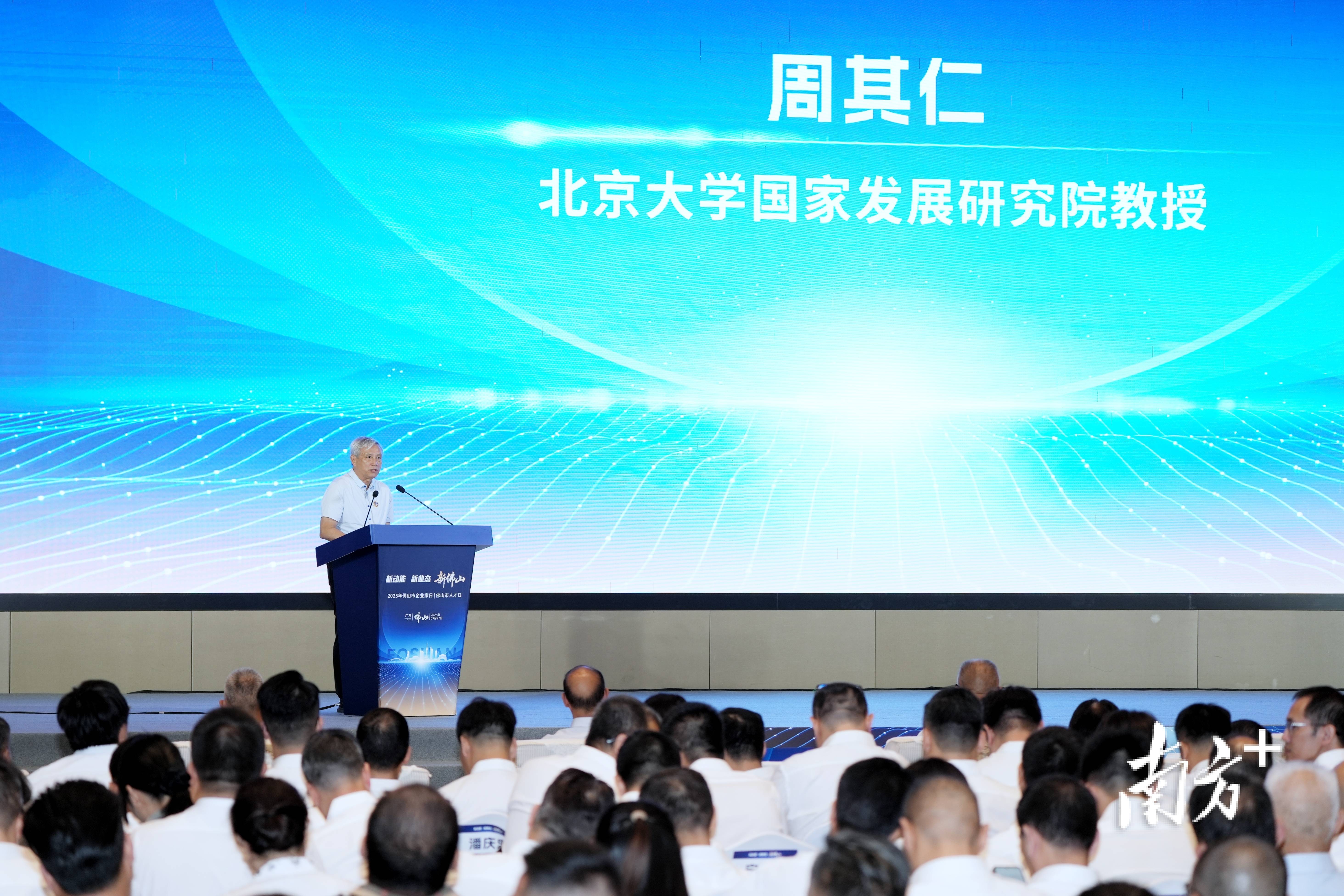
Core Insights - The core argument emphasizes the need for companies to not only focus on product development but also on identifying and targeting high-value customers to escape the "involution" phenomenon in the industry [1][2][13]. Group 1: Key Strategies for Companies - The first strategy is to pursue excellence in details, which involves implementing lean management to reduce waste and improve efficiency within manufacturing processes [7][8][9]. - The second strategy is to plan for long-term global expansion, encouraging companies to look beyond domestic markets and seek opportunities internationally to avoid market saturation [10][11]. - The third strategy is to strive for uniqueness in products, focusing on creating offerings that stand out in the market, which can lead to better returns due to reduced competition [11][12]. Group 2: Importance of Customer Focus - Companies must prioritize understanding customer needs and preferences, as exemplified by successful firms like Huawei and ASML, which focus on being customer-centric rather than solely supply-driven [14][16][18]. - The concept of "good customers" is highlighted, where companies should aim to sell to clients who are willing to pay premium prices for high-quality products, thus creating a sustainable business model [21][22][24]. - The narrative stresses that traditional pricing strategies must evolve, moving away from competing on low prices to emphasizing the value and profitability that high-quality products can deliver to customers [21][24]. Group 3: Case Studies and Examples - The case of ASML illustrates how targeting the best customers, such as IBM, and understanding their specific needs led to significant business success and innovation [17][19]. - The experience of companies like Weili Xin and a ceramic valve manufacturer demonstrates that focusing on challenging projects and maintaining strict payment terms can lead to growth and stability in competitive markets [29][30][31]. - The success of brands like Fotile, which competes on quality and innovation rather than price, serves as a model for how Chinese companies can elevate their market position [22][23][26].

ASML Builds Machines that Make AI Chips. Why It's Missing Out on the Boom.
Barrons· 2025-09-29 04:01
Core Insights - ASML stock has underperformed compared to other companies in the AI supply chain, raising questions about the factors contributing to this lag [1] Company Analysis - ASML is a key player in the semiconductor equipment industry, particularly known for its lithography machines essential for chip manufacturing [1] - The company faces challenges in capitalizing on the AI boom, as its technology is not directly aligned with the immediate demands of AI chip production [1] - Despite strong demand for semiconductors, ASML's stock performance has not reflected the overall growth in the sector, indicating potential market misalignment [1] Industry Context - The AI supply chain is rapidly evolving, with companies that provide AI-specific hardware and software seeing significant stock price increases [1] - ASML's position in the semiconductor industry is critical, but its current offerings may not fully meet the needs of AI-focused companies, which could hinder its growth prospects [1] - The competitive landscape in the semiconductor equipment market is intensifying, with other firms potentially gaining an edge in AI-related technologies [1]

中国晶圆制造设备进口追踪(2025 年 8 月):8 月同比增长 12%,年初至今增长 3%,全年有望持平 China WFE Import Tracker (Aug 2025)_ Aug YoY+12%, YTD +3%, on track to be a flat year_ Global Semiconductor Capital Equipment
2025-09-28 14:57
Summary of Key Points from the Conference Call Industry Overview - **Industry**: Global Semiconductor Capital Equipment - **Focus**: Wafer Fabrication Equipment (WFE) imports to China Core Insights and Arguments - **August 2025 WFE Imports**: Total imports reached USD 3,010 million, showing a year-over-year increase of 12% but a month-over-month decrease of 20% [2][25] - **Year-to-Date Performance**: Year-to-date imports are up 3% compared to the previous year, indicating a potential flat year overall [2][25] - **Lithography Segment Growth**: Lithography imports grew by 55% year-over-year in August, while other segments remained mostly flat [3] - **Vendor Performance**: U.S. vendors (including Malaysia and Singapore) captured approximately 38% of the market share, up from 33% in 2024, driven by Malaysia's increased share [3] - **Japan's Market Share**: Japan's share of WFE imports remains weak at 24% year-to-date, down from an average of 26% last year, due to unfavorable foreign exchange conditions and delayed purchases [3] Company-Specific Insights - **ASML**: Estimated China lithography imports for Q3 at EUR 2.17 billion, a 44% increase quarter-over-quarter but a 22% decrease year-over-year. China sales are expected to represent 38% of overall system revenue, up from 27% in Q2 [4][66] - **LRCX (Lam Research)**: Predicted a 14% increase in China revenues for Q3, with China exposure expected to be around 40% of total revenues [5][79] - **AMAT (Applied Materials)**: Anticipated a 12% decrease in China revenues for Q4, with China exposure around 33% of total revenues [6][88] - **TEL (Tokyo Electron)**: Expected a 12% year-over-year increase and a 23% quarter-over-quarter increase in China revenue [8] - **Kokusai**: Projected a significant increase in China revenue, up 58% year-over-year and 54% quarter-over-quarter [9] - **Screen**: Expected a decline in China revenue, down 11% year-over-year but up 16% quarter-over-quarter [10] - **Advantest**: Anticipated a further decline in China revenue, down 41% year-over-year and 35% quarter-over-quarter [11] Investment Implications - **NAURA**: Rated as outperform with a target price of CNY 450.00, benefiting from domestic WFE substitution in China [13] - **AMEC**: Rated as outperform with a target price of CNY 300.00, recognized for its technology and market position [14] - **Piotech**: Rated as outperform with a target price of CNY 300.00, noted for product innovation and market share gains [15] - **AMAT**: Positive outlook on WFE growth, driven by market expansion and capital returns [18] - **LRCX**: Supportive commentary for CY25, indicating a potential NAND upgrade cycle [19] - **ASML**: Cautious stance on growth, with revenue forecasts aligning with lower guidance [20] Additional Important Insights - **China's Role in WFE Market**: China is increasingly significant in the global WFE market, with global vendors capturing about 84% of the market share in 2024 [21] - **Import Trends**: The data indicates a shift in production for U.S. vendors, with increased imports from Singapore and Malaysia [38][46] - **Lithography Imports**: The share of lithography imports from the Netherlands has increased significantly since 2023, reflecting changes in supply chain dynamics [60][62] This summary encapsulates the key points discussed in the conference call, highlighting the current state of the semiconductor capital equipment industry, company-specific forecasts, and broader market trends.


EUV光刻机,订单火爆
半导体芯闻· 2025-09-28 09:47
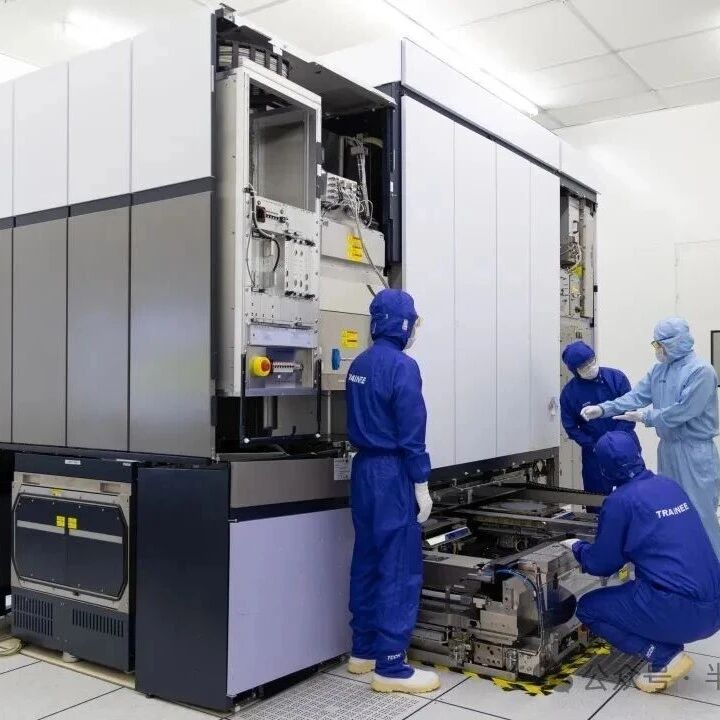
Core Viewpoint - ASML anticipates delivering 10 High-NA EUV and 56 EUV lithography machines by 2027, driven by increased orders from Intel and Samsung, indicating a rising demand for advanced semiconductor manufacturing technology [1] Group 1: Orders and Demand - Intel has increased its order for High-NA EUV machines from 1 to 2 and for EUV machines from 3 to 5, while Samsung raised its EUV order from 5 to 7 [1] - SK Hynix is set to receive 20 EUV machines by 2027 and has also increased its High-NA EUV order from 1 to 2 [1] - The overall market demand for exposure equipment is on an upward trend, despite some semiconductor manufacturers delaying the introduction of new High-NA EUV technology [1] Group 2: Technology and Efficiency - Intel's first two High-NA EUV machines have shown significant improvements in efficiency and reliability compared to previous EUV machines, completing tasks with fewer exposures and processing steps [2] - The new High-NA EUV machines require only one exposure and a few processing steps, compared to three exposures and around 40 steps for earlier models [2] Group 3: Installation and Cost - Installation of a High-NA EUV machine requires 250 engineers and takes approximately 6 months [3] - The price of a High-NA EUV machine is approximately €350 million, equivalent to about 2.7 billion yuan, making it essential for major wafer manufacturers to achieve large-scale production of advanced processes below 2nm [3]
俄罗斯公布EUV光刻机路线图
是说芯语· 2025-09-28 06:49
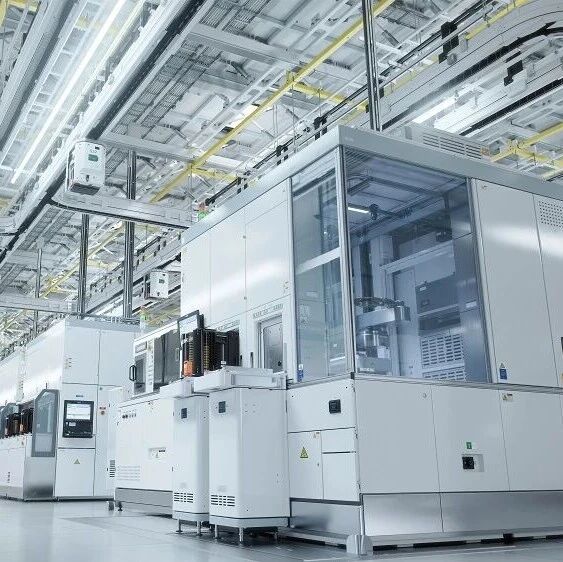
Core Viewpoint - The Russian Academy of Sciences' roadmap for domestic 11.2 nm wavelength EUV lithography tools aims to establish an independent semiconductor manufacturing capability, showcasing a commitment to innovation despite significant technical and commercial challenges [1][2]. Group 1: Roadmap Overview - The roadmap, proposed by Nikolai Chkhalo, spans from 2026 to 2037, focusing on differentiated design to avoid the complexities and high costs associated with ASML's technology [2]. - The project is divided into three main phases: 1. Phase 1 (2026-2028): Launch of lithography machines supporting 40 nm processes with a throughput of over 5 wafers per hour [5]. 2. Phase 2 (2029-2032): Introduction of machines for 28 nm (downward compatible to 14 nm) with a throughput exceeding 50 wafers per hour [6]. 3. Phase 3 (2033-2036): Development of machines for sub-10 nm processes, achieving a throughput of over 100 wafers per hour [6]. Group 2: Technical Innovations - The Russian EUV lithography technology diverges from the mainstream 13.5 nm wavelength, utilizing a hybrid solid-state laser and xenon plasma light source, along with 11.2 nm wavelength mirrors made of ruthenium and beryllium [6][8]. - This approach significantly reduces contamination of optical components, thereby lowering maintenance requirements compared to ASML's tin droplet method [8]. Group 3: Challenges and Comparisons - The feasibility of the Russian EUV lithography roadmap faces challenges, including the need for a complete ecosystem of optical components and resist materials tailored for the new wavelength [7]. - While the proposed machines aim for high throughput, they are designed for smaller foundries rather than competing with ASML's high-capacity systems [8][9]. - The Russian strategy reflects a differentiated competitive approach, contrasting with China's adherence to mainstream technology paths, aiming for self-sufficiency in chip production [9].
俄罗斯公布EUV光刻机路线图
半导体行业观察· 2025-09-28 01:05
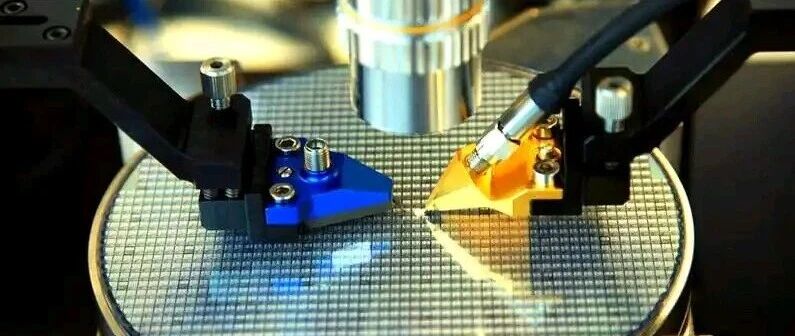
Core Viewpoint - The article discusses a long-term roadmap for Russia's development of domestic extreme ultraviolet (EUV) lithography tools, aiming for self-sufficiency in chip production by 2037, while highlighting the challenges and potential benefits of this initiative [1][6]. Summary by Sections Roadmap Overview - The roadmap includes three main phases: 1. The first system, planned for 2026-2028, will support 40nm technology with a throughput of over 5 wafers per hour [2]. 2. The second phase (2029-2032) introduces a 28nm scanner with a potential to support 14nm, achieving a throughput of over 50 wafers per hour [2]. 3. The final system (2033-2036) aims for sub-10nm production with a throughput exceeding 100 wafers per hour [2]. Technical Innovations - The proposed EUV system avoids replicating ASML's architecture, opting for a different technology involving mixed solid-state lasers and xenon-based light sources, which could reduce maintenance needs [1][2]. - The tools are expected to support a resolution range from 65nm to 9nm, aligning with the requirements of many critical layers in the 2025-2027 timeframe [2]. Potential Benefits and Challenges - Developers claim that using EUV for older nodes may offer unexpected advantages, although the complexities associated with the 11.2nm wavelength laser have not been fully addressed [3]. - The feasibility of the entire plan remains uncertain, as it spans the entire industry and has not been validated [6]. Market Implications - The tools are designed not for large-scale fabs but to enable smaller foundries to adopt low-cost solutions, potentially attracting international clients currently excluded from the ASML ecosystem [6].
光刻机巨头,为啥要投AI?
虎嗅APP· 2025-09-27 13:10
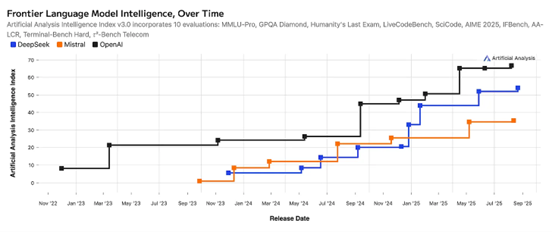
Core Viewpoint - The article discusses the recent investment by ASML in the AI unicorn Mistral AI, highlighting the significance of this deal in the context of Europe's venture capital landscape and its struggle to compete with the US and China in the AI sector [4][5][16]. Investment Landscape - In 2023, Europe saw a total of $8 billion in AI venture capital investments, significantly lagging behind the US at $68 billion and China at $15 billion [4]. - By 2024, the situation improved slightly with Europe reaching $11 billion, while the US secured $47 billion, indicating a persistent gap [5]. Mistral AI's Financing - Mistral AI recently completed a Series C funding round, raising €1.7 billion (approximately ¥14.2 billion) with a post-money valuation of €11.7 billion (approximately ¥97.8 billion) [5][7]. - ASML led this funding round, contributing €1.3 billion (approximately ¥10.9 billion) for an 11% equity stake [7]. Strategic Implications - The partnership between ASML and Mistral AI is seen as a significant move for Europe, aiming to enhance technological sovereignty and reduce reliance on US tech companies [8][9]. - Mistral AI plans to use the funds to develop customized decentralized AI solutions for industrial applications, aligning with ASML's goals to improve its product offerings [9][10]. Market Position and Challenges - Despite its high valuation, Mistral AI holds only a 2% market share in the large model AI sector, facing stiff competition from established players like Deepseek and OpenAI [10][11]. - The company’s revenue model is heavily reliant on a few large contracts, raising concerns about its sustainability and ability to compete in the rapidly evolving AI landscape [11][12]. Political and Economic Context - The investment is viewed by some as politically motivated, given the background of Mistral AI's co-founder, who previously served in the French government [12][14]. - The article suggests that ASML's investment could be a strategic move to bolster Europe's industrial capabilities in AI, reflecting a shift in focus towards vertical applications rather than consumer-facing products [16][17]. Future Outlook - The article concludes that while the investment provides Mistral AI with necessary resources, the broader European venture capital ecosystem must adapt to compete effectively in AI, particularly in specialized applications like healthcare [16][18].
光刻机巨头,为啥要投AI?
Hu Xiu· 2025-09-27 07:34
Core Insights - The article discusses the recent significant investment in the AI unicorn Mistral AI, highlighting the involvement of ASML as a leading investor, which marks a notable event in the European venture capital landscape [3][5][15]. Investment Landscape - European venture capital has been struggling, with AI investments in Europe totaling $8 billion in 2023, significantly lower than the $68 billion in the U.S. and $15 billion in China [2]. - In 2024, European AI investments increased to $11 billion, but the U.S. still led with $47 billion, indicating a persistent gap [2]. - Mistral AI raised €1.7 billion (approximately ¥14.2 billion) in its Series C funding round, achieving a post-money valuation of €11.7 billion (approximately ¥97.8 billion) [3][5]. ASML's Strategic Move - ASML invested €1.3 billion (approximately ¥10.9 billion) in Mistral AI, acquiring an 11% stake, which signifies a strategic alliance between a leading tech giant and a high-potential AI company [5][15]. - The investment is seen as a move to enhance ASML's capabilities in industrial manufacturing through advanced AI solutions [7][15]. Market Position and Challenges - Despite its high valuation, Mistral AI holds only a 2% market share in the large model AI sector, facing stiff competition from established players like Deepseek and OpenAI [8][10]. - Mistral AI's focus on industrial applications may be hindered by the maturity of existing manufacturing processes and high customer switching costs [10][11]. Political and Economic Context - The investment has been interpreted as politically motivated, reflecting Europe's desire to reduce reliance on U.S. technology and bolster its own tech sovereignty [6][14]. - The article suggests that Mistral AI's valuation may be influenced by its founders' political connections, raising questions about the sustainability of its high valuation [11][14]. Future Outlook - The investment from ASML could provide Mistral AI with the necessary resources to pivot towards industrial applications, potentially enhancing its market position [15][16]. - European venture capitalists are increasingly focusing on vertical AI applications, with healthcare being a particularly attractive sector, indicating a shift in investment strategies [15][16].