
JD(JD)

Search documents
外卖大战烧掉800亿,帮主郑重看到这些真相
Sou Hu Cai Jing· 2025-12-01 07:09
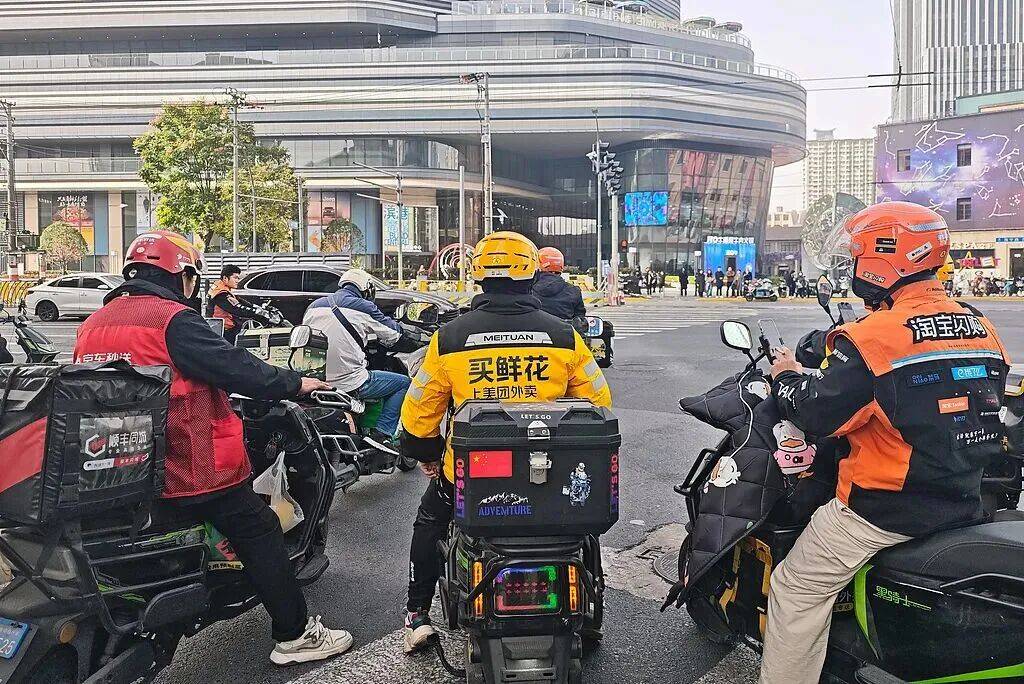
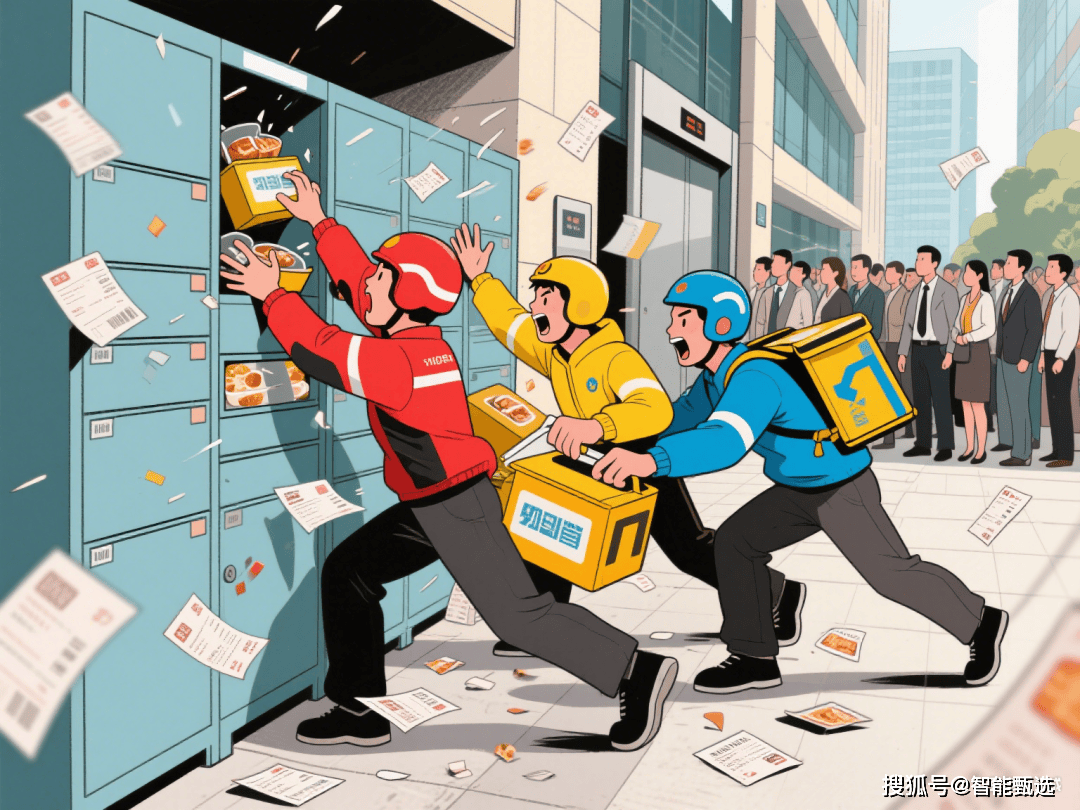
今天聊一个热闹背后的冷话题——外卖大战。这个夏天,大家可能都点过"满18减18"的外卖,但你可能 没想到,这场看似狂欢的盛宴,背后是三巨头六个月内烧掉近800亿的惨烈博弈。更戏剧性的是,当冬 天来临,美团、阿里、京东纷纷交出了"寒意刺骨"的财报,仿佛一场高热后的集体虚脱。 一、战损如何? 美团的财报最触目惊心——三季度净亏损160亿元,是上市以来最惨烈的单季数据;阿里经营利润暴跌 85%,京东净利润腰斩。如果把时间拉长到整个外卖大战,二三季度三巨头总投入接近800亿元。这是 什么概念?相当于每天烧掉4个多亿,但换来的却是利润集体"雪崩"。 二、钱花在哪了? 全是真金白银的补贴。美团三季度的营销开支冲到343亿元,阿里销售费用飙到665亿元,京东也花了 211亿元。这些钱,大多变成了消费者手里的"0元购"红包和骑手账户里的跑单费。但讽刺的是,平台补 贴越狠,商家反而越艰难——复旦大学一项研究显示,许多商户陷入"增量不增收"的窘境,实收金额不 升反降。 三、谁赢了? 表面看,阿里靠淘宝闪购抢下28%的市场份额,美团守住了65%的基本盘,京东拿下7%的立足点。但帮 主我觉得,这场战争没有真正的赢家。美团现金流承压, ...


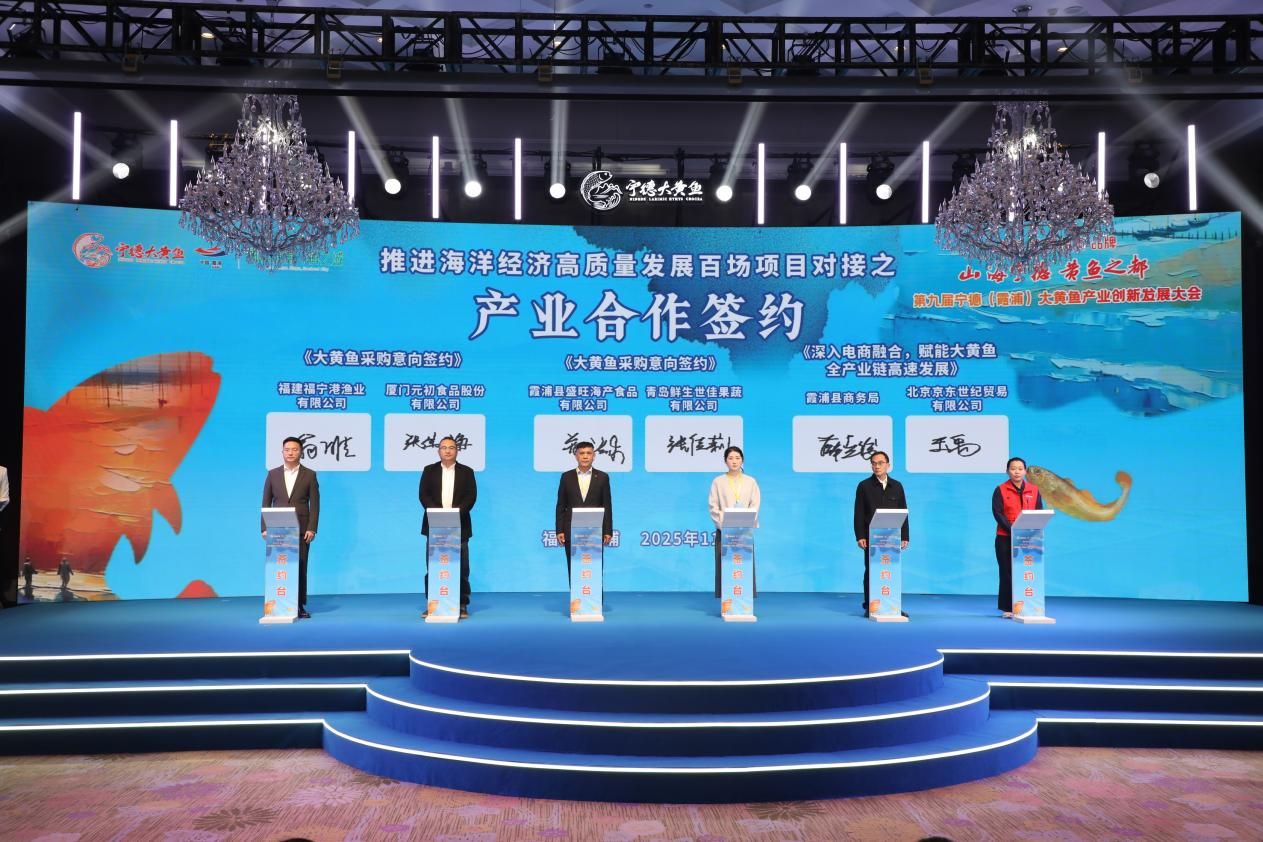
京东生鲜携手宁德霞浦政府战略合作,源头直发助力大黄鱼“游”进千家万户
Zhong Jin Zai Xian· 2025-12-01 06:51
Core Viewpoint - The ninth Ningde (Xiapu) Large Yellow Croaker Industry Innovation Development Conference highlighted the strategic partnership between JD Fresh and the Xiapu County government to enhance the high-quality development of the large yellow croaker industry [1][3]. Group 1: Industry Overview - Ningde, known as the "Capital of Large Yellow Croaker" in China, produces 80% of the country's large yellow croaker, with a projected output of 214,900 tons in 2024 and a total industry value exceeding 20 billion yuan [4]. - The large yellow croaker is a unique marine fish in China, celebrated for its taste and nutritional value, and has been a popular choice for gifting during festivals since ancient times [3][4]. Group 2: JD Fresh's Strategy - JD Fresh, as the only e-commerce company to sign a strategic agreement with the Ningde Xiapu government, leverages its supply chain capabilities to ensure fresh large yellow croaker is processed within six hours of catch and delivered quickly to consumers [3][6]. - The company has established a comprehensive quality assurance system covering production, circulation, and sales, including strict pre-sale, in-sale, and post-sale quality control measures [6][8]. Group 3: Product Innovation and Consumer Engagement - JD Fresh has introduced a "three-clean" process for large yellow croaker, simplifying cooking for consumers by removing scales, gills, and internal organs while maintaining the whole fish form [8]. - The company has implemented a traceability system with QR codes to ensure transparency from breeding to processing, enhancing consumer confidence [8]. Group 4: Market Positioning and Competitive Pricing - JD Fresh's direct sourcing model eliminates intermediaries, allowing for competitive pricing and ensuring consumers receive high-quality large yellow croaker at "production prices" [9]. - The collaboration with leading brands like Sandu Port and Haimingwei aims to create a source direct certification base for large yellow croaker, enhancing brand visibility and market competitiveness [11]. Group 5: Consumer Trends and Product Diversification - There is a growing consumer demand for high-quality protein, leading to the introduction of products like deboned yellow croaker fillets suitable for children and the elderly, as well as various new products to meet diverse consumer needs [13]. - JD Fresh plans to continue collaborating with agricultural industry chains to empower brand upgrades and increase farmer incomes, driving high-quality agricultural development [13].
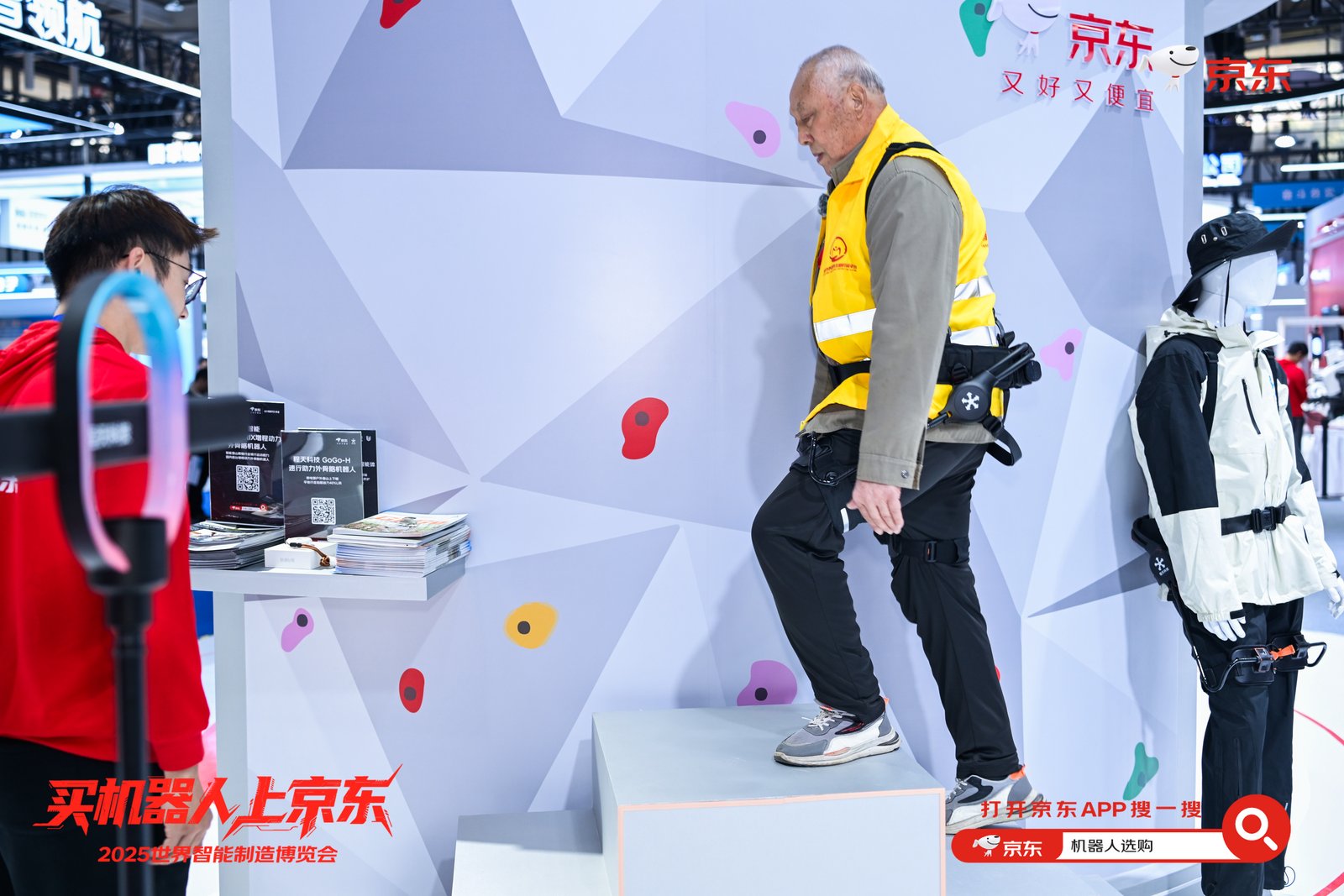
八旬老人穿上“机械腿”后健步如飞 京东携助行外骨骼机器人亮相2025世界智能制造大会
Cai Fu Zai Xian· 2025-12-01 04:51
Core Viewpoint - The integration of innovative technologies like exoskeleton robots into elder care services represents a significant advancement in addressing the challenges posed by an aging population, enhancing mobility and quality of life for seniors [1][3][5] Group 1: Elder Care Innovations - The "Nanjing Elderly Service Mutual Time Platform," initiated by the Nanjing government in 2019, promotes a model where individuals can "save time when young and exchange it for services when old," showcasing a practical path for smart elder care [3] - Exoskeleton robots, showcased by JD at the World Intelligent Manufacturing Conference, provide personalized mobility assistance, significantly improving the daily lives of elderly users [3][4] Group 2: Market Trends and User Demographics - JD's data indicates that 80% of exoskeleton robots and similar smart technology products are purchased by users from the post-90s and post-00s generations, highlighting a trend where younger individuals are investing in technology to support their elderly relatives [4] - The smart robot industry is experiencing a pivotal moment of "scale application," with JD planning to invest over 10 billion yuan in the sector, aiming to help 100 robot brands achieve sales exceeding 1 billion yuan within three years [4][5] Group 3: Broader Technological Impact - JD's collaboration with over 30 leading global robot brands at the conference resulted in the presentation of more than 80 robot products, covering various sectors including retail supply chains and intelligent logistics [4] - The warm interactions at JD's exhibition reflect a deeper integration of smart manufacturing with humanistic care, indicating a shift towards a more inclusive and vibrant future society driven by technology [5]

AI玩具终于起风,京东华为讯飞跑步入局,只因用户需要陪伴?
3 6 Ke· 2025-12-01 04:26
正在读这篇文章的大伙,小时候有没有幻想过拥有一只属于自己的"哆啦A梦"?想要的请举一下手。 嗯,虽然我隔着屏幕看不到,但我估计举手的人数绝对不在少数。 要我说,这种对"机械伙伴"的向往,其实刻在了很多人的DNA里。无论是《超能陆战队》里那个软乎乎的大白,还是《钢铁侠》里不仅能干活还能吐槽的 贾维斯,这种拥有自我意识、能懂你心思的机器人,应该没有人不想领回家吧。 有趣的是,在这个AI技术狂飙的2025年,科幻电影里的场景正在加速变成现实。 11月20日,京东京造宣布上线搭载JoyInside系统的AI毛绒玩具系列,目标群体锁定儿童与家庭市场,围绕想象力游戏、故事陪伴、知识启蒙与情绪感知展 开,构建"成长型陪伴玩具"场景,试图重新定义孩子与玩具、家庭与陪伴之间的关系结构。 然后,在前天的发布会上,除了备受瞩目的Mate 80系列手机,华为居然不声不响地掏出了一个让全场惊掉下巴的小玩意儿。 就是这个看起来憨态可掬、名字也土萌土萌的——智能憨憨。 (图源:华为) 官方宣称,这是首款搭载HarmonyOS 6原生情感引擎的桌面设备,主打共情治愈,售价直接定在了让人跌破眼镜的399元。 奇怪了,向来严肃的大厂们,怎么突然 ...

“外卖大战”三巨头,半年烧钱近800亿元
Sou Hu Cai Jing· 2025-12-01 03:46
Core Insights - The three major players in the food delivery market, Meituan, Alibaba, and JD, reported significant financial losses in their recent quarterly earnings, attributed to intense competition and high subsidy expenditures [3][4][5] Financial Performance - Meituan reported a record net loss of 16 billion yuan in Q3, a stark contrast to a profit of 12.8 billion yuan in the same period last year [3] - Alibaba's net profit for the quarter was 20.99 billion yuan, down 52% year-on-year, with adjusted net profit dropping 72% to 10.35 billion yuan [3] - JD's net profit fell 55% to 5.3 billion yuan, with adjusted net profit down 56% to 5.8 billion yuan [3] Marketing Expenditures - Meituan's sales and marketing expenses surged by 90.9% to 34.3 billion yuan, primarily due to increased spending on promotions and user incentives in response to fierce competition [4] - JD's marketing expenses rose 110.5% to 21.1 billion yuan, with a significant portion allocated to new business initiatives, including food delivery [4] - Alibaba's sales and marketing expenses reached 66.5 billion yuan, up from 32.5 billion yuan year-on-year, indicating substantial investment in user experience and flash sales [4] Competitive Landscape - The intense subsidy war has led to a combined expenditure of nearly 800 billion yuan by the three companies in the second and third quarters, with Q3 alone seeing an increase of nearly 50% in spending [3][5] - Despite the high costs, Meituan's CEO expressed confidence that losses have peaked, although Q4 is expected to remain challenging for the food delivery business [3][5] - Alibaba's CEO indicated that the investment in flash sales would likely decrease in the next quarter, reflecting a strategic shift in response to market conditions [5] Market Dynamics - The competition has resulted in a mixed impact on order volumes and merchant revenues, with merchants experiencing increased order volumes but declining actual revenue due to aggressive pricing strategies [9] - The average daily order volume for merchants increased by 7%, but their actual revenue decreased by approximately 4%, indicating a challenging environment for profitability [9] - The ongoing subsidy war has raised concerns about market saturation and the sustainability of such aggressive pricing strategies in the long term [10][11]
电商卖车,从政策照进现实
Zhong Guo Qi Che Bao Wang· 2025-12-01 01:44
Core Insights - The launch of online car sales by major e-commerce platforms JD.com and Tmall during this year's "Double 11" signifies a significant shift in the automotive retail landscape, moving beyond mere conceptual discussions to practical implementations [1][2] - The integration of e-commerce into the automotive sales process represents a new era of full-chain transactions, enhancing consumer experience through transparent pricing and breaking down geographical barriers [2][3] Group 1: E-commerce and Automotive Sales - E-commerce platforms are evolving from being mere traffic intermediaries to active participants in value creation within the automotive industry, establishing a closed-loop system from research and development to sales and service [2][3] - The current trend of online car sales is driven by the decreasing prices of new energy vehicles (NEVs), which have become mainstream, with average prices dropping below 160,000 yuan and a penetration rate exceeding 50% [3][11] - The introduction of innovative sales models, such as battery leasing and price protection mechanisms, aims to alleviate consumer concerns regarding price fluctuations and financial pressures [9][11] Group 2: Challenges and Opportunities - Despite the potential, the online car sales model faces challenges, including the need for a robust service ecosystem that encompasses financing, insurance, and maintenance to ensure consumer trust and satisfaction [7][9] - The current focus on A0-class NEVs for online sales is strategic, as these vehicles are more affordable and have shorter decision-making cycles, appealing to younger consumers who are more receptive to online shopping [11][12] - Future success in online car sales will depend on the ability to create differentiated products that cater to specific consumer needs, moving beyond traditional sales methods to a more integrated lifestyle service platform [12]

外卖大战半年烧钱近800亿:一场没有赢家的商业困局
Sou Hu Cai Jing· 2025-11-30 21:06
Group 1: Subsidy War Among Giants - The three major platforms, Meituan, Alibaba, and JD, collectively spent nearly 800 billion yuan on food delivery subsidies in the second and third quarters of 2025, with a single quarter's expenditure reaching 444 billion yuan, a 48% increase quarter-on-quarter [3] - The subsidy war has led to a significant decline in profits for all three companies, with Meituan's CEO indicating that the food delivery business will continue to face substantial losses in the fourth quarter [4] - Alibaba's 500 billion yuan subsidy plan has been extended over three years, indicating a long-term strategy despite a reduction in fourth-quarter spending [4] Group 2: Company-Specific Strategies and Financial Impact - Alibaba views food delivery as a traffic entry point rather than a profit tool, using subsidies to convert food delivery users into consumers of higher-margin businesses, resulting in a peak daily order of 1.2 billion after four months of its flash purchase service [5] - Meituan's marketing expenses surged from 180 billion yuan to 343 billion yuan, leading to a record quarterly loss of 160 billion yuan, with its profit margin plummeting from 25.1% to 5.7% [6][7] - JD has adopted a more restrained approach, focusing on supply chain optimization and improving unit economics, resulting in a decrease in market share but an increase in user engagement [8] Group 3: Impact on Merchants and Riders - Merchants are suffering from a "false prosperity," with total order volume increasing by 7% but actual revenue declining by 4% during the subsidy war [9] - Delivery riders face increased work intensity and risks, with income pressures expected to rise once subsidies decrease, leading to potential income drops due to oversupply in the labor market [9] Group 4: Industry Implications and Regulatory Response - The prolonged subsidy war has led to market saturation and inefficiencies, with a 10% decline in soft drink production indicating a distortion in the supply chain [10] - Regulatory bodies have intervened, urging platforms to cease low-price competition and focus on service optimization, highlighting the need for a shift from a scale-driven approach to sustainable business models [10]
2025年Q4电商行业战略动态调查报告——AI与即时零售重塑竞争格局
Sou Hu Cai Jing· 2025-11-30 17:12
Core Insights - The Chinese e-commerce industry has transitioned from a traffic-driven era to a "hardcore competition" phase focused on technology and ecosystem collaboration by Q4 2025 [1][22] - Key trends include the commercialization of AI technology, the intensification of instant retail, the deepening of omnichannel operations, and the evolution of competitive dimensions [3] Group 1: AI Technology Commercialization - AI has shifted from a technology reserve to a key growth driver for e-commerce giants, with Alibaba making significant investments leading to substantial revenue growth in AI-related products [4] - JD has applied AI extensively in marketing and service, achieving over 90% coverage in intelligent customer service and an 18% increase in conversion rates for core categories [4] - Smaller merchants benefit directly from AI, with Pinduoduo's AI selection system improving ROI by 40% for partners, while Douyin and Kuaishou have reduced content production cycles by 50% [4] Group 2: Instant Retail Market Competition - Instant retail has become a critical battleground for growth, with Alibaba, JD, and Meituan competing fiercely, aiming for a trillion-yuan transaction scale within three years [6] - In Q4, the transaction volume for instant retail reached 220 billion yuan, a 65% year-on-year increase, with Meituan holding a 45% market share [6] - The market is projected to exceed one trillion yuan by 2026, with front warehouse models contributing over 50% of transaction volume [6] Group 3: Omnichannel Operations - The fragmentation of traffic has driven platforms to transition towards "omnichannel collaboration," with Douyin e-commerce integrating advertising and e-commerce traffic pools [8] - Traditional platforms are accelerating their content transformation, with Alibaba and JD enhancing their content capabilities to complement their existing strengths [8] - Omnichannel operations have become a standard in the industry, moving away from single-channel strategies [8] Group 4: Shift from Price Wars to Value Wars - As customer acquisition costs rise, platforms are shifting from price competition to "value wars," focusing on quality and service [9] - Pinduoduo's "billion support plan" aims to enhance merchant quality, while JD emphasizes "quality retail" strategies [9] - The emergence of "heart-price ratio" reflects a consumer trend prioritizing product quality and service experience over mere pricing [9] Group 5: Company-Specific Strategies - Alibaba is focusing on AI and instant retail as dual drivers for growth, but faces short-term profit pressures due to significant investments [12] - JD is leveraging high-frequency delivery to expand into local life services, showing promising conversion rates but facing challenges with ongoing losses [13] - Pinduoduo remains the only major player with positive net profit growth, emphasizing cost-effectiveness and agricultural product sales [15] - Douyin e-commerce is rapidly increasing its market share through deep integration of content and commerce, but still needs to cultivate user habits for shelf-based e-commerce [16] Group 6: Future Trends - AI is expected to fundamentally reshape the e-commerce landscape, with intelligent systems becoming new traffic hubs [17] - Instant retail is projected to evolve into a core business model, with continuous innovations in operational models [17] - The integration of content and commerce will become standard, with platforms adopting a closed-loop system for user engagement [17] Group 7: Strategic Variables - The focus for the next year will be on breakthroughs in AI technology and instant retail profitability models by major players like Alibaba and JD [22] - The progress of content platforms like Douyin and Kuaishou in shelf-based e-commerce will be crucial for determining the final shape of omnichannel integration [22]


今年前10个月云南省新签约亿元以上项目同比增长24.4%
Zheng Quan Ri Bao Wang· 2025-11-30 11:49
Core Insights - Yunnan Province has seen a significant increase in industrial investment projects, with a 12.4% year-on-year growth in the number of new signed projects and a 17.8% increase in total investment agreements in the first ten months of this year [1] - The province signed 845 projects with investments exceeding 100 million yuan, marking a 24.4% year-on-year increase [1] - Notable investments include projects from world-renowned companies such as JD.com, Nongfu Spring, and YTO Express, with a total of 342 projects from Fortune Global 500, China 500, and private 500 companies [1] - The province also attracted 211 projects from high-tech enterprises and specialized "little giant" companies, indicating a trend of quality enterprises gathering in Yunnan [1] Investment Strategy - The investment promotion system in Yunnan is aligned with the "3815" strategic development goals, focusing on resource conversion, park utilization, and border port development [1] - The province emphasizes precise investment attraction, industrial chain investment, and business-to-business investment to support high-quality economic development [1] - The year 2025 is highlighted as a pivotal year for both the conclusion of the 14th Five-Year Plan and the planning of the 15th Five-Year Plan, indicating a strategic focus on long-term economic growth [1]


追加超过3000万元物资 京东全力保障香港大埔火灾后民生所需
Zheng Quan Ri Bao Wang· 2025-11-30 10:48
Core Points - JD Group announced an additional supply of over 30 million yuan for disaster relief and reconstruction efforts following the fire in Tai Po, Hong Kong [1][2] - The company established a special task force immediately after the fire to coordinate resources and deliver emergency supplies to the affected area [2] - JD's logistics team and local employees were mobilized to provide hot meals and distribute emergency supplies to shelters [2] Group 1 - The additional supplies will include essential living items for affected residents and home renovation products needed for rebuilding [2] - The supply list will be adjusted based on actual needs and the progress of reconstruction, ensuring timely delivery through JD's supply chain [2] - JD has maintained close communication with the Hong Kong SAR government under the guidance of the Liaison Office of the Central People's Government [2] Group 2 - The company plans to continuously monitor the recovery progress and optimize its support plan to assist the affected areas in returning to normalcy [2] - JD aims to work alongside local residents to help restore their lives to normal [2]