LI AUTO(LI)

Search documents
理想汽车:L4级自动驾驶实现,将是行业的“iPhone 4时刻”
Mei Ri Jing Ji Xin Wen· 2025-12-11 12:43
Core Insights - The global automotive industry is undergoing a profound transformation driven by artificial intelligence (AI) technology, reshaping every aspect from product forms to user experiences and business models [1][2]. Group 1: AI's Impact on the Automotive Industry - In the next 5 to 10 years, AI will fundamentally reshape the automotive industry, transitioning vehicles from traditional transportation tools to "space robots" in the AI era [2]. - The core of competition will shift from hardware manufacturing to software and AI technology, necessitating a comprehensive capability that includes models, computing power, operating systems, and hardware [2]. Group 2: User Experience Changes - AI will elevate the user experience from being an "assistive tool" to a "productive tool," allowing users to be completely liberated from driving tasks [3]. - Natural human-machine interaction will enable users to communicate with vehicles using natural language, making complex commands easily executable [3]. - AI aims to provide a safer and more comfortable experience than human drivers by aligning with human driving habits and values [3]. Group 3: Levels of Autonomous Driving - Level 3 (L3) autonomous driving is viewed as a necessary transitional phase towards Level 4 (L4) and is not considered a "pseudo-proposition" [3]. - Achieving L4 autonomy requires breakthroughs in core technologies, substantial investment in computing resources, and a large-scale data collection for continuous model training [4]. Group 4: Future Vehicle Design - The company plans to launch its first L4-level autonomous vehicle by around 2028, which will fundamentally change vehicle design by eliminating traditional driving components [6]. - This shift will transform cars from "driving machines" into pure "living" or "working spaces" [7]. Group 5: Challenges and Opportunities - Significant technical challenges remain for L4-level autonomous driving, including reliability, safety, redundancy design, and cybersecurity [8]. - Market acceptance, legal regulations, and insurance liability are critical factors that will influence the commercialization of fully autonomous vehicles [8]. Group 6: AI Model Generalization - The key to overcoming the limitations of point-to-point AI models lies in developing a universal AI foundational model that can be applied across various scenarios [9]. - The company is focused on developing a VLA foundational model to create a "world model" that can be applied in manufacturing and supply chain management [9]. Group 7: Talent and Organizational Structure - To adapt to the demands of the AI era, the company has restructured its human resources department to align talent strategy with overall business strategy [13]. - The organization is transitioning from a traditional functional structure to a more agile matrix structure to enhance collaboration and innovation [13].

芯片、机器人、AI眼镜,造车新势力要讲新故事
3 6 Ke· 2025-12-11 11:39
Core Insights - Li Auto has launched its first AI glasses, Livis, marking it as the first automotive company to join the "Hundred Glasses War" [2] - The company aims to become a terminal enterprise in the era of general artificial intelligence, planning to develop more hardware products beyond AI glasses [2] - The competition in the electric vehicle market is intensifying, with companies like Tesla and Xpeng also venturing into robotics and AI technologies [4][10] Industry Trends - The market share of fuel vehicles in China has dropped below 50%, with electric vehicles and fuel vehicles now equally represented in new car sales [5] - Predictions indicate that the penetration rate of electric vehicles in China could exceed 85% in the next three years, with high-end electric vehicles expected to surpass 60% by 2026 [5] - The automotive market is experiencing a "zero-sum game," where the growth of electric vehicles comes at the expense of fuel vehicles, leading to a slowdown in overall sales growth [7] Competitive Landscape - New energy vehicle companies are increasingly resembling traditional automakers, focusing on cost control and profitability amid a competitive landscape [8][10] - Li Auto, Seres, and Leap Motor are among the few new energy vehicle companies that have achieved profitability, while others like Xpeng and NIO aim for quarterly profitability [7][10] - The narrative around "automobiles" is shifting, with companies like Li Auto and Xpeng adopting a more diversified approach similar to Tesla's model [8][11] R&D Investments - R&D investments in artificial intelligence and robotics are becoming crucial for new energy vehicle companies, with Li Auto planning to allocate a significant portion of its R&D budget to AI technologies [20][26] - Tesla's R&D expenditures have been steadily increasing, focusing on AI and robotics, while Xpeng and Li Auto are also ramping up their investments in these areas [21][23][26] - The competitive pressure in the market necessitates that new energy vehicle companies maintain a strong focus on their core automotive sales while gradually increasing their investments in AI and technology [26][27]


11月多家新能源汽车销量大增,零跑、小鹏、小米完成全年目标
高工锂电· 2025-12-11 11:10
Core Insights - The article highlights the surge in the electric vehicle (EV) market driven by the impending end of the new energy vehicle purchase tax exemption policy, leading to a year-end consumption peak [2][3] - The battery supply chain is experiencing a rare high production rhythm in December, with material prices rising across the board, prompting several battery companies to announce or plan price increases [2][8] Group 1: Market Performance - In November, the production and sales of new energy vehicles reached 1.88 million and 1.823 million units respectively, both showing a year-on-year increase of 20%, with a penetration rate exceeding 53% [2] - From January to November, cumulative production and sales of new energy vehicles reached 14.907 million and 14.78 million units, respectively, with year-on-year growth exceeding 31% and a penetration rate of 47.5% [2] - Several major automakers, including Li Auto and NIO, have achieved or exceeded their annual sales targets ahead of schedule due to consumer demand driven by the tax policy change [3][4] Group 2: Sales Growth and Market Concentration - Notable sales growth in November includes Leap Motor with a 75.1% year-on-year increase, and Xiaomi Auto with a 99.7% increase [4] - The top fifteen new energy vehicle manufacturers collectively sold 14.072 million units from January to November, representing a year-on-year growth of 32.6% and accounting for 95.2% of total sales [5] - The top three manufacturers (BYD, Geely, SAIC) hold a combined market share of 50.5%, indicating a strengthening head effect in the market [5] Group 3: Battery Production and Pricing - The battery production in December is expected to remain stable at around 220 GWh, marking the first time since late 2022 that production has not decreased in December [6] - The demand from non-power sectors is contributing significantly to the overall production stability, supporting high operational levels in the supply chain [7] - Battery companies are initiating price increases due to rising raw material costs, with Dejia Energy announcing a 15% price hike effective December 16 [9][10]


i6i8MEGA分别交付6798/6719/680|理想25年11月记录
理想TOP2· 2025-12-11 06:09
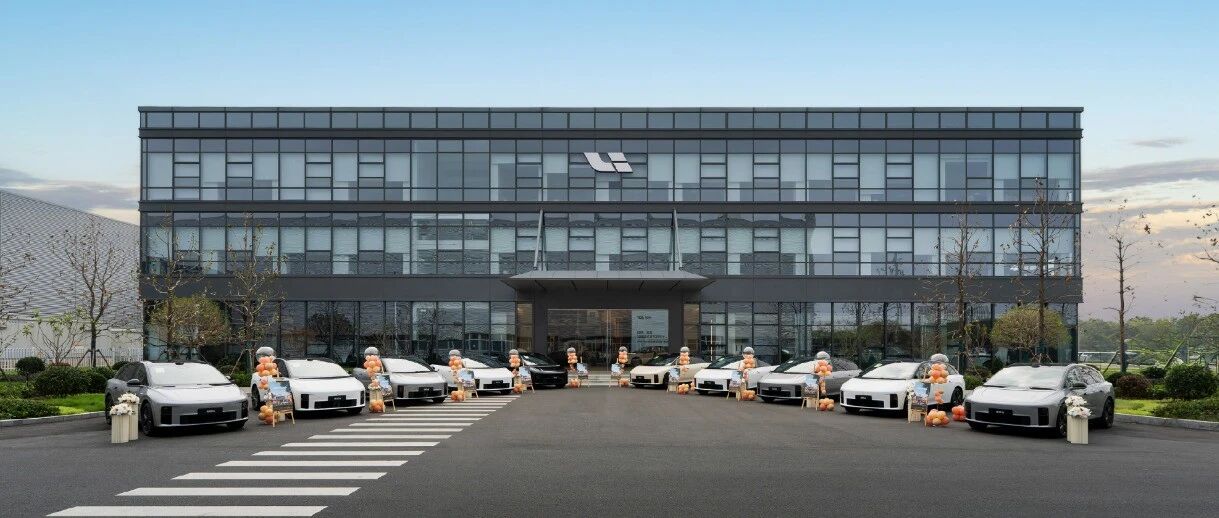
Core Insights - The total delivery of Li Auto in November 2025 reached 33,181 units, with 18,984 being range-extended vehicles and 14,197 being pure electric vehicles [1][2] - The delivery numbers show a month-on-month increase from October 2025, where total deliveries were 31,767 units, indicating a growth trend in the company's performance [2] Delivery Data Summary - November 2025: Total deliveries of 33,181 units, including 18,984 range-extended and 14,197 pure electric vehicles [1][2] - October 2025: Total deliveries of 31,767 units, with 18,340 range-extended and 13,427 pure electric vehicles [2] - September 2025: Total deliveries of 33,951 units, with a significant number of 24,554 being range-extended vehicles [2] - The data indicates fluctuations in monthly deliveries, with the highest in September and the lowest in February 2025, which had 26,264 total deliveries [2] Company Developments - Li Auto's cumulative delivery of range-extended SUVs has surpassed 1.4 million units as of November 10, 2025 [3] - The company is focusing on enhancing its AI capabilities, with a new paper published on closed-loop reinforcement learning for autonomous driving [4] - Li Auto plans to shorten its platform iteration cycle from four years to two years, aiming to increase differentiation in vehicle design [4] Strategic Initiatives - The company is actively engaging in partnerships for technology and IP acquisition, particularly in silicon carbide chips [4] - Li Auto is also expanding its charging infrastructure, with the number of charging stations increasing from 3,509 to 3,597 [4] - The company is implementing new features in its charging stations to enhance user experience and efficiency [4]
AI眼镜大混战:大厂抢入口,“Rokid们”紧张?
3 6 Ke· 2025-12-11 04:22
市场越来越清楚,想做好一款AI智能眼镜,要先让产品可以被用户戴一整天;而不少企业本就已经拥有AI、显示等相关技术,似乎只要做好取舍、让产 品真正有用,就很容易拿到这个赛道的入场券。 在近期的AI智能眼镜市场中,大厂跨界的消息越来越多。 近日,谷歌宣布其正着手开发两种不同类别的AI眼镜:一类配备显示屏,另一类则主打音频功能。谷歌还表示,第一款合作开发的AI眼镜将于2026年上 市。另据智能涌现报道,腾讯内部已开始小范围研究AI眼镜方向;字节跳动在去年立项了两个AI眼镜项目…… 而大厂的发力也并不只停留在传出消息这一层面,近几日,单是拿出新产品的大厂就有两家。 11月27日,预热多时的夸克正式发布了旗下两个系列的AI眼镜产品;几天后的12月3日,理想汽车正式推出了旗下首款人工智能硬件产品——理想AI眼镜 Livis。 大厂们之所以对AI智能眼镜趋之若鹜,与这条赛道逐渐明晰的迭代方向以及软硬件技术的逐步落地有关。 当然,行业中的创业公司也都跟上了热潮。随着行业关注度的提升,以Rokid、雷鸟、XREAL等为代表的智能眼镜品牌纷纷加快了迭代速度,逐渐被更多 消费者熟知。 但挑战也接踵而至。在每一个新对手的实力都不容小 ...

财经观察:AI眼镜:巨头争抢的下一个“智能手机”?
Huan Qiu Wang Zi Xun· 2025-12-11 02:35
Core Insights - The global AI glasses market is experiencing a surge, with major companies like Google and Meta intensifying their efforts to capture market share. Google plans to launch its first AI-driven smart glasses by 2026, marking its return to a previously unsuccessful venture in this space [1][2]. Group 1: Market Dynamics - Google is re-entering the AI glasses market after learning from past failures, emphasizing advancements in AI technology and supply chain management that were lacking during its initial attempt [1][2]. - Meta's collaboration with EssilorLuxottica to produce Ray-Ban Meta glasses has seen remarkable success, capturing approximately 73% of the global smart glasses market in the first half of 2025, with a year-on-year shipment increase of 110% [2]. - The global smart glasses shipment is projected to reach 12.8 million units by 2025, with a 26% year-on-year growth, and China is expected to lead with over 2.75 million units, reflecting a 107% increase [3]. Group 2: Technological Advancements - Key breakthroughs in AI glasses development are attributed to advancements in large model technology and hardware upgrades, enhancing functionalities like real-time translation and voice assistance [3]. - The design of upcoming AI glasses is shifting towards a more user-friendly approach, with expectations for lighter models weighing between 20 to 30 grams, significantly improving comfort for prolonged use [4][7]. Group 3: Competitive Landscape - The AI glasses market is forming a competitive structure with three tiers: the first tier led by Meta, the second tier comprising Chinese companies like Quark and Xiaomi, and the third tier focusing on niche functionalities [4]. - Over 80% of the global smart glasses supply chain is based in China, indicating a significant role of Chinese manufacturers in the industry [5][6]. Group 4: Future Outlook - The potential for AI glasses to become a mainstream product hinges on factors such as weight reduction, battery life improvement, and the identification of unique use cases that differentiate them from existing devices like smartphones [6][7]. - The current pricing of AI glasses, typically between 3,000 to 4,000 yuan, suggests there is room for price reduction to enhance market penetration [7].



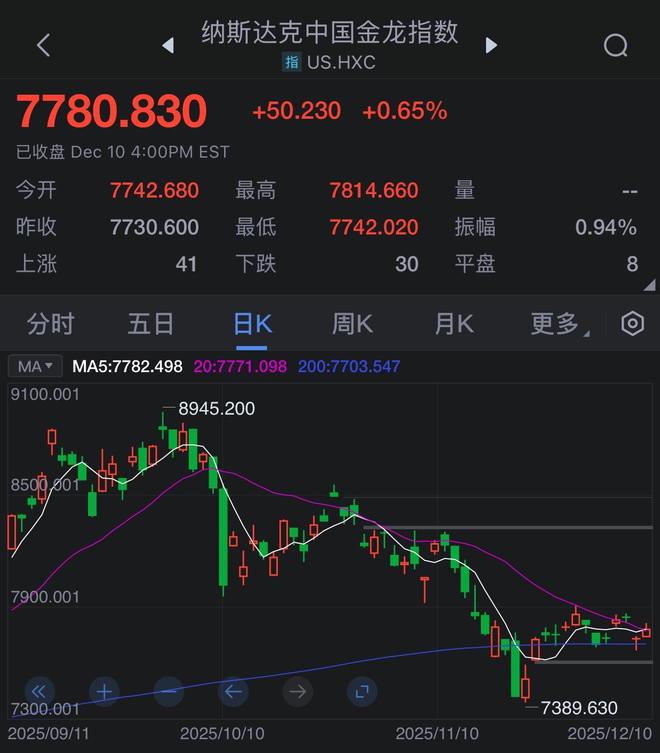
纳斯达克中国金龙指数涨0.64%
Xin Lang Cai Jing· 2025-12-10 21:38
Group 1 - The Nasdaq Golden Dragon China Index increased by 0.64% [1] - Popular Chinese concept stocks mostly rose, with Huya up over 6% [1] - Daqo New Energy, Hesai Technology, and Yum China each rose over 2% [1] Group 2 - Alibaba, Baidu, and iQIYI saw increases of over 1% [1] - Li Auto and Tiger Brokers experienced declines of over 1% [1]




These Are 7 Of The Fastest Growing Chinese EV Companies In 2025
Seeking Alpha· 2025-12-10 15:54
Group 1 - The Trend Investing group focuses on trending and emerging themes, particularly in electric vehicles (EV), the EV metals supply chain, stationary energy storage, and artificial intelligence (AI) [2] - Subscribers to Trend Investing benefit from early access to articles, exclusive investment ideas, CEO interviews, and community engagement with professional investors [1][2] - The service includes access to a portfolio, monthly news updates, macro trends updates, a stock watchlist, and direct communication with group leaders [2] Group 2 - The analysts involved in Trend Investing have extensive experience, with over 20 years in financial markets and qualifications in finance and investment [2] - The article emphasizes the importance of conducting personal research and making independent investment decisions [4]
从首匹实现年盈利“黑马”到首次季度亏损 理想汽车将重返创业模式
Zhong Guo Jing Ying Bao· 2025-12-10 14:29
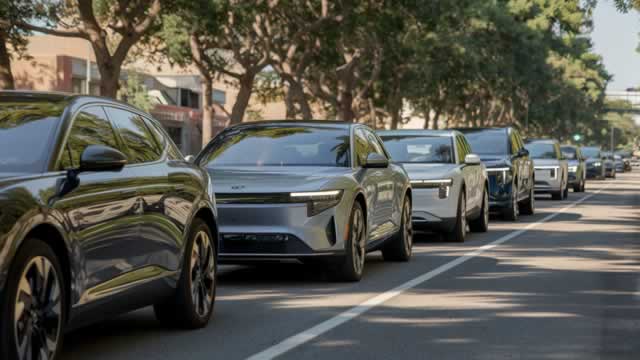
Core Viewpoint - Li Auto is experiencing significant challenges in its tenth year, transitioning back to a startup management model to address new market and technological challenges [1][6]. Financial Performance - In Q3 2025, Li Auto reported revenue of 27.4 billion yuan, a year-on-year decline of 36.2% and a quarter-on-quarter decline of 9.5% [2][3]. - Vehicle sales revenue was 25.9 billion yuan, down 37.4% year-on-year and 10.4% quarter-on-quarter [2]. - The total vehicle delivery in Q3 was 93,200 units, a decrease of 39.0% year-on-year, marking the first quarterly loss after 11 consecutive profitable quarters, with a net loss of 624 million yuan [3][4]. Challenges Faced - Li Auto is facing multiple challenges, including product cycle issues, supply chain constraints, and increased competition in the market [4][5]. - The company has reached a growth ceiling in its range-extended vehicle segment, compounded by the introduction of competing products at similar price points [1][4]. Recall and Safety Measures - Li Auto initiated a large-scale recall of 11,411 units of the 2024 MEGA model due to safety concerns, marking the first major recall in the company's history [4]. - The recall is expected to impact the delivery of the 2025 MEGA model as resources are redirected to address the recall [4]. Strategic Shift - The company plans to focus on "embodied intelligence" and has launched its first AI glasses product, marking a cross-industry technology expansion [1][10]. - Li Auto's CEO emphasized the importance of returning to a startup management model, prioritizing organizational structure, product development, and technology innovation [6][7]. Future Outlook - For Q4 2025, Li Auto expects vehicle deliveries to range from 100,000 to 110,000 units, a year-on-year decrease of 30.7% to 37.0%, with total revenue projected between 26.5 billion and 29.2 billion yuan, reflecting a decline of 34.2% to 40.1% [5]. - The company is investing in AI technology, with a 15% increase in R&D expenses in Q3 2025, focusing on new models and smart driving technology [9].
盘点2025:造车新势力盈利能力大揭秘
Xin Lang Cai Jing· 2025-12-10 10:52
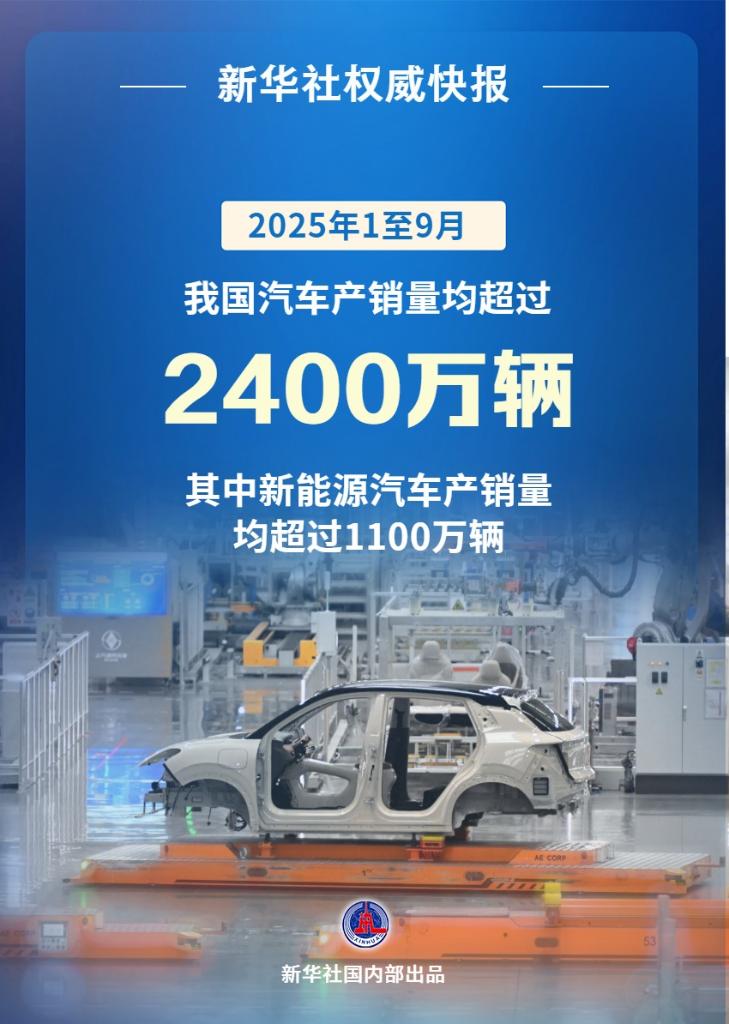
文|新能源观 2025年前9个月,我国新能源汽车产销量便双双突破千万辆,再次迎来了一个历史性的转折点。 图/2025年1-9月新能源车产销双超1100万辆 几乎是在同一个时间节点,昔日"卖一辆亏一辆"的新造车品牌们,或扭亏为盈或亏损大幅收窄,并向盈利发起猛攻。 近期,头部新造车品牌披露的三季报显示,除了率先实现盈利的理想汽车出现了短期承压、由盈转亏的情况,其他几位头部玩家的财报都相对亮眼。 其中,零跑汽车在2025年上半年成功扭亏为盈后,三季度持续盈利;小米汽车在三季度斩获了首季盈利;小鹏和蔚来虽然仍处于亏损当中,但亏损大幅收 窄,并多次明确2025年四季度为盈利冲刺节点。 从"烧钱换市场"到"价值创造"的跨越,新造车品牌们似乎正在告别持续亏损的阵痛期。而这背后,是技术自研与产品布局的双重突破。 1. 新造车头部企业摆脱"越卖越亏"魔咒? "一季度每卖一辆车亏损4.9万元,二季度每卖一辆车亏损6.39万元""平均每卖一辆车亏超8万元""每个季度亏损约50亿元"……昔日,"卖一辆亏一辆,卖得越 多亏得越多"被看成是新造车品牌们最大的标签之一。 然而,随着新能源汽车产销规模的不断突破,以及市场渗透率的进一步提升, ...