Luckin Coffee(LKNCY)

Search documents
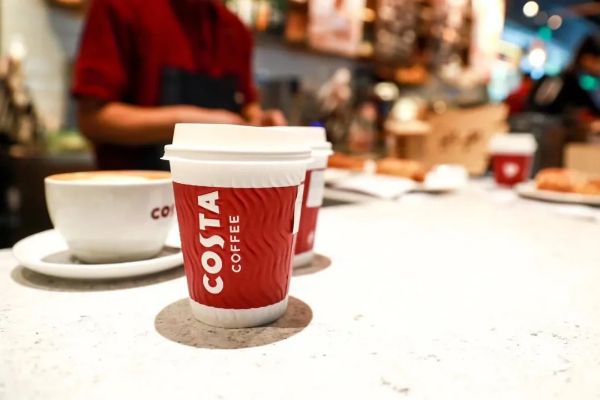
瑞幸鲸吞Costa,再上美股的一张门票?
Guan Cha Zhe Wang· 2025-11-24 10:44
Core Viewpoint - Luckin Coffee's major shareholder, Dazhong Capital, is reportedly considering acquiring Costa Coffee from Coca-Cola for an estimated £1 billion, aiming to integrate resources and create a global coffee empire [1][3]. Group 1: Acquisition Intentions - Dazhong Capital's potential acquisition of Costa Coffee is seen as a strategic move to enhance Luckin Coffee's international presence and brand recognition [3][14]. - The acquisition could allow for resource integration between Luckin and Costa, creating a complementary positioning in the coffee market [3][14]. - Analysts suggest that the timing of the acquisition is favorable due to Costa's current low valuation, making it an attractive opportunity for Dazhong Capital [14][21]. Group 2: Costa Coffee's Market Position - Costa Coffee has faced challenges in recent years, including a decline in performance and a significant reduction in its store count in China, dropping to 334 stores as of November 2023 [9][12]. - The brand's shift in strategy post-acquisition by Coca-Cola led to a focus on ready-to-drink coffee products, which has hindered its growth in the competitive Chinese market [8][12]. - Costa's revenue for 2023 was reported at £1.22 billion, a 9% increase year-over-year, but still below its 2018 revenue of £1.3 billion, with a reported loss of £9.6 million [13][14]. Group 3: Strategic Implications for Luckin Coffee - The acquisition of Costa could serve as a critical step for Luckin Coffee in its efforts to return to the international capital market, providing a new narrative to support its global ambitions [21][24]. - Luckin's recent financial performance shows a healthy cash flow and stable profitability, with a 50.2% year-over-year increase in net revenue for Q3 2023 [23]. - The integration of Costa's international store network could facilitate Luckin's expansion into overseas markets, particularly in Europe, while enhancing its brand competitiveness [23][24].


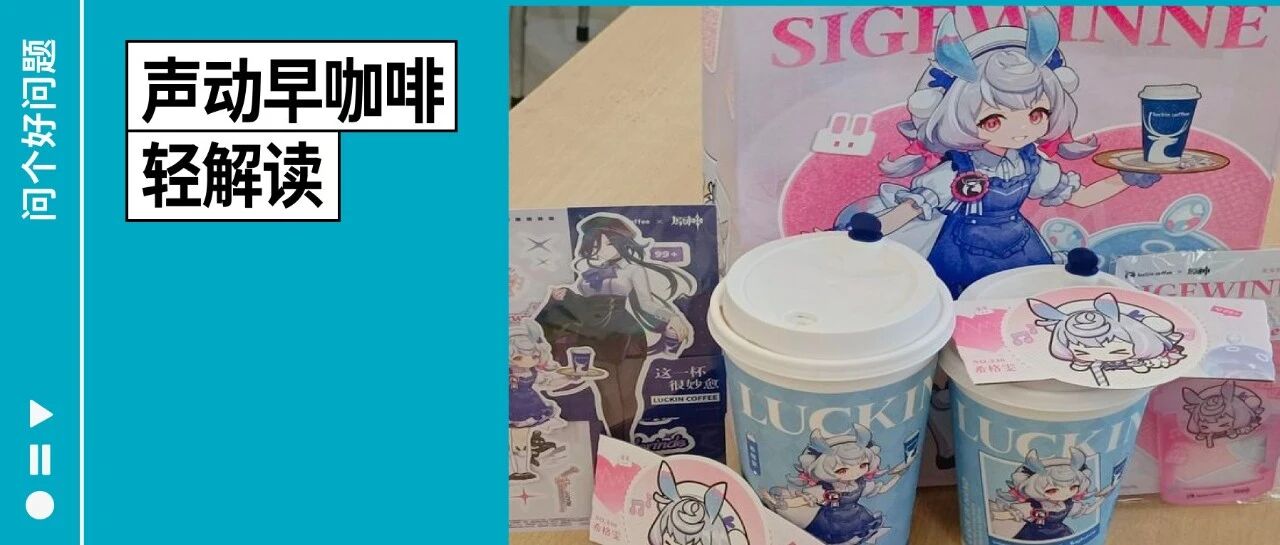
从王者、崩铁到疯狂动物城,二次元联名为何成为咖啡行业标配?| 声动早咖啡
声动活泼· 2025-11-24 09:04
Core Insights - The article discusses the rising trend of collaboration between coffee brands and anime/game IPs, highlighting the marketing strategies and consumer engagement involved in this phenomenon [3][4][5]. Group 1: Collaboration Trends - The collaboration trend in the beverage industry has shifted from occasional marketing tactics to a daily operational norm, particularly in coffee brands, with Luckin Coffee leading the charge with approximately 90 collaborations this year [4][5]. - Luckin Coffee has engaged in over 50 collaborations with anime, game, or cartoon characters, accounting for at least 40% of their total collaborations [4]. Group 2: Market Dynamics - The increase in store density among coffee chains has diluted customer traffic, making it challenging for brands to attract consumers solely through new product launches [5][6]. - The competition has intensified, leading brands to seek innovative ways to increase customer visit frequency, as traditional new product strategies have become less effective [6]. Group 3: Marketing Effectiveness - Collaborating with established anime or game IPs offers a cost-effective marketing strategy compared to traditional celebrity endorsements, as these collaborations can drive customer traffic and sales more directly [7][8]. - For instance, a collaboration with the game "Black Myth: Wukong" resulted in over 100,000 sales on the first day, showcasing the potential impact of such partnerships [7][8]. Group 4: Consumer Engagement - The emotional value associated with anime and game characters drives consumer purchases, as young consumers are motivated by the emotional connections they have with these characters [11]. - The Z generation, being the primary consumers of anime content, aligns well with the target demographic of coffee chains, enhancing the effectiveness of these collaborations [11]. Group 5: Challenges and Concerns - Rising marketing costs are a significant concern, with collaboration fees for top IPs exceeding millions, leading to increased financial pressure on brands [12]. - The frequency of collaborations with the same IP can dilute their effectiveness, causing consumer fatigue and reducing the overall impact of marketing efforts [12][13]. - There are higher expectations for the quality and creativity of the products associated with anime IPs, and failure to meet these expectations can lead to negative perceptions among fans [13].
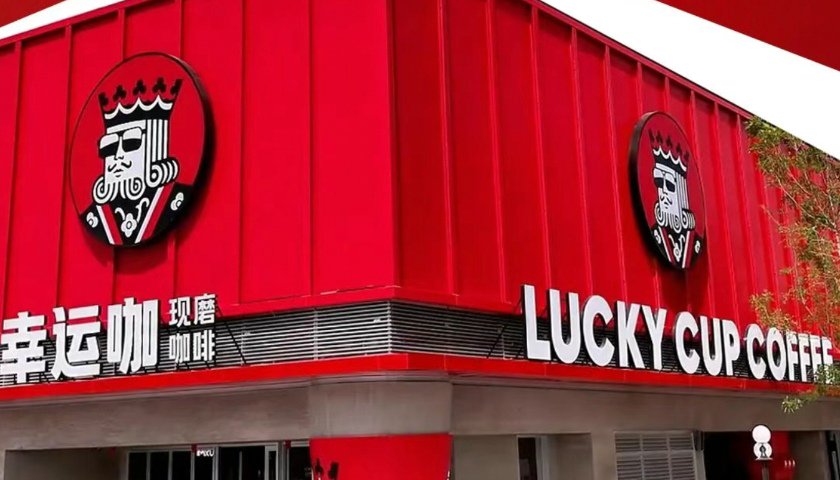
蜜雪冰城的幸运咖全球门店突破一万家,紧追瑞幸和库迪
Xin Lang Cai Jing· 2025-11-24 03:58
Core Insights - Lucky Coffee, a budget coffee brand under Mixue Group, has surpassed 10,000 global stores, rapidly rising in the domestic coffee chain market, closely following leading brands Luckin Coffee and Kudi Coffee [1] - The brand was established in 2017 and initially grew slowly, but after market research and brand positioning adjustments, it adopted a low-price strategy in 2020, leading to significant growth [1] - In 2022, Lucky Coffee experienced explosive growth, leveraging Mixue's supply chain advantages and targeting price-sensitive consumers, particularly in lower-tier markets and among students [1][4] Company Developments - Lucky Coffee opened over 2,800 new stores from 2022 to 2023, bringing the total to approximately 3,000 stores [1] - In 2023, the brand not only accelerated its domestic expansion but also began international growth, opening its first overseas store in Malaysia in August [1] - Currently, Lucky Coffee has over 1,000 stores in first-tier markets and 100 stores in Beijing, covering more than 300 cities nationwide [1] Competitive Landscape - Luckin Coffee leads the domestic market with nearly 30,000 stores, maintaining a strong performance through new product launches and optimized marketing strategies [2] - Kudi Coffee ranks second with over 15,000 stores, achieving rapid growth through aggressive franchise strategies and frequent marketing activities [4] - Lucky Coffee's recent growth has narrowed the gap with these competitors, as it added 1,100 stores in October alone, surpassing Luckin's 905 and Kudi's 597 new stores [4] Market Outlook - The domestic coffee chain market is highly competitive, with various brands like Kenyue Coffee, Nova Coffee, and Manner Coffee also vying for market share [4] - According to iMedia Consulting, the Chinese coffee market is expected to reach a scale of 470 billion yuan by 2025, with a compound annual growth rate of 28.8% from 2020 to 2025 [4] - Key challenges for coffee brands will include reducing operational costs and avoiding product homogenization in this competitive landscape [4]

一周上新!菽麦谷屋、方炉面包、Puddingpapa...海内外新品资讯抢先看 | 全球职人情报站
东京烘焙职业人· 2025-11-23 08:33
Group 1 - The article highlights the emergence of new bakery products and trends in the industry, showcasing various innovative items from different brands [2][3][4][5][6][8] - Notable new products include Olé's purple sweet potato and taro two-color toast, and the unique "cleaning cloth cake" from Peach Li Bakery [2][3][13] - The article emphasizes the growing competition among bakery chains and the introduction of healthier options, such as low-sugar and low-calorie products [6][7][8] Group 2 - Starbucks has launched a new cheese latte series, featuring flavors like pandan and sea salt caramel, indicating a trend towards gourmet coffee experiences [6][114] - The introduction of new products by various brands, such as the "can drink golden barley wave" from Guozi Shule and the collaboration between Luckin Coffee and "Zootopia 2," reflects the industry's focus on seasonal and themed offerings [6][115][117] - The article discusses the strategic moves of companies like Manner Coffee, which is considering an IPO, and CPE Yuanfeng's investment in Burger King China, highlighting significant financial developments in the sector [7][119][121]



Shorting Stocks Is Incredibly Tough To Do : The Good Investors %
The Good Investors· 2025-11-22 16:05
Core Insights - The challenges of shorting stocks are highlighted through the experiences with Luckin Coffee and Intellego Technologies, emphasizing that both fundamental analysis and timing are crucial for success in short selling [2][3][5] Company Analysis - Luckin Coffee's stock price increased by 59% from April 1, 2019, to January 31, 2020, despite fraudulent activities, illustrating the risks of shorting stocks [2][3] - Intellego Technologies, which offers dosimeters for UV radiation exposure, faced significant issues when its CEO was arrested for "gross fraud," leading to the suspension of its shares [4] - The stock price of Intellego Technologies rose from SEK 5 at its IPO in June 2021 to a peak of SEK 213 in early September 2025, before falling to SEK 47 prior to the trading suspension [4][5] Investment Implications - An investor who shorted Intellego Technologies' shares at the end of June 2025 would have experienced a nearly 200% gain in stock price before the eventual decline, reinforcing the difficulty of timing in short selling [5]

瑞幸携手国航打造云端咖啡新体验
Zhong Guo Xin Wen Wang· 2025-11-22 09:02
Core Insights - Luckin Coffee has partnered with China International Airlines to introduce a new coffee experience on select flights, enhancing in-flight service quality [1][2] - The collaboration aims to create a "full-scenario coffee consumption ecosystem," extending Luckin's service from ground to high altitude, targeting frequent business travelers [2] Group 1: Partnership Details - The partnership includes the launch of "in-flight coffee tasting theme flights" on routes such as Beijing-Xiamen and Chengdu-Beijing, starting from November 21 [1] - Passengers in economy class on specific routes can enjoy exclusive coffee products, including custom coffee sticks designed for in-flight preparation [1][2] Group 2: Market Impact - The collaboration fills a market gap for high-end coffee options in the aviation sector, enhancing the beverage selection and upgrading in-flight dining services [1] - Luckin Coffee's extensive network of over 29,000 stores and efficient digital operations have positioned it well to reach a broader audience, integrating coffee consumption into various daily scenarios [2] Group 3: Future Prospects - Future product offerings will expand to more flight routes, linking to premium coffee-producing regions globally, such as Yunnan and Brazil, creating a "world coffee flavor route" [2] - The "coffee + travel" model opens further collaboration opportunities, aligning with Luckin's commitment to trade and cultural partnerships with global coffee origins [2]

茶饮IP联名大降温,咖啡联名却“杀疯了”
东京烘焙职业人· 2025-11-22 08:33
Core Insights - The article discusses the contrasting trends in the collaboration strategies of the tea and coffee industries in China, highlighting a significant decline in tea collaborations while coffee collaborations are thriving and expanding rapidly [4][6]. Group 1: Market Trends - In 2025, the number of new tea drink collaborations dropped from 149 in the same period of 2024 to 72, representing a decline of over 50% [7]. - Conversely, coffee brands increased their collaboration activities, with major brands initiating 92 collaborations from 2024 to July 2025, and Luckin Coffee leading with 24 collaborations in 24 months [7][9]. Group 2: Reasons for Coffee Collaboration Growth - The coffee market in China is growing at an annual rate exceeding 30%, indicating significant untapped potential. Collaborations serve as an effective means for coffee brands to reach new customers and enhance brand visibility [9]. - Coffee brands are targeting younger consumers, particularly the Z generation (ages 18-35), who are willing to pay a premium for limited edition products, with 35% of them participating in events specifically for exclusive merchandise [9]. Group 3: Evolution of Collaboration Strategies - The approach to collaborations has shifted from merely leveraging traffic to creating value through deep co-creation. This includes a focus on IP strategies that prioritize emotional connections and cultural relevance [10][18]. - Local IPs are gaining prominence, with over two-thirds of summer collaborations utilizing domestic IPs, reflecting a cultural shift among younger consumers who prefer content that resonates with their identity [11]. Group 4: Long-term Collaboration Models - The collaboration model has transitioned to long-term co-creation, reducing costs and enhancing emotional connections with consumers. For instance, Luckin Coffee's ongoing partnership with the "Red Mansion" ballet demonstrates this shift [18][21]. - Traditional models where IPs only provided image licensing have been replaced by deeper involvement in product development and marketing strategies, as seen in collaborations between brands like Blue Bottle Coffee and Marimekko [22].

下沉市场翻车?星巴克万店冲刺遇阻,甩卖60%股权,中国品牌逆袭
Sou Hu Cai Jing· 2025-11-22 07:55
Core Insights - Recent actions by foreign brands like Starbucks and Burger King indicate a strategic shift rather than a retreat from the Chinese market, as they adapt to changing consumer dynamics and market conditions [1][27] Group 1: Foreign Brands' Strategies - Starbucks sold 60% of its China stake to Boyu Capital for $4 billion, while Burger King divested 83% of its equity for $2.5 billion, reflecting a trend of foreign brands restructuring their investments in China [1][27] - The historical success of foreign brands in China was driven by high demand, favorable tax policies, and a lack of local competition, which has since changed [6][7][27] - Starbucks has expanded its store count from 8,000 to 12,000 in China, with 35% of new stores located in lower-tier markets, showcasing a shift towards localization and market penetration [9][11] Group 2: Changing Consumer Landscape - The demographic shift in China, with a declining birth rate and the rise of younger consumers (post-95 and post-00 generations), has altered consumption patterns, making brand loyalty less significant [13][15] - Younger consumers prioritize taste, health, and value for money over brand prestige, leading to a decline in traditional brand appeal [15][19] - Competitors like Luckin Coffee and KFC have successfully adapted to local tastes and preferences, with KFC's introduction of localized menu items like "Sichuan Hot Pot Fried Chicken" achieving significant sales [17][23] Group 3: Market Dynamics and Competition - The coffee market in China has become segmented, with low-cost brands capturing the budget-conscious segment while premium brands focus on emotional value [19][27] - Local brands leverage digitalization and efficient service models, allowing them to outperform traditional foreign brands in terms of customer engagement and operational efficiency [21][23] - Starbucks is now adopting strategies such as health-focused product lines and partnerships to enhance customer loyalty and adapt to local market demands [25][27]

瑞幸将再战美股 “野心”扩至全球
Xin Lang Cai Jing· 2025-11-21 21:30
Core Insights - Luckin Coffee is actively pursuing a plan to return to the U.S. main board for listing, signaling a desire for reputation rebuilding and global expansion [3][4] - The company is also considering acquiring Costa Coffee, a brand under Coca-Cola, to enhance its international presence [3][7] - The latest financial report shows significant growth, with Q3 2025 total net revenue reaching 15.287 billion yuan, a 50.2% year-on-year increase [5] Group 1: Return to U.S. Main Board - CEO Guo Jinyi announced the intention to return to the U.S. main board, marking the first formal plan since the company's delisting due to financial fraud in 2020 [4] - The company remains cautious, focusing on business strategy and development rather than setting a specific timeline for the return [4][6] - Rebuilding trust with investors and meeting stringent regulatory requirements will be significant challenges for the company [6] Group 2: Financial Performance - Luckin Coffee's rapid growth saw its valuation soar after its establishment in 2017, leading to its NASDAQ listing in 2019 [5] - The company has transitioned from losses to profitability through various strategies, including private domain operations and store expansion [5] - As of Q3 2025, the average number of monthly transacting customers reached 112 million, with a total of 29,214 stores [5] Group 3: Acquisition Plans - The potential acquisition of Costa Coffee is seen as a strategic move to enhance Luckin's international footprint [7][8] - Analysts believe that the acquisition could accelerate Luckin's global expansion, despite the overall low concentration of coffee brands worldwide [7] - The company aims to leverage its rapid store growth and brand innovation to enhance its market position [7] Group 4: Market Dynamics - The coffee market in China is becoming saturated, prompting Luckin to explore international opportunities [8][9] - The company has recently entered the Singapore market, with over 70 stores, but has limited presence in North America [9] - The competitive landscape is shifting from price wars to capital and cost battles, emphasizing the importance of supply chain management [10]
10月,咖啡开店3341家
Ge Long Hui· 2025-11-21 15:35
Core Insights - In October, 27 tracked coffee chain brands opened a total of 3,341 new stores, representing a month-on-month decrease of 10.31% but a year-on-year increase of 94.47% [2] - The total number of coffee stores in China surpassed 80,000, reaching 80,962, with a net increase of 3,158 stores month-on-month, reflecting a growth rate of 4.06% [2] Brand Performance - Luckin Coffee led the new store openings with 905 stores, followed by Kudi Coffee with 597, and NOWWA Coffee with 516 [4] - Luckin Coffee's new openings accounted for over one-third of the total new stores, indicating its strong market presence [4] - Starbucks continued its steady expansion with only 13 new stores, maintaining a conservative growth strategy [7] Market Structure - The Chinese coffee market has established a stable tiered structure, with Luckin Coffee leading with nearly 30,000 stores, followed by Kudi Coffee with over 15,000 stores, and Luckin Coffee reaching 9,800 stores [10] - Starbucks maintains around 8,000 stores, while NOWWA Coffee has 7,875 stores, with a significant portion being franchise locations [10] Growth Trends - Kudi Coffee's store count increased from 8,723 at the end of 2024 to 15,323, showing a recovery after a brief adjustment period [10] - Luckin Coffee and NOWWA Coffee demonstrated strong expansion, with Luckin doubling its store count from 4,500 to 9,800 within a year, and NOWWA increasing from 3,258 to 7,875 stores in just four months [10]