Luckin Coffee(LKNCY)

Search documents
幸运咖门店破万,茶饮品牌集体“炖糖水”
Ge Long Hui· 2025-11-26 14:48
Industry Overview - The domestic tea and coffee market is undergoing continuous reshuffling, with leading brands accelerating their scale competition [2] - In October, 27 monitored coffee brands opened 3,341 new stores, a month-on-month decrease of 10.31% but a year-on-year increase of 94.47%, totaling 81,000 stores [2] - The tea beverage sector saw 30 monitored brands with a total of 133,800 stores, netting a growth of 186 stores in October, a month-on-month increase of 0.14% [2] Expansion and Challenges - Despite expansion, concerns are emerging as brands like Mixue Ice Cream and Tea closed 804 stores, followed by Sweet Lala with 341 closures [3] - Other brands such as Shuyi Burned Grass and Bawang Tea Sister also reported significant closures, indicating potential challenges in maintaining store profitability [3] Product Innovations - Tea brands are increasingly launching new sugar water products, with Gu Ming introducing a slow-cooked series and CoCo also launching a new sugar water bowl [4] - The advantages of tea shops venturing into sugar water include overlapping customer demographics and core ingredients, which help reduce material pressure [4] Marketing Collaborations - CoCo has partnered with the game "Ming Chao," while Tims Coffee collaborates with Avita Motors, showcasing a trend of innovative cross-industry marketing [5] - Notable product performances include Mixue Ice Cream's "Ice Fresh Lemonade" selling over 1.5 billion cups in ten months, indicating strong consumer demand [5] Leadership Changes - Eric Lauterbach, CEO of Piye Coffee, has announced his departure, with Stuart Heflin set to take over, bringing over 20 years of experience in global consumer brands [6] Financial Developments - Manner Coffee is reportedly considering an IPO in Hong Kong by 2026, while Luckin Coffee is monitoring the U.S. capital market for a potential return to the main board [7] - Luckin Coffee reported Q3 2025 revenue of 15.287 billion RMB, a year-on-year increase of 50.2%, with a total of 29,214 stores after opening 3,008 new locations [8] - Starbucks is facing a collective lawsuit from shareholders for allegedly concealing sales declines, highlighting operational risks in the fast-growing industry [8]


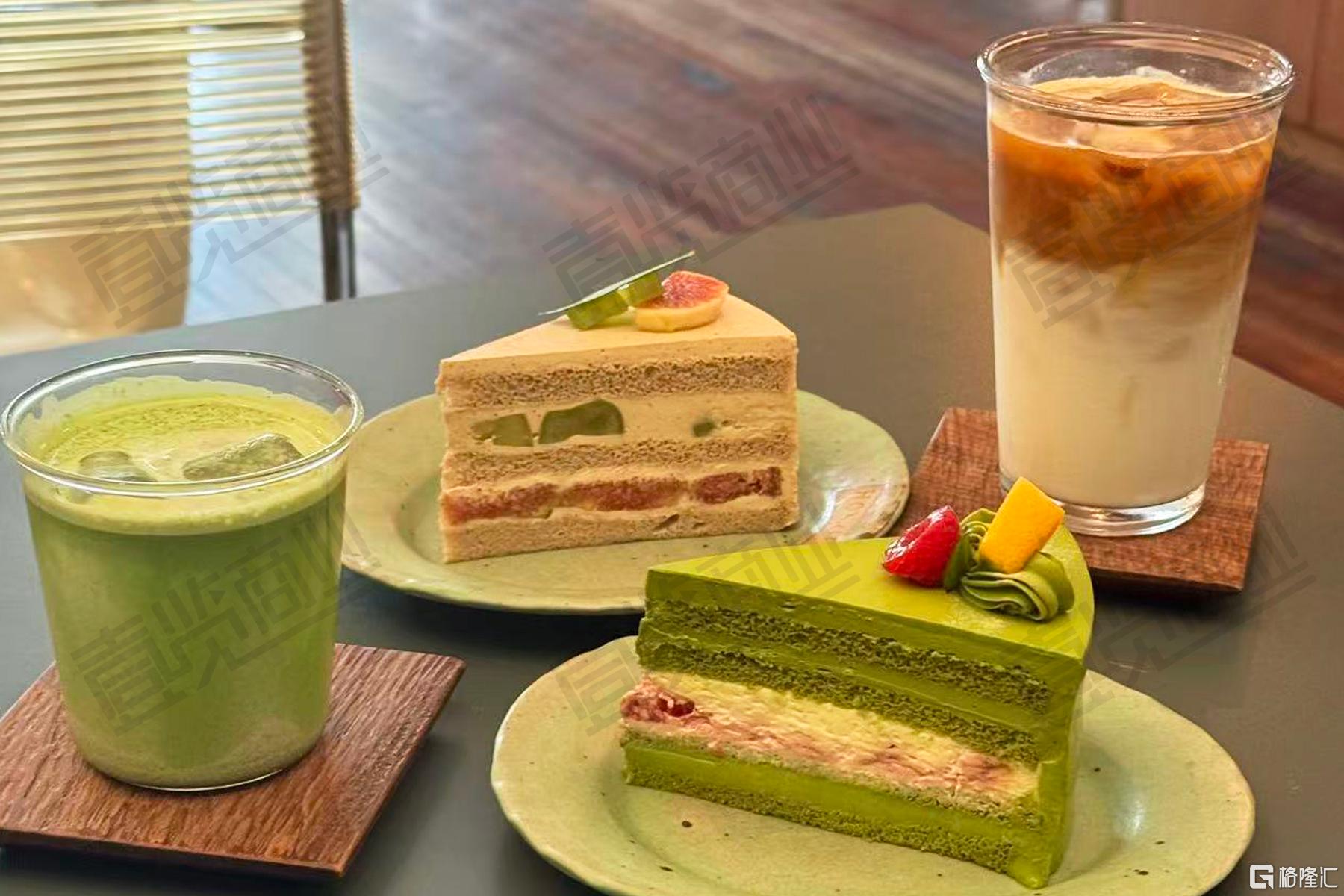
鬼灭给瑞幸上了一课
首席商业评论· 2025-11-26 04:08
Core Viewpoint - The article discusses the challenges and consumer reactions surrounding Luckin Coffee's recent collaboration with the anime "Demon Slayer," highlighting issues such as pricing, product packaging, and consumer expectations [5][10][33]. Group 1: Collaboration Issues - Luckin Coffee's collaboration with "Demon Slayer" faced backlash due to packaging inconsistencies, where consumers received products from a different collaboration with "Zootopia" instead of the expected themed items [6][10]. - The pricing of the "Demon Slayer" package was criticized as being too high, with a set priced at 229 yuan, leading to comparisons with previous collaborations that offered better value [12][16]. - The introduction of a pre-order model for coffee packages aimed to enhance consumer engagement but resulted in confusion regarding the redemption of themed items after the collaboration ended [20][23]. Group 2: Consumer Sentiment - Many consumers expressed feelings of being "betrayed" when they found that later promotional offers significantly reduced the price of the initial packages they purchased [16][30]. - The article notes that 47.3% of surveyed consumers reported losing interest in collaborations due to oversaturation, indicating a need for brands to deepen their engagement with core fan bases [33]. - The backlash from fans regarding the "Demon Slayer" collaboration reflects a broader trend where consumers expect more thoughtful and respectful treatment of their favorite IPs [29][33]. Group 3: Market Dynamics - The article highlights that the coffee collaboration market in China is projected to reach 13.1 billion yuan by 2025, with a significant portion driven by anime and gaming IPs [21]. - Luckin Coffee's strategy of frequent collaborations has shifted from broad appeal to focusing on niche cultural communities, which requires a deeper understanding of consumer preferences [25][28]. - The operational complexities of managing multiple collaborations, including inventory and staff training, pose significant challenges for brands like Luckin Coffee [28][30].

外资品牌集体 “改姓中”:星巴克、汉堡王易主背后,中国资本手术刀如何改写全球规则
Sou Hu Cai Jing· 2025-11-25 11:19
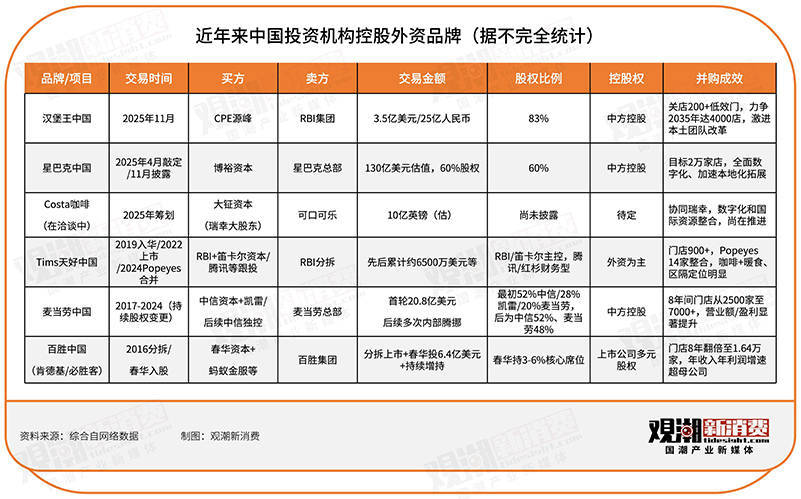
Core Insights - The ownership transfer of international brands in China, such as Starbucks and Burger King, signifies a critical shift in market dynamics, emphasizing the need for localization and adaptation to survive in a competitive landscape [1][3][17] - The decline of international brands in China is attributed to decision-making inefficiencies, digital lag, and a reversal of latecomer advantages, necessitating a reevaluation of their operational strategies [4][5][6][7] Ownership Changes - Starbucks China has transferred 60% of its equity to Boyu Capital, valuing the company at $13 billion, while Burger King China was acquired by CPE Yuanfeng for $350 million, gaining 83% control [2][4] - The trend of Chinese investment in foreign brands reflects a broader strategy to enhance competitiveness through local management and operational restructuring [1][3] Market Challenges - International brands are facing systemic failures in the Chinese market, with Starbucks' market share dropping to 14% in 2024, less than half of its peak [2][4] - The operational models of these brands, which were successful globally, are failing in China due to a lack of adaptability to local consumer preferences and market conditions [4][5][6] Strategic Solutions - The introduction of Chinese capital is seen as a solution to the operational challenges faced by international brands, focusing on local management, digital transformation, and supply chain localization [3][4][11] - Control restructuring is crucial, allowing local teams to make faster decisions and respond to market changes effectively [7][8][12] Digital Transformation - The digitalization of operations is a key strategy, with companies like McDonald's achieving over 90% of orders through digital channels after implementing localized systems [9][10][11] - This transformation is not merely a technological upgrade but a comprehensive overhaul of operational frameworks to enhance efficiency and customer engagement [10][11] Supply Chain Localization - Localizing supply chains is essential for improving cost competitiveness and operational agility, enabling brands to respond swiftly to market demands [11][12] - The establishment of long-term partnerships with local suppliers enhances the overall supply chain ecosystem, crucial for success in the Chinese market [11][12] Future Outlook - The next five years are expected to witness more international brands undergoing transformation under Chinese capital, with the potential for either revival or failure [17][18] - The ultimate success of these brands will depend on their ability to understand Chinese consumers, create genuine value, and balance brand identity with local adaptation [17][18]


幸运咖10个月狂开5000店,咖啡价格战还得打
2 1 Shi Ji Jing Ji Bao Dao· 2025-11-25 06:43
Core Viewpoint - Luckin Coffee has achieved a significant milestone by surpassing 10,000 stores globally within just over 10 months, doubling its store count from approximately 4,500 at the beginning of the year [1][3]. Group 1: Company Overview - Luckin Coffee is a fresh coffee brand under the Mixue Group, with product pricing primarily between 6 to 8 yuan, contrasting with Kudi's pricing strategy of 9.9 yuan across the board [2]. - As of the end of Q3, Luckin Coffee operates 29,214 stores, while Kudi has 18,000 stores [3]. Group 2: Market Expansion - Luckin Coffee's stores are now present in over 300 cities across China, including first-tier, second, and third-tier cities, with over 1,000 stores in first-tier markets and 100 stores in Beijing [3]. - The rapid growth in store openings is attributed to a surge in franchise inquiries, particularly from first-tier cities, with a 164% year-on-year increase in new store signings in Q2 and a 300% month-on-month increase in franchise inquiries since July [3]. Group 3: Competitive Landscape - The coffee market is experiencing a shift as delivery subsidies are decreasing, which may impact the growth trajectory of Luckin Coffee [4][5][6]. - The coffee price war is expected to stabilize, with prices likely settling in the 6 to 8 yuan range, as competitors like Kudi maintain their pricing strategy [7][10]. - Luckin Coffee's growth to a scale of 10,000 stores increases its potential to become a strategic competitor to established players like Luckin and Kudi [9].
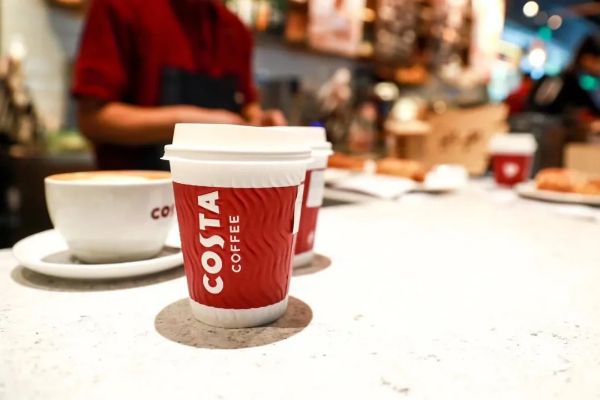
瑞幸鲸吞Costa,再上美股的一张门票?
Guan Cha Zhe Wang· 2025-11-24 10:44
Core Viewpoint - Luckin Coffee's major shareholder, Dazhong Capital, is reportedly considering acquiring Costa Coffee from Coca-Cola for an estimated £1 billion, aiming to integrate resources and create a global coffee empire [1][3]. Group 1: Acquisition Intentions - Dazhong Capital's potential acquisition of Costa Coffee is seen as a strategic move to enhance Luckin Coffee's international presence and brand recognition [3][14]. - The acquisition could allow for resource integration between Luckin and Costa, creating a complementary positioning in the coffee market [3][14]. - Analysts suggest that the timing of the acquisition is favorable due to Costa's current low valuation, making it an attractive opportunity for Dazhong Capital [14][21]. Group 2: Costa Coffee's Market Position - Costa Coffee has faced challenges in recent years, including a decline in performance and a significant reduction in its store count in China, dropping to 334 stores as of November 2023 [9][12]. - The brand's shift in strategy post-acquisition by Coca-Cola led to a focus on ready-to-drink coffee products, which has hindered its growth in the competitive Chinese market [8][12]. - Costa's revenue for 2023 was reported at £1.22 billion, a 9% increase year-over-year, but still below its 2018 revenue of £1.3 billion, with a reported loss of £9.6 million [13][14]. Group 3: Strategic Implications for Luckin Coffee - The acquisition of Costa could serve as a critical step for Luckin Coffee in its efforts to return to the international capital market, providing a new narrative to support its global ambitions [21][24]. - Luckin's recent financial performance shows a healthy cash flow and stable profitability, with a 50.2% year-over-year increase in net revenue for Q3 2023 [23]. - The integration of Costa's international store network could facilitate Luckin's expansion into overseas markets, particularly in Europe, while enhancing its brand competitiveness [23][24].
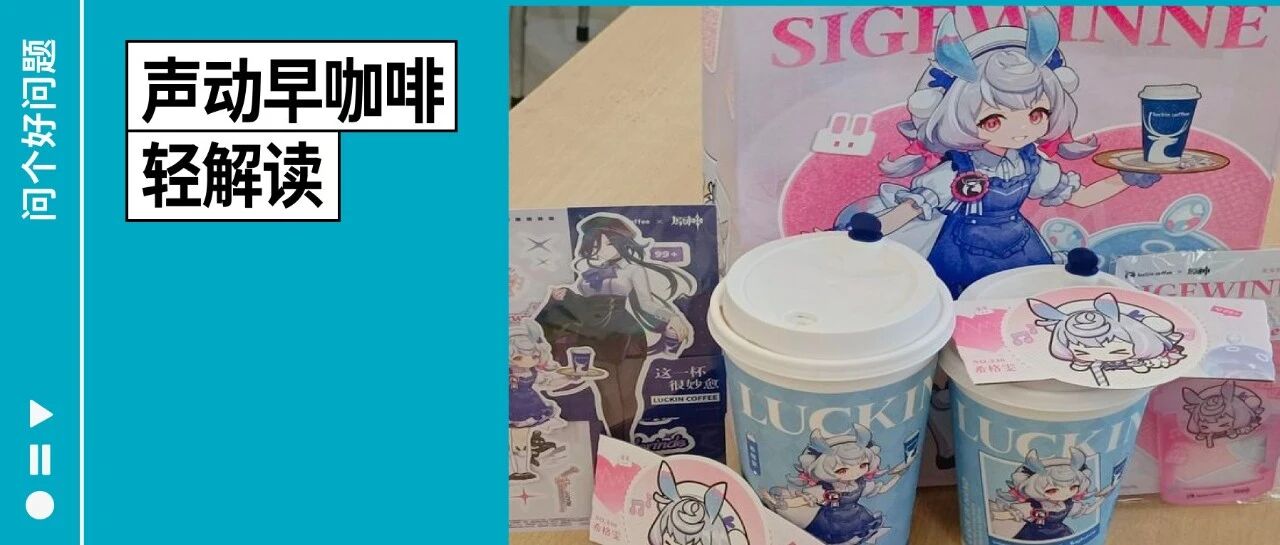
从王者、崩铁到疯狂动物城,二次元联名为何成为咖啡行业标配?| 声动早咖啡
声动活泼· 2025-11-24 09:04
Core Insights - The article discusses the rising trend of collaboration between coffee brands and anime/game IPs, highlighting the marketing strategies and consumer engagement involved in this phenomenon [3][4][5]. Group 1: Collaboration Trends - The collaboration trend in the beverage industry has shifted from occasional marketing tactics to a daily operational norm, particularly in coffee brands, with Luckin Coffee leading the charge with approximately 90 collaborations this year [4][5]. - Luckin Coffee has engaged in over 50 collaborations with anime, game, or cartoon characters, accounting for at least 40% of their total collaborations [4]. Group 2: Market Dynamics - The increase in store density among coffee chains has diluted customer traffic, making it challenging for brands to attract consumers solely through new product launches [5][6]. - The competition has intensified, leading brands to seek innovative ways to increase customer visit frequency, as traditional new product strategies have become less effective [6]. Group 3: Marketing Effectiveness - Collaborating with established anime or game IPs offers a cost-effective marketing strategy compared to traditional celebrity endorsements, as these collaborations can drive customer traffic and sales more directly [7][8]. - For instance, a collaboration with the game "Black Myth: Wukong" resulted in over 100,000 sales on the first day, showcasing the potential impact of such partnerships [7][8]. Group 4: Consumer Engagement - The emotional value associated with anime and game characters drives consumer purchases, as young consumers are motivated by the emotional connections they have with these characters [11]. - The Z generation, being the primary consumers of anime content, aligns well with the target demographic of coffee chains, enhancing the effectiveness of these collaborations [11]. Group 5: Challenges and Concerns - Rising marketing costs are a significant concern, with collaboration fees for top IPs exceeding millions, leading to increased financial pressure on brands [12]. - The frequency of collaborations with the same IP can dilute their effectiveness, causing consumer fatigue and reducing the overall impact of marketing efforts [12][13]. - There are higher expectations for the quality and creativity of the products associated with anime IPs, and failure to meet these expectations can lead to negative perceptions among fans [13].
蜜雪冰城的幸运咖全球门店突破一万家,紧追瑞幸和库迪
Xin Lang Cai Jing· 2025-11-24 03:58
Core Insights - Lucky Coffee, a budget coffee brand under Mixue Group, has surpassed 10,000 global stores, rapidly rising in the domestic coffee chain market, closely following leading brands Luckin Coffee and Kudi Coffee [1] - The brand was established in 2017 and initially grew slowly, but after market research and brand positioning adjustments, it adopted a low-price strategy in 2020, leading to significant growth [1] - In 2022, Lucky Coffee experienced explosive growth, leveraging Mixue's supply chain advantages and targeting price-sensitive consumers, particularly in lower-tier markets and among students [1][4] Company Developments - Lucky Coffee opened over 2,800 new stores from 2022 to 2023, bringing the total to approximately 3,000 stores [1] - In 2023, the brand not only accelerated its domestic expansion but also began international growth, opening its first overseas store in Malaysia in August [1] - Currently, Lucky Coffee has over 1,000 stores in first-tier markets and 100 stores in Beijing, covering more than 300 cities nationwide [1] Competitive Landscape - Luckin Coffee leads the domestic market with nearly 30,000 stores, maintaining a strong performance through new product launches and optimized marketing strategies [2] - Kudi Coffee ranks second with over 15,000 stores, achieving rapid growth through aggressive franchise strategies and frequent marketing activities [4] - Lucky Coffee's recent growth has narrowed the gap with these competitors, as it added 1,100 stores in October alone, surpassing Luckin's 905 and Kudi's 597 new stores [4] Market Outlook - The domestic coffee chain market is highly competitive, with various brands like Kenyue Coffee, Nova Coffee, and Manner Coffee also vying for market share [4] - According to iMedia Consulting, the Chinese coffee market is expected to reach a scale of 470 billion yuan by 2025, with a compound annual growth rate of 28.8% from 2020 to 2025 [4] - Key challenges for coffee brands will include reducing operational costs and avoiding product homogenization in this competitive landscape [4]

一周上新!菽麦谷屋、方炉面包、Puddingpapa...海内外新品资讯抢先看 | 全球职人情报站
东京烘焙职业人· 2025-11-23 08:33
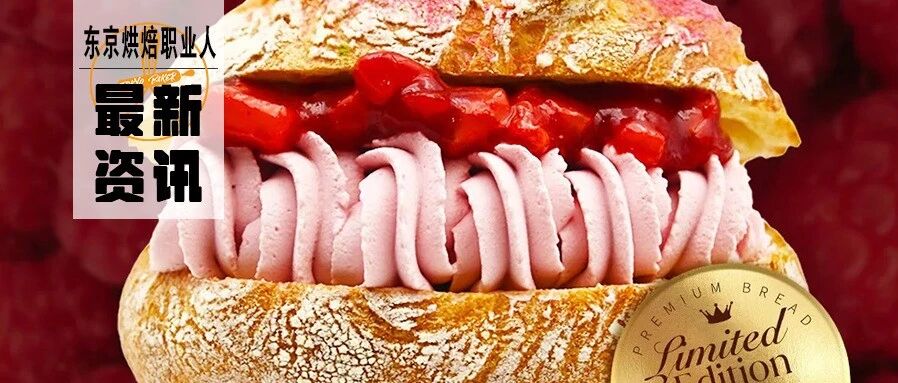
Group 1 - The article highlights the emergence of new bakery products and trends in the industry, showcasing various innovative items from different brands [2][3][4][5][6][8] - Notable new products include Olé's purple sweet potato and taro two-color toast, and the unique "cleaning cloth cake" from Peach Li Bakery [2][3][13] - The article emphasizes the growing competition among bakery chains and the introduction of healthier options, such as low-sugar and low-calorie products [6][7][8] Group 2 - Starbucks has launched a new cheese latte series, featuring flavors like pandan and sea salt caramel, indicating a trend towards gourmet coffee experiences [6][114] - The introduction of new products by various brands, such as the "can drink golden barley wave" from Guozi Shule and the collaboration between Luckin Coffee and "Zootopia 2," reflects the industry's focus on seasonal and themed offerings [6][115][117] - The article discusses the strategic moves of companies like Manner Coffee, which is considering an IPO, and CPE Yuanfeng's investment in Burger King China, highlighting significant financial developments in the sector [7][119][121]

Shorting Stocks Is Incredibly Tough To Do : The Good Investors %
The Good Investors· 2025-11-22 16:05
Core Insights - The challenges of shorting stocks are highlighted through the experiences with Luckin Coffee and Intellego Technologies, emphasizing that both fundamental analysis and timing are crucial for success in short selling [2][3][5] Company Analysis - Luckin Coffee's stock price increased by 59% from April 1, 2019, to January 31, 2020, despite fraudulent activities, illustrating the risks of shorting stocks [2][3] - Intellego Technologies, which offers dosimeters for UV radiation exposure, faced significant issues when its CEO was arrested for "gross fraud," leading to the suspension of its shares [4] - The stock price of Intellego Technologies rose from SEK 5 at its IPO in June 2021 to a peak of SEK 213 in early September 2025, before falling to SEK 47 prior to the trading suspension [4][5] Investment Implications - An investor who shorted Intellego Technologies' shares at the end of June 2025 would have experienced a nearly 200% gain in stock price before the eventual decline, reinforcing the difficulty of timing in short selling [5]

瑞幸携手国航打造云端咖啡新体验
Zhong Guo Xin Wen Wang· 2025-11-22 09:02
Core Insights - Luckin Coffee has partnered with China International Airlines to introduce a new coffee experience on select flights, enhancing in-flight service quality [1][2] - The collaboration aims to create a "full-scenario coffee consumption ecosystem," extending Luckin's service from ground to high altitude, targeting frequent business travelers [2] Group 1: Partnership Details - The partnership includes the launch of "in-flight coffee tasting theme flights" on routes such as Beijing-Xiamen and Chengdu-Beijing, starting from November 21 [1] - Passengers in economy class on specific routes can enjoy exclusive coffee products, including custom coffee sticks designed for in-flight preparation [1][2] Group 2: Market Impact - The collaboration fills a market gap for high-end coffee options in the aviation sector, enhancing the beverage selection and upgrading in-flight dining services [1] - Luckin Coffee's extensive network of over 29,000 stores and efficient digital operations have positioned it well to reach a broader audience, integrating coffee consumption into various daily scenarios [2] Group 3: Future Prospects - Future product offerings will expand to more flight routes, linking to premium coffee-producing regions globally, such as Yunnan and Brazil, creating a "world coffee flavor route" [2] - The "coffee + travel" model opens further collaboration opportunities, aligning with Luckin's commitment to trade and cultural partnerships with global coffee origins [2]