Luckin Coffee(LKNCY)

Search documents
星巴克中国,又有新消息!
中国基金报· 2025-07-11 10:14
Core Viewpoint - Starbucks is exploring the sale of its China business, with potential bidders including major investment firms and the possibility of Luckin Coffee's major shareholder participating in the bidding process [1][3][6]. Group 1: Starbucks' Business Sale - Starbucks has received multiple acquisition proposals for its China operations, with interested parties including Hillhouse Capital, Carlyle, KKR, and Da Cheng Capital [3]. - The estimated valuation of Starbucks China is around $10 billion, attracting nearly 30 private equity firms [4]. - Starbucks may retain 30% of its equity, with the remaining shares distributed among several buyers, each holding less than 30% [5]. Group 2: Market Performance and Strategy - Starbucks is facing growth challenges in China, with a reported revenue of $2.958 billion for fiscal year 2024, marking a 1.4% decline year-on-year, the first drop in recent years [8]. - In Q1 2025, Starbucks China reported revenue of $739.7 million (approximately 5.317 billion RMB), reflecting a 5% year-on-year increase, with a total of 7,758 stores [8]. - In contrast, Luckin Coffee's revenue grew by 41.2% year-on-year to 8.87 billion RMB in the same period, with self-operated store revenue increasing by 42.2% [8]. Group 3: Competitive Landscape - The rapid expansion of local coffee chains in China has led to a growth bottleneck for Starbucks [8]. - Da Cheng Capital, a significant shareholder in Luckin Coffee, is also interested in Starbucks China, indicating a potential strategic partnership [6].



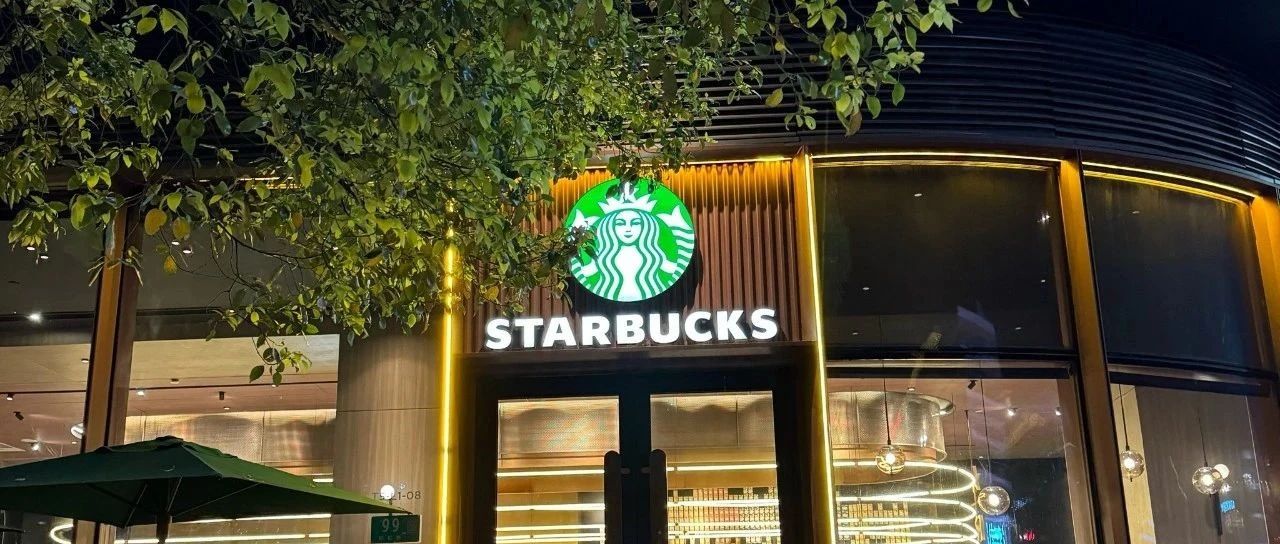
瑞幸大股东或竞购星巴克中国股权
21世纪经济报道· 2025-07-11 03:56
Core Viewpoint - Starbucks is progressing with the sale of its stake in the Chinese market, receiving multiple acquisition proposals primarily targeting controlling stakes, while aiming to retain a 30% ownership to maintain operational control [1][4]. Group 1: Starbucks' Business in China - Starbucks has received acquisition proposals for its Chinese operations, with a reasonable valuation of approximately $9 billion (around 64.6 billion RMB) [1]. - The company has emphasized that it is not considering a complete sale of its Chinese business [1]. - As of the latest report, Starbucks' revenue in China was $739.7 million (approximately 5.317 billion RMB), showing a year-on-year growth of 5% [2]. Group 2: Competitive Landscape - Luckin Coffee, backed by its major shareholder, Dazhong Capital, is also in the bidding for Starbucks' Chinese business, indicating a competitive landscape with over 30 bidders [1]. - Luckin Coffee reported a revenue increase of 41.2% year-on-year to 8.87 billion RMB in the first quarter, with self-operated store revenue growing by 42.2% [2]. - Starbucks is currently implementing price reductions on several product categories, which may help Luckin Coffee in maintaining growth and improving profit margins through differentiated competition [3].

一咖啡品牌部分门店“0元购”火爆:排号超千单,取餐超4小时!“外卖大战”有新消息:美团免单冲上热搜,京东外卖再砸超百亿元
新华网财经· 2025-07-11 03:30
Core Viewpoint - The article discusses the intense competition among major food delivery platforms, particularly focusing on the recent promotional activities by Taobao Flash Sale and Meituan, which have significantly impacted the market dynamics and consumer behavior. Group 1: Promotional Activities - On July 10, Chengdu Luckin Coffee's "0 Yuan Purchase" promotion gained attention, with many consumers receiving self-pickup vouchers [1] - Meituan's "Free Order" promotion quickly became a trending topic on Weibo, with users sharing their experiences and strategies for obtaining free meals [8][11] - Taobao Flash Sale announced a massive subsidy plan of 50 billion yuan over 12 months to attract consumers and merchants, leading to a surge in orders [21] Group 2: Market Impact - The competition has led to a significant increase in daily order volumes, with Taobao Flash Sale contributing to a rise from 100 million to 200 million total daily orders across the market [23] - Meituan reported over 1.2 billion orders in a single day, with restaurant orders exceeding 1 billion [21] - The promotional activities have resulted in a 33.3% year-on-year increase in Meituan's retail orders, indicating strong market growth [22] Group 3: Consumer Behavior - Consumers are actively participating in these promotions, with reports of individuals earning substantial amounts as delivery riders during this promotional period [21] - The focus of discounts has primarily targeted low-priced items around 20 yuan, benefiting tea and low-cost fast food brands [34] - Non-food orders have also seen significant growth, with 16.5% of total orders being non-food items, indicating a shift in consumer purchasing behavior [35] Group 4: Competitive Landscape - JD.com has entered the fray with its "Double Hundred Plan," committing over 10 billion yuan to support brand sales, further intensifying the competition [27][31] - The competition is not just limited to food delivery but extends to a broader range of daily services, with platforms like Meituan expanding their instant retail capabilities [42] - The ongoing battle among these giants is expected to continue, with each platform seeking to enhance its market position and consumer offerings [44]

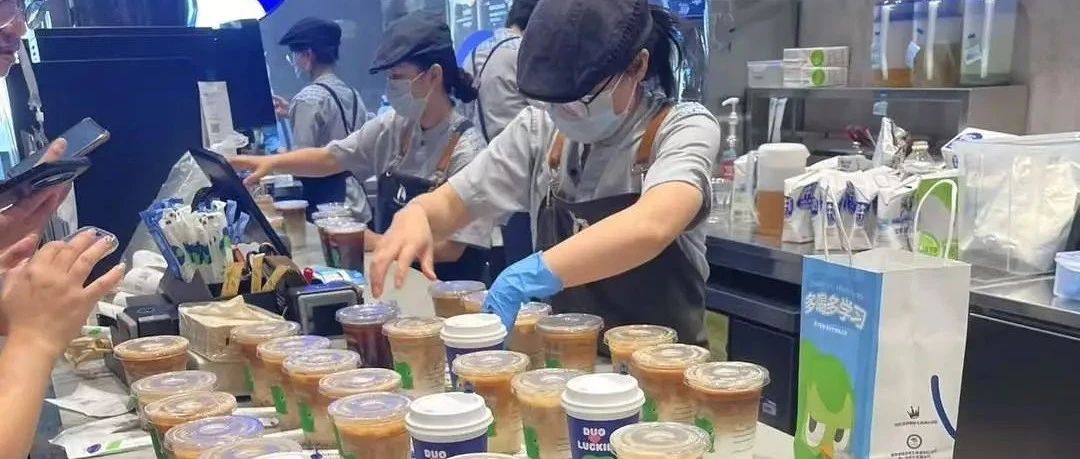
瑞幸×多邻国联名营销犯「重婚罪」?网友:这渣鸟已经八婚了
36氪· 2025-07-10 23:59
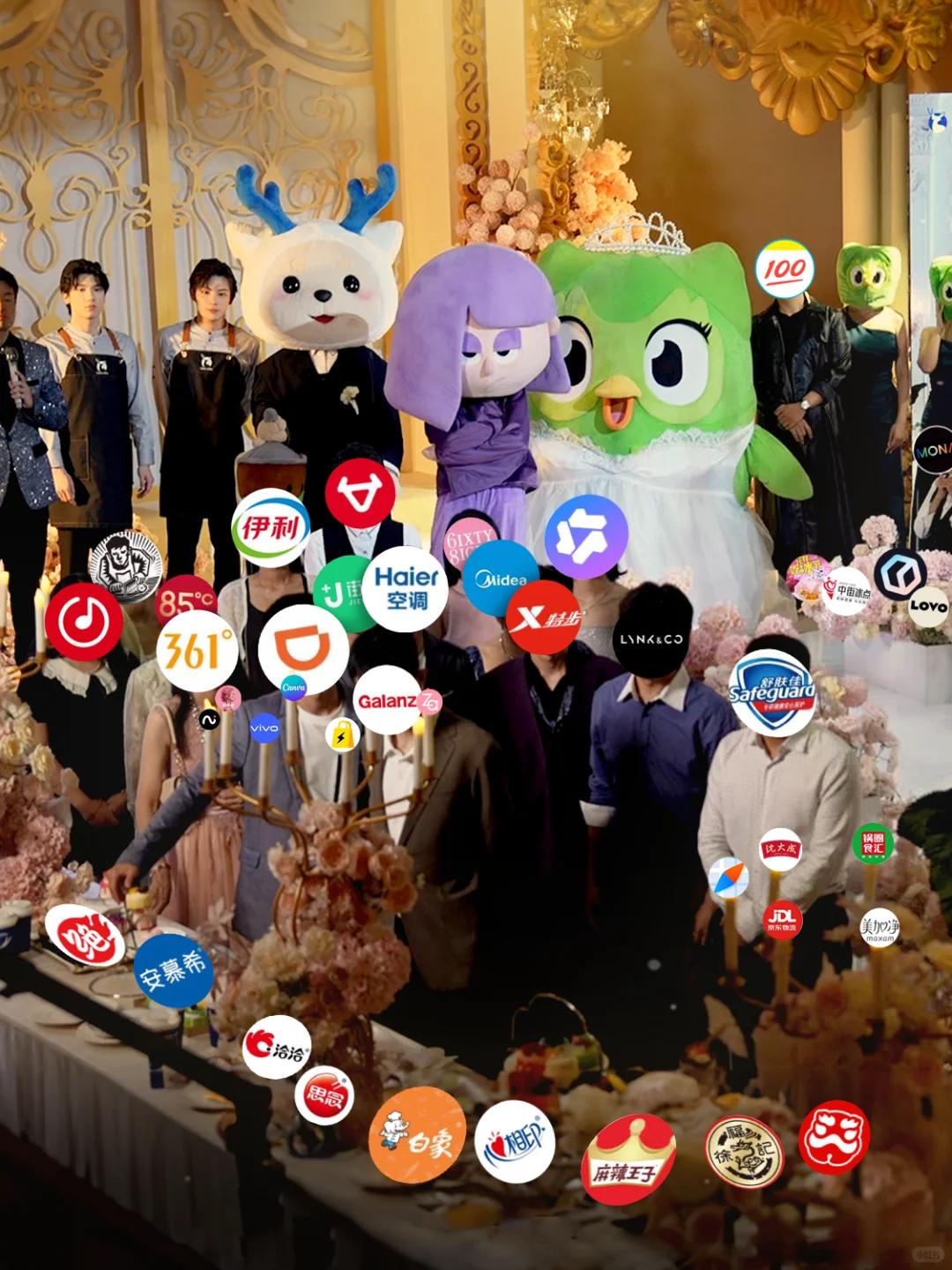
Core Viewpoint - The article discusses the recent collaboration between Luckin Coffee and Duolingo, portraying it as a dramatic "marriage" that has captured public attention and generated significant marketing buzz [3][10][38]. Group 1: Collaboration Details - The partnership is characterized as a "marriage" between two brands, with Luckin Coffee being the "chief lucky officer" and Duolingo as the "chief learning officer" [16][11]. - The collaboration was announced on July 3, with a countdown to a wedding-themed event, which included extensive social media promotion and a short film titled "We Are Getting Married" [12][14]. - The event attracted participation from well-known brands like Yili, Amu Xi, and Haier, making it a high-profile occasion in the beverage industry [6][60]. Group 2: Marketing Strategy - The marketing strategy employed by Luckin Coffee involved creating a narrative around the collaboration, likening it to a soap opera with various "characters" and "drama" [38][68]. - The campaign successfully engaged consumers, leading to a rapid sell-out of collaborative merchandise, such as the "Pee Pee Cup," which exceeded sales expectations [70][69]. - The interactive and relatable approach of the campaign helped break the traditional "high-cold" marketing mold, fostering a closer connection with consumers [76]. Group 3: Public Reaction - The public's reaction included humorous commentary on social media, with users engaging in the narrative and expressing their opinions on the brands' "relationship" [8][29]. - The collaboration has been described as a classic case in the industry, showcasing how storytelling and consumer interaction can enhance brand visibility and engagement [76]. - The article notes that the ongoing "emotional drama" surrounding the partnership has kept consumers invested and eager for updates [68][77].

瑞幸多邻国赢麻了,但“联名”这门生意越来越不好做了
3 6 Ke· 2025-07-10 10:04
Core Insights - The collaboration between Luckin Coffee and Duolingo is highlighted as a successful example of "breaking the circle" in marketing, effectively engaging young consumers through creative strategies and social media interactions [1][2][4] - Despite the success of this partnership, the overall co-branding marketing landscape is struggling, with many brands failing to create impactful collaborations that resonate with consumers [2][4][5] Group 1: Current State of Co-Branding Marketing - Co-branding marketing is experiencing a downturn, with many brands unable to replicate past successes, leading to a perception of sameness and lack of innovation [4][5][10] - The frequency of co-branding events has increased, particularly in the new tea beverage sector, with 72 collaborations reported in the first half of the year, indicating brands still view co-branding as a key strategy for market engagement [1][4] - Many brands are now facing consumer fatigue due to the oversaturation of co-branding efforts, resulting in diminished excitement and interest [5][7][8] Group 2: Consumer Perception and Market Dynamics - Consumers are experiencing a decline in novelty regarding co-branding, as frequent collaborations have turned from exciting surprises into commonplace occurrences [5][7][8] - The high frequency of co-branding initiatives has led to a loss of consumer curiosity and patience, with many collaborations perceived as uninspired and lacking creativity [7][8][10] - The current co-branding landscape is characterized by a lack of unique and innovative ideas, with many brands following trends rather than creating meaningful connections [10][11] Group 3: Strategic Recommendations for Brands - Successful co-branding requires a shift from short-term gains to long-term value creation, focusing on deeper connections between brands rather than superficial collaborations [11][13][17] - Brands should prioritize strategic alignment and shared values when selecting co-branding partners to enhance the overall impact and relevance of their collaborations [13][14][17] - The ultimate goal of co-branding should be to provide consumers with unique experiences and emotional connections, moving beyond mere product offerings to create memorable interactions [14][16][17] Group 4: Conclusion and Future Outlook - The co-branding marketing sector is at a critical juncture, facing challenges such as consumer fatigue, market saturation, and a lack of innovative strategies [18] - The key to revitalizing co-branding efforts lies in returning to the essence of marketing: creating and delivering value, fostering emotional connections, and building sustainable brand equity [18][19] - For co-branding to evolve from a fleeting trend to a meaningful marketing strategy, brands must focus on long-term relationships and authentic consumer engagement [18][19]
不种一粒咖啡豆,这个县城却让全国喝上9.9元咖啡
3 6 Ke· 2025-07-10 09:26
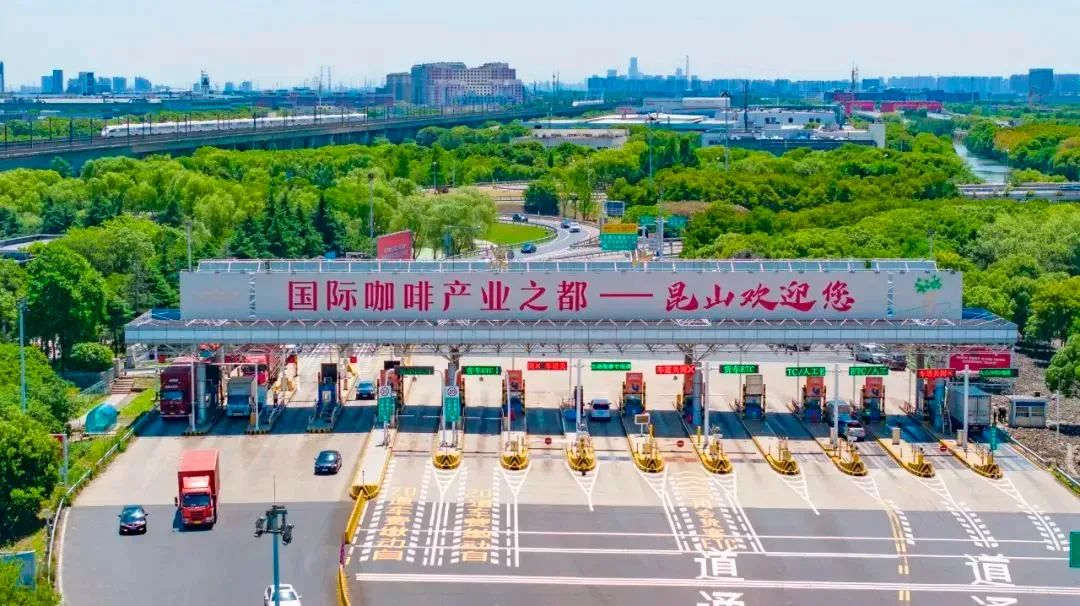
Core Insights - The article highlights that Kunshan controls 60% of China's raw coffee bean imports and 60% of its roasting capacity, indicating its significant role in the national coffee supply chain [1][4][12] - Kunshan has been recognized as an "International Coffee Capital" by the International Coffee Tasting Association, aiming for a coffee industry scale of 100 billion yuan [4][12][20] - The development of Kunshan's coffee industry has been supported by favorable government policies, including tax reductions and subsidies, creating a conducive business environment [11][12][20] Industry Overview - Kunshan's coffee industry has evolved from a late start in the 1990s to a robust sector, with major investments from global players like Starbucks and Luckin Coffee [9][12][18] - The establishment of the Starbucks China Coffee Innovation Park in 2023, with an investment of $220 million, marks a significant milestone in integrating the coffee supply chain in Kunshan [18] - The local coffee market is characterized by a high density of coffee shops, with over 500 cafes in Kunshan, reflecting a growing coffee culture among residents [23][24] Market Dynamics - The coffee bean import volume in China is projected to exceed 180,000 tons in 2024, with Kunshan accounting for nearly 60% of this volume [12][22] - The competitive landscape includes both international giants like Starbucks and local brands, with ongoing price wars affecting market dynamics [24] - The coffee industry in China is expected to reach a scale of 313.3 billion yuan by 2024, growing at a rate of 18.1% year-on-year [24]
降价、卖身,星巴克走到十字路口
投中网· 2025-07-10 06:28
Core Viewpoint - Starbucks China is at a critical juncture, facing intense competition from local brands like Luckin and Kudi, leading to strategic price adjustments and potential divestiture of its China operations [5][6][7][36]. Group 1: Market Dynamics - The Chinese coffee market has grown to over 120 billion yuan, with Starbucks initially capturing 60% market share in 2018, but projections indicate a decline to 14% by 2025 as local competitors gain ground [5][14][17]. - The entry of low-cost competitors like Kudi and Luckin has intensified price competition, with Luckin's revenue surpassing Starbucks for the first time in Q2 2023 [16][17][18]. - Starbucks has initiated a price reduction strategy, marking its first price cut in 26 years, with non-coffee beverages seeing an average price drop of 5 yuan [6][9][31]. Group 2: Financial Performance - In Q1 2025, Starbucks China reported revenue of $740 million, while Luckin's revenue reached $1.22 billion, highlighting the competitive pressure [21][52]. - Despite revenue challenges, Starbucks maintains the highest per-store revenue in the market at $95,400, compared to Luckin's $78,300 [21]. - Starbucks' profitability remains strong, with a healthy operating margin, although it has faced declining same-store sales and customer spending [22][24][52]. Group 3: Strategic Responses - The recent price cuts are seen as a tactical move rather than a full-scale price war, aimed at signaling brand friendliness to a broader consumer base [31][32]. - Starbucks is exploring strategic partnerships and potential sale of its China operations, with valuations estimated between $50 to $60 billion [36][39]. - The company is adapting its strategy to focus on local market dynamics, including product offerings tailored to Chinese consumers and exploring new store formats [58][66]. Group 4: Future Outlook - The Chinese coffee market is projected to grow at a CAGR of 19.8% from 2023 to 2028, indicating ongoing opportunities despite current challenges [45]. - Potential buyers for Starbucks China include private equity firms and strategic investors, reflecting interest in stable cash flow and market presence [47][49]. - The need for Starbucks to innovate and adapt to local consumer preferences is critical for its future success in the increasingly competitive landscape [63][66].
外卖大战的订单冲爆咖啡奶茶店
Xin Lang Cai Jing· 2025-07-09 13:20
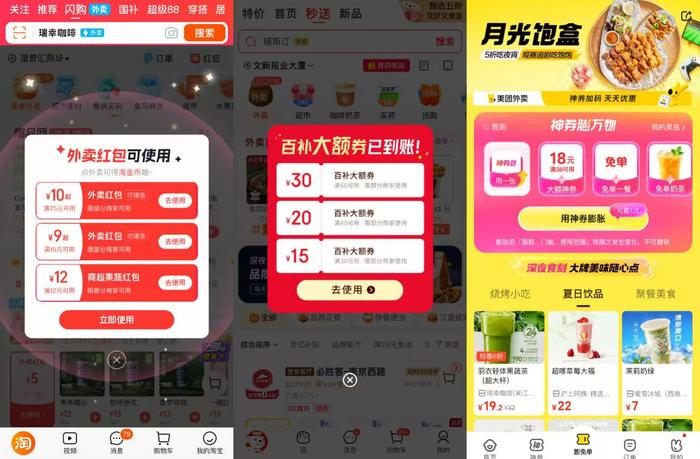
Core Insights - The ongoing subsidy war in the food delivery sector is reshaping consumer expectations for low prices, with some referring to it as a "benefit of the era" for the post-2000 generation [1] - Major platforms like Meituan, Taobao Flash Sale, and Ele.me are significantly increasing their daily order volumes, with Meituan surpassing 1.2 billion orders and Taobao Flash Sale exceeding 80 million [1][3] - The competition is intensifying, with Taobao Flash Sale and JD's delivery service announcing substantial subsidy plans, including 50 billion yuan for merchants and consumers over the next year [1] Delivery Platform Performance - Meituan's daily orders have exceeded 1 billion, while Taobao Flash Sale and Ele.me reported over 80 million daily orders, indicating strong consumer engagement with subsidies [1] - JD's delivery service has achieved over 2.5 million daily orders within four months of launch, showcasing rapid growth in the sector [1] Impact on Beverage Brands - The beverage sector, particularly tea and coffee shops, is experiencing significant growth due to subsidies, with order volumes in cities like Nanjing and Suzhou increasing by 200% and 233% respectively [3][4] - Popular beverage brands are now offering products at drastically reduced prices, with discounts reaching up to 55% compared to regular store prices [3] Sales Growth and Records - Brands like Yihe Tang have reported record-breaking sales, with daily revenues surpassing 27 million yuan on Meituan and total weekend sales exceeding 63 million yuan [5] - The rapid increase in orders has led to some brands experiencing a surge in sales, with Yihe Tang's performance exceeding previous peak periods [5] Operational Challenges - The sudden influx of orders poses operational challenges for brands, including staffing shortages and increased pressure on service quality [10][12] - While some brands benefit from increased sales, the profit margins are squeezed due to the high costs associated with delivery platforms [13] Long-term Implications - The intense competition and price wars may lead to unsustainable practices in the long run, with brands facing pressure to maintain low prices [16] - The trend of declining average meal prices is evident, with a reported 10.2% decrease in average dining prices expected in 2024 [16]


瑞幸杀入美国市场,劲敌不是星巴克
创业邦· 2025-07-08 03:23
Core Viewpoint - Luckin Coffee is entering the U.S. market with a new strategy, aiming to compete directly with Starbucks in its home territory, following its previous financial scandal in 2020 [5][10]. Group 1: Market Entry - Luckin Coffee opened its first U.S. stores on June 30, 2023, with locations targeting young students and business professionals [6][9]. - The store near New York University aims to attract local students, while the other store in the Empire State Building area targets tourists and business customers [6][9]. - The proximity of Luckin's store to a Starbucks location symbolizes its competitive intent [8]. Group 2: Marketing Strategy - Prior to the store openings, Luckin utilized a marketing campaign involving flash events and promotions to attract customers, such as offering free coffee for app downloads and social media shares [8]. - Unlike its domestic strategy of aggressive discounts, Luckin's U.S. pricing is comparable to Starbucks, with drinks priced between $3.45 and $7.95 [9][16]. Group 3: Competitive Landscape - The U.S. coffee market is highly competitive, with over 500 coffee chains, making it different from when Starbucks entered the Chinese market [12][14]. - The U.S. coffee market is projected to reach $28 billion by 2024, with a per capita consumption of over a thousand cups annually [12][19]. Group 4: Challenges and Adaptation - Luckin must adapt its business model to the U.S. market, focusing on local operations, product localization, and supply chain management [15][23]. - The company faces challenges related to higher operational costs and stricter regulations in the U.S. compared to China [15][21]. - Luckin's previous financial scandal continues to impact its brand reputation, necessitating efforts to rebuild trust in the U.S. market [16][23]. Group 5: International Strategy - The company is taking a cautious approach to international expansion, having previously opened stores in Singapore before entering the U.S. [18]. - Different Chinese coffee brands are adopting varied strategies for international markets, with Luckin being more conservative compared to faster-moving competitors [18][19]. - The future of Chinese coffee brands in international markets, particularly in the U.S., is promising but fraught with challenges [22][23].

外卖大战喂饱了谁?
吴晓波频道· 2025-07-07 15:09
Core Viewpoint - The ongoing competition in the Chinese tea and coffee market is intensifying, with major players like Luckin Coffee and Kudi vying for market share, while external factors such as price wars and consumer preferences are shaping the landscape [4][20][34]. Group 1: Market Dynamics - The recent price war initiated by Meituan and Taobao has significantly increased order volumes, with Taobao surpassing 80 million daily orders and Meituan exceeding 120 million [4]. - The share of tea and coffee orders on major delivery platforms has surged, with JD's tea and coffee orders exceeding 50% and Ele.me's increasing to 25% due to aggressive subsidies [4][5]. - The competition is characterized by a diverse array of brands, indicating a fragmented market with many regional players [7][34]. Group 2: Company Strategies - Luckin Coffee has expanded its store count to 24,032, while Kudi has reached over 15,000 stores, with ambitious plans to open 50,000 by year-end [7][20]. - Luckin is adopting a strategy similar to Bawang Chaji, focusing on plant-based milk coffee targeting younger consumers, while Kudi resembles Mixue Ice City, appealing to a younger demographic with frozen fruit coffee [20]. - The overall market is experiencing a decline in rental prices and foot traffic, which is affecting operational viability for many brands [21][22]. Group 3: International Expansion - Chinese tea and coffee brands are increasingly looking to expand internationally, with several brands opening stores in North America [8][10][12]. - The success of these brands abroad will depend on their ability to adapt to local consumer preferences and market conditions [28][30]. - There is a significant opportunity for Chinese brands to leverage their strengths in innovation and supply chain management to capture market share in the global arena [38]. Group 4: Future Outlook - The current competitive landscape is reminiscent of the 2015 O2O battle, suggesting potential risks and challenges ahead [33]. - Companies are advised to focus on product quality and sustainable business practices rather than merely expanding store counts [36]. - The Chinese tea and coffee market still has room for growth, particularly in regions that have yet to fully engage with coffee culture [39][40].