Nissan Motor(NSANY)

Search documents
最后一台下线,日产GT-R传奇跑车落幕
Zhong Guo Qi Che Bao Wang· 2025-09-01 00:11
Core Viewpoint - The Nissan R35 GT-R, a legendary sports car with an 18-year lifespan, has officially ceased production due to rising development costs driven by stricter environmental and safety regulations [1][6][7]. Group 1: Historical Significance of GT-R - The GT-R series, originating from the Prince Motor Company in the mid-20th century, has a rich history, with the first GT-R model debuting in 1969 and achieving significant racing success [3][4]. - The R35 GT-R, launched in 2007, has seen production of approximately 48,000 units, with over 17,000 sold in Japan [4][6]. Group 2: Rising Costs and Market Challenges - The development costs for the R35 GT-R have nearly doubled, with the base model's price increasing from 7.77 million yen to 14.44 million yen due to regulatory changes [6][9]. - Nissan is currently undergoing a restructuring phase, facing a net loss of 115.7 billion yen for the April-June 2025 quarter and a total loss of 670.9 billion yen for the 2024 fiscal year [9][10]. Group 3: Industry Trends and Future Outlook - The automotive industry is experiencing a challenging environment for sports car development, with several manufacturers, including Mitsubishi and Subaru, also halting production of their performance models [10]. - Nissan's leadership is focused on cost reduction and improving product competitiveness, with plans to cut 500 billion yen in costs by the 2026 fiscal year [9][10].


宗馥莉们的接班焦虑,日本几百年前就解决了
创业邦· 2025-08-29 10:33
Core Viewpoint - The article discusses the differences in succession practices between Japanese and Chinese family businesses, highlighting Japan's unique approach to inheritance and the cultural significance of family legacy in business continuity [6][29]. Group 1: Japanese Succession Practices - In Japan, succession is viewed as an obligation rather than a choice, with discussions focused on "who will succeed" rather than "whether to succeed" [6][14]. - The concept of "muko-iyashi" (婿养子) allows sons-in-law to inherit family businesses, integrating them into the family and ensuring continuity [16][22]. - Approximately 97% of Japanese small and medium-sized enterprises are family-owned, with about 66% being family-operated [13]. Group 2: Examples of Successful Succession - Toyota is a prime example of successful family succession, with multiple generations of the Toyota family and external leaders contributing to its growth [7][8]. - Nintendo's succession involved a son-in-law taking over, demonstrating the effectiveness of the muko-iyashi system in maintaining business stability [20]. - Companies like Uniqlo and Japan's largest courier service, Yamato Transport, have also seen successful transitions through family or external leadership [10][11]. Group 3: Cultural Factors Influencing Succession - Japanese culture places a strong emphasis on family legacy, with societal expectations for heirs to take over family businesses [28][29]. - The long-standing tradition of prioritizing family names and businesses contributes to a stable environment for succession [26][30]. - The average lifespan of Japanese companies is longer, making succession meaningful and culturally significant [29]. Group 4: Challenges and Considerations - While Japan has a robust succession framework, challenges such as internal conflicts and the need for modernization can arise [10][11]. - The article notes that Japan has fewer high-profile failures in succession compared to other countries, indicating a generally stable transition process [8][13]. - The high inheritance tax in Japan is mitigated by special provisions for business succession, encouraging continuity [29].




日产全球销量16个月来重回增长,受中国市场拉动
日经中文网· 2025-08-29 08:00
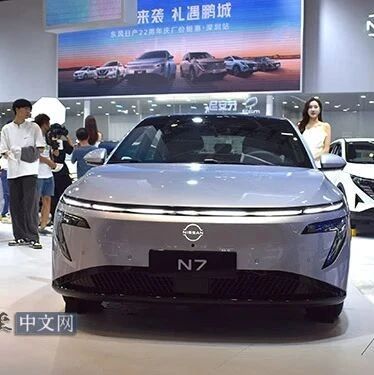
Core Viewpoint - Nissan's global sales in July reached 262,745 units, marking a 1% year-on-year increase, with significant growth in the Chinese market contributing to this performance [2][4]. Group 1: Sales Performance - In July, Nissan's sales in China grew by 22%, totaling 57,359 units, which helped offset declines in Japan and Europe [2][4]. - The launch of the pure electric sedan "N7" in China in late April has been a strong performer, compensating for the downturn in other markets [2][4]. - Despite a decline in U.S. sales, North America overall saw a 4% increase, reaching 107,929 units [4]. Group 2: Market Challenges - Japan's domestic sales fell by 19%, the largest drop among eight major automakers in the country [4]. - The overall production of Japan's eight major passenger car companies decreased by 2% year-on-year, totaling 1,978,949 units in July [4]. - Mazda experienced the largest decline, with a 23% drop in production, falling to 86,551 units, and a significant 28% decrease in domestic production [4].
日产R35GT-R车型正式停产,累计产量4.8万台
Ju Chao Zi Xun· 2025-08-28 09:15
Core Insights - Nissan has officially ceased production of the R35 GT-R model, marking a significant shift in the era of traditional high-performance gasoline vehicles [2] - The last R35 GT-R was produced at Nissan's Tochigi plant in Japan, with CEO Ivan Espinosa indicating that the GT-R may return in an evolved form in the future [2] - The R35 GT-R, which began production in 2007, has a total production volume of approximately 48,000 units over its 18-year lifespan and set a record with a Nürburgring lap time of 7 minutes and 29.03 seconds, making it one of the fastest production cars in the world [2] Financial Context - Nissan is currently in the early stages of a turnaround plan, with an expected operating loss of 180 billion yen during the period from April to September [2]
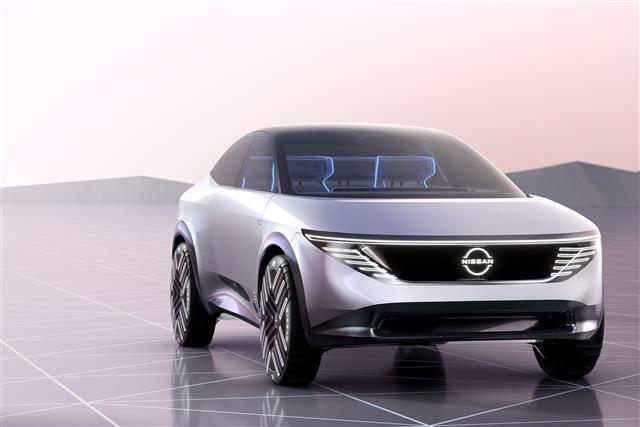
日产汽车7月从日本出口到北美的汽车数量同比增长16%,达到14416辆。
Xin Lang Cai Jing· 2025-08-28 06:18
日产汽车7月从日本出口到北美的汽车数量同比增长16%,达到14416辆。 ...
每日速递|半固态电池储能系统采购现0.55元/Wh报价
高工锂电· 2025-08-27 10:47
Battery - Huayu Automotive plans to acquire 49% equity of SAIC Qingtao for 206 million RMB, aiming to enhance its "smart power" platform and synergize solid-state battery business with electric drive and thermal management [2] - Hichain Energy signed a major energy storage project cooperation agreement with Saudi Electric Company and Alfanar Group to build two large-scale energy storage projects in Saudi Arabia, totaling 1GW/4GWh, using Hichain's self-developed energy storage batteries [3] - Nissan has partnered with LiCAP Technologies to develop production technology for all-solid-state battery electrodes, with plans to launch electric vehicles equipped with self-developed solid-state batteries by the fiscal year 2028 [4] - Suzhou Qingtai New Energy won a bid for a 200MW/800MWh semi-solid lithium iron phosphate battery energy storage system project in Inner Mongolia, with a bid amount of 440 million RMB, equivalent to approximately 0.55 RMB/Wh [6] - Baishike's zero-carbon factory project for high-value utilization of power batteries in Huai'an, Jiangsu, has commenced, with an annual processing capacity of 300,000 tons of waste power batteries and an investment of 3.2 billion RMB [8] Materials - Jiuwu High-Tech won a bid for a lithium extraction membrane treatment system project from Guotou Xinjiang Lithium Industry, with a bid amount of 81.5 million RMB, accounting for 15.28% of the company's audited revenue for 2024 [7] Overseas - The German automotive industry has seen a net reduction of approximately 51,500 jobs over the past year, representing nearly 7% of total jobs, largely due to high tariffs imposed by the U.S. affecting German goods [10][11]



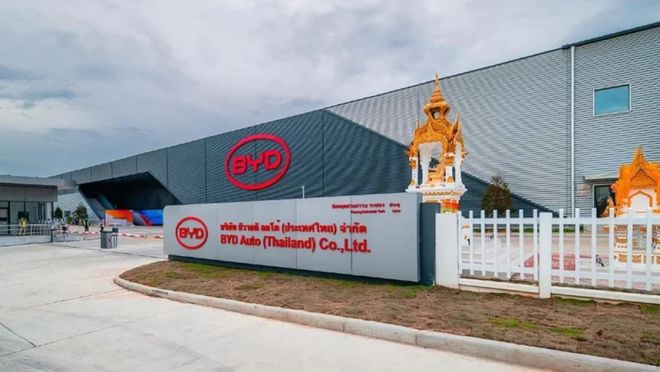
中国车企领涨,比亚迪、吉利跻身全球销量榜前十
Guan Cha Zhe Wang· 2025-08-27 08:57
Group 1 - BYD and Geely ranked among the top ten global new car sales for the first half of 2025, with sales growth of 33% and 29% respectively, while Nissan fell out of the top ten for the first time [1][3] - Chery, ranked 12th, also showed a significant year-on-year sales increase of 14% [1] - Chinese automakers are gradually moving towards profitability amidst global competition and are increasingly gaining influence in the market, as evidenced by their improved rankings in the Fortune Global 500 list [3][6] Group 2 - Nissan's global sales dropped to 1.61 million units in the first half of the year, the lowest since the 2009 financial crisis, marking a significant decline [3][5] - The company faced an 18% decrease in sales in China, with only 270,000 units sold, a nearly 60% drop from its peak in 2018 [5] - Nissan's financial struggles are compounded by insufficient hybrid model offerings in the U.S. and challenges in Southeast Asia due to competition from Chinese electric vehicle manufacturers [5][6] Group 3 - The automotive industry is undergoing a transformation led by Chinese manufacturers, with a shift from technology to market presence, resulting in a reshuffling of global sales rankings [6]


日产与LiCAP合作开发全固态电池电极
Zhong Guo Qi Che Bao Wang· 2025-08-27 08:53
Core Insights - Nissan has partnered with US-based LiCAP Technologies to develop production process technology for all-solid-state battery cathodes [1] - The company has initiated pilot production line operations for all-solid-state batteries starting January 2025 [1] - Nissan plans to launch electric vehicles equipped with its self-developed all-solid-state batteries in the fiscal year 2028 and is accelerating related R&D efforts to achieve this goal [1]
梅赛德斯-奔驰出售全部日产汽车股份,套现478.7亿日元
Sou Hu Cai Jing· 2025-08-27 07:52
Core Points - Mercedes-Benz confirmed the sale of its entire stake in Nissan for 47.87 billion yen, approximately 2.324 billion yuan [1] - The shares were sold at a price of 341.3 yen per share, totaling 140.1 million shares, and the sale is part of a strategy to "clean up the investment portfolio" [1] - The Nissan shares had been transferred to pension assets since 2016 and were not considered a strategic investment [1] Company and Industry Summary - As of the end of March this year, Mercedes-Benz held a 3.77% stake in Nissan [3] - The sale occurred after Nissan and its largest shareholder, Renault, modified their cooperation agreement, reducing Renault's shareholding requirement from 15% to 10% [3] - Nissan declined to comment on the sale at the time of reporting [3]
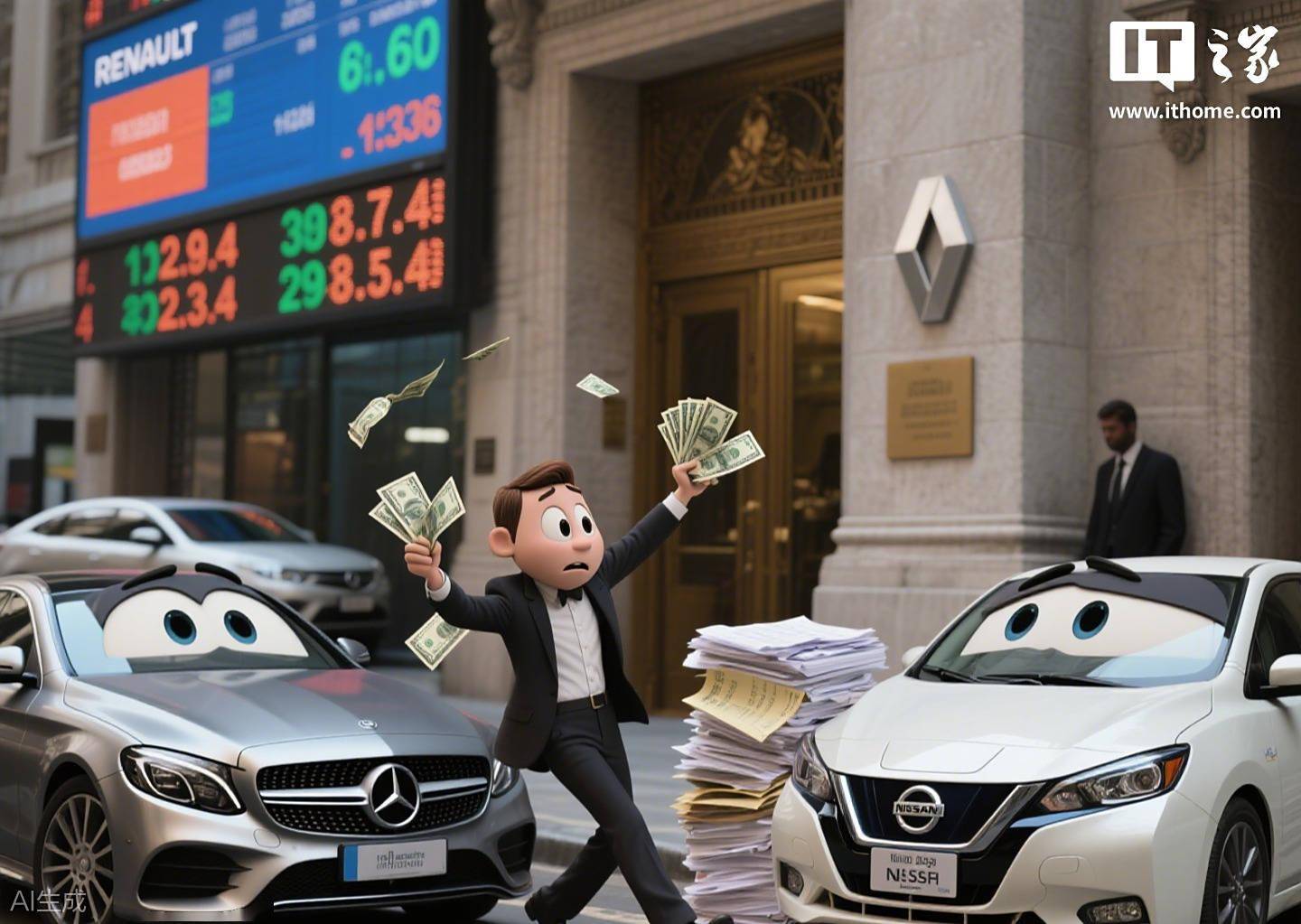
日产汽车遭“清仓式”抛售
Di Yi Cai Jing· 2025-08-27 04:54
一季度,日产合并净收入为2.7万亿日元,同比下降9.7%;合并营业亏损为791亿日元,去年同期营业盈利9.95亿日元;净亏损1157.6亿日元,去年同期则 为净利润285.6亿日元。 分市场看,美国市场仍是日产最大的市场,净销售额1.08万亿日元,同比下降10.23%。亚洲市场(除中国)净销售额为1356亿日元,同比下滑超25%,占 全球市场份额仅5%。 当前,日产受美关税影响仍为显著,尽管特朗普此前宣布将对日关税降低到15%,但日产预计2025财年最多将减利3000亿日元(约合人民币146亿元)。 根据日产推出的新复苏计划,该公司计划降低成本以实现盈亏平衡;重新定义产品和市场战略,更加明确重点;加强合作伙伴关系。三项举措的目标是实 现约5000亿日元的成本节约,具体降本措施包括关闭工厂和裁员:到2027财年,日产将在全球范围内把生产工厂从17个减少至10个,产能降至250万辆。 同时,日产计划裁员2万人,其中约65%来自制造部门,18%来自销售及一般管理部门,17%来自研发部门,并且主要是合同工。 作者 | 第一财经 黄琳 美东时间周二早盘,日产汽车ADR出现下滑,跌幅近3%。消息面上,梅赛德斯﹣奔驰宣布计 ...