TSMC(TSM)

Search documents
台积电(TSMC)仍具有极高定价权
美股研究社· 2025-11-24 13:22
Core Viewpoint - TSMC plays a crucial role as an irreplaceable technology supplier for AI development and deployment, which supports its strong financial performance. The company maintains significant pricing power even with its largest clients, leading to double-digit profit growth [1]. Company Overview - TSMC is one of the most advanced manufacturers globally, with core advantages that few competitors can match. The company actively defends its technological edge through legal means and has a customer base that includes major players like NVIDIA and Intel, which rely on TSMC for cutting-edge chips [3]. Potential Catalysts - **Exponential Growth of AI**: The competition among large data center operators in AI is a primary growth driver for TSMC, leading to a surge in demand for customized chips. TSMC is expanding capacity rapidly due to increased orders from NVIDIA, which could lead to supply bottlenecks if not managed [5]. - **Mitigation of Geopolitical Risks**: TSMC faces significant geopolitical risks that could impact its production capabilities. To address this, the company is expanding its manufacturing presence in new markets, including a commitment to build three factories in Arizona, USA [6]. Financial Overview - TSMC's financial strength is highlighted by total revenue of $119.13 billion and a gross profit of $70.26 billion, placing it at the top of its industry. The latest quarterly results show an EPS of $2.92, exceeding expectations, and revenue of $32.29 billion, also above market consensus [8]. - The company has a high gross margin of 58.98%, an EBIT margin of 49.52%, and a net profit margin of 42.29%, reflecting its efficient operational structure [8]. - TSMC's revenue grew by 36.96% year-over-year, with a diluted EPS increase of 49.62%. The three-year CAGR for revenue stands at 20.48% [9]. Future Growth Prospects - The forward revenue growth rate is projected at 29.08%, which is competitive compared to peers like Broadcom at 28.91% and AMD at 31.83% [10]. Target Price Logic - TSMC's liquidity totals $90.25 billion, with a strong cash flow from operations of $71.18 billion. Despite high capital expenditures of $41.89 billion, the company generated $20.61 billion in levered free cash flow, indicating robust financial health [12]. - The forward P/E ratio is 27.27, higher than the industry average of 22.89, but analysts consider this premium justified due to TSMC's market dominance and growth potential [13]. - A conservative target P/E of 25 is applied, leading to a target price of $312.50, indicating significant upside potential from the current stock price [14]. Conclusion - TSMC's strong financial health and growth trajectory position it as a primary beneficiary of the surge in demand for high-end chips driven by the AI boom. The company is taking measures to mitigate geopolitical and trade risks, reinforcing the rationale for its valuation premium [18].


Prediction: Taiwan Semiconductor Will Be Worth More Than Apple by 2030
Yahoo Finance· 2025-11-24 12:00
Core Viewpoint - Taiwan Semiconductor Manufacturing Company (TSMC) has the potential to surpass Apple in market capitalization by 2030, driven by its involvement in the rapidly growing AI sector [1][2]. Company Analysis - Apple is currently the second-largest company globally with a market cap of $4 trillion, while TSMC stands at $1.4 trillion [1]. - Apple has struggled with market saturation and has only achieved one quarter of double-digit revenue growth since mid-2022 [4]. - Despite share repurchases and expense reductions, Apple's long-term earnings per share (EPS) growth rate is projected at 12% [5]. Industry Dynamics - TSMC is positioned at the forefront of the AI race, supplying chips for high-powered AI computing devices, including Nvidia GPUs and custom AI accelerators from Broadcom [6]. - TSMC is launching new chip technology that can improve energy consumption by 25% to 30% while maintaining speed, allowing for premium pricing [6]. - The AI sector is expected to continue its rapid growth, with AMD projecting a 60% compound annual growth rate (CAGR) for its data center division through 2030 [7]. - Global data center capital expenditures are anticipated to rise from $600 billion in 2025 to between $3 trillion and $4 trillion by 2030, indicating a 42% CAGR at the midpoint, which aligns with TSMC's growth potential [7].

半导体行业2026年上半年投资策略:AI仍为创新主线算力、存力、设备、先进封装等多环节受益
Dongguan Securities· 2025-11-24 11:57
Group 1 - The semiconductor industry is experiencing a new growth cycle driven by the rapid evolution of AI, with significant increases in revenue and net profit expected in 2025 [4][14][30] - The semiconductor sector's revenue for the first three quarters of 2025 reached CNY 499.37 billion, a year-on-year increase of 13.95%, while net profit was CNY 44.46 billion, up 48.21% year-on-year [14][21] - The semiconductor index has outperformed the broader market, with a cumulative increase of 41.67% in 2025, significantly surpassing the Shanghai and Shenzhen 300 index by 25.57 percentage points [23][24] Group 2 - The demand for computing power is surging due to the rapid deployment of large AI models, with domestic computing power expected to break through as local AI chip companies accelerate their market presence [4][31] - The AI-driven expansion in storage is leading to a sustained shortage and price increases, with major storage companies raising prices significantly since September 2025 [4][23] - The semiconductor equipment sector is benefiting from increased capital expenditure in wafer expansion, with domestic alternatives gaining traction [4][31] Group 3 - Advanced packaging is becoming a crucial method for enhancing chip performance, aligning with the characteristics of AI development, and is expected to expand significantly [4][5] - The semiconductor industry is positioned to leverage AI as a core driver of growth, with opportunities across computing power, storage, equipment, and advanced packaging [5][30] - The overall profitability of the semiconductor sector has improved, with gross margins and net margins showing year-on-year increases [16][21]





台积电核心老臣被曝携20箱机密文件投奔英特尔被调查违反商业秘密,英特尔CEO陈立武称谣言
Sou Hu Cai Jing· 2025-11-24 11:44
Core Insights - The recent retirement of TSMC's senior vice president, Luo Wei-ren, and his subsequent move to Intel has raised concerns regarding the potential transfer of confidential documents related to advanced semiconductor processes [2] - Intel's CEO, Pat Gelsinger, publicly denied allegations that Luo brought confidential files with him, asserting that the company respects intellectual property rights [2] - Luo's extensive experience in both TSMC and Intel positions him as a valuable asset for Intel, particularly in managing wafer production and enhancing operational efficiency [3] Group 1 - Luo Wei-ren retired from TSMC in July 2023 and joined Intel as a vice president of R&D, amid rumors of him carrying over 20 boxes of confidential documents related to TSMC's advanced processes [2] - Intel aims to leverage Luo's expertise to improve collaboration with U.S. clients at TSMC's Arizona facility, with expected partnerships including Microsoft and Tesla, and potentially Nvidia and Qualcomm in the future [3] - Luo's career at TSMC included significant advancements in semiconductor technology, leading to over 15,000 patents and establishing TSMC's leadership in 2nm and 1.4nm process technologies [3] Group 2 - This incident is not the first time TSMC has faced allegations related to trade secrets, as the company previously reported cases of employees involved in stealing confidential information about its 2nm chip technology [4] - The ongoing scrutiny surrounding Luo's transition to Intel is heightened by TSMC's recent legal challenges regarding intellectual property theft [4]

台积电董事:华为不可能追上我们,蔡正元:完全能追上
Xin Lang Cai Jing· 2025-11-24 11:25
特别声明:以上文章内容仅代表作者本人观点,不代表新浪网观点或立场。如有关于作品内容、版权或其它问 题请于作品发表后的30日内与新浪网联系。 台积电董事:华为不可能追上我们,蔡正元:完全能追上 台积电董事:华为不可能追上我们,蔡正 元:完全能追上 台积电董事:华为不可能追上我们,蔡正元:完全能追上#一个视频搬运工[超话]# ...

晶圆代工,2300亿美元
半导体芯闻· 2025-11-24 10:28
Core Insights - The global wafer foundry market is expected to reach $199.4 billion in revenue by 2025, with a year-on-year growth of over 25% driven by strong AI demand [1] - In 2026, the market size is projected to grow by an additional 17%, surpassing $230 billion, supported by ongoing investments in AI infrastructure [1] - From 2025 to 2030, the compound annual growth rate (CAGR) for the global wafer foundry market is anticipated to be 14.3%, although risks related to AI investment bubbles and geopolitical tensions remain significant [1] Industry Analysis - AI has become the core driving force for the semiconductor industry amid global economic instability and weak consumer electronics demand [1] - Cloud service providers (CSPs) are expanding AI computing power, which is increasing the demand for AI accelerators and self-developed AI ASICs, thereby driving mid-term growth in the wafer foundry industry [1] - By 2030, industry revenue is expected to double compared to 2025 [1] Advanced Process Competition - In the advanced process competition, TSMC remains the main player in global capacity expansion, with plans to add over 300,000 12-inch wafers per month in the next five years [1] - Samsung Electronics and Intel are expected to have relatively limited capacity increases, allowing TSMC to maintain its competitive advantage until 2030 [1] Mature Process Developments - In the mature process segment, China's semiconductor self-sufficiency policies are expected to lead to an increase of approximately 350,000 12-inch wafers per month from Chinese foundries over the next five years, significantly reshaping the global supply landscape [2] - Despite benefiting from AI opportunities, the wafer foundry industry faces uncertainties due to the long payback period for AI infrastructure investments and geopolitical risks stemming from the US-China tech war [2]
Nvidia Stock's $5 Trillion Taiwan Risk
Forbes· 2025-11-24 10:05
Core Insights - Nvidia reported third-quarter revenue of $57 billion, reflecting a 62% year-on-year increase [2] - The company is heavily reliant on TSMC for its advanced chips, which poses significant geopolitical risks [5][8] Company Dependency - Nvidia's valuation reached $4.3 trillion, with its key products (H100, H200, Blackwell) dependent on TSMC's facilities in Taiwan [3] - Over 90% of the world's advanced chips are produced in Taiwan, making Nvidia's supply chain vulnerable to geopolitical tensions [4][5] Geopolitical Risks - Tensions in the Taiwan Strait have escalated, with increased military exercises and diplomatic pressure in 2025 [8] - A limited blockade by China could halt TSMC exports, disrupting over 90% of leading-edge chip production globally [8][9] Supply Chain Vulnerability - Nvidia sources 100% of its top-tier GPUs from TSMC, with no alternative sources for advanced production until at least 2027 [7] - The sophisticated packaging required for Nvidia's GPUs is also concentrated in Taiwan, further increasing dependency [7] Market Impact - A disruption lasting six months could halve Nvidia's projected revenue of $300 billion, leading to a $75 billion decrease in earnings [14] - Nvidia shares currently trade at around 43x forward earnings, which could compress significantly in the event of supply chain disruptions [11] Potential Beneficiaries - Companies like Intel and Samsung may benefit from a global re-shoring trend, as every viable fab becomes crucial [15] - ASML and Applied Materials, key suppliers in chip fabrication, will also gain regardless of location due to increased demand for fabrication tools [15]

中国不会原谅!台积电、三星弃中投美遭反噬,比尔盖茨预言已成真
Sou Hu Cai Jing· 2025-11-24 06:06
Core Insights - The article discusses the dilemma faced by technology companies in the context of the US-China tech rivalry, highlighting that many have chosen to align with the US despite potential repercussions from China [1][3] - It emphasizes that companies like TSMC and Samsung, while not US firms, have become dependent on US technology and equipment, leading to a loss of independence [3][5] - The article outlines the significant investments made by TSMC and Samsung in the US, which have increased dramatically from initial commitments, indicating a shift in their operational focus [5][8] Investment and Market Dynamics - TSMC's initial investment in a US fab was projected at $14 billion but has ballooned to a total of $165 billion due to ongoing US pressure [5][7] - Samsung's investment in Texas started at $17 billion but has also seen substantial increases under US demands, leading to a transfer of resources and technology to the US [8] - Both companies are now reconsidering their positions and contemplating a return to the Chinese market, although they may face skepticism from Chinese tech firms [9] Industry Trends - Chinese tech companies have shifted their focus towards self-reliance and domestic alternatives, with the self-sufficiency rate for domestic chips rising to 30% [10] - The article suggests that the ongoing US restrictions have solidified China's commitment to independent research and development, making it unlikely for foreign companies to regain their previous standing in the Chinese market [11]
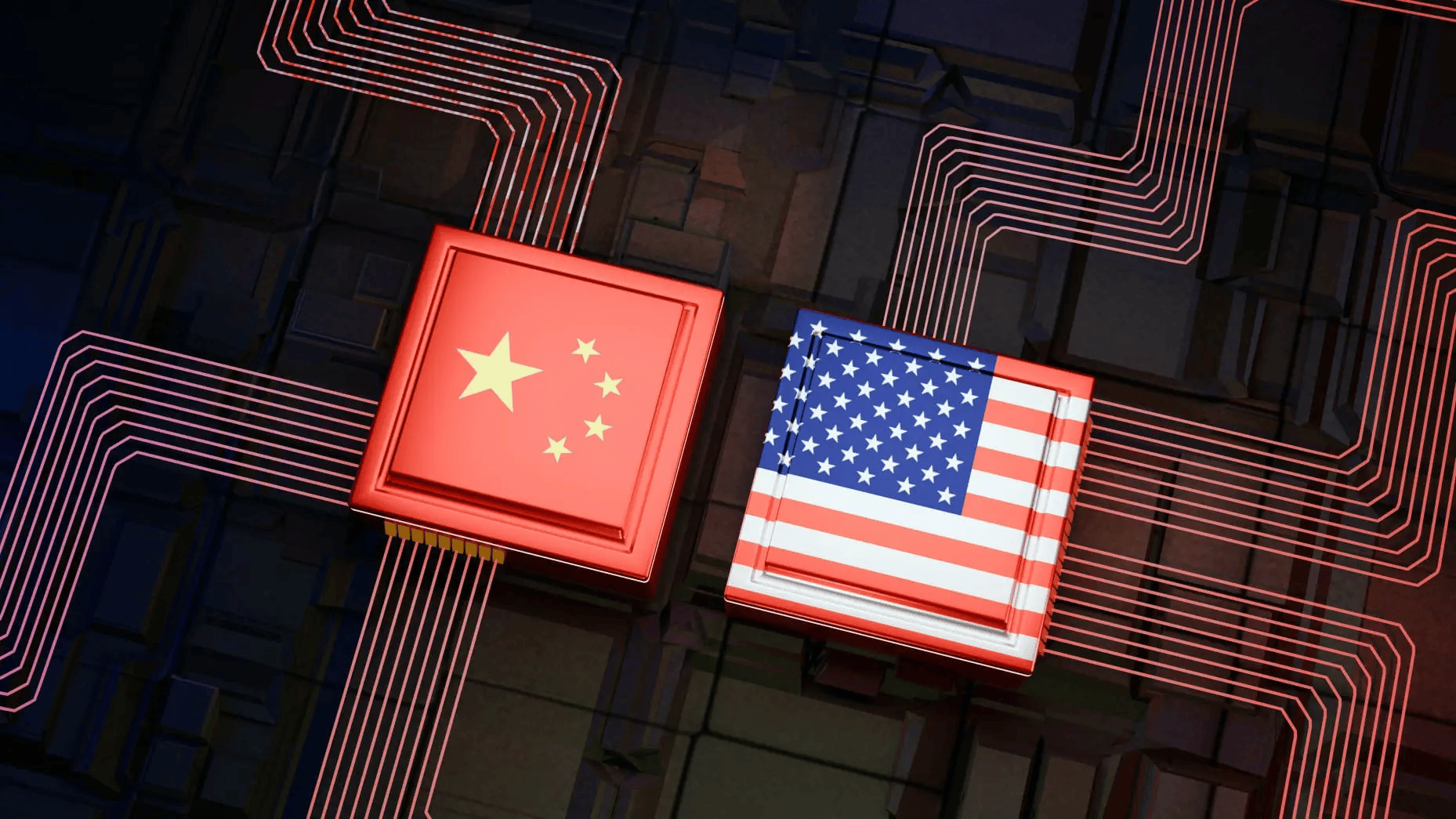
亚洲人工智能科技手册 -子领域布局与竞争机遇-Asia AI tech playbook_ subsector mapping and battleground opportunities
2025-11-24 01:46
Accessible version Equity Strategy - Asia Pacific (H/A) Asia AI tech playbook: subsector mapping and battleground opportunities Equity Strategy Asia AI tech: USD6tn market cap across >330 stocks Following our APAC AI strategy report on Sep 2nd (link), which outlined the AI ecosystem in the region, we collaborated with our fundamental analysts to identify 330+ APAC stocks across 22 subsectors in the AI technology layer, with an aggregate market cap of nearly USD6tn. While some subsectors have limited presenc ...
魏哲家:先进制程不够用,还是不够
半导体行业观察· 2025-11-24 01:34
Core Viewpoint - TSMC's leadership, including Chairman Wei Zhejia and former Chairman Liu Dedin, received the Robert N. Noyce Award, highlighting the company's pivotal role in the semiconductor industry and its advancements in manufacturing technology, particularly in response to the growing demand for AI capabilities [1][3][4]. Group 1: Award Recognition - TSMC's Wei Zhejia and Liu Dedin were honored with the Robert N. Noyce Award, the highest accolade in the semiconductor industry, during a ceremony in San Jose, California [3][4]. - This award is a recognition of TSMC's long-term contributions to advanced processes, packaging, and manufacturing ecosystems, marking a significant achievement for the company [1][5]. - The award ceremony featured notable figures from the semiconductor and AI industries, symbolizing the core strength of the AI chip supply chain [1][2]. Group 2: Industry Impact and Demand - Wei Zhejia emphasized that the current production capacity of TSMC is insufficient, stating that it is approximately three times below the expected demand from major clients [2]. - The demand for advanced processes is driven by AI, with Wei's remarks indicating a strong and growing need for semiconductor manufacturing capabilities [2][3]. - TSMC's advancements from 7nm to the upcoming 2nm process nodes illustrate its commitment to innovation and its foundational role in the AI era [1][5].