
TSMC(TSM)

Search documents
告别“唯美元论”:全球资产配置新范式下,为何亚太资产成为穿越周期的“压舱石”?
智通财经网· 2026-01-23 03:54
Core Viewpoint - The global financial market is undergoing a significant paradigm shift, with a movement from single-market asset allocation to diversified global assets, particularly in the Asia-Pacific region, which is characterized by "high growth, low correlation, and low valuation" attributes [1][2]. Group 1: Market Dynamics - The core contradiction in global asset performance in the first half of 2025 revolves around the uncertainty of tariff policies, leading to a risk-off mode in the market [2]. - The U.S. dollar assets faced a collective downturn in April 2025, with the dollar index dropping below 100 and the 10-year U.S. Treasury yield surging, indicating a shift from a "dollar-centric" view to a new paradigm where non-U.S. currencies are gaining importance [2][3]. - Historical trends show that global liquidity typically follows a 4-5 year cycle with the U.S. dollar, and a declining dollar phase tends to favor non-U.S. assets, particularly those in the Asia-Pacific region with strong fundamentals [2]. Group 2: Investment Opportunities in Asia-Pacific - For domestic investors, the low correlation of the CSI 300 index with major global indices allows for effective risk mitigation through investments in Asia-Pacific assets, which are expected to contribute higher economic growth compared to global markets [3]. - The Asia-Pacific market currently offers significantly lower PE valuation levels compared to the high valuations in the U.S. market, presenting a compelling investment opportunity [3]. Group 3: Sectoral Advantages - The dual drivers of "technology growth" and "dividend defense" are central to the investment appeal of Asia-Pacific assets, particularly in the semiconductor industry, which has unmatched global competitiveness [4]. - Major semiconductor companies in the region, such as TSMC and Samsung Electronics, are positioned to benefit from the AI technology boom and the recovery of the semiconductor cycle [4]. - Japan's corporate governance reforms and ultra-loose monetary policy have improved shareholder returns and operational efficiency, making Japanese equities an attractive option for long-term investors [4][5]. Group 4: Asset Allocation Strategy - The Southern Fund's Asia-Pacific Select ETF is designed to capture investment opportunities in the Asia-Pacific market, tracking the FTSE Asia-Pacific Low Carbon Select Index, which includes leading companies while incorporating ESG low-carbon screening [7]. - The ETF's holdings balance quality and diversity, featuring top firms across various sectors, including technology and automotive, while minimizing risks associated with single-country or single-industry volatility [7]. - The fund's low management and custody fees provide a cost-effective pathway for investors to participate in the growth potential of the Asia-Pacific region [7]. Group 5: Performance Resilience - The Asia-Pacific Select ETF has demonstrated resilience in various market conditions, outperforming similar assets during periods of high U.S. Treasury yields and global trade fluctuations [8]. - The rise of Asia-Pacific assets is seen as a natural outcome of evolving global economic dynamics, industry cycles, and improved corporate governance, marking the region's emergence into a "golden era" [8].


黄仁勋亲口证实!英伟达取代苹果成台积电最大客户
程序员的那些事· 2026-01-23 03:43
Group 1 - Nvidia has officially surpassed Apple to become TSMC's largest customer, contributing approximately 13% to TSMC's total revenue [1][3] - The shift in customer dynamics is driven by the explosive demand for AI computing power, while the growth in consumer electronics has slowed down, leading to a significant change in the semiconductor industry's core drivers [3] - TSMC's revenue structure reflects this industry shift, with a substantial increase in revenue from high-performance computing, while smartphone business revenue continues to decline [3] Group 2 - Nvidia's demand for AI GPUs has led to a situation where more than half of TSMC's advanced packaging capacity is consumed by Nvidia [3] - Apple, despite still holding over half of TSMC's initial capacity for 2nm chips, has lost its previous priority in capacity allocation and is now diversifying its supply chain to mitigate risks [3] - Huang Renxun's early ambition to become TSMC's largest customer has now been realized, marking a significant milestone in the relationship between Nvidia and TSMC [3]


磷化铟,火了
3 6 Ke· 2026-01-23 03:28
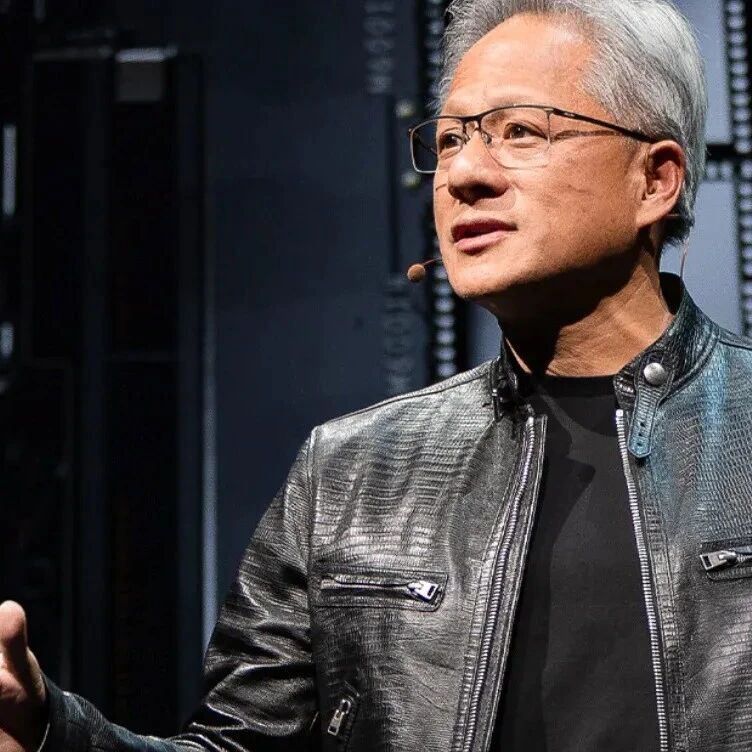
黄仁勋曾断言:"未来十年,算力的天花板将由光传输效率决定。"这句话不仅揭示了光互连技术在未来算力竞赛中的核心 地位,也点燃了一个曾经小众的半导体材料——磷化铟(InP)的市场热情。 当前,随着AI大模型训练进入万卡集群时代,数据中心内部数据传输需求呈指数级增长,全球AI基础设施支出预计2026年 突破万亿美元,推动数据中心光模块向800G/1.6T及以上速率加速迭代。 在这股浪潮中,磷化铟材料凭借其独特性能成为光通信革命的核心支撑。全球头部磷化铟供应商订单已排满至2026年, 2025年全球器件需求达200万片,而产能仅60万片,近70%的供需缺口持续推高产业景气度。 这个曾被视为小众的材料,如今正在成为半导体行业的新焦点。 为何是磷化铟? 在半导体领域,材料选择往往决定了技术路线的边界。 传统硅材料虽工艺成熟、成本低廉,但其物理特性在高频高速应用场景中逐渐显露短板。磷化铟作为第二代III-V族化合物 半导体的代表,在这场技术演进中脱颖而出。 磷化铟拥有硅材料10倍以上的电子迁移率(高达 1.2×104 cm²/V·s),同时具备高饱和电子漂移速度、优异的导热性与光电 转换效率,可支持100GHz以上的超高频 ...



8点1氪丨错版“马年茅台”二手价格被炒至2800元;vivo叫停AI眼镜项目;兰博基尼2025销量创历史新高,卖出10747辆
3 6 Ke· 2026-01-22 23:57
Group 1 - The "Year of the Horse" edition of Moutai has a printing error, leading to a surge in second-hand prices, with listings ranging from 2300 to 2800 yuan, up from the original price of 1899 yuan [2] - Vivo has halted its AI glasses project after six months of development, citing difficulties in differentiation as the reason for the decision [2] - Lamborghini announced a record delivery of 10,747 vehicles in 2025, marking a 60-unit increase from 2024 and achieving over 10,000 deliveries for the second consecutive year [3] Group 2 - Yonghui Supermarket expects a net loss of 2.14 billion yuan for 2025 due to significant strategic adjustments, including store renovations and asset write-offs [4] - The company has a high debt ratio of 88.96% and a current ratio of 0.63, indicating financial strain [6] - The company plans to complete its strategic adjustments by 2026 [6] Group 3 - Goldman Sachs raised its gold price target for December 2026 from 4900 to 5400 dollars per ounce, driven by increased diversification in gold holdings amid global uncertainties [11] - Nvidia has overtaken Apple as TSMC's largest customer, accounting for approximately 13% of TSMC's total revenue [11] - China has implemented a nationwide subsidy program for elderly individuals with moderate to severe disabilities, providing up to 800 yuan per month for various elder care services [12] Group 4 - Intel reported a 4.1% year-over-year decline in Q4 revenue, totaling 13.67 billion dollars, while adjusted EPS rose to 0.15 dollars [23] - The company expects Q1 revenue to be between 11.7 billion and 12.7 billion dollars, with adjusted EPS projected at 0.0 dollars [23] - The company "Raising a Cow" achieved over 7 billion yuan in revenue for 2025, reflecting steady growth from the previous year [23]



【钛晨报】央行行长潘功胜:2026年将继续实施好适度宽松的货币政策,发挥增量政策和存量政策集成效应;落实个人消费贷款最新财政贴息政策,六大行集体公告;商务部等9部门关于促进药品零售行业高质量发展的意见
Sou Hu Cai Jing· 2026-01-22 23:39
Monetary Policy - The People's Bank of China (PBOC) will continue to implement a moderately loose monetary policy in 2026, focusing on promoting stable economic growth and reasonable price recovery [2] - The PBOC plans to flexibly use various monetary policy tools such as reserve requirement ratio (RRR) cuts and interest rate reductions to maintain ample liquidity [2] - There is still room for RRR cuts and interest rate reductions this year, with an emphasis on managing interest rate policies to keep financing costs low [2] Structural Policies - The PBOC has introduced a series of structural monetary policies, including a 0.25 percentage point reduction in the interest rates of various structural monetary policy tools [3] - The PBOC has set up a dedicated 1 trillion yuan relending facility for private enterprises and increased the relending quota for agricultural and small enterprises by 500 billion yuan to 4.35 trillion yuan [3] - The PBOC aims to maintain stable financial markets and manage expectations, ensuring the RMB exchange rate remains stable [3] Real Estate Market - The real estate market in 2025 is expected to stabilize with four positive signals, including a noticeable stabilization in sales scale for new and second-hand homes [4] - There is increasing differentiation among cities and regions, with some core cities showing signs of activity in the real estate market [4] - Inventory levels have shown a certain degree of decline, contributing to the overall market recovery [4] Investment and Innovation - A strong domestic demand market is crucial for promoting technological innovation, as it attracts global resources, talent, and capital [5] - A domestic company with leading foundational model capabilities could benefit from a stronger consumer environment, enhancing subscription revenue and model investment interactions [5] AI and Technology Developments - Baidu has officially released the Wenxin large model 5.0, which supports various forms of information understanding and output [6] - Baichuan Intelligent has launched the Baichuan-M3 Plus, which significantly reduces the hallucination rate in medical scenarios and introduces evidence anchoring technology for verifiable medical judgments [8] Market Regulations - The State Administration for Market Regulation has prohibited certain gas companies from establishing joint ventures, marking a significant enforcement of antitrust laws in the public utility sector [15] - The Ministry of Commerce and other departments have issued opinions to promote high-quality development in the pharmaceutical retail industry, encouraging participation in centralized procurement [13] International Investment Trends - The Swedish largest private pension fund has sold a significant portion of its U.S. Treasury holdings due to concerns over the unpredictability of the U.S. government and rising debt levels [20] - Chinese enterprises are expected to maintain healthy and orderly development in foreign investments, with direct investments reaching $174.38 billion in 2025, a 7.1% increase from the previous year [14]


Taiwan Semiconductor: Capex Guidance Raise Suggests AI Buildout Cycle Until 2028
Seeking Alpha· 2026-01-22 22:38
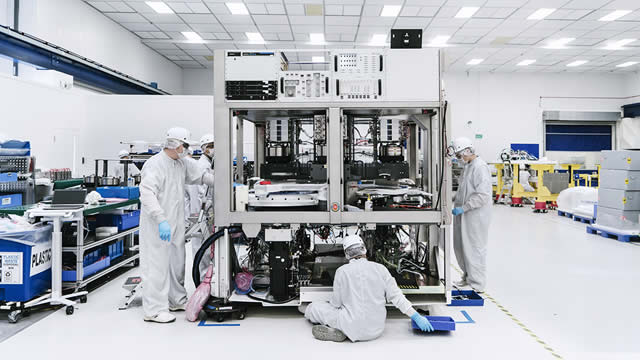
Core Viewpoint - Taiwan Semiconductor Manufacturing Company (TSMC) has seen a significant stock increase of 75%, outperforming the S&P 500, highlighting its critical role in the semiconductor industry as a foundational supplier [1]. Group 1: Company Performance - TSMC's stock performance has been exceptional, with a 75% increase since the last coverage, indicating strong investor confidence [1]. - The company's role as a "pick-and-shovel" provider in the semiconductor sector emphasizes its importance in the technology supply chain [1]. Group 2: Investment Strategy - The investment approach focuses on identifying market asymmetries that offer a positive reward-to-risk ratio, particularly in high-quality companies with strong cash flow [1]. - The emphasis is on investing in companies that have a wide economic moat and trade at fair prices relative to their intrinsic value [1].
Have $10,000? These 3 Stocks Could Be Bargain Buys for 2026 and Beyond.
Yahoo Finance· 2026-01-22 22:14
Group 1 - The market is near all-time highs, yet there are still bargain stocks available, particularly in the tech sector [1] - Investors with $10,000 in cash may consider purchasing certain stocks before their prices increase in 2026 and beyond [1] Group 2 - Taiwan Semiconductor Manufacturing (TSMC) is crucial for the AI industry, with a forward P/E ratio of approximately 23 and a PEG ratio of 0.7, indicating it is undervalued [3][4] - TSMC has a monopoly in producing advanced AI chips, leading to increased capital expenditure for 2026 and strong pricing power, with gross margins rising 330 basis points to 62.3% in Q1 [4][5] Group 3 - Salesforce is facing challenges in the SaaS sector due to AI disruptions, but it is expected to adapt and evolve rather than be replaced [6] - Despite its growth potential in AI, Salesforce's stock is currently undervalued [7]
Taiwan Semiconductor's 2026 Outlook Is a Clear Sign to Buy the Stock Now
Yahoo Finance· 2026-01-22 21:50
Core Insights - Taiwan Semiconductor Manufacturing (TSMC) was one of the top-performing stocks in 2025, with a rise of over 50%, but the focus now shifts to maintaining that momentum in 2026 [1] - The company recently reported strong fourth-quarter earnings and provided optimistic guidance for 2026, indicating that the market has not fully recognized its dominance [2] Financial Performance - In Q4, TSMC's revenue increased by 26% year over year in U.S. dollars, demonstrating strong growth [6] - For 2026, TSMC anticipates revenue growth of nearly 30% in U.S. dollars, reflecting ongoing demand for AI-related chips [6] - The company projects a compound annual growth rate (CAGR) of about 25% from 2024 to 2029, highlighting the significant demand for logic chips [7] Market Position - TSMC is the largest chip supplier globally and plays a crucial role in the AI computing landscape, supplying major companies like Nvidia and Apple [5] - Despite its success, TSMC is considered a great value in the market, trading at a slight premium to the overall market but at a discount compared to larger tech peers [8]
美国是把台湾当耗材,而不是想当台湾的依赖
Sou Hu Cai Jing· 2026-01-22 15:51
Group 1 - The core viewpoint of the article is that the recent trade agreement between the US and Taiwan is perceived as detrimental to Taiwan's interests, with the Taiwanese government being criticized for prioritizing its own benefits over the welfare of the Taiwanese people [1][2][5] - The agreement includes a commitment from Taiwanese companies to invest at least $250 billion in the US, alongside a similar amount in credit guarantees from the Taiwanese government [1][4] - The US has reduced tariffs on Taiwanese imports from 20% to 15%, which some Taiwanese media have portrayed as a significant victory, despite the substantial investment commitments required from Taiwan [2][5] Group 2 - The Taiwanese economy is heavily reliant on exports to mainland China, and the new tariff structure may further strain Taiwanese businesses, which are already operating on thin margins [6][8] - The strategic importance of TSMC (Taiwan Semiconductor Manufacturing Company) is highlighted, as the US aims to relocate a significant portion of its semiconductor production to the US, which could undermine Taiwan's technological leadership [7][13] - The article discusses the potential long-term implications of Taiwan's increasing dependence on the US, suggesting that this relationship may not be mutually beneficial and could lead to Taiwan being treated as a disposable asset in US geopolitical strategies [13][16]
国产显示芯片独角兽云英谷再闯港交所,台积电是最大供应商
Guan Cha Zhe Wang· 2026-01-22 14:10
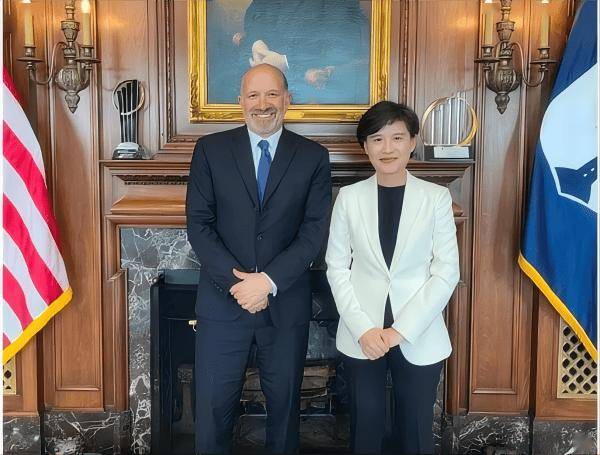
Core Viewpoint - Yunyinggu Technology Co., Ltd. is seeking to list on the Hong Kong Stock Exchange after a tumultuous journey, including attempts to list on the A-share market and a near acquisition by another company. The firm specializes in semiconductor design, particularly display driver chips for AMOLED and Micro-OLED technologies [1][2]. Company Overview - Established in 2012 and headquartered in Shenzhen, China, Yunyinggu focuses on the design and sale of display driver chips. The company has raised over 1.3 billion RMB through multiple funding rounds, with notable investors including BOE Technology Group and Qualcomm China [1]. - As of August 2024, the company's valuation reached approximately 8.33 billion RMB [1]. Product Portfolio - The company primarily offers two product categories: AMOLED display driver chips for smartphones and Micro-OLED display driver/backplane for AR/VR devices [1]. - In 2024, Yunyinggu ranked as the fifth largest supplier of AMOLED display driver chips globally, with a market share of about 5.7%, and the largest in mainland China with a 12.4% market share [2]. Financial Performance - Revenue for the years 2022, 2023, and 2024 was reported at 551.29 million RMB, 720.40 million RMB (30.7% YoY growth), and 891.30 million RMB (23.8% YoY growth), respectively, with a compound annual growth rate of 27.1% from 2022 to 2024 [4]. - The company reported net losses of 124 million RMB, 232 million RMB, and 309 million RMB for the respective years, totaling approximately 722 million RMB in cumulative losses [4]. Pricing and Margins - The average selling price of AMOLED display driver chips has decreased significantly from 25.7 RMB in 2022 to 15.9 RMB in 2024, reflecting a nearly 40% decline [5]. - The gross margin for AMOLED chips plummeted to 0.3% in 2024, with a negative gross margin of -1.4% in 2023 due to falling prices and inventory devaluation [5][6]. Market Strategy - To maintain market share amid fierce competition, the company adopted a pricing strategy that involved lowering the average selling price of its products [7]. - The shift from direct sales to a dealer-based sales model has increased the proportion of revenue from dealers from 4.8% in 2022 to 73.7% in 2024, aimed at improving cash flow management [8][9]. Supply Chain and Production - As a fabless company, Yunyinggu relies heavily on third-party foundries, with TSMC being a key partner. The procurement from TSMC accounted for a significant portion of total purchases [10]. - The company is gradually shifting towards domestic foundries like SMIC to mitigate supply chain risks amid geopolitical tensions [10]. Investment Outlook - Despite having a strong customer base and market presence, the company faces challenges in profitability and cash flow, necessitating funds from the secondary market to alleviate financial pressures and continue R&D investments [10].

