
牧原股份

Search documents
中国经济样本观察·企业样本篇丨“数”养千万猪——解锁牧原股份的“智”变密码
Xin Hua Wang· 2025-12-18 09:39
Core Viewpoint - The article highlights the technological advancements and innovative practices of Muyuan Foods Co., Ltd. in the pig farming industry, emphasizing its significant role in China's pork supply and its commitment to improving pig health and production efficiency through smart farming technologies [1][4][17]. Group 1: Company Overview - Muyuan Foods was founded in 1992 by Qin Yinglin and Qian Ying, starting with 22 pigs and growing to become the world's largest pig producer, with an annual output of over 7 million pigs [1]. - The company has invested over 20 billion yuan in research and development, employing over 1,200 algorithm engineers and more than 40,000 staff with higher education [5][6]. Group 2: Technological Innovations - The company utilizes advanced technologies such as AI-driven health monitoring systems, automated feeding, and air filtration systems to enhance pig health and reduce disease risks [4][10]. - Over 3.3 million smart devices are deployed across more than 1,000 farms, monitoring over 4,500 indicators daily and generating over 2 billion data entries for analysis [4][5]. Group 3: Breeding and Cost Reduction - Muyuan Foods has developed an independent breeding system, breaking away from traditional breeding methods and establishing a two-way crossbreeding model to enhance genetic quality [7][8]. - The company has successfully reduced feed costs by implementing a "no soybean" feeding strategy, decreasing soybean meal usage from 13% to 5% and achieving a cost reduction of over 300 yuan per pig since 2020 [11][12][13]. Group 4: Industry Impact and Expansion - The company has fostered a significant ecosystem around its operations, leading to the establishment of over 4,000 related enterprises in its region, contributing to local economic growth [14][15]. - Muyuan Foods is expanding into the biopharmaceutical sector, utilizing pig by-products for medical applications, thus transforming the pig farming industry into a source of valuable biological materials [16][17].

东兴证券晨报-20251218
Dongxing Securities· 2025-12-18 09:11
Economic News - In November, Shanghai's import and export value reached 387.49 billion yuan, a year-on-year increase of 10.6%, with exports at 186.6 billion yuan, up 18.2%, marking a monthly historical high [1] - The Ministry of Commerce reported that China and Europe are negotiating on electric vehicle issues, with China willing to resolve differences through dialogue [1] - The National Bureau of Statistics released unemployment rates for November, showing a youth unemployment rate of 16.9% for ages 16-24 and 7.2% for ages 25-29 [1] - The National Development and Reform Commission emphasized the need to optimize investment structure and maintain stable growth in traditional sectors while fostering new investment growth [1] - Yantai, Shandong, announced the discovery of Asia's largest underwater gold mine with proven reserves of over 39,000 tons, accounting for 26% of the national total [1] - The China Meteorological Administration aims to establish an advanced earth system forecasting system by 2035 [1] - The Sichuan Provincial Government plans to form a diversified R&D investment pattern by 2027, targeting a R&D investment intensity of 2.5% [1] - The People's Bank of China completed three financial preparations for Hainan Free Trade Port, enhancing cross-border financial risk prevention capabilities [1] - The China Photovoltaic Industry Association reported a total export value of photovoltaic products at $24.42 billion from January to October 2025, a decrease of 13.2% year-on-year, but a significant improvement from the previous year's decline [1] - The Hubei Provincial Government is advancing the asset reform of state-owned water resources [1] Important Company News - China National Airlines' subsidiary Shenzhen Airlines plans to raise 16 billion yuan through equity financing [2] Metal Industry Outlook - The metal industry is experiencing an optimization in supply-demand structure, with a weak supply cycle expected to continue until 2028, while demand is anticipated to rise due to green energy transitions and new productivity developments [5] - The liquidity cycle shift is expected to enhance metal price elasticity, with small metals projected to see significant price and valuation increases due to supply-demand improvements and liquidity premiums [5] - Small metals like rare earths, rubidium, cesium, lithium, antimony, molybdenum, and magnesium are highlighted for their potential in terms of supply-demand dynamics and future trends [5] Rare Earth Industry - The rare earth industry is undergoing a supply-demand optimization, with supply growth slowing and demand increasing due to sectors like electric vehicles and robotics [6] - The introduction of export controls has redefined the value of the rare earth industry, enhancing China's global pricing power [6] - Related companies include China Rare Earth, Northern Rare Earth, and others [7] Rubidium and Cesium Market - The global rubidium and cesium market is entering a rapid expansion phase, with significant supply growth expected from companies like Zhongmin Resources and Jinyin Galaxy [8] - Demand is projected to grow significantly due to upgrades in consumption structures and emerging applications [8] - Related companies include Zhongmin Resources and Jinyin Galaxy [9] Lithium Industry - The lithium supply-demand relationship is expected to improve, with supply growth driven by low-cost production in South America and increasing demand from the electric vehicle sector [10] - Global lithium supply is projected to grow from 1.231 million tons LCE in 2024 to 1.86 million tons LCE by 2027, with a CAGR of 15% [10] - Related companies include Zhongmin Resources, Jinyin Galaxy, Tianqi Lithium, and others [11] Antimony Industry - The antimony industry is entering a strong growth cycle due to supply constraints and increasing demand from the photovoltaic sector [11] - The global antimony supply-demand gap is expected to widen, leading to price increases and enhanced profitability for related companies [11] - Related companies include Huayu Mining, Huaxi Nonferrous, and Hunan Gold [12] Molybdenum Industry - The molybdenum market is expected to maintain a tight balance, with prices projected to rise due to increased demand from high-end steel and aerospace sectors [12] - Global molybdenum supply is expected to grow slowly, with demand projected to increase at a CAGR of 3.8% [12] - Related companies include Luoyang Molybdenum, Jintong Molybdenum, and Western Mining [13] Magnesium Industry - The magnesium industry is entering a state of sustained balance, with significant demand growth expected from sectors like automotive lightweighting and renewable energy [14] - Global magnesium demand is projected to grow from 1.12 million tons in 2024 to 2 million tons by 2027, with a CAGR of 21% [14] - Related companies include Baowu Magnesium, Xingyuan Zhuomai, and Wanfu Aoxian [15]
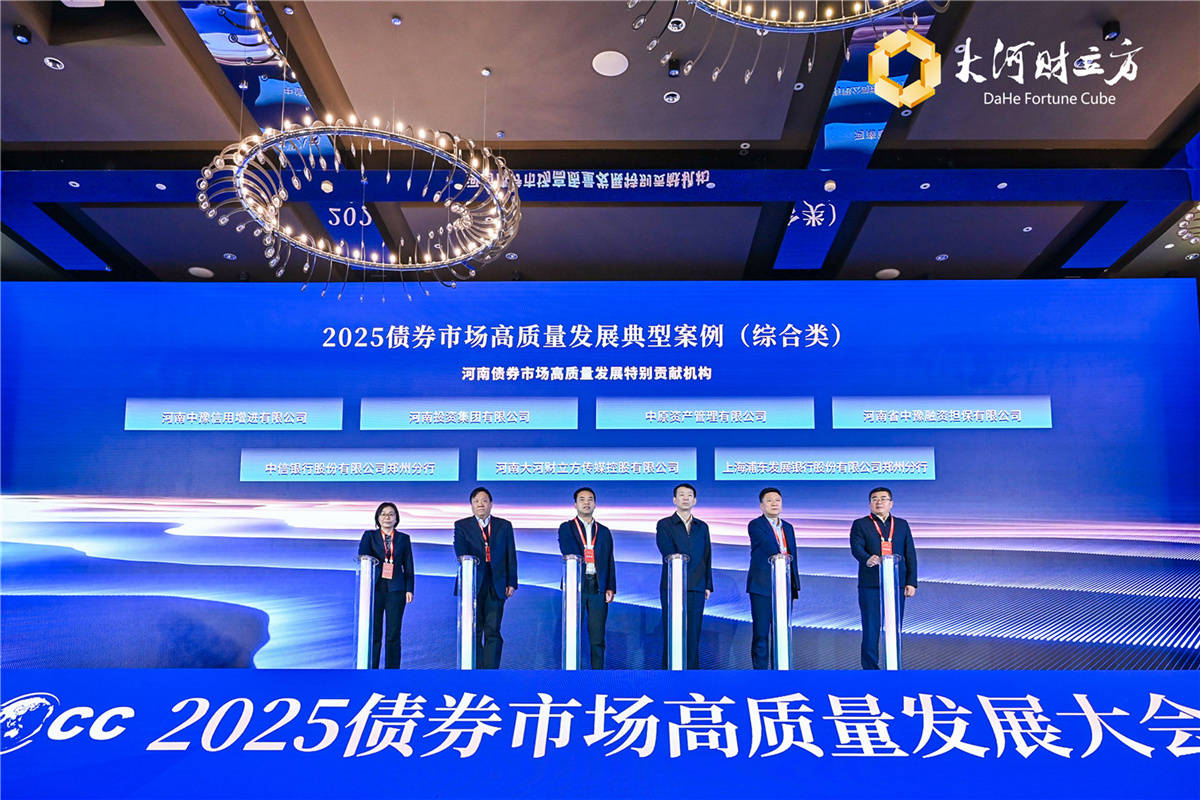
2025河南债券市场高质量发展典型案例公布 | 名单
Sou Hu Cai Jing· 2025-12-18 08:19
Core Viewpoint - The 2025 Bond Market High-Quality Development Conference was held to showcase exemplary cases of high-quality development in the Henan bond market, aiming to enhance the capital market's functionality and increase direct financing [1][6]. Group 1: Exemplary Cases - A total of 85 exemplary cases were selected, categorized into three types: comprehensive (7 cases), institutional (51 cases), and project (27 cases) [3]. - The cases highlight breakthroughs in financing scale, innovative business models, and outstanding performance in issuance, contributing to the high-quality development of the bond market [6]. Group 2: Categories of Exemplary Cases - **Comprehensive Cases**: Include significant contributions from organizations like Henan Zhongyu Credit Enhancement Co., which issued the first state-owned enterprise bond post-credit risk event, providing guarantee services for over 100 bonds in the province [8]. - **Institutional Cases**: Notable institutions such as CITIC Bank Zhengzhou Branch have underwritten over 200 billion yuan in credit bonds, maintaining a leading position in the Henan market [8]. - **Project Cases**: Examples include the issuance of technology innovation bonds by companies like Luoyang Guohong Investment Holding Group, which supports key industries in the region [9][10]. Group 3: Focus Areas of Development - The conference emphasized support for rural revitalization, small and micro-enterprise development, and green/ESG bonds, showcasing various successful bond issuance cases in these areas [4][14]. - The bond market is seen as a vital tool for injecting funds and vitality into the Henan economy, with a focus on innovative financing solutions [6][12].

巨头刹车、散户离场背后,谁在“操控”猪周期?
虎嗅APP· 2025-12-18 00:09
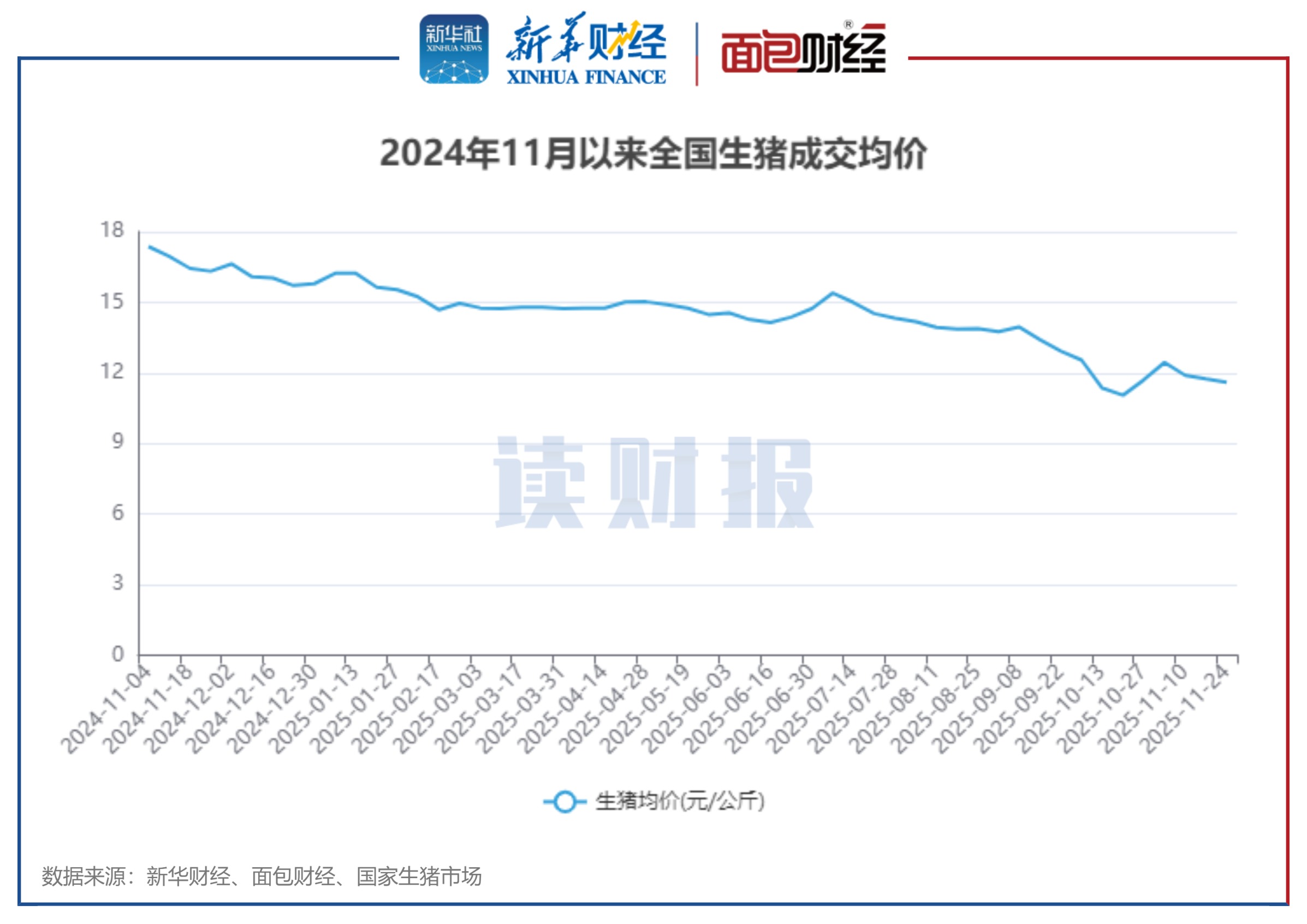
Core Viewpoint - The article discusses the ongoing challenges in China's pig farming industry, highlighting the prolonged downturn in pig prices and the impact of the pig cycle on the market dynamics [3][4][11]. Group 1: Pig Price Trends - Since April 2022, the current pig cycle has been marked by a prolonged low point, with the average purchase price of live pigs dropping to 13.11 yuan per kilogram by late November 2025, reflecting a 0.9% decrease month-on-month and a 27% decrease year-on-year [4][9]. - The lack of seasonal demand during the year-end peak indicates a persistent supply-demand imbalance in the market [4]. Group 2: Industry Responses - Major pig farming companies like Tian Kang Biological, Shennong Group, and others have halted their pig farming projects, while leading firms such as Muyuan, Wens, and others have also suspended multiple projects due to cash flow pressures [5][6]. - The overall asset-liability ratio of listed pig companies has increased, indicating heightened financial stress within the industry [6]. Group 3: Smallholder Challenges - Traditional small-scale pig farmers face dire circumstances due to their limited purchasing power for feed and veterinary supplies, resulting in higher production costs compared to large-scale operations [7]. - The cost of raising pigs for smallholders has significantly increased, with a notable difference in costs compared to large-scale farmers, leading to greater financial losses during the current price downturn [7]. Group 4: Market Dynamics - The number of breeding sows in China has remained above the normal level of 39 million, with recent figures showing around 40.4 million, contributing to the oversupply in the market [8][9]. - The prolonged low prices are attributed to the high number of breeding sows and the inability of the market to absorb the excess supply, exacerbated by competition from alternative proteins like chicken and beef [14]. Group 5: Future Outlook - The current pig cycle is seen as a potential turning point, not in terms of price recovery, but in the structural changes within the pig farming industry due to increased scale and consolidation [15]. - Companies are shifting from merely raising pigs to integrating downstream operations such as slaughtering and meat processing to mitigate cyclical risks and enhance profitability [17][18].



上市猪企11月销量同比涨超18% 东瑞股份、京基智农、罗牛山销售收入增速居前
Xin Hua Cai Jing· 2025-12-18 00:00
Core Insights - In November 2025, 16 major listed pig farming companies achieved a total sales volume of 16.54 million pigs, marking an 18.52% year-on-year increase but a 2.75% decrease month-on-month [1][5][8] - The total revenue for these companies in November was 21.077 billion yuan, reflecting a 19.47% year-on-year decline and a 5.01% month-on-month decrease [1][5][8] Sales Volume Summary - The leading company, Muyuan Foods, sold 6.602 million pigs, with a year-on-year growth of 11.8% [11] - Other notable companies include Wens Foodstuffs and New Hope, with sales exceeding 1.5 million pigs [1][8] - Companies such as Aonong Biological and Jinxinnong reported sales growth exceeding 70% year-on-year [1][8] Revenue Summary - Muyuan Foods generated a revenue of 9.39 billion yuan in November, down 20.43% year-on-year [12] - Wens Foodstuffs and New Hope followed with revenues of 5.199 billion yuan and 1.812 billion yuan, respectively, both showing declines [12] - Companies like Dongrui and Jingji Zhino reported revenue growth exceeding 10%, while others like Tangrenshen and Zhenghong Technology experienced significant revenue declines [13]

2026年农林牧渔年度策略:时机等待,攻守并进
2025-12-17 15:50
Summary of Conference Call Records Industry Overview - The agricultural sector has shown a slight increase above the CSI 300 index from the beginning of the year to mid-November 2025, ranking 13th among 31 primary industries in the Shenwan classification, an improvement from 2024 [2][20] - The performance of sub-industries is mixed, with animal health and agricultural product processing performing well, while breeding, feed, and planting lag behind [1][3] Key Investment Focus for 2026 - The primary investment focus remains on the pig farming and pet food sectors. The pig farming sector's opportunities arise from changes in production capacity affecting pig price expectations, while the pet food sector benefits from growing market demand and increased market share [1][5] - The expected average price for pigs in 2026 is projected to decline to 13.5 yuan per kilogram due to increased supply pressure and potential fluctuations in prices during January and February [1][7][10] Sub-Industry Performance Pig Farming Sector - The pig farming sector experienced a low-level rebound followed by a plateau in 2025, with an overall index increase of approximately 14.4%. Most listed pig companies turned profitable from Q2 2024 and maintained profitability in Q3 2025, although some may incur losses in Q4 [6] - The market share of listed pig companies reached 26.8%, an increase of 5.6 percentage points year-on-year [6] - The forecast for 2026 indicates an annual pig output increase, with the breeding sow capacity expected to decrease by 430,000 heads [6][7] Pet Food Sector - The pet food sector is experiencing a transition towards emotional and anthropomorphic pet ownership, with the market size in China reaching 300 billion yuan, where pet food accounts for 53% [3][11][13] - The growth of domestic mid-to-high-end brands is outpacing that of imported brands, driven by rational consumption [3][13] - The online sales channel for pet food has grown significantly, with projections indicating it will reach 72% market share by 2026 [15] Market Dynamics and Trends - The pet food market is characterized by low concentration, with the top five companies holding only 25.4% market share, indicating significant room for growth for domestic brands [14] - The online sales of domestic brands have increased, with brands like Mai Fu Di showing substantial growth in market share [17] - The export growth of pet food remains a critical performance driver, despite challenges from tariffs [8][11][12] Future Outlook - The agricultural sector is expected to enter a plateau phase after a period of low-level fluctuations, with valuations still at historical lows [20] - The pig farming sector will focus on balancing risks and opportunities, while the pet food sector will need to wait for performance growth to capture new investment opportunities [20]
大消费行业主题报告
2025-12-17 15:50
Summary of Key Points from Conference Call Records Industry Overview - The conference call discusses the **large consumption sector**, highlighting the emergence of new consumer demands that drive growth in the sector through new products (personalized, green, low-carbon), new channels (snack chains, discount formats), and new business models (diverse consumption scenarios) supported by the "14th Five-Year Plan" [1][2]. Core Insights and Arguments - **Traditional Consumption Recovery**: The traditional consumption sector is expected to recover by 2026, driven by the release of residents' purchasing power and policy measures aimed at boosting employment and income stability. The food and beverage industry is stabilizing, with the liquor sector showing signs of fundamental stability and dairy products expected to recover quickly [1][5]. - **Commodity Market Trends**: The commodity market has shown a trend of high followed by low prices, with the government implementing various promotional policies to stimulate service consumption and domestic demand. The Ministry of Commerce has issued opinions to expand service consumption, aiming to enhance residents' quality of life and stimulate domestic demand potential [1][6][7]. - **Emerging Consumer Demands**: New consumer demands are impacting the large consumption sector through three main directions: the development of new products that meet diverse and personalized needs, the optimization of new channel structures, and the promotion of new business models that foster diverse consumption scenarios [2][4]. Important but Overlooked Content - **Social Services Sector Changes**: The social services sector is evolving to meet changing consumer demands, with slight increases in beauty care and retail sectors. Key areas of investment include outdoor sports, gold and jewelry, and cultural and trendy IPs, with recommendations for companies like Anta Sports and Lao Pu Gold [8][22]. - **Tourism Market Trends**: The tourism market is gradually recovering, with leading companies like Ctrip and Huazhu Group adapting through technological innovation and marketing to meet the new demands of both young and elderly consumers. China Duty Free's Hainan business has benefited significantly from new duty-free policies [9][10]. - **Food and Beverage Sector Stability**: The food and beverage sector is stabilizing, with the liquor market facing challenges but showing resilience in mass consumption. The snack sector is experiencing performance differentiation, while dairy product demand is steady and supply is gradually clearing [12][17]. - **Investment Opportunities in Agriculture**: The agriculture, forestry, animal husbandry, and fishery sectors present investment opportunities, particularly in pig farming and the pet industry, which is growing due to demographic changes and emotional needs [3][13][19]. - **Household Appliance Sector**: The household appliance industry is seeking structural highlights amid steady growth, with a focus on high-dividend white goods and improving profit margins in black goods. The market for robotic vacuum cleaners is also expected to grow due to technological advancements [20][21]. This summary encapsulates the key points discussed in the conference call, providing insights into the large consumption sector and its various components, along with potential investment opportunities and market trends.


成本护城河筑牢底气,牧原股份开启增长新周期
Mei Ri Jing Ji Xin Wen· 2025-12-17 11:29
Core Insights - The article highlights the rapid growth and competitive advantage of the company, Muyuan Foods, which has become the world's largest pig farming group over the past decade [1] - Despite a prolonged price downturn in the pig market, the company is expected to benefit from the accelerated elimination of outdated production capacity, further enhancing its cost advantages [1] Group 1: Financial Performance - In the first three quarters of 2025, Muyuan Foods sold 57.32 million pigs, a year-on-year increase of 27% [1] - The company's total breeding cost decreased to 11.6 yuan/kg by September 2025, down 1.5 yuan/kg from January [1] - The company achieved a profit in its slaughtering business in Q3 2025, with a slaughter volume of 19.16 million pigs, a 140% increase year-on-year, and an 88% capacity utilization rate [1] Group 2: Competitive Advantages - Muyuan Foods reported an average profit of 234 yuan per pig, with breeding business profits exceeding 4.8 billion yuan, showcasing its ability to remain profitable amid market challenges [2] - Key production metrics include a survival rate of 87% for pigs, a weaning-to-market survival rate of 93%, and an average of 29 weaned piglets per sow per year, all of which are industry-leading figures [2] - The company's cost advantages and comprehensive industry chain layout position it as a core investment target amid cyclical fluctuations [2] Group 3: International Expansion - Muyuan Foods has updated its Hong Kong listing application, aiming for an "A+H" dual listing to accelerate its internationalization process [3] - The company plans to establish a high-tech breeding project in Vietnam with a total investment of 3.2 billion yuan, expected to provide 1.6 million quality pigs annually [3] - The shift from technology export to physical breeding operations marks a significant step in the company's international expansion strategy [3]
19.45亿元资金今日流出农林牧渔股
Zheng Quan Shi Bao Wang· 2025-12-17 09:48
Market Overview - The Shanghai Composite Index rose by 1.19% on December 17, with 28 out of 33 sectors experiencing gains, led by the communication and non-ferrous metals sectors, which increased by 5.07% and 3.03% respectively [1] - The agriculture, forestry, animal husbandry, and fishery sector had the largest decline, falling by 0.54% [1] Capital Flow Analysis - The net inflow of capital in the two markets was 9.51 billion yuan, with 16 sectors seeing net inflows [1] - The communication sector had the highest net inflow of 6.45 billion yuan, coinciding with its 5.07% increase [1] - The electronics sector also saw a significant net inflow of 6.34 billion yuan, with a daily increase of 2.48% [1] Agriculture, Forestry, Animal Husbandry, and Fishery Sector - This sector experienced a decline of 0.54%, with a net outflow of 1.94 billion yuan [2] - Out of 105 stocks in this sector, 60 rose, while 39 fell, including 3 that hit the daily limit down [2] - The top three stocks with the highest net inflow were COFCO Sugar Industry (35.26 million yuan), Beidahuang (33.62 million yuan), and Muyuan Foods (31.82 million yuan) [2] Capital Outflow in Agriculture, Forestry, Animal Husbandry, and Fishery Sector - The top three stocks with the highest net outflow were Pingtan Development (-1.28 billion yuan), Luoniushan (-264.82 million yuan), and Biological Shares (-142.17 million yuan) [4] - Pingtan Development saw a significant drop of 10.03%, while Luoniushan and Biological Shares fell by 9.19% and 10.01% respectively [4]


华西证券:欧盟进口猪肉反倾销裁定落地 继续推荐生猪养殖板块
智通财经网· 2025-12-17 08:51
华西证券主要观点如下: 事件 商务部2025年12月16日公布对原产于欧盟的进口相关猪肉及猪副产品反倾销调查的最终裁定,最终认定 原产于欧盟的进口相关猪肉及猪副产品存在倾销,国务院关税税则委员会根据商务部的建议作出决定, 自2025年12月17日起,对原产于欧盟的进口相关猪肉及猪副产品征收反倾销税。反倾销税率为 4.9%-19.8%。 欧盟为我国重要的猪肉进口来源,前三季度进口占比超过50% 2025年前十个月,中国进口相关猪肉及猪副产品193万吨,其中从欧盟进口99万吨,占比51%,欧盟成 员国西班牙为我国第一大猪肉及副产品进口国,前十个月进口46万吨,占比24%。前三季度我国猪肉产 量4368万吨,猪肉及副产品进口量176万吨,占产量比例4%,欧盟进口91万吨,进口占比51.49%,总产 量占比2.08%,反倾销裁定落地有望部分程度缓解国内猪肉供应压力。 智通财经APP获悉,华西证券发布研报称,反倾销税落地有望部分程度缓解国内供应压力,叠加亏损推 动的主动去产能和政策引导的被动去产能同时进行,看好产能去化带来的价格反转,继续推荐生猪养殖 板块,具体标的选择方面,推荐关注成本低、低负债且有成长性的优质标的, ...
