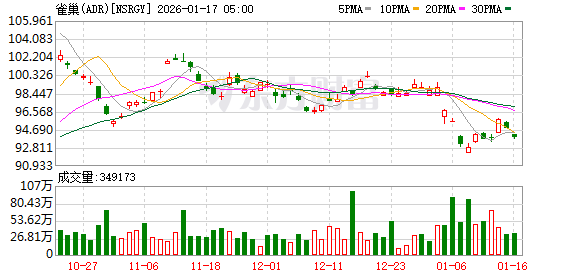
雀巢

Search documents
欧莱雅入驻南沙设分拨枢纽,龙穴跨境供应链协同生态成型
2 1 Shi Ji Jing Ji Bao Dao· 2026-01-21 05:42
Core Insights - L'Oréal has officially established a regional distribution hub in the Nansha Comprehensive Bonded Zone, enhancing its supply chain capabilities in South China and the Asia-Pacific region [1] - The Global Premium Distribution Center aims to optimize cross-border trade and resource allocation, contributing to a collaborative industrial development model [1] - The center leverages advanced technologies such as AI, big data, and blockchain to provide efficient and secure supply chain solutions [1] Group 1 - The entry of L'Oréal strengthens the industrial ecosystem of the Global Premium Distribution Center, increasing the visibility and influence of the Nansha area in the global consumer supply chain [1] - The center has attracted other major international companies like Nestlé and Shein, creating a diverse cluster of consumer goods that enhances collaboration and operational efficiency [2] - The shared resources among companies, including smart warehousing and logistics, significantly reduce operational costs while improving overall supply chain efficiency [2] Group 2 - The Nansha area is focused on creating a policy-friendly environment and a collaborative industrial community, as evidenced by the ongoing attraction of benchmark enterprises like L'Oréal [3] - Future plans include enhancing platform functionalities and collaborative mechanisms to support deeper integration among businesses [3]

优必选、众擎、越疆科技等接连斩获海内外大单 深圳机器人站C位走俏全球
Xin Lang Cai Jing· 2026-01-21 04:31
Core Viewpoint - Since 2025, Shenzhen's robotics industry has accelerated its application in various scenarios, achieving significant breakthroughs and commercial success, with companies like UBTECH, ZHONGQING, and YUEJIANG leading the way in securing orders both domestically and internationally [1] Group 1: Industry Developments - The "Guo Huo Xing Tian Xia" spring campaign is actively promoting the robotics sector, resulting in rapid commercialization and a new phase of industry acceleration [1] - Companies in the robotics field are deepening their layout, with YUEJIANG Technology leveraging intelligent technology innovation to expand into global markets [1] Group 2: Company Achievements - YUEJIANG Technology has successfully applied its robotic products in over 80 Fortune 500 companies, including Foxconn, BYD, Toyota, Mercedes-Benz, and Nestle, with a global deployment exceeding 100,000 units [1] - UBTECH recently rolled out its 1,000th industrial humanoid robot, Walker S2, which will be deployed in key sectors such as automotive manufacturing, smart manufacturing, smart logistics, and embodied intelligent data centers [1] - In the past year, UBTECH secured 1.4 billion yuan in orders and plans to increase its annual production capacity to 10,000 units by 2026 [1]

2025中国咖啡产业报告
世界中餐业联合会&黑峪投资· 2026-01-21 01:20
Investment Rating - The report indicates a positive outlook for the coffee industry, particularly in China, with a projected compound annual growth rate (CAGR) of approximately 20% for the next five years in terminal consumption [6][25]. Core Insights - The global coffee production for the 2025/26 season is expected to reach 178.8 million bags (60kg per bag), with a notable increase in Robusta production by 10.9% to 83.33 million bags, while Arabica production is projected to decline by 4.7% to 95.51 million bags due to adverse weather conditions in Brazil [6][10]. - The coffee market is experiencing significant changes, including the introduction of new technologies in production and brewing, the rise of functional coffee products, and the increasing importance of local brands in China [3][17]. - The Chinese coffee market is evolving from a focus on instant coffee to a more diverse range of products, with an emphasis on quality and specialty coffee, as evidenced by the growth of local brands and the increasing variety of coffee beans being cultivated [25][40]. Summary by Sections Coffee Industry Value Chain - The coffee value chain is highly concentrated, with major players controlling significant portions of production, trade, and retail. The top four traders dominate the upstream segment, while brands like Nestlé and JDE control a large share of the downstream market [6][20]. - The global coffee market is estimated to exceed $100 billion, with the terminal market in China projected to surpass 150 billion yuan [8][10]. Coffee Production and Quality - Coffee quality is influenced by various factors, including the type of beans, processing methods, and roasting techniques. The report highlights the importance of maintaining high standards in each stage of the coffee production process [8][21]. - The report notes that Arabica beans account for nearly 60% of global coffee production, with a focus on quality and flavor driving market trends [10][11]. Chinese Coffee Market - China's coffee planting area is stabilizing, with a shift towards quality improvement and diversification of coffee varieties. By 2025, the production value is expected to rise significantly due to enhanced processing techniques and a growing emphasis on specialty coffee [25][29]. - The consumption of coffee in China is projected to exceed 400,000 tons by 2025, reflecting a growing trend towards premium and specialty coffee products [40][41]. Competitive Landscape - The competitive landscape in the coffee industry is characterized by a mix of global giants and emerging local brands. Companies like Luckin Coffee are expanding rapidly, while traditional players are adapting to new market dynamics [18][46]. - The report identifies a trend towards vertical integration among leading brands, with companies investing in their own roasting facilities to ensure quality control and cost efficiency [46][47].



咖啡系列四:云南咖啡产业特点总结
Hua Tai Qi Huo· 2026-01-21 00:41
1. Report Overview - The coffee series special report consists of four parts, with the fourth one summarizing the main characteristics of the current Yunnan coffee industry from four aspects: planting cost, grading classification, pricing mechanism, and industrial chain development [3] 2. Planting Cost: Diverse Accounting - As of November 2025, the average yield per mu of commercial coffee fresh fruit in Yunnan is about 700 - 800 kg, and about every 6 - 7 kg of fresh fruit can produce 1 kg of green beans, so the yield of green coffee beans is about 120 kg per mu. The cost of fresh coffee fruit is about 5 yuan/kg, and the cost of green coffee beans is between 25 - 40 yuan/kg. Cost components include rent, labor, fertilizers, picking, and initial processing [6] - Different business entities, production areas, varieties, and planting patterns have a significant impact on costs. Small and medium - sized coffee farmers mainly grow commercial beans, while boutique coffee is mainly planted in estates. The cost of boutique estates is 2 - 3 times that of small and medium - sized farmers [7] - High - altitude production areas have higher costs due to the need to optimize the planting environment and management standards for high - quality varieties. Yunnan coffee is often planted in a multi - layer composite structure with economic crops like macadamia, which can share costs and increase efficiency [7][8] 3. Bean Grading: Unique Standards - Coffee grading is based on various standards, with the ICO and SCA standards having an increasing influence. The market is divided into commodity beans and boutique beans, with different grading methods [9] - Physical attributes include bean size (classified by screen size), shape (round and uniform preferred), color (light blue or light green for Yunnan beans), density (higher density is better), moisture content (controlled at 9% - 12%), and processing methods (washed beans are cleaner) [15] - Defect assessment includes counting major and minor defects, with the boutique level requiring no major defects and no more than 5 total defects per 300g (SCA standard). Defects affect flavor purity [16] - Altitude is directly related to bean hardness and acidity, and regional soil properties also affect the bean grade. Cup - tasting is a unique and important part of coffee grading, with clear evaluation criteria for different dimensions [17][21] 4. Pricing Mechanism: Rich Dimensions - The global coffee pricing mechanism is a complex system composed of the futures market, the spot market, and special trading mechanisms. The futures market price dominates the global coffee spot market pricing [23] - The ICE Arabica coffee futures contract and the ICE Europe Robusta coffee futures contract are the most influential in the world. The spot market pricing generally uses the "futures price + premium/discount" model, and high - quality boutique coffee uses a flavor - based pricing mechanism [23][24][25] - Historically, Yunnan coffee prices were mainly determined by international coffee traders and large foreign - funded enterprises. Currently, domestic enterprises have become the main players in Yunnan coffee trade, and the dependence on the international futures market is decreasing [26][27] - The entire coffee industry chain looks forward to the construction of a domestic coffee futures market, which can help farmers, traders, and enterprises manage price risks and enhance China's international pricing power [29] 5. Industrial Chain: Uneven Development - The Yunnan coffee industry chain consists of upstream planting, mid - stream processing, and downstream distribution, showing an uneven development pattern. However, this situation has been continuously improved with policy support [30] - In terms of value distribution, the downstream distribution环节accounts for 93% of the value - added, while the upstream planting accounts for only 1% and the mid - stream processing accounts for 6%. The upstream is highly affected by price fluctuations, and the mid - stream has limited value - added due to low - end processing [31][32] - In terms of industrial chain concentration, the upstream and mid - stream have low concentration, with small - scale and scattered operations. The downstream has a relatively high concentration, and the market is shifting from extensive expansion to refined operation, but brand building and traceability systems still need improvement [34][35][36]
雀巢奶粉召回事件中的ARA是什么?婴幼儿配方奶粉中为什么加ARA?
Zhong Guo Jing Ji Wang· 2026-01-20 09:25
Group 1 - Nestlé has announced a precautionary recall of infant formula products due to quality issues with arachidonic acid (ARA) oil from a major supplier, although no related illness cases have been confirmed [1] - ARA is a long-chain polyunsaturated fatty acid that is important for brain development in infants and is commonly added to most infant formulas on the market [1] - The CEO of Nestlé, Philipp Navratil, has publicly apologized to consumers regarding the recall [1] Group 2 - According to national standards, ARA is classified as an "optional ingredient" in infant formula, with a maximum allowable content of 80 mg per 100 kcal [2] - The addition of ARA and DHA in infant formulas has become a market norm due to clinical evidence supporting their benefits for brain and nervous system development in infants [3] - The standards for nutrient addition in infant formula are continuously updated to ensure higher quality products, with the aim of promoting comprehensive growth and development in infants [3]

货真价实,为爱坚守,贝因美以真诚重塑市场格局
Sou Hu Wang· 2026-01-20 04:58
Core Insights - The article discusses the complex history and current challenges faced by the Chinese domestic milk powder brand, Beingmate, particularly in the context of declining birth rates and increased competition in the industry [1][2][5]. Group 1: Industry Context - The Chinese milk powder market has shifted from growth to a competitive environment due to a decline in newborn registrations, with the market size shrinking from nearly 2000 billion yuan in 2019 to 1635 billion yuan in 2024 [5]. - Regulatory changes, including the implementation of stricter national standards for milk powder in 2023, have raised industry entry barriers and prompted supply-side reforms [4]. - The market has seen a consolidation trend, with leading brands like Feihe, Yili, and Junlebao expanding their market shares, while Beingmate's market share has dropped to approximately 1.7%, falling out of the top ten in the industry [5]. Group 2: Beingmate's Strategy - Beingmate has adopted a "genuine and affordable" strategy, emphasizing product quality and a commitment to only earning a 5% profit margin, aiming to build consumer trust and long-term relationships [10][12]. - The company is focusing on supply chain management and product safety, as highlighted by its response to a recent recall incident involving ARA ingredients, ensuring that its products use different, safe sources [7][8]. - Beingmate is diversifying its product offerings beyond infant formula to include organic A2 milk powder, baby food, and family health products, aiming to create a comprehensive ecosystem for family nutrition [9][10]. Group 3: Financial Performance - In 2024, Beingmate reported a revenue increase of 9.7% to 2.773 billion yuan, with a significant net profit growth of 116.92%, indicating a positive trend in operational efficiency [14]. - The company has reduced sales expenses by 7.51% while strategically increasing advertising on platforms like Xiaohongshu and Douyin, reflecting a shift towards more effective marketing [12][14]. - Despite facing debt issues from its controlling shareholder, Beingmate has maintained stable operations, with cash reserves of 1.543 billion yuan and manageable short-term debt [14]. Group 4: Market Position and Future Outlook - Beingmate ranks among the top four domestic milk powder brands, indicating a solid brand foundation and market recognition despite recent challenges [14]. - The company's focus on product safety, scientific formulation, and consumer trust is crucial in a market where consumers are increasingly discerning about quality and brand values [15][18]. - The commitment to a "genuine and affordable" approach may resonate with price-sensitive consumers, especially in light of new childcare subsidy policies that enhance consumer focus on value [16][18].

业绩持续亏损 功能饮料会是别样肉客的出路吗?
Bei Jing Shang Bao· 2026-01-19 15:15
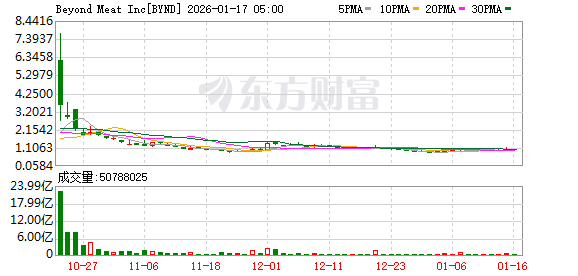
Core Viewpoint - Beyond Meat, known as the "first plant-based meat stock," is entering the beverage market with its new product, Beyond Immerse, a plant-based functional drink made primarily from pea protein, marking its first significant foray into functional foods and beverages [2][3] Expansion into Beverage Business - Beyond Meat has launched Beyond Immerse, a plant-based functional drink that includes pea protein, cassava fiber, vitamin C, and electrolytes, available in two protein versions (10g and 20g) with corresponding calorie counts of 60 and 100 [3] - The drink is offered in three flavors: Peach Mango, Lemon Lime, and Orange Tangerine, and is positioned for post-workout or daily supplementation, focusing on muscle recovery, gut health, and immune support [3] - Currently, Beyond Immerse is sold exclusively through Beyond Meat's new direct-to-consumer website, Beyond Test Kitchen, with future retail expansion contingent on customer feedback [3][4] Breaking Through "Plant Meat" Limitations - The launch of Beyond Immerse comes as Beyond Meat faces significant financial losses, with revenues declining from $419 million in 2022 to an expected $326 million in 2024, alongside increasing net losses [5][6] - The company aims to diversify its offerings beyond meat substitutes, with CEO Ethan Brown stating the goal is to become a "global protein company of the future" [6][7] Market Trends and Competitive Landscape - The global market for high-protein shakes and beverages has seen a 122% increase from 2020 to 2024, with a growing consumer interest in protein intake [8] - Traditional beverage giants and sports nutrition brands are also entering the high-protein plant-based beverage space, indicating a competitive landscape for Beyond Meat [8] - Despite the challenges, Beyond Meat's expertise in plant protein extraction and flavor masking, along with its sustainable brand image, positions it favorably against competitors [9] Strategic Positioning - The introduction of Beyond Immerse reflects a strategic shift towards product diversification and tapping into faster-growing markets, moving away from a sole focus on meat alternatives [7][8] - Industry experts suggest that while this move may be seen as a temporary measure due to financial pressures, it represents a necessary evolution towards a more resilient business model [9]

【2025榜单】5万亿赛道,30个破局者,15条洞察:中国新银发消费品牌TOP30年度榜
新消费智库· 2026-01-19 14:32
Core Insights - The aging population in China is projected to exceed 297 million, creating a massive market for elderly products, estimated to surpass 50 trillion yuan [2] - Currently, there are over 60,000 types of elderly products globally, but only about 2,000 are produced at scale in China, indicating a significant supply-demand gap [2] - The purchasing power primarily lies with the children of the elderly, who are caught between emotional concerns and practical needs [6][7] Group 1: Consumption Trends - Elderly consumers are willing to spend on health and entertainment, prioritizing products that enhance their longevity and enjoyment of life [6] - The majority of purchases are made by children, who often pay for expensive items like smartwatches and massage chairs, emphasizing the need for dual marketing strategies targeting both generations [7][8] - Elderly individuals are increasingly tech-savvy, often outperforming younger generations in using smartphones and apps, indicating a demand for user-friendly designs rather than "senior versions" of products [10] Group 2: Product Design and Marketing - Effective elderly products should focus on simplicity, removing unnecessary features to avoid confusion [11][12] - Many elderly consumers buy health monitoring devices not for strict data tracking but for peace of mind, highlighting the emotional aspect of health management [13] - Community influencers, such as local shopkeepers, are more effective in promoting products than celebrity endorsements, emphasizing the importance of trust in marketing [14] Group 3: Emerging Business Models - The rental market for medical and rehabilitation equipment is growing, as it offers a cost-effective solution for short-term needs [15] - Companies must focus on genuine product quality and user needs rather than merely meeting subsidy standards to ensure long-term viability [16] - The market for elderly products is vast but under-supplied, with many existing products failing to meet the actual needs and preferences of elderly consumers [17] Group 4: Consumer Behavior - Elderly consumers are cautious decision-makers, often requiring extensive research before making purchases, leading to high brand loyalty once trust is established [20] - They are sensitive to price but prioritize perceived value and effectiveness over mere affordability [21] - Consumption is often driven by necessity rather than desire, with elderly consumers seeking solutions to specific life challenges [22] Group 5: Trust and Authority - Trust in authority figures has evolved, with elderly consumers now valuing advice from family members and community peers alongside traditional experts [24] - Many elderly individuals play a significant role in family purchasing decisions, acting as key financial managers and decision-makers for household needs [26] Group 6: Innovative Brands - The article highlights 30 innovative brands catering to elderly consumers, including those focused on health, home care, and lifestyle products, showcasing the diversity and potential within the silver economy [27][28][29]

业绩持续亏损,功能饮料会是别样肉客的出路吗?
Bei Jing Shang Bao· 2026-01-19 13:53
Core Insights - Beyond Meat has officially entered the beverage market with the launch of Beyond Immerse, a plant-based functional drink made primarily from pea protein, marking its first significant foray into functional foods and beverages [1][2] - The company aims to diversify beyond its core plant-based meat products amid ongoing revenue declines, seeking new growth avenues [1][4] Product Details - Beyond Immerse features two protein versions (10g and 20g) with corresponding calorie counts of 60 and 100, and includes 7g of dietary fiber, with no GMOs or sugar alcohols [2] - The drink is available in three flavors: Peach Mango, Lemon Lime, and Orange Tangerine, and is positioned for post-workout or daily consumption, focusing on muscle recovery, gut health, and immune support [2] Market Context - The launch comes at a time when Beyond Meat is experiencing significant financial losses, with revenues dropping from $419 million in 2022 to an expected $326 million in 2024, alongside increasing net losses [4][5] - The global plant-based meat industry is facing a downturn, with a 64% drop in venture capital investment in 2024, leading to challenges for companies like Nestlé and Unilever, which have scaled back their plant-based meat operations [5] Strategic Shift - Beyond Meat is shifting its brand focus from meat alternatives to traditional plant proteins, gradually phasing out the "Meat" designation from its branding [6] - The introduction of Beyond Immerse reflects a deeper strategy to diversify product offerings and tap into faster-growing markets [6][7] Competitive Landscape - The high-protein beverage market is rapidly expanding, with a reported 122% growth in high-protein shakes and drinks from 2020 to 2024, indicating a strong consumer interest in protein intake [7] - Competitors in the beverage space include major brands like Danone and Protein Works, which have launched their own high-protein plant-based drinks [7] Consumer Insights - The company is leveraging a Direct-To-Consumer (DTC) model through its new website, Beyond Test Kitchen, to test market acceptance and gather consumer feedback, which is crucial given its current cash flow challenges [3][8] - Despite the potential for growth, there is a risk that consumers may still associate Beyond Meat primarily with plant-based meat, which could hinder the acceptance of its new beverage line [8]

多美滋被检出蜡样芽孢杆菌毒素!新加坡召回部分雀巢达能奶粉
Nan Fang Du Shi Bao· 2026-01-19 10:33
Core Viewpoint - The Singapore Ministry of Health has issued a recall of two batches of infant formula due to the detection of cereulide toxin, with a suspected case of infection reported [2][5]. Group 1: Product Recall Details - The recall involves two products: "Nestle NAN HA1 SupremePro" from Switzerland and "Dumex Dulac 1" from Thailand, both with a net weight of 800 grams [5][6]. - The specific batch numbers are 52340017C3 for Nestle and 101570778C for Dumex, with expiry dates of August 31, 2027, and September 3, 2027, respectively [6]. Group 2: Health Implications - Cereulide toxin can cause symptoms such as nausea, vomiting, abdominal cramps, and diarrhea, typically appearing within 30 minutes to 6 hours after consumption and resolving within 24 hours [5][7]. - A reported case of mild symptoms in an individual who consumed the affected products has been linked to cereulide toxin exposure, but the individual has since recovered [6][7]. Group 3: Supplier and Regulatory Context - The affected products may have used the same raw materials from a supplier linked to previous recalls, raising concerns about the safety of the supply chain [5][7]. - There is currently no established international standard for acceptable levels of cereulide toxin in infant formula and other foods, complicating regulatory oversight [7]. Group 4: Company Responses - Nestle is investigating the situation and has not confirmed any disease cases related to the recalled products [7]. - Danone has stated that its infant formula products do not use the implicated supplier's ARA raw materials, assuring consumers of their safety [7].