极氪

Search documents
晚一天多花10万,豪车税惊了买车人
36氪· 2025-07-23 13:15
Core Viewpoint - The recent adjustment of the luxury car tax in China has significantly impacted the high-end automobile market, with a new threshold set at 900,000 yuan (excluding VAT), affecting both traditional fuel vehicles and new energy vehicles [3][4][25]. Summary by Sections Tax Policy Changes - The luxury car tax threshold has been lowered from 1.3 million yuan to 900,000 yuan, which means that vehicles priced between 1.017 million and 1.469 million yuan will now incur an additional 10% tax [4][25]. - The new tax policy includes a broader range of vehicle types, explicitly incorporating new energy vehicles [4][5]. Market Reactions - The announcement led to a surge in consumer activity, with many rushing to dealerships to purchase vehicles before the new tax took effect [5][7]. - Dealers extended their hours and offered incentives to facilitate sales, with some models experiencing price increases due to the tax adjustment [8][10]. Impact on Luxury Brands - Brands such as Land Rover, Porsche, and Mercedes-Benz are particularly affected, as many of their models now fall under the new tax bracket [14][18]. - The luxury car market has shown structural differentiation, with traditional fuel vehicles facing intensified competition from new energy models [5][25]. Consumer Sentiment - Some consumers expressed frustration over the sudden tax increase, with a mix of reactions ranging from acceptance to reconsideration of purchases [11][12][22]. - The luxury car tax adjustment has prompted some buyers to contemplate canceling orders or seeking refunds on deposits [12][14]. Manufacturer Responses - Jaguar Land Rover and Mercedes-Benz announced full subsidies for the luxury tax for specific models purchased within a limited timeframe, aiming to mitigate consumer dissatisfaction [19][21]. - The response from manufacturers indicates a proactive approach to retain customer loyalty amidst the tax changes [19][22]. Market Dynamics - The adjustment is expected to reshape the competitive landscape of the luxury car market, with potential shifts in consumer preferences towards brands that can offer better pricing strategies [26][30]. - The rise of domestic luxury brands, such as the Yudo U8 and the Zun Jie S800, is seen as a positive outcome from the tax adjustment, providing more options for consumers [30][31].

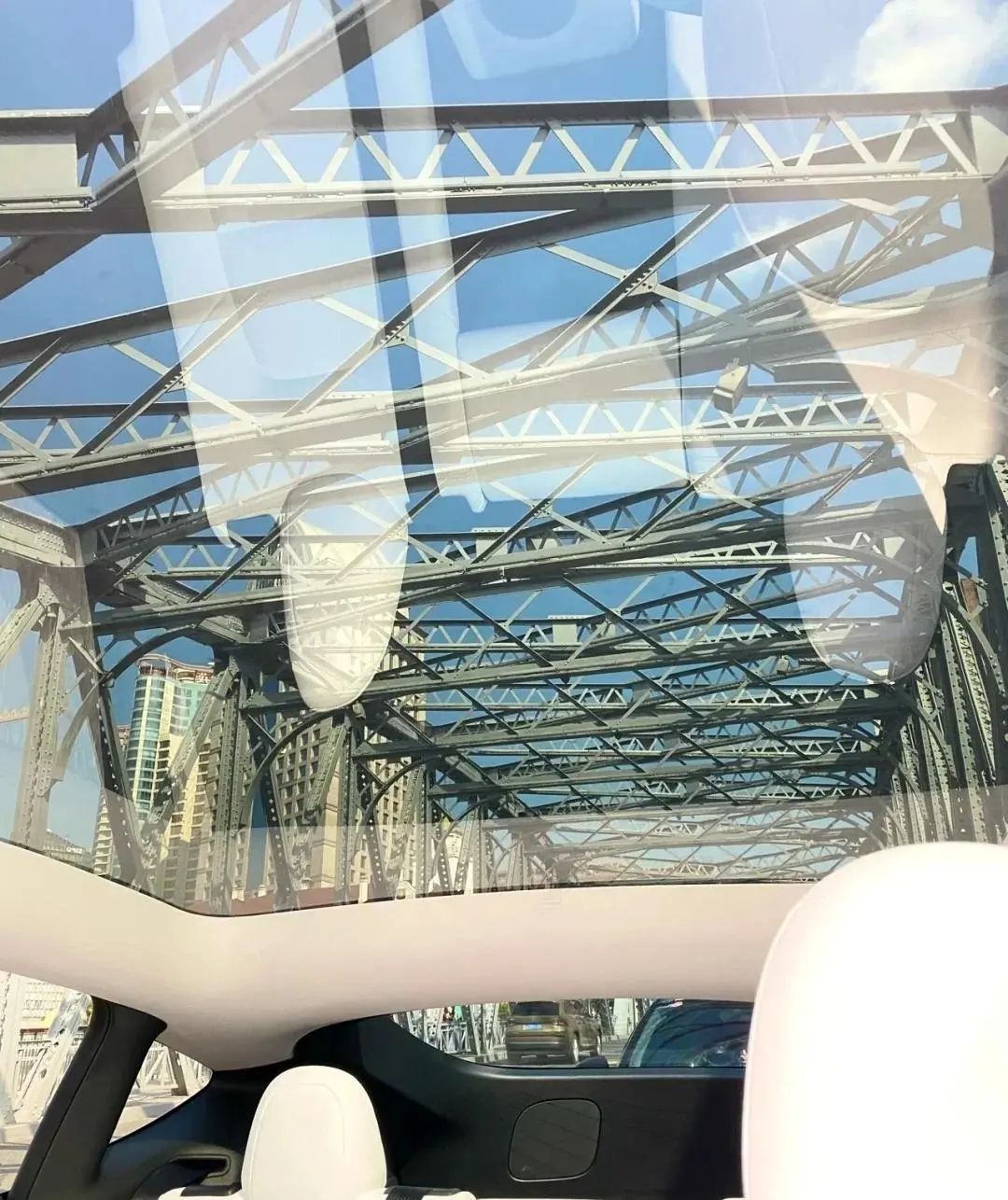
40°C成了照妖镜,盘点新能源车“反人类”的六大设计
3 6 Ke· 2025-07-23 11:27
Core Viewpoint - The article highlights the discomfort and practical issues faced by electric vehicle (EV) owners due to innovative designs that prioritize aesthetics and technology over user comfort and safety, particularly in extreme weather conditions [1][3][54]. Group 1: Issues with Panoramic Glass Roofs - The panoramic glass roofs, initially marketed for their spaciousness and aesthetic appeal, have become a source of discomfort, turning vehicles into "sauna rooms" during summer [4][5]. - Many EV models, including those from brands like Zhiji, Zeekr, and NIO, feature panoramic roofs, but owners report excessive heat and discomfort, leading to potential interior damage [9][11]. - The automotive industry’s focus on design has overshadowed the need for comfort, as the technology for heat insulation has not fully addressed the issue of heat retention in extreme temperatures [11][57]. Group 2: Hidden Door Handles - Hidden door handles, while designed to reduce drag and enhance aesthetics, have received significant criticism, with 69% of consumers expressing concerns about their usability and reliability [13][15]. - Issues such as freezing in winter and mechanical failures have led to frustrating experiences for users, including incidents where door handles failed to operate during emergencies [19][20]. - The repair costs for hidden door handles are significantly higher than traditional handles, leading to dissatisfaction among consumers [20]. Group 3: Full Touchscreens - The shift to full touchscreen controls has complicated user interactions, with many drivers finding it less efficient than traditional buttons, particularly for essential functions like air conditioning [22][24]. - Complaints about infotainment systems being overly complex and slow to respond have increased, with drivers reporting delays in critical situations [26][28]. - The reliance on touchscreens can also pose safety risks, as it distracts drivers from the road [28]. Group 4: Half-Width Steering Wheels - The introduction of half-width steering wheels has created operational challenges for drivers, making standard maneuvers more difficult and increasing the risk of losing grip [29][31]. - New drivers have reported difficulties adapting to this design, leading to potential safety hazards during driving [35][39]. Group 5: Electronic Side Mirrors - Electronic side mirrors, while visually appealing, have been criticized for their delayed response times and performance issues in adverse weather conditions [41][43]. - Users have reported that these mirrors can become obscured in rain or snow, compromising visibility and safety [43][46]. Group 6: Single-Pedal Driving Mode - The single-pedal driving mode, designed to simplify driving and enhance efficiency, has led to confusion and safety concerns among drivers accustomed to traditional dual-pedal systems [49][52]. - Drivers have reported instances of mistakenly treating the accelerator as a brake, resulting in near accidents [52]. Group 7: Industry Response and Future Directions - As consumer dissatisfaction grows, some manufacturers are beginning to prioritize user experience over flashy designs, with improvements in heat insulation for panoramic roofs and adjustments to door handle designs [55][57]. - Regulatory changes are also being implemented, such as new standards for hidden door handles and restrictions on single-pedal driving modes, indicating a shift towards enhancing safety and usability in EV designs [57][59].

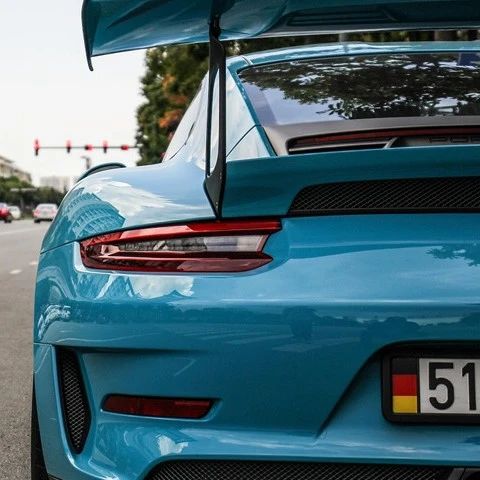
晚一天多花10万,豪车税惊了买车人
创业邦· 2025-07-23 03:13
Core Viewpoint - The recent adjustment of the luxury car tax in China has significantly impacted the high-end automobile market, with the threshold for tax applicability lowered from 1.3 million yuan to 900,000 yuan, affecting both traditional fuel vehicles and new energy vehicles [4][5][32]. Group 1: Tax Policy Changes - The new luxury car tax policy will take effect on July 20, lowering the retail price threshold for tax applicability from 1.3 million yuan to 900,000 yuan for various types of vehicles, including new energy cars [4][5]. - The effective price threshold for new cars, including tax, has decreased from 1.469 million yuan to 1.017 million yuan, meaning any new car priced between these amounts will incur an additional 10% luxury car tax [5][32]. Group 2: Market Reactions - The announcement of the new tax policy led to a surge in consumer activity, with many rushing to dealerships to purchase vehicles before the tax took effect, resulting in extended store hours and a rapid depletion of available stock [6][8]. - Luxury car brands such as Land Rover and Porsche have been particularly affected, with many of their models now falling under the new tax regulations, prompting a rush among consumers to secure vehicles before the tax increase [9][24]. Group 3: Brand-Specific Impacts - Brands like Porsche and Land Rover are expected to be the most impacted by the new tax policy, as many of their high-end models exceed the new price threshold [24][25]. - The luxury car market share is dominated by brands such as Mercedes-Benz, which holds 48% of the market share for vehicles priced above 1.017 million yuan, followed by Land Rover at 23% and Porsche at 18% [33]. Group 4: Consumer Sentiment - Some consumers expressed frustration over the sudden tax increase, with a notable number considering canceling their orders or seeking refunds on deposits due to the unexpected financial burden [12][13]. - Despite the discontent, some consumers have accepted the additional tax as a necessary contribution to government revenue, indicating a mixed sentiment towards the policy change [12][29]. Group 5: Future Market Dynamics - The adjustment of the luxury car tax is anticipated to reshape the competitive landscape of the luxury car market, potentially benefiting domestic brands as they gain more market opportunities due to the lowered tax threshold [41][42]. - The luxury car market is expected to see a shift in consumer preferences, with buyers possibly opting for high-end models from domestic brands that can strategically adjust pricing to avoid the luxury tax [36][40].

新能源大SUV扎堆发布,用户群体都是哪些人?
车fans· 2025-07-23 00:29
Core Viewpoint - The recent surge in the release of large electric SUVs is driven by market demand, particularly influenced by the two-child and three-child policies in China, alongside the growing popularity of electric vehicles [5] Group 1: Tesla - Tesla's upcoming large SUV, Model YL, is speculated to be priced around 400,000 RMB, although the official price is not yet released [3] - The vehicle features a three-row, six-seat configuration and is expected to have higher power than the current long-range Model Y, but customer interest appears low due to limited expectations for space [4] - Competitors include all current three-row, six-seat electric SUVs, such as Li Auto's i8 and other new entrants [4] Group 2: Huawei's AITO - The AITO M8 electric version is anticipated to be priced between 370,000 to 460,000 RMB, with a maximum CLTC range exceeding 700 km [8] - The M8 is attracting a younger demographic, around 35 years old, who prioritize space and intelligent driving assistance, with price being the primary concern [10] - The demand for large electric SUVs is bolstered by the success of brands like Tesla and NIO, as well as advancements in charging technology [10] Group 3: Li Auto - Li Auto's i8 is set to be priced between 350,000 to 400,000 RMB, emphasizing fast charging capabilities and spacious interior [13] - The target audience primarily consists of families, particularly those with two or more children, who seek versatile vehicles that can function as both SUVs and MPVs [13] - The release of multiple large SUVs is a response to significant market demand, with manufacturers aiming to enhance brand positioning through higher-priced models [13] Group 4: Ledo - Ledo's L90 is expected to be priced at 279,900 RMB, with a battery-as-a-service (BaaS) option starting at 193,900 RMB [16] - The L90's key selling points include a large front trunk, spacious interior, low energy consumption, and battery swapping capabilities [16] - The target market includes families, particularly those with children, who prioritize space, range, and convenient energy replenishment [16] Group 5: Zeekr - Zeekr's large SUV, the 9X, is projected to be priced above 450,000 RMB, featuring a super hybrid system and advanced technology [20] - The vehicle is designed for high-net-worth individuals and urban elites who have a unique pursuit of performance and technology [20] - The current market for full-size electric SUVs is relatively untapped, presenting an opportunity for early entrants to establish a strong market presence [20]
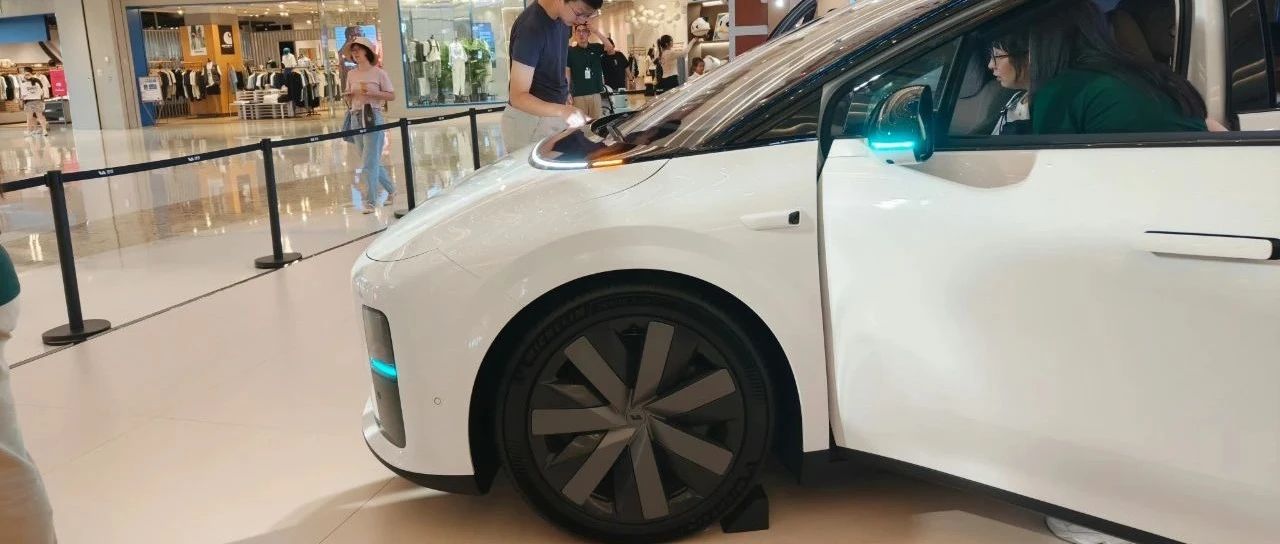
豪车税来了,晚一天多花10万
盐财经· 2025-07-22 10:00
Core Viewpoint - The recent adjustment of the luxury car tax in China has significantly impacted the high-end automobile market, with the threshold for tax applicability lowered from 1.3 million yuan to 900,000 yuan, affecting both traditional fuel vehicles and new energy vehicles [3][4][27]. Group 1: Tax Policy Changes - The new luxury car tax policy will take effect on July 20, lowering the retail price threshold for tax applicability from 1.3 million yuan to 900,000 yuan for various types of passenger cars and light commercial vehicles [3][4]. - The inclusion of new energy vehicles in the tax scope is a notable change, expanding the range of vehicles subject to the luxury car tax [4][27]. Group 2: Market Reactions - Following the announcement, there was a surge in consumer activity, with many rushing to dealerships to finalize purchases before the new tax took effect, leading to extended store hours and increased sales efforts [5][6][7]. - Some consumers who had already placed deposits on vehicles began to reconsider their purchases due to the unexpected tax increase, with reports of potential cancellations [10][13]. Group 3: Impact on Specific Brands - Brands such as Land Rover and Porsche are expected to be significantly affected, as many of their models now fall within the new tax range, leading to increased urgency among consumers to purchase before the tax implementation [9][21]. - The luxury car market is experiencing structural changes, with traditional fuel vehicles facing intensified competition from new energy models, further complicated by the new tax policy [5][27]. Group 4: Sales Data and Market Share - In the market segment affected by the new tax, Mercedes-Benz holds a 48% share, followed by Land Rover at 23% and Porsche at 18%, indicating a competitive landscape that may shift due to the tax changes [29][30]. - The sales figures for luxury vehicles show that models like the Range Rover and Porsche Cayenne are among the top sellers, highlighting the potential impact of the new tax on their sales dynamics [30]. Group 5: Future Market Dynamics - The adjustment of the luxury car tax is expected to alter the competitive landscape, potentially benefiting domestic luxury brands as they may find new opportunities in the market previously dominated by imported vehicles [34][35]. - The ongoing decline in imported vehicle sales suggests that domestic brands could capitalize on the new tax structure, appealing to consumers looking for alternatives in the luxury segment [34].

【百人会百人谈】对话法雷奥顾剑民:百年零部件“老店”重新定义“中国角色”
Xin Hua Cai Jing· 2025-07-22 09:59
Core Viewpoint - The Chinese automotive industry has transitioned from "market for technology" to becoming a "global technology innovation hub," with Valeo redefining its role in this evolving landscape [1] Group 1: Observations on the Chinese Automotive Industry - The automotive industry in China has significantly grown stronger, with Valeo now providing global automotive technology rather than just receiving it [2] - Chinese automotive companies are increasingly engaging in joint ventures and investments to supply overseas manufacturers, marking an important trend [2] Group 2: Valeo's Strategic Focus in China - Valeo's strategy has evolved from "manufacturing in China" to "researching in China for the global market," making Chinese R&D an integral part of global innovation [3] - The company aims to produce in China and supply to Europe and the U.S., emphasizing innovation within China [3] Group 3: Innovation as a Key Component - China has become a vital source of innovation for the global automotive industry, particularly in autonomous driving and electrification, with a growing proportion of original R&D and patent applications originating from China [4] - Valeo's recent product showcases, such as the intelligent front headlights developed for specific models, highlight the capabilities of its Chinese team [4] Group 4: Artificial Intelligence Integration - Valeo has been a pioneer in mass-producing AI products, including the first automotive-grade laser radar, and is leveraging AI to enhance R&D efficiency by 30% to 40% [5] - The company has established a dedicated team to integrate AI across various functions, including procurement and human resources [5] Group 5: Cost Management Strategies - Valeo acknowledges the pressure of cost optimization in the competitive market and emphasizes the importance of balancing cost with quality, safety, and performance [6][7] - The company is implementing various strategies to optimize costs, such as using AI tools for R&D cost reduction and digital tools for virtual development [8][9] - Collaborative development with clients is also a key approach to maintaining cost efficiency without transferring pressure to suppliers [9]
“零公里二手车”或被全面禁止,车企虚假繁荣的泡沫会被戳破吗?
3 6 Ke· 2025-07-22 07:22
Core Viewpoint - The phenomenon of "zero-kilometer used cars" has gained significant attention following criticism from Great Wall Motors' chairman, highlighting its prevalence in the industry and its implications for sales reporting and market integrity [1][4][9]. Group 1: Industry Impact - Many domestic car manufacturers have reportedly used zero-kilometer used cars to inflate sales figures, aiming to meet monthly and quarterly targets [1][4]. - The Ministry of Industry and Information Technology (MIIT) is considering a policy to prohibit the sale of used cars within six months of new car registration to combat this practice [1][10]. - The prevalence of zero-kilometer used cars has led to a distorted market, where new car sales are negatively impacted, creating a vicious cycle that pressures manufacturers to resort to such tactics [6][9]. Group 2: Market Dynamics - Data from the China Automobile Circulation Association indicates that vehicles registered within three months and with mileage under 50 kilometers accounted for 12.7% of the used car market in 2024, underscoring the scale of zero-kilometer used cars [6][9]. - The practice has also affected the profitability of dealerships, with over 40% of dealers reporting losses and a significant number of used car trading platforms going bankrupt [9][12]. - The zero-kilometer used car issue has implications beyond China, as it allows for the circumvention of high tariffs on new cars when exported as used cars, prompting international scrutiny and policy responses [8][9]. Group 3: Regulatory Responses - The proposed regulations by MIIT aim to reduce the market share of zero-kilometer used cars, although it is acknowledged that such measures may not completely eliminate the practice [10][12]. - The industry is urged to focus on healthy market practices, including better regulation of sales processes and reducing the pressure on dealerships to meet unrealistic sales targets [22][10]. - The ongoing discussions and regulatory efforts reflect a broader recognition of the need for a sustainable automotive market, moving away from reliance on artificial sales boosts [17][22].


中国首夺人形机器人足球世界杯;京东自营外卖店开业;“星际之门”难启动
Guan Cha Zhe Wang· 2025-07-22 01:07
Group 1: Robotics and AI Developments - China's Tsinghua Fire God team won the RoboCup humanoid soccer championship, marking the first victory for a Chinese team in this prestigious event since its inception in 1997 [1] - Nvidia's CEO Huang Renxun stated that the Chinese AI market will progress regardless of Nvidia's presence, highlighting the role of local innovators and companies like Huawei in driving advancements [1] - Alibaba Tongyi Qianwen announced an update to its flagship Qwen3 model, enhancing long text processing capabilities to 256K, and the new model is now open-sourced on platforms like HuggingFace [1] Group 2: AI Partnerships and Market Dynamics - OpenAI's "Stargate" project, a collaboration with SoftBank, is reportedly stalled due to disagreements over key terms, including site selection, which has delayed formal agreements for data centers [2] - OpenAI has signed a strategic partnership with the UK government to collaborate on AI safety research and infrastructure investment, expanding its London office and research team [2] Group 3: Talent Retention in AI Sector - Anthropic's co-founder Benjamin Mann emphasized that their team members are driven by a strong sense of mission, making them less susceptible to recruitment offers from major tech companies like Meta [3] Group 4: Automotive Industry Insights - The China Automobile Circulation Association reported that the Xiaomi SU7 has the highest one-year resale value at 88.91%, with 11 out of the top 15 models in resale value being from Chinese manufacturers [3] Group 5: Quantum Computing Advancements - The "Benyuan Wukong" quantum computer, developed by Benyuan Quantum, has been deployed in multiple locations across China, supporting major national research projects and talent development in quantum information [5] Group 6: Investment Trends in Intelligent Technology - Yushu Technology has initiated IPO counseling, with plans to submit its application as early as October, reflecting the competitive landscape in the embodied intelligence sector [5] - JD.com has made significant investments in several robotics companies, indicating a strong focus on technological innovation and supply chain applications in the embodied intelligence field [5] Group 7: New Business Models in Food Delivery - JD.com launched its first self-operated takeaway store named "Qixian Xiaochu," which operates on a "takeaway + self-pickup" model, aiming to differentiate itself from competitors like Meituan [6] Group 8: Automotive Sales Practices - Zeekr denied allegations of selling "0-kilometer used cars," clarifying that the vehicles in question are display cars that have not been registered for retail sale, thus maintaining their status as new vehicles [7]


8点1氪:肯德基回应老人占座打牌顾客站着;临期红色尖叫被炒到88元一瓶,农夫山泉回应;高铁一次性座椅套热销
36氪· 2025-07-22 00:36
Group 1 - Yuzhu Technology has initiated its IPO counseling with CITIC Securities as the advisory firm, aiming to submit its IPO application by October 2023 [3] - The capital competition in the embodied intelligence sector is intensifying, with multiple companies like Zhiyuan Robotics and others disclosing financing progress in July [3] - Goer Microelectronics has resubmitted its listing application to the Hong Kong Stock Exchange, with several major financial institutions acting as joint sponsors [3] Group 2 - KFC responded to concerns about elderly patrons occupying seats without ordering, stating that staff are attempting to communicate with them to minimize impact on other customers [4] - Nongfu Spring is addressing the issue of inflated prices for its "Red Scream" drink on second-hand platforms, with prices reaching up to 88 yuan per bottle, significantly above the original price [5][6] - 12306 confirmed that high-speed train seats are disinfected daily, but they do not currently sell disposable seat covers [6] Group 3 - The first national standard for campus meal services will be implemented on December 1, 2023, aimed at improving food safety in schools [7] - Good Products has been involved in a 996 million yuan share transfer dispute, with the case currently accepted by the Guangzhou Intermediate People's Court [7] - JD.com has made significant investments in three robotics companies, emphasizing its focus on technology innovation in supply chain scenarios [8] Group 4 - Xiaomi's SU7 electric vehicle has the highest one-year resale value at 88.91%, according to a report by the China Automobile Circulation Association [10] - The market for online literature exports is projected to exceed 5 billion yuan in 2024, with a significant increase in overseas user engagement [11] - Xiaohongshu is testing a feature to import articles from public accounts, enhancing content sharing capabilities [11] Group 5 - Ant Group's AI health application AQ has launched on iOS, quickly topping the medical app charts and integrating with Apple Watch for enhanced health monitoring [19] - Alibaba's Tongyi Qianwen has updated its flagship Qwen3 model, enhancing its capabilities for long text processing [20] - The number of generative AI services registered in China has reached 346, reflecting the rapid growth and global attention on Chinese AI products [21]
8点1氪|肯德基回应老人占座打牌顾客站着;临期红色尖叫被炒到88元一瓶,农夫山泉回应;高铁一次性座椅套热销
3 6 Ke· 2025-07-22 00:12
Group 1 - Yushu Technology has initiated its IPO counseling with CITIC Securities as the advisory firm, aiming to submit its IPO application by October 2023 [2] - The capital competition in the embodied intelligence sector is intensifying, with multiple companies like Zhiyuan Robotics and others disclosing financing progress in July [2] - Goer Microelectronics has re-submitted its listing application to the Hong Kong Stock Exchange, with several financial institutions acting as joint sponsors [2] Group 2 - The first national standard for campus meal services will be implemented on December 1, 2023, aimed at enhancing food safety in schools [5] - Good Products has been involved in a share transfer dispute amounting to 996 million yuan, with the case currently accepted by the Guangzhou Intermediate People's Court [5] - JD.com has made significant investments in three robotics companies, indicating a focus on technological innovation in supply chain scenarios [6] Group 3 - The Chinese third-generation autonomous superconducting quantum computer "Benyuan Wukong" has been deployed in multiple locations, supporting major national research projects [6] - Xiaomi SU7 has achieved the highest one-year resale value among electric vehicles at 88.91%, indicating strong market performance [8] - The overseas market for online literature is projected to exceed 5 billion yuan in 2024, with a significant increase in overseas user numbers [9] Group 4 - Ant Group's AI health application AQ has launched on iOS and quickly topped the Apple App Store's medical category, indicating strong market interest [16] - Alibaba's Tongyi Qianwen has updated its flagship Qwen3 model, enhancing its capabilities for long text processing [17] - The number of generative AI services registered in China has reached 346, reflecting the rapid growth of AI applications [18] Group 5 - "Box Box Sharing" has completed over 100 million yuan in Series F financing, aimed at enhancing its industry capabilities [19] - "Jiliu Technology" has secured nearly 100 million yuan in A+ round financing, focusing on core technology development [20] - "Tongxin Medical" has completed over 100 million USD in strategic financing to accelerate its international expansion [21]