三星

Search documents
推理芯片的四种方案,David Patterson撰文
半导体行业观察· 2026-01-19 01:54
公众号记得加星标⭐️,第一时间看推送不会错过。 编者按 日前,由Xiaoyu Ma和David Patterson联合署名的文章《Challenges and Research Directions for Large Language Model Inference Hardware》正式发布。这篇文章被发布以后,引起了广 泛关注。文章中,作者围绕LLM推理芯片的挑战以及解决方案,给出了建议。 以下为文章正文: 大型语言模型 (LLM) 推理难度很高。底层 Transformer 模型的自回归解码阶段使得 LLM 推理与训 练有着本质区别。受近期人工智能趋势的影响,主要挑战在于内存和互连,而非计算能力。 为了应对这些挑战,我们重点介绍了四个架构研究方向:高带宽闪存,可提供 10 倍内存容量,带宽 堪比 HBM;近内存处理和 3D 内存逻辑堆叠,可实现高内存带宽;以及低延迟互连,可加速通信。 虽然我们的研究重点是数据中心人工智能,但我们也探讨了这些方案在移动设备上的应用。 引言 当一位作者于 1976 年开始其职业生涯时,计算机体系结构会议上约 40% 的论文来自业界。到 2025 年 ISCA 会议时,这一 ...


苹果低下了高傲的头颅
创业邦· 2026-01-19 01:13
Core Viewpoint - The collaboration between Apple and Google represents a strategic alliance to leverage Google's AI capabilities through the Gemini model, allowing Apple to enhance its Siri functionality while mitigating its own technological lag in AI development [6][14][21]. Group 1: Apple's AI Concerns - Apple's delay in AI development is evident, with only 5% global AI smartphone penetration in 2023, projected to rise to 28% by 2025 and 54% by 2027, indicating a significant market opportunity that Apple is missing [8]. - Apple's self-developed AI model has only 150 billion parameters, with a benchmark score of 78.6%, falling short of industry leaders [8]. - The loss of key AI team members to competitors like Meta and OpenAI has delayed Apple's AI progress by 18 months, raising concerns about its competitive position [8]. Group 2: Siri's Performance and Market Impact - Siri's user satisfaction has dropped to 62% in 2025, a 15% decline from 2023, and it ranks lower than competitors like Google Assistant and Huawei's Xiao Yi [10]. - The decline in Siri's performance is affecting iPhone sales, with a 2.1% drop in global smartphone market share attributed to unmet AI functionality demands [10]. - Apple estimates that building the infrastructure for a trillion-parameter AI model would cost $48 billion and take at least three years, raising questions about its willingness to invest in potentially outdated technology [10]. Group 3: Strategic Partnership Dynamics - Apple will pay Google $1 billion annually to utilize the Gemini model, which will enhance Siri's capabilities and provide Apple with a buffer period for its own AI development [14][24]. - The partnership allows Apple to maintain user experience while avoiding significant capital expenditure risks, effectively transferring some of the risks associated with AI development [14]. - Google's ambition with Gemini is to create a platform that serves as the foundational AI layer for all smart devices, requiring extensive real-world data for optimization [15]. Group 4: User Engagement and Data Acquisition - iPhone users engage with voice assistants 4.2 times daily, significantly more than Android users, indicating a higher quality of interaction that Google can leverage through this partnership [16]. - By integrating Gemini into Siri, Google can access a high-quality user base for data collection, enhancing Gemini's capabilities in real-time [18]. - The collaboration is expected to increase Gemini's monthly active users to over 500 million by the end of 2026, boosting its market share to over 25% [18]. Group 5: Future Implications and Market Position - The partnership signifies a shift in the AI industry from performance competition to ecosystem binding capabilities, with the ability to integrate into mainstream hardware being crucial for dominance [21]. - OpenAI's market share may decline as Gemini becomes the primary AI engine for Apple devices, potentially reducing OpenAI's influence in the Apple ecosystem [21]. - Apple's non-exclusive agreement with Google allows for the possibility of integrating other AI models in the future, indicating a strategic approach to maintain flexibility in AI partnerships [23].



回归业绩!主题轮动加快,聚集这些板块
Zheng Quan Shi Bao Wang· 2026-01-19 00:45
Group 1 - The market is expected to experience a shift from a one-sided trend driven by narratives and capital to a more performance-focused environment as annual report forecasts approach [2][4] - The adjustment of financing margin ratios is seen as a signal to guide rational investment and maintain market stability, with a focus on sectors like traditional manufacturing and resource pricing [2][5] - The recent regulatory measures aim to prevent excessive speculation and market manipulation, leading to a more rational return of market sentiment [3][4] Group 2 - The focus is shifting towards sectors with strong demand support and industrial catalysts, particularly in low-position technology areas such as domestic computing power and new energy [3][4] - The upcoming earnings disclosures are expected to heighten the competitive sentiment around performance, with attention on sectors that may exceed expectations [4][9] - The market is likely to transition into a consolidation phase after reaching previous highs, with a recommendation for investors to adopt a stable allocation strategy [5][7] Group 3 - The "spring market" is facing short-term pressures due to various factors, including complex overseas macro environments and domestic regulatory intentions [6][8] - Despite recent market weaknesses, there is potential for continued upward movement in the AI application sector, driven by strong fundamentals [6][11] - The overall market valuation remains reasonable, supported by macro policies and a gradual recovery in corporate earnings [9][10]



十大券商一周策略:历次“降温”后反而大概率创新高,围绕业绩博弈情绪升温,长牛慢牛基础进一步夯实
Sou Hu Cai Jing· 2026-01-19 00:00
Group 1 - The A-share market is transitioning from an "emotion-driven" phase to one anchored by performance, indicating a shift towards a more stable upward trend [1][2] - As the annual report preview period approaches, the focus of investment logic is shifting from narrative-driven speculation to performance verification [1][2] - A robust investment strategy should combine high-growth sectors like AI computing with cyclical sectors such as resources and manufacturing to create a balanced portfolio [1][2] Group 2 - The adjustment of financing margins does not alter the overall upward trend of the market but will impact its structure, leading to increased competition among thematic sectors [2][4] - The current market environment suggests that the next key verification point will be the performance disclosures in April, with a focus on sectors like AI applications and robotics [3][4] - The market is expected to experience short-term fluctuations, with a focus on sectors benefiting from supply-demand improvements, such as new energy and consumer goods [4][5] Group 3 - The policy environment remains supportive, with indications of potential interest rate cuts, which could bolster market confidence and support a long-term bullish trend [6][7] - The current market structure is likely to see a rotation towards sectors with strong fundamentals, such as industrial resources and consumer recovery channels [3][7] - The investment focus should remain on sectors with high growth potential, including AI, semiconductor equipment, and traditional manufacturing [3][5][10] Group 4 - The "spring rally" is facing short-term pressures due to complex macroeconomic conditions and regulatory measures aimed at stabilizing the market [8][9] - Despite recent market corrections, the underlying logic for AI applications remains intact, suggesting continued investment opportunities in this area [8][12] - The overall market sentiment is expected to stabilize, with a focus on sectors like electronics, power equipment, and non-bank financials as potential investment areas [9][10]
中银晨会聚焦-20260119-20260119
Bank of China Securities· 2026-01-18 23:57
Core Insights - The report emphasizes a positive outlook for the AI application sector, indicating that the current market dynamics are driven by macro liquidity, industry trends, and performance validation, suggesting a continuation of the bullish trend in this area [9][11][13] - The report highlights the expected growth in global electric vehicle sales, which is anticipated to drive demand for batteries and materials, particularly in the context of solid-state battery technology reaching a critical engineering validation phase [4][22] - The report notes that the "spring excitement" market is facing short-term pressure, influenced by external macroeconomic uncertainties and domestic regulatory adjustments aimed at stabilizing market conditions [9][10] Macroeconomic Overview - The macroeconomic analysis indicates a preference for asset allocation in the following order: equities > commodities > bonds > cash, reflecting a strategic approach to navigating uncertainties in 2026 [5][7] - Key economic indicators from December show new social financing at 2.21 trillion yuan and new loans at 910 billion yuan, with M2 growth at 8.5% year-on-year, suggesting a stable economic environment [5] Industry Performance - The report provides a detailed breakdown of industry performance, with the electronic sector showing a 2.64% increase, while media and computer sectors experienced declines of 4.84% and 2.23% respectively, indicating varied performance across sectors [1] - The report identifies the current allocation in the multi-strategy industry rotation system, with significant positions in basic chemicals (13.8%), non-bank financials (12.9%), and coal (8.5%), reflecting a diversified investment strategy [3][19] Electric Power Equipment and New Energy - The report maintains a strong market outlook for the electric power equipment and new energy sectors, with recommendations to focus on companies involved in solid-state batteries, photovoltaic materials, and hydrogen energy applications [4][22] - It highlights the anticipated growth in wind power demand, supported by government initiatives to expand renewable energy projects, suggesting a favorable environment for related companies [22][24] Company-Specific Insights - The report mentions specific companies such as BYD, which is actively pursuing solid-state battery technology, and highlights the expected profitability turnaround for Tianji Co. in 2025, projecting a net profit of 70 million to 105 million yuan [25][24] - It also notes the expected losses for companies like JinkoSolar and TCL Zhonghuan, indicating challenges within the sector despite overall growth prospects [25][24]
澜起科技受益AI市场需求年赚预超21亿 推进“A+H”上市或获阿里等机构参投
Chang Jiang Shang Bao· 2026-01-18 23:55
Core Viewpoint - The company, 澜起科技, is expected to see significant growth in its 2025 annual performance, driven by the booming AI industry and increased demand for its interconnect chips [1][2]. Financial Performance - For 2025, 澜起科技 anticipates a net profit attributable to shareholders of between 2.15 billion and 2.35 billion RMB, representing a year-on-year increase of 52.29% to 66.46% [1][2]. - The company expects a non-recurring net profit of 1.92 billion to 2.12 billion RMB, reflecting a growth of 53.81% to 69.83% compared to the previous year [1][2]. - In 2024, 澜起科技 reported a revenue of 3.639 billion RMB, a year-on-year increase of 59.20%, and a net profit of 1.412 billion RMB, up 213.10% [4]. Market Trends and Product Development - The growth in 澜起科技's performance is attributed to the strong demand in the AI sector, with a notable increase in the shipment of interconnect chips [1][2]. - The company launched its second-generation MRCD/MDB chips in January 2025, with expected orders exceeding 140 million RMB for the next six months [3]. - The transition of AI from training to inference is anticipated to drive further demand for high-speed interconnect chips [3]. Upcoming IPO and Strategic Partnerships - 澜起科技 is making progress on its H-share listing plan in Hong Kong, with key investors such as Alibaba and Morgan Asset Management participating as cornerstone investors [1][7]. - The company has received necessary approvals from regulatory bodies, including the China Securities Regulatory Commission, for its overseas listing [7]. Company Background - 澜起科技 is a leading international designer of data processing and interconnect chips, focusing on high-performance, low-power chip solutions for cloud computing and AI [6]. - The company has a significant presence in overseas markets, with revenue from international markets accounting for 84.02% and 70.83% of total revenue in 2023 and 2024, respectively [6].

【十大券商一周策略】回归业绩!主题轮动加快,聚焦这些板块
券商中国· 2026-01-18 15:07
Group 1 - The core viewpoint emphasizes a shift from narrative-driven trends to performance-based evaluations as the market enters the earnings forecast period, with a focus on sectors like chemicals, non-ferrous metals, and power equipment [2][5] - The adjustment of financing margins is seen as a part of counter-cyclical regulation, which does not affect the overall upward market trend but influences market structure [2][6] - The article suggests that a good investment combination should be based on "resources + traditional manufacturing pricing weight estimation," with recommendations to increase allocations in non-bank sectors and high-growth areas like semiconductors [2][6] Group 2 - The article discusses the acceleration of thematic rotation in the market, particularly focusing on domestic semiconductor and power sectors, driven by regulatory actions and increased demand for domestic computing power [3][4] - It highlights the importance of monitoring investor sentiment and market stability, suggesting that the current market may enter a period of volatility with potential for structural differentiation in investments [4][8] - The focus on performance-driven investment strategies is expected to intensify as companies begin to disclose earnings, with a recommendation to prioritize sectors that are likely to benefit from cyclical recovery and technological advancements [5][11] Group 3 - The article notes that the recent increase in financing margins reflects a policy signal aimed at guiding rational investment and maintaining market stability, which is crucial for the long-term bullish outlook [7][10] - It emphasizes that while the market may face short-term pressures, the underlying fundamentals and supportive policies are expected to sustain a gradual upward trend in the market [8][9] - The discussion includes the potential for new growth drivers post-holiday, with a focus on sectors like electronics, power equipment, and non-ferrous metals, as well as the ongoing interest in commercial aerospace [9][12] Group 4 - The article indicates that the AI industry chain is becoming a focal point for investment, with a notable shift in capital towards sectors related to AI applications and computing power [12] - It suggests that despite some funds exiting high-flying sectors, liquidity remains strong, allowing for continued investment in less leveraged sectors like chemicals and home appliances [12] - The overall sentiment is that the market is transitioning from rapid growth to a more stable and sustainable pace, with a focus on sectors that can provide solid returns amidst changing market dynamics [10][11]


贾国龙、比尔盖茨、任正非、何享健及夜莺计划
Sou Hu Cai Jing· 2026-01-18 15:00
Core Viewpoint - The article discusses the challenges faced by aging entrepreneurs in adapting to new market dynamics and the importance of succession planning for the sustainability of their companies [3][4]. Group 1: Entrepreneurial Challenges - Aging entrepreneurs, like 贾国龙, may struggle to adapt to new market conditions, which can jeopardize their companies and employees [4]. - The concept of "以人为本" (people-oriented) is debated, suggesting that while it is essential for employee welfare, it may not always apply to entrepreneurs who need to make tough decisions for the company's future [5]. Group 2: Succession Planning - The article emphasizes the necessity for first-generation entrepreneurs in China to consider succession and the implications of their leadership style on the company's future [6]. - Examples of successful transitions, such as Bill Gates and 张忠谋, illustrate the importance of timely succession and the ability to step back when necessary [6].

从DDR4价格异常入手,透视DRAM市场利基、通用型二元结构
Sou Hu Cai Jing· 2026-01-18 14:32
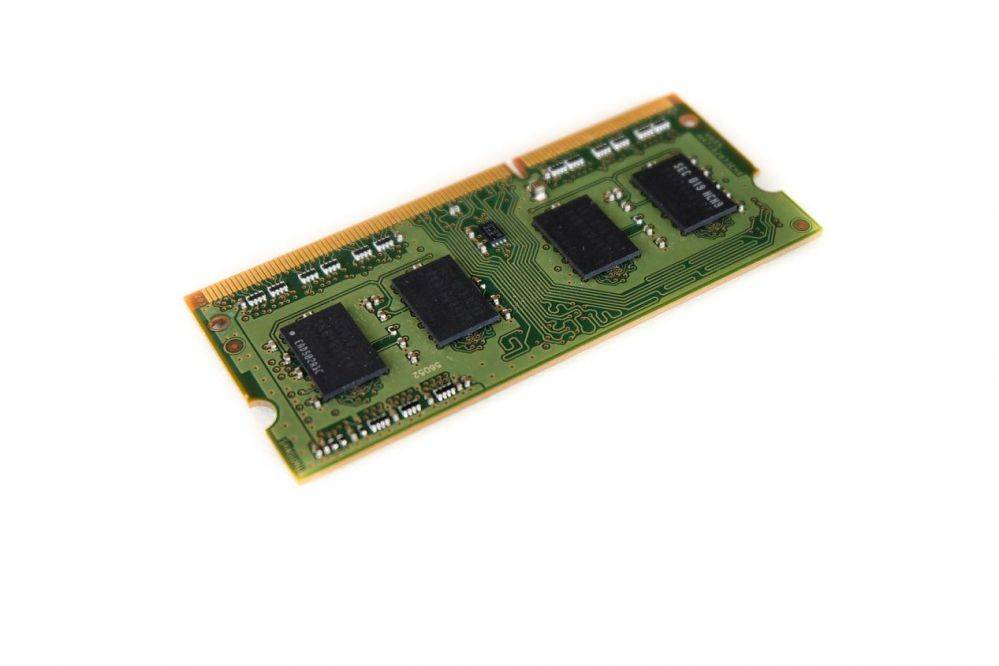
Core Insights - The global semiconductor memory market is experiencing an unusual phenomenon where the older DDR4 memory prices are surging unexpectedly, even surpassing the more advanced DDR5 in performance [1][3] Group 1: Price Dynamics - From Q2 2025, mainstream DDR4 chip and module prices began to soar, with consumer-grade DDR4 contract prices increasing by over 60% in a single month by mid-year [1] - By July, the price of PC DDR4 modules officially exceeded that of DDR5 modules of the same capacity [1] - In the spot market, prices fluctuated dramatically, with some models experiencing daily price changes, leading to a rare situation of "money without goods" [1] Group 2: Supply Chain Disruption - The price inversion is primarily driven by major storage companies like Samsung, SK Hynix, and Micron, which are strategically shifting their production capacity away from DDR4 to focus on HBM and DDR5 [4] - This shift is largely influenced by the demand for AI servers, which require high-speed data processing, making HBM a highly valuable resource [4] - Over 80% of advanced production capacity has been allocated to these new products, resulting in a drastic decline in DDR4 supply [5] Group 3: Market Segmentation - The consumer electronics market is rapidly adjusting to the price changes, with manufacturers increasing the proportion of DDR5 models in their product lines due to the instability and high prices of DDR4 [6] - In contrast, industries such as industrial control, automotive electronics, and medical devices face significant challenges due to their long product lifecycles and existing investments in DDR4, leading to panic buying and difficulties in finding alternative suppliers [8] Group 4: Industry Reflection - The DDR4 price situation highlights the dual-track nature of the semiconductor market, where one track focuses on advanced processes and scale, while the other serves niche markets with stable demand [8] - The current imbalance between these tracks is a result of the AI wave pulling resources towards the standard track, leaving the niche track under pressure [8] Group 5: Future Outlook - The peak prices of DDR4 are expected to decline as panic subsides and existing stock is consumed, marking the end of DDR4 in mainstream consumer markets [9] - This situation underscores the importance of supply chain security and business continuity for older technologies that support essential industries, alongside the need for innovation [9]
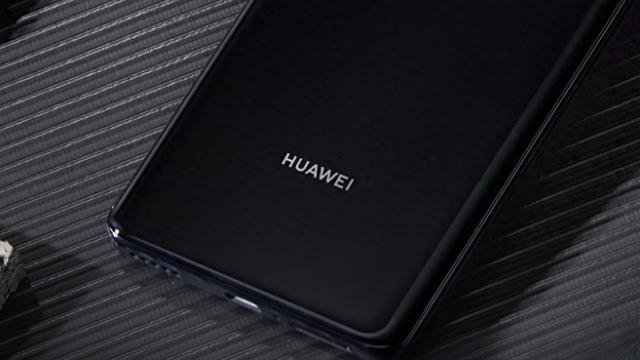
华为重夺国内第一 自研芯片破局 国产高端格局生变?
Xin Lang Cai Jing· 2026-01-18 13:34
Core Insights - Huawei regained the top position in the domestic smartphone market with 46.7 million units shipped, capturing a 16.4% market share, ending Apple's years of dominance [1][12] - The shift in consumer sentiment towards domestic brands and self-developed technology marks the arrival of a new era for high-end domestic smartphones [3][12] Market Performance - The overall domestic smartphone market is expected to see a 1% year-on-year decline in shipments for 2025, reflecting weak consumer confidence [1] - Huawei's Mate 80 series achieved over 2 million units shipped in its first month, while the Pura 80 series gained popularity due to its practical camera design [3] Consumer Preferences - Over 62% of new Huawei users chose the brand due to recognition of domestic self-developed technology rather than just technical specifications [3] - There is a noticeable shift in consumer behavior from blindly pursuing international brands to valuing technological independence and brand sentiment [3] Technological Advancements - The Kirin 9030 series chips have improved performance by 42%-45% compared to previous generations, balancing performance and power consumption through software optimization [5] - Huawei's self-developed chips not only alleviate supply chain issues but also allow for innovative product design, as seen in the Pura 80 Ultra's unique dual telephoto lens system [5] High-End Market Dynamics - The high-end smartphone market (priced above 3000 yuan) surpassed 30% of the total market share for the first time, becoming a key growth driver [7] - Huawei has transitioned from a follower to a rule-maker in the high-end market, particularly in the foldable phone segment, where it holds over 60% market share [7] Competitive Landscape - Samsung's market share in the foldable segment is declining due to its overly international product design, which does not align with domestic user habits [8] - Local brands like Vivo are also gaining traction in the high-end market, indicating a shift towards a domestically-led market landscape [8] Industry Implications - Huawei's resurgence highlights the importance of self-innovation as a long-term competitive advantage in an uncertain global supply chain environment [10] - The global smartphone market is projected to grow by 1.5% in 2025, with emerging markets and AI devices driving growth, while the domestic market is expected to recover only in 2026 [10] Conclusion - Huawei's reclaiming of the top position in the domestic smartphone market is not merely a rebound but a culmination of years of technological accumulation, signaling the official arrival of the high-end domestic smartphone era [12]