
中国移动

Search documents
招银国际每日投资策略-20260114
Zhao Yin Guo Ji· 2026-01-14 03:19
Market Overview - Global markets showed mixed performance, with the Hang Seng Index rising by 0.90% and the Shanghai Composite Index declining by 0.64% [1][3] - The US stock market experienced slight declines, with the Dow Jones down by 0.80% and the S&P 500 down by 0.19% [1][3] - Japanese stocks reached new highs, supported by expectations of continued expansionary fiscal policies [3] Hong Kong Stock Performance - The Hang Seng Financial Index increased by 1.36%, while the Hang Seng Real Estate Index rose by 0.42% [2] - The Hang Seng Commercial Index saw a 0.70% increase, indicating positive sentiment in the commercial sector [2] Chinese Stock Market Insights - The Chinese stock market exhibited mixed results, with sectors such as defense and electronics facing declines, while oil and pharmaceuticals showed gains [3] - Southbound capital saw a net inflow of HKD 1.296 billion, with notable purchases in Alibaba, Tencent, and Xiaomi [3] Company Analysis: JD.com - JD.com is projected to achieve total revenue of RMB 349.2 billion in Q4 2025, reflecting a year-on-year growth of 0.6% [5] - Non-GAAP net profit is expected to drop significantly by 96% to RMB 484 million, primarily due to increased investment in the delivery business and high base effects from the previous year [5] - The target price for JD.com has been adjusted to USD 46.8, reflecting a downward revision in profit forecasts [5] Company Analysis: China Resources Mixc Lifestyle - China Resources Mixc Lifestyle is expected to see a revenue increase of 6.5% to RMB 18.2 billion for FY25, with core net profit projected to grow by 10.8% to RMB 3.9 billion [6] - The commercial segment is anticipated to grow by 13.8%, while the residential segment remains stable [6] - The target price has been raised to HKD 53.96, reflecting a 9% increase in valuation multiples due to reduced reliance on residential business [6][7] Shopping Center Sector Insights - The shopping center sector is expected to see retail sales growth of 20-25% in FY25, driven by new consumer trends [7] - The segment's revenue is projected to grow by 18%, influenced by high base effects from the previous year [7] Residential Sector Insights - The residential sector is expected to maintain stable revenue growth of 1.3%, with property management services showing resilience [8] - The company is likely to maintain a 100% dividend payout ratio, reflecting a commitment to shareholder returns [8]
港股通数据统计周报-20260114
Zhe Shang Guo Ji Jin Rong Kong Gu· 2026-01-14 02:28
Group 1: Top Net Buy/Sell Companies - The top net buy company is 盈富基金 (2800.HK) with a net buy amount of 6.465 billion CNY, representing a holding change of 244,904,500 shares[8] - The second highest net buy is 小米集团-W (1810.HK) with a net buy amount of 3.704 billion CNY, with a holding change of 97,941,310 shares[8] - The top net sell company is 中国移动 (0941.HK) with a net sell amount of -3.517 billion CNY, reflecting a holding change of -43,443,065 shares[9] Group 2: Industry Distribution of Net Buy/Sell - The financial sector shows a significant net buy, while the telecommunications sector has a notable net sell, indicating a shift in investor sentiment[11] - Information technology companies like 小米集团-W and 腾讯控股 are actively traded, with mixed net buy/sell results, suggesting volatility in this sector[11] - The healthcare sector, represented by companies like 石药集团, has seen a net buy, indicating potential growth interest from investors[11] Group 3: Active Stocks - 阿里巴巴-W (9988.HK) is the most active stock in the Shanghai-Hong Kong Stock Connect with a total trading volume of 6.569 billion CNY and a net sell of -2.114 billion CNY[18] - The second most active stock is 金风科技 (2208.HK) with a trading volume of 3.307 billion CNY and a net sell of -0.130 billion CNY[18] - The trading activity of 中芯国际 (0981.HK) shows a total volume of 2.174 billion CNY with a net sell of -0.174 billion CNY, indicating investor caution[18]
智通港股沽空统计|1月14日
智通财经网· 2026-01-14 00:38
Group 1 - Anta Sports (82020), Lenovo Group (80992), and Kuaishou (81024) have the highest short-selling ratios at 100.00%, 78.04%, and 71.83% respectively [1][2] - Alibaba (09988), Tencent Holdings (00700), and Xiaomi Group (01810) lead in short-selling amounts, with 2.968 billion, 1.700 billion, and 1.588 billion respectively [1][2] - China National Building Material (03323), Jiangsu Nanjing Highway (00177), and China Liansu (02128) have the highest deviation values at 33.68%, 31.58%, and 22.77% respectively [1][2] Group 2 - The top short-selling stocks by amount include Alibaba (09988) at 2.968 billion, Tencent Holdings (00700) at 1.700 billion, and Xiaomi Group (01810) at 1.588 billion [2] - The top short-selling ratios are led by Anta Sports (82020) at 100.00%, followed by Lenovo Group (80992) at 78.04%, and Kuaishou (81024) at 71.83% [2] - The highest deviation values are recorded for China National Building Material (03323) at 33.68%, Jiangsu Nanjing Highway (00177) at 31.58%, and China Liansu (02128) at 22.77% [2][3]




【窩輪透視】中移動震盪加劇!該佈局認購還是認沽窩輪?
Ge Long Hui· 2026-01-13 22:24
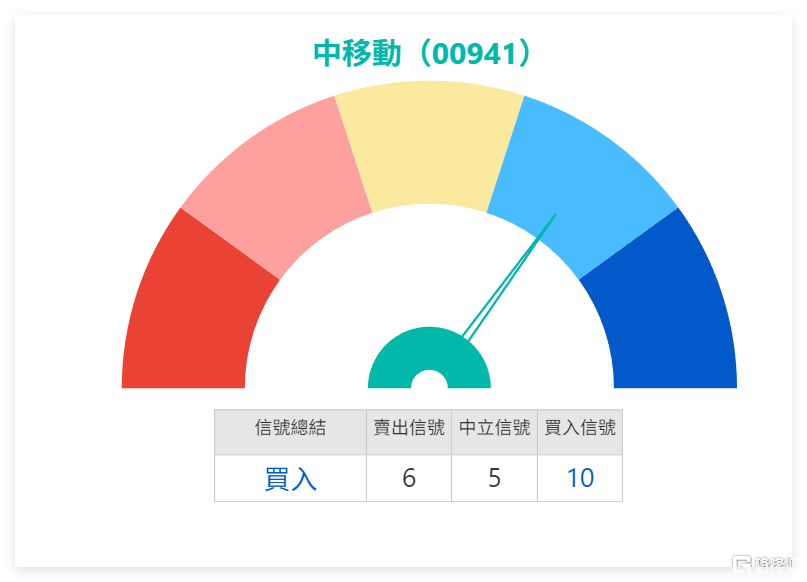
Core Viewpoint - China Mobile's stock price has been on a downward trend, with recent concerns about it potentially falling below 80 HKD, despite some short-term rebounds [1][3]. Technical Analysis - Current stock price is 81.05 HKD, down 0.12%, with a trading volume of 1.173 billion HKD. Support levels are at 78 HKD and 74.7 HKD, while resistance levels are at 84.4 HKD and 87.7 HKD. The probability of an upward movement is 56%, with a 5-day volatility of 2.5% [1]. - The RSI index is at 32, indicating oversold conditions, while the Williams indicator also signals a buy. The VR ratio shows a decrease in selling pressure, suggesting a buy signal. However, MACD and Bollinger Bands still indicate sell signals, leading to mixed market sentiments [1]. Derivative Products Analysis - Historical data shows that the Societe Generale call option (24167) linked to China Mobile rose by 8% within two days of its listing, while the underlying stock only changed by 0.31%, highlighting the leverage effect of options [3]. - Recommended products include: - Bank of China call option (23993) with a leverage of 10.1 and a strike price of 96.28 HKD, noted for its relatively low premium. - Bank of China put option (21625) with a leverage of 18.6 and a strike price of 75.83 HKD, which has the lowest premium and implied volatility [6][7]. Investment Strategy - Investors holding related options are advised to set profit-taking levels based on their risk tolerance to avoid potential losses from short-term volatility. New investors are cautioned against chasing high-premium options due to the unclear trend of China Mobile's stock [6][8].

2026年以来南向资金持续流入 机构人士:港股有望震荡上行
Zhong Guo Zheng Quan Bao· 2026-01-13 22:22
Core Viewpoint - The southbound capital flow into the Hong Kong stock market reached a record net inflow of 1,404.844 billion HKD in 2025, continuing into 2026 with a cumulative net inflow of 41.296 billion HKD as of January 13, 2026, indicating strong market performance driven by this influx [1][2]. Group 1: Southbound Capital Flow - In 2025, southbound capital became the largest source of incremental funds for the Hong Kong stock market, with a total net inflow of 1,404.844 billion HKD, setting a record for annual net inflow [2]. - As of January 13, 2026, there were 6 out of 7 trading days with net inflows, totaling 41.296 billion HKD since the beginning of the year [2]. - The number of shares held by southbound capital increased to 5,643.75 billion shares, with a market value of 6.33 trillion HKD, reflecting a growth of 0.19 trillion HKD since the start of 2026 [2]. Group 2: Market Performance - The Hang Seng Index rose over 4% and the Hang Seng Technology Index increased over 6% since the beginning of 2026, with more than 60% of stocks in the index with a market capitalization exceeding 1 trillion HKD showing an average increase of over 3% [1][5]. - The healthcare, materials, and conglomerates sectors led the market with increases of 15.46%, 12.86%, and 7.62% respectively, while only the telecommunications sector saw a decline of 0.49% [5][6]. - Major stocks such as Tencent Holdings and Alibaba-W saw significant increases, with Tencent rising 4.76% and Alibaba increasing 11.97% since the start of 2026 [6]. Group 3: Investment Outlook - Analysts predict that the southbound capital flow will continue to increase, driven by the low allocation of mainland investors in Hong Kong stocks and the trend of retail funds flowing into the market through ETFs [4]. - The market is expected to benefit from the "14th Five-Year Plan" and the dual easing of fiscal and monetary policies from major economies, with a focus on technology innovation and consumption themes [7][8]. - Five long-term investment directions are suggested: technology sectors including AI, healthcare, resource sectors benefiting from inflation, essential consumer sectors, and industries benefiting from RMB appreciation [8].
2026年以来南向资金持续流入机构人士:港股有望震荡上行
Zhong Guo Zheng Quan Bao· 2026-01-13 20:46
Core Viewpoint - The southbound capital flow into the Hong Kong stock market reached a record net inflow of 1,404.84 billion HKD in 2025, continuing into 2026 with a cumulative net inflow of 41.296 billion HKD as of January 13, 2026, contributing to a strong performance in the Hong Kong stock market [1][2]. Group 1: Southbound Capital Flow - In 2025, southbound capital was the largest incremental funding source for the Hong Kong stock market, with a total net inflow of 1,404.84 billion HKD, setting a record for annual net inflow [1]. - As of January 13, 2026, southbound capital continued to increase, with a cumulative net inflow of 41.296 billion HKD in just seven trading days, with six of those days showing net inflows [2]. - The number of shares held by southbound capital reached 5,643.75 billion shares as of January 12, 2026, an increase of 6.39 million shares since the beginning of 2026, with a total market value of 6.33 trillion HKD [2]. Group 2: Market Performance - The Hang Seng Index, Hang Seng China Enterprises Index, and Hang Seng Technology Index saw cumulative increases of 4.75%, 4.17%, and 6.41% respectively since the beginning of 2026 [4]. - Over 80% of the constituent stocks in the Hang Seng Index have risen, with notable increases in stocks such as Alibaba Health, WuXi Biologics, and JD Health, all exceeding 20% [4]. - The healthcare, materials, and conglomerates sectors led the market with increases of 15.46%, 12.86%, and 7.62% respectively, while only the telecommunications sector saw a decline of 0.49% [4]. Group 3: Valuation and Future Outlook - The rolling price-to-earnings ratio of the Hang Seng Index increased to 12.27 times as of January 13, 2026, up from 11.77 times at the beginning of 2026 [5]. - Analysts predict that the Hong Kong stock market will benefit from domestic policies and external economic conditions, with expectations of a second round of valuation recovery and further earnings growth in 2026 [6]. - Key investment themes include technology innovation, cyclical industries, and consumer sectors, with a focus on AI-related sectors, healthcare, and resource commodities [7].
1月12日【港股Podcast】恆指、阿里、百度、中移動、瑞聲科技、紫金礦業
Ge Long Hui· 2026-01-13 20:41
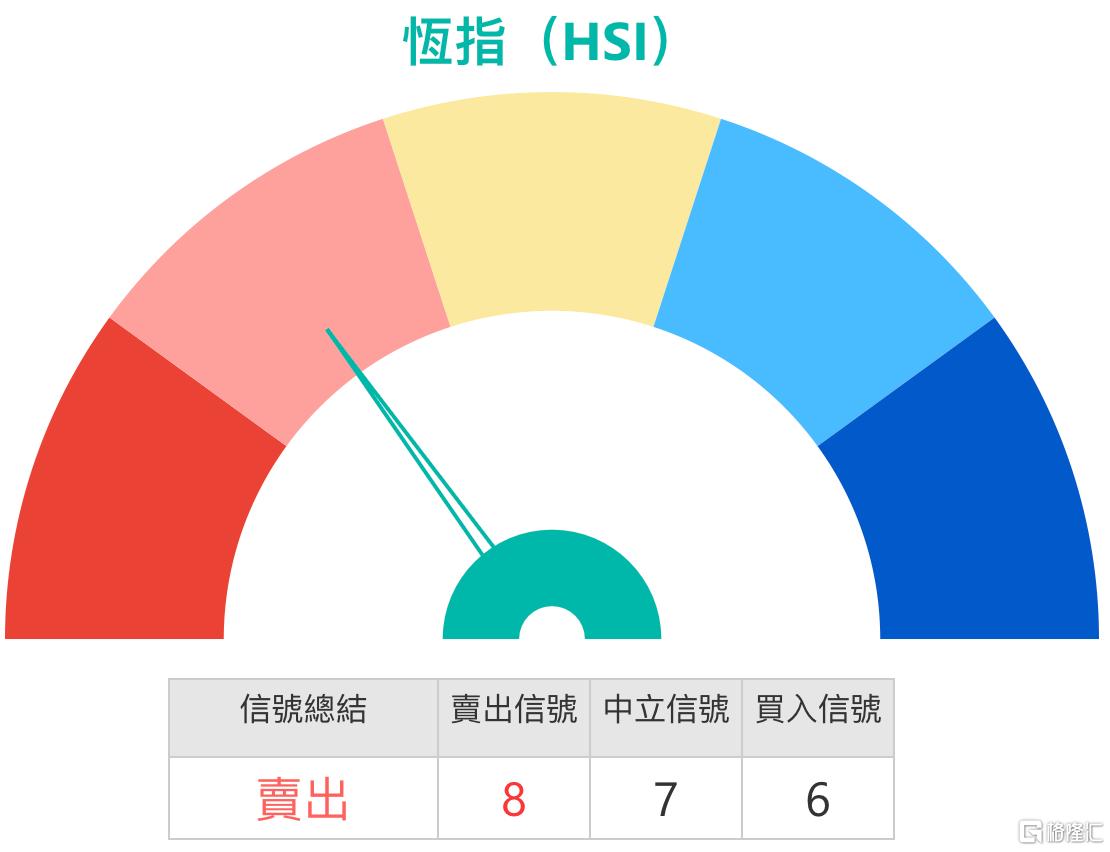
Group 1: Market Overview - The Hang Seng Index (HSI) showed signs of recovery, closing above 26,600 points after three days of decline, with some investors optimistic about reaching 27,000 points [1][2] - There is a mixed sentiment among investors, with some holding bullish warrants while others maintain bearish positions, indicating a normal market behavior [1] - Technical signals suggest a predominance of sell signals, with 8 sell signals compared to 6 buy signals, indicating a cautious outlook [1][5] Group 2: Technical Analysis and Price Levels - For bullish investors, a key resistance level is at 26,800 points; a breakthrough could lead to a target of 27,000 or even 27,400 points [2] - Conversely, bearish investors should note a support level at 25,900 points; if breached, the index could drop to 25,600 points [2] - Leveraged products around 25,500 points offer attractive options with leverage up to 24 times, providing a safer investment choice [2] Group 3: Individual Stock Analysis - Alibaba - Alibaba's stock closed at approximately 154.3 HKD, nearing its recent high, with a potential upward target of 158 HKD if it can break the resistance at 158.3 HKD [7][8] - Current technical signals for Alibaba are neutral, with no clear direction, despite a high RSI indicator [7][11] - For investors looking to minimize risk, products with a recovery price below 145 HKD are recommended, with some offering leverage above 8 times [8] Group 4: Individual Stock Analysis - Baidu - Baidu's stock closed at 144.7 HKD, with a resistance level at 148.8 HKD; a breakthrough could lead to a target of 163.3 HKD [13] - Technical signals for Baidu indicate a predominance of sell signals, with 8 sell signals compared to 6 buy signals [13][16] Group 5: Individual Stock Analysis - China Mobile - China Mobile's stock is on a downward trend, with a low of 80.5 HKD; concerns exist about a potential drop below 80 HKD [17] - If the stock continues to decline, it may reach 78 HKD or even 74.7 HKD [17] - Despite the bearish outlook, there are increasing buy signals, suggesting a potential opportunity for investors [17][21] Group 6: Individual Stock Analysis - AAC Technologies - AAC Technologies' stock closed at 39.24 HKD, with a short-term resistance at 40 HKD; a breakthrough could lead to 41.3 HKD [24] - Investors are advised to wait for a potential dip to around 37 HKD for a more favorable entry point [24] - Current technical signals show a slight advantage for buy signals, indicating a positive direction [24] Group 7: Individual Stock Analysis - Zijin Mining - Zijin Mining's stock closed at 39.28 HKD, with a need to break multiple resistance levels to reach 50 HKD [31] - The first resistance is at 40.6 HKD, and if surpassed, the next target is 43.8 HKD [31] - There are several near-the-money products available, with leverage around 5.9 times, making them attractive for investors [31][32]
1月13日港股通净买入12.96亿港元




Zheng Quan Shi Bao Wang· 2026-01-13 14:52
Market Overview - On January 13, the Hang Seng Index rose by 0.90%, closing at 26,848.47 points, with a total net inflow of HKD 1.296 billion through the southbound trading channel [1][4] - The total trading volume for the southbound trading was HKD 137.348 billion, with a net buy of HKD 1.296 billion [1] Trading Activity - In the Shanghai-Hong Kong Stock Connect, the trading volume was HKD 82.493 billion, with a net buy of HKD 0.149 billion, while the Shenzhen-Hong Kong Stock Connect had a trading volume of HKD 54.855 billion and a net buy of HKD 1.147 billion [1] - The most actively traded stock in the Shanghai-Hong Kong Stock Connect was Alibaba-W, with a trading amount of HKD 81.051 billion, followed by Tencent Holdings and Xiaomi Group-W, with trading amounts of HKD 29.445 billion and HKD 28.570 billion, respectively [1][3] Stock Performance - In terms of net buy amounts, Xiaomi Group-W led with a net buy of HKD 0.324 billion, despite its closing price dropping by 1.96% [1] - Alibaba-W had the highest net buy in the Shenzhen-Hong Kong Stock Connect, amounting to HKD 1.161 billion, with its closing price increasing by 3.63% [2][3] - The stock with the highest net sell was China Mobile, with a net sell of HKD 0.804 billion, and its closing price decreased by 0.25% [1][3] Detailed Trading Data - The top ten actively traded stocks in the southbound trading included: - Alibaba-W: HKD 81,050.183 million (net sell: HKD 9.046 million, daily change: +3.63%) [3] - Tencent Holdings: HKD 29,449.159 million (net buy: HKD 0.661 million, daily change: +0.72%) [3] - Xiaomi Group-W: HKD 28,572.459 million (net buy: HKD 32.370 million, daily change: -1.96%) [3] - SMIC: HKD 22,715.902 million (net sell: HKD 17.347 million, daily change: -1.13%) [3]
港股通1月13日成交活跃股名单

Zheng Quan Shi Bao Wang· 2026-01-13 14:49
Market Overview - On January 13, the Hang Seng Index rose by 0.90%, with total southbound trading amounting to HKD 137.35 billion, including buy transactions of HKD 69.32 billion and sell transactions of HKD 68.03 billion, resulting in a net buying amount of HKD 1.30 billion [1] Southbound Trading Activity - The southbound trading through Stock Connect (Shenzhen) recorded a total trading amount of HKD 54.86 billion, with buy transactions of HKD 28.00 billion and sell transactions of HKD 26.85 billion, leading to a net buying amount of HKD 1.15 billion [1] - The southbound trading through Stock Connect (Shanghai) had a total trading amount of HKD 82.49 billion, with buy transactions of HKD 41.32 billion and sell transactions of HKD 41.17 billion, resulting in a net buying amount of HKD 0.15 billion [1] Active Stocks - Alibaba-W was the most actively traded stock with a total trading amount of HKD 139.06 billion and a net buying amount of HKD 10.71 billion, closing with a price increase of 3.63% [1][2] - Tencent Holdings followed with a total trading amount of HKD 52.93 billion and a net buying amount of HKD 7.56 billion, closing with a price increase of 0.72% [1][2] - Xiaomi Group-W had a total trading amount of HKD 49.62 billion and a net buying amount of HKD 6.07 billion, closing with a price decrease of 1.96% [1][2] Continuous Net Buying and Selling - Three stocks experienced continuous net buying for more than three days, with Xiaomi Group-W, Tencent Holdings, and Kuaishou-W having net buying days of 9, 5, and 3 respectively [2] - Tencent Holdings had the highest cumulative net buying amount of HKD 69.99 billion, followed closely by Xiaomi Group-W with HKD 69.33 billion [2] - Two stocks faced continuous net selling, with China Mobile and Meituan-W having net selling amounts of HKD 52.84 billion and HKD 11.67 billion respectively [2]
国泰海通:天地一体化建设提速 关注卫星制造与火箭发射端龙头
智通财经网· 2026-01-13 13:29
Group 1 - The core point of the article highlights that China has submitted an application for 203,000 new satellites covering 14 constellations, marking a significant increase in satellite applications and indicating a new era in low Earth orbit (LEO) satellite construction [1][2] - The application includes two major constellations, CTC-1 and CTC-2, which account for nearly 193,000 satellites, reflecting a strategic intent to secure frequency resources for future 6G integrated networks [2][3] Group 2 - The entry of traditional telecom operators like China Mobile and China Telecom into the satellite sector signifies a shift from a single professional satellite operator model to a diversified structure involving national teams, commercial aerospace, and traditional operators [3] - This integration is expected to accelerate the commercial viability of satellite internet services, facilitating the Direct to Cell business model by leveraging the operators' extensive user base and ground infrastructure [3] Group 3 - The new satellite constellations face strict deployment timelines as per ITU regulations, requiring the first satellite to be launched within seven years and full deployment within 14 years, necessitating a significant increase in satellite manufacturing and rocket launch capabilities [4] - The industry must achieve an exponential increase in production capacity to meet the demand for launching thousands of satellites annually over the next decade [4]
